
I’m going to say the thing that’ll make the “trend-chasing is cringe” discourse read me for filth.
Trend-chasing works!
The Astronomer kisscam post got reach. Every brand that jumped on it, including IKEA Singapore recreating the moment with HR-approved plush toys and a private jet firm offering “the quickest escape from a Coldplay concert,” got shared, got impressions and engagement numbers that looked great in the end of moth report. The lime green Charli XCX graphic got saved. A demure caption got comments.
By every metric that currently matters in a Monday morning social report, trend-chasing performs.
The Culture Brief is a reader-supported publication. To receive new posts and support my work, consider becoming a free or paid subscriber.
And the performance is high key destroying brands.
It’s a trap
65% of marketing leaders say they need to prove how social media supports business goals to get leadership buy-in. [Sprout Social Index, 2025]
Most people doing brand social strategy spend a lot of time justifying their existence to people who don’t fully understand what they do. Survival depends on numbers. Reach, impressions, engagement rate, share of voice.
Chasing trends delivers all of those things, on demand. Every time a cultural moment drops, you can attach your brand to it and produce numbers that look like success.
So the social team does it, their manager approves it, someone presents the numbers and everyone’s happy. Nobody in that chain is making an error. They’re each responding rationally to the incentives in front of them: produce metrics that justify the budget. Chasing trends produce metrics that justify the budget.
Engagement measures attention. But attention is kind of meaningless.
You might accumulate years of trend-chasing data and end up with a social presence that’s simultaneously very active and completely forgettable. 40,000 impressions means the post appeared on a screen 40,000 times. How many people actually registered it is a different story, and nobody’s measuring that. The way we typically measure social performance doesn’t know the difference between attention and meaning.
Volume became the answer, and it shows.
What happens to culture when you pile on
The thing about trends is that their value is entirely in their specificity. Like the feeling of being in on something and belonging to a group of people who get it. If you've got a million followers and turn that into a caption, that specificity is lost.
I’ll give you three case studies across twenty years, because this has been happening for longer than Labubu.
Munny and Dunny, early 2000s

Remember back in 2004, Kidrobot launched Dunny and Munny: vinyl designer toys, blank canvases sold in limited runs, some designs produced in quantities of 500 or less. Collectors, street artists and gallery owners spread them through underground art communities. I collected them, you should see my stash. The culture around them was intensely specific. We knew the artists, the colourways, which blind box series had the chase figure worth hunting.
Then of course mainstream retail arrived. Then brand collaborations, then mass production. Editions that were once 500 went to 50,000. The scarcity and insider status that made them mean something totally left the building. The culture that collectors had built over years around a niche object got absorbed and diluted by the thirsty commercial machine.
The brands got their moment and the community moved on (probably on to Bored Ape NFTs, but I digress).
The Stanley Cup, 2022-2024
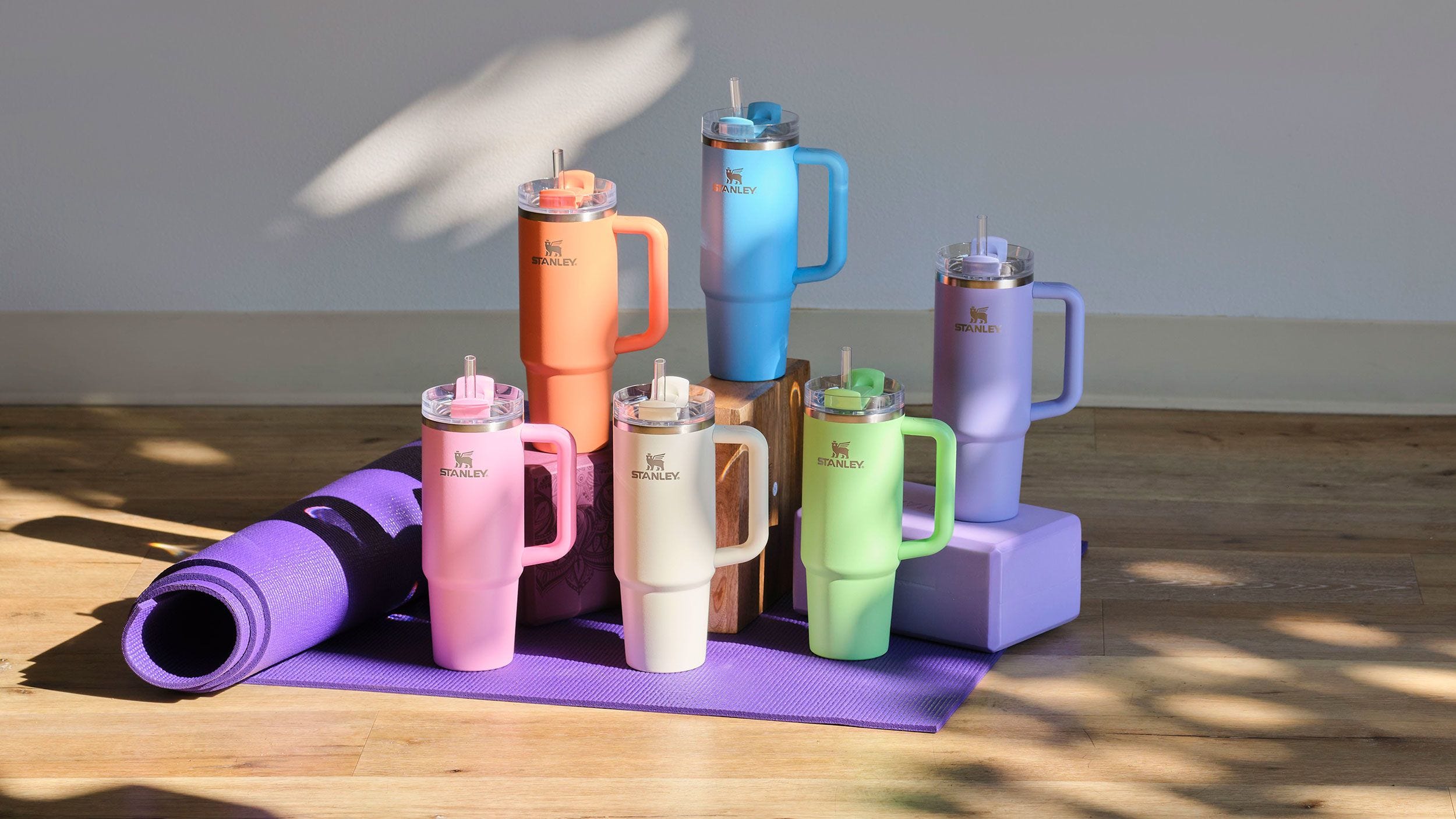
Stanley went from $73 million in revenue in 2019 to $750 million in 2023 by flipping from outdoor utility product to social media lifestyle object. Then marketers at Owala, Yeti and a dozen DTC brands pivoted simultaneously to a "hydration" angle. They saturated the trend so fast that (semi) cancellation arrived within the same cycle that created the peak. Consumers who'd made Stanley aspirational turned against the association with influencer culture. The very community that had built Stanley's momentum got crushed under the weight of everyone trying to borrow it at the same damn time.
Labubu, 2024-2025
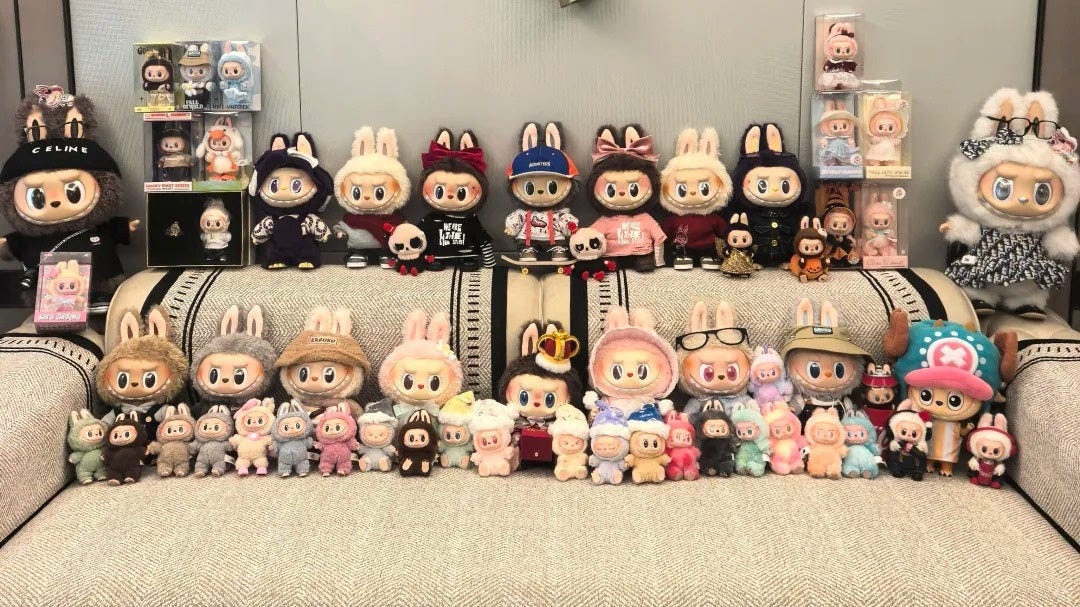
Pop Mart’s blind box toy went from niche Asian collector communities to global mainstream when Lisa from BLACKPINK posted one, then Rihanna, then Kim K. And then the thirsty, trend-chasing brand teams arrived: E.l.f. Beauty, Pillsbury, Crocs, all making Labubu content, all producing engagement numbers that no doubt looked great on paper.
When collectors first got hold of these ugly dolls, owning one meant something. It meant you were different. By late 2025, it meant nothing really. Labubu resale prices were down 50% or more on most models. Pop Mart had scaled production roughly tenfold.
See, this is why we can’t have nice things!
People have been doing this across three decades and nobody in a marketing meeting is connecting the dots. KidRobot, Stanley and Labubu aren’t even the half of it.
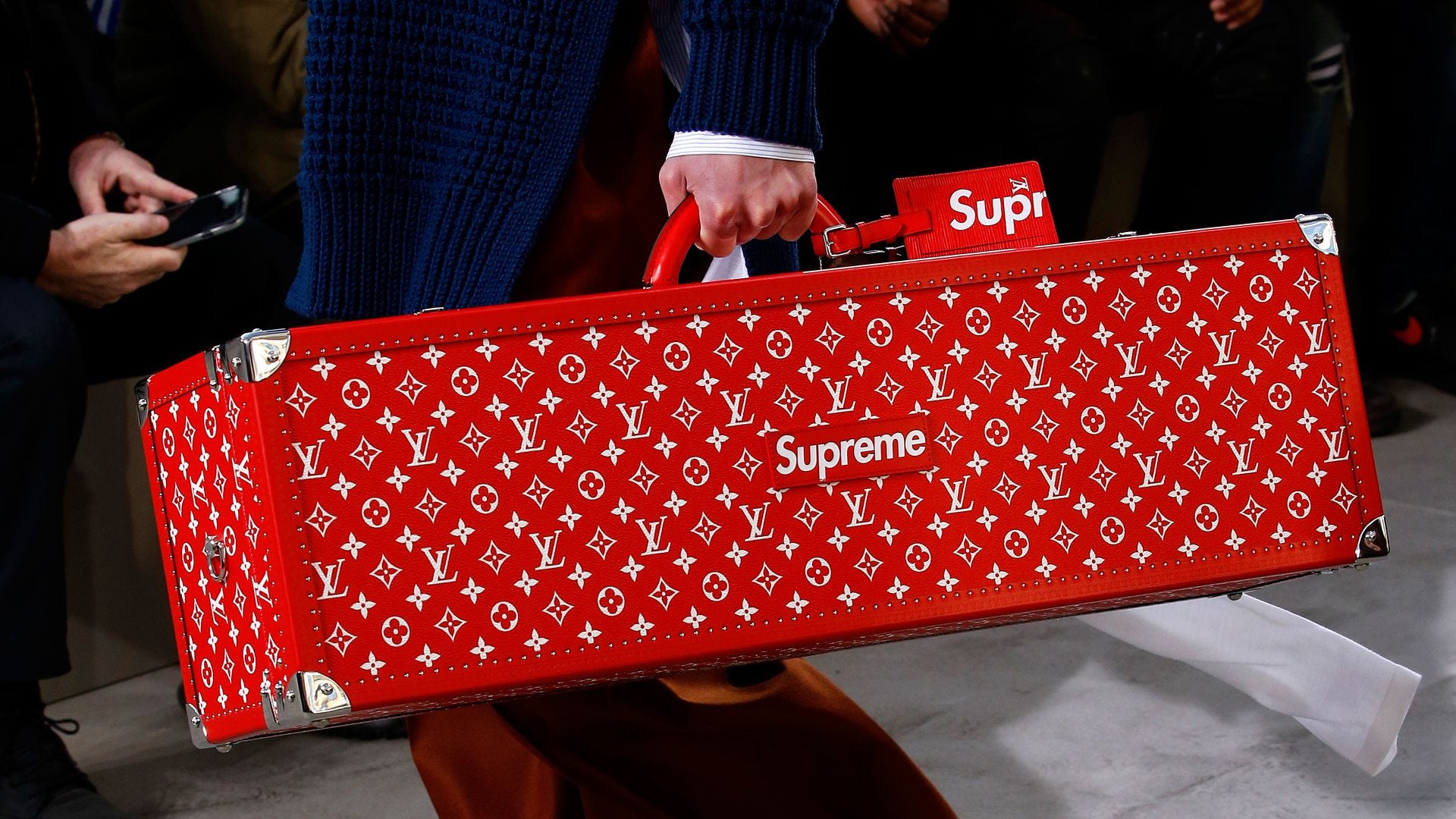
Supreme built a cultural identity on scarcity and gatekeeping (the drop, the queue, resale culture, the mythology). VF Corp acquired it in 2020. EssilorLuxottica bought it in 2024. It still trades on the mythology. The original community clocked out long before the second acquisition.
KAWS started as illegal graffiti on bus shelter ads in New York in the late 90s. Became gallery art. Then a Uniqlo collaboration with queues around the block in every major city, then airport gift shops. Each commercial step made sense to the executives who took it. Something left with each one.
Clubhouse. Invite-only, impossible to get into, Elon and Zuckerberg were on it in early 2021. Open to everyone by mid-2021. And just like that, the community was gone.
The people in the room know this
Most social teams feel it when they make the post or when they see a competitor do the same thing three hours later with a slightly different caption. And if they don’t feel it then, they feel it when they look at their feed and see a two-year archive of borrowed cultural moments that adds up to no particular point of view.
They’re still going to do it though.
Most people in those rooms know that building a genuine cultural position takes at least 18 to 24 months before it starts compounding. Chasing trends produces numbers this week. And this week is when rent is due (aka the report).
A system where doing the right thing for the brand produces worse-looking data than the wrong thing, in the short term, is a system that will keep producing the wrong thing.
(If you want to understand what a genuine brand position actually looks like in practice, The Receipts #02 breaks down four brands that built one and held it. Worth a read before you plan your next quarter.)
The counter-evidence

Salomon has been making technical outdoor footwear since 1947. When gorpcore became a thing (technical trail aesthetics crossing into streetwear and fashion), Salomon was already there. They’d been saying one specific thing for decades. So people flocked toward them.
The team at Pas Normal Studios built a point of view about what serious cycling culture should look and feel like: minimal, considered, technically obsessive. They held it consistently for years before it became the conversation. When the conversation caught up, Pas Normal was already sitting pretty.
SOAR Running. Same structure, Tim Soar and his team built a specific, unwavering position about running culture for people who take the sport seriously. The community found them.
None of these teams were posting 9.5 times a day. [Sprout Social Content Benchmarks, 2025] Their engagement numbers probably look pedestrian against brands playing the trend game week to week. The way we measure social performance makes that patience invisible, it only sees what performed this week. Their brand equity though is not to be played with.
So, now what
Put every post your brand published in the last 24 months on a wall. What would a stranger conclude that your brand believes?
“Whatever was happening culturally at any given moment.” Congratulations, you have built a social presence that reflects the internet back at itself!
A brand is a position held consistently by the people building it over time. Figure out what you actually think. Say it. Keep saying it.
And honestly, if you get to 18 months of doing that and things still haven’t moved your way, maybe the position needs rethinking. The Wedge Framework can help with that — it’s free, have a look.
Ayo
ICYMI 👀
Get my frameworks
The Wedge Framework find your position before you find your voice
The Culture Engine the system I use to analyse D2C brand strategy and digital culture
The Operator Control System the full bundle for running your content operation
Work with me
Find me
The Culture Brief is a reader-supported publication. To receive new posts and support my work, consider becoming a free or paid subscriber.
Comments
Nothing yet. Say the first thing.
Sign in to join the conversation.