
“Most Gen Alpha Strategies Are Just Gen Z With Younger Fonts”
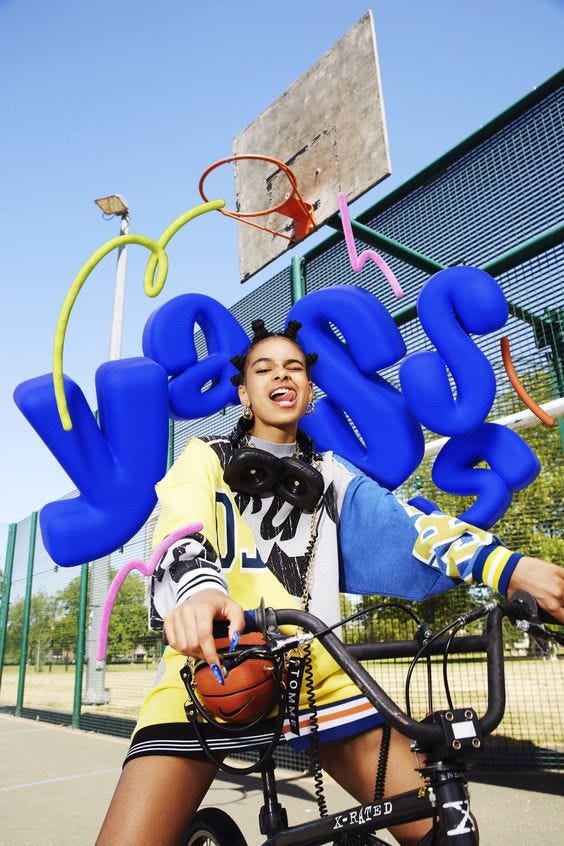
I got asked this week to brief a global food brand on Gen Alpha.
Thanks for reading The Culture Brief! Subscribe for free to receive new posts and support my work.
Gen Alpha strategy right now looks like using the same research frameworks, the same influencer rosters and the same assumptions about loyalty and social… and just packaging up as a word doc, written in comic sans, and being like ‘oh, yeh, the kids will love this!’ Out here using Gen Z tools, Gen Z tactics, Gen Z insight decks, and expecting the results to slap just as hard.
They won’t.
Because you’re trying to market to a generation that doesn’t exist yet in your research. You’re hoping they’ll kindly convert using the same stuff written for their older siblings. And the audacity of it is that most brands don’t even want to go under the bonnet — they just want Gen Alpha to behave like a smaller, younger Gen Z and they’re flabbergasted by the notion that they don’t.

Brands are trying to own a relationship that'll never belong to them.
When Gen Alpha buys something because their streamer friend mentioned it mid stream, they're buying into the relationship, not your brand (no matter how ‘cool’ it may be). And that relationship isn't yours.
Most brands know this intellectually and then proceed to build their entire Gen Alpha strategy around renting someone else’s audience anyway.
Mind you, Gen Z followed aspirational strangers who were already established, showing you the best version of their life or the strategically deployed worst bits. You knew everything about them and only ever saw what they chose to show. When a Gen Z influencer got a brand deal it felt normal and expected. A bit of a sell-out moment but fine, whatever.
Gen Alpha’s relationship to a streamers is next level different. They were there. From the beginning. Like, actually there.
A huge chunk of this generation followed IShowSpeed when he had a few thousand subscribers, they basically lived with him. They watched MrBeast when he was cobbling together challenge videos on a shoestring. And btw 46% of UK children aged 8 to 11 are already creating and uploading their own content, they understand from the inside what building an audience costs. They know how hard it is, so they don’t feel like fans, but more like early investors whose bet paid off.
When IShowSpeed gets the [insert big brand name here] sponsor, it feels like vindication. Like the thing they called before anyone else did. They were right. He made it. And in some small, parasocial, entirely real way — so did they.
That’s a completely different commercial relationship to anything that came before it. Brands are pricing it exactly like the old one. And it’s a lazy mistake.
The co-generational play nobody's running deliberately (and someone should)

Adidas x Oasis 2025 worked. And it’s a useful case study because it worked for the wrong reasons, or rather, for reasons nobody intended.
Gen Alpha doesn’t really know who Oasis is. But their Millenial / Gen X parent does. And the the slight nostalgia, genuine excitement, the “oh my god the Gallaghers” energy, was something Gen Alpha absorbed, registered, and borrowed. The collab hit the parent and the child watched it happen.
Is co-generational marketing a thing? A brand creating a moment that lands across two generations simultaneously, each for completely different reasons.
I don’t think anyone is running this deliberately. It keeps happening by accident. And that’s baffling to me because the set up to do it intentionally is just... sitting there.
The nostalgia loop for Gen Alpha has shortened to about five years. They’re already nostalgic about their early childhood. Which means the brands their parents trust, and the products that showed up in the background of home videos, are already accruing a kind of heritage status in a ten-year-old’s head. The cultural permission flows both ways. Gen Alpha borrows credibility from what their parents approve of. Parents gets pulled back in by what Gen Alpha’s excited about.
A brand that can occupy both positions is probably sitting on something extremely durable.
I’m not sure that anyone is consciously building for it. Someone should start, so I can talk about it.
Your Gen Alpha research is probably American. And it shows.
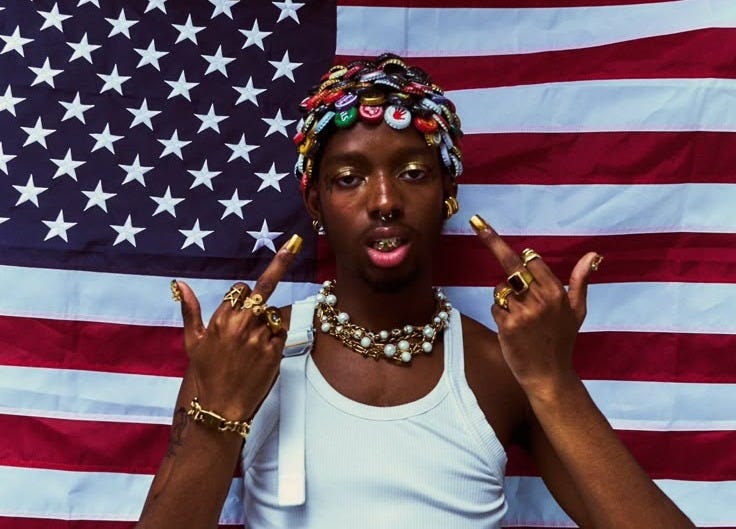
UK Gen Alpha is nuanced (like every other cohort).
DJ AG from Tottenham, live-streaming his decks from Brixton street corners with Skepta appearing unannounced, is a massive cultural touchpoint for urban multicultural Gen Alpha in London, Birmingham, Manchester. He means almost nothing to a kid in Exeter or rural Lincolnshire. The culture he represents doesn't travel the same way and pretending otherwise is beyond delulu.
Majority of Gen Alpha research brands are working from was built in the US, for a US context, with US fault lines. The class dimension of UK Gen Alpha culture makes a big difference, like how differently the references land depending on geography, community, what music is playing in the background. You can’t just import data from the US team and adjust for British spelling.
That gap is available to anyone willing to look for it.
Two things brands need to hear
Gen Alpha doesn’t care about your brand values in the way your strategy assumes. A beautifully written brand manifesto about ‘community’ and sustainability means nothing if the product experience is mid and you tried to use their slang wrong once. They won’t boycott you. They won’t campaign against you. They’ll just not choose you, and you’ll spend months wondering what happened.
The generation that grew up watching people they knew from 20 subscribers become global stars has a completely different relationship to endorsement, to brand permission, to what loyalty actually means. It doesn’t map onto anything the research is currently measuring.
So, respectfully,

— Ayo
Thanks for reading The Culture Brief! Subscribe for free to receive new posts and support my work.
Comments
Nothing yet. Say the first thing.
Sign in to join the conversation.