
Every month in The Receipts I break down the brands doing something worth paying attention to. This month the thread connecting all four is simple: the people behind each of these brands found a position, stayed in it, and waited. Culture eventually showed up.
None of them are the most obvious names. That’s the point.
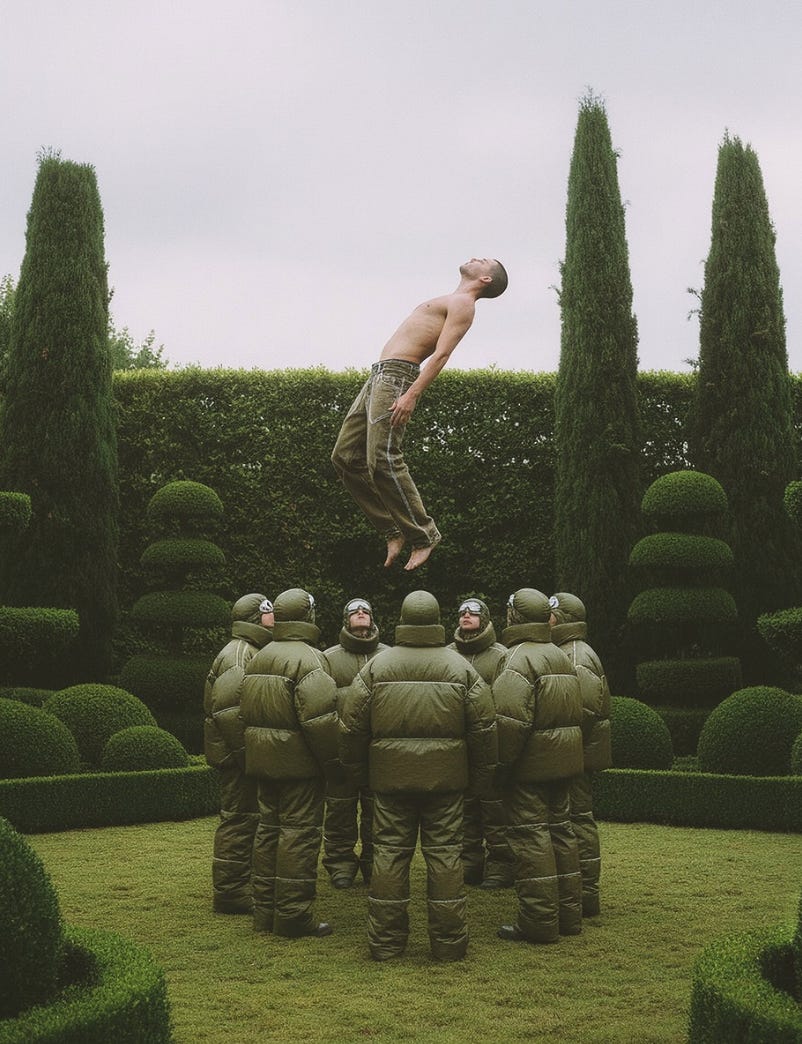
House of Pezzo is a Milan-based creative studio turned brand, founded by people who came out of Prada, Zegna and Ferrari. That heritage tells you something about the aesthetic instincts in the room.


Their campaigns are giving ‘major production short film’ vibes. The creative team writes briefs as narratives. The visual language is 3D and VFX-native, built for a digital-first audience, but with the edge of people who know what luxury looks and feels like. They target what they describe as the “shy creative”, someone with taste and discernment who actively avoids being sold to.
Their position: fashion for people who hate fashion marketing.
They built an identity around the rejection of the trend cycle. The audience they’re building is exactly the one that notices when a brand chases and exactly the one that rewards consistency. I suggest you watch this space.
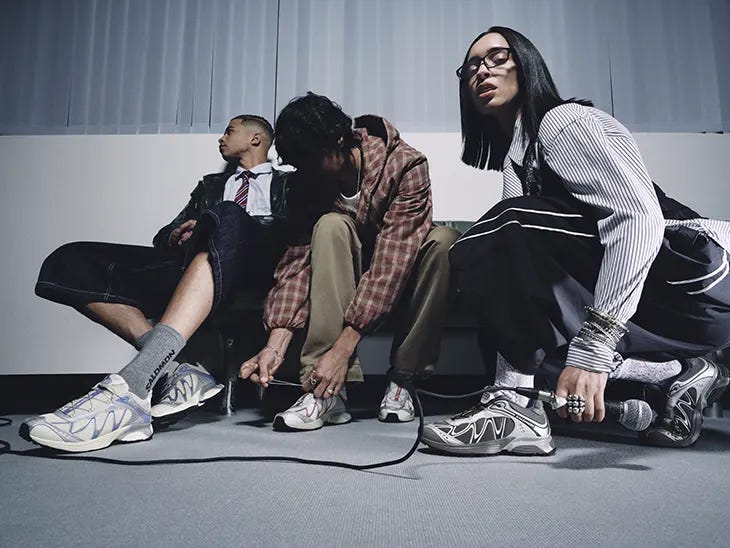
Salomon has been making technical outdoor equipment since 1947. Ski boots, bindings, trail shoes — utility products, built for function, with no particular cultural ambition beyond being the best at the thing they made.
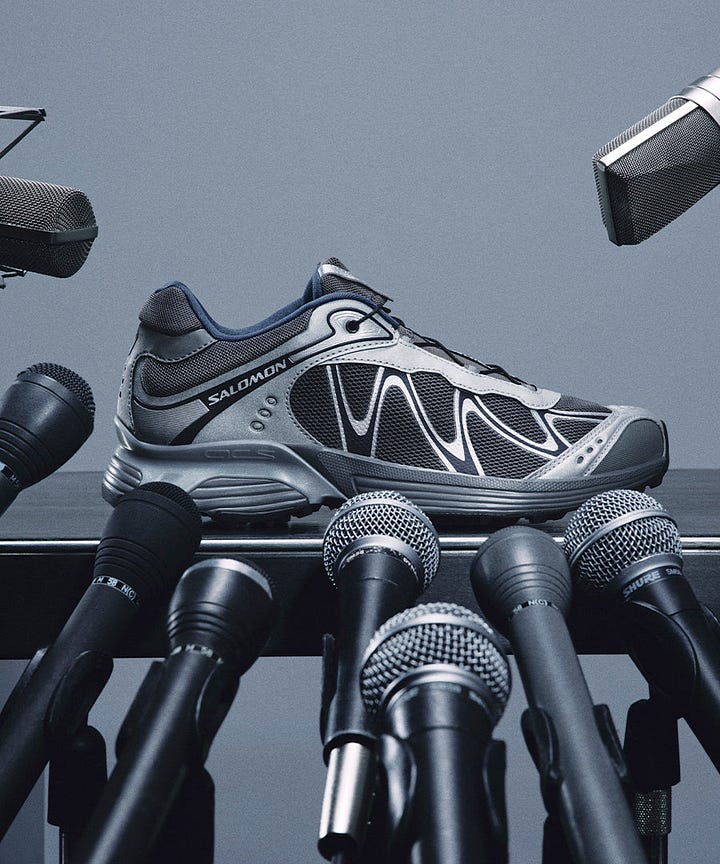
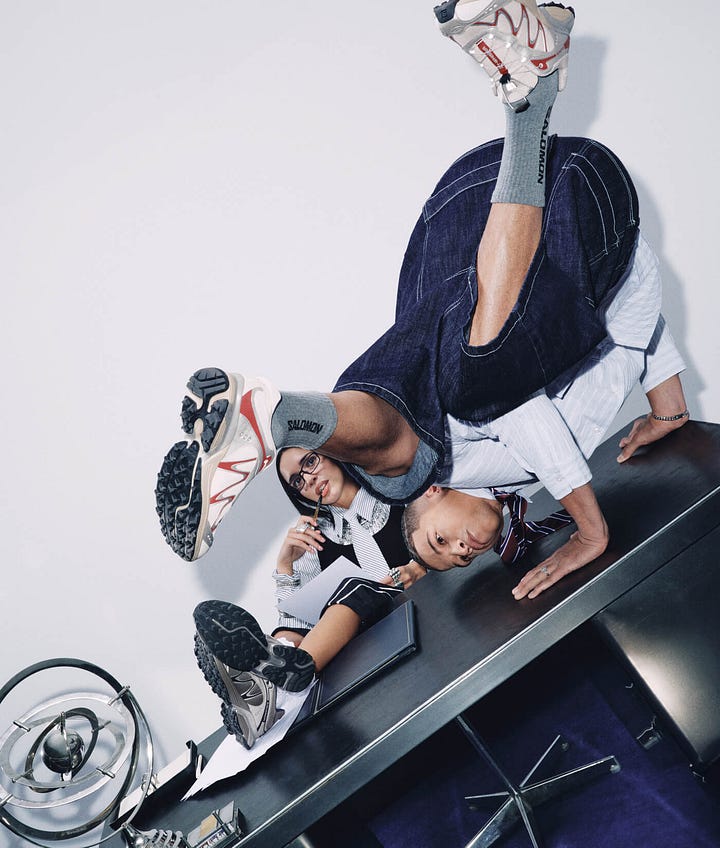
Then gorpcore happened. Technical outdoor aesthetics crossed into streetwear and fashion, and suddenly the shoes Salomon’s team had been making for trail runners became the most desirable footwear in fashion circles. Snoop Dogg wore their Olympic volunteer uniform. The brand went from 85% ski and outdoor revenue to 85% sneakers and apparel in the space of a few years. [Business of Fashion]
The Salomon team stayed exactly where they were. Culture arrived at their door.
Their position: function so authentic that fashion eventually adopts it without permission.
Salomon had a genuine community of trail runners, mountain athletes and serious outdoor people who used the product because it actually worked. That community gave the brand cultural credibility before it became mainstream. The fashion interest followed the credibility...
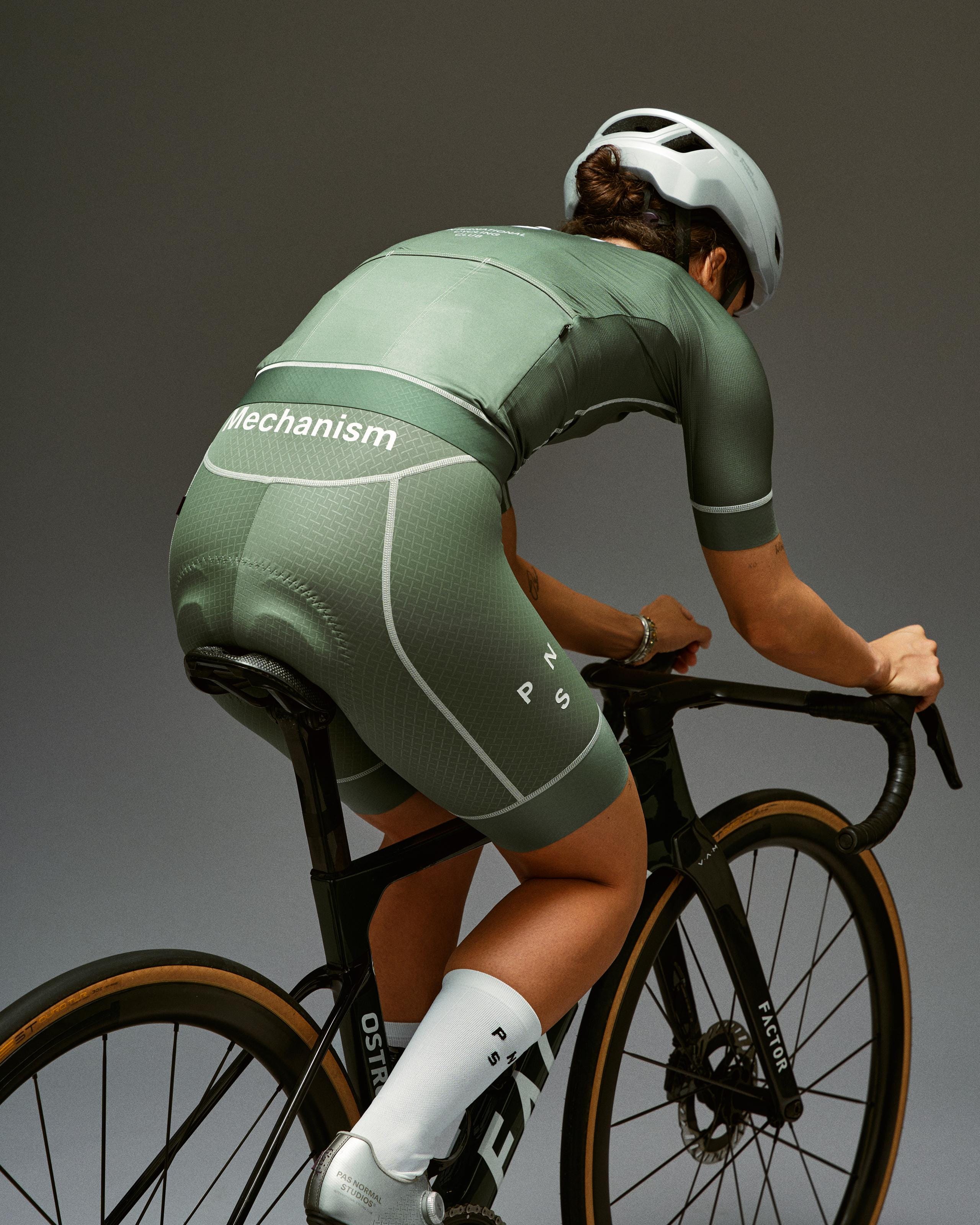
Peter Lange and Karl-Oskar Olsen founded Pas Normal Studios in Copenhagen in 2014. The name is French for “not normal”, a statement of intent that the team has spent the decade since proving.
Their position in cycling apparel is specific almost to the point of severity. Premium cycling kit treated like Scandinavian design objects. Minimal, considered, technically obsessive. Jerseys that cost what a good suit costs, made with the same attitude. The team built a global community of serious cyclists who wanted gear that reflected how they thought about the sport.
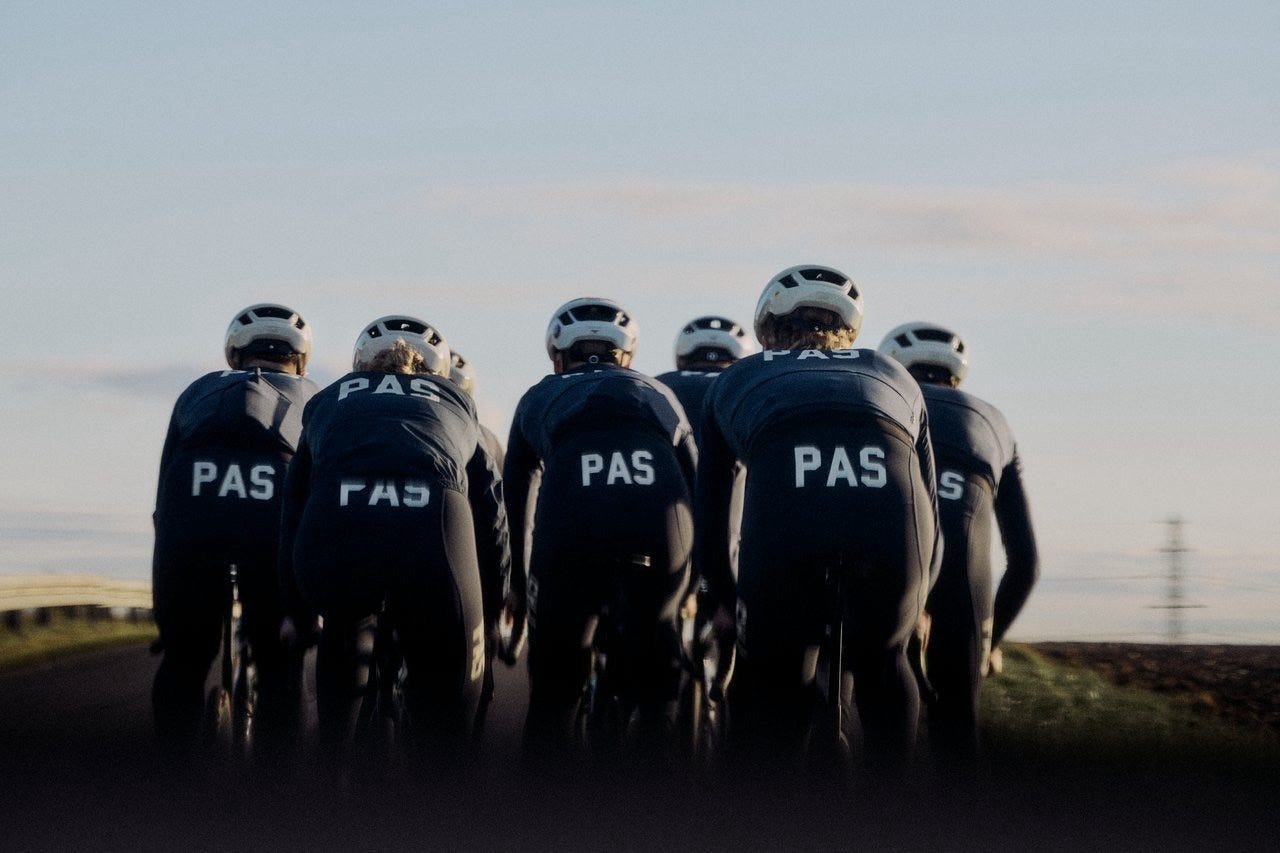
In April 2024, Pietro Ruffini’s Archive investment firm (the holding company of the Ruffini family that controls Moncler) bought a minority stake, calling it “a strategic partnership to support the brand in boosting its positioning and international expansion.” [Fashion Network] Pas Normal Studios has annual revenue estimated around $29.7 million. [Growjo]
The Moncler family invests in brands with positions. Pas Normal Studios had one, clearly, for long enough that the most sophisticated money in fashion noticed.
Their position: cycling apparel as considered and precise as the sport itself.
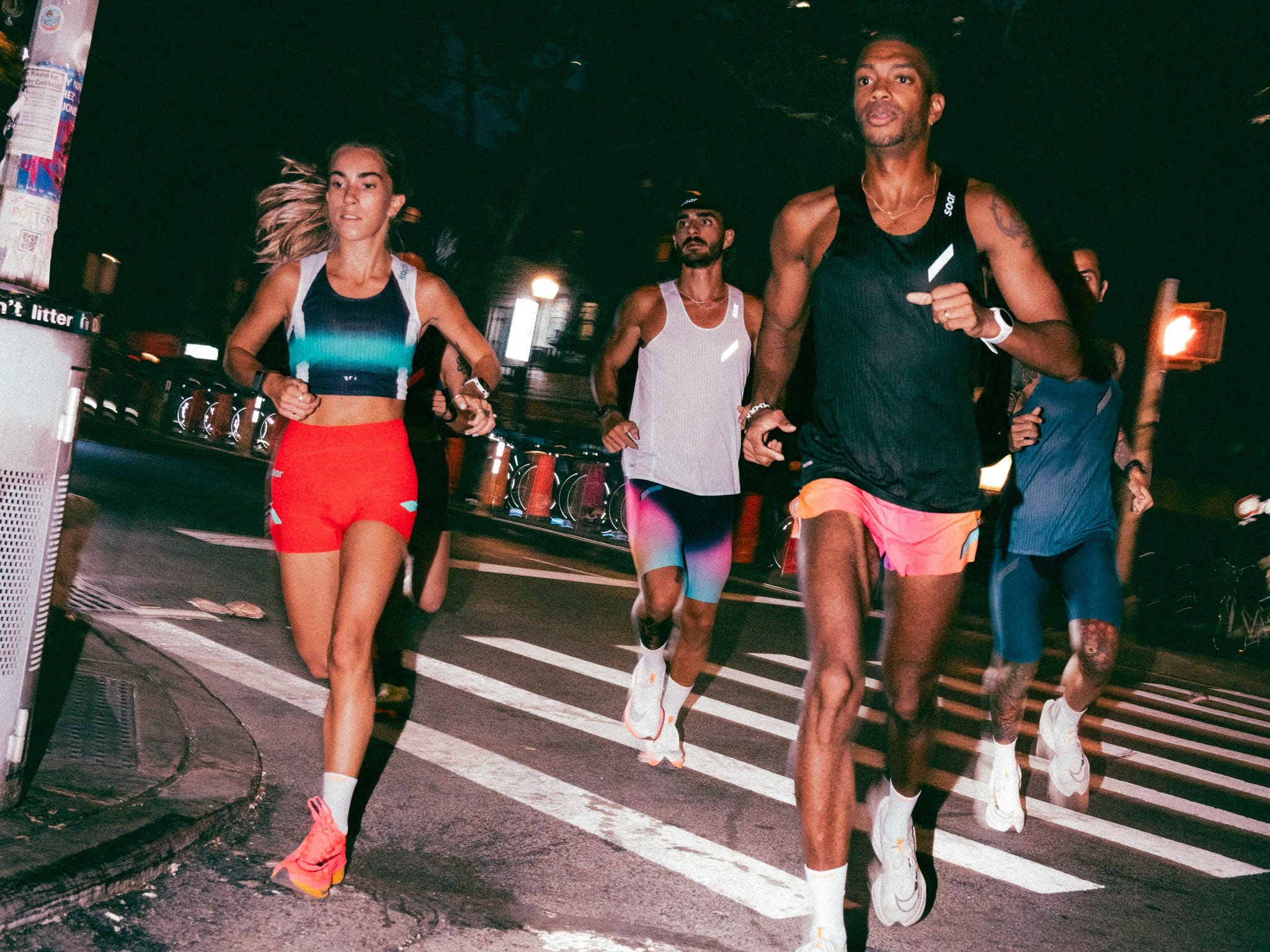
Tim Soar is a former menswear designer and DJ who abandoned his own fashion label to make running kit. The product has the construction obsession of a designer, the aesthetic of someone who knows what overdesign looks like, and the function-first clarity of someone who actually runs seriously.
Tim founded SOAR in 2015 around a philosophy he’s described simply as: “Form must follow function.” The team makes marathon shorts that retail at £155. Their community includes elite athletes alongside everyday runners who want gear that respects the sport. The SOAR Mile, a track event they organise annually with 12 graded races, puts a 7-minute miler in the same evening as a 4-minute miler and treats them identically. A genuine position on what running culture should feel like, expressed through an event.
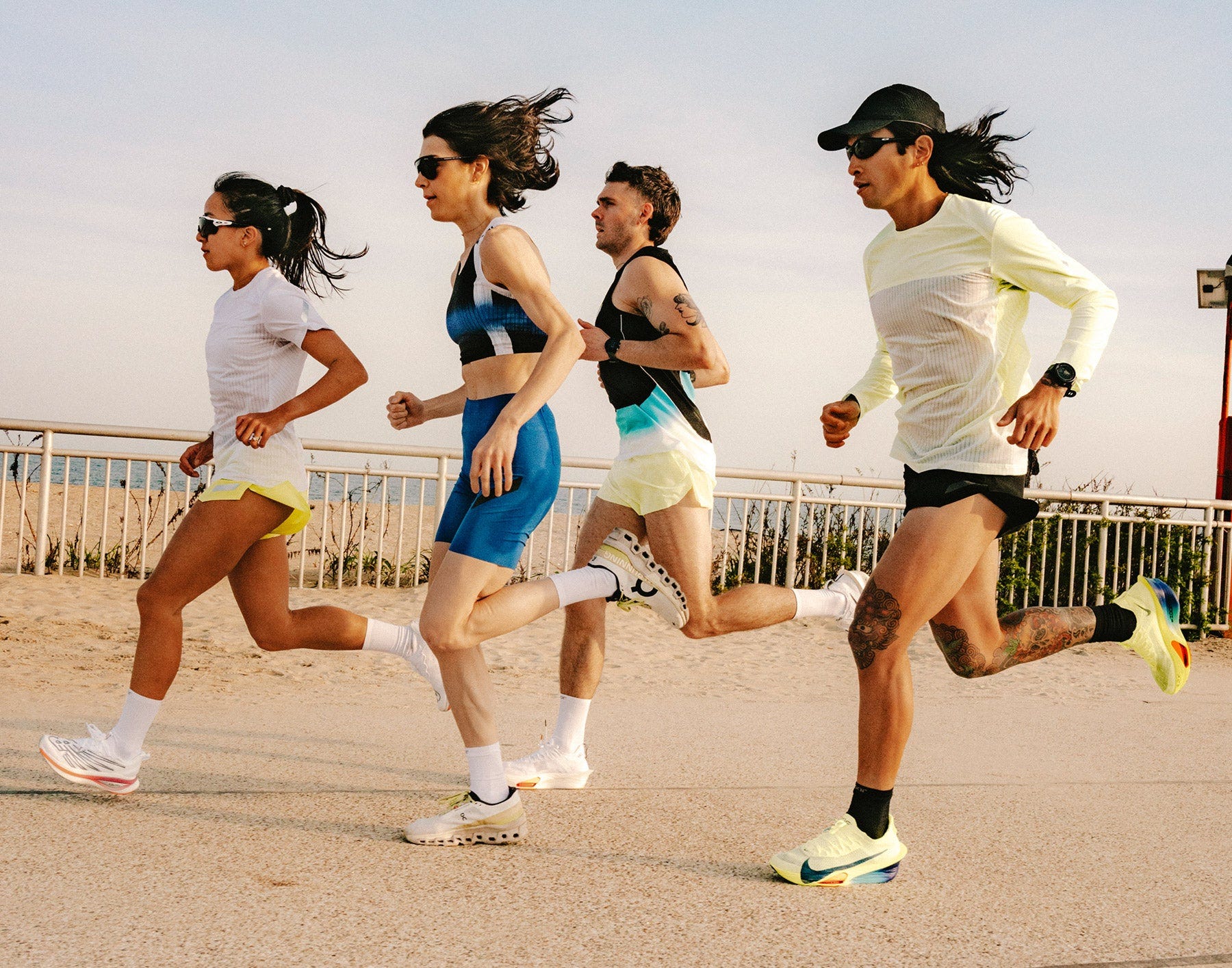
In June 2025, the SOAR team entered the Chinese market with a dedicated flagship on Tmall, backed by Topsports as exclusive local operator. People in running circles describe them as “the closest thing to a cult designer in running.”
Their position: running kit for people who take the sport seriously and want their gear to reflect that.
Tim and his team stayed in a specific place consistently, for long enough that the audience found them and the expansion followed.
None of these four brands are the loudest in their category. None of their teams are chasing the algorithm or releasing a lime green graphic when Charli XCX drops an album.
Each team identified something specific, an audience, a position, a belief about what their category should look and feel like, and held it. When culture moved their way, they were already there.
Positioning is something people do consistently over time. A campaign is what you run once you’ve got it.
Ayo
(The Sacred Cow this month goes in on why chasing trends fails and what these brands are doing instead: Trendmaxxing: That’s Why It’s Destroying Your Brand.)
ICYMI
Get my frameworks
The Wedge Framework — find your position before you find your voice
The Culture Engine — the system I use to analyse D2C brand strategy and digital culture
The Operator Control System — the full bundle for running your content operation
Work with me
Find me
No posts
Comments
Nothing yet. Say the first thing.
Sign in to join the conversation.