
Victoria’s Secret is taking this year’s show to Los Angeles, its first LA edition since 2007, and rebuilding it as a shoppable event. The move signals that the CBS production era is over; i.e., the show is no longer media that points at a store; it is becoming a place where the media and the transaction happen together. For most brands, that would be a format experiment. For Victoria’s Secret, it is a return to the model the company invented, because before the internet existed, the VS catalog was the most sought-after piece of shoppable media in America, and the fashion show was always, in effect, a well-produced catalog. The product was the show, and the show sold the product.
Understanding why the brand drifted from that model, and what happened when it did, is what makes this a case study rather than an announcement.
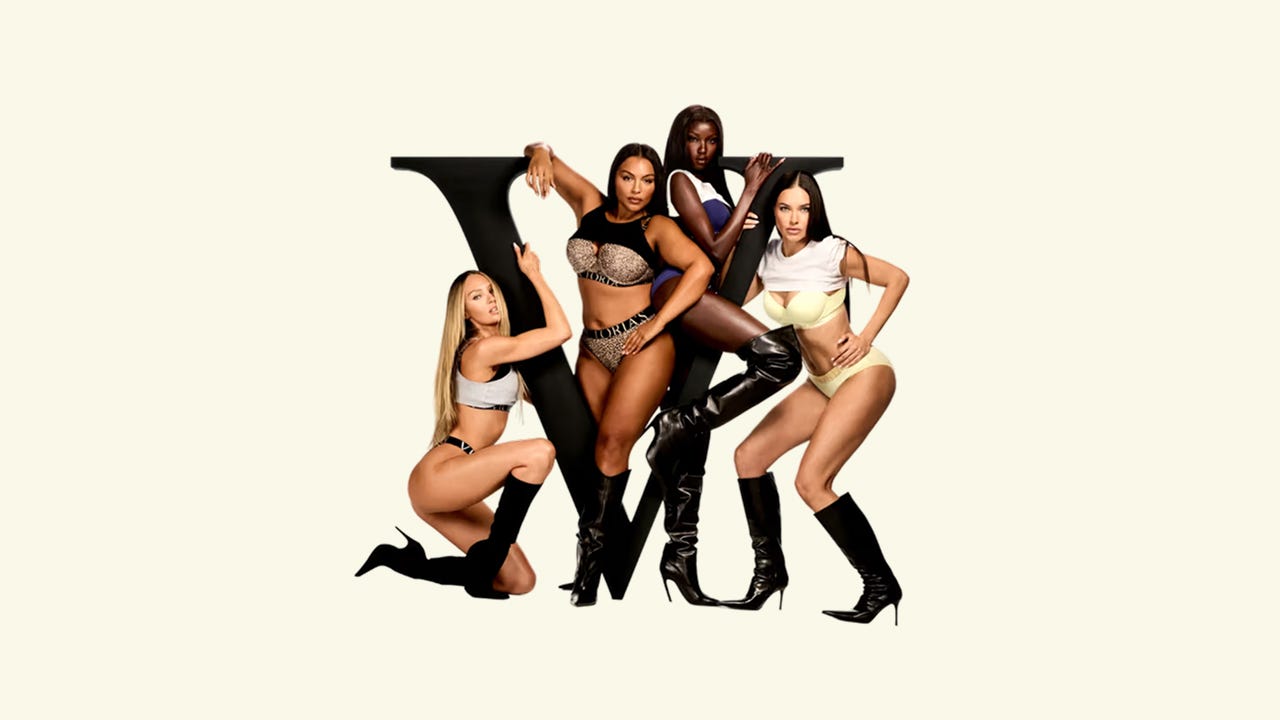
In 2019, Victoria’s Secret cut the fashion show after ratings fell 66 percent in five years, from 9.7 million viewers in 2013 to under 3.3 million in 2018. The CFO’s stated reason was that the show had no immediate impact on sales, and on the numbers available to him, he was right. The show had become an expensive television production whose connection to the business had gone slack, and the audience decline told the deeper story, i.e., the brand had lost sight of its brand. A company founded on sexy spent years trying to become everything for everyone, and the customer, who can always tell, stopped showing up for a show that no longer knew what it was. By the time the cancellation came, the business was in a genuinely dire position, and the show was the most visible symptom of it.
The diagnosis matters because it separates the format from the failure. The fashion show did not stop working because runway entertainment stopped working. It stopped working because the brand underneath it had gone incoherent, and no production budget fixes that.
The revival worked because the brand went back while staying modern. The new show stayed true to what Victoria’s Secret was founded on, i.e., sexy, but no longer only one type of sexy, and it put on a show rather than a statement, because people want to be entertained rather than lectured.
The numbers followed. The revived show is credited with a 60 percent surge in web traffic and a 15 percent lift in new customer sales. Q1 net sales rose 15 percent, the stock spiked 40 percent in a single day, shares roughly doubled to an all-time high near $80, and the company has posted four straight quarters of positive comps. CEO Hillary Super and creative lead Adam Selman rebuilt the show on the understanding that the halo was always real, i.e., the 2019 problem was never that the show produced no value; it was that the value could not be measured or converted inside the moment it was created. Which is exactly the gap the new format is built to close.
Media and shopping are collapsing into one surface, and the data has moved past the point of debate. US livestream commerce sales grew nearly 50 percent last year, with buyers up more than 20 percent year over year. Conversion rates for shoppable live formats run 9 to 30 percent against the 2 to 3 percent of standard e-commerce, i.e., as much as ten times higher, and clothing is the top American livestream purchase category at 43 percent. TikTok Shop doubled to $66 billion in gross merchandise value; TikTok is now the fastest-growing beauty retailer in the US, with sales rising roughly 260 percent annually since 2023; livestreaming alone accounts for about 22 percent of its US sales per McKinsey’s latest State of Beauty report, and YouTube is rolling out in-app checkout. China shows where the curve goes, i.e., livestream commerce is roughly 60 percent of Chinese ecommerce against about 5 percent in the US, which means the American market is not near saturation; it is near the beginning.
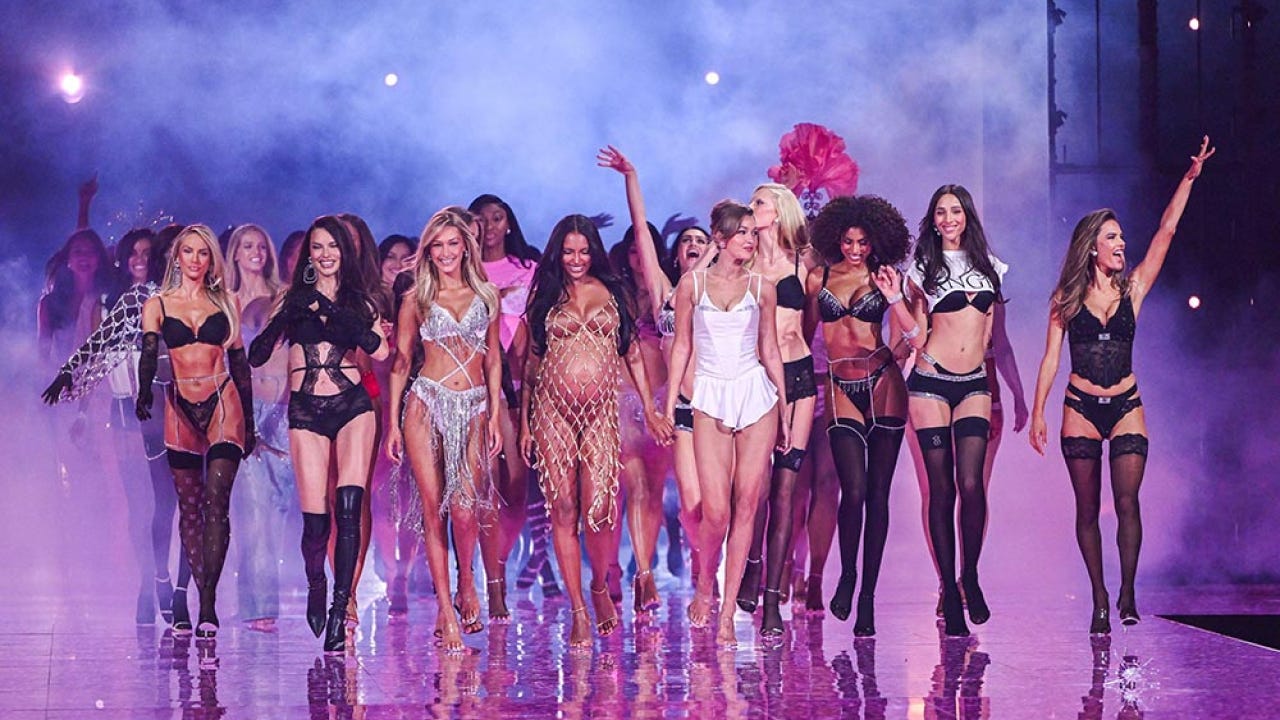
Read against that backdrop, the VS announcement is not a brand experimenting with a trend. It is a brand with the most valuable shoppable-media heritage in retail moving back into its own category as the category becomes the future of the industry.
Philip made the mechanical point on our show this week, which you can listen to here. In the episode, he shared the idea of imagining every model walking in a look available in limited quantities where scarcity is tied to the event itself. The technology to do this exists today, the audience behavior is already proven, and the format answers the 2019 objection permanently, because immediate impact on sales stops being the missing metric and becomes the defining feature.
This is where the trend connects to world building, because shoppable media only works if people choose to watch it, and nobody chooses to watch a store. The brands doing this correctly are building entertainment people enter, i.e., a world with a point of view, personalities, and moments worth showing up for, where the shopping happens because the audience is already inside. The ones doing it wrong are bolting checkout buttons onto advertising and wondering why nobody converts.
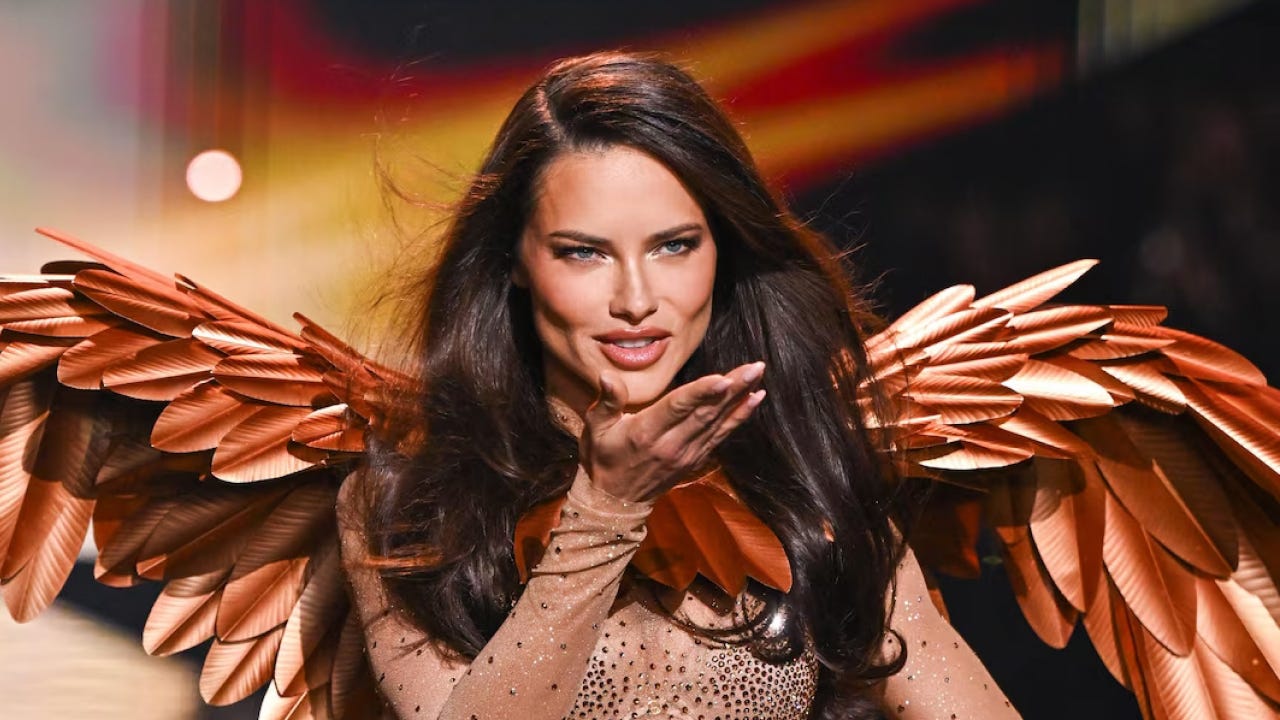
Victoria’s Secret understands the difference, and the location choice says so. Moving the show to Los Angeles is not a venue decision; it is a statement about what the show now is, i.e., the brand is maximizing the entertainment value by going to the home of entertainment. The original LA shows in 2006 and 2007 were the brand at its cultural height, and returning there stacks nostalgia on top of the new format. That combination matters more now than it would have five years ago, because AI has commoditized spectacle, i.e., the crazy stunt video is now cheap to produce and everywhere, whereas the feeling attached to a brand’s own history cannot be generated. Nostalgia creates the pull, and the shoppable format converts it in the same moment, which is the full stack every brand running this playbook is assembling.
Treat your media as a storefront rather than an awareness play. The demand your content creates decays on the trip to the store, and every step between the moment and the transaction leaks conversion, which is why the format shift matters at every scale, i.e., the livestream, the drop tied to the launch video, the product linked inside the content rather than in the bio.
Entertain first, because the audience enters for the show and stays for the world. The transaction follows attention, and attention follows entertainment, whereas content built to sell reads as advertising and gets skipped. The brands winning shoppable media are producing things people would watch even if nothing were for sale.
And stay true to what your brand is, because the entire VS arc turns on it. The show died when the brand tried to be everything for everyone, and it came back when the brand remembered what it was and modernized the expression rather than the identity. The format is the multiplier, but the brand is the base, and no amount of commerce infrastructure converts an audience that no longer knows what you stand for.
Thanks for reading,
Xx Camille
If you want to subscribe to my weekly deep dive newsletter that’s mailed out every Friday, click here.
—
Want my team on your brand? Book a call here with Third Eye Insights, my international brand strategy and creative agency.
Apply my frameworks and teachings to your own brand with my Masterclass and Social Media & Brand Planners.
Comments
Nothing yet. Say the first thing.
Sign in to join the conversation.