
At last year’s Indianapolis 500, wedged between a waste management sponsor and an oil company, a beauty brand set up an activation called the Lip Oil Change, staffed with a pit crew of glow-up artists and a DJ. The line to get in stretched for miles. Elf’s CMO has told the story of what happened inside it, i.e., fathers, brothers, and grandfathers finding her at the activation and crying as they thanked her, because for the first time, every member of their family was excited to be at the race together.
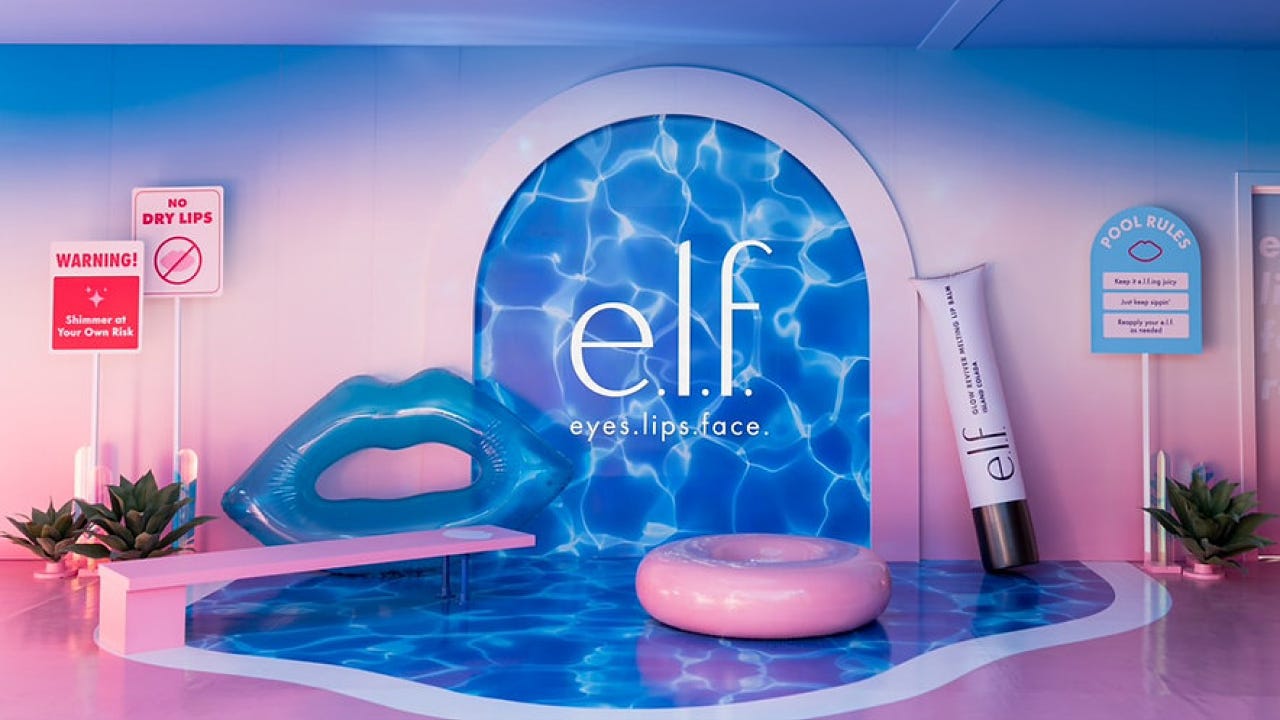
Elf is one of the biggest beauty companies in the world, with 27 consecutive quarters of net sales growth and the budget to buy attention anywhere it wants. What is worth studying is where it chooses to spend instead. Elf has spent the last five years showing up in places no beauty brand had entered, i.e., Twitch, the Indy 500, NASCAR, and the through-line is not a taste for stunts. It is a thesis about community. Elf understands that behemoth brands are built on people who feel connected to them, and that the cheapest loyalty in the market belongs to communities that want connection and are not being served. While competitors bid against each other for the same audiences on the same platforms, Elf hunts for underpriced community, and the two case studies below are the playbook.
No beauty brand was on Twitch, and there was no playbook for one. What Elf found was a reason to write it, i.e., 77 percent of women on the platform reported being bullied, and many were gaming under aliases to hide that they were women, because they could play as well as the boys and were being harassed to the point where their confidence and their play deteriorated. The community existed; it was engaged daily, and nobody was serving it.
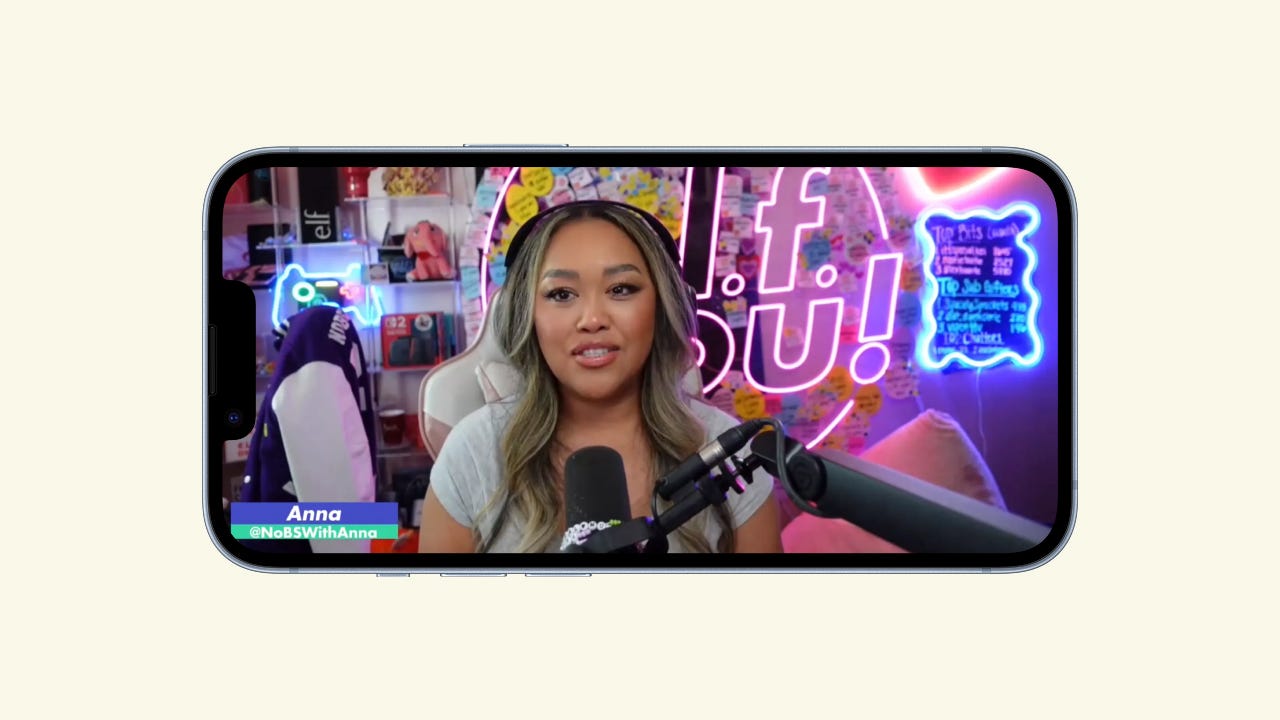
Elf’s response was not an ad campaign. They built a channel, ‘elfyeah’, as a protected space to game and talk, with trained hosts and moderators who actively manage the environment; i.e., negativity gets pulled aside into side conversations, and anyone unwilling to change their tone is removed. They entered with service and infrastructure, and five years later, Elf sits in the top 1 percent of brands on the platform, in the company of Red Bull.
The more revealing part is what happened when Elf asked the community what it wanted from them. The top two answers were career advice and financial advice. Not makeup tutorials, which the community felt it already had, but access to the things missing from their lives and from the platform, i.e., financial literacy and professional guidance. So the CMO went live with career advice, then brought on the CFO, and 111,000 people showed up to watch a beauty brand’s chief financial officer talk about money. That number is a signal about what community connection looks like in action, i.e., the relationship transcended the product. Elf had become, in the CMO’s framing, the bestie helping you through your life– a loyalty that’s invaluable to the brand.
The Indy 500 is the largest single-day sporting event in the world, and roughly half its audience is women, i.e., women at the race supporting their fathers, husbands, and brothers, and women who simply love the sport, with almost nothing at the venue built for them. Women receive just 1 percent of all sports sponsorships and account for only 4 percent of drivers on track. In the race’s 108-year history, nine women have qualified. Then Katherine Legge emerged as the only female driver in the field, and Elf read the context correctly, i.e., an enormous, passionate, completely unserved community with a history maker to rally around.
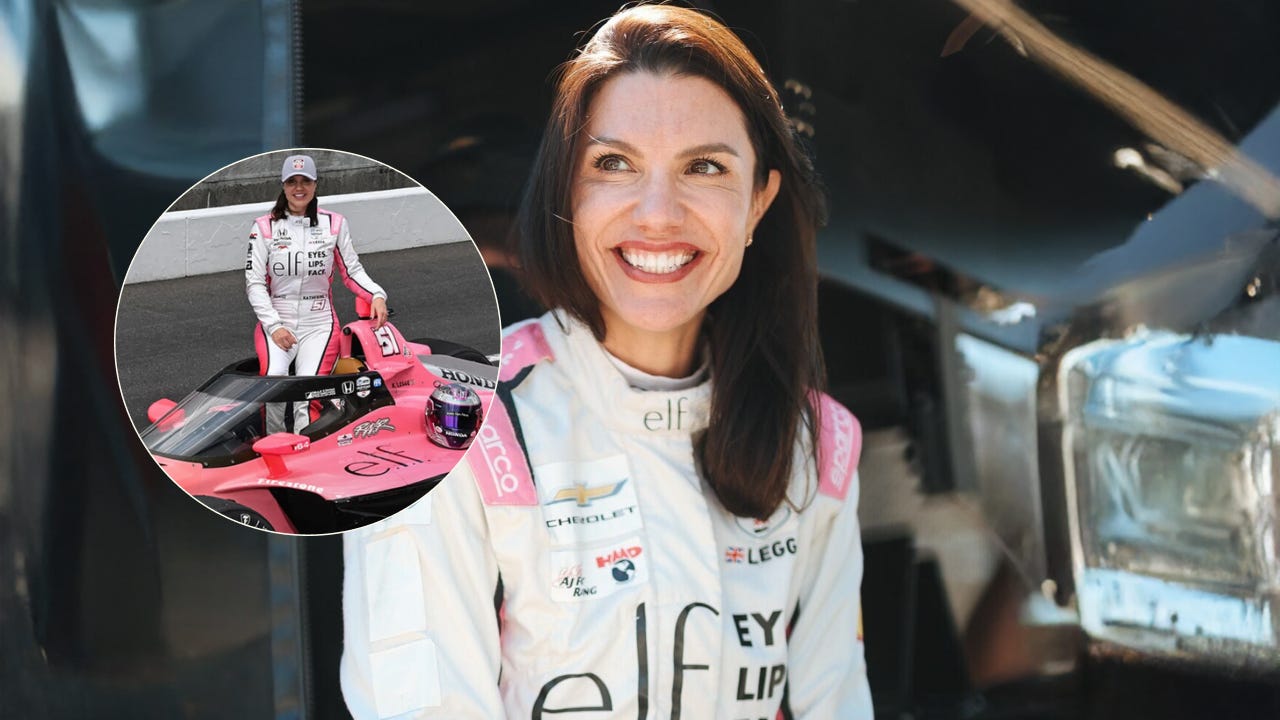
Elf became the first beauty brand ever to serve as a primary sponsor of a driver at the race, putting Legge in a branded fire suit and a wrapped number 51 car, and backing her season after season since; i.e., Legge became the fastest woman ever to qualify for the Indy 500 with Elf by her side, and the partnership has since expanded into NASCAR. The Lip Oil Change activation, celebrating the nine women who have competed across the race’s history, is where the grandfathers cried. That is what serving an ignored community produces, i.e., loyalty with an emotional depth no media budget can buy, in a venue no competitor thought to enter.
The playbook underneath both case studies is operational, not creative, and it starts with where Elf looks. Women on Twitch and women at the Indy 500 were never hidden, i.e., the bullying data and the audience composition were available to every brand in the category, and nobody else acted on them. Elf treats overlooked communities as a sourcing discipline, which means the first step of the playbook is research most brands never bother to do, because the communities in question look too small or too far from the category to justify the effort.
The second step is identifying what the community is actually missing, which is almost never the product. Women on Twitch did not need another makeup tutorial; they needed a place to game without being harassed, and later, when Elf asked them directly, they wanted financial literacy and career guidance. Women at the Indy 500 did not need a beauty booth; they needed a reason to feel like the race was also for them. The unmet need is the entry point, and finding it requires asking the community rather than assuming, which is why Elf constantly polls its audiences about what they want to hear and learn.
The third step is where the investment gets real, and it is the part most brands skip. Before Elf ran a single piece of advertising on Twitch, they built the infrastructure of a functioning community, i.e., trained hosts who were prepared before going live, because streaming is a genuinely difficult format, and moderators in the comments whose entire job is protecting the environment. When negativity or hate shows up, the moderators move it aside and have direct side conversations, telling people they are welcome to stay, but the tone has to change, and removing anyone who refuses. That level of operational commitment is what made elfyeah a safe space rather than a branded channel with a mission statement, and it is the same commitment that showed up at the Indy 500, i.e., a driver sponsorship held across multiple seasons rather than a one-race stunt, and an on-site activation built for the community rather than the press release.
The fourth step is access, and it is the one that separates Elf from every brand that talks about community and means a comment section. The CFO streams on Twitch. The CMO takes the CEO onto TikTok lives so the community can tell him directly what they want from the brand. Elf calls this zero distance, i.e., zero distance between insight and action, and zero distance between the community and the C-suite, and the practical result is that something the company hears at night is in the feeds the next morning. The community is not being managed by a social media coordinator three layers removed from decisions. It is talking to the people who make them, and both sides have a personally vested interest in each other, which is what connection at scale actually requires.
Community and price point are the whole formula, and the two compound each other in a way that is easy to miss if you look at either one alone. Elf finds communities where loyalty is underpriced, i.e., audiences that are large, passionate, and completely unserved, and then serves them with products almost anyone can afford. The community work creates the connection, and the price point removes the barrier to acting on it. A teenager who watched the CFO’s financial advice stream can walk into Target the next day and buy the brand that showed up for her, whereas the luxury version of the same emotional connection dead-ends at the price tag. The connection converts because nothing stands between the feeling and the purchase.
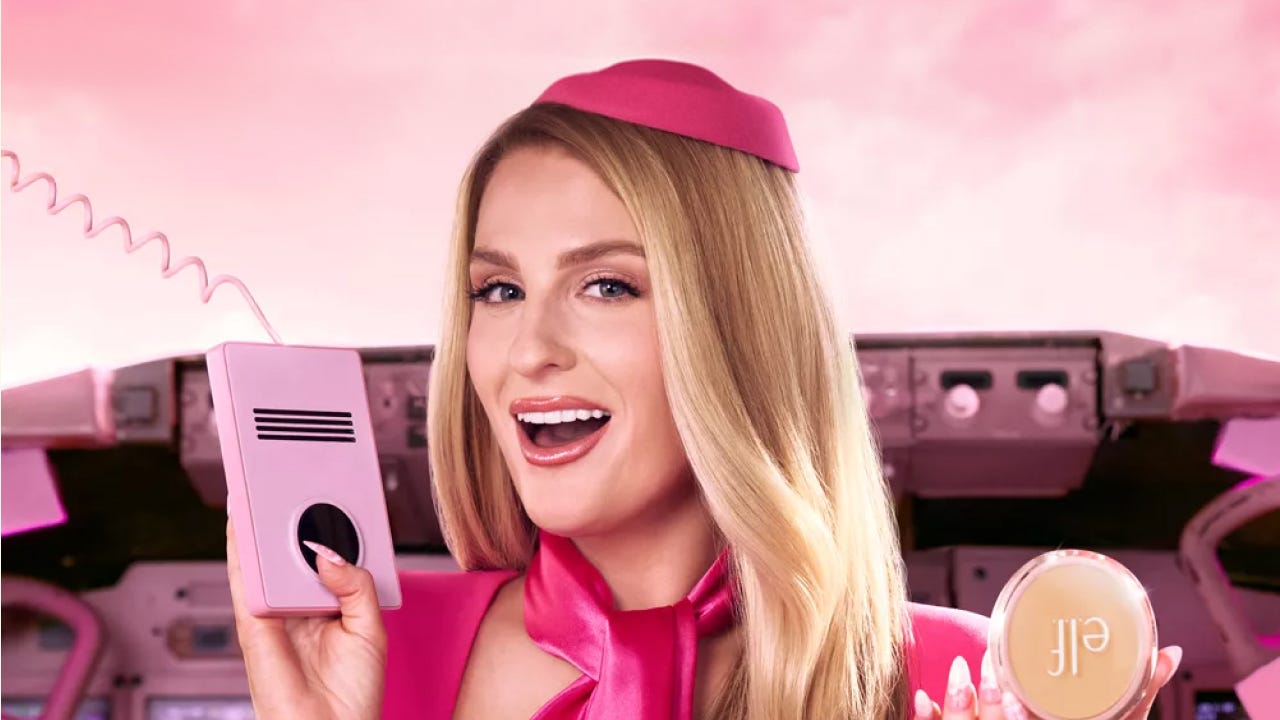
The capital efficiency is the part that should interest anyone running a P&L. A Twitch channel and a driver sponsorship cost a fraction of a single Super Bowl spot, and they built market positions no competitor can buy their way into, because the position is not a media placement; it is a relationship with a community that remembers emotionally who connected with them in an authentic way.
Start with where you are looking, because every category has communities being ignored in plain sight, and the data on them is usually public. The incumbents look past these audiences because underserved reads as small to a brand optimizing for reach. Underserved means underpriced to a brand optimizing for loyalty, and the reframe is the entire opportunity, i.e., the communities nobody is bidding on are the only ones where attention is still cheap.
Then serve what the community is missing before selling what you make. This is the step that requires actual patience, because the unmet need is almost never in your category, i.e., Elf’s Twitch community wanted financial literacy, not lip oil. The brands that enter a community with service earn the right to sell later, whereas the brands that enter selling get read instantly for what they are, and the community closes to them.
And give people real access, because connection to people builds loyalty that connection to campaigns never will. That does not require a CFO with streaming range. It requires the founder and the leadership being reachable by the community in some genuine, recurring way, i.e., the version of zero distance your company can actually sustain.
Remember, world building is about providing consistent datapoints that compound, allowing your customers to turn into fans. One way Elf is world building is by focusing on underpriced attention. I hope you find this case study inspiring!
Till next time,
Xx Camille
In case you are not subscribed to my weekly deepdive newsletter, click here. We send it out weekly on Fridays!
—
Want my team on your brand? Book a call here with Third Eye Insights, my international brand strategy and creative agency.
Apply my frameworks and teachings to your own brand with my Masterclass and Social Media & Brand Planners.
Comments
Nothing yet. Say the first thing.
Sign in to join the conversation.