
I was slow to talk about the Levi’s brand activation because I wanted to see what else would come out of the FIFA World Cup before writing about it. Truthfully, what Levi’s pulled off is the cleanest example of reactionary marketing I have seen a brand execute in years, and it is worth breaking down properly because the mechanics are repeatable.
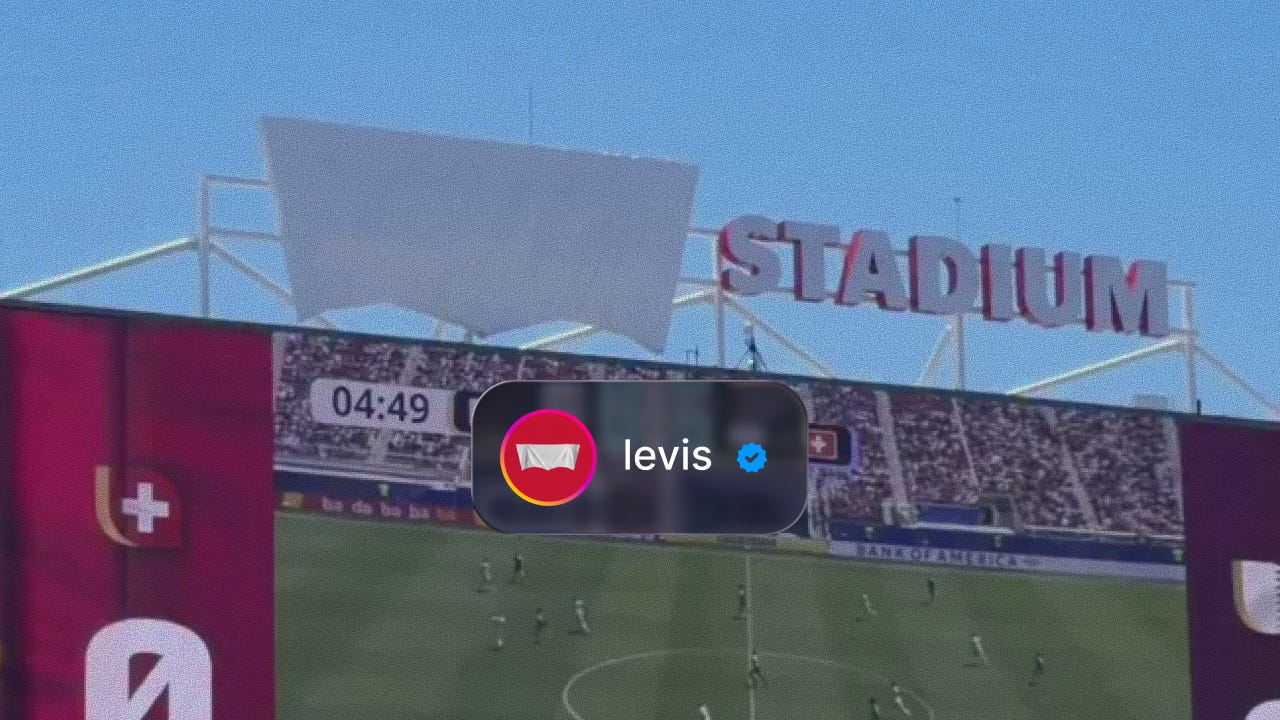
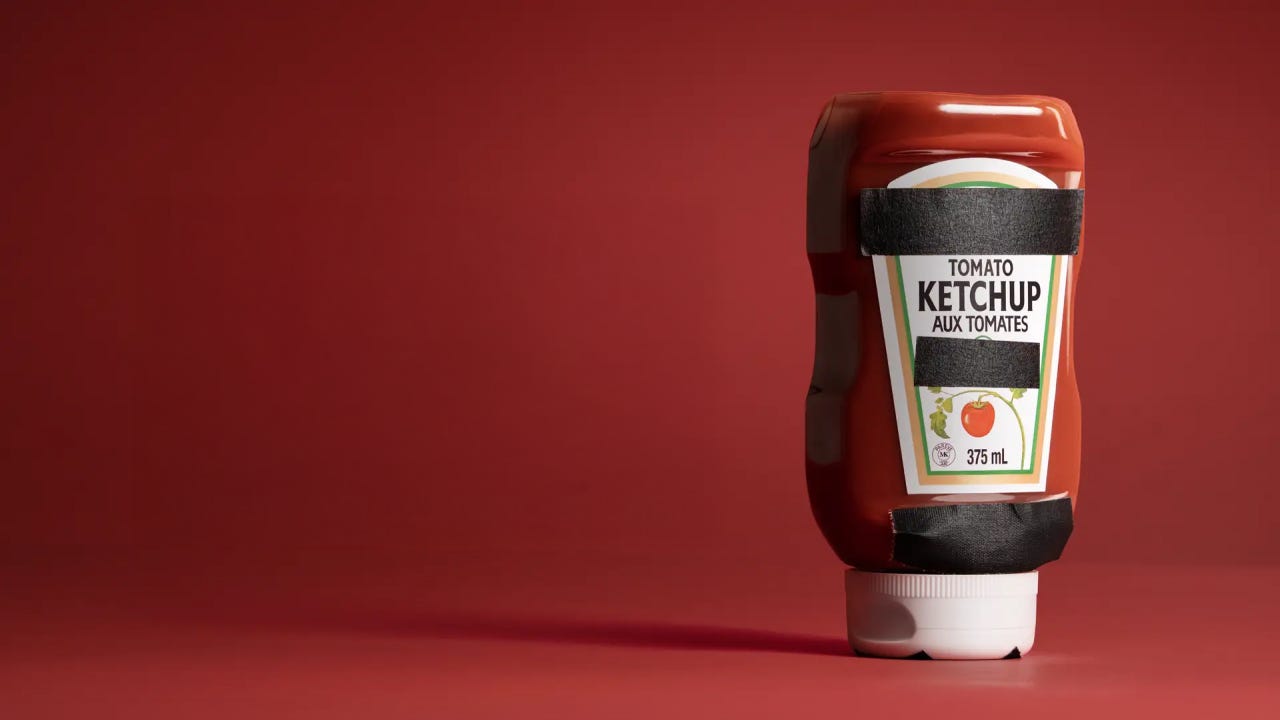
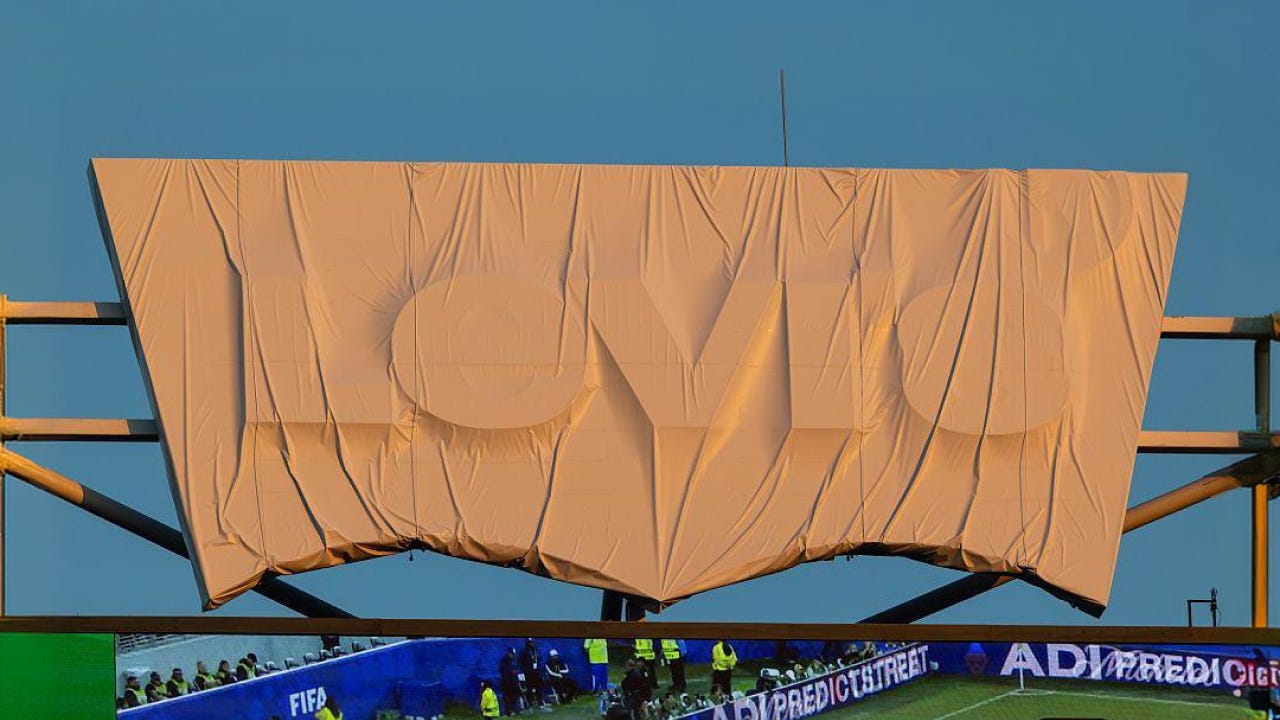
Some context on how this started. FIFA requires host stadiums to remove all non-sponsor branding for the duration of the World Cup, a policy it calls the clean stadium rule. Fifteen of the sixteen host venues were renamed this summer. Gillette Stadium taped over 64,146 individual seat logos. Heinz bottles in stadium concessions had their labels covered by hand, Beats logos were covered on players’ headphones, and a venue worker was made to duct-tape over the Nike swoosh on her own shoes because Adidas holds the official partnership. Levi’s Stadium, which the brand pays for under a $170 million naming rights extension signed in 2024, became the San Francisco Bay Area Stadium, with white tarps over the batwing logo inside and out.
Levi’s is not a FIFA sponsor, so it had no official way to advertise during the tournament. What it did instead was change its Instagram profile picture to a photo of the covered logo and post a video of the tarped stadium set to the “Nobody’s Gonna Know” TikTok audio, captioned “Welcoming the world to the beautiful [redacted] stadium!” A second post read, “At least we got to choose how to cover it.” The first post generated 2.4 million likes, 354,000 shares, and 26,000 comments, and the TikTok version pulled 9 million views. Within 72 hours, Levi’s had extended the bit to its own storefronts, covering its logos in Paris, London, Milan, Berlin, Hong Kong, Brazil, and Mexico with the same white sheets.
Fast Company called it one of the biggest brand moments of the World Cup, which is notable for a brand that was technically banned from participating.
The clean stadium rule makes commercial sense from FIFA’s side. Sponsors pay significant fees for category exclusivity, and the rule protects what they paid for. The problem is how it reads from the outside. Taping over ketchup labels and renaming stadiums comes across as institutional overreach, and audiences reliably side with whoever is being suppressed. Levi’s benefited from a dynamic that has been well documented since Barbra Streisand sued to remove an aerial photo of her Malibu home from the internet in 2003 and drove downloads from 6 to over 420,000 in a month. Suppression draws attention to the thing being suppressed.
What Levi’s understood is that FIFA had handed it an underdog position it could not have bought. A Fortune 500 company is not an underdog on paper, but a 152-year-old American brand getting its name stripped off its own stadium by an international federation reads as one, and the audience responded accordingly. The other thing worth noting is that Levi’s never broke a rule. The stadium logo was covered, the name was changed, and every requirement of the policy was met. There is no regulation against changing your own profile picture or covering your own storefronts, which means FIFA had no mechanism to respond. The compliance itself became the campaign.
Nike faced the same restrictions. The clip of the venue worker taping over her swoosh pulled 5.2 million views on DailyLoud within 24 hours and became one of the most-shared kit moments of the tournament. Nike did not respond to it, and Adidas is now beating Nike 4 to 1 on kit share of voice for the World Cup, per Pulsar’s tracking. Nike’s most viral moment of the tournament is a video about the brand being censored, with no participation from the brand itself.
The comparison is instructive because both companies had the same opening and the same audience goodwill available to them. The difference was response speed, or possibly the internal permission structures required to move at all. Whatever the reason, one brand converted the moment, and the other watched it pass.
Reactionary marketing has become a real capability, and it is worth understanding what it actually requires, because it is not a social media team with a memes budget.
It requires a short approval chain. Most brands lose reactive windows because campaigns route through legal, brand, and executive review, and the moment closes before the work ships. The teams that move fast have standing authority to make live calls without a committee.
It requires knowing your position in advance. Levi’s did not develop the underdog framing in a war room after the tarps went up. The brand has spent 152 years accumulating the cultural equity that made the framing available, and the team simply claimed ground it already owned. A brand that has to workshop its point of view during the moment has already missed it.
It requires extending the moment past the first post. The Instagram post was good. The storefront extension across seven international markets is what turned it into a campaign, and it is the part most brands would not have done. A reactive moment can run through every channel a brand owns if the team moves quickly enough, and most teams stop at one.
And it requires treating silence as a choice with a cost. Nike’s non-response was read by the audience as a response, and the share-of-voice numbers reflect it.
FIFA will enforce the same rule at the next World Cup, and the next one, which means more brands will find themselves in the position Levi’s was in this summer. The playbook now exists. The question for any brand watching is whether they have the internal speed to run it.
In case you missed it, I have a weekly deep dive where I go deeper. I’ve received a bunch of positive feedback on the last two…so If you want to join, click here!
Xx Camille
—
Want my team on your brand? Book a call here with Third Eye Insights, my international brand strategy and creative agency.
Apply my frameworks and teachings to your own brand with my Masterclass and Social Media & Brand Planners
Comments
Nothing yet. Say the first thing.
Sign in to join the conversation.