
One of the things I talk about constantly with brands is that there are three levels to a brand.
A brand sells a product. A good brand sells a story. A great brand builds a world.
After studying hundreds of case studies across every category, I have found that the brands that climb those levels all share the same four core pillars:
A good product
A good story
A good experience, and
Consistency (the focus of today’s case study)
Most businesses overlook these four pillars entirely, which is why they never move past “a brand.” The energy goes into follower counts and viral moments rather than the foundations, and the pillar that gets dismissed most often is the one that ultimately decides everything, which is consistency.
My favorite example for illustrating the power of consistency is Chick-fil-A, and the reason starts with a number most founders cannot get their head around.
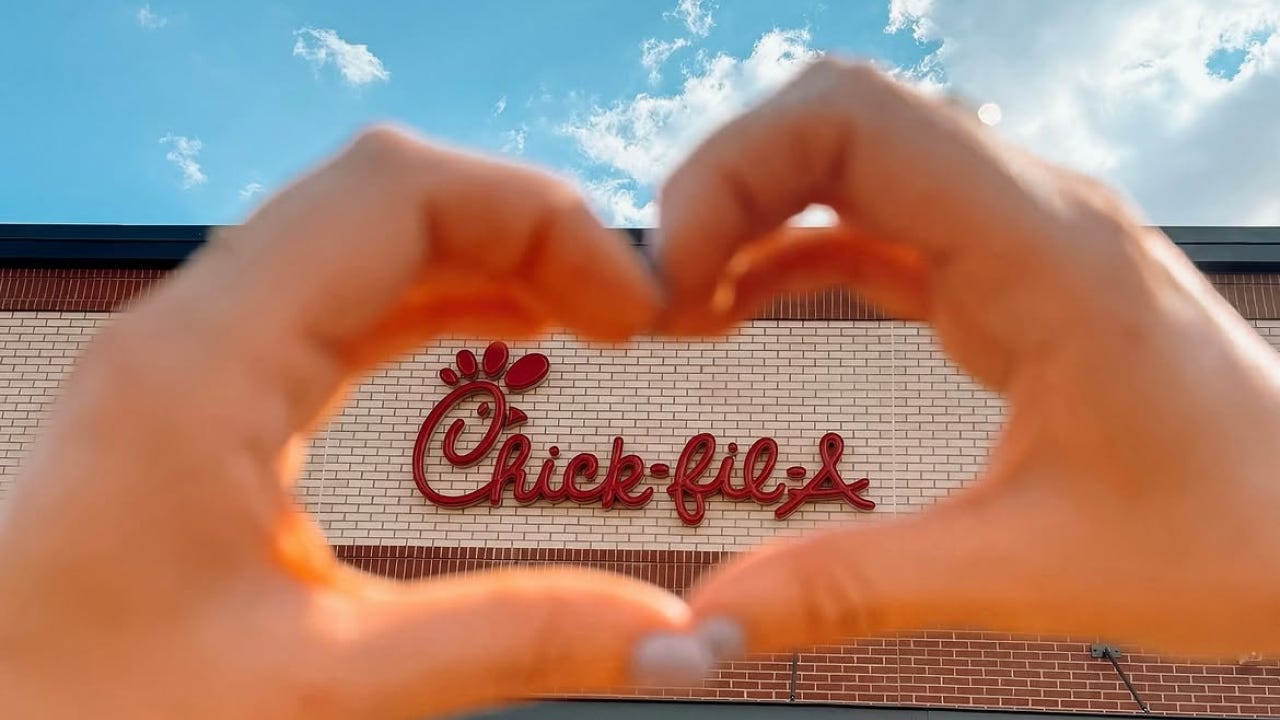
Every Sunday, all 3,000-plus Chick-fil-A locations in America close. Including ones inside airports, malls, food courts, sports stadiums, etc. Which is arguably the single best foot-traffic day. The policy dates to 1946, when founder S. Truett Cathy, who had spent years working seven-day weeks at a 24-hour diner, decided his own restaurant would close one day a week so that he and his employees could rest, and his children have vowed to keep it that way long after the family is gone.
The widely cited estimate of what this costs was $1.2 billion a year, calculated back when systemwide sales sat around $10 billion. Sales reached roughly $21.6 billion by 2023, which puts the realistic forgone Sunday revenue somewhere between $2 and $3 billion annually. Most companies would treat a number like that as a problem to be solved. Chick-fil-A treats it as the strategy, and the results suggest they are right to. The chain averages more than $8 million in annual revenue per restaurant, whereas McDonald’s averages roughly $3.7 million, and McDonald’s is open every day. Chick-fil-A laps the industry on a per-unit basis while operating 14% fewer days a year.
The Sunday closure is the most visible refusal in the business, but it is not an isolated quirk. The entire company is built out of refusals, and studying how they stack is useful to founders looking to build with longevity.
Any brand can print values on a wall, and most do. What separates Chick-fil-A is that the company pays over $2 billion a year, every year, to prove theirs, and the customer can feel the difference between a stated value and a purchased one. The closure signals that the company means what it says. Employees get a guaranteed day of rest, which shows up in retention and in the tone of service the other six days. Cathy wrote in his 2002 book that the family was not so committed to financial success that they were willing to abandon their principles.
This is the mechanism founders tend to miss about values-driven positioning. The value only builds equity when it costs something. A refusal that is free is a preference, whereas a refusal with a nine-figure price tag is proof, and customers have become extremely good at telling the two apart.
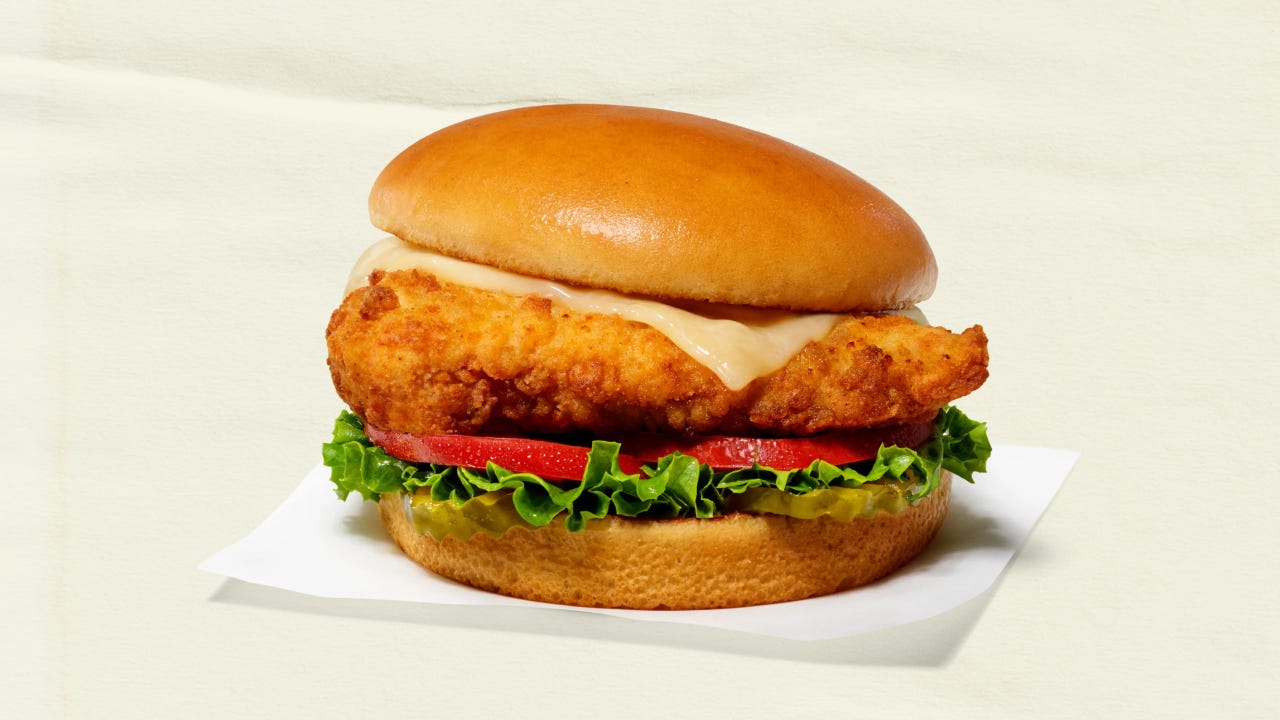
Chick-fil-A sells roughly a quarter of the menu items of competing chains, and the core menu has remained essentially unchanged for decades. The operational math compounds quietly, i.e., fewer items means fewer mistakes, faster service, less waste, and margins that run 20 to 30 percent while competitors chase limited-time offerings to manufacture news. The customer math compounds louder. A person who orders the same sandwich for fifteen years and receives the identical product every time stops evaluating the purchase at all. The brand becomes a default, and defaults are the most valuable position in consumer behavior, because the customer has stopped comparison shopping.
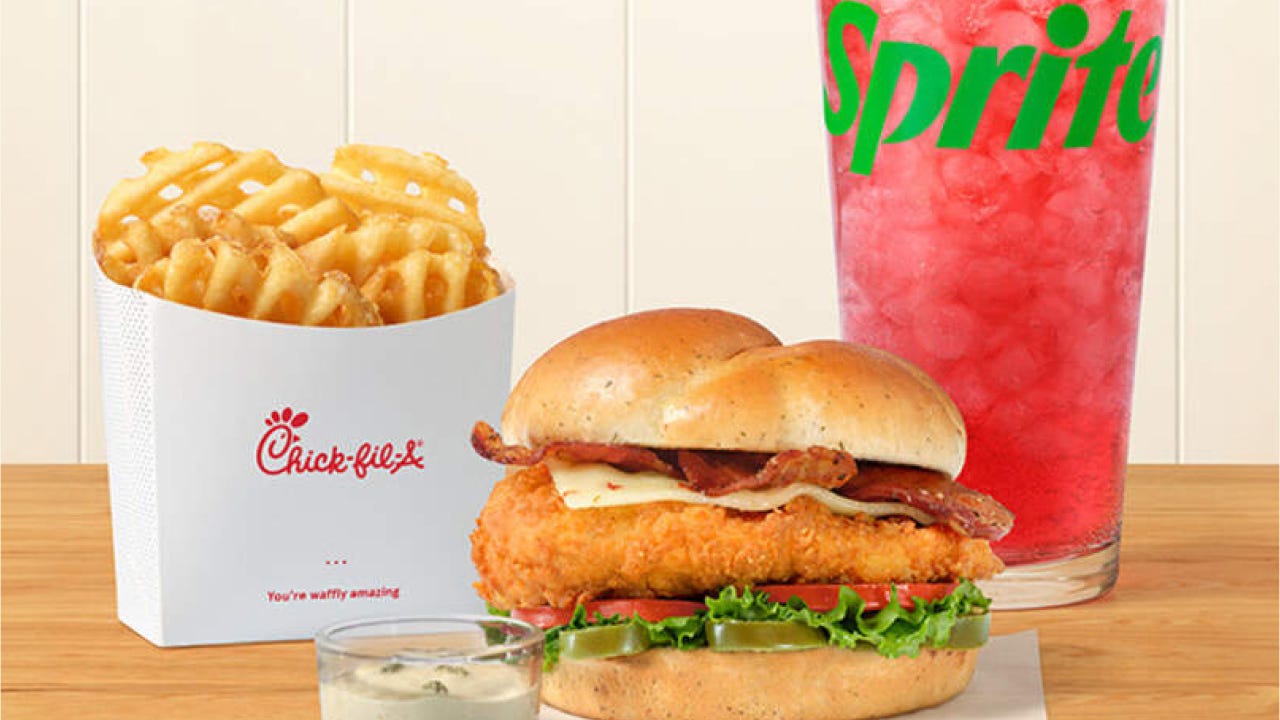
This is the pillar in action. A good product gets a customer to try you, a good story gets them to remember you, and a good experience gets them to come back, whereas consistency is what turns the return visit into a habit.
Consistency gets treated as the boring pillar of brand building, the one that comes after the exciting three. In practice, it is the one that compounds, because reliability is what converts a customer into a default, and defaults are what produce a drive-through line that wraps the building at 11:45 on a Tuesday.
Chick-fil-A receives roughly 60,000 franchise applications a year and accepts fewer than 1 percent of them, which makes becoming an operator statistically harder than getting into Harvard. The economics invert the industry model. The fee is about $10,000, versus the $2 million-plus required to open a McDonald’s, and in exchange the operator runs one store, forever, and owns none of it. The company retains the real estate, the equipment, and the right to select exactly who represents the brand.
Conventional franchise logic says this should repel talent. It does the opposite, because Chick-fil-A is not selling locations to whoever has capital; it is selecting operators the way elite institutions select people, and every store ends up run by someone who beat 99% of the field to be there. The one-store rule completes the design. Every other system rewards its best operators with more locations, whereas at Chick-fil-A the operator’s only path to more income is running their single store better. The result is the most obsessive operator base in the industry and a level of service consistency that no multi-unit portfolio model can match, because the store is not one line item in someone’s holdings. It is the operator’s entire livelihood and reputation.
Cathy started selling chicken sandwiches at 25 and played the same game his whole life. The company has never taken on debt, has never had a down year in 76 years, and grew by reinvesting profits into new locations rather than borrowing to expand. The contrast cases are instructive. Boston Market expanded rapidly on borrowed money and collapsed. Krispy Kreme scaled into every grocery store in America and diluted the very scarcity that made the brand desirable. Chick-fil-A grew only as fast as its standards could travel, which is why the brand experience in location 3,000 matches the one in location 30.
There is a straight line from this discipline to the Pop Mart collapse I wrote about a few weeks ago (which you can read here). Pop Mart scaled production 100x into demand and destroyed the psychology that made Labubu valuable, whereas Chick-fil-A has spent seven decades refusing to grow faster than its consistency could hold. One company optimized for volume and lost time. The other optimized for time and the volume followed. The discipline is the moat, and the moat only exists because the company kept choosing it in the years when choosing it was expensive.
The lesson is not to close on Sundays, and it is not that every founder should run a chicken chain. The lesson is that every refusal Chick-fil-A made looked expensive. The Sundays, the small menu, the 59,400 rejected applicants a year, the operators capped at one store. Each one cost real money in the quarter it happened, and each one compounded into the most profitable per-store operation in fast food, because refusals are how a brand proves what it is, and consistency is only a moat if you hold it when it costs you.
The practical question worth sitting with is being obsessed towards perfecting the four core pillars that make brands great. Most founders can point to the product, some can point to the story, fewer can point to the experience, and almost none can point to consistency, because consistency is the pillar that only shows up over time and only compounds if you protect it when it is inconvenient.
Chick-fil-A built an empire by focusing on core values and being the best one-stop shop for a chicken sandwich. The riches are in the niches. I hope you enjoyed this case study!
If you want to join my weekly solo deep dive newsletter, click here. I would love to have you there!
Xx Camille
—
Want my team on your brand? Book a call here with Third Eye Insights, my international brand strategy and creative agency.
Apply my frameworks and teachings to your own brand with my Masterclass and Social Media & Brand Planners.
Comments
Nothing yet. Say the first thing.
Sign in to join the conversation.