
On July 2, Chanel acquired Charvet, the 188-year-old shirtmaker with a single store on the Place Vendôme, along with the six-floor building that houses it. Charvet generates an estimated €10 to €15 million in annual revenue with roughly 100 employees, 40 at the store and 60 at the production workshop in Saint-Gaultier. Chanel announced the deal and, in the same breath, announced everything it will not do with the asset, i.e., no new stores, no expansion of the business, and no scaling of production. Bruno Pavlovsky, Chanel’s president of fashion activities, said the primary aim is to ensure the long-term viability of the company exactly as it stands today.
By every conventional M&A metric, there is nothing here. A sub-scale business with a single door, an owner-operator team in their 70s, and a buyer who has publicly committed to not growing it. Chanel bought it anyway, and the reason they did is worth studying closely.
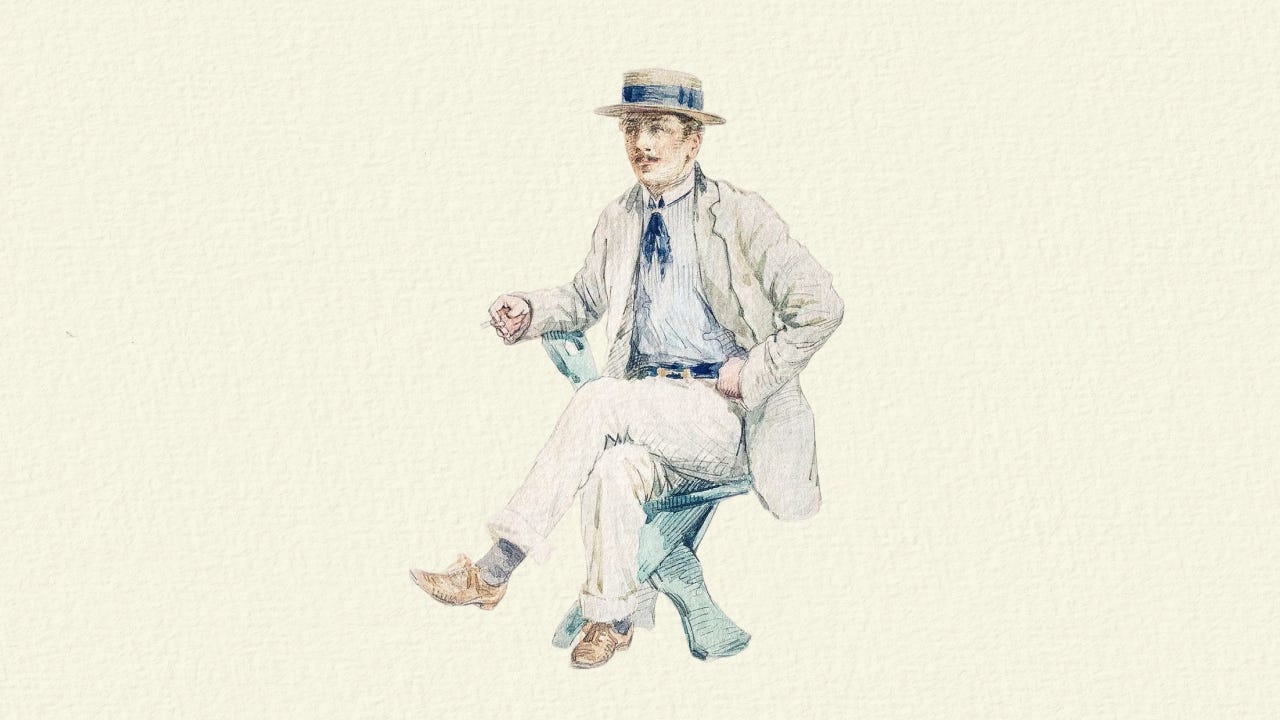
Charvet has spent 188 years as the brand people with taste reference to signal they have it. Proust wore it, Churchill wore it, and so did JFK, Saint Laurent, Lagerfeld, and Coco Chanel herself, who was introduced to the house by Arthur “Boy” Capel and famously borrowed his Charvet shirts, an influence that helped shape the menswear codes she built her own house on. The company never advertised, never expanded past its single address, and never chased a customer in nearly two centuries of operating, and that refusal is precisely what made it the insider signal. Owning Charvet says you know, and knowing cannot be purchased off the rack.
Taste is the visible layer of what Chanel acquired, but taste alone is an aesthetic judgment, and aesthetic judgments can be imitated. What makes Charvet’s taste worth paying for is what sits underneath it, i.e., an unbroken heritage of craft that proves the taste is real, and a multi-generational community of clients who validate it every time they reorder, some of whom have been buying from the same counter their fathers and grandfathers did. The three assets stack. Heritage is the proof, taste is the signal, and community is the moat, and while a brand can fake one of the three, it cannot fake all three, because two of them only accumulate through time.
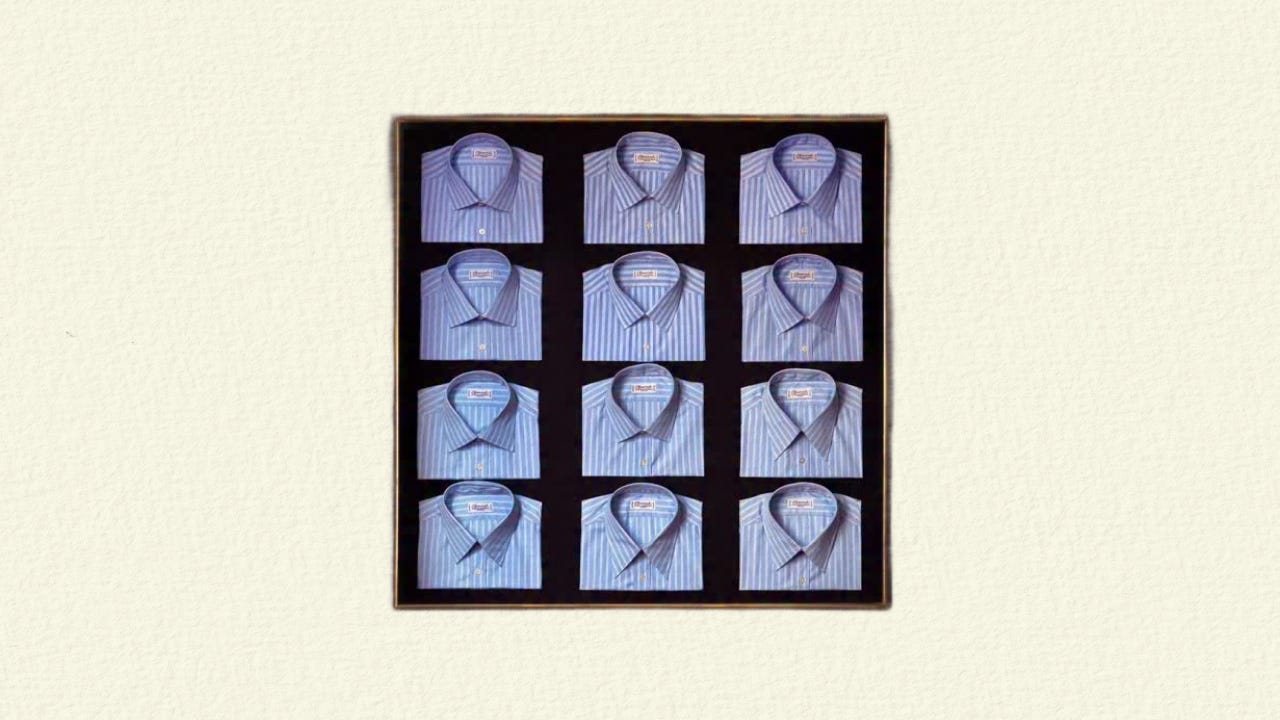
The acquisition did not come out of nowhere. It came out of an unusually expensive product test conducted in public. For his debut Chanel collection last October, Matthieu Blazy entered a “conversation” with Charvet on a series of co-branded shirts, priced from $3,900 to $7,130, and they sold. The pieces caught the internet’s attention, sold through, and demonstrated the thing an acquirer most needs to know before writing a check, which is that Charvet’s credibility transfers. Put the name next to Chanel and the Chanel product becomes more desirable by association.
This is the sequence worth studying, because it is available to companies at every scale. Collaborate first, watch the customer vote with their wallet, then acquire with proof in hand. The collaboration was due diligence conducted in public, and by the time the deal was signed, the only question left was price.
The Charvet acquisition reads as news, but the strategy behind it is four decades old. Chanel began buying specialized ateliers in 1985, starting with the jewelry maker Desrues, and continued methodically through Lemarié for feather work, Lesage for embroidery, Michel for hats, and Massaro for shoes. Today that portfolio sits inside 19M, a purpose-built campus on the edge of Paris housing the Métiers d’art ateliers, and Chanel puts their work at the center of a dedicated show every year. The ateliers serve Chanel while continuing to serve other houses, because the point was never exclusivity. The point was making sure the crafts survive at all.
The scale of the commitment is easy to underestimate. Chanel spent more than $700 million on artisanal suppliers and workshops in 2025 alone, and its acquisition history runs from the Scottish cashmere house Barrie to the glovemaker Causse to a minority stake in The Row. Charvet is not a departure. It is the latest chapter of a forty-year strategy of buying the assets that cannot be rebuilt once they disappear, at prices that only make sense if you understand what is actually being acquired.
Taste is built through refusal, which is why it cannot be manufactured. Charvet’s credibility comes from 188 years of saying no, i.e., no to expansion, no to advertising, no to wholesale sprawl, and no to the wrong customer. Every no compounded the asset, and every no was expensive in the moment it was made, which is exactly why so few brands sustain the discipline. A conglomerate can build reach, product quality, and celebrity association overnight, whereas taste, heritage, and community only accumulate over decades, which is why the fastest way to acquire them is to buy them.
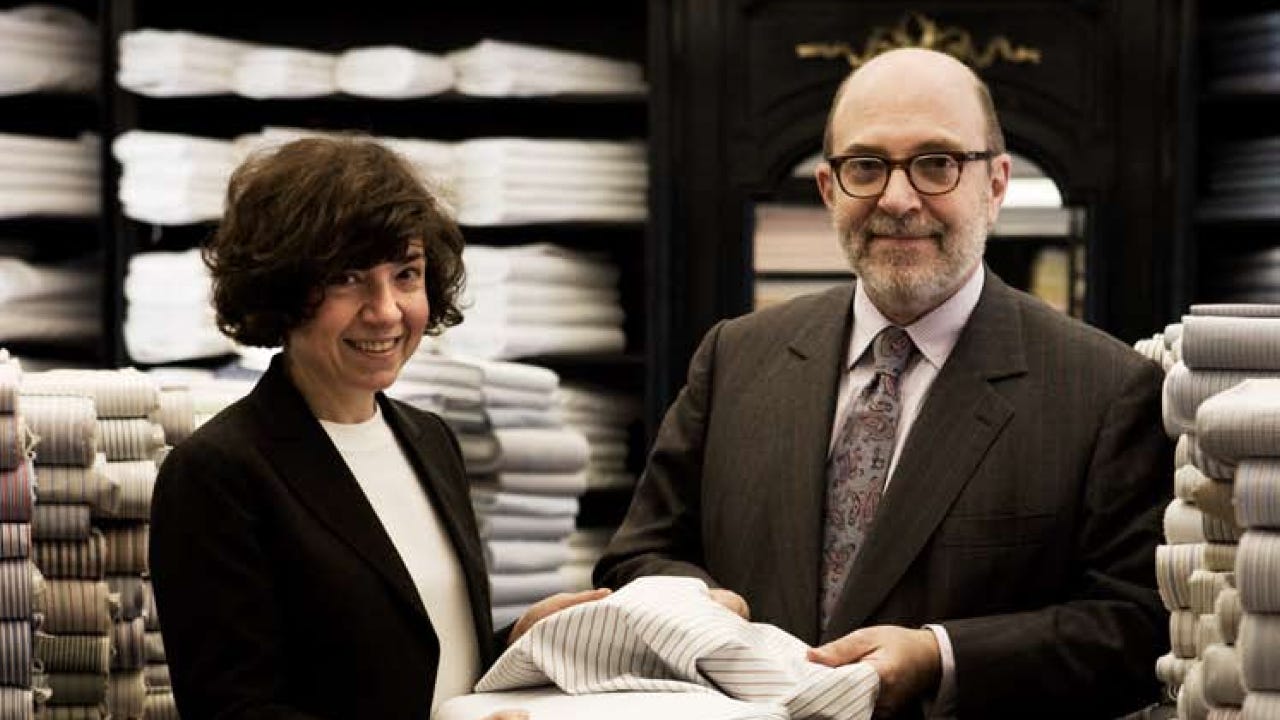
The timing of the sale matters too. Charvet did not sell because it was struggling. The brother-and-sister team that runs it, Jean-Claude and Anne-Marie Colban, are in their 70s with no next generation of operators lined up, the same force behind the Loro Piana sale and behind Armani preparing his own succession. The most protected independent brands in the world are changing hands because of biology rather than market pressure, and the acquirers winning these deals are the ones the founders trust as custodians. The succession gap has become a meaningful M&A driver in luxury, and it is releasing a generation of time-based assets onto the market at once.
Chanel is not alone in this logic. LVMH-backed L Catterton is currently in exclusive talks to acquire Hyrox, the German fitness race series, at a valuation of up to €1 billion. Hyrox has no brick-and-mortar, no flagship product, and no paid marketing, and the asset is the community, i.e., hundreds of thousands of athletes who structure their training, travel, and identity around the format. Different surface assets, same underlying logic. Charvet is taste backed by heritage and community, whereas Hyrox is community backed by format and ritual. In both cases, the money is moving away from revenue and toward the things it historically could not buy, which is credibility, community, and cultural position.
The reason this shift is happening now, rather than a decade ago, is relevant to the ai boom.
AI is collapsing the cost of producing nearly everything a brand used to compete on. Content, design, campaigns, photography, copy, and even product development are all compressing toward zero, which means the traditional inputs of brand building are becoming commodities available to anyone with a subscription. When everyone can produce everything, production stops being a differentiator, and the market starts repricing the assets that cannot be compressed.
You cannot generate 188 years of heritage. You cannot prompt a loyal community into existence. You cannot train a model on refusal. Time-based assets are becoming the only defensible ones, and the acquisition market has started to price that in, which is what the Charvet deal actually signals. Chanel looked at a €15 million shirtmaker and valued it highly enough to buy the building too, because what Charvet holds is the one category of asset that the next decade of technology cannot replicate.
This is the positive story inside the AI anxiety, and it belongs to founders with discipline. If your brand has been saying no, protecting its standards, refusing the shortcuts, and building slowly while competitors scaled fast and cheap, the market is moving in your direction. The brands that chased every trend, every channel, and every customer are watching their playbook get commoditized, whereas the brands that accumulated taste, heritage, and community are holding assets that are genuinely scarce, and the buyers have started arriving.
The lesson is not that every founder should build a 188-year-old shirtmaker. The lesson is that taste equity is now demonstrably acquirable, and it is built the same way at every scale. What your brand says no to is what builds the asset. The distribution you refuse, the collaborations you decline, the discount you never run, and the customers you do not chase all compound into credibility that cannot be copied, whereas every yes to the wrong thing spends the asset down.
The practical question worth asking is which of the three layers your brand is actually building. Heritage takes decades, but it starts with consistency, i.e., doing the same thing the same way long enough that the track record becomes the proof. Taste is a curation discipline, built through the visible quality of your choices and the visible absence of the choices you refused. Community is the moat, and it forms around brands that give people something to belong to rather than something to buy. Most brands have none of the three, because all three require patience that quarterly thinking does not reward, and the brands compounding all of them are building the most acquirable equity of the next decade.
Charvet said no to everything for 188 years, and the result was a company doing €15 million a year that one of the most disciplined brand owners in luxury valued enough to buy the building too. Taste is now an acquirable asset, and Chanel just set the market price.

Today my weekly deep dive newsletter went out, where I broke down the core book I go back to yearly to keep winning. If you are a business owner that wants to get ahead, I recommend subscribing to my weekly newsletter here.
Xx Camille
—
Want my team on your brand? Book a call here with Third Eye Insights, my international brand strategy and creative agency.
Apply my frameworks and teachings to your own brand with my Masterclass and Social Media & Brand Planners
Comments
Nothing yet. Say the first thing.
Sign in to join the conversation.