
Dear readers,
In response to a recently expanded workload, I am posting an article from the archives that you might like, so that I can cover the extra tasks properly over the next couple of weeks. Enjoy!
Calligraphy, a quiet performance.
My post today is about the wide-ranging and beneficial aspects of studying formal handlettering.
Who signs up for a calligraphy class? What is the attraction for taking formal lessons to do something most of us do every day? What’s involved? It must be simple, we hear. All one needs is pen, paper, and ink, something to write, and of course a willing commitment to try.
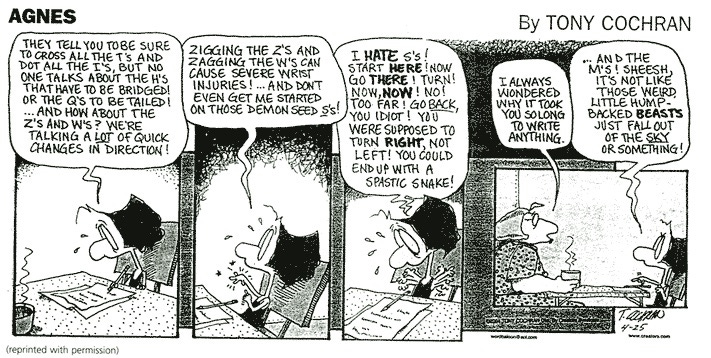
Some people are born into book arts families and grow up in an environment filled with illustration, typography, printing, publishing, and lengthy discussion of design. They don’t have to travel far, as they are already at the thrilling hub, that place where thought turns into visible word. The rest of us gravitate to the graphic reality of writing through the magnetic pull of curiosity, sparked by beautiful creations of those bookish artisans we’ve admired from afar. Let’s look at some reasons why it’s a good thing to do!
As kids we used tallies to count things, played tic tac toe, made treasure maps, dug marks in wet beach sand, drew on frosty windows, and maybe even used mom’s lipstick to decorate the bedroom wall. We act as natural mark makers from the earliest awareness. And we follow the line to see where it goes.
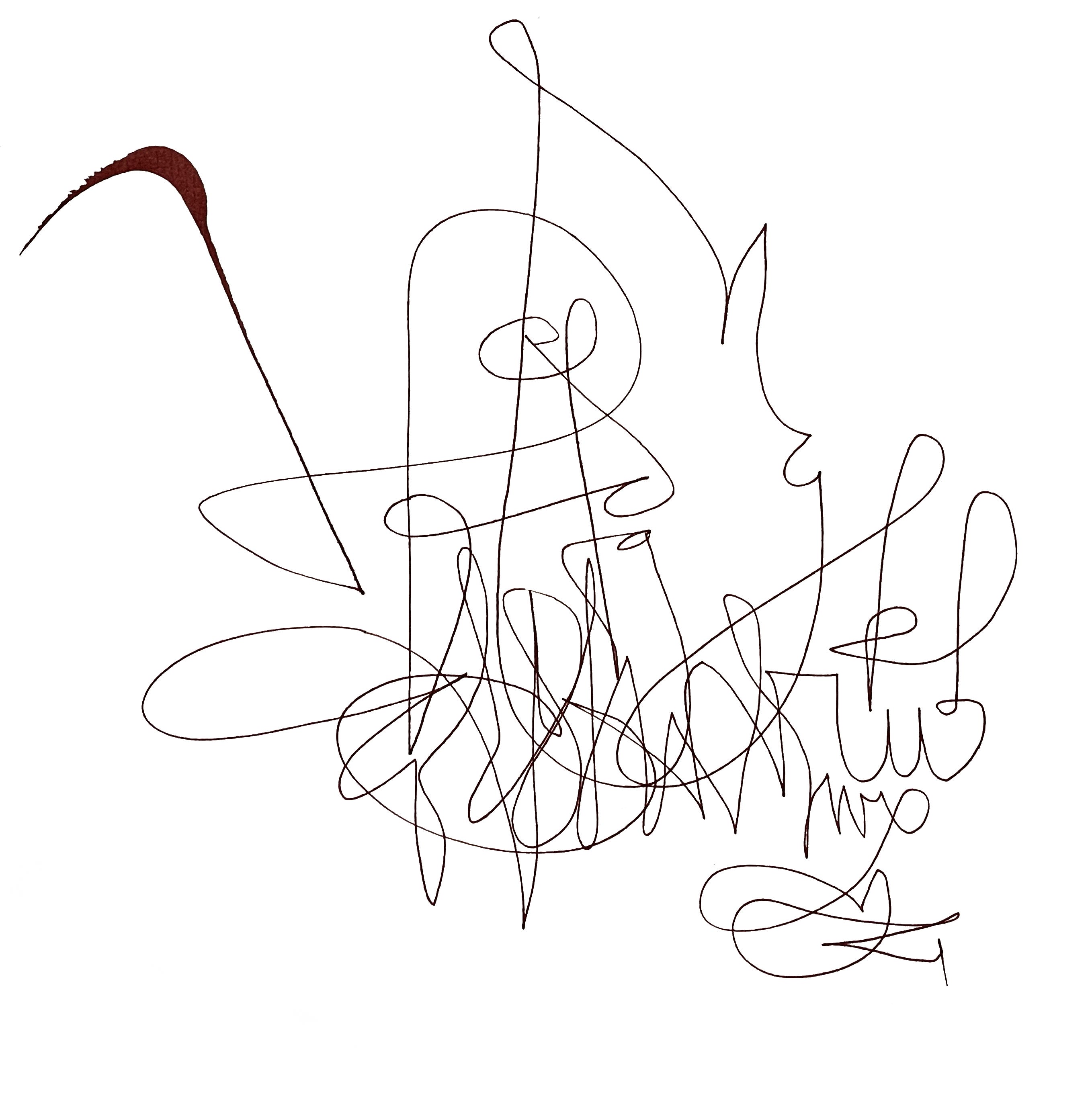
What is at the end of the line?
In the midst of studying letters we find new lands to discover. As we revisit history via the study of script, calligraphy reveals the evolution of civilization and culture and its arc as we experience it today. Here we see the form of the letter “O” changing from round Uncial to Carolingian oval to Proto-Gothic compressed and Blackletter squared, taking place from the 5th to 15th centuries in Europe.
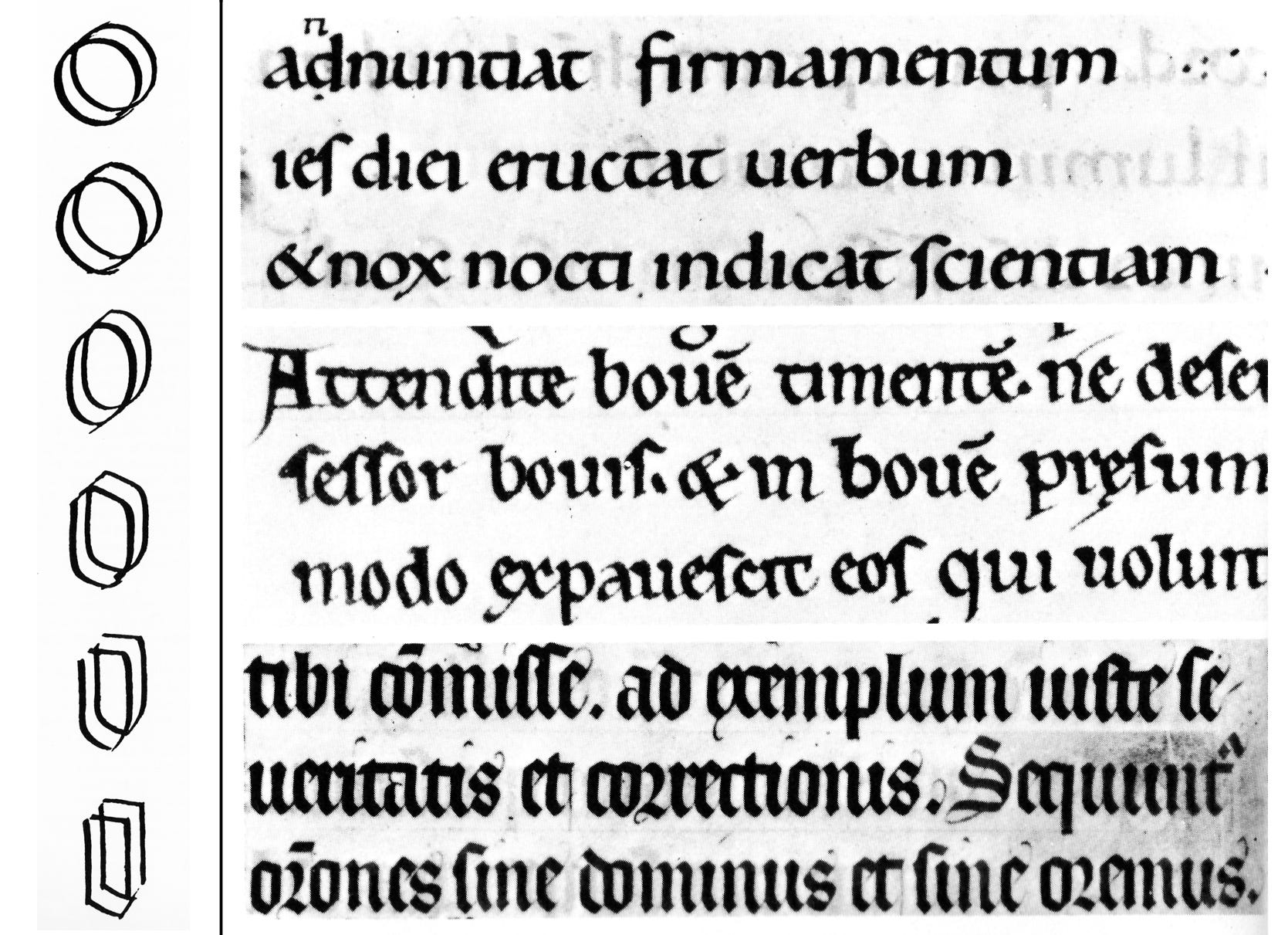
Transitions—evolutions and devolutions—can be tracked through study, and can be applied to any current project. Understanding where forms originate lets you join in and add to their trajectory.
We write to remember, to appreciate, to take notes or keep a journal, and to leave a trace that can endure past our lifetime. In this act, we recognize our value, our existence. Before printing, the brilliant writings of the most highly developed thinkers had to be copied by hand. We learn what was treasured most, and grieve for what has been lost. In the case of cuneiform clay tablets from the Library of Ashurbanipal (Nineveh, 1500-539 BCE), we have thousands of examples that were preserved by intense heat when cities were burned to rubble. We have systems in place to protect knowledge and understanding, but vigilance is key as we protect our humanity in its course.
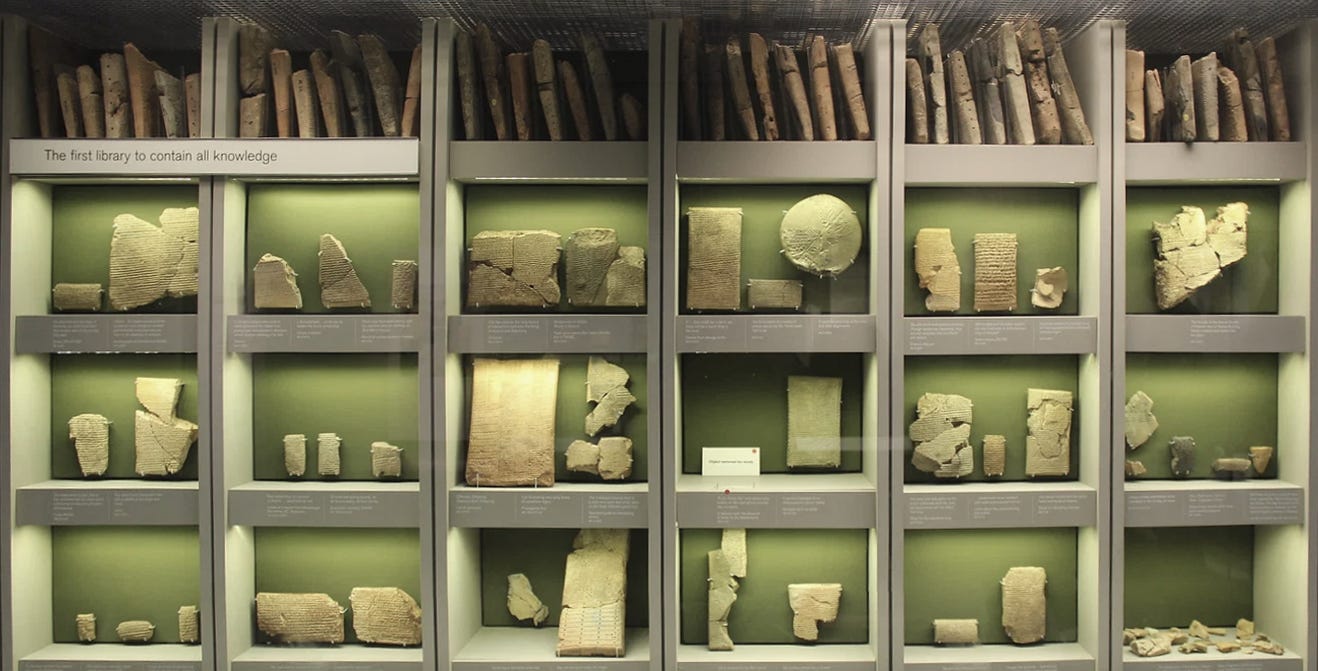
Papyrus scrolls did not fare well in the fire during Caesar’s rule that engulfed the Library at Alexandria, destroying much of the finest work of the time.
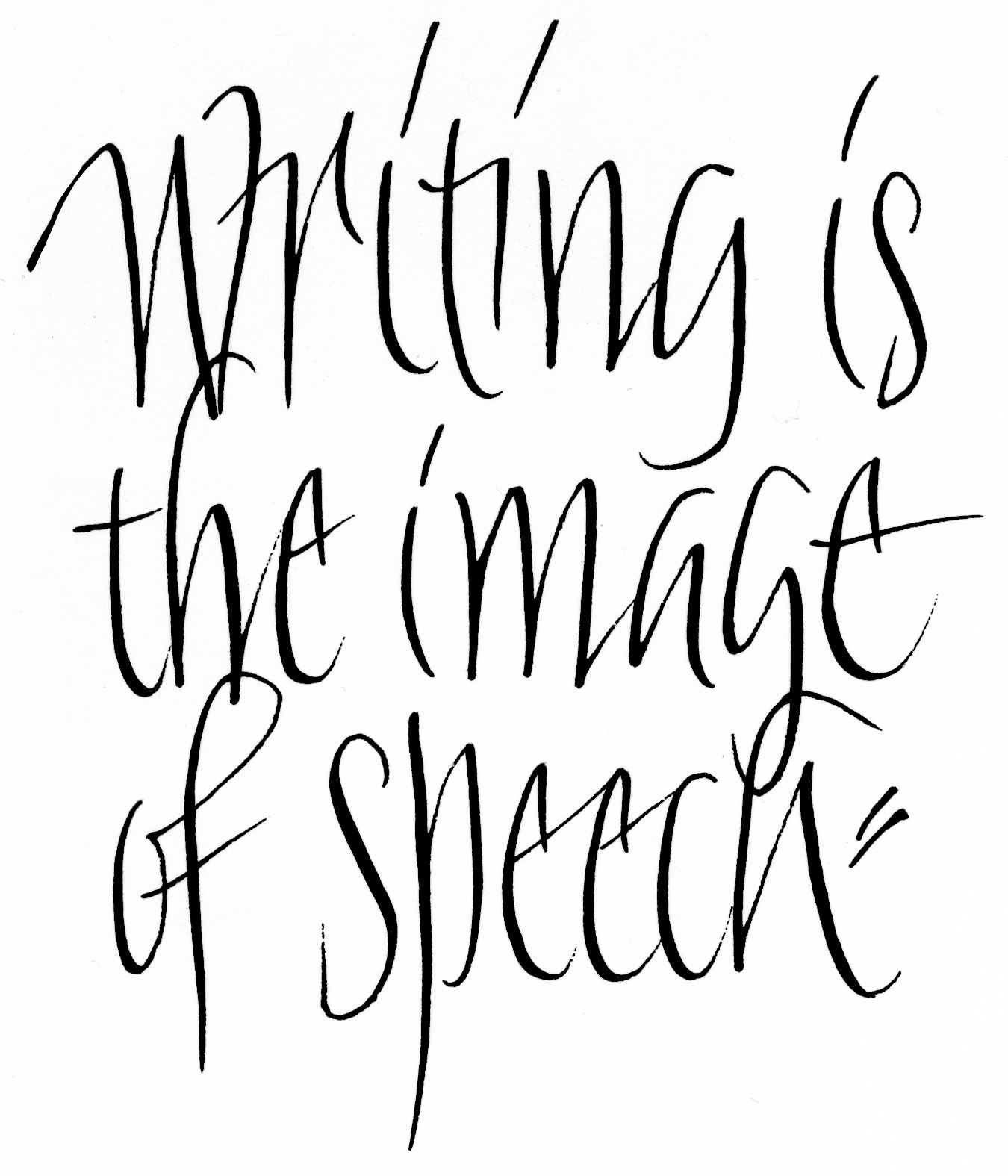
Writing is the image of speech. - Voltaire
Connecting our own vocal existence to the real page means that we must write it out! And we can hear ourselves saying the words with our own emphasis, and allowing what we know of design and letterform to help our hand express the unique content with as much accuracy as possible.
Improving visual artwork through the deep study of principles and elements of design is essential. If you can organize a page, you can apply that same sense of hierarchy to other aspects of your life. It’s a powerful thing to use, and good to review as you grow. The master of the art of collage, Kurt Schwitters, created a piece that provides everything you need to know about design.
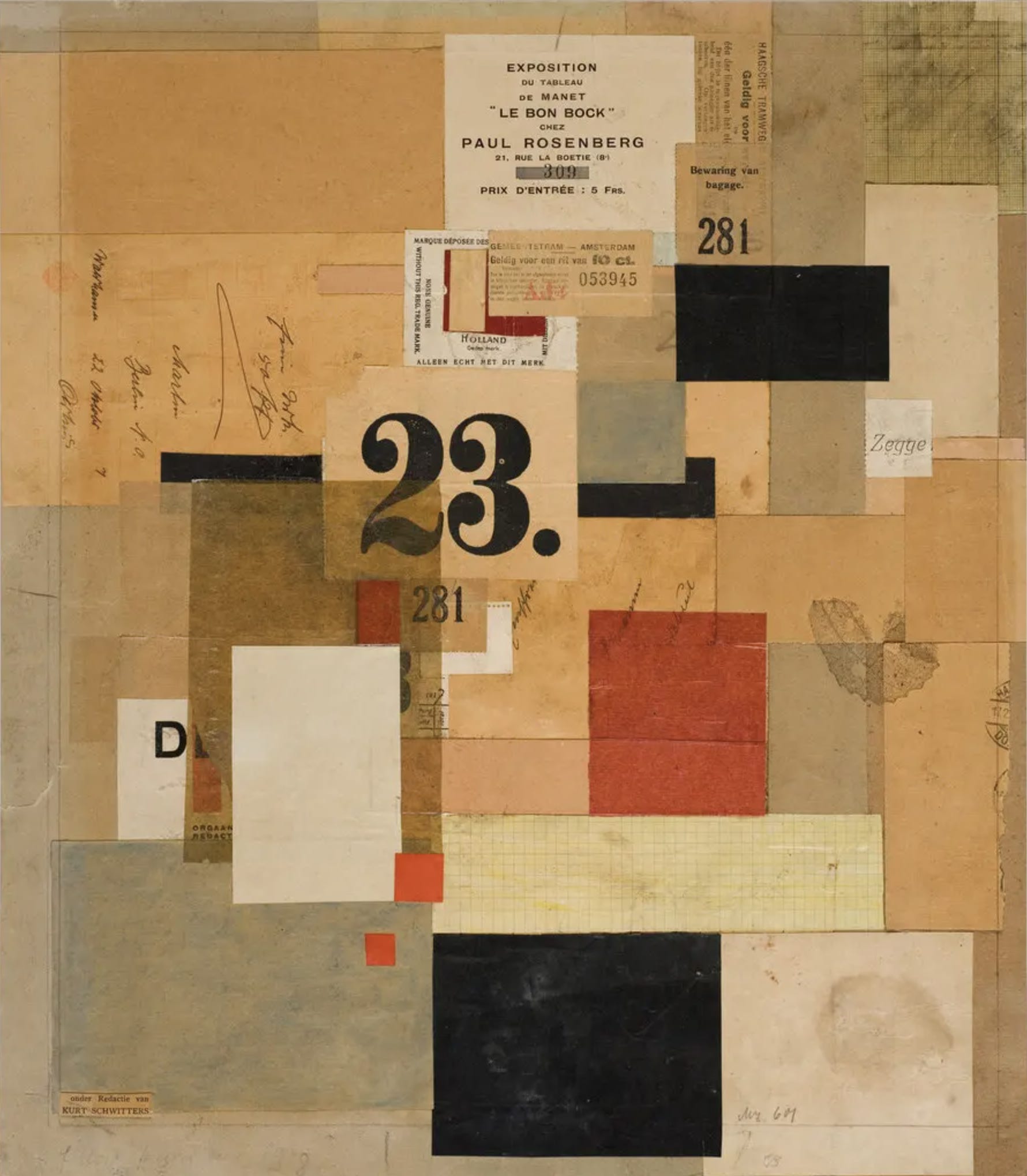
A two-hour lecture might be sufficient to touch on a few of the high points of design achieved in this one collage. There is a reason behind each element.
When writing, choices are made every split second. The more you study, learn the models, examine the historical scripts, the more flexibility you have in solving the design issues that also come up with each mark or movement. What works for one stroke may not necessarily work for the next “identical” stroke, since it is in a different location on the page, with different neighbors. Always seek new solutions, and a class or workshop will supply the means to launch you out of your current footprint. To hunt and explore offers fresh material, insight, and methods to incorporate into your art “bag of tricks”.
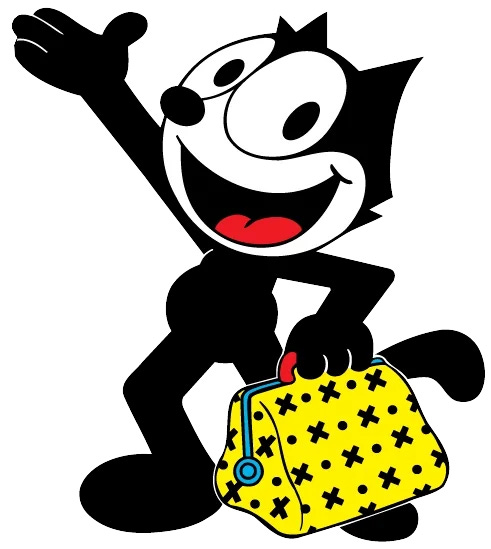
Stay up to date with your own design development; improve the infrastructure.
Focusing on the breath, one enters the world of the single stroke, as a page is blackened with the testing of ink, nib, brush, style, and text. The heart slows, the single-minded concentration is genuine dedicated personal experience.
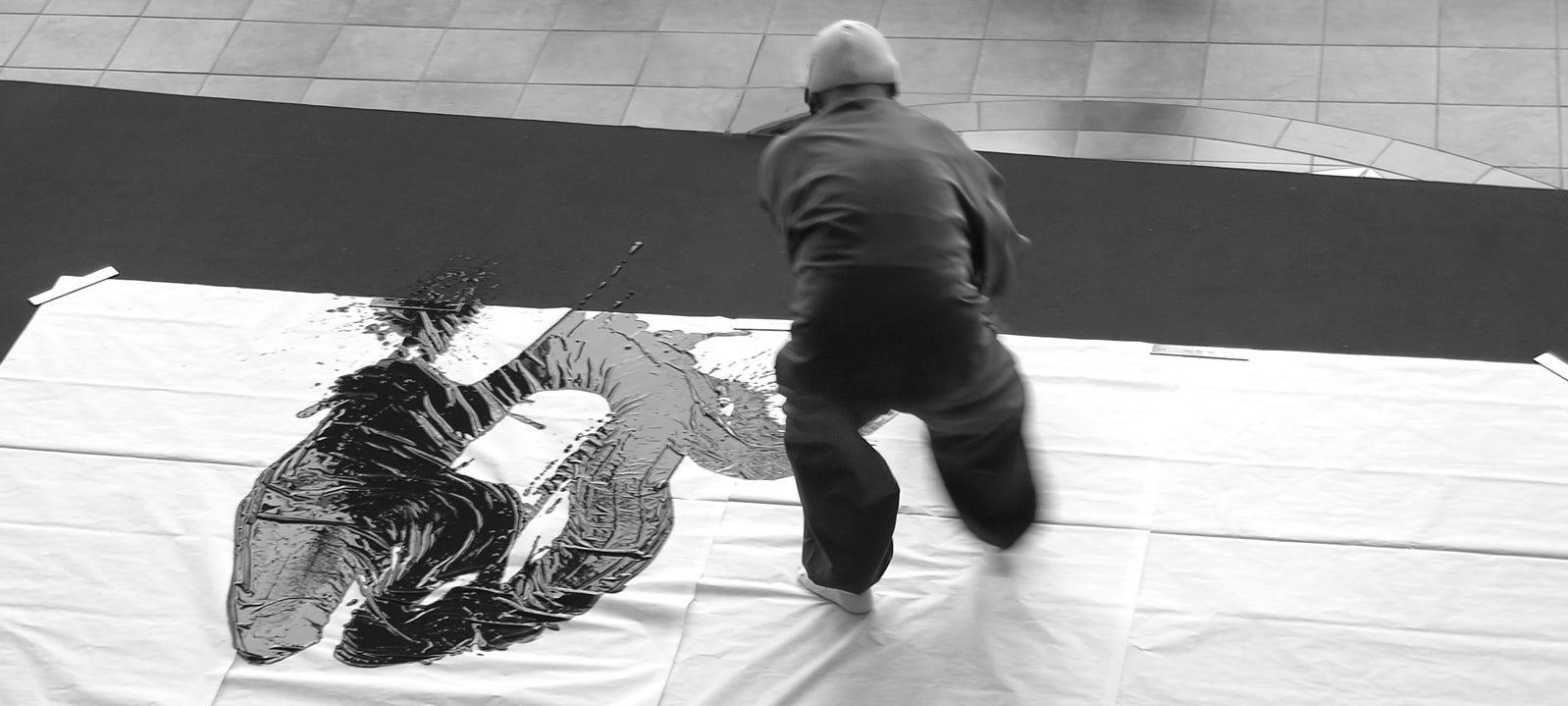
Developing a sensory path forward through focus on physical motion causes important changes in the flow of body energy. It’s not a keystroke. It’s a continuous flow of breath, muscle, and motion that happens, in a vibrant, elastic space. You may begin with letters, and where you go from there is sensed but not yet written.
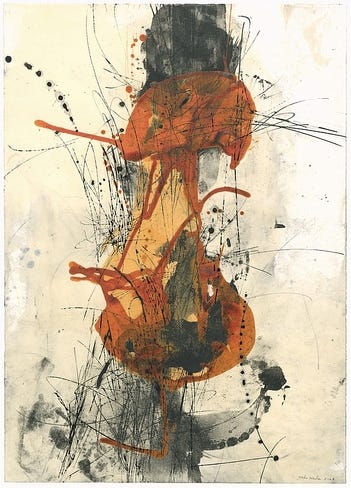
Experiment with differences in size of writing, tools, materials, body language.
Learning the vocabulary of the book arts opens a deeper understanding of today’s means of communication about lettering. There are many good pages by designers describing the terms used for the anatomy of letters, very similar to those used in typographic nomenclature. Knowing the terms is essential for complete understanding of the process of drawing/constructing these forms.
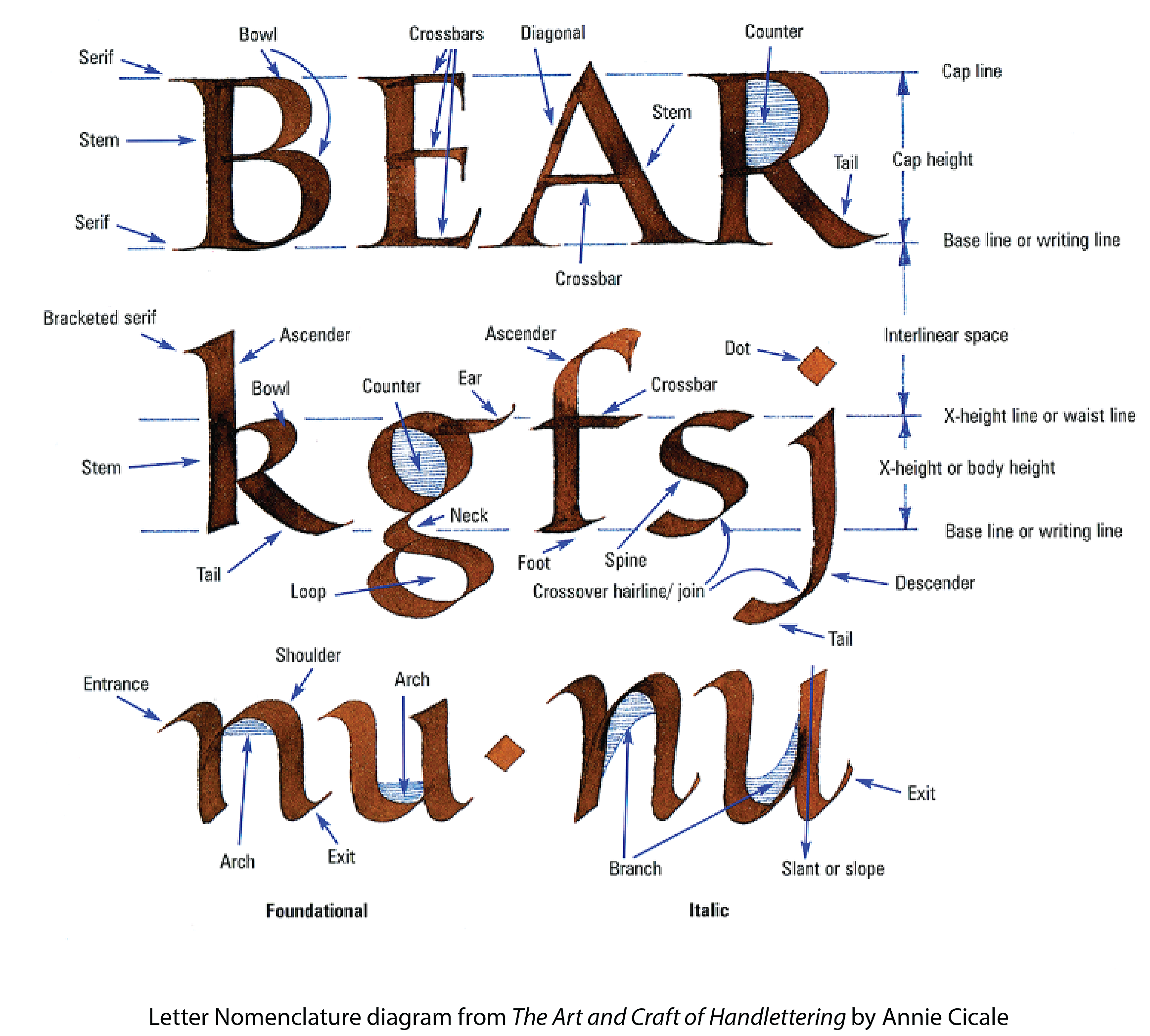
You can discuss letterform with others of your bookish stripe if you know the terminology!
In a world where we compete for attention, we realize the need for outstanding communication skills. The act of writing utilizes both the content and the form of a given text, giving more strength and visibility to the message. The appreciation of the beauty of letterform is nurtured through practice, until fine visual perception and critical design decisions regarding style and spacing, for instance, become second nature. Even a painter will experience better stroke control, new moves, more flexibility with the brush. Study lettering; even a small bit of knowledge is an asset in the marketplace.
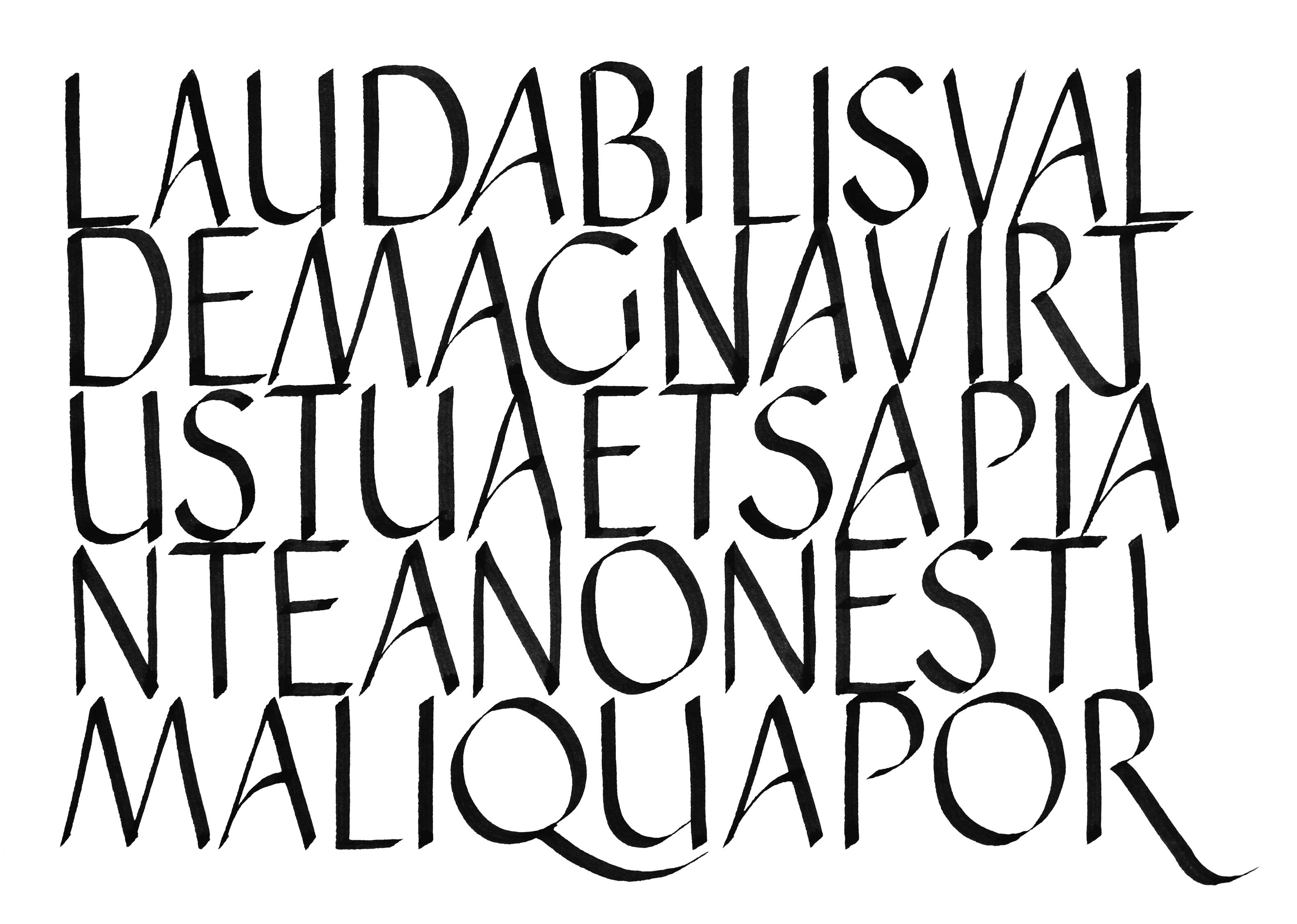
Each basic script you learn teaches you something different about structure. By the time you’ve mastered five or six scripts (to any degree) they will all become easier.
We become informed. Letters are everywhere around you. They can be subjects to draw, each possessing personality, character. With lettering skills it is easier to express an idea, even promote an agenda in a persuasive way, capturing attention through humor or incongruity.
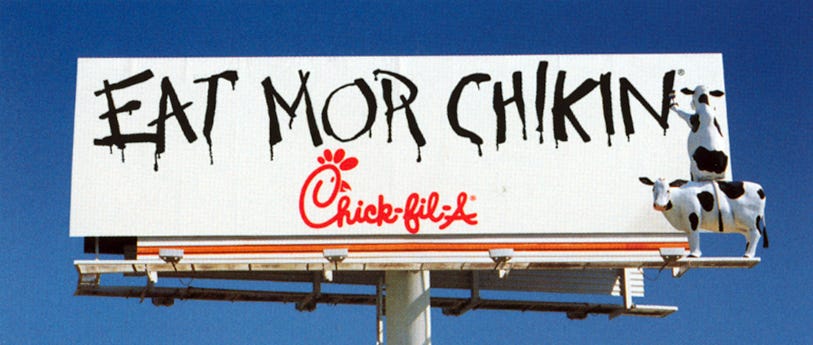
These are a few of the reasons for studying calligraphy, and many other aspects go through my head on a regular basis. Here are some reference links that are rich sources of calligraphy work, both ancient and contemporary.
Check out these websites for insight into the broad field of text art.
Letterform Archive
Berlin Calligraphy Collection
Harrison Collection
Klingspor Museum
Huntington Library
Library of Ashurbanipal
Thank you all for reading and enjoying my posts. It’s great to be here with you.
NOTE TO ALL: This blogpost on Substack will always be free. Upgrade to Paid for interactive activities, individual comments and discussion, and exclusive articles. Your contribution is always immensely appreciated, and helps keep things coming your way. All images copyrighted by Ann Miller unless otherwise noted.
PAID SUBSCRIBERS: All paid subscriptions are now $75 annually or $7.50 monthly. I am eager to devote time to interactive projects and individual discussions on this basis. For you, it’s an ongoing investment in growing your graphic skills and supporting your performance in the areas of book arts, handwriting, letterformation, and calligraphy.
EDUCATIONAL DISCOUNT: I’m now offering a special 50% discount on the annual paid subscription for art instructors [you@your school.edu] and those in the art education field.
ART 50 - Calligraphy and Letterform class at Stanford Continuing Studies—my overview of the history, methods, models, and practice of handlettering will be offered in Fall 2026. I’ll post registration links when they become available later this month.
Comments
Nothing yet. Say the first thing.
Sign in to join the conversation.