
For each census, the ABS collects data about place of work, and using their helpful TableBuilder tool, we can get fine grained commuting information, down to the smallest of geographies. For this post we will have a look at the familiar LGA (Local Government Area) level.
Which LGAs are net origins, and which are net destinations?
To answer this question, we can look at the Job / Residents ratio, i.e. how many jobs there are for each worker. The table below summarizes at the top 10 LGAs by this metric.
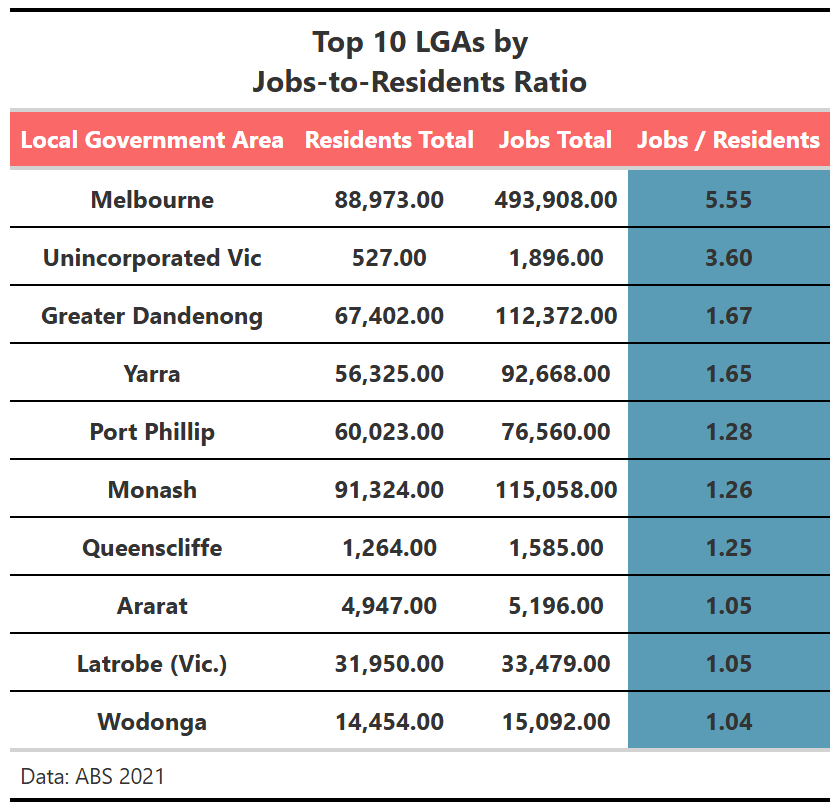
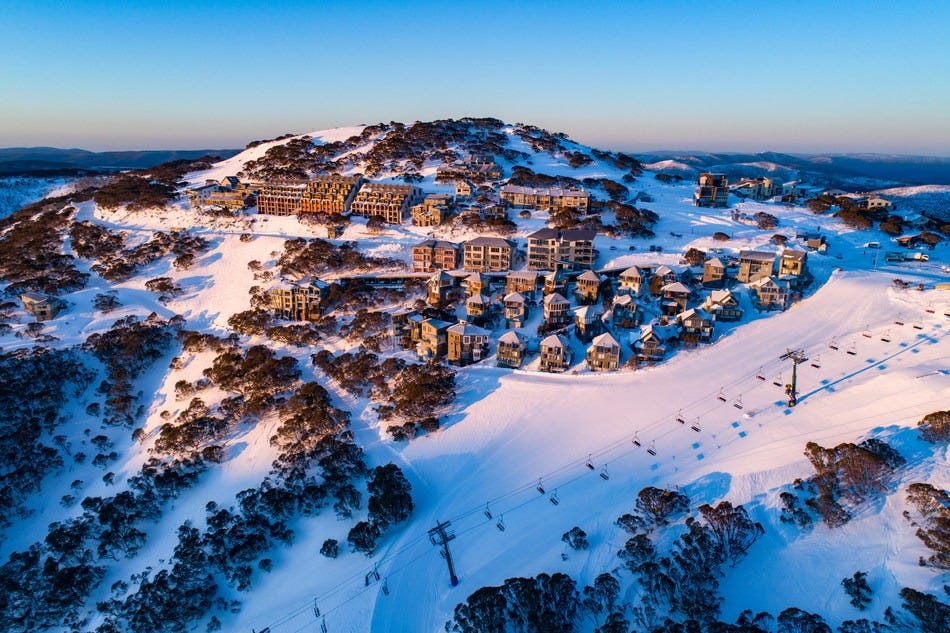
Dominating this list with a massive ratio of 5.55 is the City of Melbourne, which is no surprise given the CBD being such a big job center. The other 2 inner core job dense LGAs, Yarra and Port Phillip feature on this list at 4th and 5th place respectively. However, they are beat by Greater Dandenong (3rd), with the massive Dandenong South industrial area, and by “Unincorporated Vic” (2nd). Unincorporated Vic contains all areas of the state not under jurisdiction of a local council. This includes outlying islands in the Bass Straight as well as French Island. However, the lion’s share of the jobs in Unincorporated Vic are in the Ski Resorts such as Mount Buller.
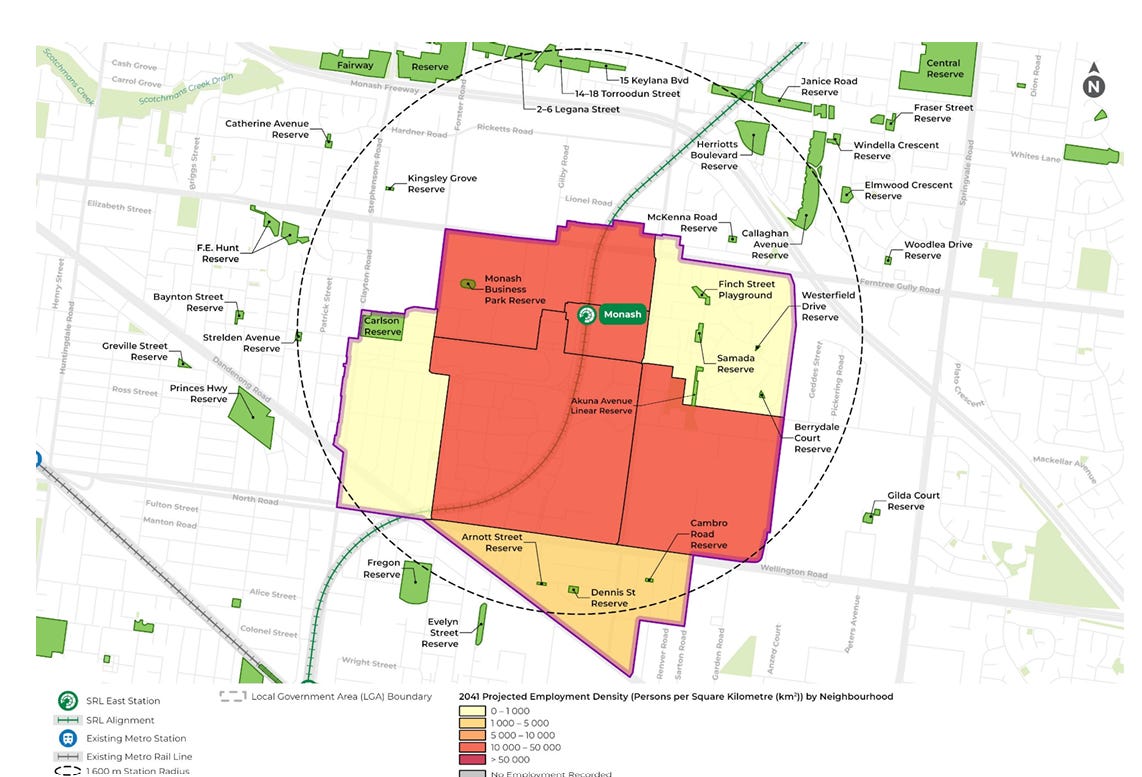
Rounding out the top ten are a bunch of mostly urban regional LGAs which receive commuters from more rural adjacent areas, and Monash. Monash is a significant overperformer in job density, because the area around the University contains particularly job rich business parks and industrial sites. It thus makes sense why it is a key destination for the SRL.
But where might these job-surplus LGA’s be getting workers from? We can look at the other end of the table.
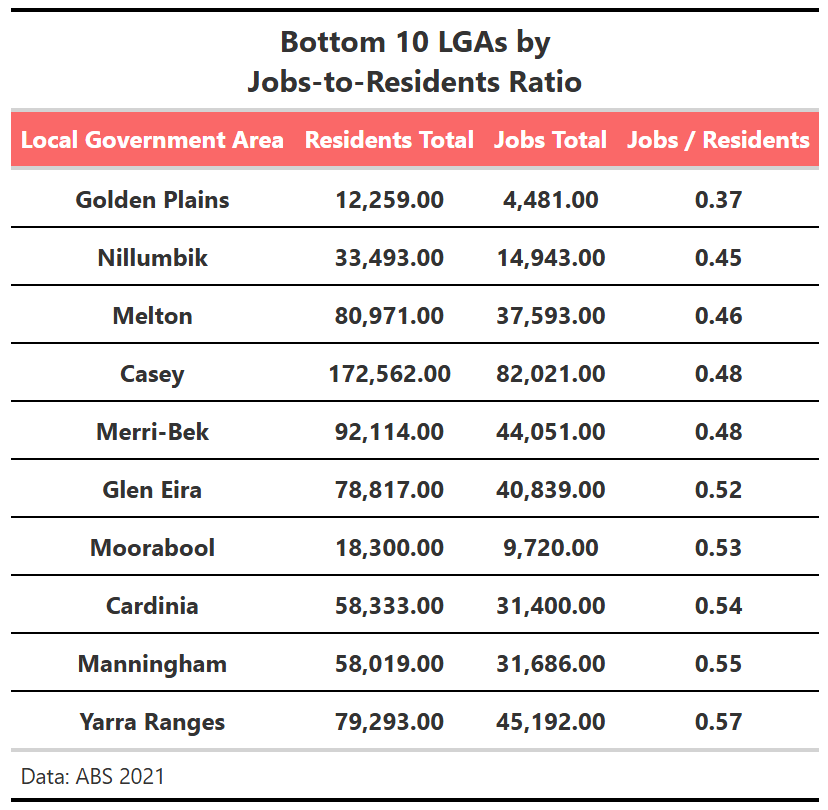
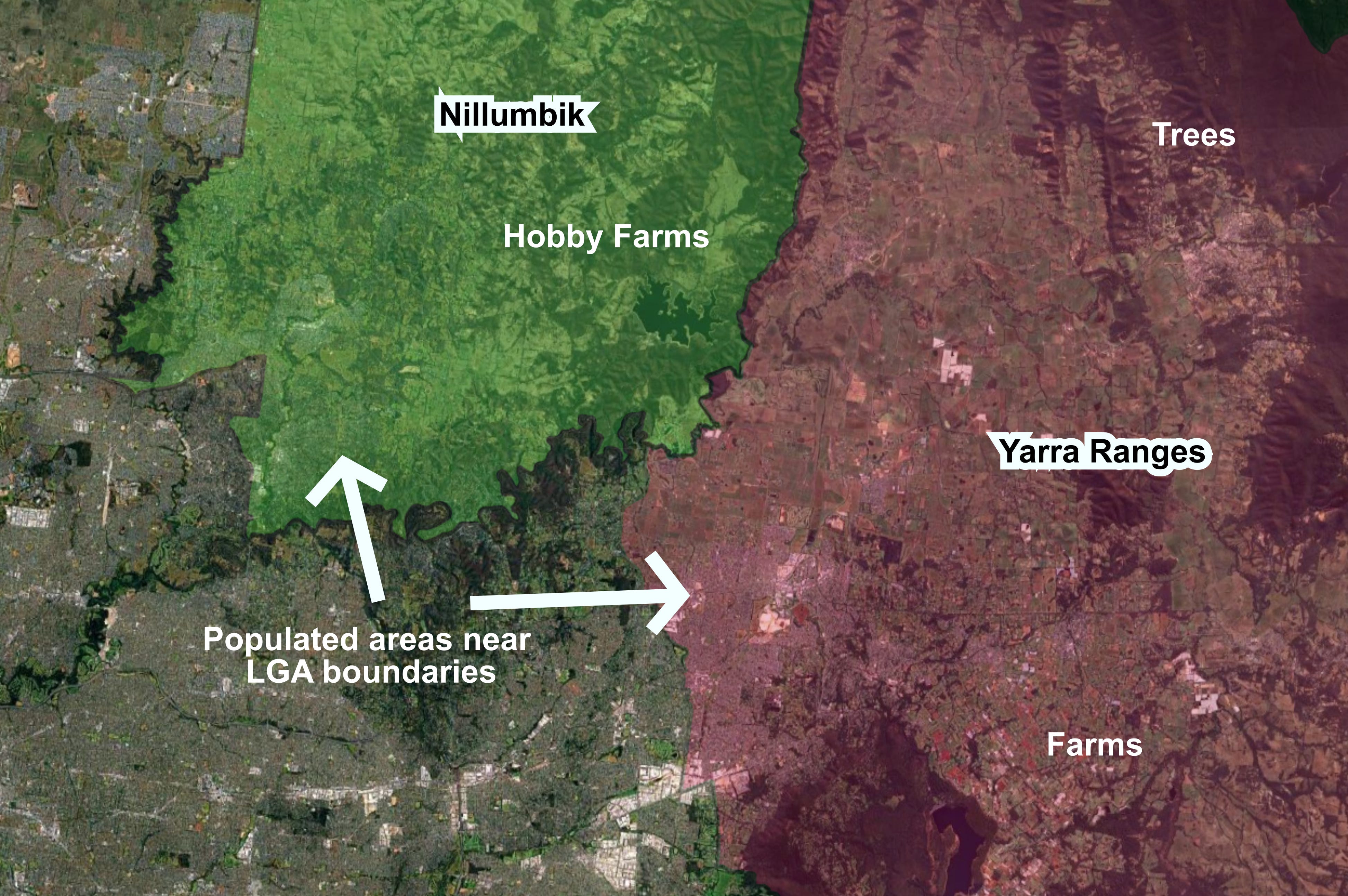
Notable in this list is the peri-urban LGAs of Nillumbik and Yarra Ranges (2nd and 10th). This might be because these LGAs population centers are atypically close to the boundaries, (Lilydale and Eltham respectively).
Filling up most of the rest of the list are areas traditionally known as dormitory suburbs, such as Manningham (9th) and Melton (3rd). However, I did not anticipate Merri-Bek to be so close to the top (5th). Despite a strong effort from Melburnian LGAs, Golden Plains takes the gold, a rural LGA in between Geelong and Ballarat, known for low density sprawl in its towns.
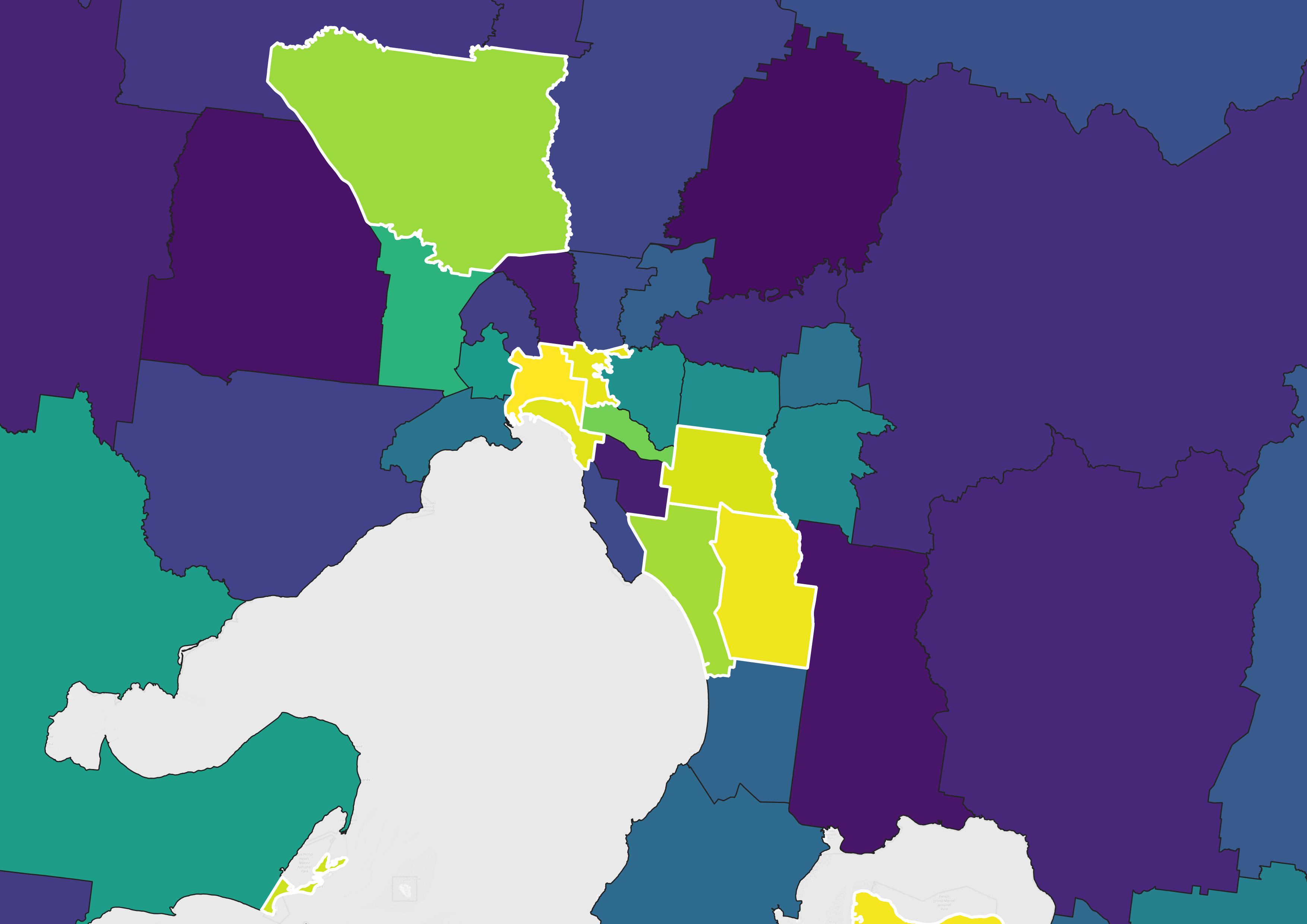
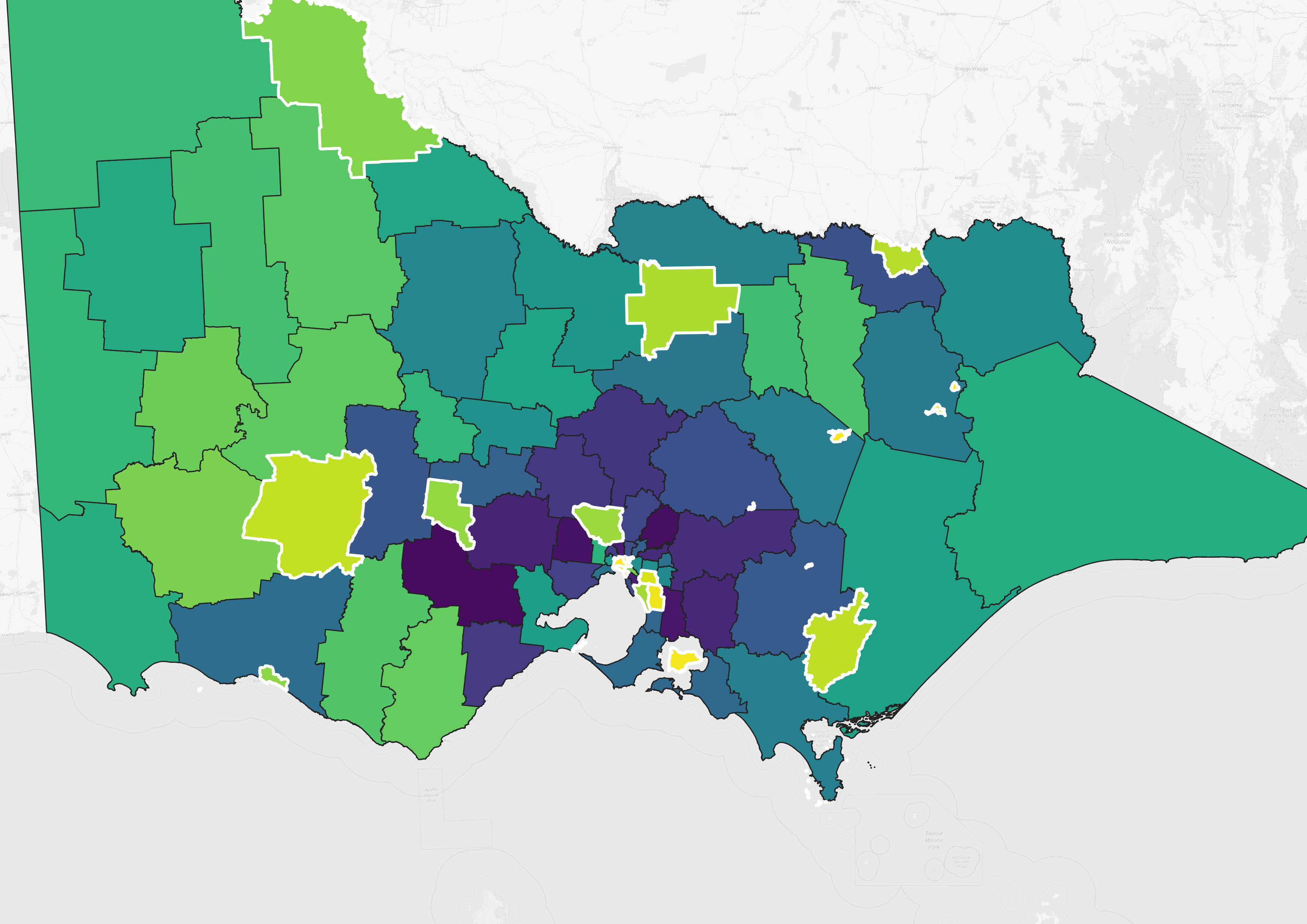
This map displays the ratio in a visual form, where lighter color means there are more jobs per worker and darker means there are less. The areas with the white outline are areas with more jobs than resident workers. Below is the same map on a state resolution.
“Self-commuters”
“Self-commuters” is what I’ve termed workers that work in the LGA they also live in. Let’s see which LGA’s have the most self-commuters - behold, 4 different tables.
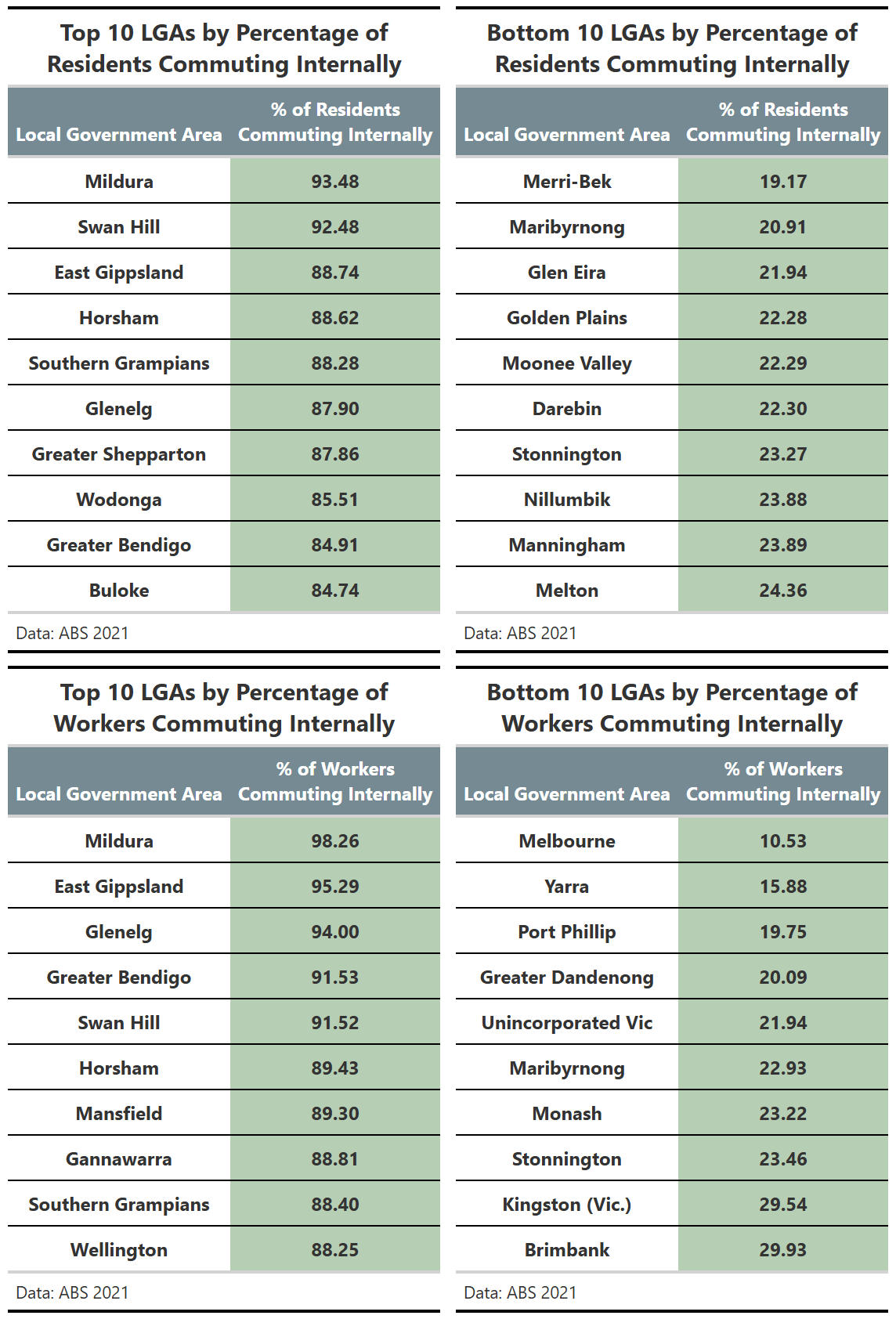
The upper two tables look at LGAs by percentage of residents that commute internally. That is to say, what percent of the total resident workers of an LGA work in the same LGA — Unsurprisingly, the top 10 of this metric is filled with large regional LGAs, such as Mildura and East Gippsland, the largest in the state. This makes sense, it is a big trip to travel outside of these areas.
On the other end (top right table), the LGAs with the smallest proportion of residents who are self-commuters are overwhelmingly the inner ring of LGAs around the Melbourne CBD. This makes sense as; the massive cluster of jobs is right there nearby.
The table at the bottom right shows which LGAs have the lowers percentage of workers coming from inside the same LGA. Confusing, but essentially this list shows which LGAs have the largest workforces coming from outside of their borders. The inner core LGAs (Melbourne, Yarra and Port Philip) top this list, but LGAs with significant industrial areas such as Greater Dandenong, Brimbank and Stonnington also make an appearance.
For a visual look, below is a state map showing which LGAs have the largest proportion of Self Commuters.
Darker = Less, Lighter = More (Get used to this colour scale)
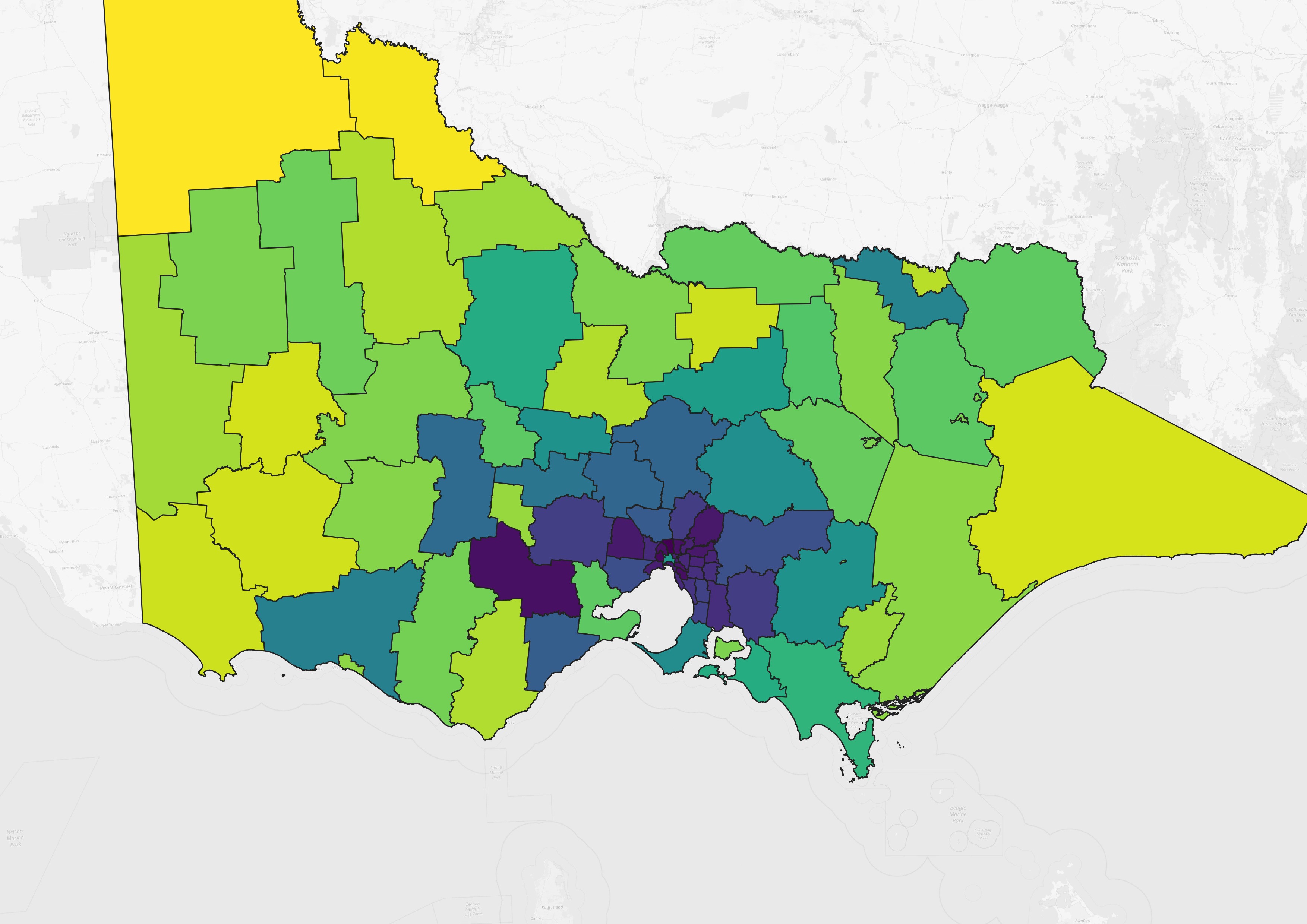
In this visual we can see a very clear distinction between regional and urban areas. As aforementioned, regional areas have a high proportion of self-commuters. Below is a chart which looks at the distribution of percentages of self-commuters for both Melbourne and Regional Vic LGAs.
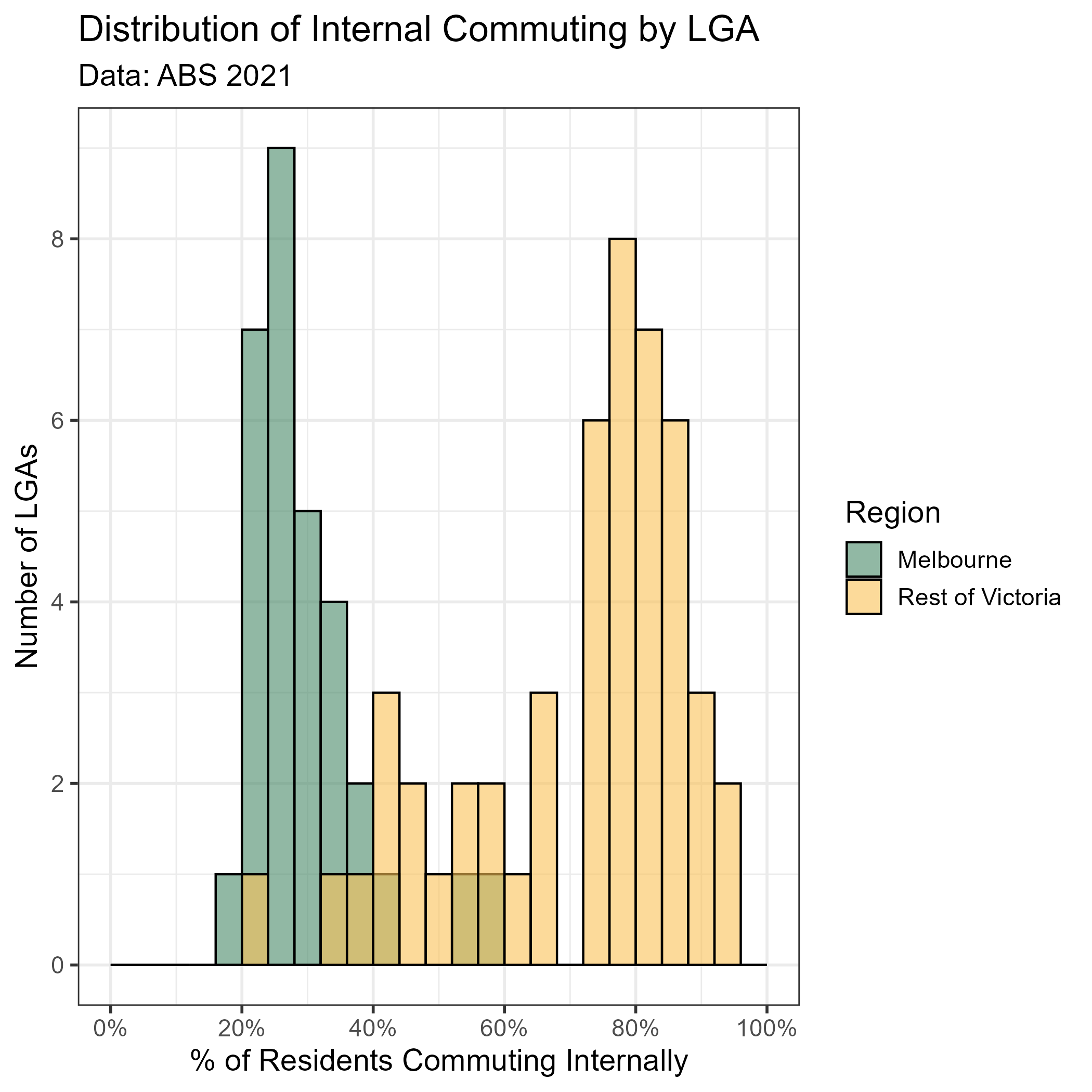
There are two very distinct peaks here, suggesting there is a significant difference between the two groups.
What are the biggest commute flows overall?
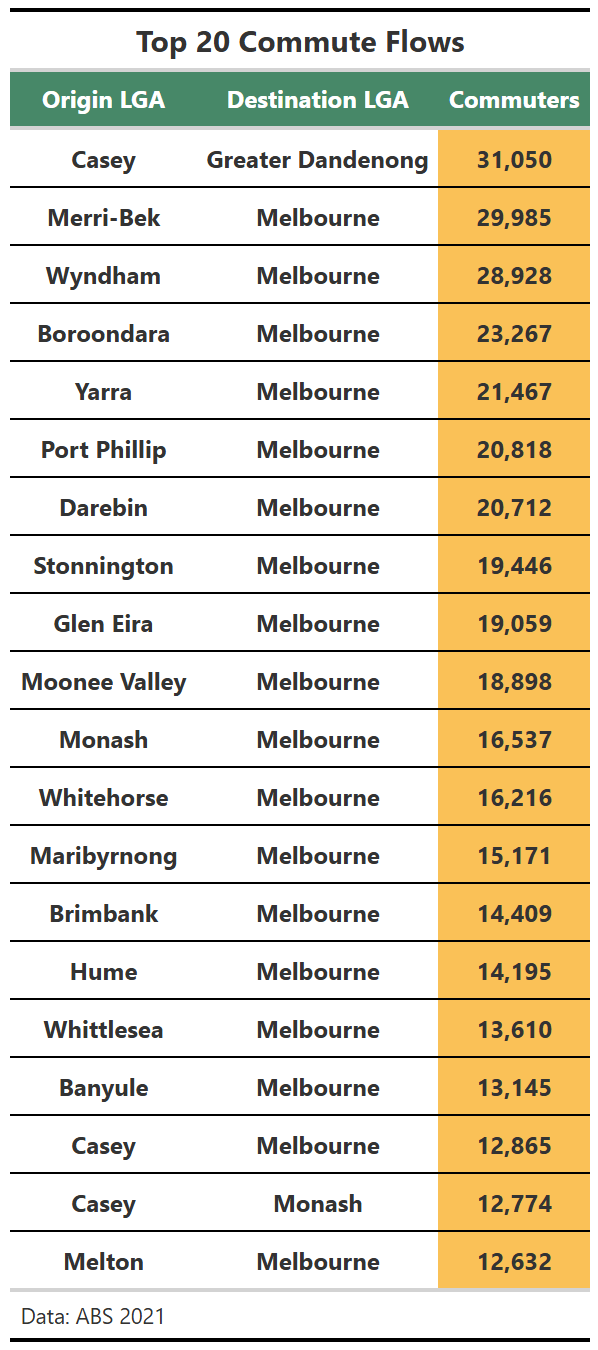
This top 20 list shows the biggest commute flows overall. One thing which is immediately obvious is how dominate this list is by Melbourne as a destination - except curiously, the gold medalist pair here, taken by Casey - Greater Dandenong. Greater Dandenong has the large industrial precinct in Dandenong South, which is adjacent to the border of with Casey. Casey is also the largest LGA in terms of population in its own right. But still this number is striking.
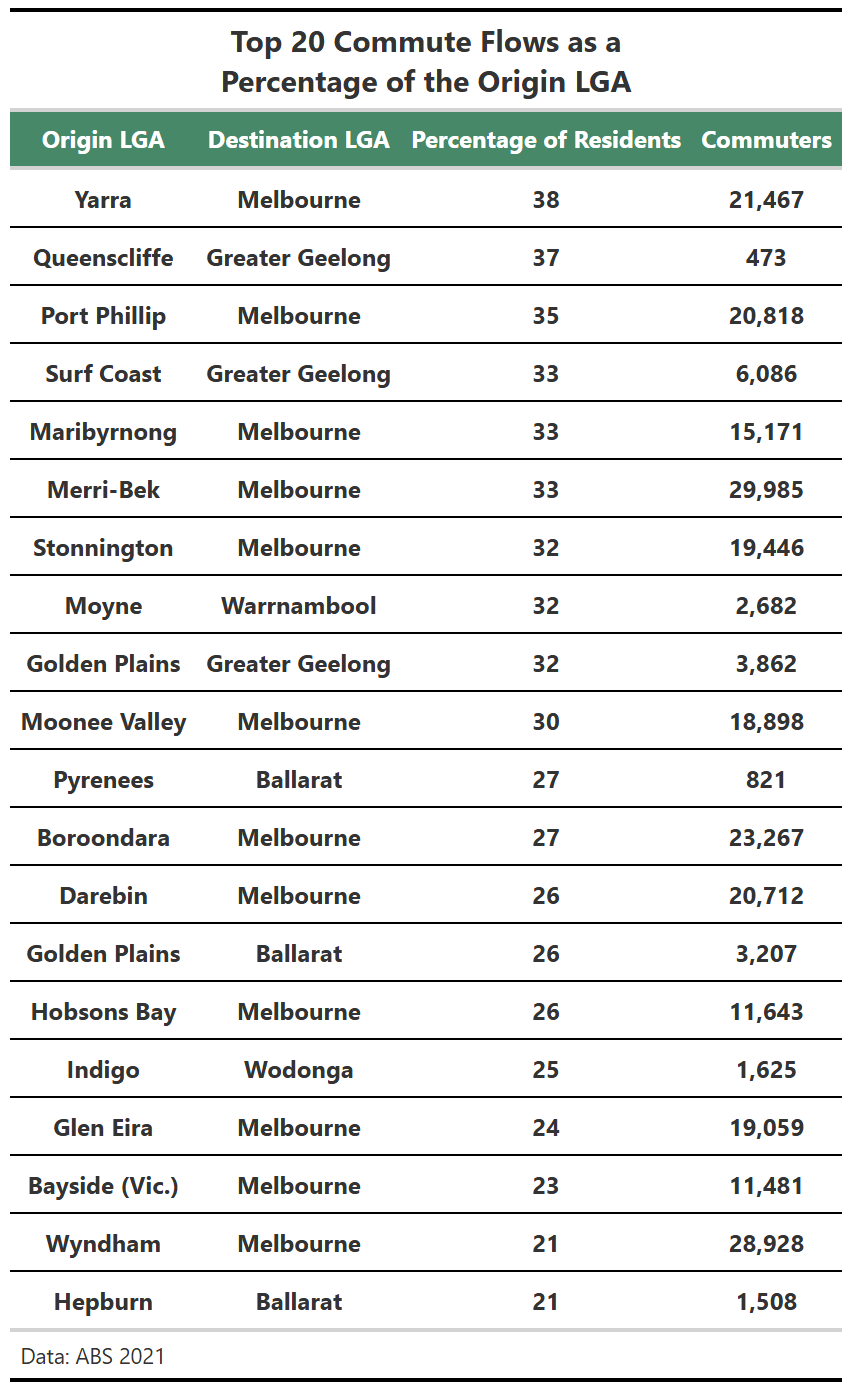
This top 20 list looks at the biggest proportional flows, showing which LGAs have the strongest links. Yarra and Port Philip to Melbourne take out the 1st and 3rd places respectively, but the unusual Borough of Queenscliffe to Geelong takes the 2nd spot. This makes sense. Queenscliffe is so small and is on the very end of the Bellarine Peninsula, that Geelong is really the only place commuters can go to.
A closer look at city of Melbourne commutes
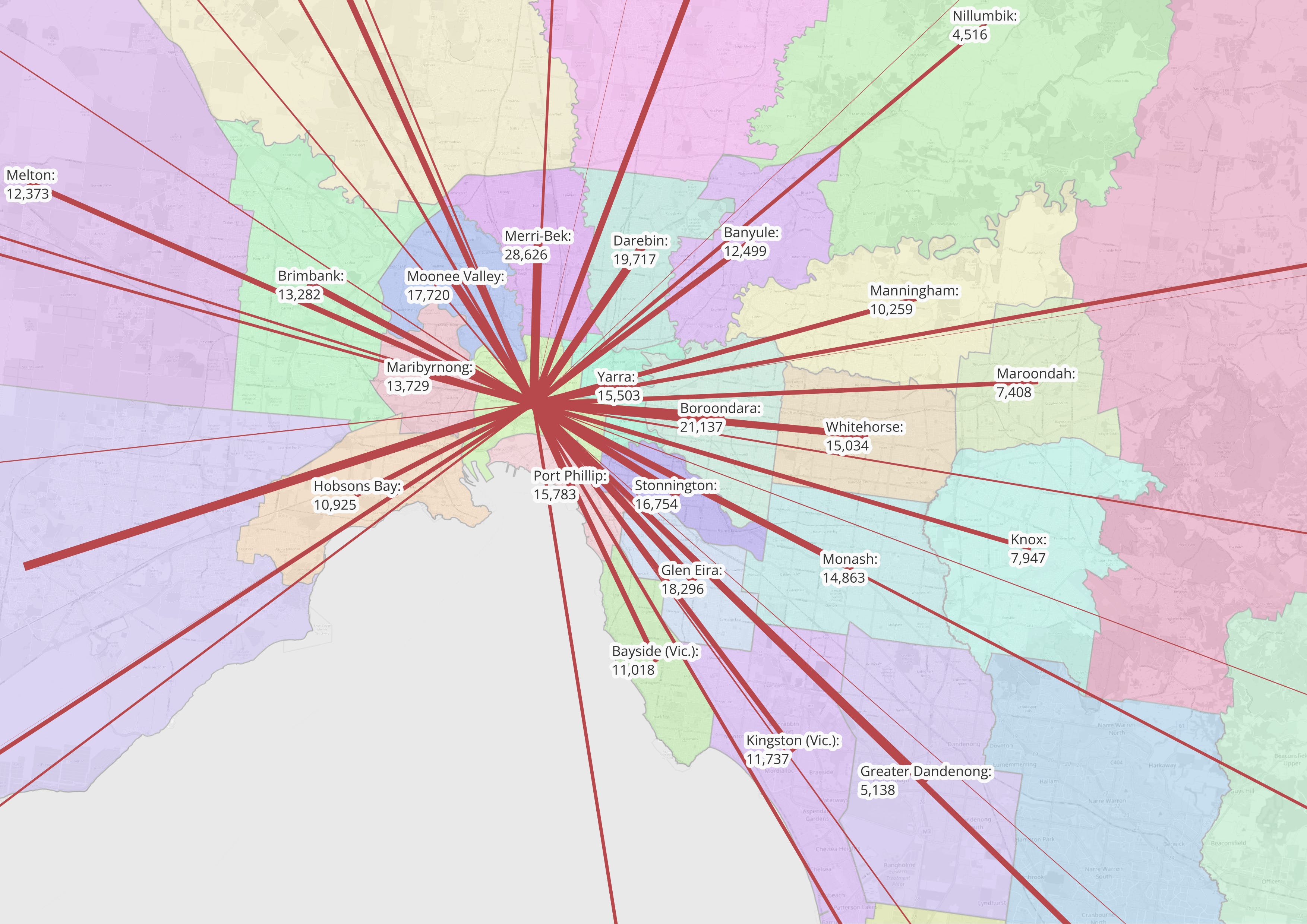
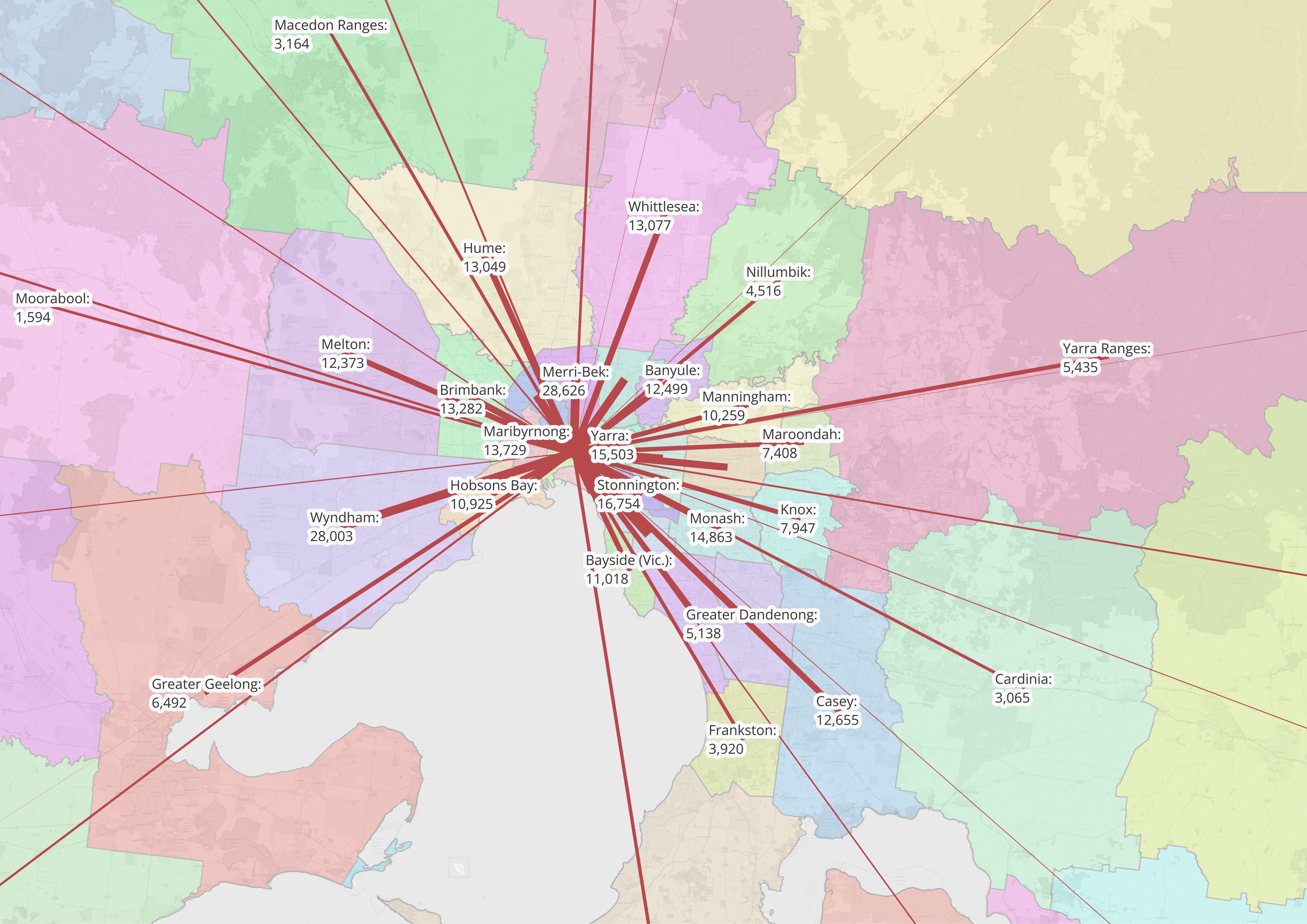
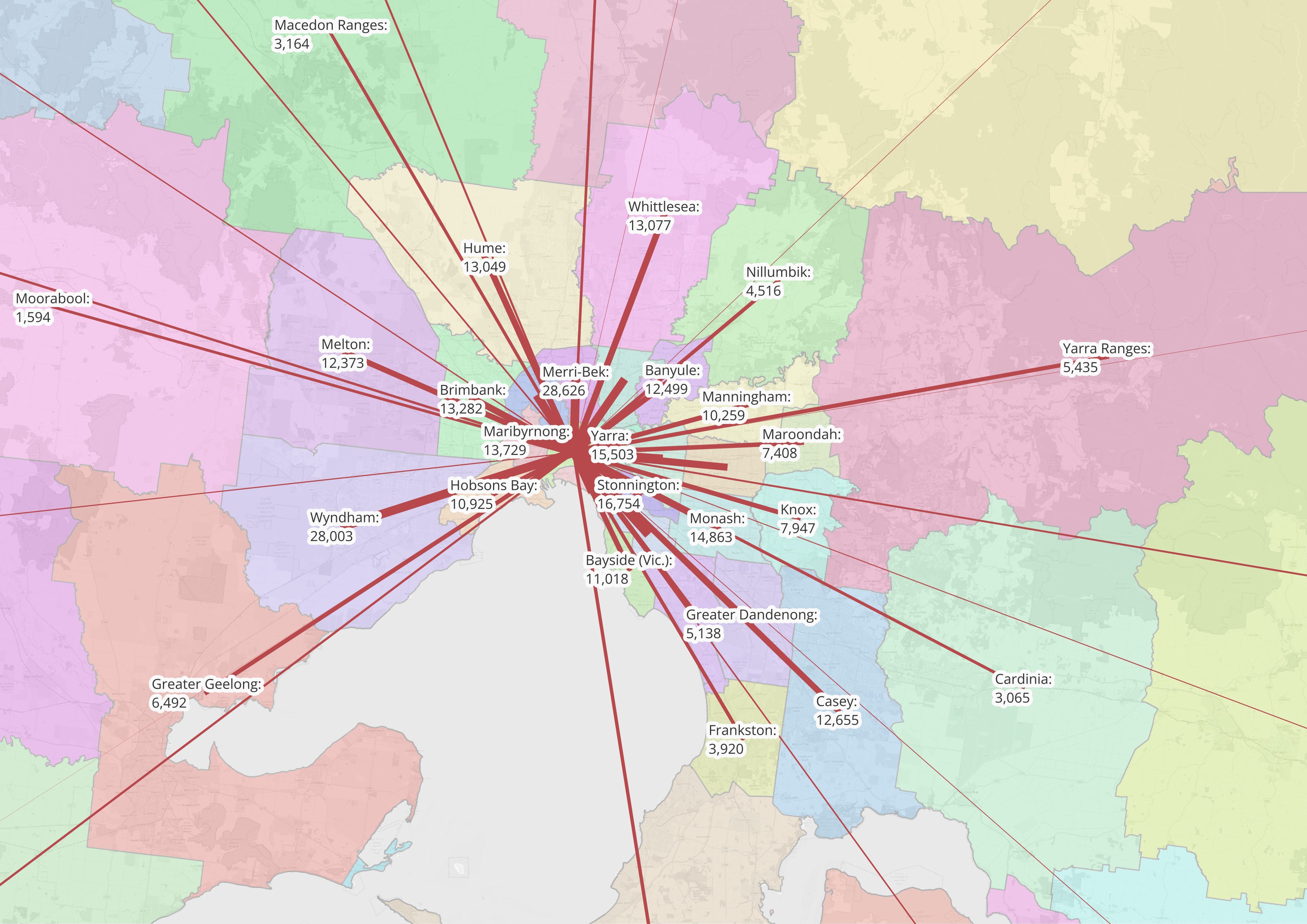
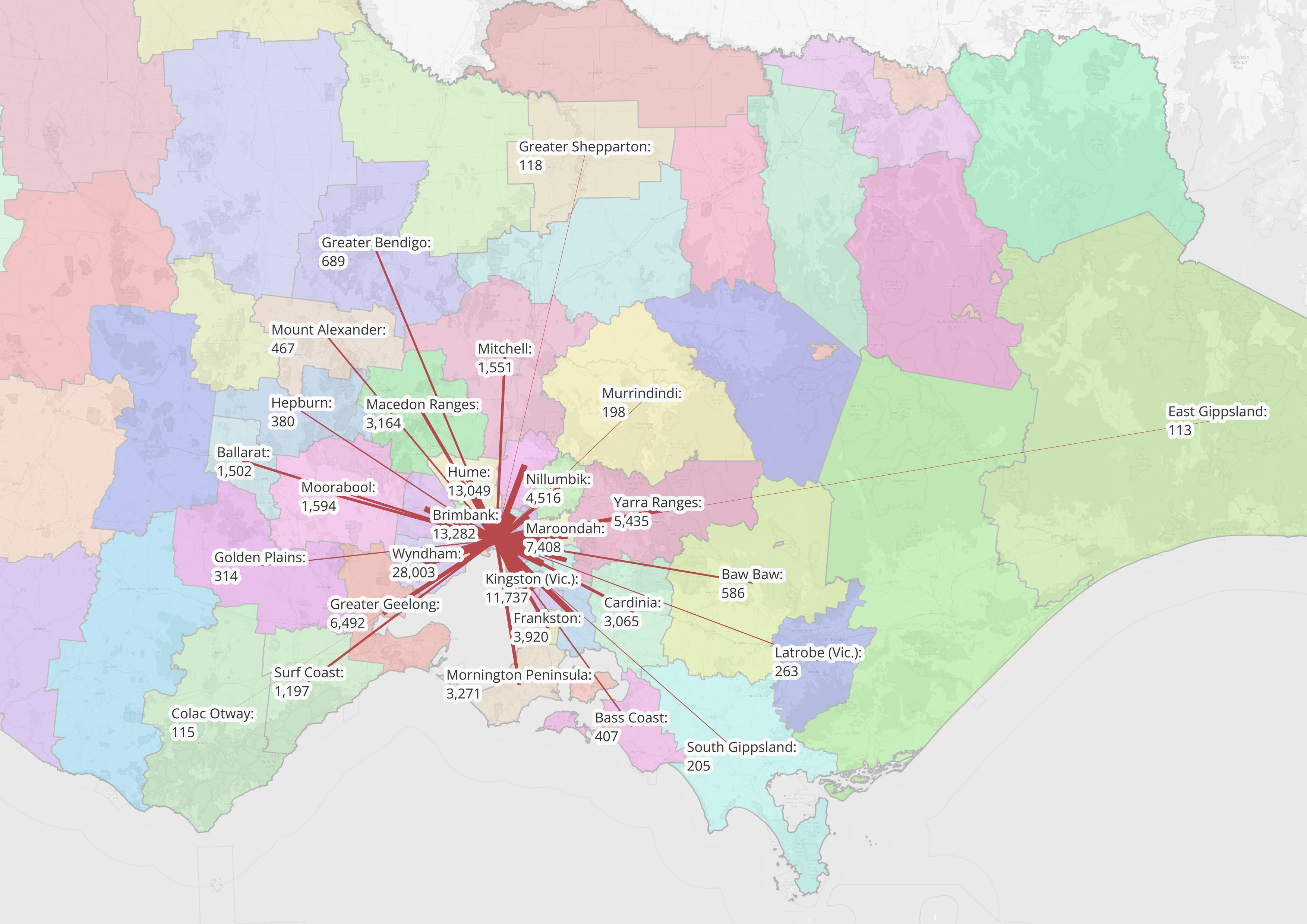
Thes maps show how many people commute from each LGA into the City of Melbourne. I really, really want to talk to the 113 people from East Gippsland who commute into the city. “How do you keep it up?”, “Have you lost your minds?”. No. In all likelihood this is a representation of people who have a holiday property on the Gippsland Lakes and marked that as their primary residence during Covid (remember data is from 2021), whilst keeping their listed workplace in the city.
Despite, such anomalies, LGAs which are closer to the CBD have a higher number of commuters, which makes perfect sense.
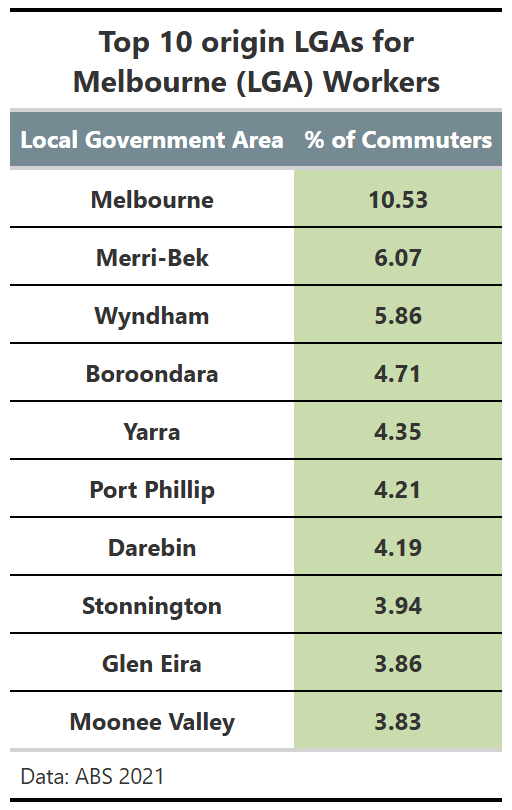
This table shows that 10.53% of workers in the City of Melbourne come from itself (self-commuters again). The next largest source is Merri-Bek (6.07%), think Brunswick-Coburg-Glenroy. This is surprising as peak services on the Upfield Line are very limited. It is likely most of these commuters are instead travelling by tram into the city.
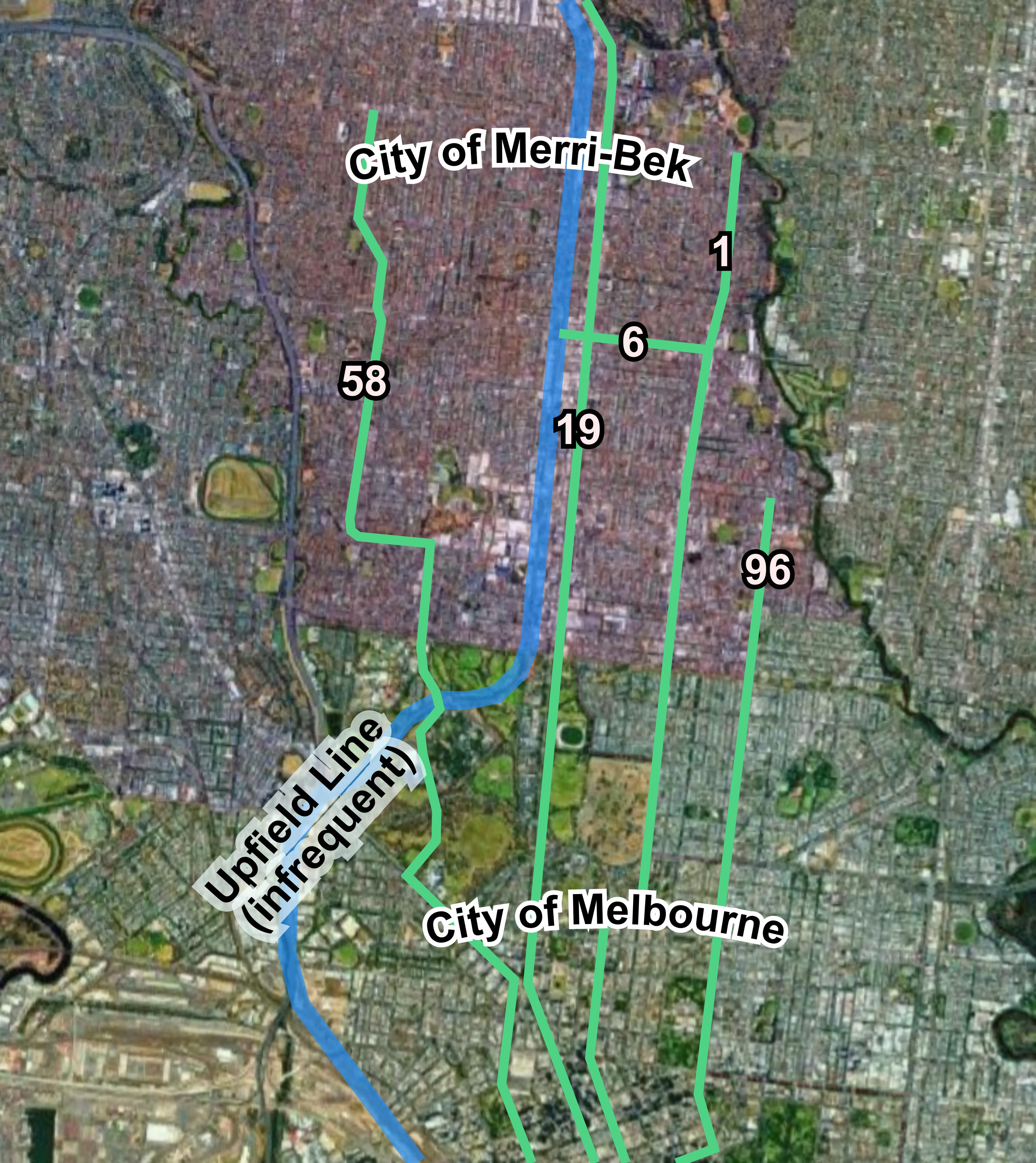
In third place, is Wyndham, being the origin of 5.86% of city workers. It is unique in this list as an outer suburban LGA. Sure, it has a massive population, but why is Casey not on this list? Perhaps is a fact of distance, out of all the outer suburban councils, Wyndham is the closest. And the trains from Wyndham to the city are FAST. It only takes 25 minutes to go from Tarneit to Southern Cross. So perhaps it is the logical choice for people who want to buy an affordable freestanding house but still have a quick commute into the CBD.
A closer look at other destination LGAs
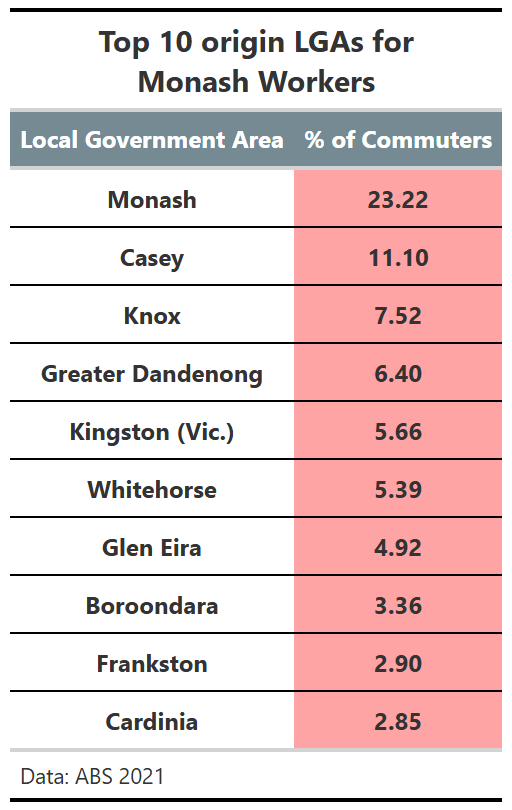
The job-rich suburban Monash LGA has a higher self-commuter share than Melbourne, but still most workers commute in from other LGAs, most prominently Casey, Knox and Greater Dandenong. The flow is largely from LGAs that are further out from the city.
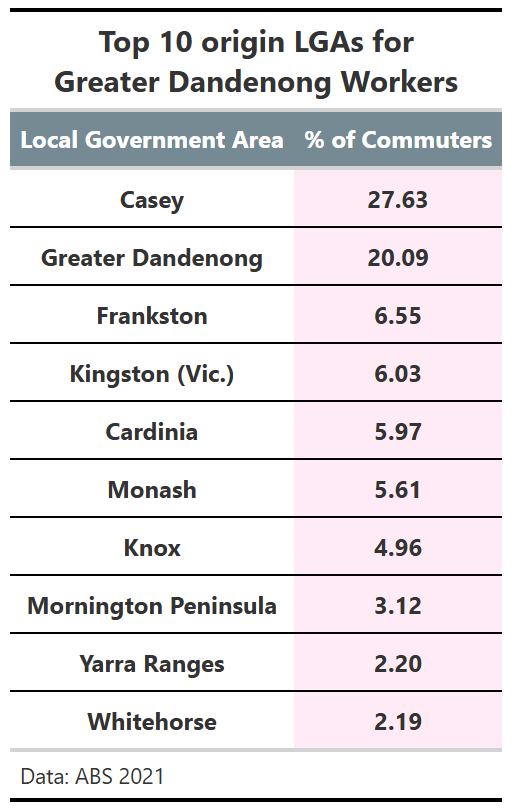
The pattern is replicated here with Greater Dandenong, as described earlier, with a massive share of workers coming in from Casey.
What’s up with Golden Plains?
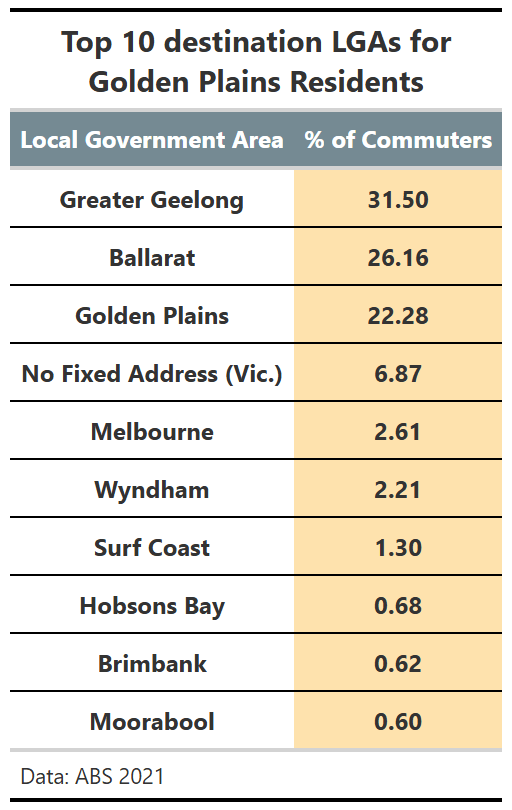
This table shows where Golden Plains residents work. To have itself be only the third on a list like this is very unusual, and for 1 and 2 to be taken up by Geelong and Ballarat, two cities 80km apart is extra unusual. So, what is going on?
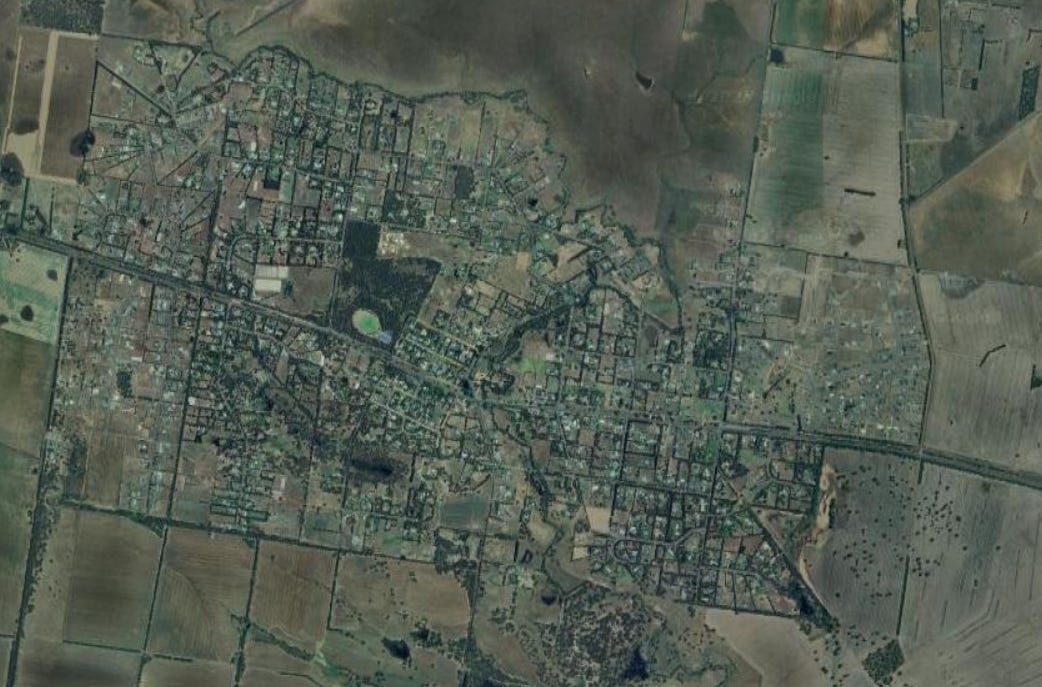
Golden Plains consists largely of low-density towns on the fringes of both these cities, such as Teesdale. Perhaps it is analogous to the upper parts of Nillumbik and Yarra Ranges, in being populated by tree changers, unwilling to give up their high paying jobs closer into town.
Some more examples
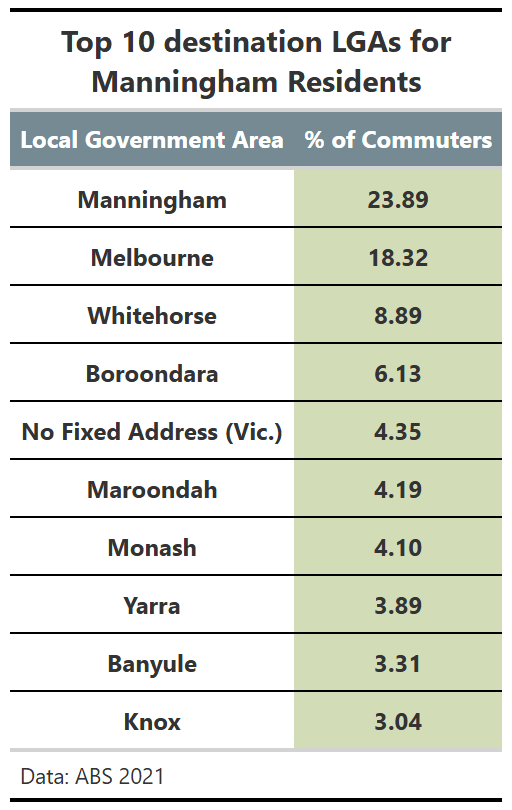
Manningham is almost the stereotypical dormitory suburban LGA, with a very small number of self-commuters. What I found most interesting about this list was that although it is just across the Yarra river, Banyule is only the place of work for 3.31% of resident workers on Manningham. No other northern suburbs showed up on the list. This tells me that Manningham is far more connected with the other areas on the same side of the Yarra River, puncturing the conception of the “Northeast Suburbs”, theoretically consisting of Manningham, Banyule and Nilumbik.
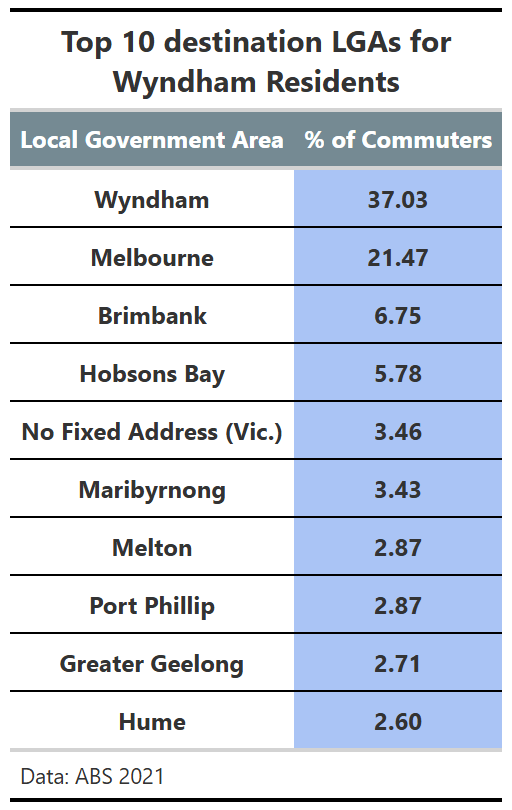
Wyndham, with its large share of Melbourne commuters still has a large amount of self-commuters. Wyndham does contain a large industrial area (shared with Brimbank which is the destination of 6.75% of Wyndham resident workers), so this makes sense. It is also — for a metropolitan LGA, large.
Is there a correlation between LGA size and self-commuting?
It would make sense that larger LGAs have a higher proportion of self-commuting as well, as I said earlier — they are bigger.
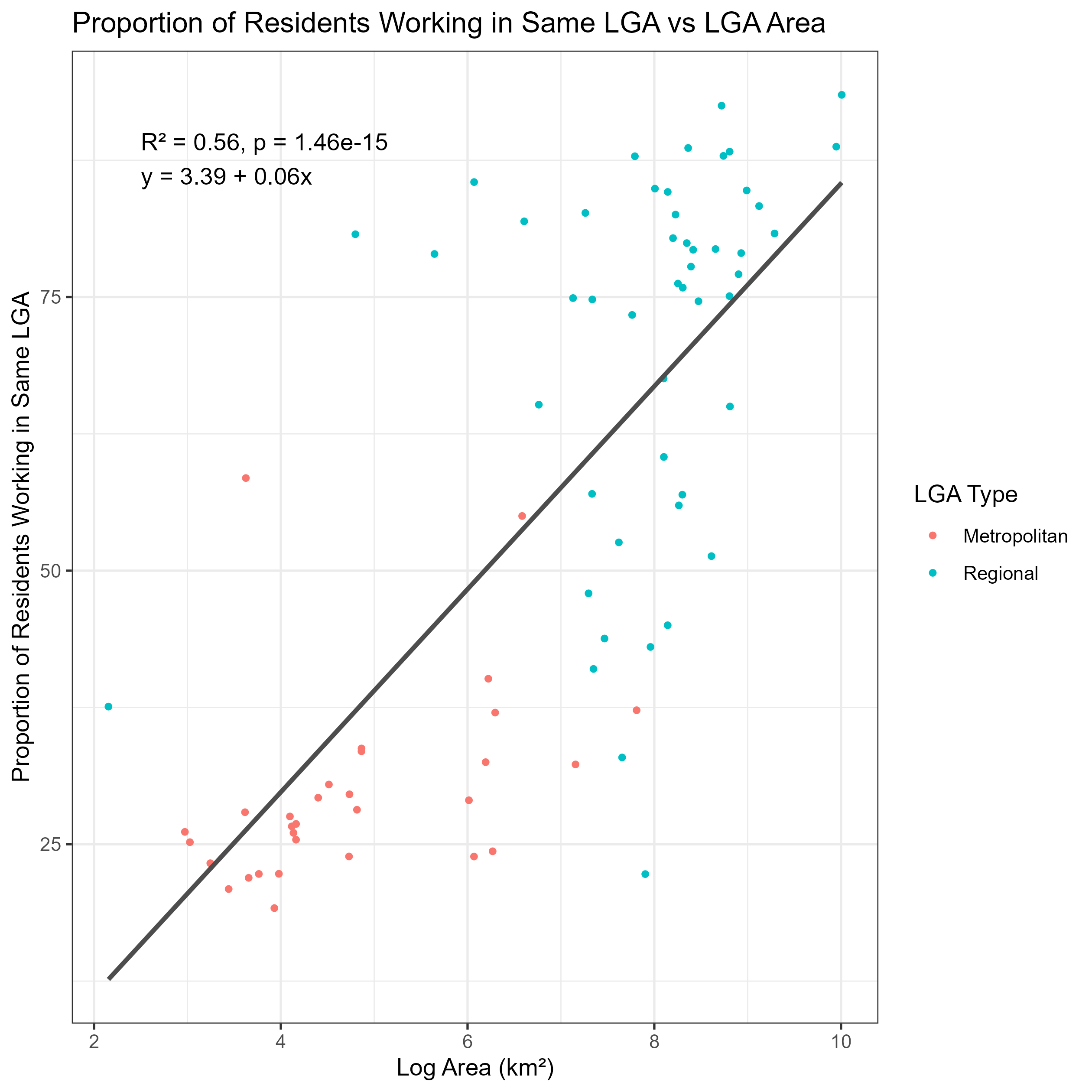
I did a linear model test, and it seems like these two variables are indeed correlated —mostly, confirming my assumption.
Thanks for reading the post, feel free to put any questions in the comments!
Comments
Nothing yet. Say the first thing.
Sign in to join the conversation.