
I’m writing about endings of RPGs, so there will definitely be some spoilers here. In particular, I’ll be writing about Final Fantasy VII, X, X-2, and Infinite Undiscovery,
Ending a story is difficult, even in video games. It may seem, at first, like video game endings should be easy: fight the final boss, make some comments about what the world will be like without living under a constant threat, and show a few scenes of the characters continuing on with their lives. Add that the final dungeon breaks apart for some reason and everyone needs to rush to escape, and you’ve got a good ending. Most games follow this formula, and they tell the formula decently well, but most RPGs run into a particular problem when it comes to sacrifice. What happens when a character must sacrifice themselves for the party or even the fate of the whole world? How do you handle the grief players will feel in losing someone they’ve grown to love and rely on, but also at the same time, how do you make that sacrifice meaningful without the player rejecting that sacrifice?
The quintessential RPG sacrifice is certainly Aeris in Final Fantasy VII (1997), though it happens relatively early in the game rather than at the end. Character death wasn’t new for the Final Fantasy series; ever since the second game (1988), no party member was safe. Early entries felt like Hamlet, with NPCs’ bodies littering the stage. Most of them are meaningful, and the developers did great work on such limited hardware to make these deaths hit home. These early stories of sacrifice, moreover, set expectations for RPGs ever after and are some of the reasons that RPGs take their stories and their worlds so seriously. Stakes are high, drama is high, and the stories that come from such expectations tend to be high in quality.
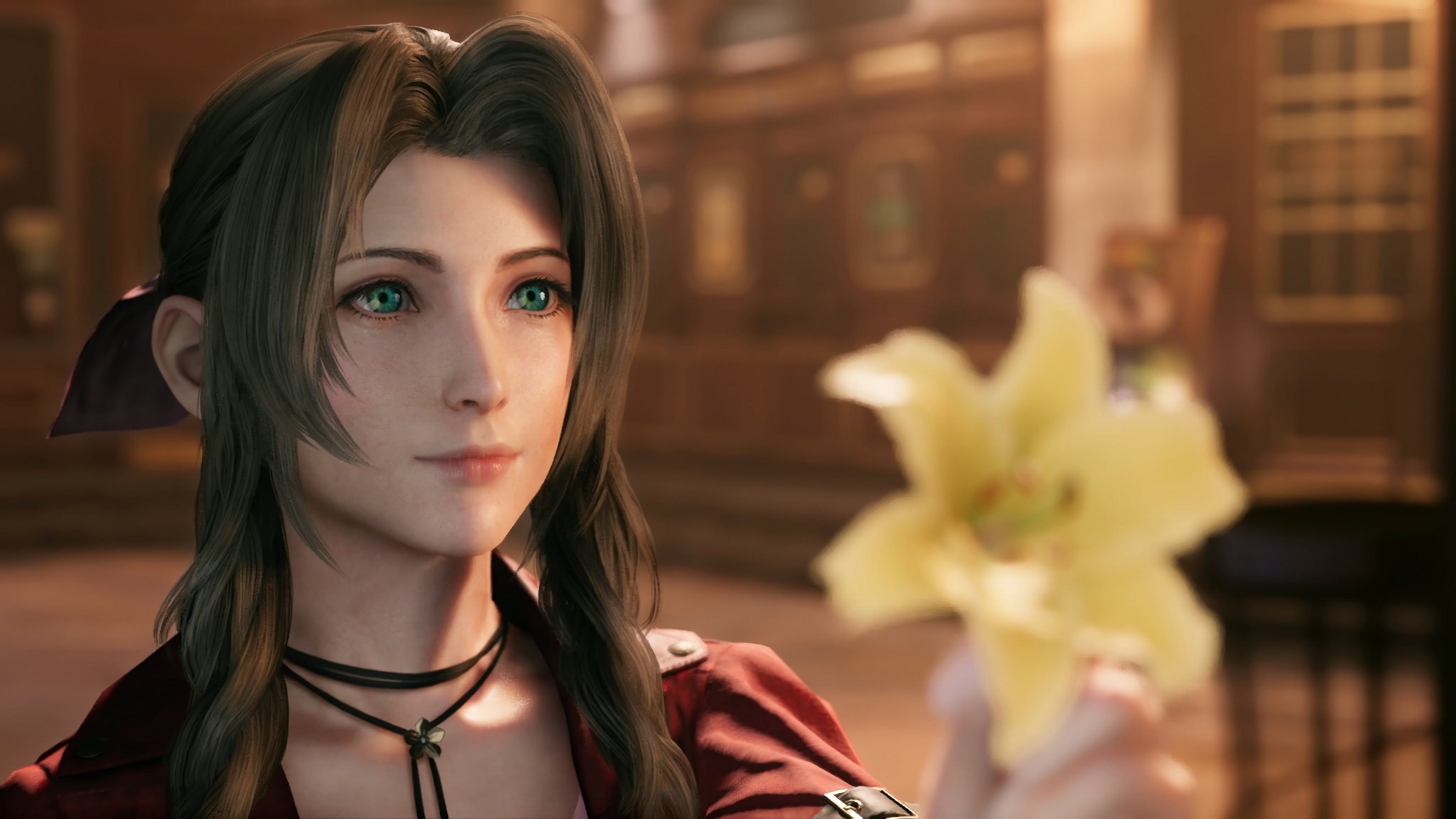
Now, I may have felt sad about the death of a white mage or one of the Cids in early Final Fantasy games, but nothing prepared me for Aeris’ death in Final Fantasy VII. I played the game when it came out, when I was fifteen, so perhaps my young, sensitive heart that was beginning to fall in love with female characters in games may have been the reason that her death hit me so hard, but I think I can say that her death was a pinnacle moment in gaming for those who played it in the 90s. I was stunned. Immediately after Sephiroth stabs her through the stomach, there’s a battle with Jenova, and while I tried to continue playing, instead I threw down the controller and went downstairs. When I came back, my party had been defeated. Instead of restarting my save and playing through the scene again, I started the whole game again from scratch. Maybe I just needed to see Aeris alive again, or maybe I couldn’t bring myself to play through the scene so soon, but I needed time to process. Her death was such a blow.
Enough reminiscing, though; what was it that made Aeris’ death so powerful for so many gamers? First, it was a surprise. It’s one thing to lose a beloved NPC or a martial artist or bard, but it’s another thing to lose a potential love interest and main heroine. Final Fantasy VII never really chooses a love interest for Cloud. Both Aeris and Tifa are obviously interested in him, and even though Aeris still has a heart for the mysterious Zack, she’s written so well that players fall for her. She’s innocent but also a bit spicy; she’s down-to-earth while Tifa is cool and (we think) collected; she’s the healer, and there’s something about white mages that pull on our heart-strings. Our heroes are out fighting, but we always know that our healers are behind us, caring for us and allowing us to move forward. They’re a foundation, a touchstone, a stable place that allows the other characters and the player to move forward in freedom. Take that stability away and there’s no center of gravity anymore. Anything could be lost, and, really, everything is already lost.
Nor does Aeris completely disappear. She isn’t on screen anymore, surely, but the fight against Sephiroth becomes more personal. In the back of our minds, we continue to remember that this is the guy who killed Aeris, and the possibility that we’ll forgive him becomes less and less. Then, as the meteor is falling on the planet, and the lifestream seems to be weakening and is unable to present catastrophe, Aeris’ holy spell shows up again. Her sacrifice suddenly makes sense: from the midst of the lifestream she has been able to cast a spell that saves the planet when nothing else, even our heroes, could. All of the things we loved her for become the ways she heals the planet, and in a way that heals us as well. Our grief and anger are suddenly turned into joy as we realize that our love of this character wasn’t for nothing. Everything is made whole, and we are well again.
J.R.R. Tolkien called this quality of stories, and especially fairy-stories, Eucatastrophe. In one of his letters, he writes, “I was there led to the view that [eucatastrophe] produces [joy at the turn of a Happy Ending] because it is a sudden glimpse of Truth, your whole nature chained in material cause and effect, the chain of death, feels a sudden relief as if a major limb out of joint had suddenly snapped back.” The sudden reversal of tragedy breaks us from the deterministic world and allows us to glimpse what Tolkien thought was Truth: namely, and to quote Julian of Norwich, that all manner of things will be well. Stories only end when all is healed; otherwise, they are still in the process of being told. Aeris’ death was not the end of the story. The salvation of the world is the true end and the complete reason for her death in the first place. This sudden joy is what makes Final Fantasy VII so beautiful and successful of a game.
I liked blitzball, but that’s not what we’re talking about here.
Final Fantasy X is similarly about sacrifice. Yuna’s whole journey is to go to the legendary Zanarkand and sacrifice herself for a mere ten-years reprieve from Sin’s attacks on the world. All of her companions, with the exception of Tidus, know her journey’s destination and reason from the beginning. Have they come to terms with her choice to sacrifice herself? That’s part of the story and is one of the reasons the characters and the game itself are so interesting and compelling.
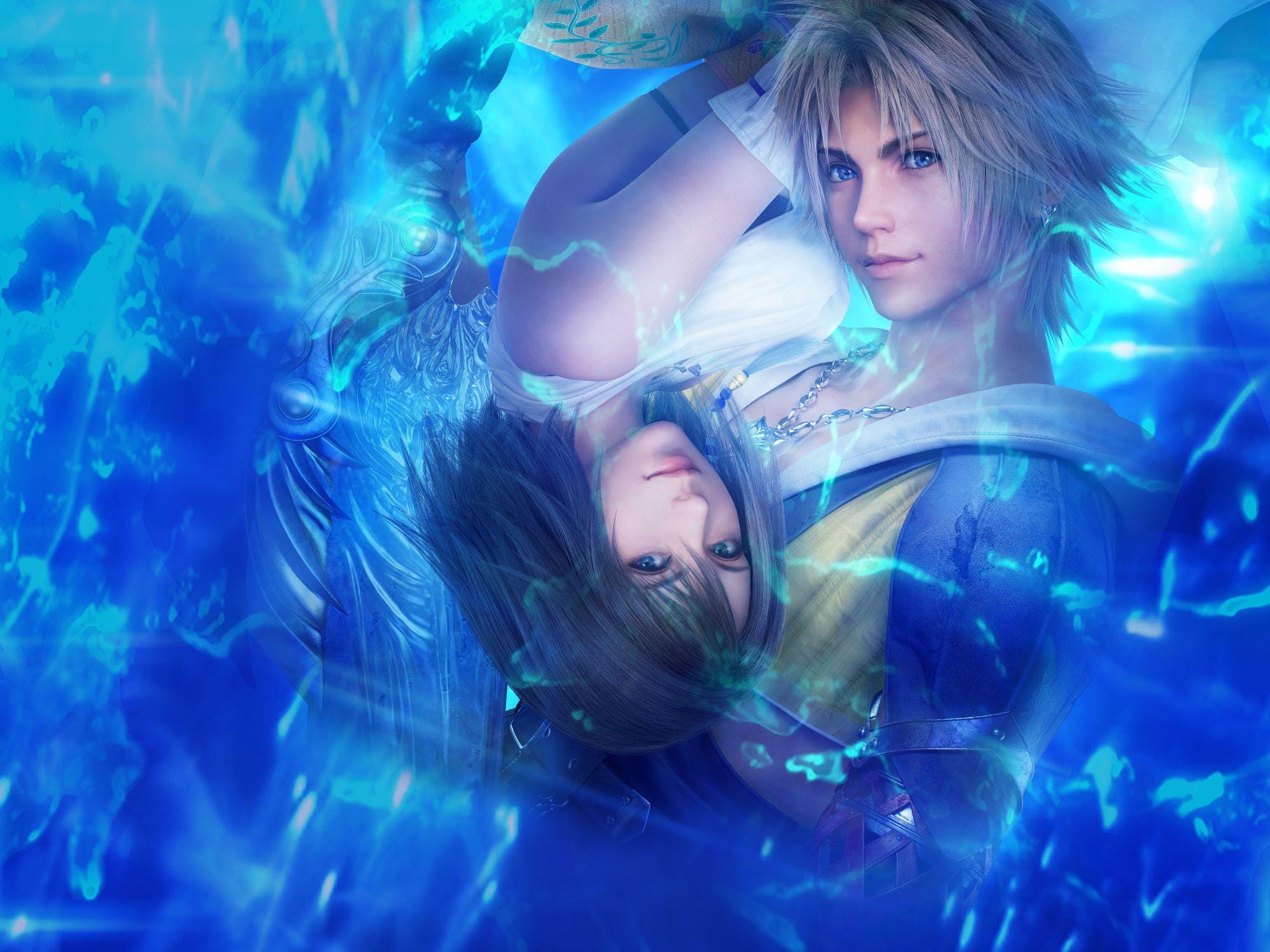
At first, the plot seems to be expounding on a particular theme: an end of all sacrifices. Tidus and Rikku strain their brains to find a way to defeat Sin without sacrificing their friend, and when the party learns the truth about these sacrifices, they all join together to end the cycle. In the end, Yuna is saved, but sacrifices still continue - or, at least, one more sacrifice has to be made: Tidus. In place of Yuna, Tidus sacrifices himself as the dreamers awake. The final scene of Yuna trying to hold Tidus is heart-rending, and the nice high-five that Tidus gives to his dad doesn’t take away from the tragedy.
What makes this sacrifice compelling? Partially, we see that Tidus has grown from a childish sports star who can’t get over hating his dad into someone who knows what it means to do something for someone else. Tidus is able to understand the great sacrifice that his father made, and while he doesn’t follow him into the same sacrifice, his development into a real hero leads him into a greater sacrifice: for the continued, not temporary, safety of the entire world. He openly embraces his love for Yuna, but he knows that there is something more important than his own happiness, and that’s the happiness of everyone else. He accepts this with open arms and even with a sense of joy. He remains a great character for his force of humble will.
Then…comes the sequel. Not only is Yuna changed completely from her demure and thoughtful character into a dynamic person, suggesting that introverted characters can’t be happy unless they’re turned into extraverts, Tidus’ sacrifice is undone. This is cheap. It undoes the reality of Tidus’ sacrifice for a tidy, happy ending. There is no eucatastrophe here. It’s just a reversal that doesn’t add much to, nor challege, the characters. Nor does it challenge the player. It only acts as wish fulfillment for those who wanted to see Tidus and Yuna get together at the end of the first game. That’s not good writing, and it’s one of the reasons that many fans reject the whole story of the sequel.
The thing is, sacrifices serve a purpose. At first blush, sacrifices seem unnecessary: with such powerful characters, can’t something be done? Is it all that bad that Yuna finds a way to meet Tidus again? If she can find a way, in-universe, to return him to the waking world, then why not do it? The problem isn’t that they’re unnecessary (sometimes they are), but that they’re unrealistic. When we’re young, we feel powerful and capable of anything, but as we grow older, we realize that we have to make choices in life. That may be between going to one college over another, or studying one subject or another, but it may also be between continuing to travel and starting a family, work and life with our significant others or kids, or living in a place we really like versus living close to family. We must make sacrifices, and our hope is that we turn away from things that wouldn’t, in the end, make us happy and towards things that will, but sometimes we have to choose between two really great things, both of which could make us very, very happy.
Life can go in all sorts of directions, but life isn’t as long as we want it to be, nor are we as powerful as a level 99 Cloud Strife with a full assortment of materia. In the end, even a level 99 Cloud Strife must deal with the fact that, in order to save the world, his beloved friend had to die. Joining him in his journey grants us some wisdom in the limits of life and our own powerlessness - but also our ability to keep on living, to trust and to love, and insight into what we carry on through those sacrifices.
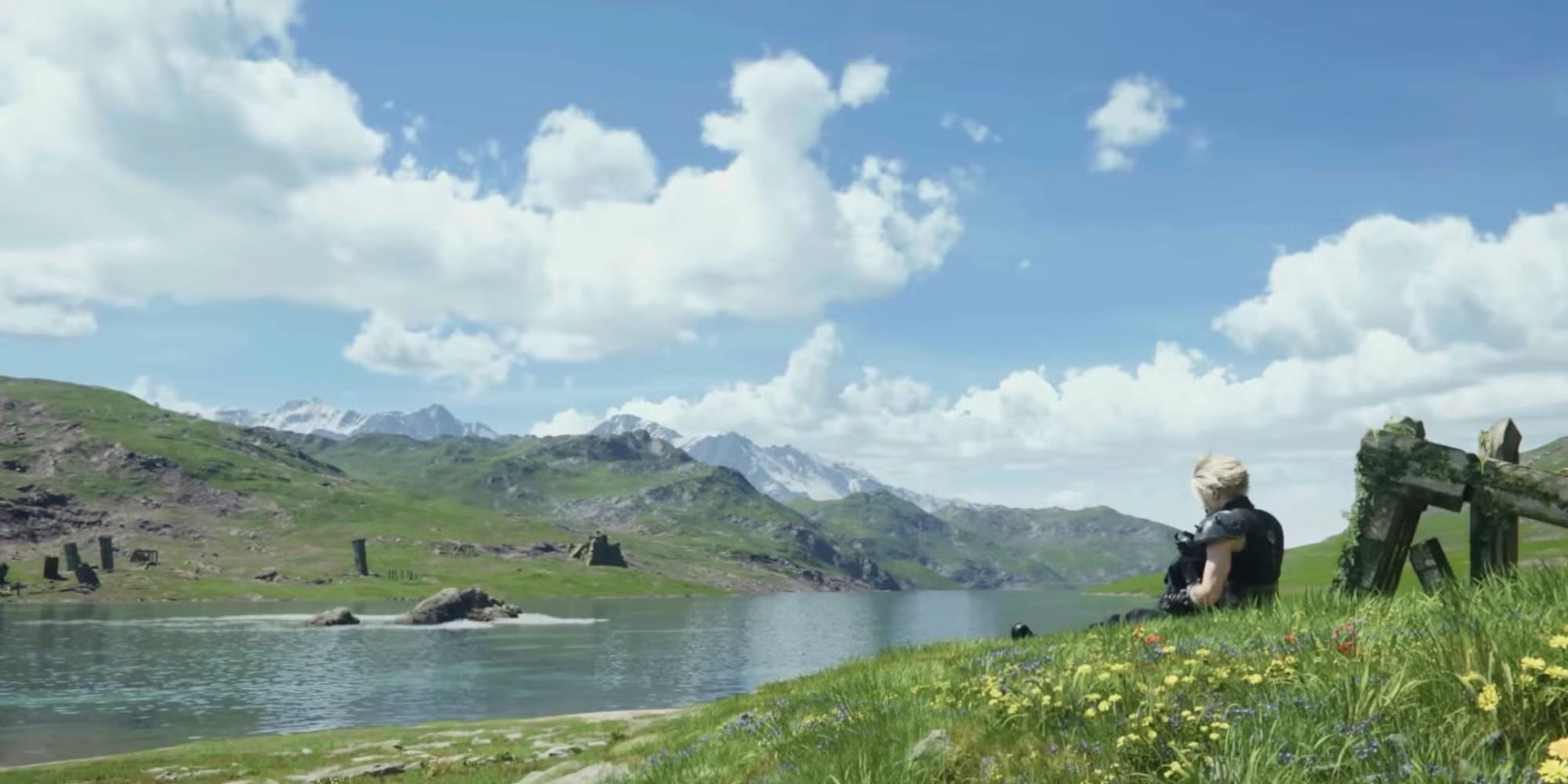
When games, or any stories for that matter, shy away from that wisdom, they cheapen the experience of tragedy and sacrifice. I’m not saying that good things can’t happen. If Yuna can find a way to Tidus again, or (I just finished playing it, so it’s on my mind) if Capell can miraculously come back from the dead in Infinite Undiscovery, that’s great. Sacrifice is not the only way to solve problems, and, like I wrote above, all stories end in the good, but the ending of a story doesn’t erase the grief (and growth) experienced on the way. Aya doesn’t seem to overcome anything in herself in waiting for Capell’s return, and Yuna changes into someone completely different from herself lessens the impact of the sacrifice and takes away some of its meaning, both for the characters themselves and for us. Too quick a resolution, without that growth, weakens a story and an experience.
No posts
Comments
Nothing yet. Say the first thing.
Sign in to join the conversation.