
This week’s post covers a variety of topics, reminding me that public health’s reach can be wide and sometimes unexpected. I’m covering the importance of bolstering cybersecurity infrastructure to keep our drinking water safe, what a new executive order on the childhood vaccine schedule means for New Yorkers, and where we’re at with Covid-19 and West Nile virus.
I can honestly say that I have literally never thought about cybersecurity while filling up my water bottle. That is, until this week.
News recently broke that the FBI is investigating recent cyberattacks on water systems in other states like Minnesota and Michigan. Drinking water itself wasn’t compromised in those incidents, but it’s becoming clear that protecting drinking water also means protecting the technology and computer systems that help keep it flowing safely.
This is important because cybersecurity vulnerabilities in drinking water systems could lead to some pretty bad scenarios.
Water utilities rely on computer systems to control things like pumps and chemical dosing. If someone manipulated those controls, they could potentially affect water safety.
Investigators have also warned that hackers have figured out ways to disable alarms and automatic shutdown systems, which means that an operator could be looking at a screen saying everything is fine when, in reality, something could be going wrong without an alert.
In 2016, the U.S. Justice Department charged Iranian hackers with accessing the controls of a small dam near New York City. They weren’t able to open the dam gate because it coincidentally happened to be offline for maintenance at the time. But the hackers did gain access to the system that could have controlled it.
These attacks didn’t harm New York, but our state is responding and taking proactive measures.
On Monday, Gov. Kathy Hochul announced $9 million for 153 New York communities to strengthen cybersecurity at drinking water and wastewater systems. The funding will support cybersecurity assessments and upgrades meant to protect water infrastructure from potentially sophisticated attacks.
The reason we have these vulnerabilities is directly related to how we invest in our infrastructure. Many water systems rely on aging technology, and old equipment with potential cybersecurity vulnerabilities is now being hooked up to the internet, which can be hacked. New York already has cybersecurity standards for drinking water and wastewater systems, including steps to limit remote access, but upgrades cost money and require trained staff.
This $9 million investment is a step in the right direction for prevention. In order to maintain safe water infrastructure, including drinking water we can rely on to be safe, we need to invest before cyber attacks become real emergencies.
This week brought yet another federal vaccine policy announcement and a new round of confusing headlines. What actually happened, and what does it mean for us in New York? Thankfully, not much right now. Let’s dive in.
On Monday, the White House issued an executive order on the federal childhood vaccine schedule. As Katelyn wrote in YLE National, the immediate takeaway is much less dramatic than the headlines. The bottom line is that nothing changes about your child’s vaccine access today. Vaccines on the American Academy of Pediatrics (AAP) schedule remain available and covered without cost-sharing.
Our state has some unique protection and risks from this EO:
Earlier this year, New York state and NYC officially endorsed the 2026 AAP childhood vaccine schedule, which continues to recommend routine vaccination against 18 diseases. (I covered it here.) State and city health officials have been clear that changes to federal recommendations do not change New York’s vaccine recommendations, school requirements, vaccine access, or insurance coverage.
New York also passed a law this spring that essentially gives the state a backup plan if federal recommendations change again. Vaccines recommended by the New York State Health Commissioner can still be covered by state-regulated insurance plans even if ACIP (the CDC vaccine advisory committee) no longer recommends them, and state law no longer relies solely on ACIP recommendations for vaccine policies, including Medicaid.
New York does not allow religious exemptions for school vaccination requirements. One piece that I am paying close attention to is that the executive order directs the federal government to pursue legal challenges involving state vaccine exemption laws, including religious exemptions. This could mean that the federal government could pursue some legal action against New York in the future, but those requirements remain unchanged right now. I’ll keep you posted on this front.
What this means for you: Families can still access all vaccines on the AAP schedule in New York, and they still remain covered without cost-sharing.
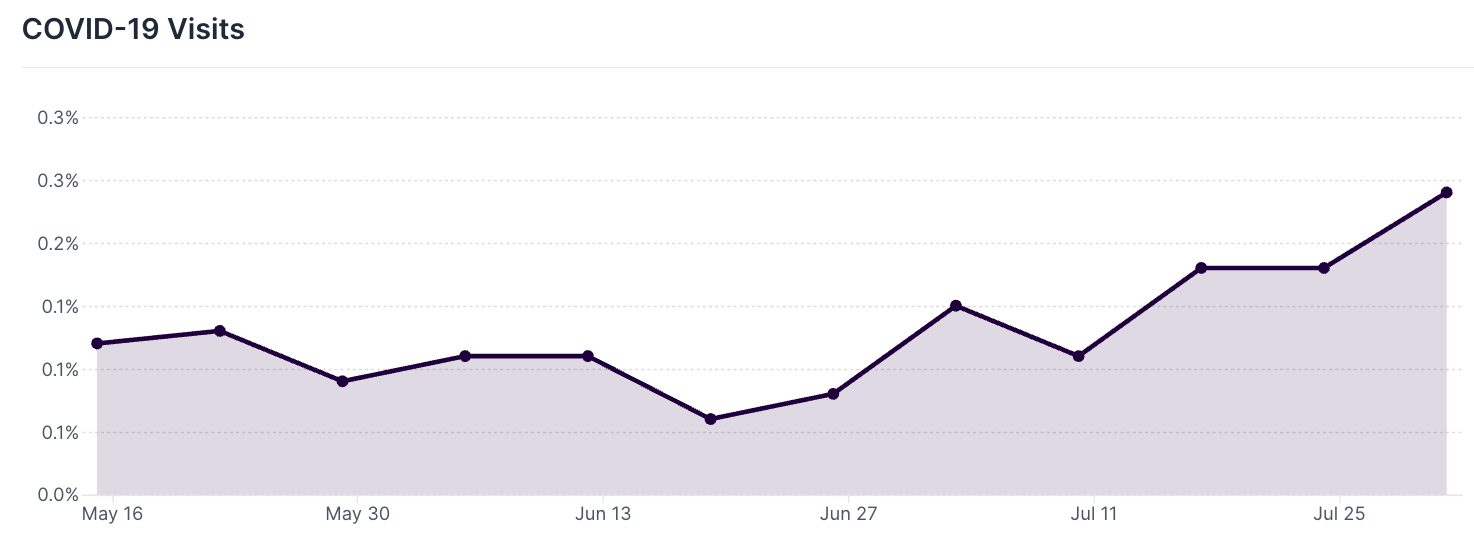
Covid-19 continues to increase in New York state and NYC. Emergency department visits in NYC are increasing this week.
Covid-19 levels in wastewater continue to increase across many parts of the state as well.
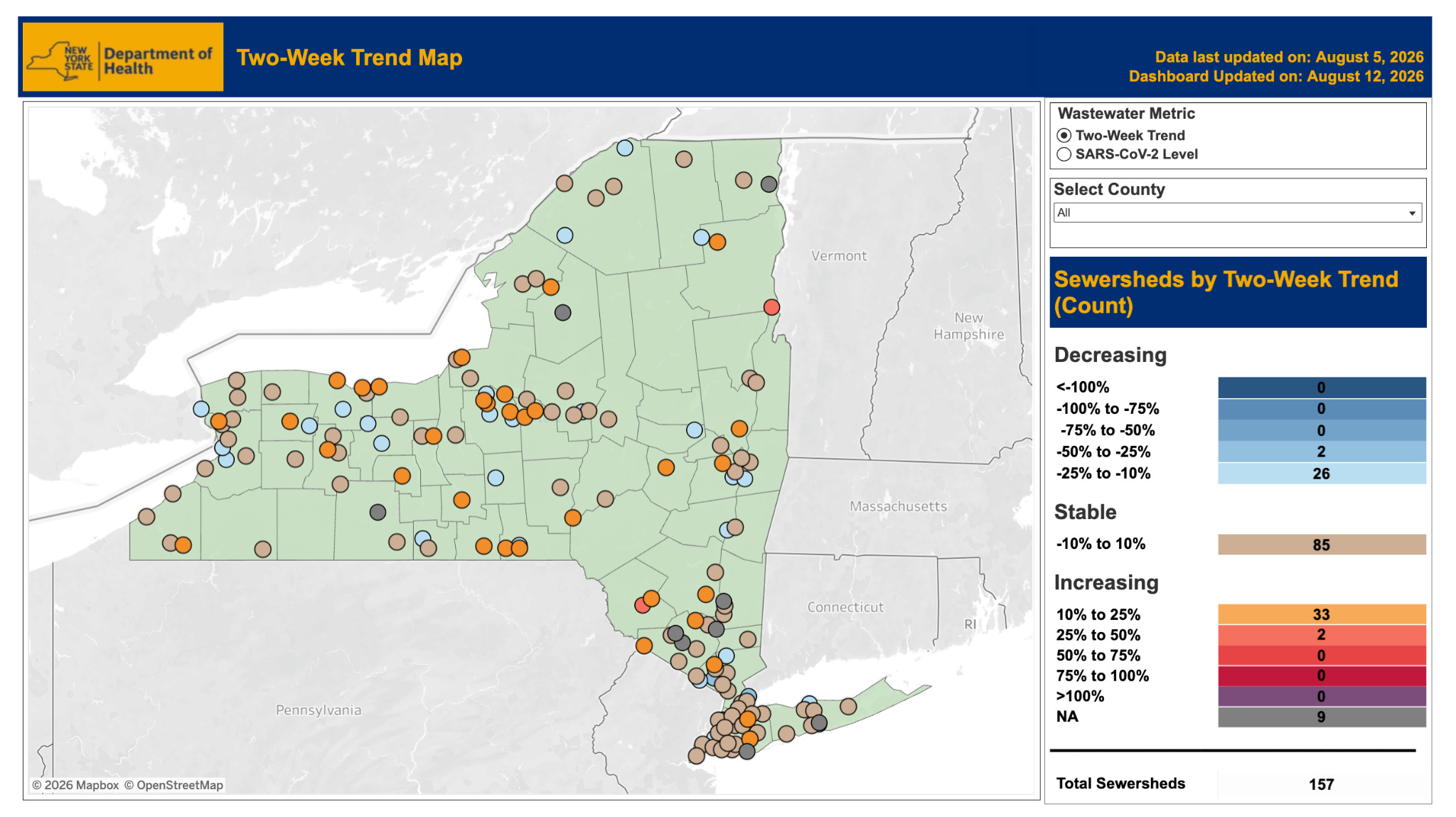
Now is a good time to pay a little more attention to local Covid-19 activity, especially if you’re pregnant, immunocompromised, older, or have an underlying condition that increases your risk of severe illness. The same applies if you’re planning to spend time with someone at higher risk.
It may also be a good time to consider adding a mask in crowded indoor spaces, like the subway, grocery store, airport, or big events like concerts.
As we get further into the West Nile virus season, the number of counties across New York reporting positive mosquitoes is increasing.
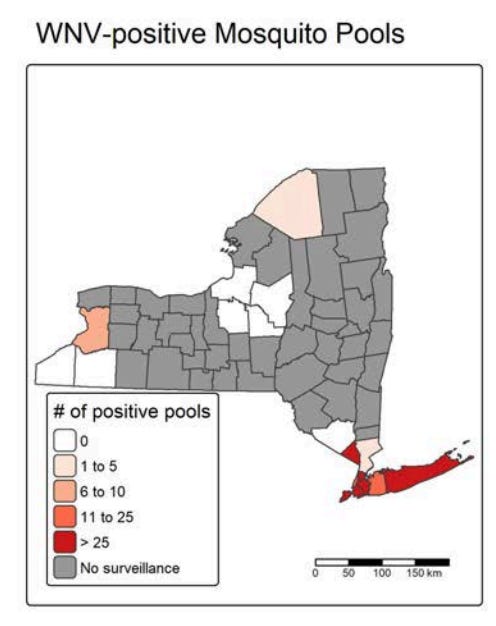
In the past week, West Nile virus was detected in mosquitoes in Erie, Nassau, Rockland, and Suffolk counties, as well as all five boroughs in NYC.
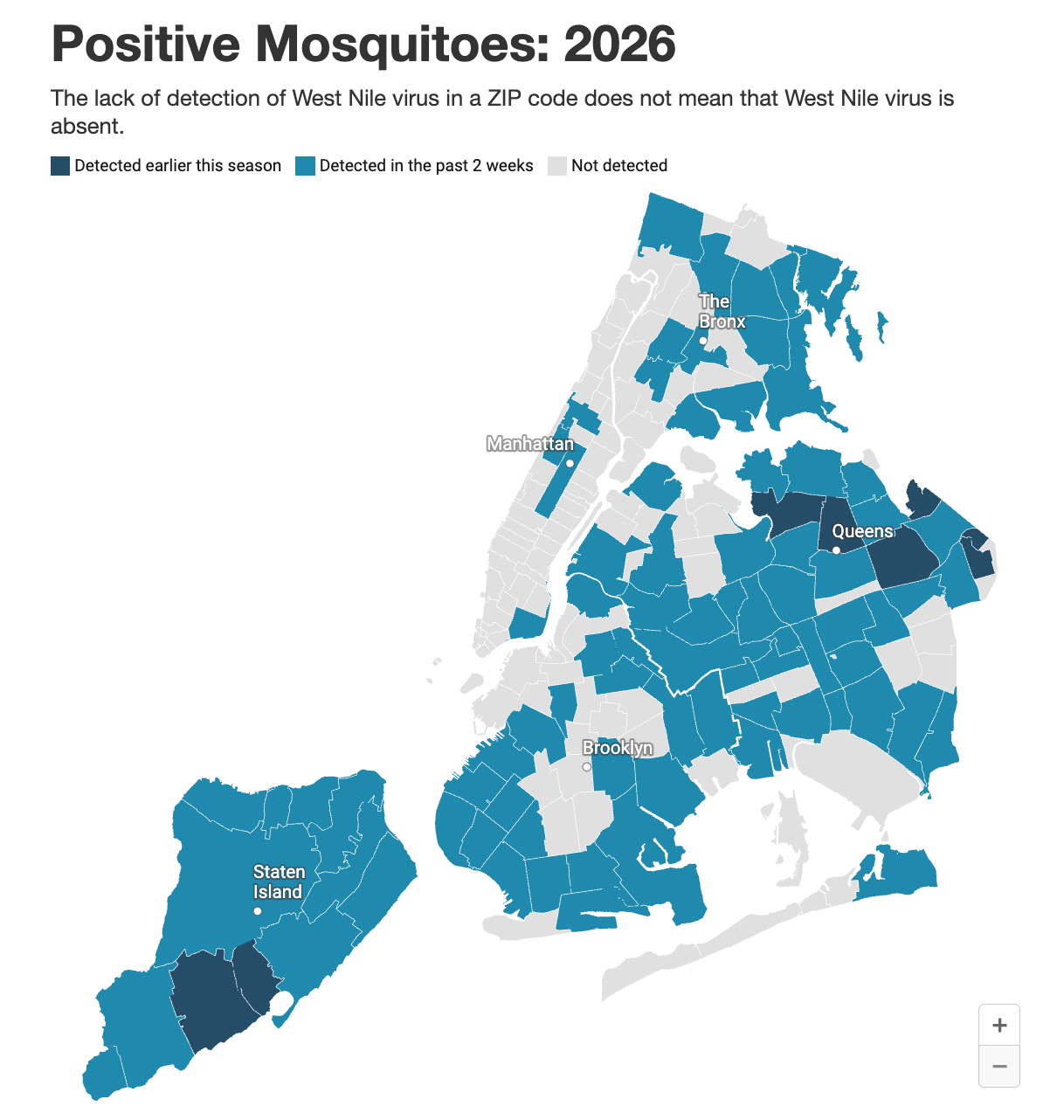
What this means for you: Keep avoiding mosquitoes, people! Use insect repellent, wear long sleeves and pants when practical, and take extra precautions around dawn and dusk, when many mosquitoes are most active. And empty standing water from buckets, planters, and other containers around your home to reduce mosquito habitats.
You’re all caught up on NY public health news. I’ll see you next week!
Love,
Your NY Epi
Dr. Marisa Donnelly, PhD, is an epidemiologist, science communicator, and public health expert. This newsletter exists to translate complex public health data into actionable insights, empowering New Yorkers to make informed and evidence-based health decisions.
No posts
Comments
Nothing yet. Say the first thing.
Sign in to join the conversation.