
Even though the Legionnaires’ outbreak was thankfully officially declared over, and Cyclospora seems to be easing, other infectious diseases are carrying on in New York. I cover them all below, as well as the national blood supply crisis and how it’s affecting us in New York, especially those with sickle cell disease.
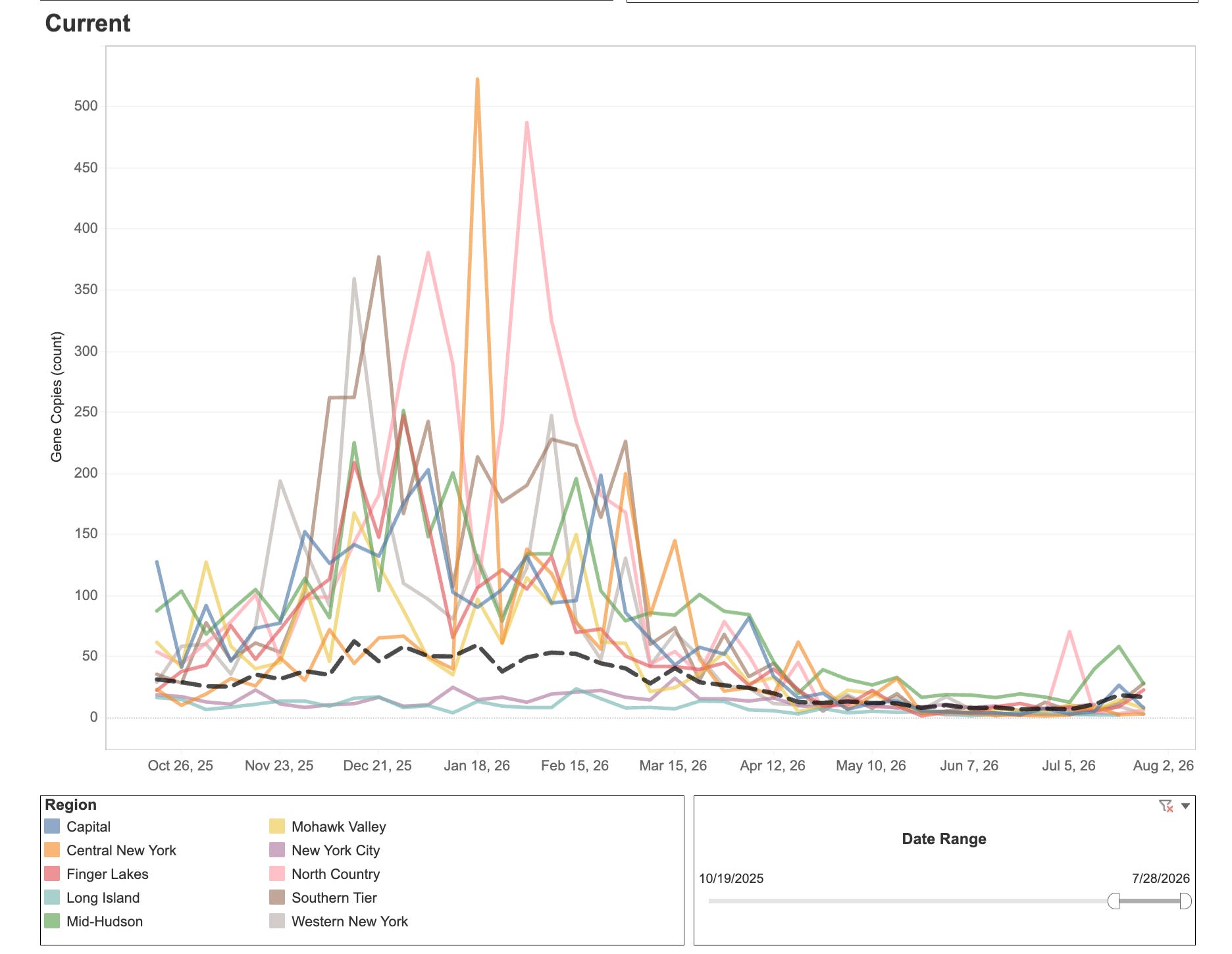
Covid activity in New York is elevated and increasing, but it hasn’t changed much since last week. Still, every signal is pointing in the same direction. Wastewater levels are increasing across several regions, and hospitalizations have ticked up from the lows we saw earlier this summer.
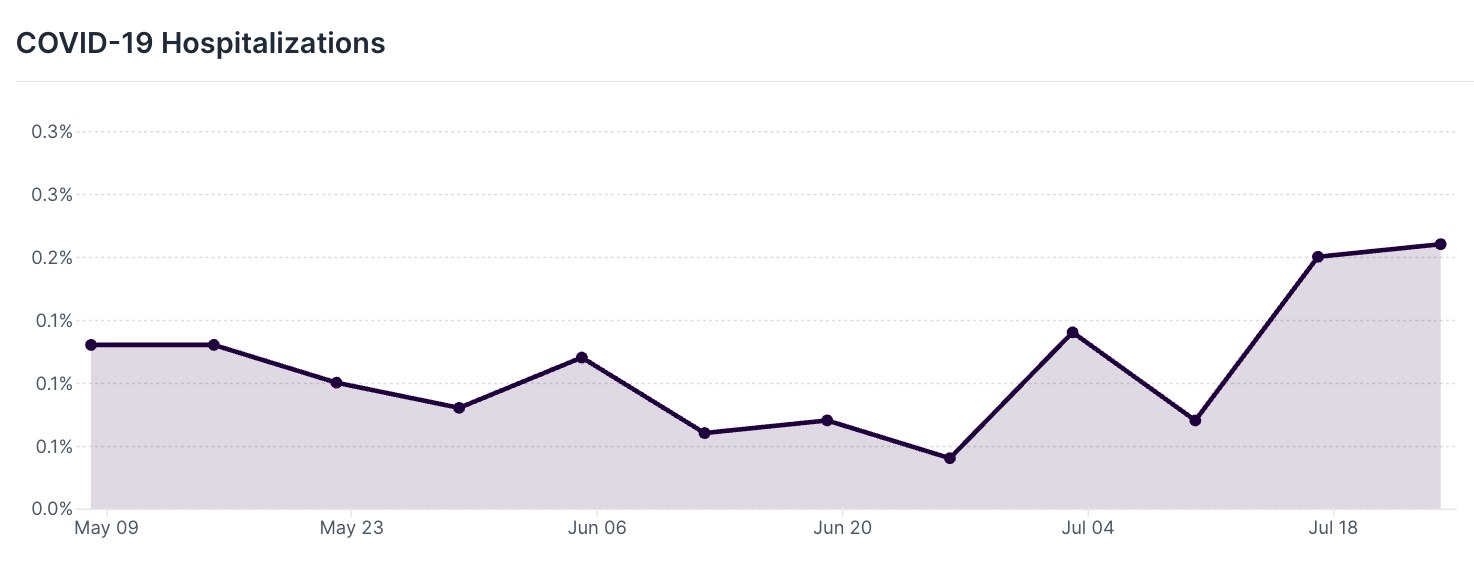
Wastewater can detect changes in community spread before increases appear in testing or hospital data (we often shed the virus in our urine and stool before we start showing significant symptoms), so I’m paying attention to the upward trend, even though overall levels look low right now.
What this means for you: If you’re 65 or older and were due for a second 2025–26 Covid shot this spring but didn’t get it, now is a good time to catch up. CDC guidance calls for two 2025–26 doses for adults 65 and older, generally six months apart. If you recently had Covid, you may consider waiting up to three months from when your symptoms started, or from your positive test if you didn’t have symptoms, before getting another vaccination.
The fall 2026 vaccine should also be a closer match for what’s circulating. FDA advised manufacturers to use an XFG-based formula to better match current variants. (Right now XFG.1.1 is circulating the most.)
You may have seen news that New York confirmed its first known case of Bourbon virus, a rare tick-borne disease, in a patient on Long Island. The patient was hospitalized and initially diagnosed with Lyme disease. When the antibiotic normally prescribed to treat Lyme disease (doxycycline) didn’t help, additional testing by the New York State Department of Health found evidence of a recent Bourbon virus infection.
I had never heard of Bourbon virus before this news, and many clinicians may not have either.
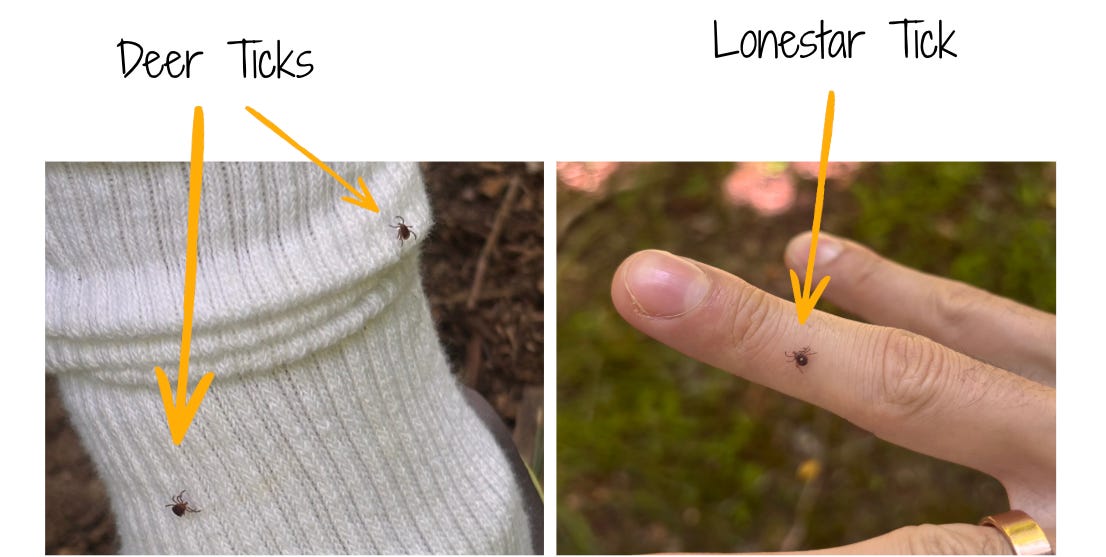
Bourbon virus is believed to spread through the bite of an infected lone star tick, which is common on Long Island.
Symptoms can include fever, severe fatigue, rash, headache, body aches, nausea, and vomiting. There is no vaccine, specific treatment, or available rapid test.
Early symptoms can resemble more familiar tick-borne illnesses, including Lyme disease and ehrlichiosis. With similar symptoms and no rapid test, Bourbon virus is easier to miss. And because it is so rare, many clinicians may not think to order a lab test for it. Researchers at Stony Brook University think there may be additional infections going undiagnosed.
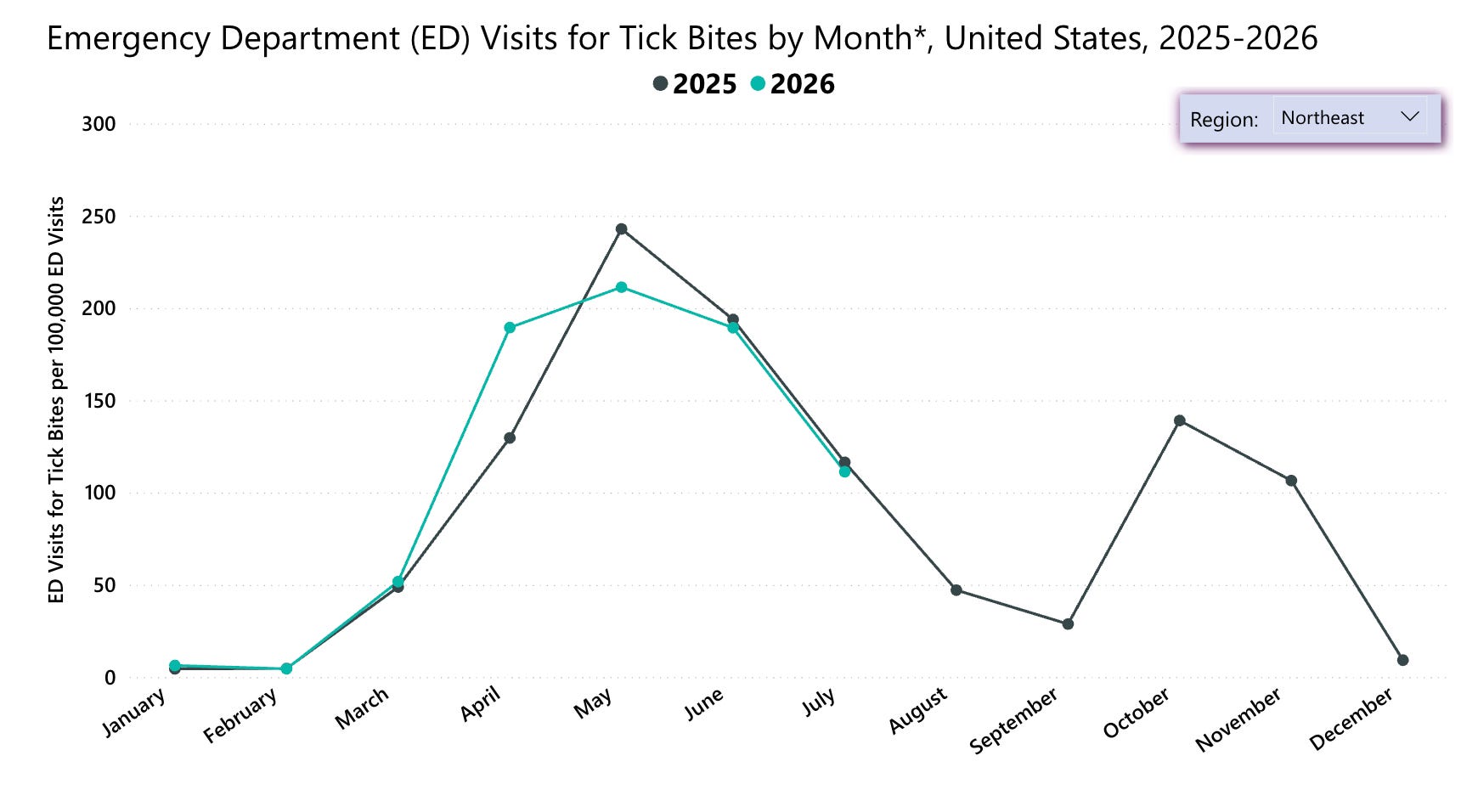
The reassuring news is that our overall tick exposure risk is decreasing as we move later into summer. Tick bite emergency department visits are declining in the Northeast after their spring and early-summer peak.
The Fordham Tick Index has also dropped to 6 out of 10, which is still considered high risk, but lower than earlier this summer.
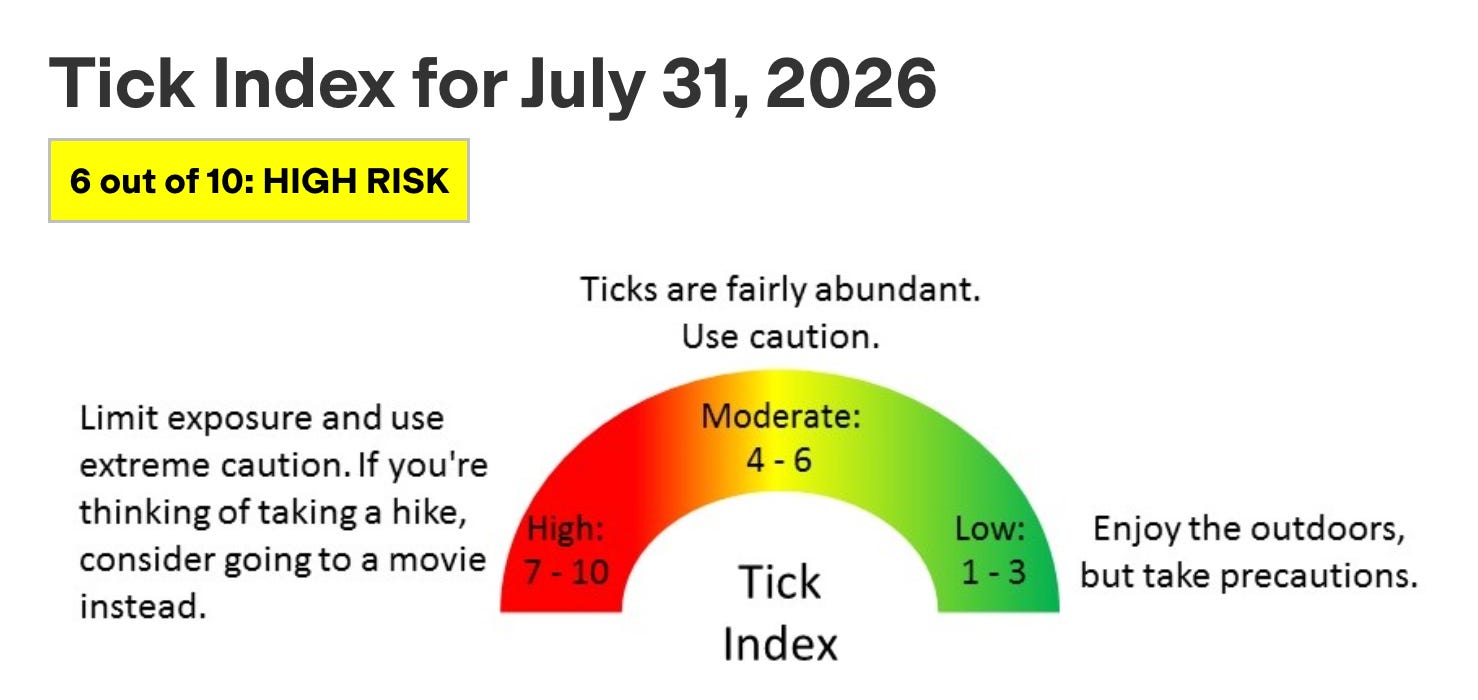
What this means for you: Keep using repellent, check yourself and pets after time outdoors, wear white when hiking to make ticks more visible, and remove attached ticks promptly. Seek care if you develop a fever, rash, intense fatigue, or other unexplained illness after a tick bite, and make sure your clinician knows about the exposure.
West Nile virus is picking up in mosquitoes across New York City, especially in Queens and Staten Island. All five boroughs have had positive mosquito detections within the past two weeks.
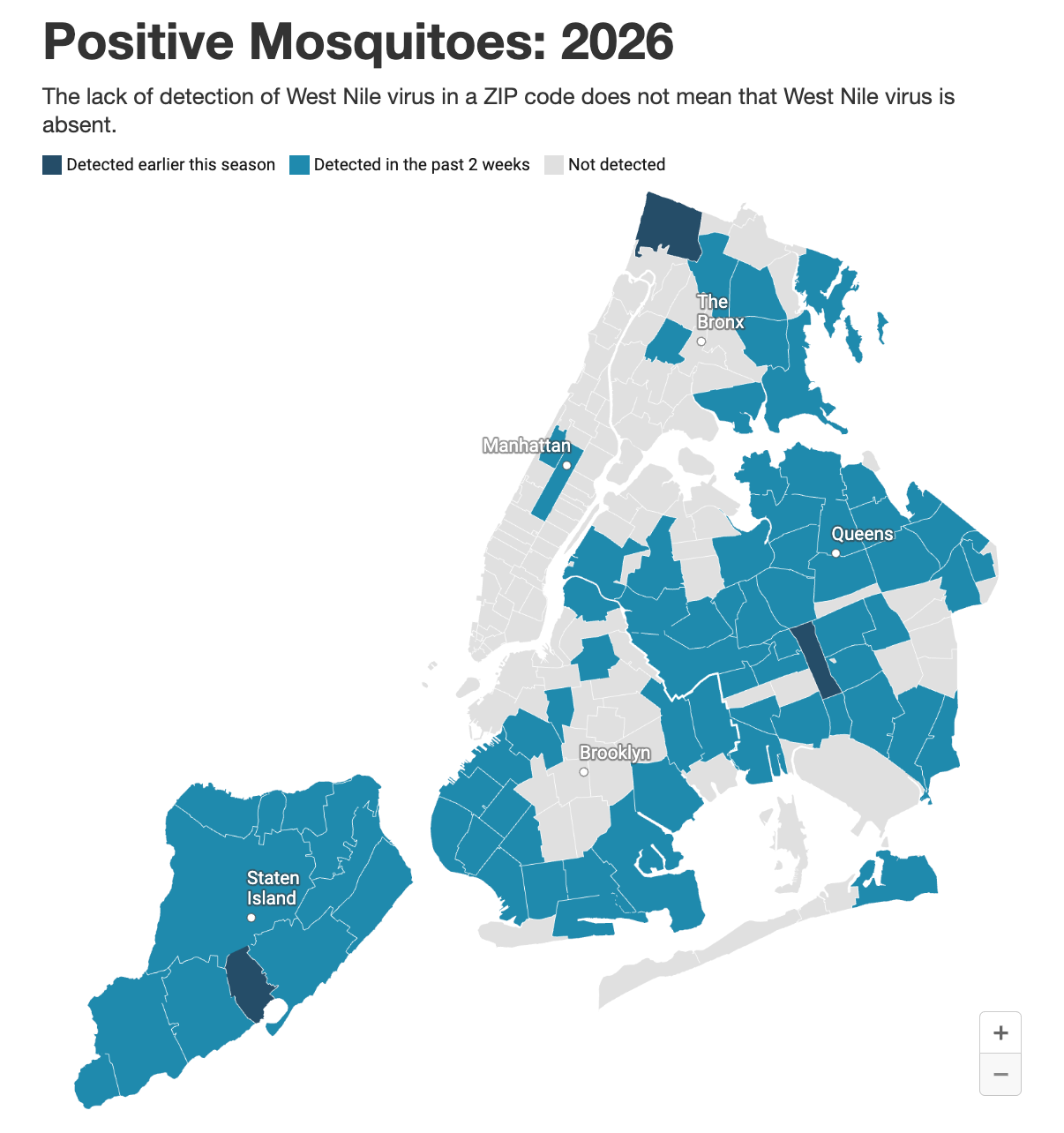
The reassuring news is that there have been no human cases reported in NYC so far. The same is true statewide: there have been no reported human cases, blood-donor detections, or infections in horses. New York also has not detected Eastern equine encephalitis, or EEE, in mosquitoes or people.
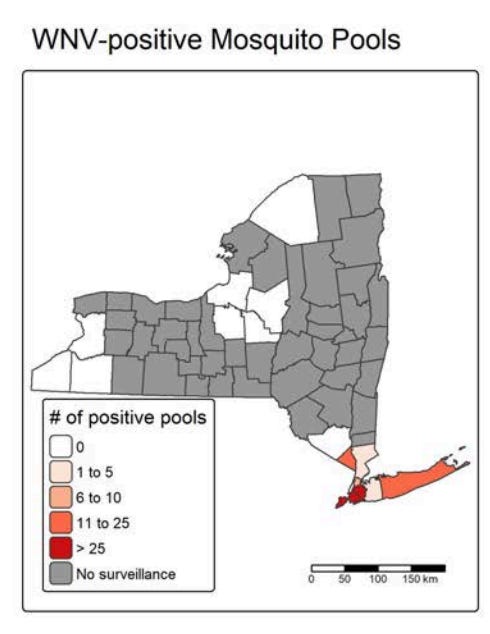
Nationally, West Nile cases are appearing earlier and in higher numbers than at this point last year. In New York, though, the total number of West Nile virus positive mosquito pools is similar to the same period last summer.
But mosquito activity typically continues through the warmer months, so we don’t know yet what New York’s season will look like.
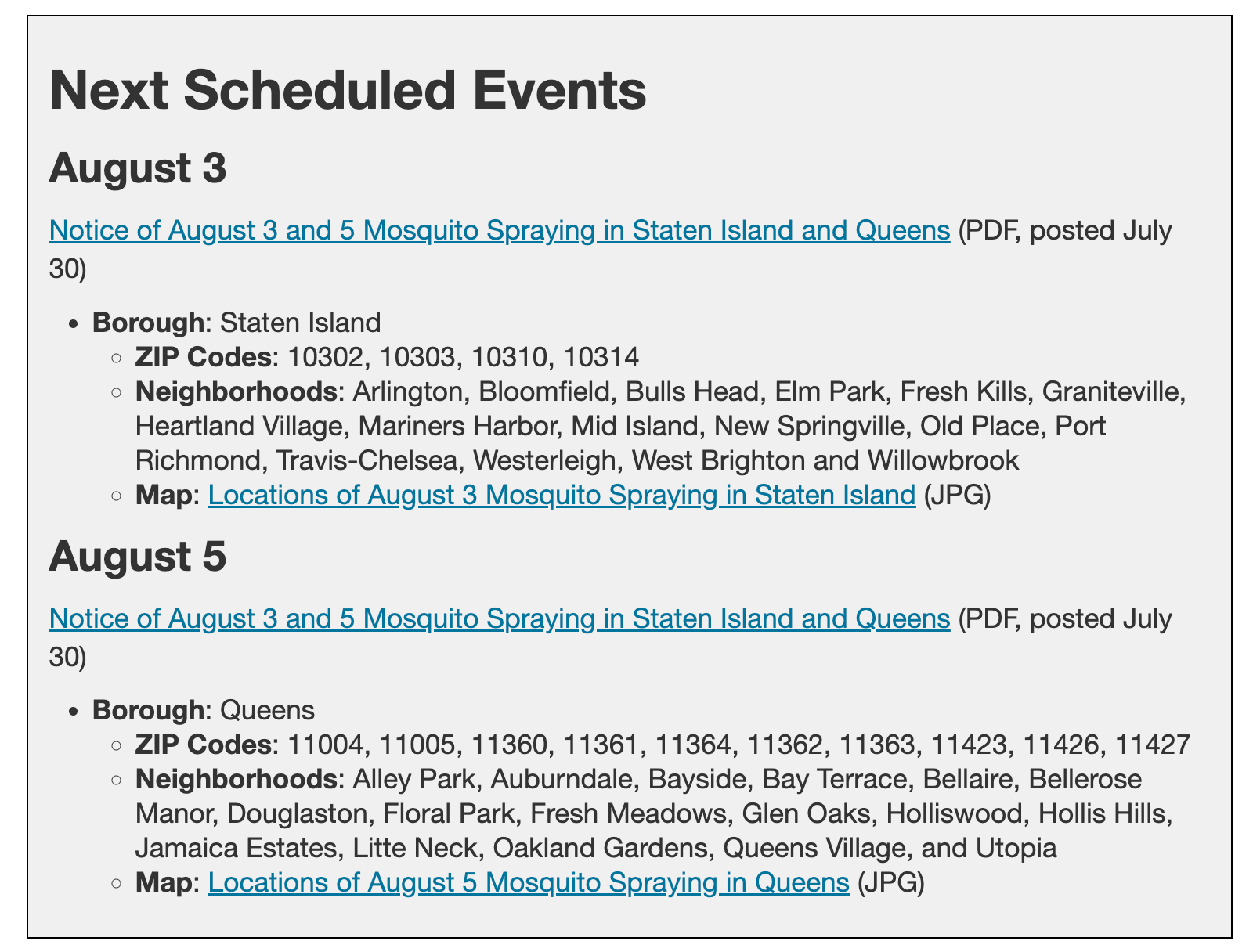
Because there have been high detections in Queens and Staten Island, NYC is spraying for mosquitoes this week to reduce local mosquito populations.
What this means for you: Even with low West Nile Virus risk, the best advice is to avoid mosquitoes. Use insect repellent, wear long sleeves and pants when practical, and take extra precautions around dawn and dusk, when many mosquitoes are most active. And empty standing water from buckets, planters, and other containers around your home to reduce mosquito habitats.
Real progress has been made for people with sickle cell disease, who are now living longer than they did a generation ago. Stats shared by the New York Department of Health show that ~95% reach adulthood, and average life expectancy has risen from roughly 39 years in the 1990s to about 52–54 years today. This is roughly 25–30 years shorter than the general U.S. population. The disease causes red blood cells to become rigid and misshapen, which can block blood flow and lead to severe pain, organ damage, stroke, and other serious complications. So while the progress is significant and meaningful, sickle cell disease remains a life-altering diagnosis.
There are promising new treatments. Two FDA-approved gene therapies, Casgevy and Lyfgenia, offer the potential for a cure. But with estimated costs of $2–3 million per treatment, access remains basically impossible and incredibly inequitable.
And that inequity is not new. Sickle cell disease has historically been underfunded compared to its burden, and it disproportionately affects Black Americans, as well as Hispanic, Middle Eastern, and South Asian communities. Today, about 100,000 Americans live with sickle cell disease, including roughly 10,000 New Yorkers—10% of the nation’s sickle cell population—so it’s also a local issue.
For many patients, blood transfusions are critical for treatment. Some patients may need them every few weeks and may receive as many as 100 units of blood in a single year.
But it’s not as simple as getting donated blood. Finding compatible blood is more complicated than matching A, B, AB, or O. Clinicians often need to match additional red blood cell antigens, which are traits that are inherited and can differ across ethnic populations. Without a close genetic match, patients can develop an immune response, making future transfusions harder and riskier.
Right now, New York and the rest of the country are in a dire blood shortage. This is only the second time in history that the Red Cross has declared a national blood supply crisis, with the first one happening during the pandemic.
A blood shortage is dangerous for everyone who may need an emergency transfusion. But for people with sickle cell disease, the consequences can be especially severe, because transfusions are often recurring and the pool of closely matched donors is already limited.
What this means for you: Right now, any and all blood donations are super important given the national shortage. But donors with African, Hispanic, Middle Eastern, or South Asian ancestry may be especially likely to provide compatible blood for sickle cell patients from those same communities.
You can schedule a blood donation through the New York Blood Center and help save a life.
New York’s infectious diseases are active, but not out of control. Covid is rising slowly, tick and mosquito risks remain elevated but not extreme, and simple steps like wearing repellent still go a long way. The most urgent action right now, though, is donating blood, especially for donors who may be a close genetic match for people with sickle cell disease.
Love,
Your NY Epi
Dr. Marisa Donnelly, PhD, is an epidemiologist, science communicator, and public health expert. This newsletter exists to translate complex public health data into actionable insights, empowering New Yorkers to make informed and evidence-based health decisions.
No posts
Comments
Nothing yet. Say the first thing.
Sign in to join the conversation.