
On the morning of 13 September 1940, Mussolini’s Army crossed the border into Egypt chasing imperial glory
It was not a small force by any standards.
More than 200,000 Italian and Libyan troops were committed to the operation, supported by hundreds of guns, tanks, and aircraft. Opposing them was the British Western Desert Force, a far smaller formation scattered across Egypt and tasked with protecting one of the most strategically vital positions in the British Empire.
The Italians had the numbers. They had the initiative. And they had a clear objective: the Suez Canal.
Yet within three months, the Italian advance had stalled at the tiny Egyptian settlement of Sidi Barrani. The force that had entered Egypt in strength would soon find itself surrounded, divided, and mauled by a British opponent that was smaller, faster, and far better adapted to the brutal realities of desert warfare.
What followed was one of the most extraordinary military collapses of the Second World War.
To understand how it happened, we have to go back to the beginning.
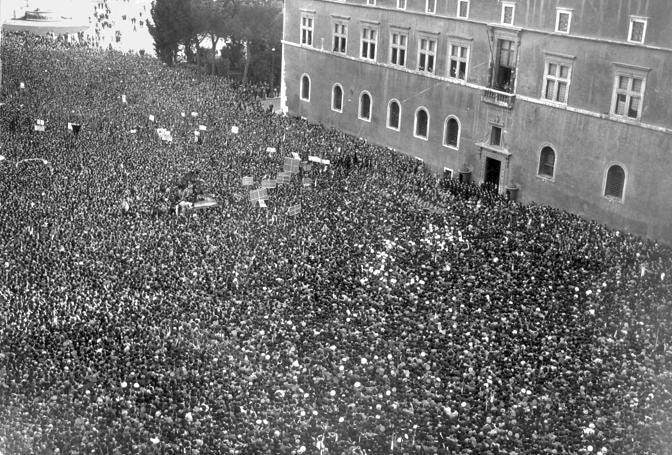
At 6:00 p.m. on 10 June 1940, Benito Mussolini stepped onto the balcony of the Palazzo Venezia in Rome. Before a roaring crowd, he announced that Italy was entering the Second World War.
France was collapsing. German armies had smashed through Allied lines and were driving hard for the English Channel. Britain stood exposed and isolated.
To Mussolini, the timing was irresistible.
Italy had sat on the sidelines for nine months, watching Germany overrun Poland, Scandinavia, and Western Europe. Now, with France on its knees, Il Duce believed the conflict was effectively decided. Germany was winning, and Italy needed to secure its share of the spoils before the table was cleared.
Among ordinary Italians, there was little understanding of what a total war would demand. In more informed circles, pessimism reigned. Galeazzo Ciano—Mussolini’s son-in-law, foreign minister, and notorious socialite—noted somberly in his diary that the declaration needed divine intervention:
“The adventure begins. May God help Italy.”
For Mussolini, this was Italy’s hour: a chance to overturn the humiliatingly modest rewards received from the 1918 Versailles settlement. The Fascist regime had spent years preaching the rebirth of a Mediterranean empire. Rome already controlled Libya, Eritrea, Italian Somaliland, and Ethiopia. Egypt and the Suez Canal were the crown jewels.
Mussolini had long cast himself as a modern Caesar. He leaned heavily into theatrical vanity, even arranging for a white stallion to be shipped to North Africa so he could ride triumphantly into Cairo.
That was the propaganda projection: a resurgent Roman power marching across the sands. The operational reality was vastly different.
To most observers, Britain looked critically vulnerable. Its European expeditionary force had been battered at Dunkirk, escaping across the Channel while leaving virtually all its equipment behind. If London was forced to sue for peace, Mussolini wanted maximum leverage at the negotiating table.
One problem remained: Italy was nowhere near ready for total war.
It fielded a massive conventional Army, but sheer size did not equal combat effectiveness. Its divisions were tailored for parade grounds, grand uniforms, and colonial pacification against poorly equipped East African tribesmen. It was critically short on industrial capacity, synthetic fuels, motor transport, and modern armour. In short, Italy lacked both the economic base and the industrial output required for sustained mechanised conflict.
The Western Desert was about to expose these deficiencies with brutal clarity.
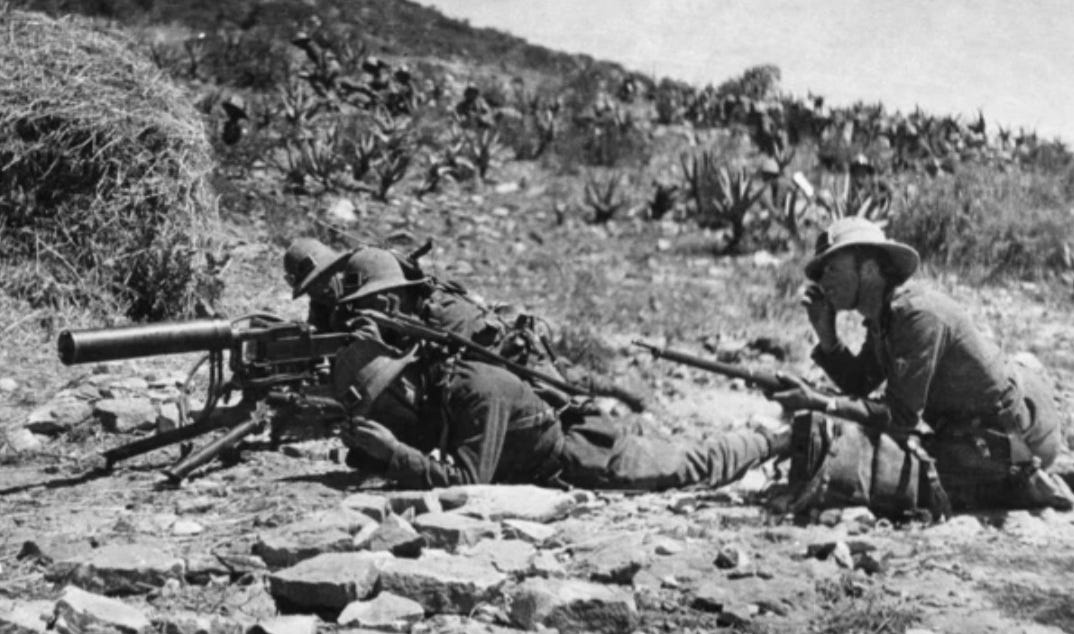
At first glance, the Western Desert is an absurd landscape over which to fight a campaign.
No major cities. No rail networks. Virtually zero infrastructure. Just hundreds of kilometres of sun-baked rock, sand, and space.
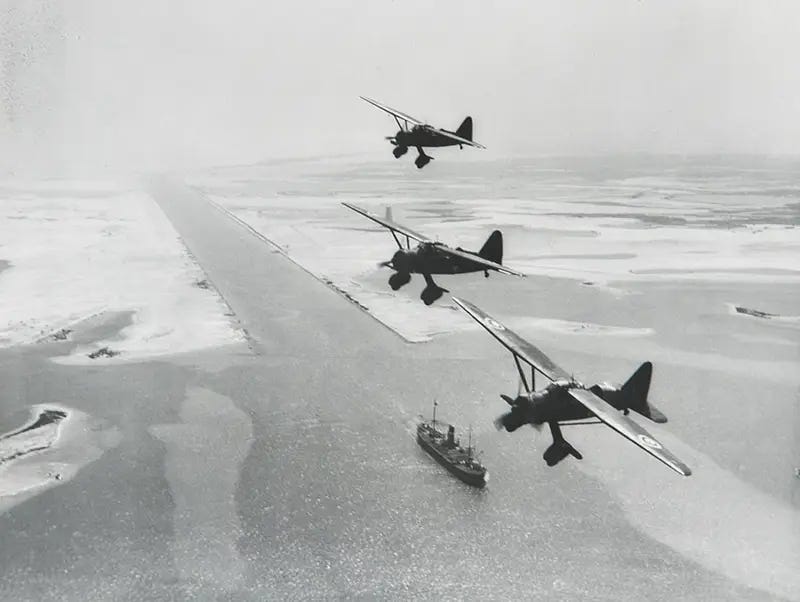
But the desert was not the prize—it was the obstacle blocking access to Egypt. Egypt was the gateway to the Suez Canal, the central artery of the British Empire. Suez cut thousands of miles off the sea route to India, the Persian Gulf, and the Far East. Oil, troops, food, and war material flowed continuously through the Red Sea into the Mediterranean.
If the Axis seized Suez, Britain’s strategic position across the Middle East would become untenable.
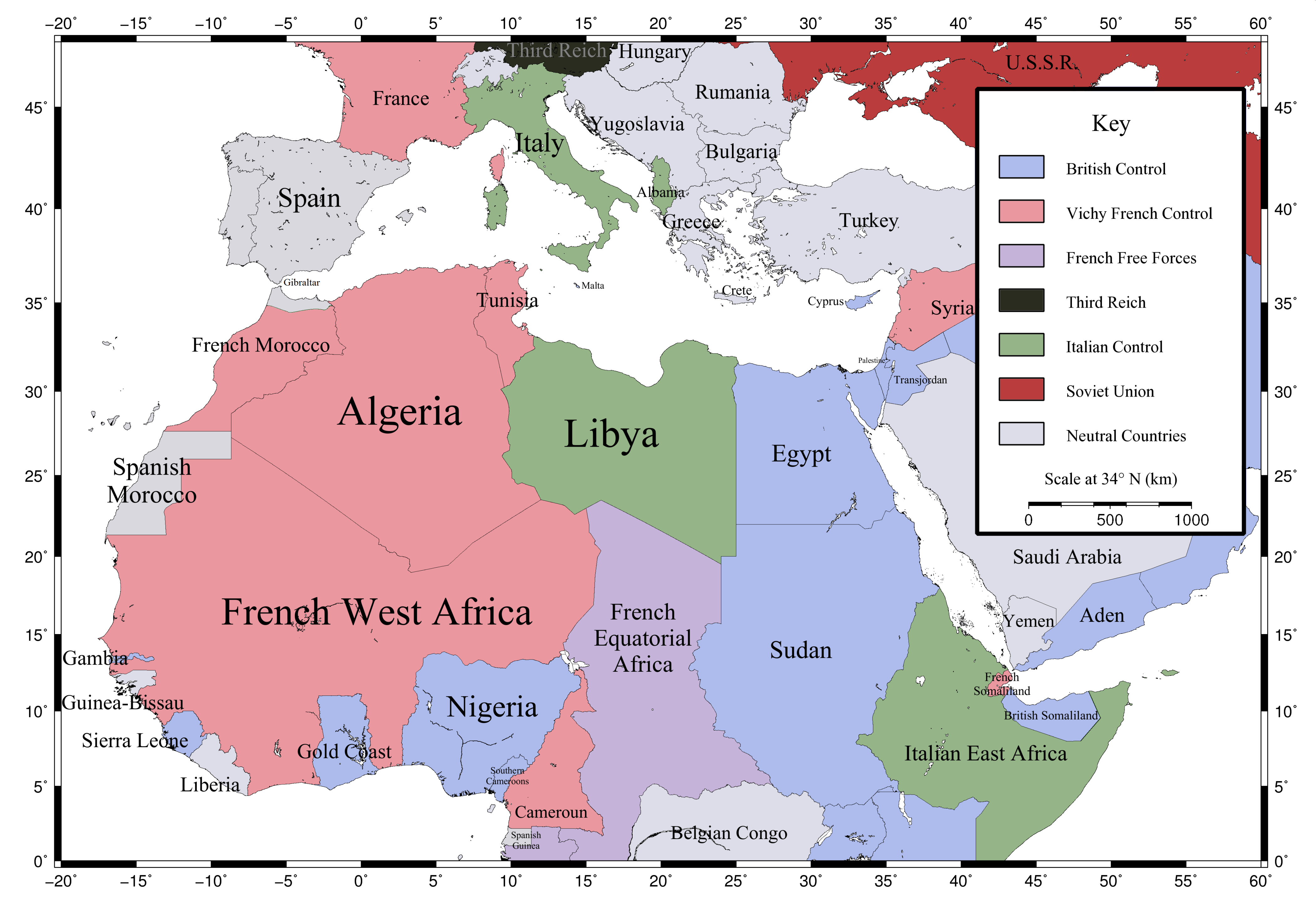
Geographically, Italy was well-positioned to strike. Libya shared a long, open eastern border with Egypt, and massive Italian garrisons were already stationed there. The British, conversely, were forced to defend an immense theatre with threadbare formations while their home island braced for a potential German invasion.
Yet the desert imposed a unique operational law on both combatants: You are fighting across a sea of sand to control a few vital islands.
In Europe, an invading Army could advance along paved roads, seize railway hubs, and requisition fuel and food from occupied towns. Blitzkrieg in France ran on existing infrastructure.
In the Western Desert, there was nothing. Every shell, every gallon of gasoline, every spare tyre, and every drop of drinking water had to be hauled forward from coastal ports. The deeper an Army drove into enemy territory, the longer its supply lines stretched—and the more fuel it consumed simply keeping those supply lines open.
In North Africa, logistics was not support for the battle. Logistics was the battle.
By the summer of 1940, Rome had assembled a formidable force in Libya. It was overwhelmingly stronger than the British. Hundreds of tanks, field guns, and frontline aircraft supported Italian troops.
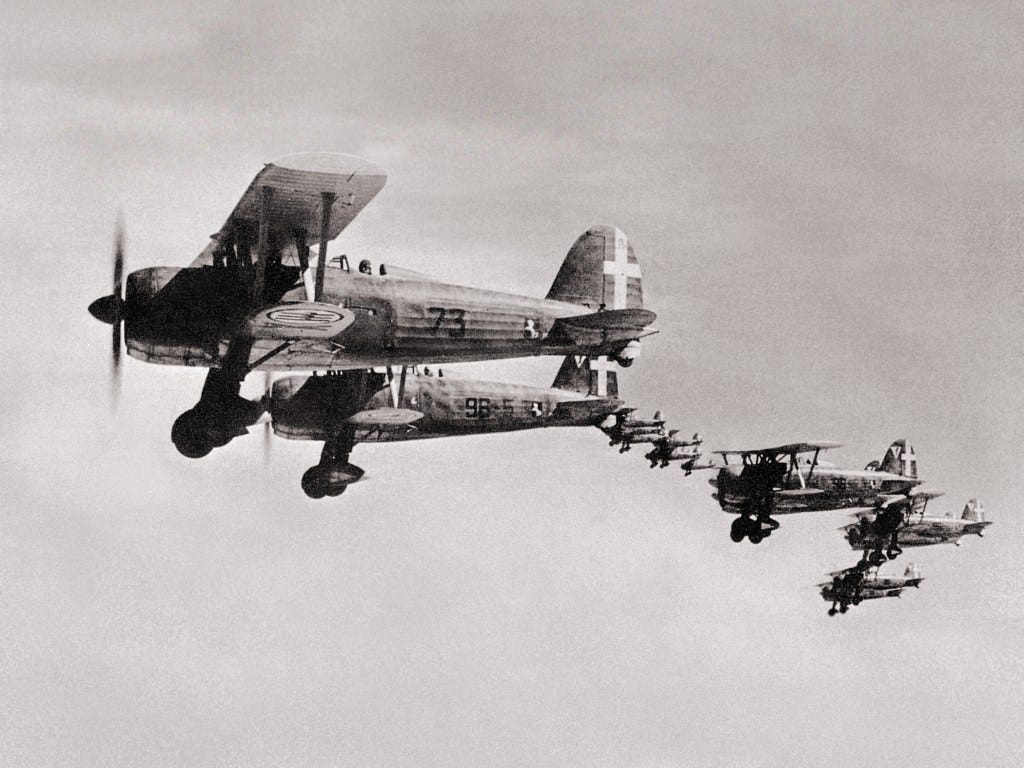
The main formation facing Egypt was the 10th Army, commanded initially by General Mario Berti. Beneath it were several infantry divisions—including the 63rd Cirene, 62nd Marmarica, 64th Catanzaro, and the 1st Libyan Division—supported by artillery, engineers, and armoured formations. For North Africa, this was a massive concentration of manpower.
Behind this impressive facade lay a rotten structure.
Much of the Italian force was built for a past era. Infantry divisions lacked organic motor transport, meaning a Division on paper was rarely capable of rapidly moving across hundreds of kilometres of desert. Radios were scarce and outdated. Anti-tank guns and field artillery varied wildly in quality and ammunition supply.
Then came the environment.
An infantry Division looks imposing on a parade ground in Rome; moving that same Division across soft sand and intense heat is a logistical nightmare. Vehicles broke down constantly, fine dust ruined engines, and water requirements were non-negotiable. Supply trucks needed substantial portions of their cargo space to carry fuel for the return trip.
Counting bayonets gave a false impression of strength. The real question was simple: Could the Italian Army actually move, supply, and coordinate those bayonets under fire in open desert?
History was about to give a definitive answer.
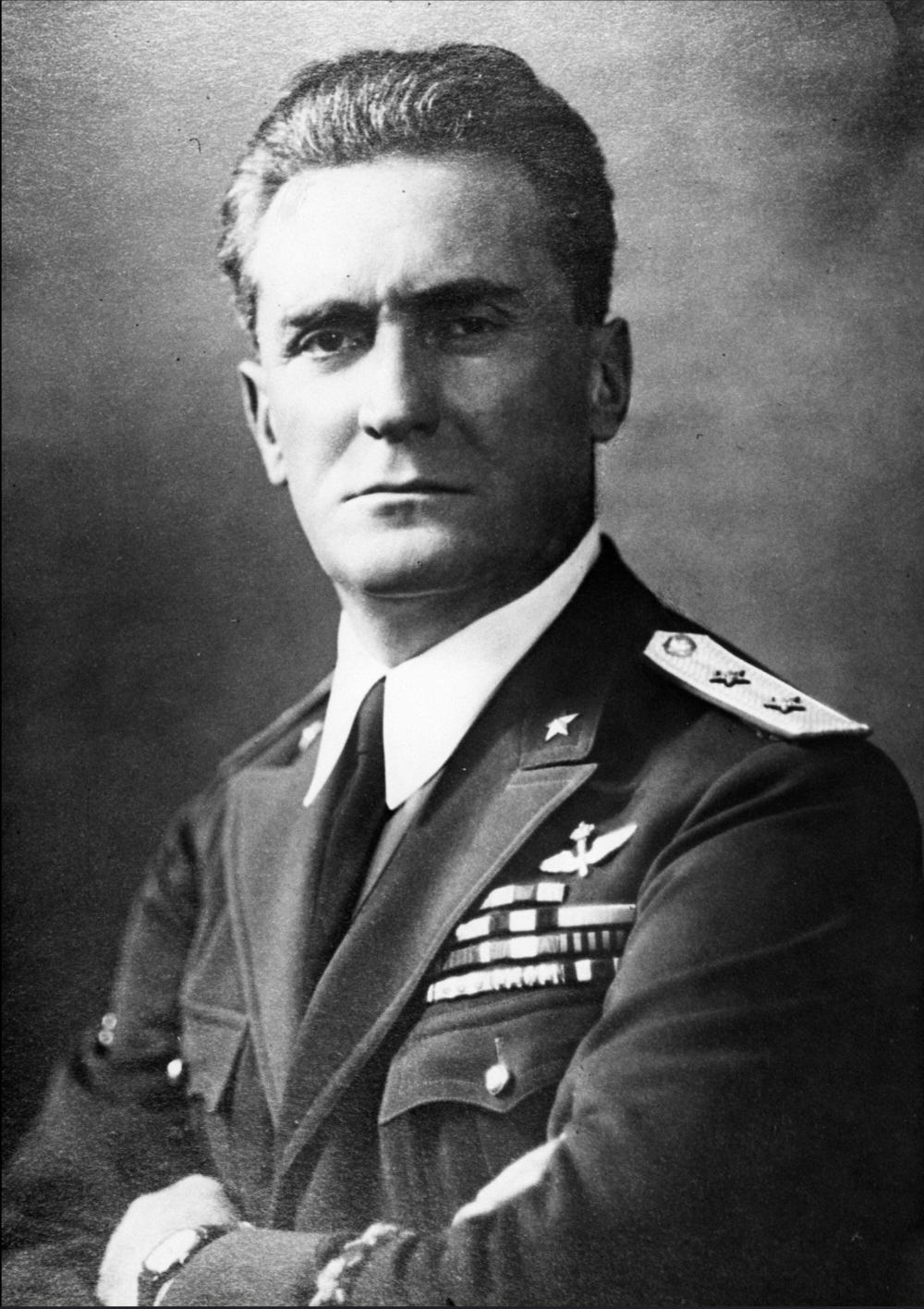
Marshal Rodolfo Graziani was charged with leading the invasion.
Graziani was an experienced colonial commander. He knew Africa, and unlike the politicians in Rome, he understood the harsh mechanics of desert logistics. He recognised that without deep-water ports to receive vital sea transport, any overland drive into Egypt would quickly stall.
Mussolini did not want to hear about supply depots; he wanted victories and glory. With France out of the war, Il Duce saw a narrow window to turn the Mediterranean into a Mare Nostrum—an Italian lake. If the British were given time to reinforce Egypt, that window could slam shut.
Graziani was caught in a vice: ordered to attack, but leading an Army ill-equipped for a deep, rapid drive.
His compromise was a cautious advance. Instead of driving directly for Cairo or the choke point at Mersa Matruh, the Italians would cross the border, advance roughly 100 kilometres, and halt to build forward supply bases.
It looked like sensible operational discipline. In reality, by stopping his columns mid-stride, Graziani handed the British two invaluable gifts: time and the initiative.
The British commander-in-chief in the Middle East was General Sir Archibald Wavell. His area of responsibility was absurdly vast, stretching from Egypt and the Western Desert through Sudan, Palestine, and East Africa, while also covering British interests in the Mediterranean, Red Sea, and Persian Gulf. He was expected to defend all of it with threadbare forces while the home country fought for survival against Germany.
The frontline formation tasked with holding Egypt was the Western Desert Force, commanded by Lieutenant-General Richard O’Connor. Its primary striking element was the 7th Armoured Division—a formation that would soon earn its legendary nickname, the “Desert Rats.”
O’Connor had roughly 30,000 men available against an Italian invasion force several times that size. Heavily outnumbered in infantry, artillery, and transport, the British had no realistic prospect of meeting the Italians head-on in a static battle of attrition.
Instead, they relied on a distinct technological and tactical edge.
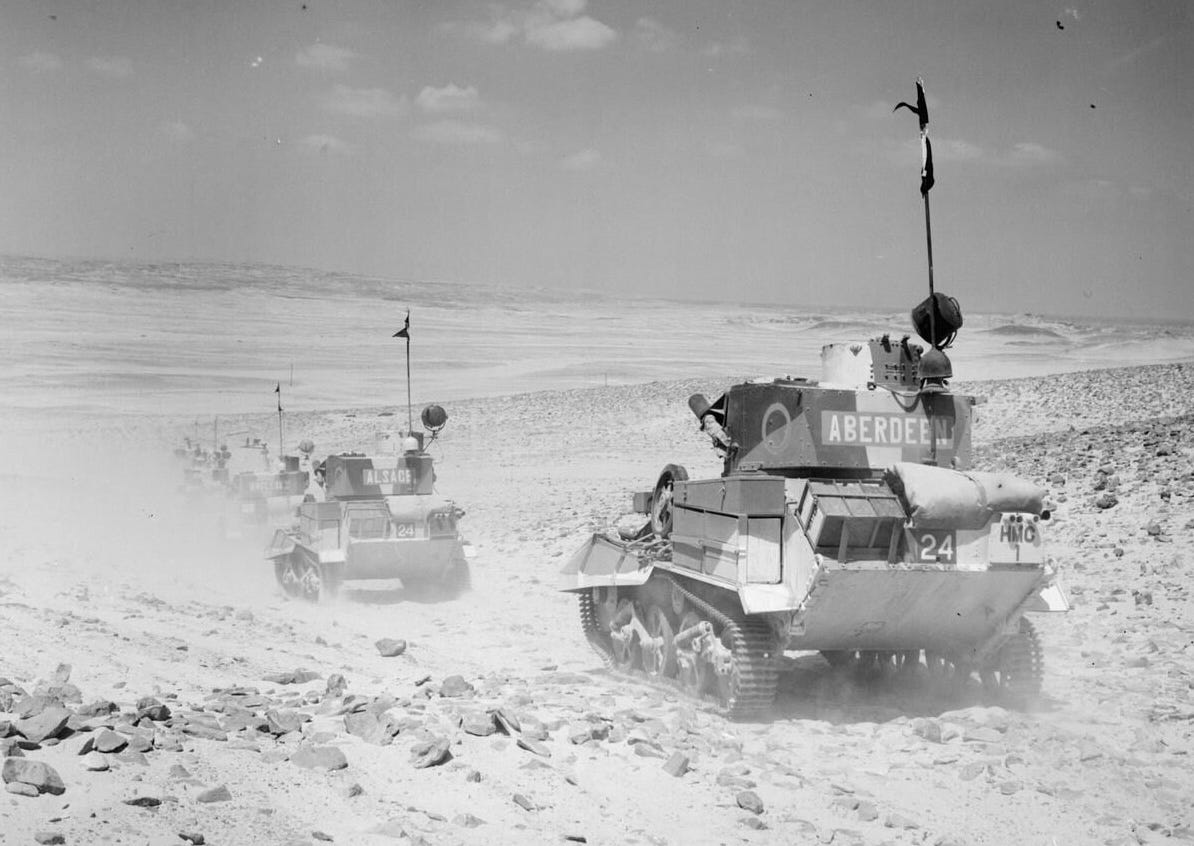
The Italian armoured force offered a prime example of the gap between paper strength and combat power.
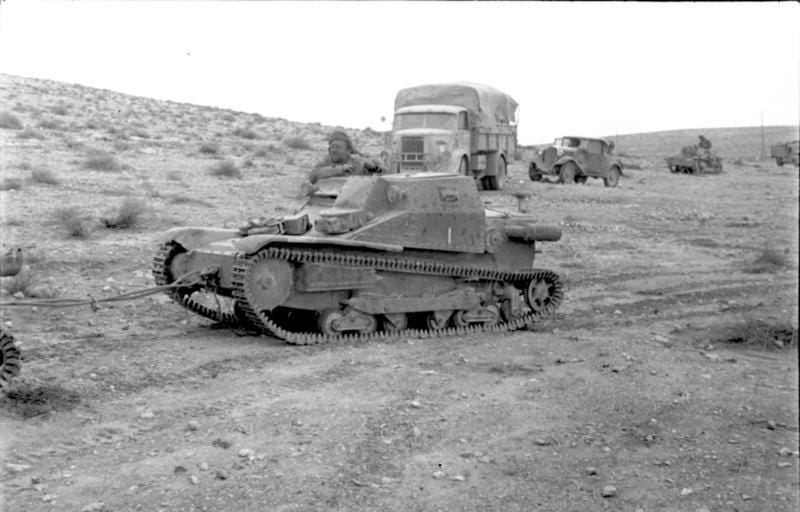
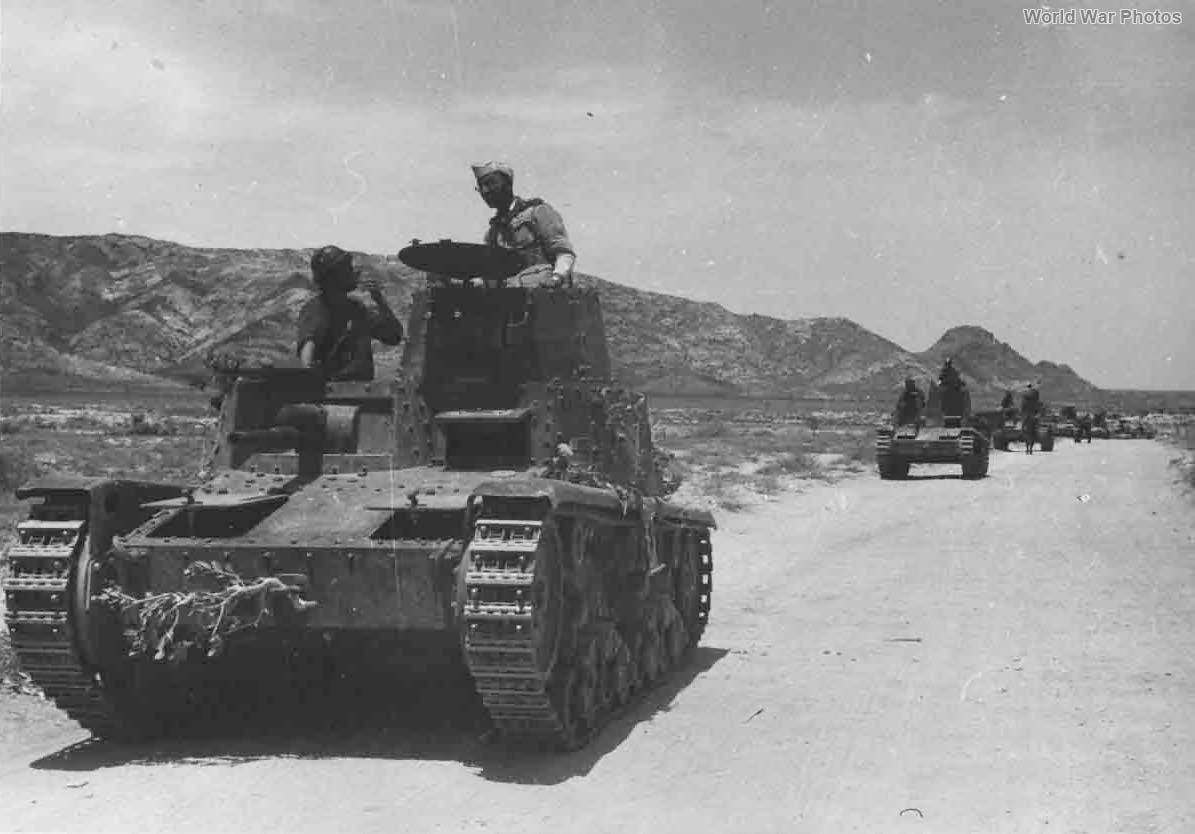
The bulk of Italy’s armour consisted of tiny L3/35 tankettes—lightly armoured, two-man machine-gun carriers suited for colonial policing, but hopeless against modern anti-tank weapons. Their medium tank, the M11/39, carried its main 37mm gun in the hull rather than a rotating turret, severely limiting its arc of fire during fluid movement.
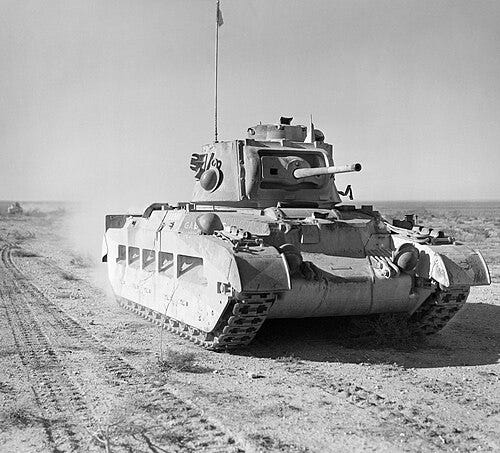
The British fielded far fewer tanks, but theirs were engineered for specific roles suited to the desert.
The heavy Matilda II infantry tank, operated by the 7th Royal Tank Regiment, was slow, but its thick armour was practically impenetrable to standard Italian field guns in 1940. Armed with a 2-pounder cannon, it was built to smash fortified lines. Working alongside the Matildas were faster Cruiser Mk I and Mk II tanks, designed to sweep around enemy flanks and cut off retreat.
Crucially, the British advantage was not just mechanical—it was conceptual.
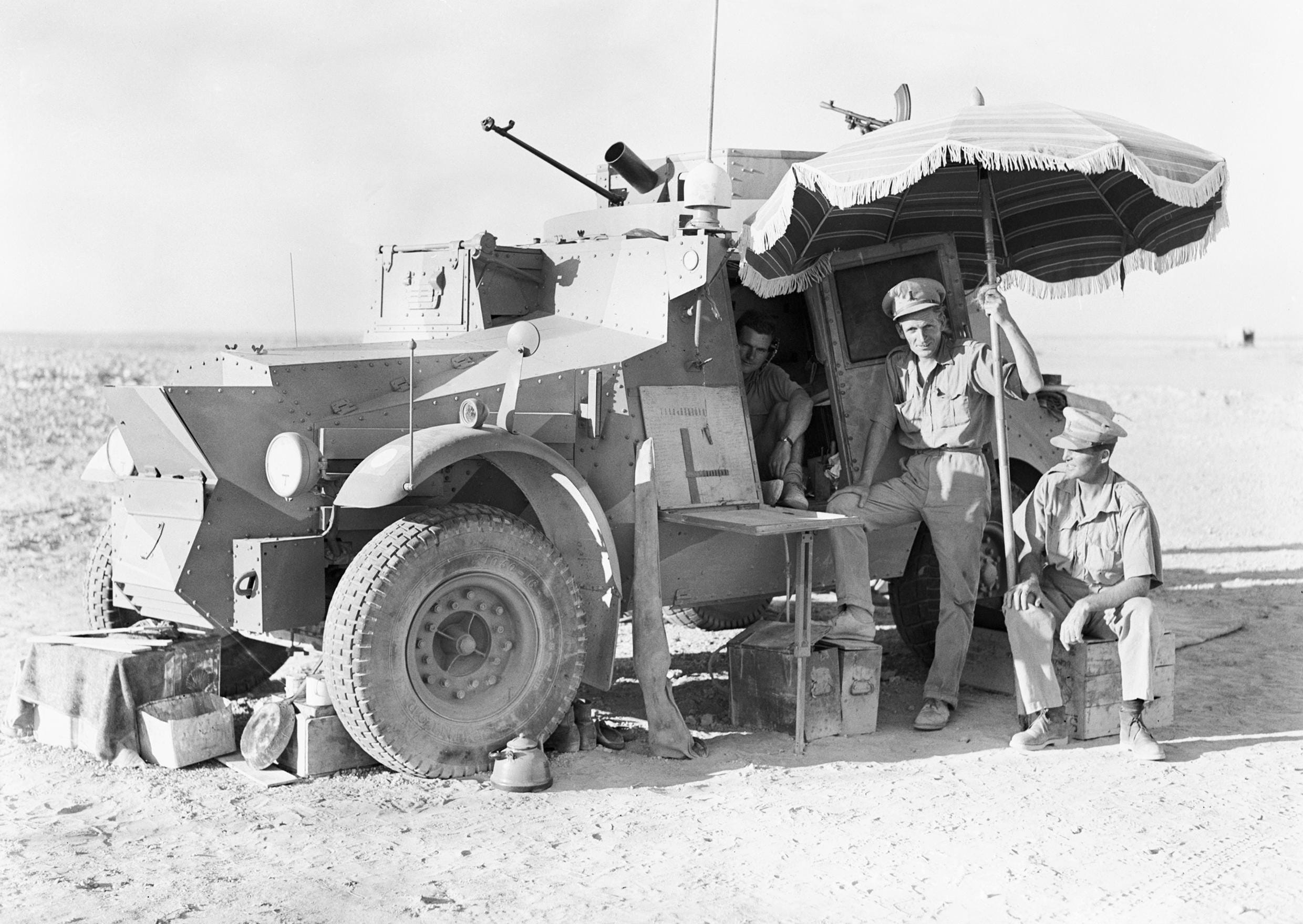
Lieutenant-General O’Connor’s commanders recognised that the Western Desert operated like an ocean. Without fixed front lines, victory depended on mobility, long-range reconnaissance, and wireless command. Light armour and scouting cars from units like the 11th Hussars ranged dozens of miles ahead of the main force, mapping uncharted terrain and tracking Italian deployments without being detected.
O’Connor knew he didn’t need to destroy the 10th Army in a brutal war of attrition. By pairing heavy armour to break static defences with fast cruisers and deep recon to exploit the gaps, the British could strike surgical blows, disorient Italian command, and vanish into the open desert before Rome could react.
Float like a butterfly, sting like a bee.
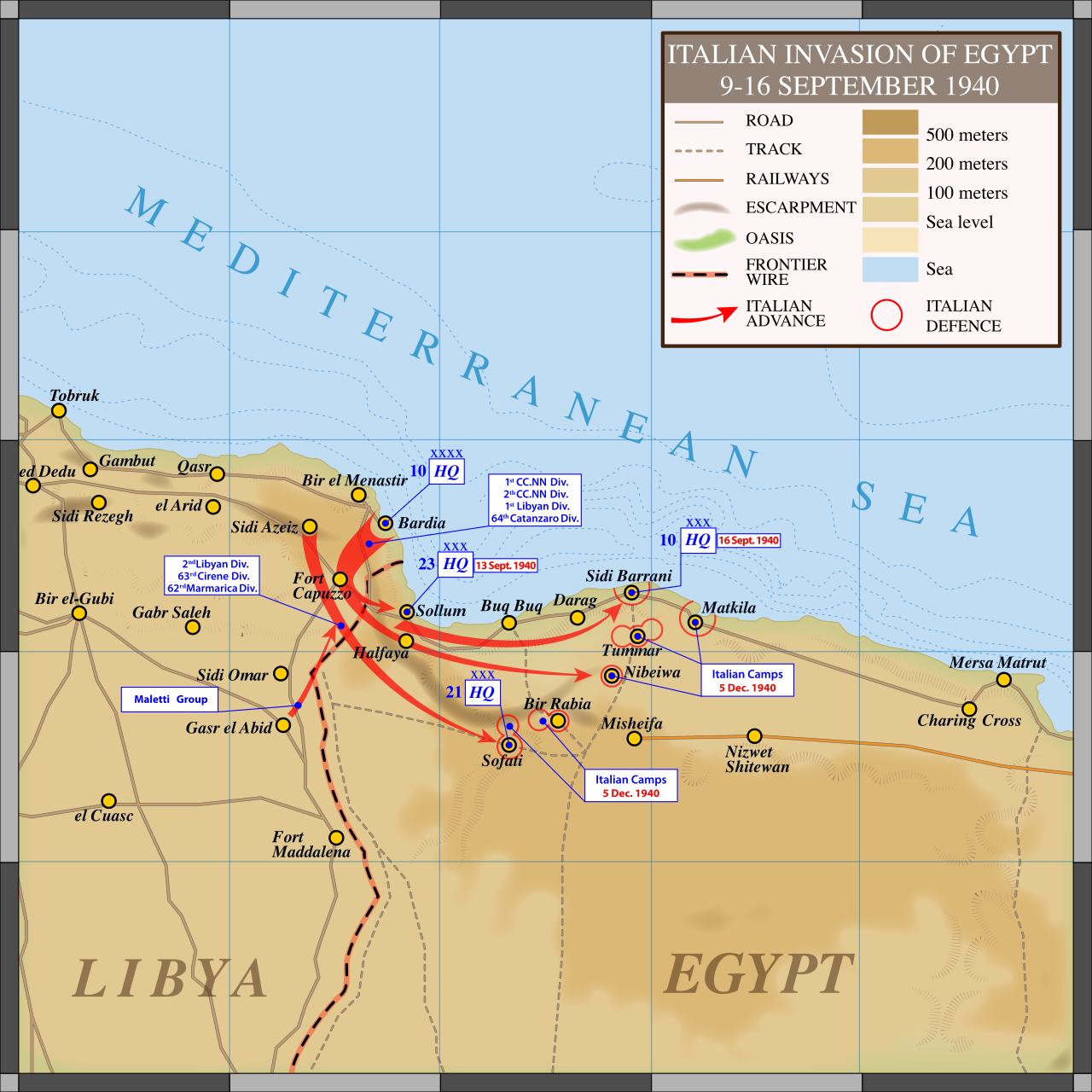
On 13 September 1940, the Italian columns finally crossed the Egyptian border.
In accordance with O’Connor’s plan, British screening forces executed a controlled, fighting withdrawal toward the railhead at Mersa Matruh. The British were deliberately trading space for time, preserving their main force while drawing the Italians deeper into the desert.
The Italian Army moved cautiously through Sollum and into the Egyptian interior, keeping its formations tightly concentrated and supply lines short. There was no grand armoured breakthrough and no lightning blitzkrieg.
Then, on 16 September, after advancing roughly 100 kilometres, the Italian columns reached the coastal settlement of Sidi Barrani.
There, the advance abruptly stopped. Graziani ordered his troops to dig in.
They did so gratefully; after the heat, dust and endless marching of the advance, the Italian soldier could finally return to the more familiar pursuits of imagining scantily dressed ladies and wishing he was back home eating his nonna’s cooking.
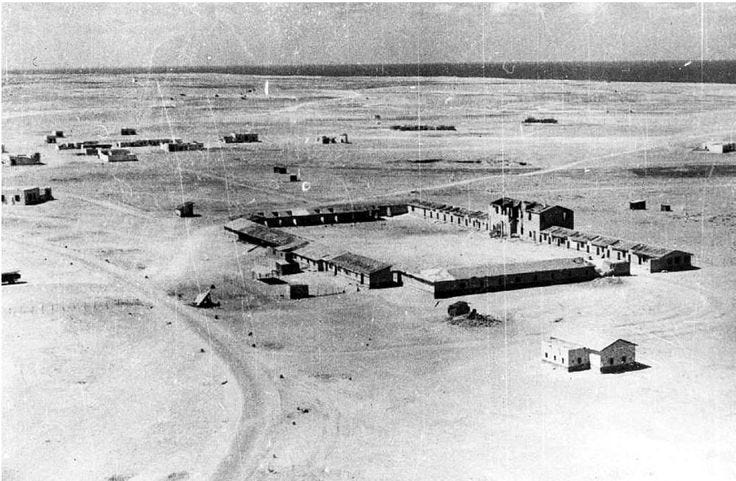
Around Sidi Barrani, the Italians constructed a network of large, fortified positions. The operational logic was straightforward: consolidate the forward ground, extend supply roads, build water dumps, and prepare for the next push toward Mersa Matruh.
The fatal flaw lay in the tactical layout.
Rather than creating a continuous, mutually supporting defensive line, the Italian command established a series of isolated strongpoints—including Nibeiwa, Tummar, Maktila, Rabia, and Sofafi—scattered across kilometres of open desert.
Each camp was heavily fortified with trenches, sandbags, wire, artillery, and armour. However, the gaps between them were immense. The camps could not cover each other with defensive fire, nor could they easily reinforce one another if attacked rapidly.
If an attacker could navigate the empty corridors between the strongpoints, individual camps could be isolated and destroyed one by one.
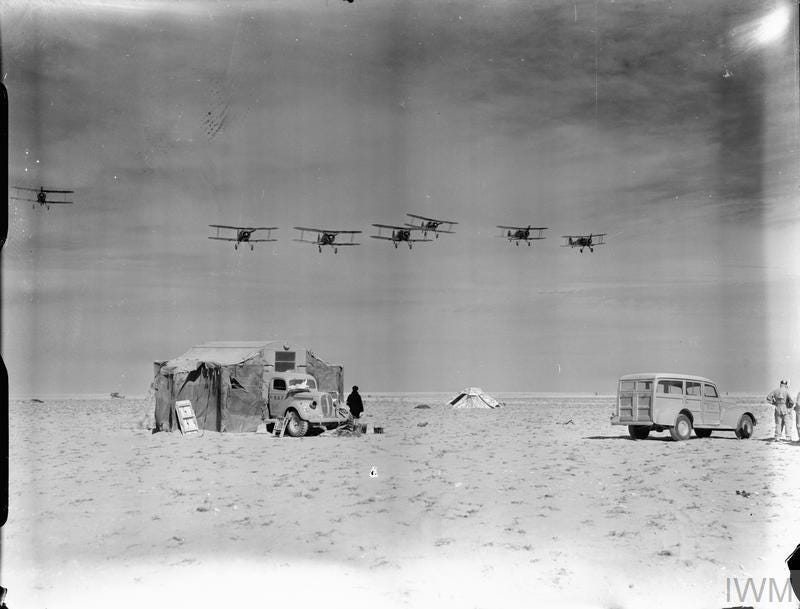
The British watched this layout develop with mounting interest. RAF reconnaissance flights photographed the emplacements, desert patrols mapped the approach routes, and night patrols calculated the exact gaps between minefields.
While the Italian garrisons settled into their fortifications, confident in their numbers, the British spent three months mapping every single gun pit.
From late September through November 1940, an uneasy silence settled over the Western Desert.
For Graziani, the pause was a logistical necessity to build roads, stockpile ammunition, and secure fuel before advancing further. But every week spent stationary allowed the British to refine their plans and train their crews.
For O’Connor, the Italian hesitation was an operational gift. The Western Desert Force could never win a head-on battle against 200,000 men, but the scattered layout of the Italian camps provided a series of isolated, vulnerable targets.
By late November, additional shipments of Matilda tanks arrived in Egypt, boosting British striking power. The operational plan took clear shape: use the vastness of the open desert to bypass the forward Italian positions, slip through the unmonitored gaps, strike the camps from the rear, and destroy the forward Italian forces before Rome realised what was happening.
To Support my work, Click Here!
The operation was codenamed Compass. It was explicitly planned as a limited, five-day raid. Strike hard, wreck the forward Italian camps, smash their supply dumps, and pull back before Rome’s heavy reserves could react.
Nobody imagined it would unravel an entire empire.
O’Connor carved his 30,000 men into a precise, lethal instrument. Every unit had a specific, bloody job to do:
The Sledgehammer (7th Royal Tank Regiment): Forty-eight Matilda IIs. Slow, heavy, and practically indestructible. These steel monsters were built for one thing: crawling directly into the mouth of enemy artillery, ignoring the hits, and crushing sandbagged gun pits under their tracks. Against Italian field guns, they were gods.
The Bayonets (4th Indian Infantry Division): Hardened, well-trained infantry. Once the Matildas breached the perimeter, the Indians dropped into the trenches to clear bunkers, machine-gun nests, and wire with bayonets and grenades.
The Cavalry (7th Armoured Division): The “Desert Rats.” They weren’t there to trade shots with static camps. They were the speed. Sweeping wide through the southern desert, they would slice through the gaps, sever supply lines, and trap the garrisoned Italians in a steel ring.
The Eyes (11th Hussars): Rolling far out in front in light armoured cars, the Hussars mapped every ridge, tracked every patrol, and found the empty corridors through the minefields, in a sea of sand where an entire Army could vanish over the horizon, knowing where the enemy wasn’t mattered just as much as knowing where he was.
O’Connor wasn’t just throwing armour into the blue. He was unleashing a combined-arms team—tanks, infantry, guns, and logistics all moving together.
The gamble depended entirely on surprise.
If the Italians caught wind of the approach, their combined artillery would drown the assault in high explosives. To pull it off, O’Connor devised an audacious route: instead of driving head-on from the east, the strike force would loop south, slip through the unmonitored gaps between the camps, and hit Nibeiwa and Tummar from the west.
From the rear. The one direction the Italians weren’t looking.
On the night of 8 December 1940, thousands of men, tanks, and trucks rolled out into the blackness. No lights. No radio chatter. Just the low growl of diesel engines and navigators staring at the stars, driving straight towards the Italian line.
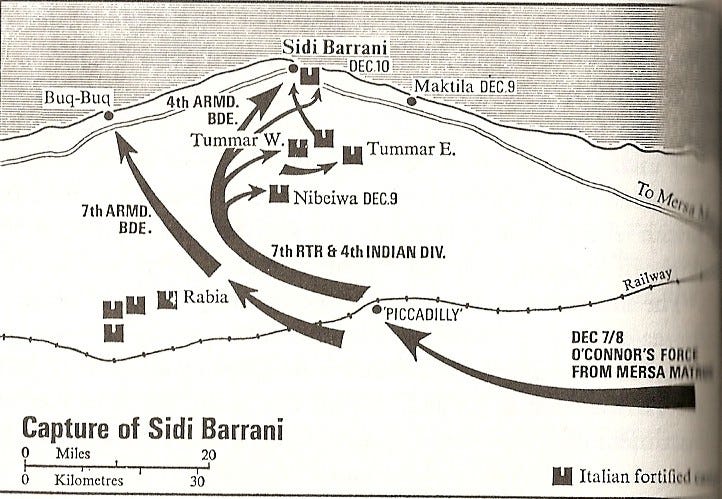
On the evening of 8 December, the strike columns rolled out into the dark.
Engines hummed quietly as long lines of vehicles moved south through the empty corridors between the Italian strongpoints.
Inside the camps at Nibeiwa and Tummar, the Italian garrisons slept. As far as their commanders knew, the British remained safely dug in 100 kilometres to the east at Mersa Matruh. The Italians held the initiative—or so they believed.
The British strike force moved in absolute radio silence.
They had planned a brief, five-day raid to rattle the enemy and fall back. They were about to discover that the Italian Army in Egypt was a house built on sand.
At dawn on 9 December 1940, Operation Compass was about to take a leaf blower to the foundations.
Thanks for reading the first entry in our North Africa series!
In the coming instalments, we will examine the tactical innovations, logistical nightmares, and command decisions that shaped the early desert war—from the blood on the wire at Sidi Barrani to the epic armoured clashes to come.
Did a specific unit or tactical detail stand out to you? Let me know in the comments, and don’t forget to subscribe for Part II.
If you enjoyed this deep dive into the desert war and want to support the research and writing behind it, consider Buying Me a Coffee to keep the motor pool running. Every bit fuels the next instalment!
Thanks a bunch & all the best,
Ru
No posts
Comments
Nothing yet. Say the first thing.
Sign in to join the conversation.