
Dear Lunatics,
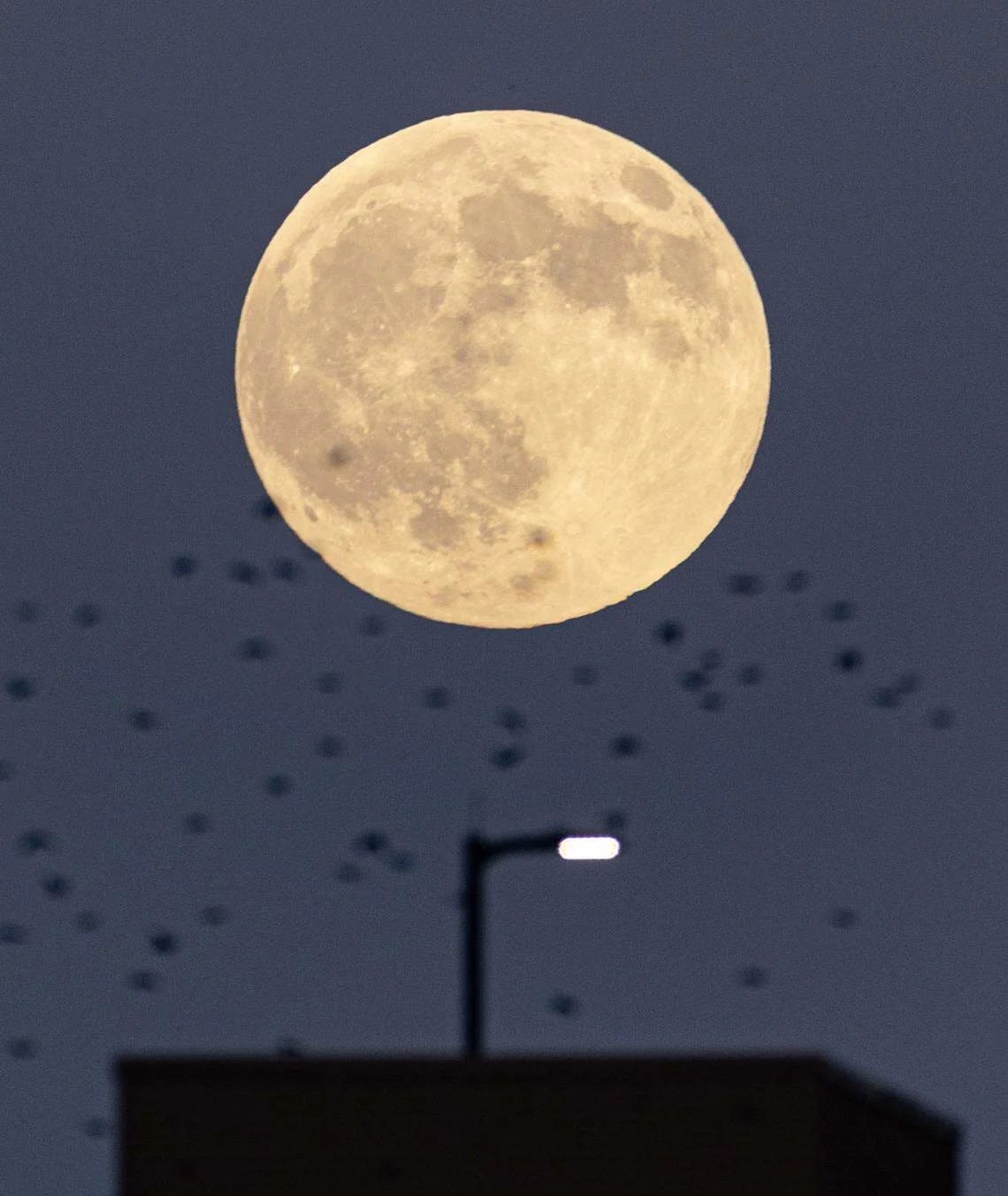
Tonight is the largest and brightest full moon of the year, and I’m going to send out the smallest and dimmest dispatch I can muster.
Many writers have managed to compose classic works of literature while under the influence: Burroughs wrote Naked Lunch while addicted to heroin; Hemingway pickled himself in rum while writing The Sun Also Rises; Kerouac typed On the Road in a three-week sprint fueled by Benzedrine; Louisa May Alcott wrote gothic tales while sipping laudanum alone in her bedroom; and Balzac consumed up to 50 cups of coffee daily—reaching true caffeine toxicity with hallucinations—while penning La Comédie humaine.
But no writer, as far as I know, has managed to write anything of consequence while emerging from general anesthesia, which I am this evening.
The discharging nurse instructed me not to drive, make important decisions, or send out Substack newsletters.
So I’ll keep this brief, lest I embarrass myself with a mixed metaphor or give away my ATM PIN.

I just want to say that earlier, when the oxygen mask was fitted over my mouth and I was counting backward, going under, I thought of the so-called “hard problem” in science, namely, what is consciousness?, and how the Nobel Prize-winning physicist Sir Roger Penrose has theorized that consciousness arises from quantum computations occurring in microtubules within brain cells, and how he never would have arrived at this conclusion without the help of the anesthesiologist Stuart Hameroff, who noticed that while anesthesia completely extinguishes consciousness, it doesn’t stop neurons from firing, nor does it stop other non-conscious brain functions, such as breathing and heart rate, from soldiering on, which led him to believe that anesthesia switches off consciousness by disrupting quantum coherence within microtubules, those tiny, hollow latticeworks woven inside each neuron—a conjecture which, in turn, reminded me of a tweet sent out earlier this week by Elon Musk (“Quantum computing is best done in the permanently shadowed craters on the Moon”), which gave me the image of the Moon’s deep, cavernous lava tubes filled with quantum computers, and the idea that the Moon itself—in the not-so-distant future—could become a giant brain, a celestial external hard drive where all our memories are stored and all our complex reasoning is done by refrigerator-sized quantum computers in the frigid, dark lunar interior.
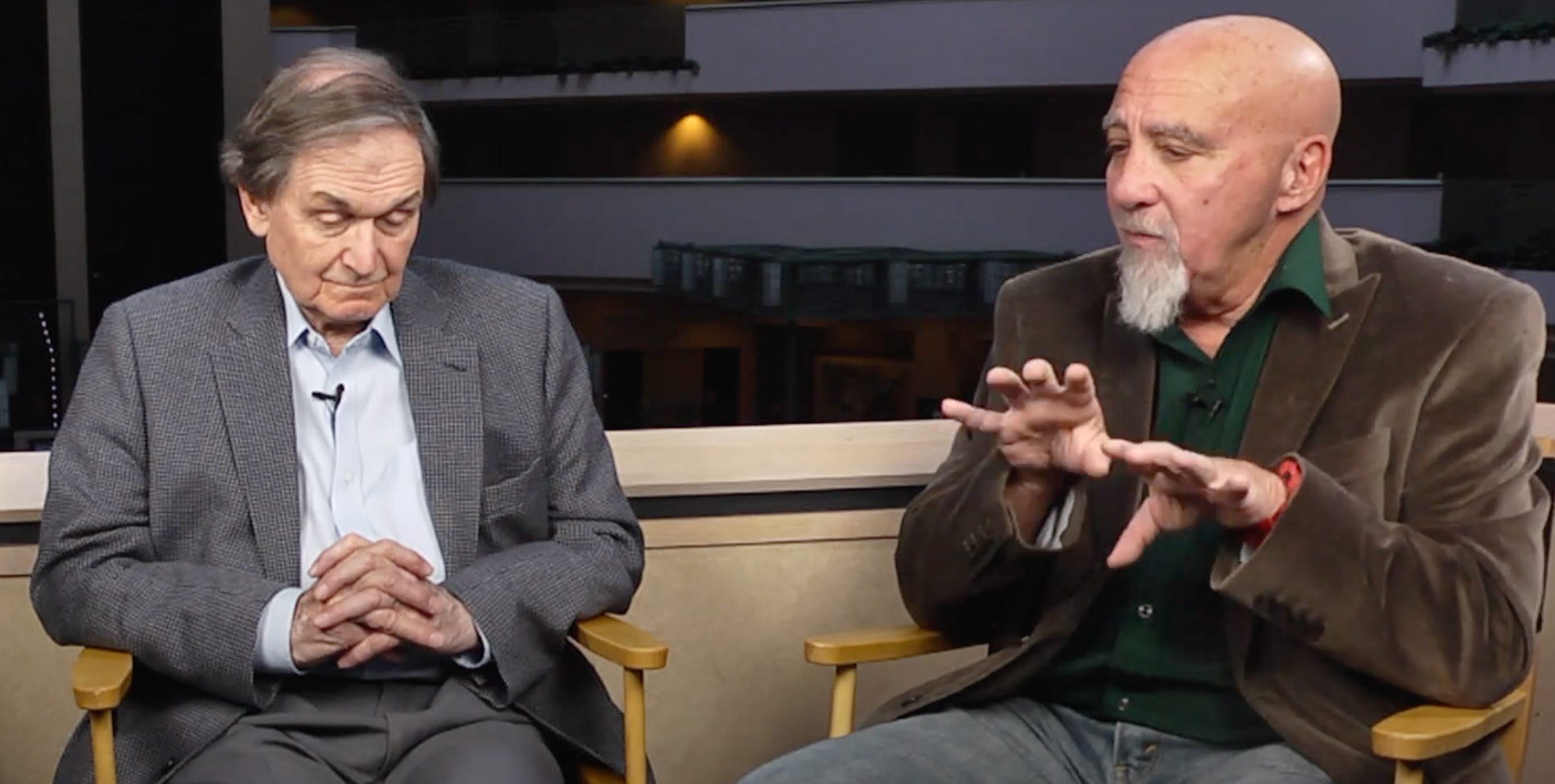
Of course, we don’t know if Penrose and Hameroff are correct.
Nor what substances Elon Musk may have been on when writing his tweet.
And anyway, this could all be the ravings of a recently anesthetized Substacker who is gazing at the Moon while still only half-conscious, still counting backward from 29, until the next night the Moon is full, and its silver glow is the only intoxicant coursing through his bloodstream.
Until then…
See you on the Cold Moon!
—W
Comments
Nothing yet. Say the first thing.
Sign in to join the conversation.