
My live music exposure in China this year has been nothing short of diverse, to say the least. From American country pop singer Mickey Guyton, to Brussels-based band, ECHT!, whose music has been described as “[it] raises more questions than it answers” (can confirm), to a Chinese rapper with bright orange hair by the name of Cash Trippy — I’ve truly been sampling from all tables at the buffet.
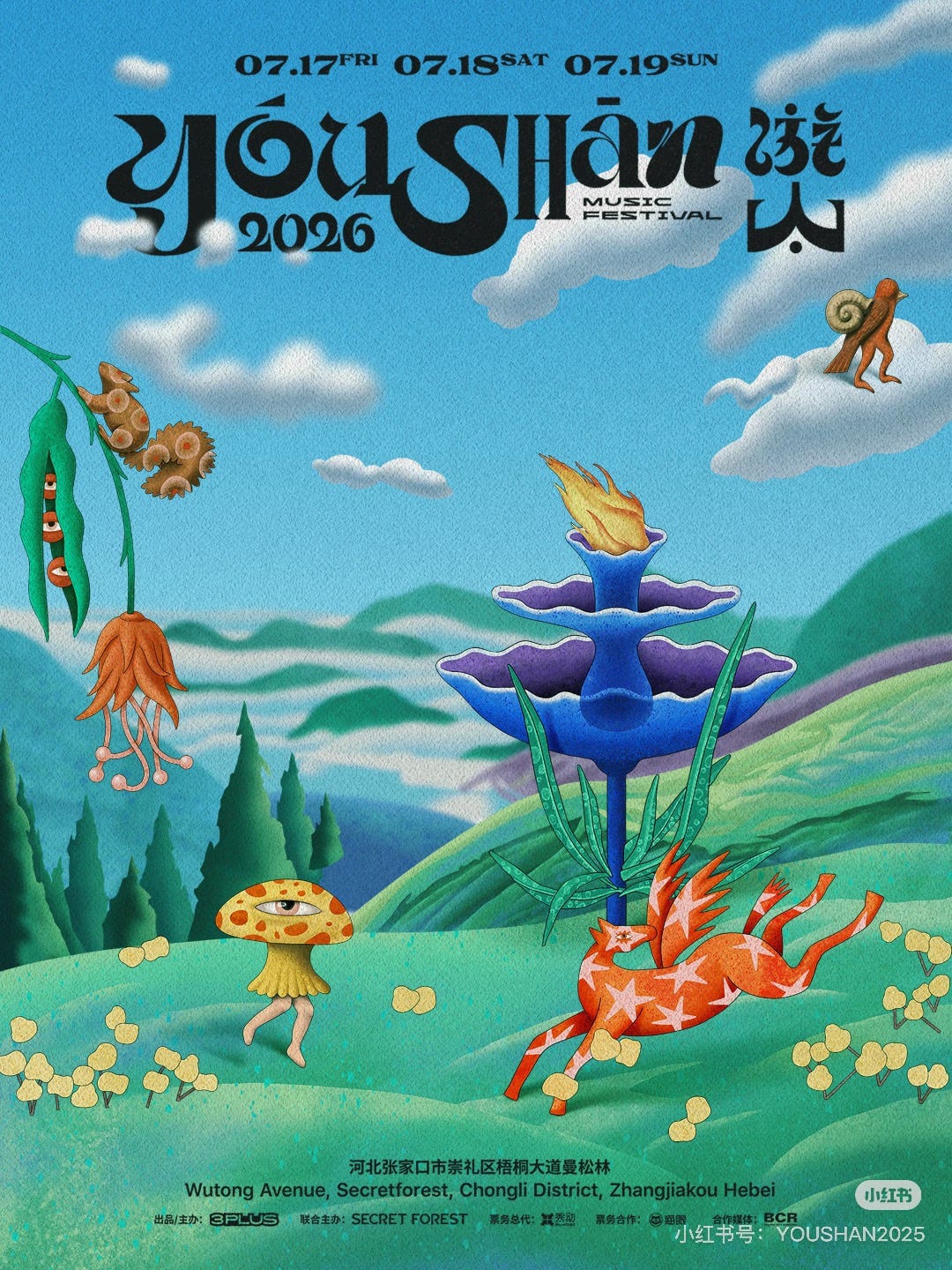
So, last week when I discovered an electronic/techno music festival taking place in the middle of the forest in northern China on the very same dates I was considering a trip to the area, there was no question in my mind that I needed to add this to my eclectic tapestry of experiences.
Not because I’m a die-hard techno fan, nor because I knew any of the DJs. But because sometimes, I think you should just do things for the plot.
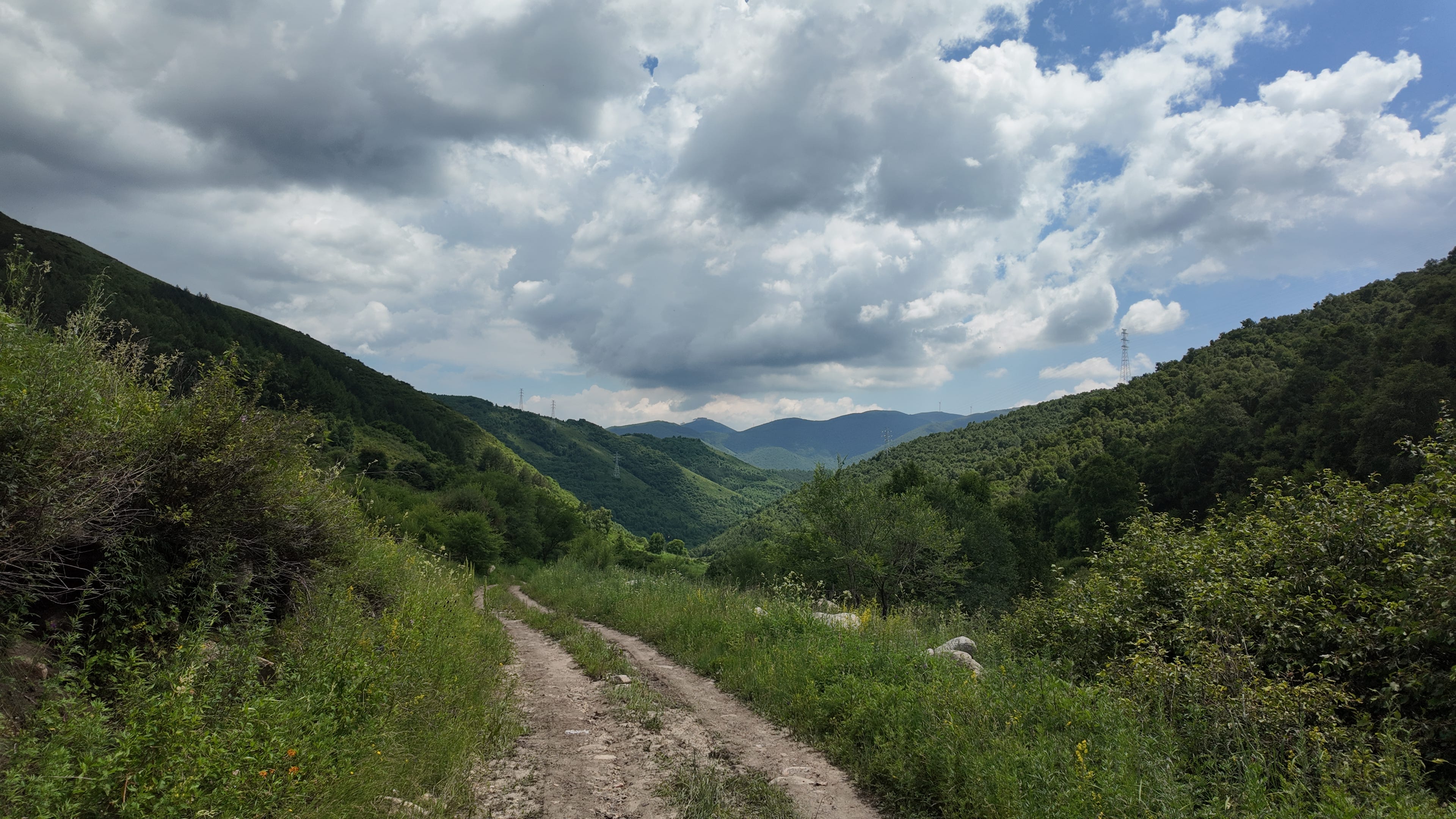
Chongli has been on my mind for a while. I had been wanting to scope out how developed it is as a summer tourist destination, and take the excuse to go hiking and escape the muggy Shanghai weather.
From winter to summer, Chongli — technically a district of Zhangjiakou with a small population of a few hundred thousand — is well positioned to capitalize on the boom of tourism coming from growing participation in outdoor sports.
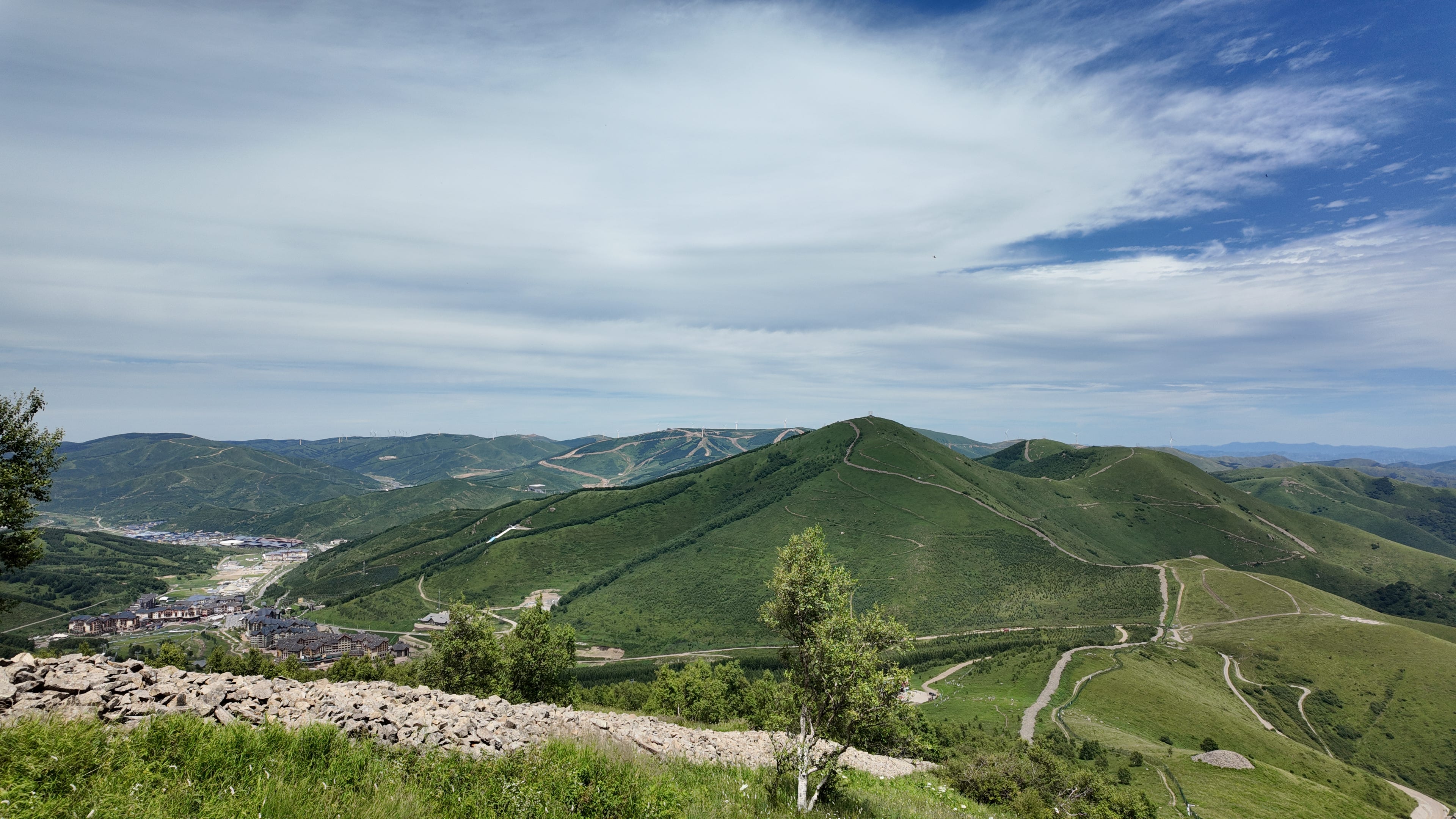
Situated north of Beijing in Hebei province, Chongli is where China hosted the 2022 Winter Olympics. Since then, the area has become a popular destination for winter sports in particular, with at least 9 ski resorts built out. While winter is Chongli’s high season, the infrastructure and geography make it a great destination for biking, hiking and trail running during the summer.
In 2025, Chongli recorded 5.1 million visitors, more than in the winter season the prior year, generating 4.42 billion yuan ($636.9 million) in tourism revenue.
Nike ACG puts on the iconic Chongli 168 trail run in early July. This year they reportedly had over 10,000 participants, selected from over 20,000 applicants — a record number for the event’s 10th anniversary.
This summer, Chongli is slated to host over 20 cycling events, accommodated by over 200km of biking trails in the area. Just this past May, the railway began allowing passengers to bring bikes on board the high-speed train, making the area an even more appealing and accessible location for cyclists.
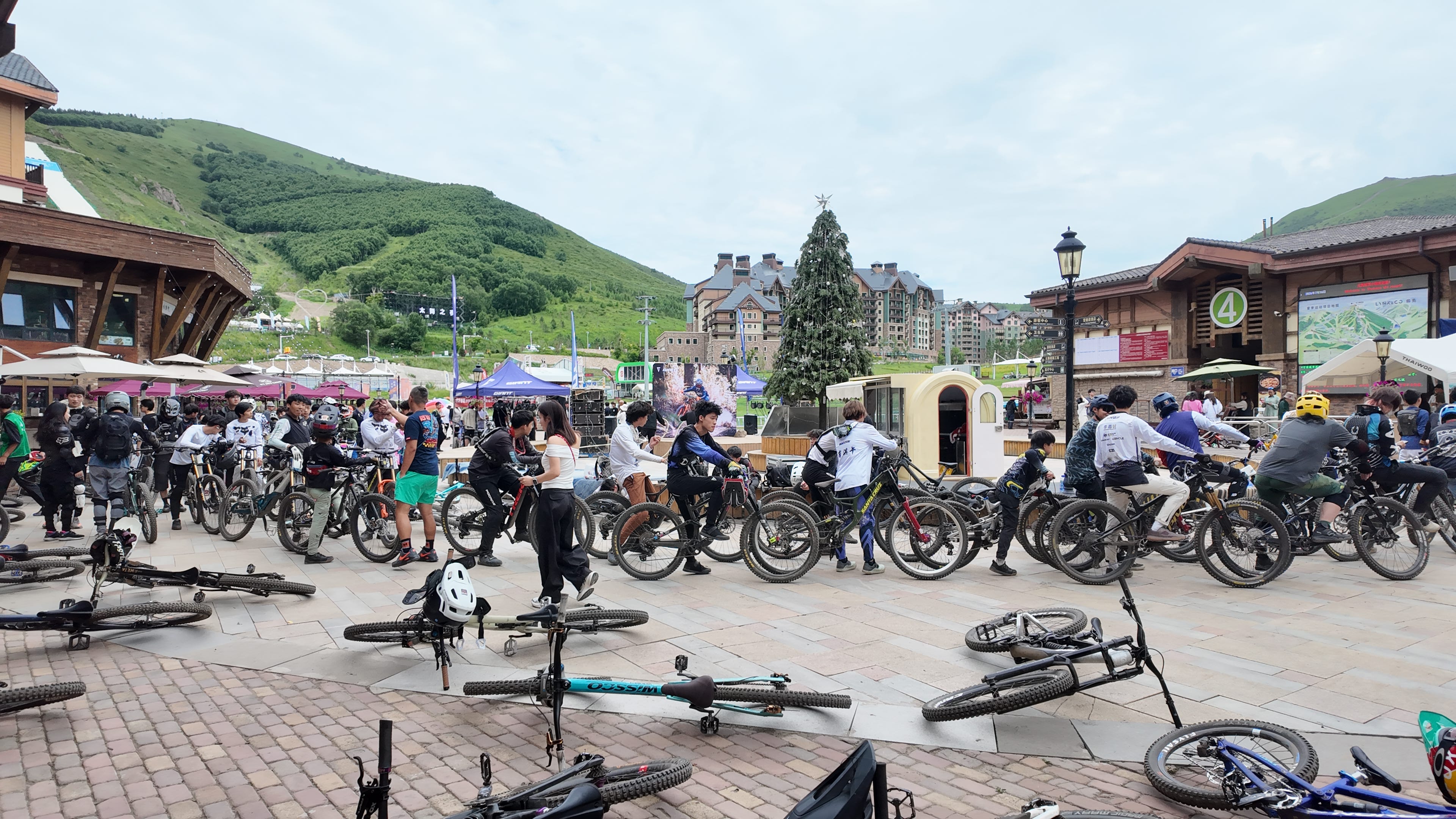
Sports and fitness is beginning to play a bigger role in tourism in China. On Xiaohongshu (Rednote), the hashtag ‘sportcation’ has over 210 million views — a concept that refers to any sort of fitness activity combined with a vacation. You’ll also see ‘sports-school style travel’ or ‘high-energy friendly travel’ referenced.
The argument for its appeal includes;
Achievement over consumption. Shopping, sightseeing, your basic 打卡-ing doesn’t give you any marker of achievement. Sportcation gives you a real, measurable outcome; a run or hike completed.
No guilt about being unproductive. A “lazy” vacation can actually be more stressful because you’re thinking about all the time you’re wasting. A sportcation is structured, so that pressure disappears.
Better social currency. A photo catching a wave or finishing a hard hike sends a more dynamic signal than a latte.
All of this to say… I assumed that a boom in hiking, trail running, and sportcations would be driving considerable traffic to a prime location like Chongli, especially in mid-July, but I found the area relatively quiet, underdeveloped, and much more popular among older travelers. There were also a large number of families with young kids participating in sports tournaments held at repurposed Olympic facilities.
As with nearly any industry that begins to boom in China, supply surges and quickly outpaces demand. Walking around the area, I noticed a large number of unfinished projects, most of them hotels. Some seemed to be still in progress, while others were totally abandoned.
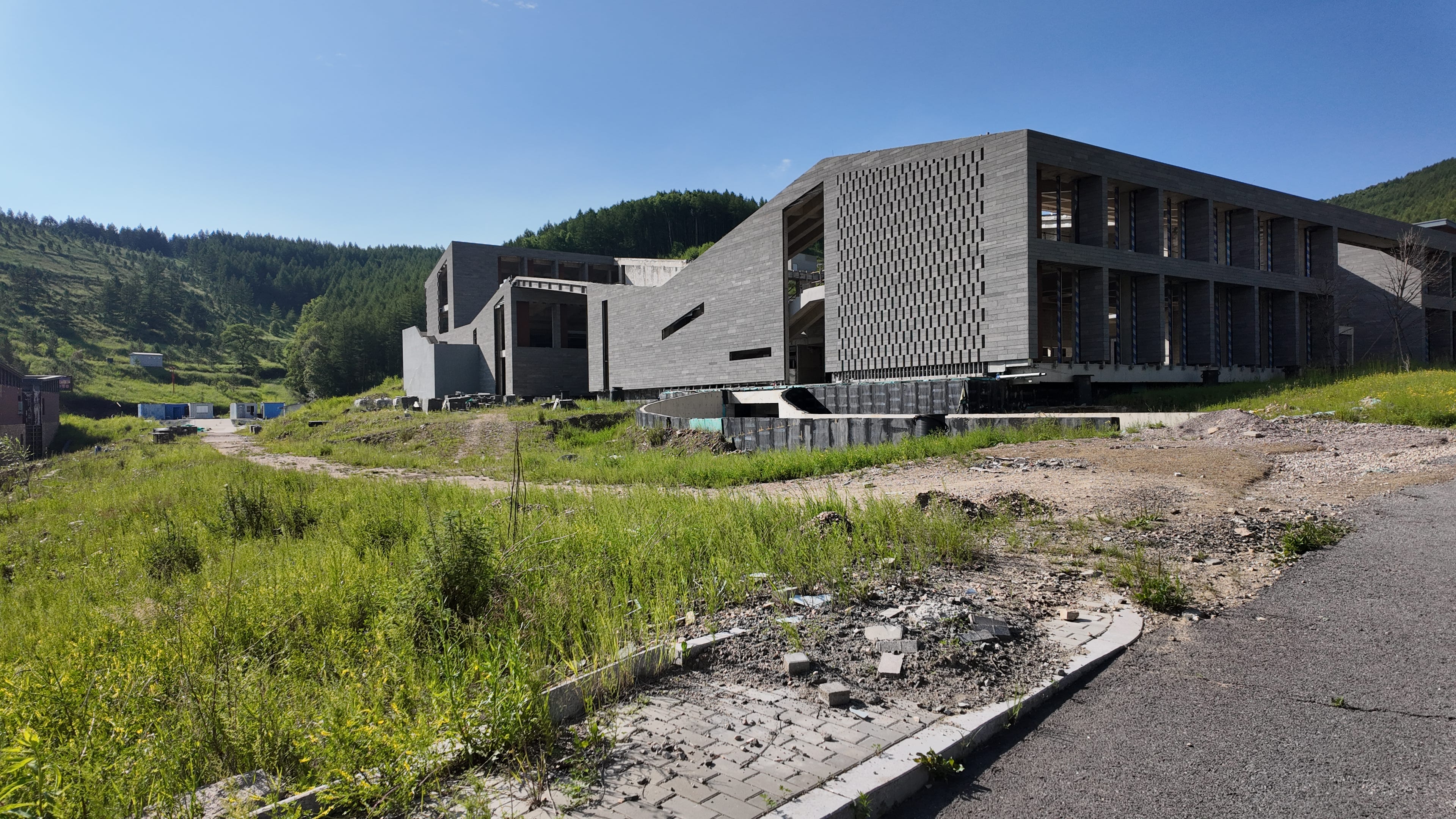
I stayed near Thaiwoo, one of the main ski resorts, which sits above where several large hotels and a shopping center are located. The retail options were limited and underwhelming.
I opted to stay at a hotel about 3km away from Thaiwoo resort, just on the other side of the mountain. The hotel was massive, and only one part of it occupied. It offered several different residence types — from hotel rooms to large serviced apartments — spanning multiple buildings set back in a canyon.
There were two local coffee shops near Thaiwoo resort. Both with spectacular views (how could they not in a place like this), but one had significantly better branding (and vibes).
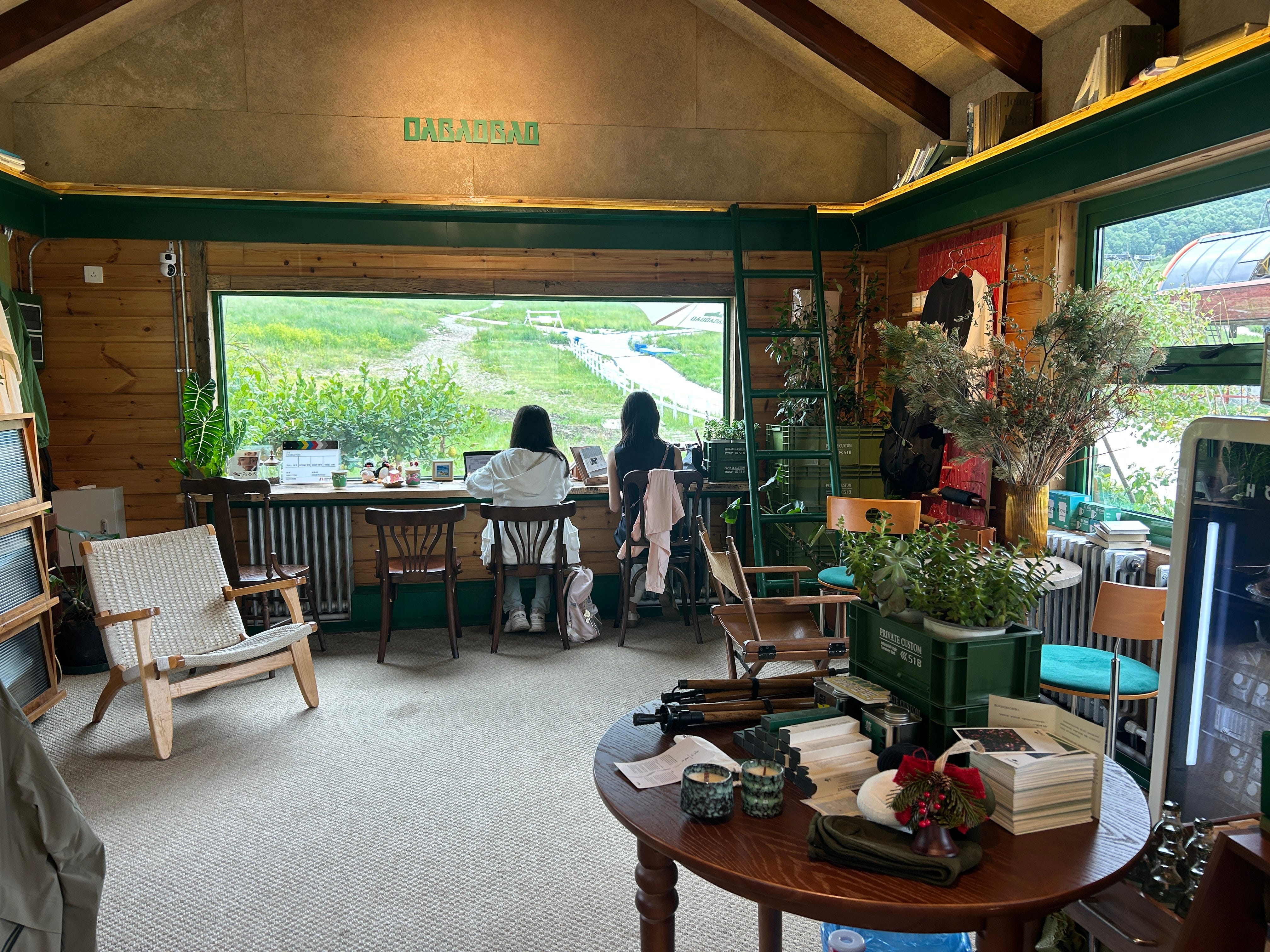
My overall verdict: as of summer 2026, Chongli is underrated and underdeveloped as a summer tourist destination, and selfishly, I kind of hope it stays that way.
If you’re curious about the trails and the incredible views, you can discover the three different routes I took:
🎬 Day 1
🎬 Day 2
🎬 Day 3
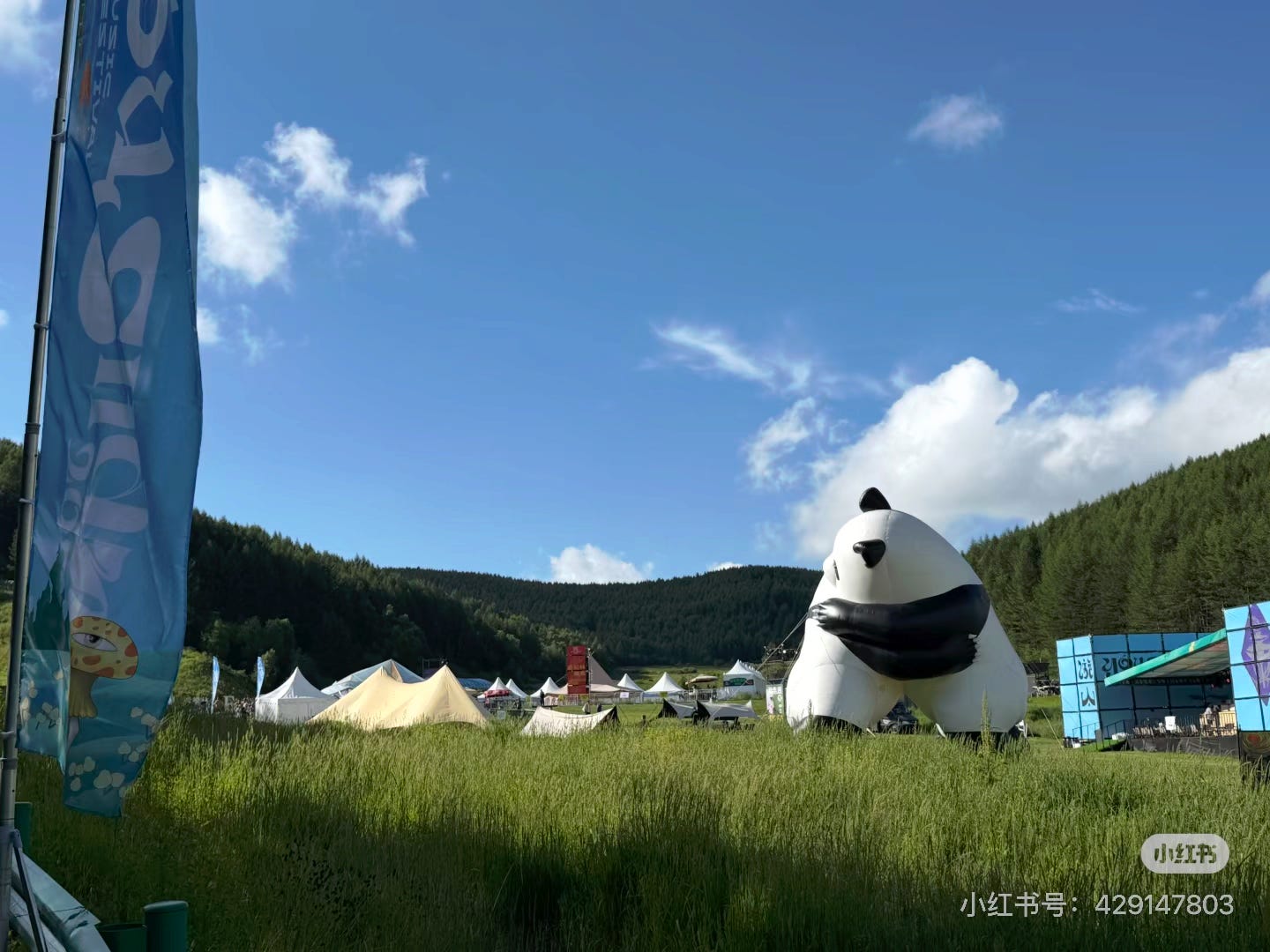
First, a shoutout to the organizers of this music festival — everything was seamless and thoughtfully organized. Lodging was reasonably priced and nearby the actual venue. They supplied free shuttle buses from the hotel to the venue that ran every 15 minutes from 1 pm in until 5 am in the morning.
The bathrooms were clean, well-supplied, and they had reserved a number of stalls for women only. The food was excellent; they even had a guy in a van who was making wood-fired pizzas from scratch (come on!).
The DJ lineup was top-notch, featuring 40+ artists mainly from China, as well as Romania, Portugal, Japan and more.
If you’ve ever been to Wonderfruit (IYKYK), you may recognize the style of the stages. 游山Youshan brought in the same designers to build spectacular sets and lighting that blended naturally into the surroundings.
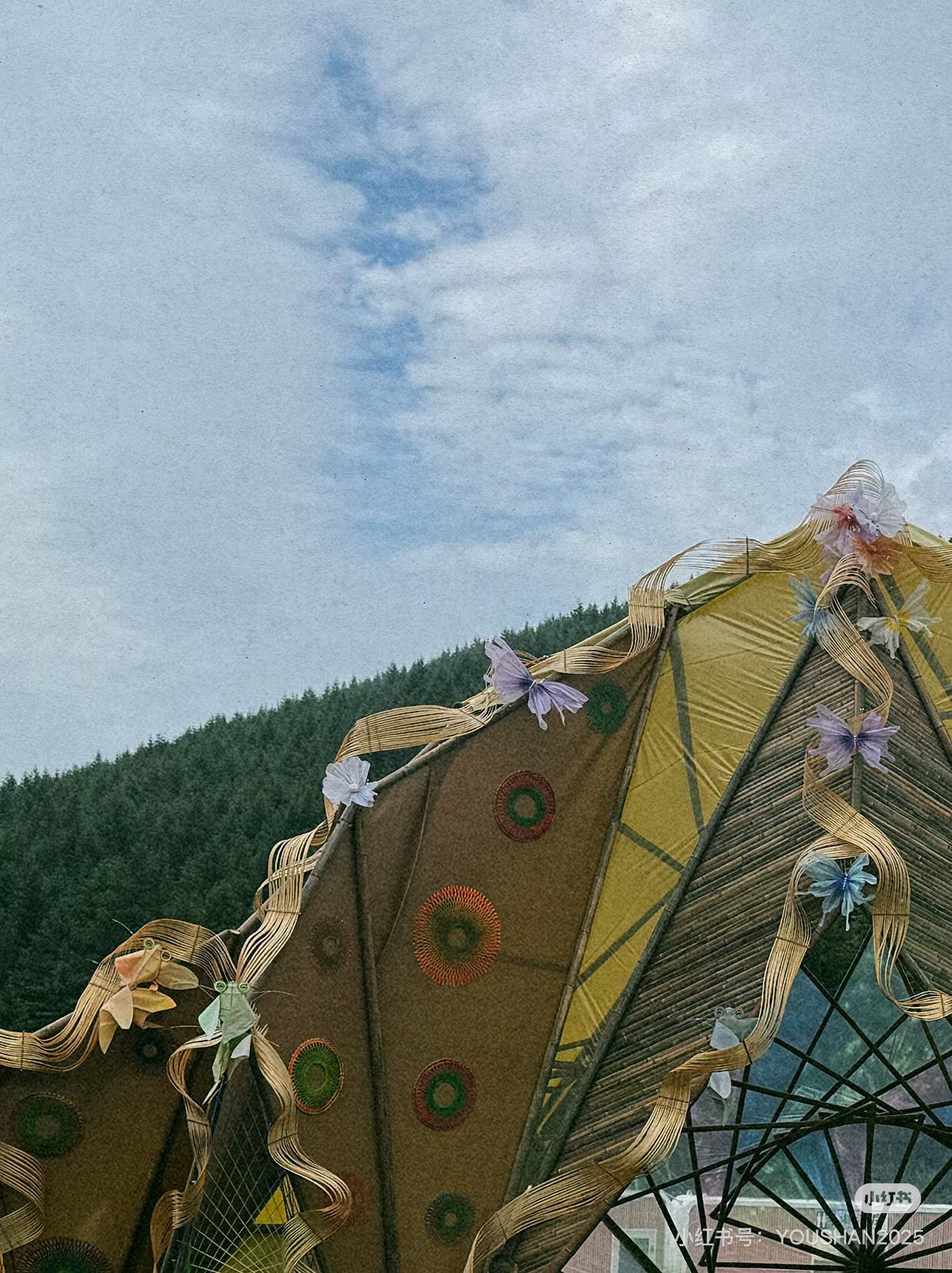
Because the temperature drops so much at night, they thoughtfully provided on-site clothing rental where you could rent big parkas, hats, blankets etc. Nothing to get in the way of a good time.
I will admit, as an introvert, I had a few small doubts about rocking up to a music festival by myself, but it turned out to be one of the most genuinely fun and unique experiences I’ve had all year.
On the shuttle bus ride from the hotel to the venue, I sat next to a young guy from Inner Mongolia. He was wearing an old cotton t-shirt that had “Allday. Tibet” in different colored block letters across the front. He told me that he came to the festival last year and liked it so much he made the 7-hour drive to attend again this year. I asked him how he got into this type of music, and he told me that one day he entered a club in Chengdu, the DJ was playing house techno, and he fell in love with the sound. From that moment, he decided to stay in Chengdu and ended up working at a radio station, playing techno music.
He lived in Chengdu for about five years before moving back home to Inner Mongolia. I asked him if driving was the only way he could get to Chongli; shouldn’t there be a high-speed train? He told me that he drove because he planned a road trip for the next two weeks, “maybe more, it depends on how I feel,” stopping and camping along the way.
He doesn’t like being in the north, he tells me. Compared to Chengdu, it’s so different. Everything needs to be uniform. “A tree is a tree because someone says so.” But in his view, not everything is as it seems. Ever since he was young, he always questioned the meaning of things. Why should he believe what he was told? There are always multiple sides to everything. “Not all Japanese people are bad, not all Americans are arrogant.”
We connect on WeChat, and he promised (and follows through the next day) to send me the contact of his friends who have opened up a glamping site in Inner Mongolia. I see him several times throughout the rest of the afternoon and evening, and we wave enthusiastically to each other each time like we’re old friends.
I add this encounter to the unofficial growing list of 20-30 yr olds I meet outside of Tier-1 cities who, for lack of a better way to put it, ‘don’t have a plan.’ They are taking a break, or searching for their passion, or helping out their parents for the time being. I have met more people who are choosing not to work than I have who are out of a job and actively searching.
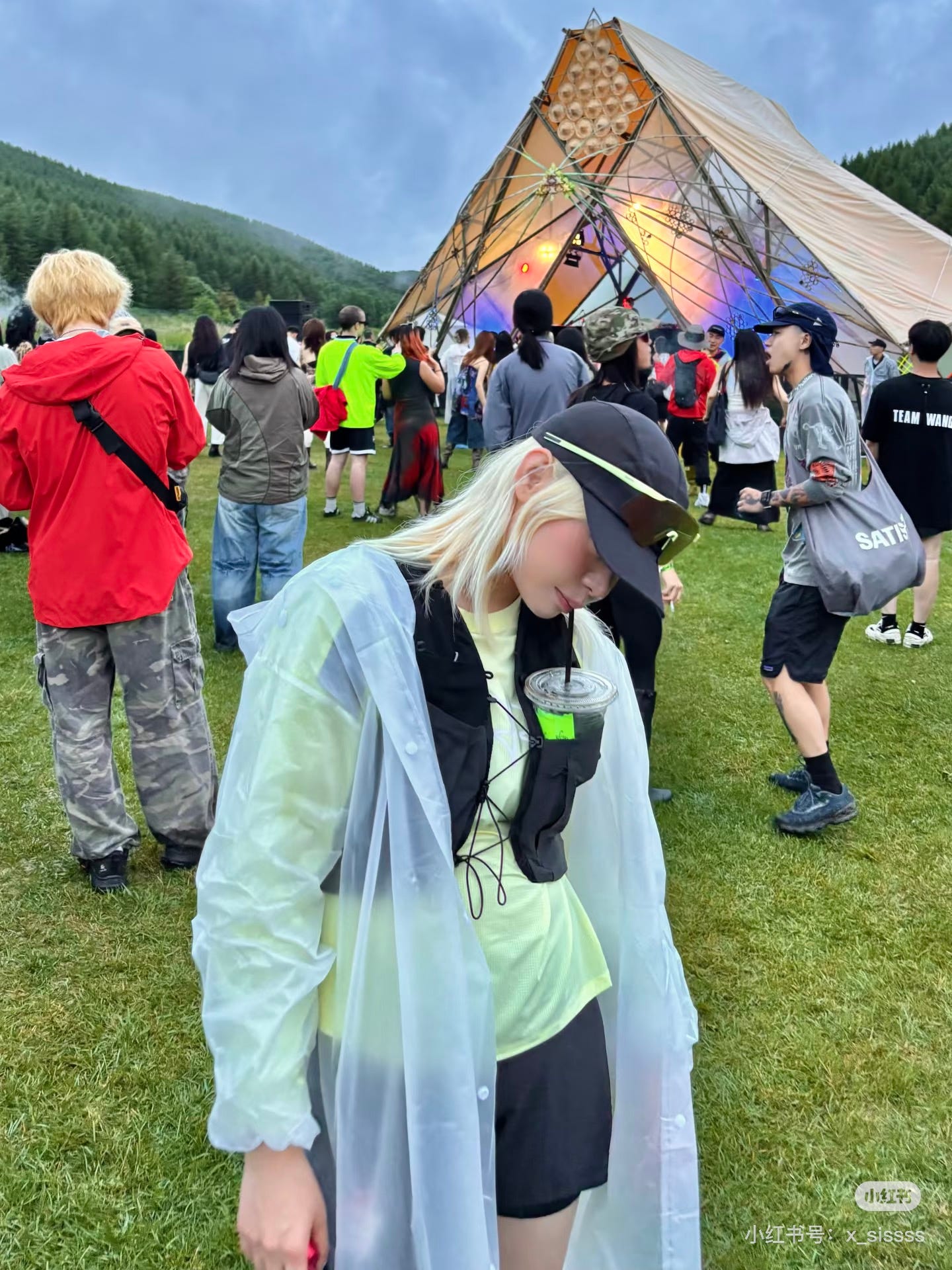
The unofficial uniform of the festival is what I’d call ‘hiking chic’ — think Salomon, An Ko Rau, Satisfy, Patagonia.
Most of the attendees are from Beijing. After all, it’s about 1.5 hr journey on the high-speed train from Beijing North railway station, easy enough for anyone from the capital city to come up for the weekend or even just the day.
I watched as groups of friends danced and laughed with each other, migrating from one stage to another. Bodies swayed to the music, not necessarily in any form of unison, but freely, uninhibited. Others lay on the grass, soaking in the fresh, clean air. I was struck by how many more people were actually just experiencing the present moment, compared to what I’d seen at concerts in Shanghai.
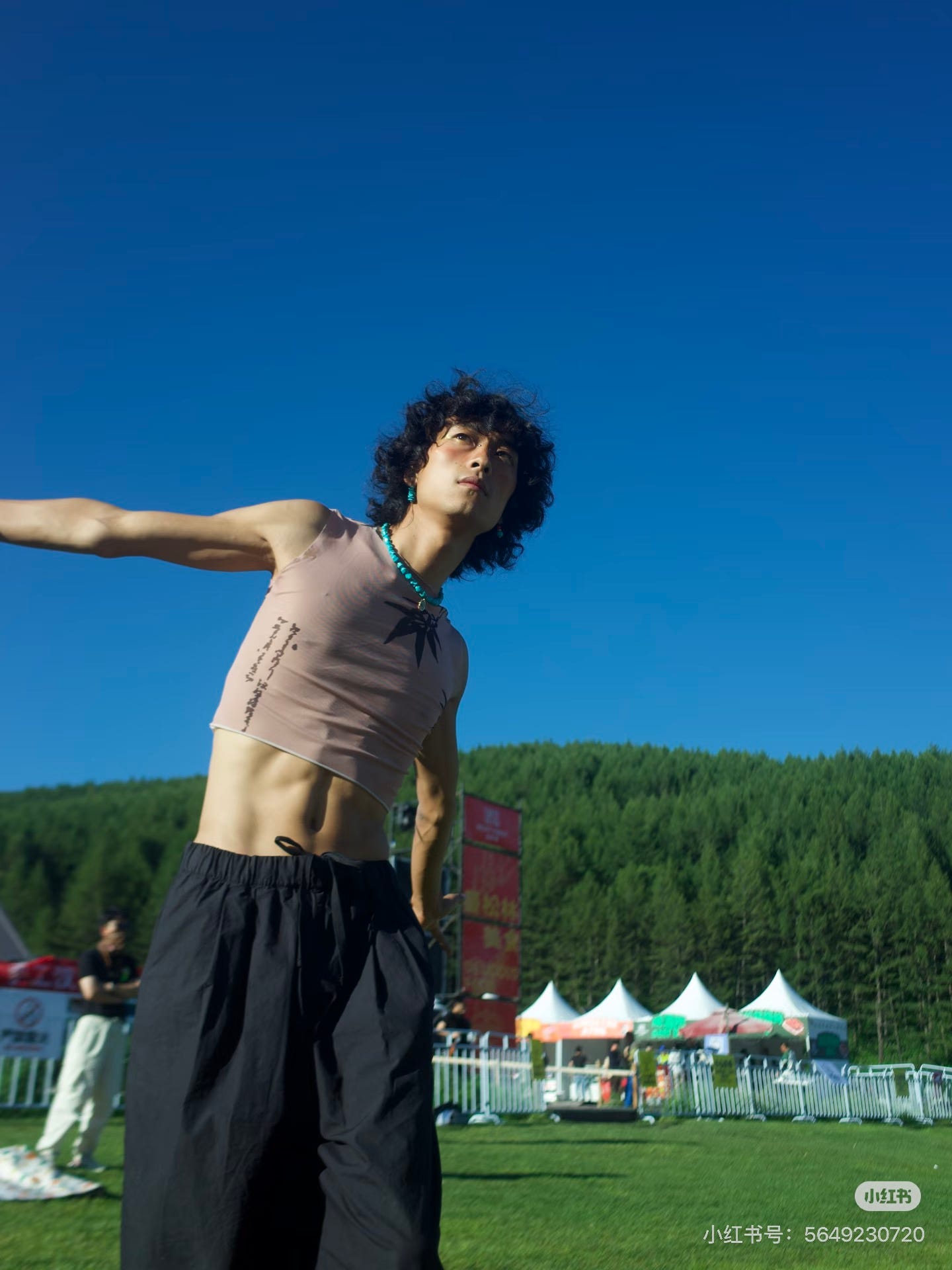
Here, in the middle of the forest, it felt like a rare occasion where people were more disconnected for once. Less tethered by the weight of perpetual uncertainty. It was as if the dense forest that surrounded the grassy clearing formed a protective shelter from the pressures of reality.
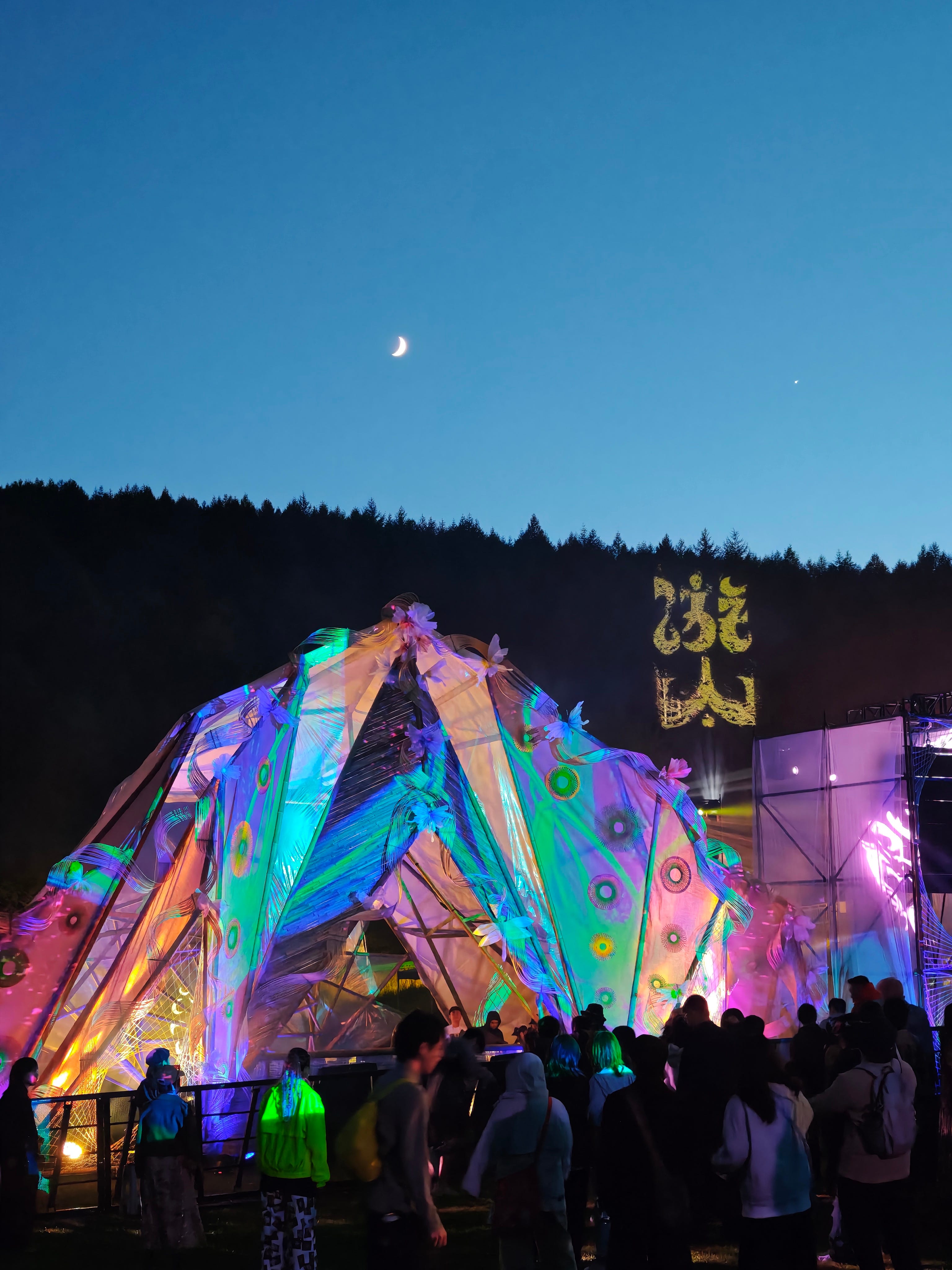
The festival ran from Friday to Sunday, with DJs playing each day from 3 pm to sunrise at 5 am. In another era, I would have powered through to bear witness to the first rays of light crest the treeline and break across the dewy grass. But at 11 pm, after 3 days of hiking and 9 hours of dancing, my legs were cooked, the temperature had dropped to nearly 10 degrees Celsius — it was time for me to crawl into bed.
Walking back to the shuttle bus, I did my best to memorialize the refreshing feeling of the crisp cold air pressing against my face — tomorrow I’d be back in the sweltering Shanghai swamp. The low hum of the music dissipated behind my back, and the crunch of gravel beneath my shoes soon became the only sound that filled the night air around me.
The road was nearly pitch black, but I could still manage to orient myself from the faint glow of the lights from the security checkpoint/bus drop-off about 500m ahead. I was alone, but I felt completely safe.
A thick wall of trees lined either side of the road, branches outstretched to a sky full of stars. So many stars. Probably the most I’ve ever seen during my time in China.
The next morning I took a high-speed train, then a plane and finally a metro and arrived back at my apartment-turned-sauna, in the heart of the big, busy city. I fold quickly back into the rhythm of Shanghai. The city’s gravitational pull adds distance to the memory of fresh air and rolling mountain tops. It may feel like a different world, but it’s still the same country.
China is an amalgamation of contradictions.
The urge to distill China into something digestible is amplified by how opaque it appears to the outside world. The more unknown something is, the more we utilize simplicity and familiarity to translate meaning. China’s perceived uniformity is not only an objective of the government, but also in part a product of the West’s inability to read its complexity.
And the issue is, complexity and contradictions are increasing at a time when it has never been more imperative and urgent to understand what is happening within the country.
The best advice I can give is to increase the diversity of your data set. Do different things. Consume content from a wide set of perspectives and viewpoints. You don’t have to agree with everything. In fact, I don’t even think you need to understand everything perfectly. Through exposure, you’ll build understanding as the contradictions begin to overlap.
If you can’t physically travel in China, here are some great digital data points:
Baiguan (data diet)
David Fishman (rural exploration & great conversations)
Grace Shao (everything AI)
Ivy Yang (trends, Chinese brands going global)
Jake (music)
Chinese Cooking Demystified (food!)
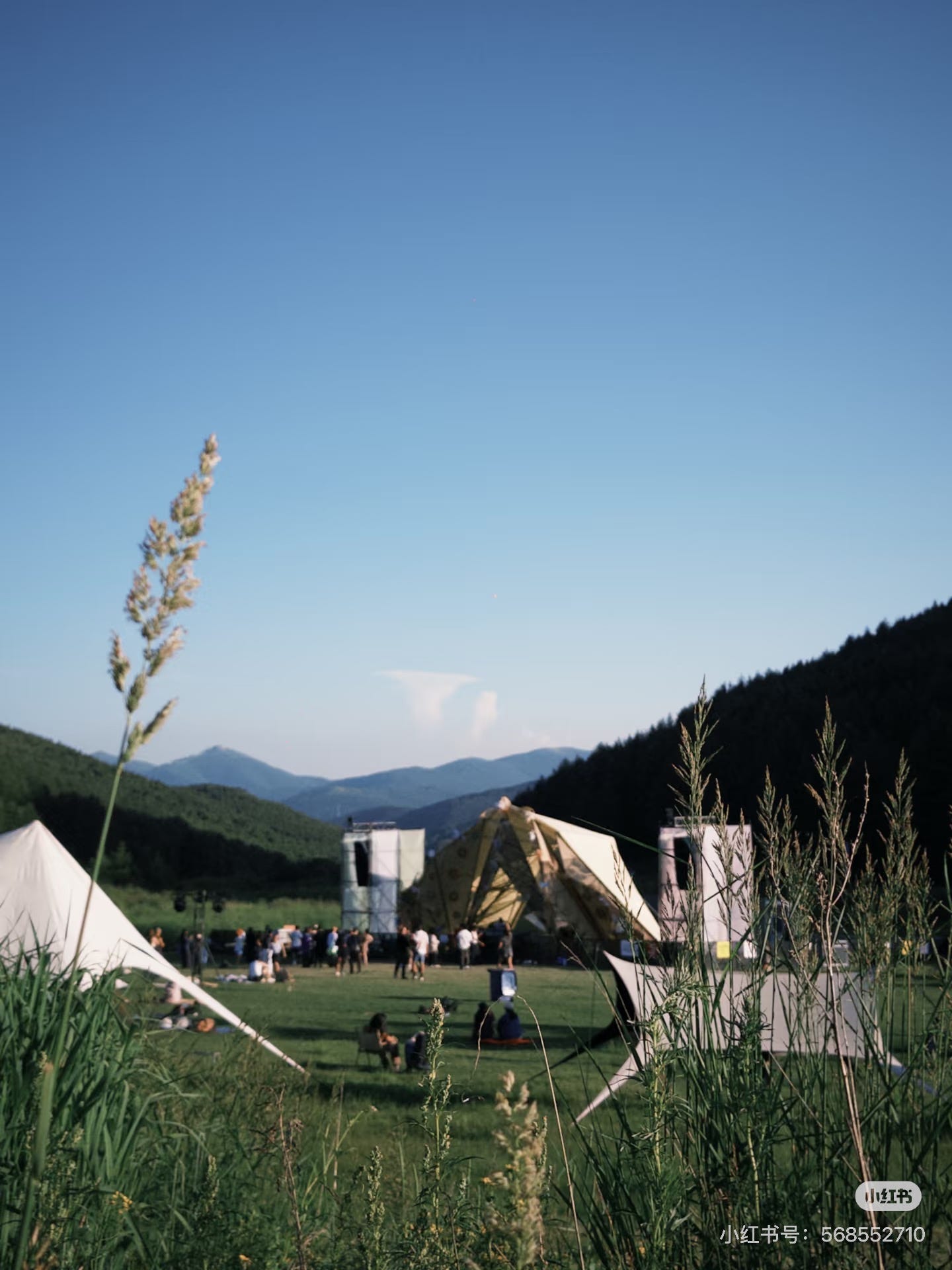
游山Youshan was not the only rural, outdoor music festival this past weekend in China. Among others, there was also the 318 Life Festival held in the Garze Tibetan autonomous prefecture of Sichuan province. A nod to the infamous 318 national highway route, the festival was much more than just music, bringing together cultural experiences, art installations, talks and more.
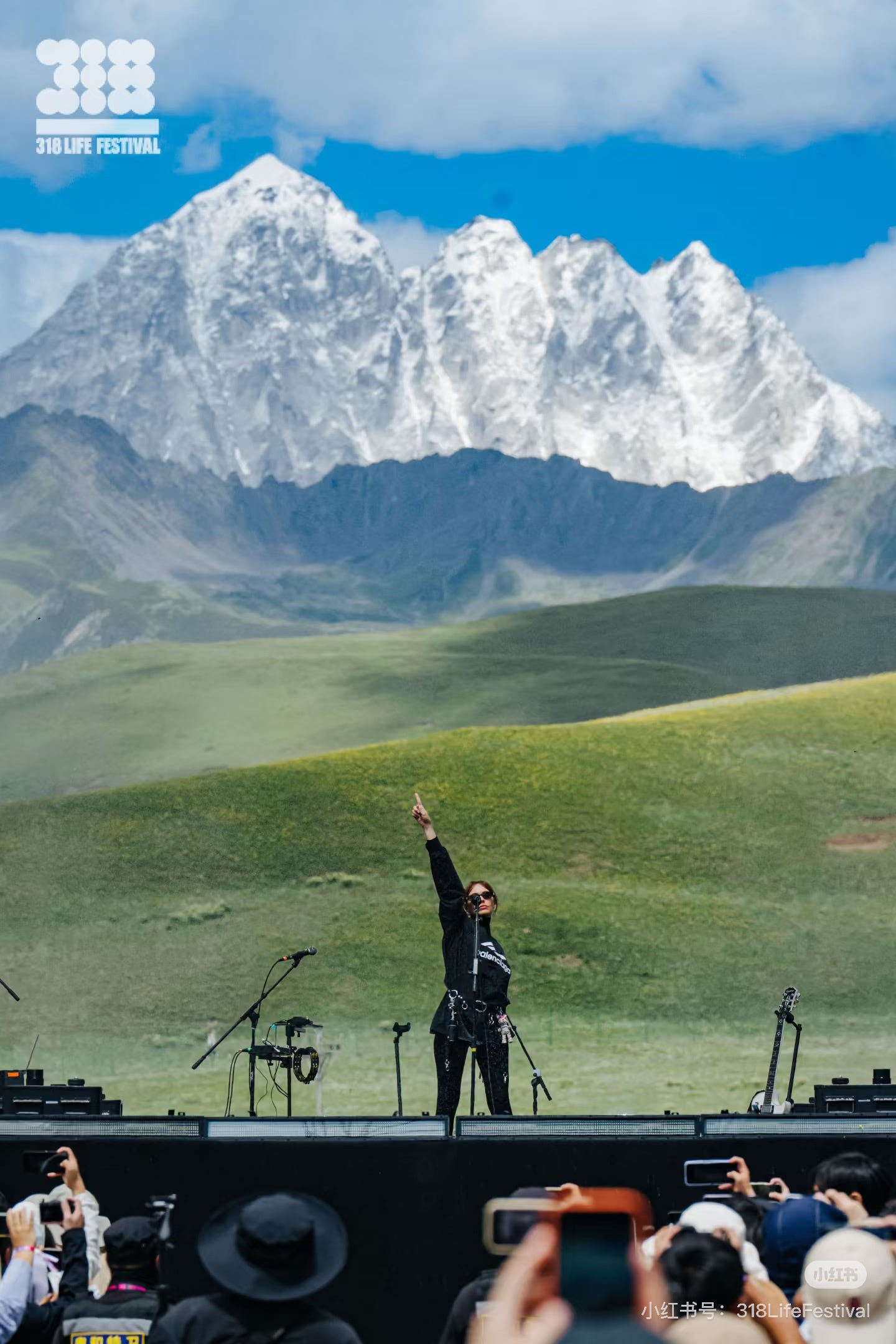
Integrated events like this have a lot of room to grow in China, and are heavily encouraged by governments and, by extension, amplified by digital platforms. China wants to increase spending in the services sector; these types of events are a great way to do just that while at the same time serving consumers’ growing appetite for unique, culturally infused experiences.
Pop-up Fatigue
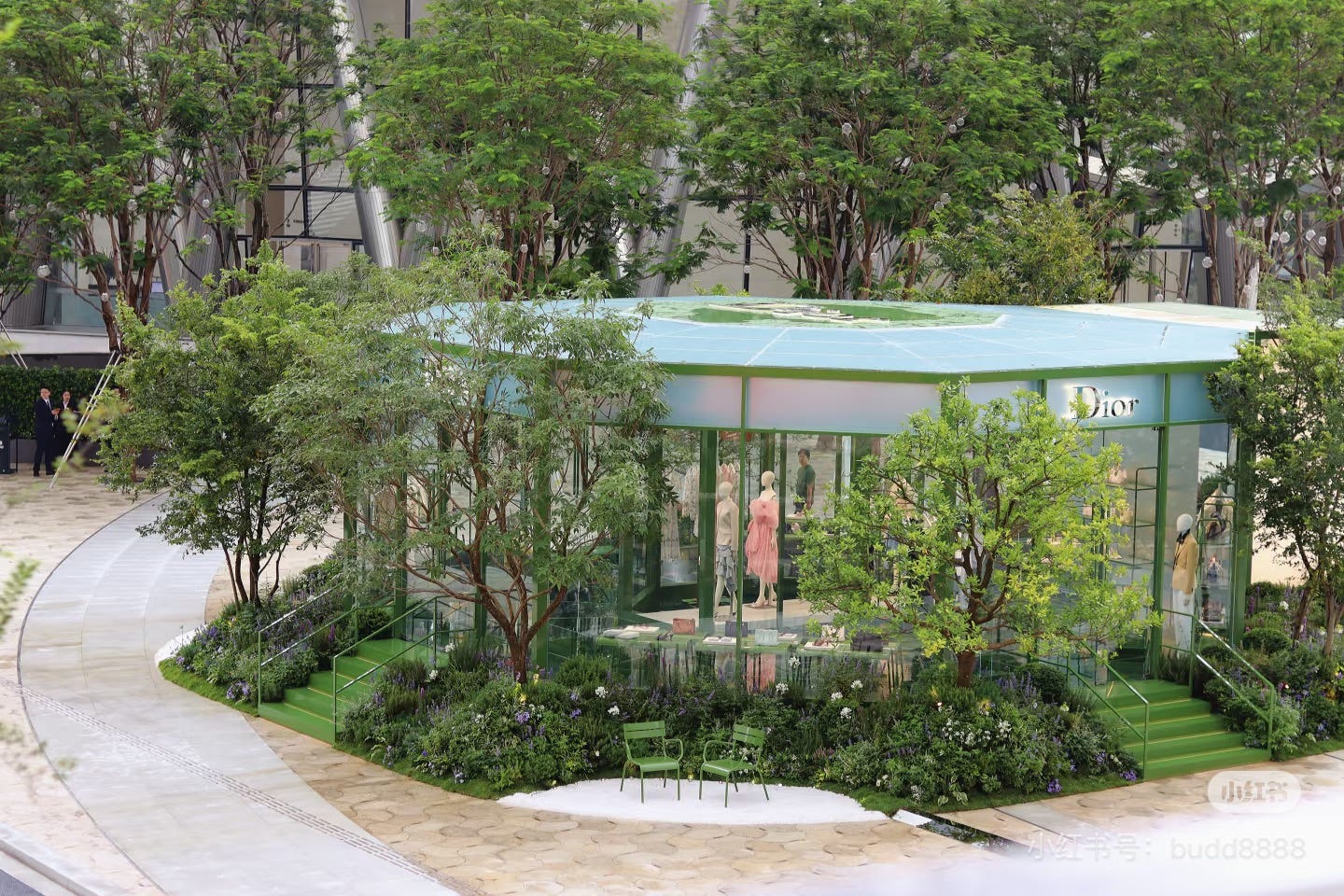
While on the way to and from Chongli I transited in Beijing. On my way back to Shanghai I had a few hours to kill so I went to check out one of Beijing’s most famous shopping destinations, Sanlitun Taikoo Li.
This pop-up from Dior looks pretty in press photos and to be fair, it does look lovely IRL, but I passed it several times over the course of a few hours and never spotted anyone inside nor anyone taking photos in front of it.
Same story with a Jo Malone pop-up right behind it. Virtually empty. Again, I ask, what’s the purpose, and more importantly, the long-term impact of 99.9% of pop-ups these days?
Nike ACG store is pretty cool
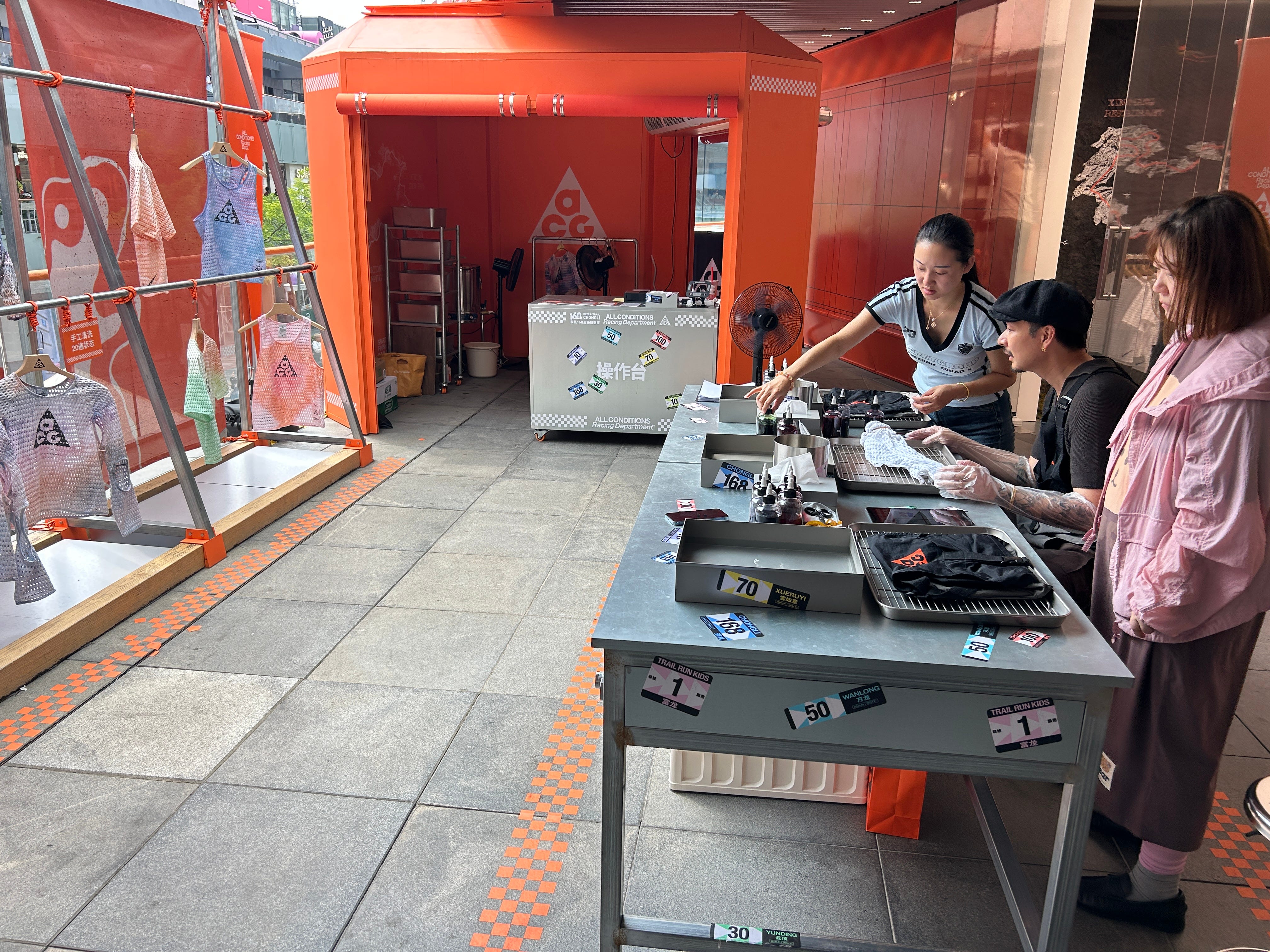
I was particularly excited to check out Nike’s ACG store. This store is quite special as it is the first dedicated ACG location globally, and they chose China specifically. Personally, I think they’ve done a great job. While there’s nothing original or particularly innovative, it does provide an interactive retail experience where you can customize gear and browse China-specific merchandise. They’ve also featured heavily (newly signed) Chinese trail runner Yao Miao, who has been racking up wins across the globe recently.
When you can’t pick a lane, you go for all of it
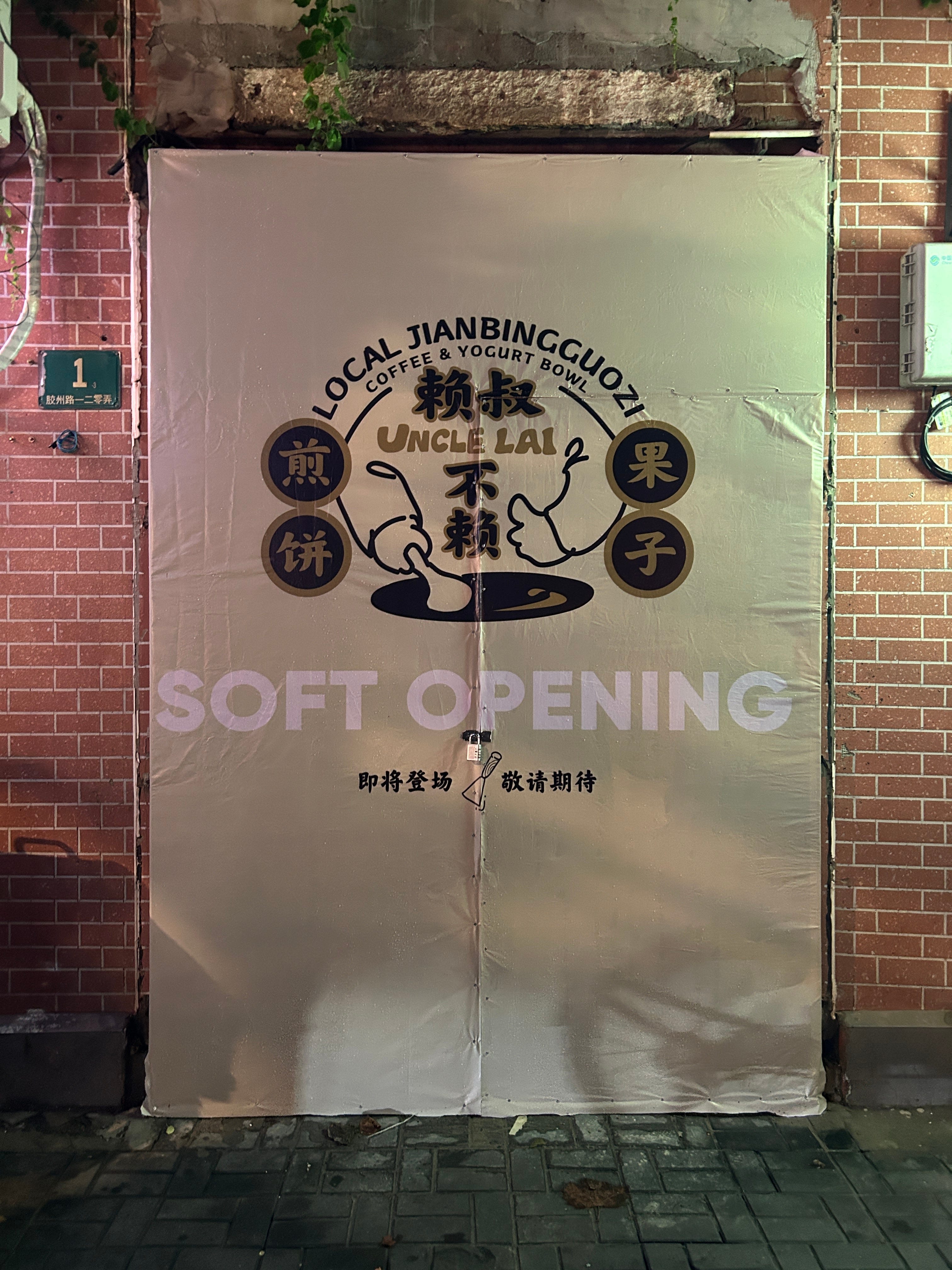
I’ve been waiting to see what this location down the street from me will be and I finally got an answer on Sunday night when I returned… Ta-da! It’s an everything place! They’ve got your jianbing (obviously a classic), they’ve got coffee (Shanghai only has about 10,000 coffee shops so we definitely need more), and they’ve got yogurt bowls (because we’re all about that gut health now). Honestly, very excited to see how this develops and can’t wait to keep you informed.
🎵 Thanks for reading!
We help global brands localize for China — from understanding how you’re perceived on Chinese social media to managing platforms, influencer collaborations, paid media, and crafting campaigns that create lasting impact. If China feels complex, let’s unpack it together. olivia@waisocial.com or simply respond to this email.
No posts
Comments
Nothing yet. Say the first thing.
Sign in to join the conversation.