
Hello! I’m starting a new newsletter series.
First, I considered starting a separate Substack for this, but then I thought about how annoying it would be to ask you to subscribe to yet another Substack and decided that for now, this will live as a series under who what wai.
Why Overcapacity?
I (have the privilege to) choose to live in China and write about it. As a foreigner, I am at best an observer. And the lens I see through is under constant recalibration by the information I consume.
From Western to Chinese, from The Economist to independent Substack writers, I do my best to engage with a range of sources. I track everything in a Notion database, making note of which topics are covered, why I found a piece interesting, and what impact it had on me.
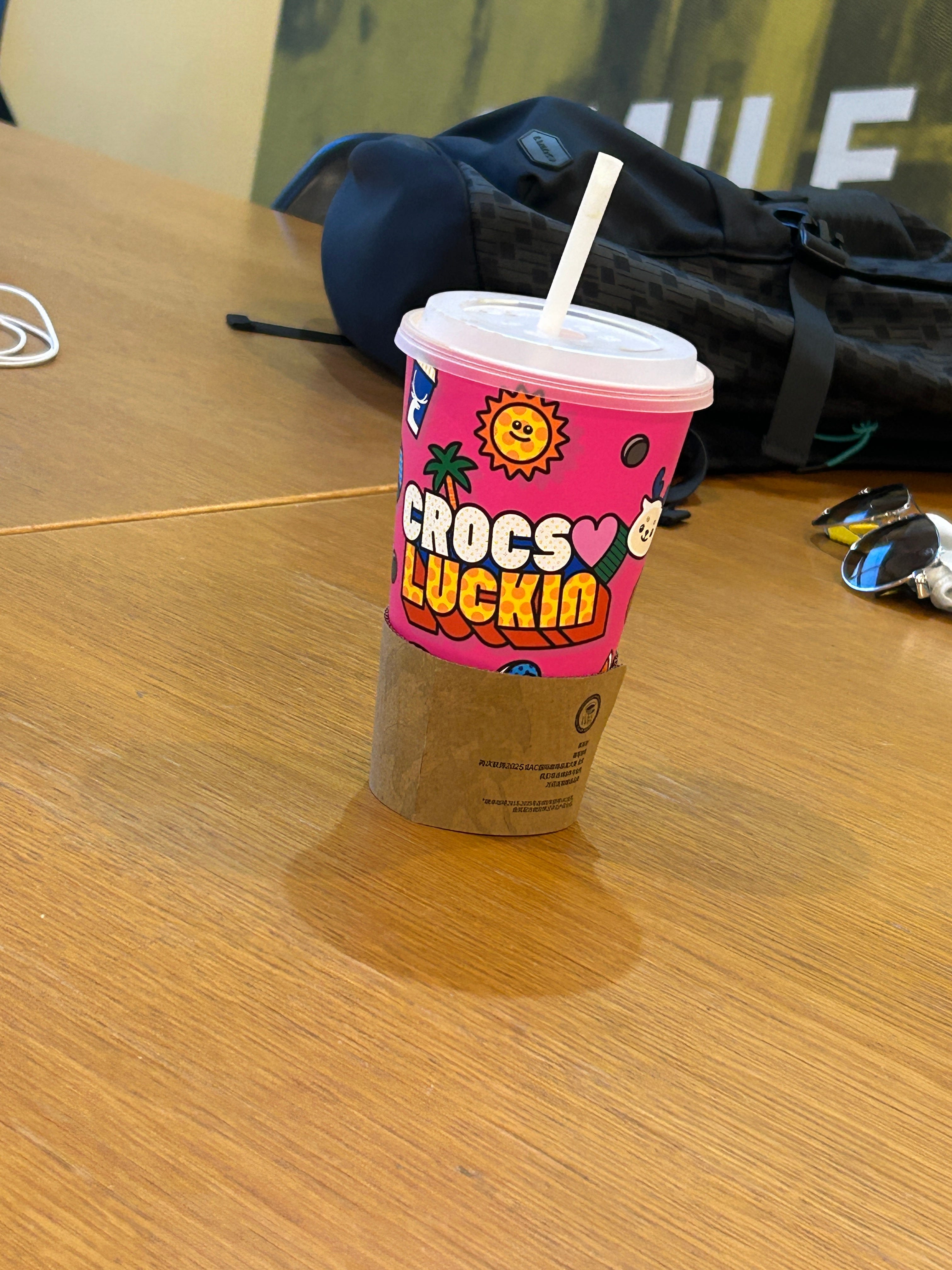
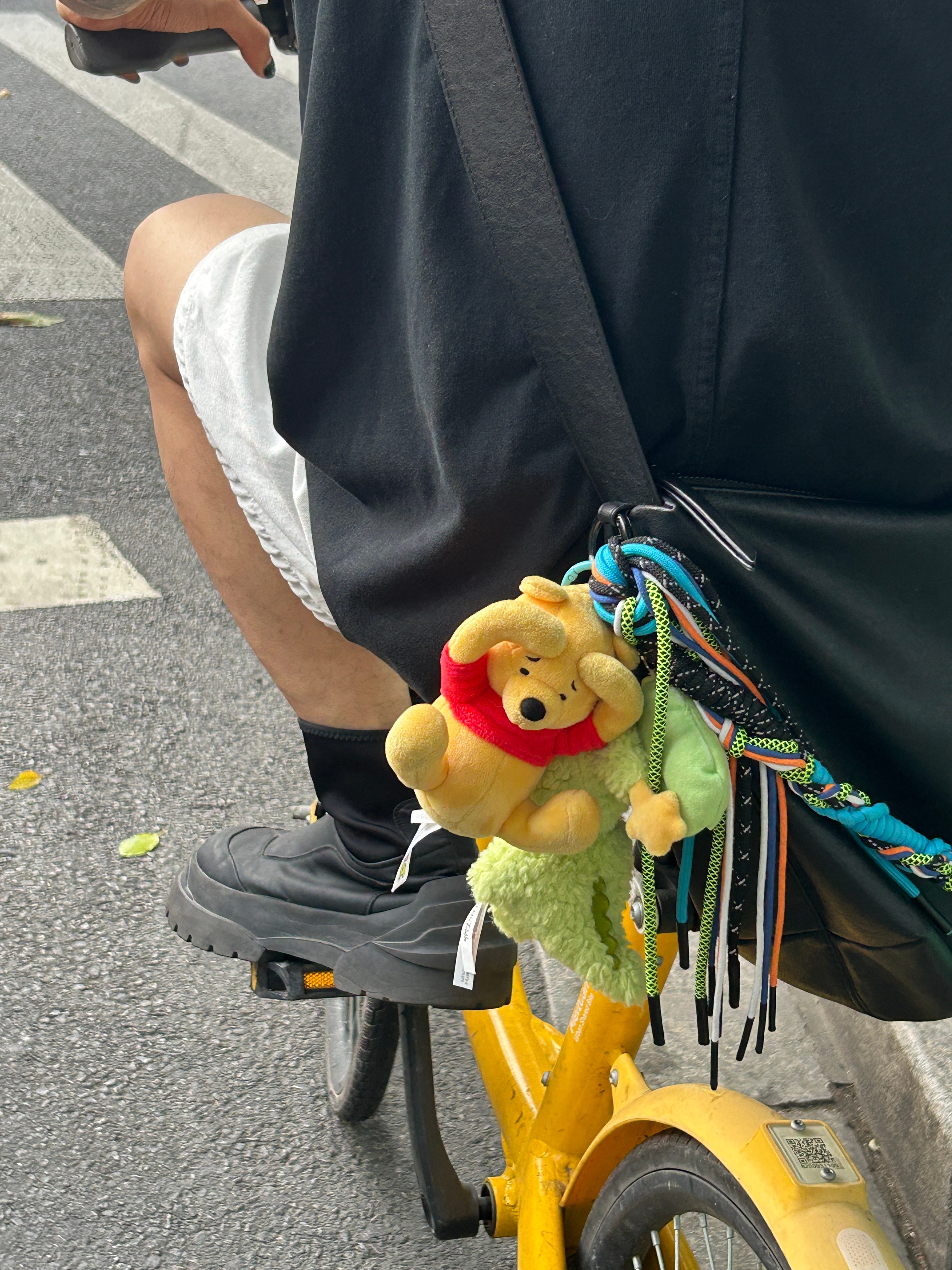
My information also comes from the experiences I have every day living in China. I scan the ground to see what brand of shoes people are wearing. I look over shoulders on the metro to catch a glimpse of what people are watching on their phones. I clock bag charms clipped to designer purses.
I am overflowing with information. Some of that information makes its way into (if I’m being honest; half-baked, could-be-better) longer opinion pieces on here. But much of it is living rent-free inside my mind (and Notion).
Essentially what I’m saying is, I am at overcapacity, and I’m trying to find some place to put my excess information.
(As such, I assume I don’t need to spell out why Overcapacity is a cheeky name for this series.)
In all seriousness, I want this series to be sustainable (minimum effort, but still provide value), so you won’t find in-depth analysis here. But I hope it’s a quick and easy way for you to get on-the-ground insights, and maybe you’ll discover new writers, publications, and podcasts that you fall in love with. Consider it my training data. Use it to understand my outputs, or better yet, fine-tune your own.
Each week I will share snippets from my information diet, including but maybe not limited to:
🤔 What got me thinking
Articles, podcasts, books. What I found interesting, agreed with, or disagreed with. Some of it may not be about China directly, but it helps to form the scaffolding of my thinking, which inevitably shapes my approach to China.
☕️People and places
Where I went, conversations I had. Retail spots, coffee shops, the people I saw and spoke to along the way.
📸 Scenes from the street
A photo diary of everything from fashion to construction sites. Maybe a quirky-looking cat every so often.
So without further delay, here’s
*Full disclosure (in case you care): I will use AI to help me summarize the contents of an article/podcast/video etc. I’ll write my takeaway below the summary with a 🧠 brain emoji next to it.
🎧 Listen
Baiguan Radio #39
Shameless self-promo. I’ve teamed up with Robert Wu to bring back Baiguan Radio. I couldn’t be more humbled, honored, and genuinely excited to be partnering with Robert on this. We’re covering the latest on China economy, consumer trends, tech, policy, and more. Listen on Substack or Spotify.
Most people and companies aren’t tool-builders
Another Podcast
AI lowers the technical bar for building tools, but most people and companies still won’t build their own — they don’t think in systems, and building isn’t their job.
🧠 To balance out the dramatic doom and gloom narrative that mass AI job loss is coming.
🗞️ Read
Prove You’re Human
Chinese illustrators are locked in an escalating fight to prove they’re human, not AI — live-streaming themselves drawing in real time, becoming subjects of community “witch hunts.” This has forced the question of ‘how do you prove you’re human in a system that trained people to be more like machines?’
🧠 Zilan does a fantastic job in this piece explaining the complicated nature of identifying, labeling, and accepting AI-generated content through the lens of China’s education and governance system. But this argument in particular has haunted me all week:
Even those who try to “preserve human distinctiveness” by discriminating against what they perceive as “AI creation” have already let AI define them, as they are no longer creating as themselves but the opposite of a machine.
We’re now trying to write less like humans to prove we’re not the machine that was trained on humans, and as a result are ourselves becoming less human. There’s a mind f*ck for you.
Chinese asset manager buys Swiss Sportswear firm (Mammut)
China Daily
Chinese alternative asset manager CPE has agreed to acquire Swiss outdoor brand Mammut Sports Group from Jacobs Capital, which more than doubled Mammut’s operating margins and grew revenue at a double-digit CAGR over a three-year turnaround. CPE plans to push Mammut further into Asia and North America, adding it to a portfolio that already includes Mixue, Laopu Gold, Pop Mart and Burger King China.
🧠 Chinese firms are increasingly taking ownership or large stakes in Western consumer brands. It remains to be seen how this will impact talent, culture and product of some of the world’s best-known brands.
Why Silicon Valley is divided over China’s powerful, cheap AI models
Rest of World
Silicon Valley startups asked the Trump administration not to restrict Chinese open-weight models, while Anthropic has warned China could use them for “military superiority or to repress its people.” Instead of a ban, some propose post-training the models to strip censorship and labeling AI products built on Chinese models, similar to movie ratings.
🧠 This argument has been playing out all over global discourse, but what I found here that was interesting was the labeling analogy:
“Instead of a blanket ban on open models, the global community should develop systems to evaluate their safety risks and regulate model releases. “What comes to my mind is movie classification,” Abbass told Rest of World. “Every time a movie gets released, every country has its own classification for appropriate use.”
Xiaohongshu Beauty Trends 2026
Double V Consulting
Latest beauty report reframes trends around an emotion/aesthetics/efficacy triangle instead of efficacy alone. The brief shift: stop teaching users how to be beautiful, start helping them solve a moment.
🧠 We’ve been hearing about “efficacy” for too long. When I think about how behavior is changing — especially with the use of AI when it comes to search — what consumers want isn’t just about efficacy anymore. This report does a great job of digging deeper.
The art and science of watching birds
A birdwatching essay about spotting small, common birds in Singapore that turns into a meditation on luck, patience and interpretation — the same bird can be “nothing special” to one observer and a quiet thrill to another because the worth is a fact about the observer, not the observed. Opportunity elsewhere works the same way — patience, showing up often, and being visible to the right people at the right moment.
🧠 Honestly, just a beautifully written reminder about something that sounds so mundane but turns out is a real art.
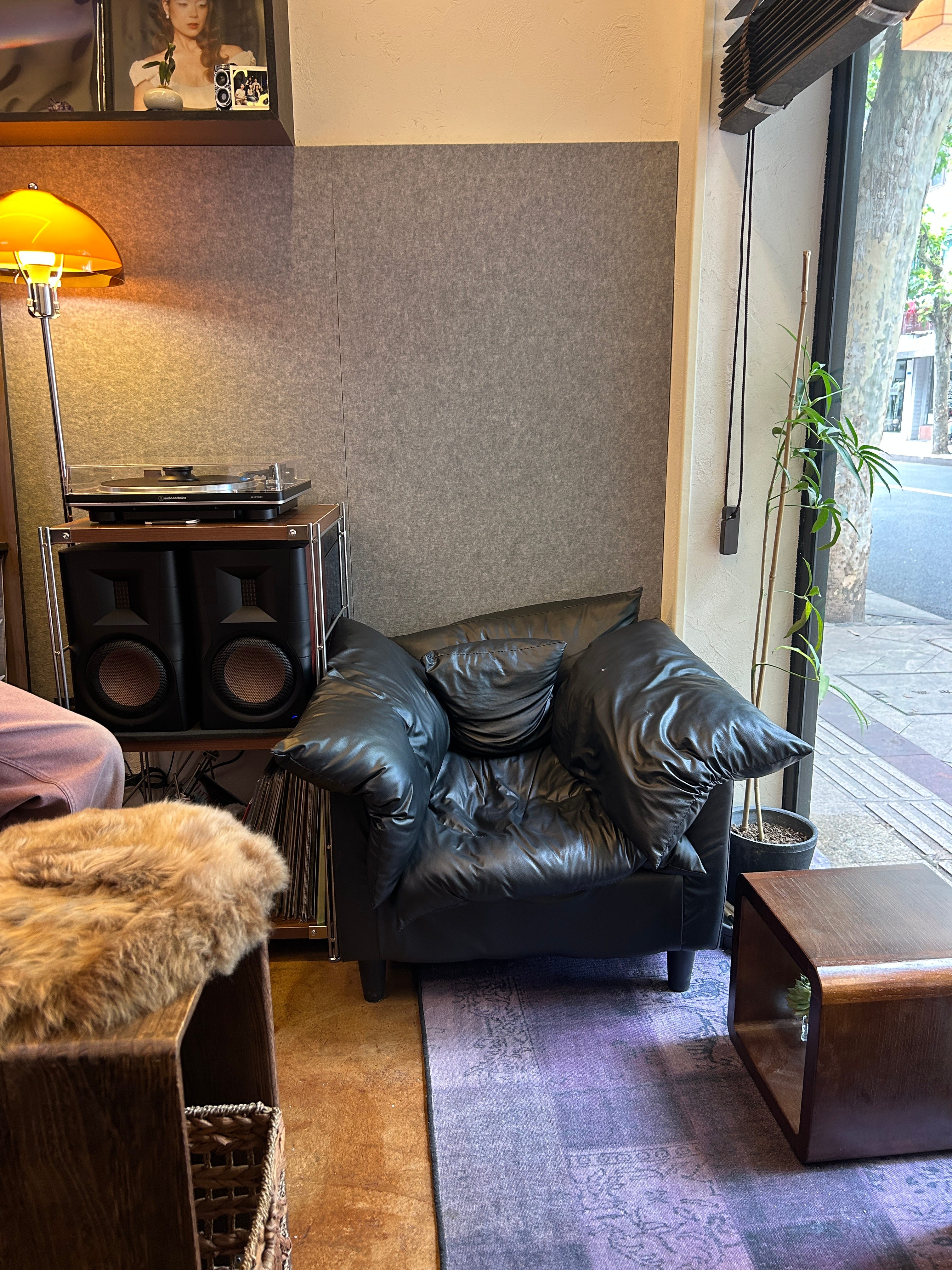
This coffee shop on Julu Lu is quite unassuming from the outside, and you might almost pass it by. The owner is a guy in his mid-20s from Inner Mongolia. He has long curly hair and a deep laugh fills up the space with warmth. He told me he wanted to open a coffee shop that felt like having his friends over in his living room. I asked him what his dream job would be, and he told me costume design. When I asked him if he liked Shanghai, he said no. It’s too much pressure. Life is too fast. “In Inner Mongolia, I can look out and see forever. In Shanghai, I cannot see far.”
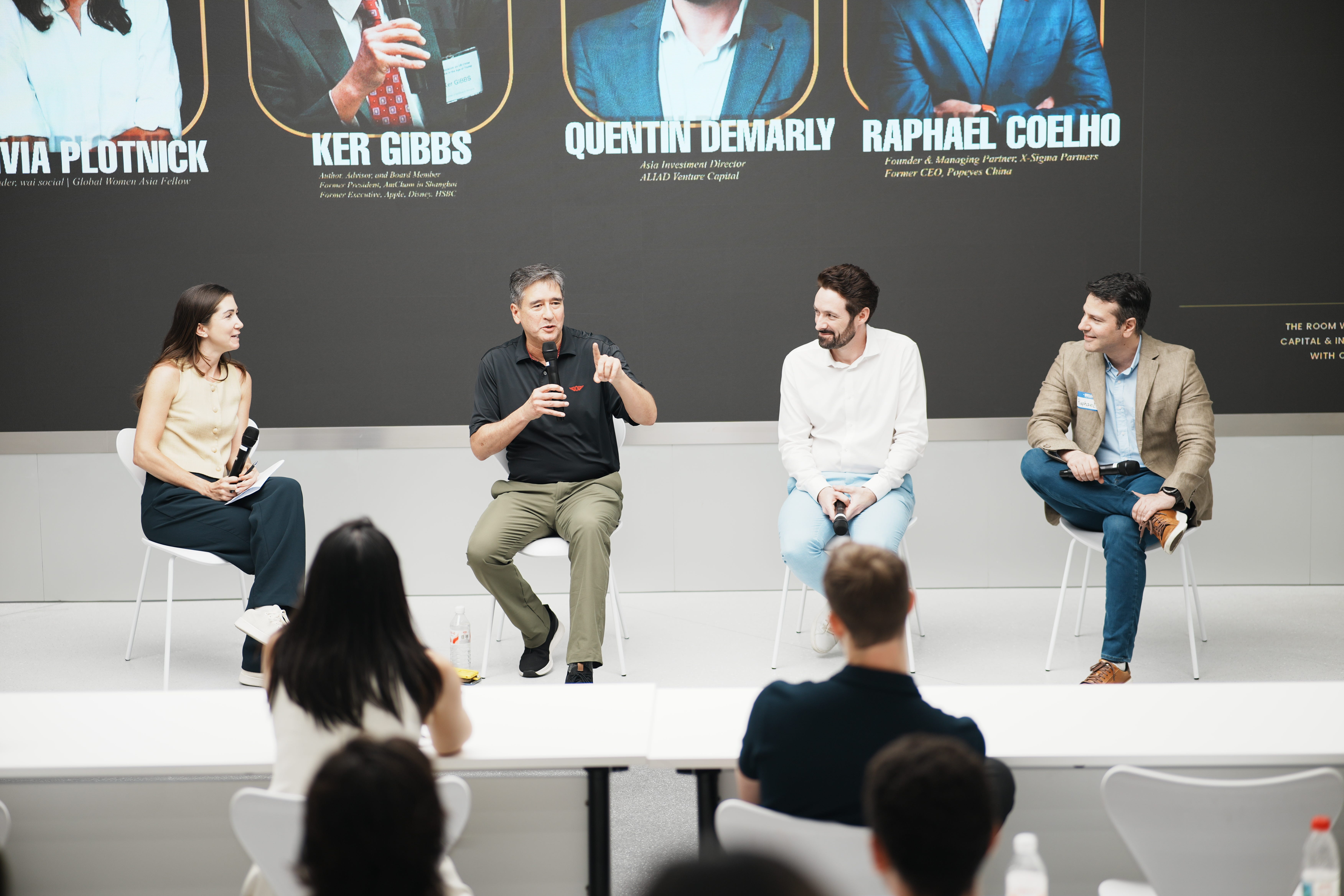
I had the pleasure of moderating a panel with three fantastic guests who shared true on-the-ground experience of building out businesses across China spanning the past 20+ years.
China has changed dramatically, but there are still pockets of opportunity.
In premium sectors; identifying and sticking to your exact audience will be life or death.
In deep tech, ecosystems are being built outside of the largest cities, the need to be on the ground has never been greater.


As always, thanks for reading! Did you enjoy this series or did it feel like a waste of space in your inbox? Either way, I’d love to know what you found valuable or not.
✌🏼 Until next time!
No posts
Comments
Nothing yet. Say the first thing.
Sign in to join the conversation.