
It seems eons ago that I headed into Dublin to the National Gallery of Ireland to see this show in May. I knew I wouldn’t be able to any other time before it closed in July. Needless to say I was really looking forward to seeing Blake’s work in person.
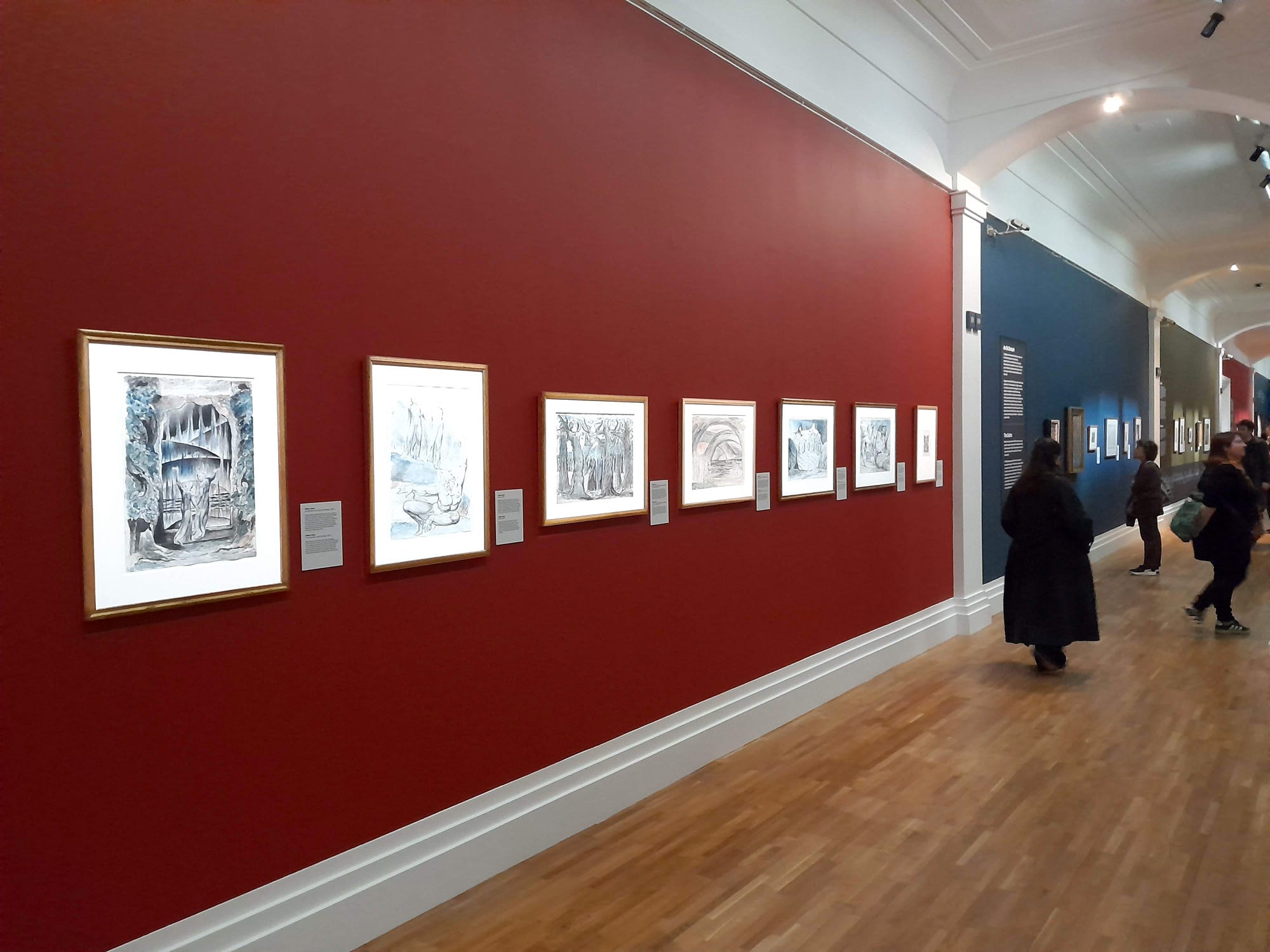
There were several rooms dedicated to the exhibition, which also included some of Blake’s contemporaries, artists whom he admired, and admirers of his work.
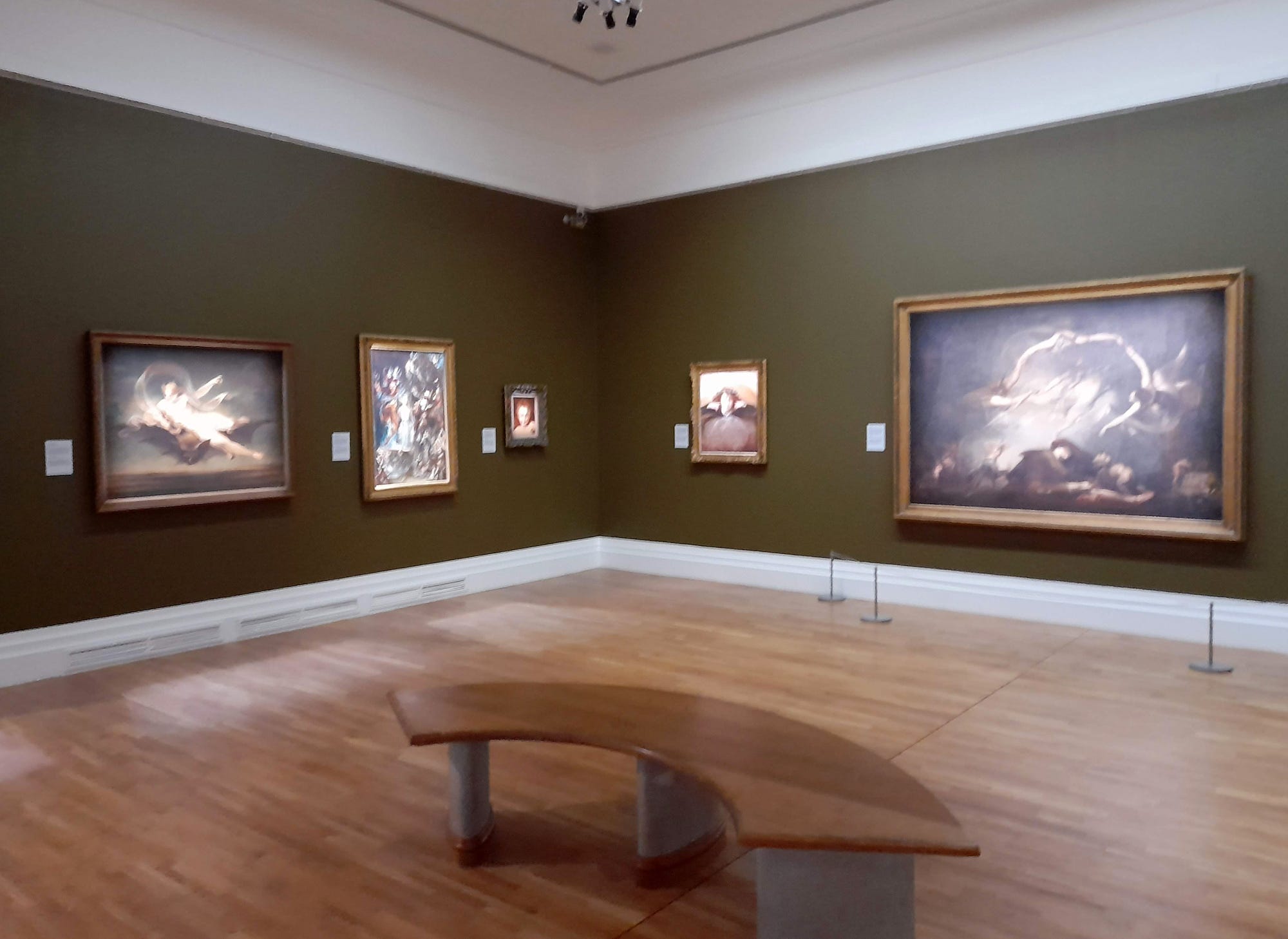
Despite having read John Higgs’s William Blake vs the World (2022), my tendency is to consider Blake as an isolated genius artist! The great thing about the exhibition was to put his work in the context of other artists that he would have been well aware of.
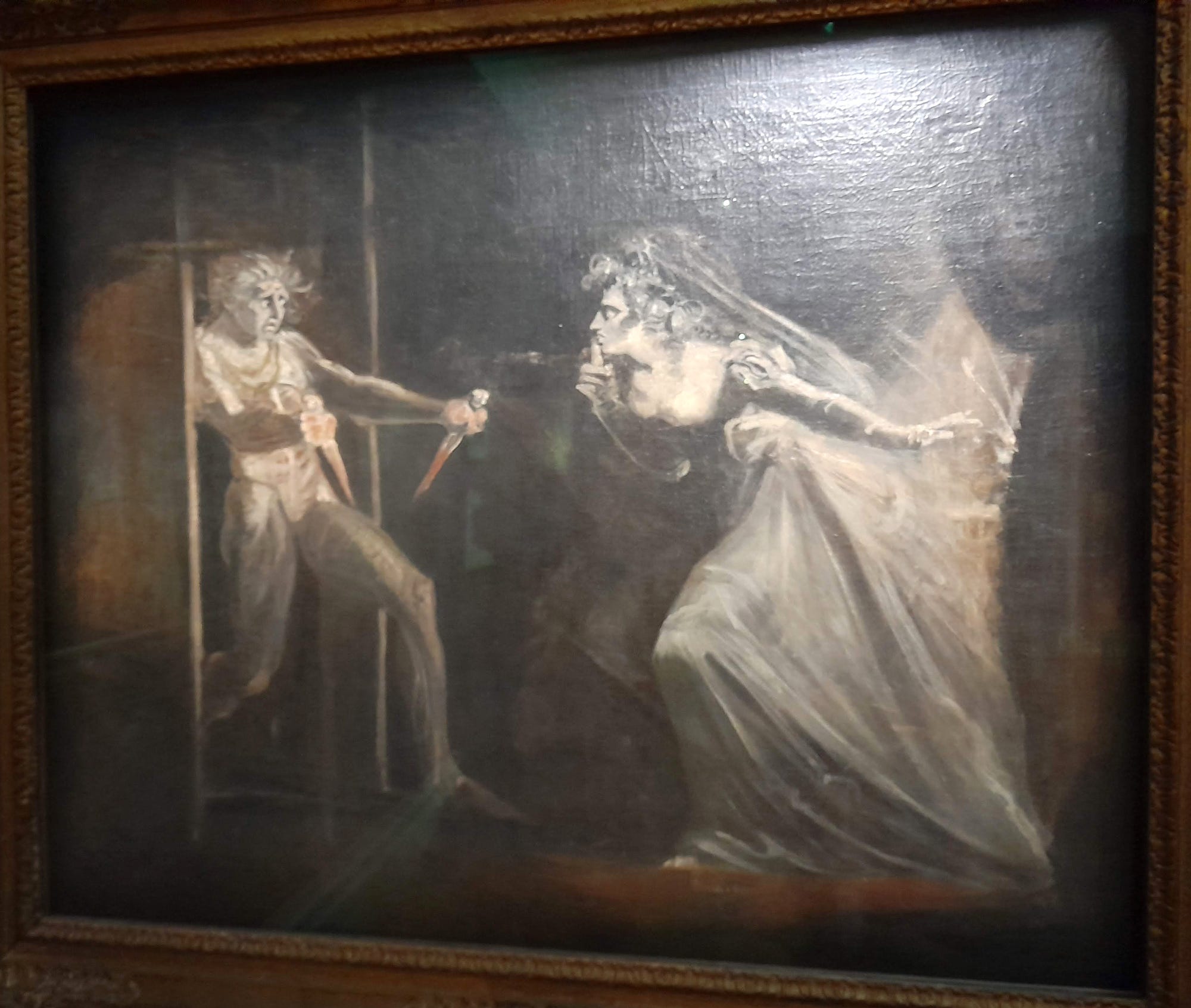
Henry Fuseli, Lady Macbeth Seizing the Daggers, undated but first exhibited 1812
I particularly liked seeing several paintings by Henry Fuseli, who Blake knew personally and whose work he admired.
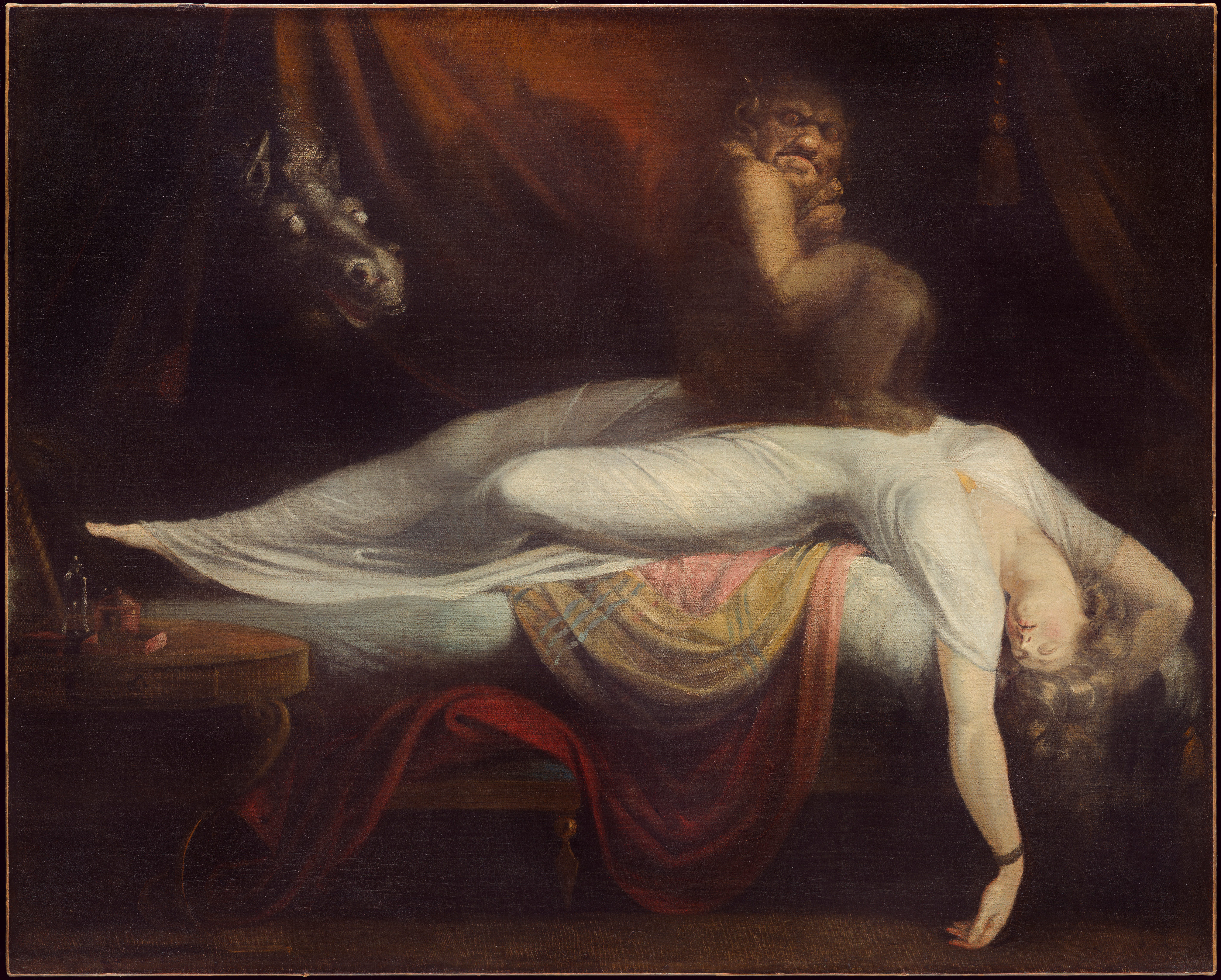
Henry Fuseli, The Nightmare, 1781
I have long been a fan of this painting (not in the exhibition), which was also used in the trailer and promo poster for Ken Russell’s 1986 film Gothic, so it was a welcome delight to see some of Fuseli’s less familiar (to me) works.
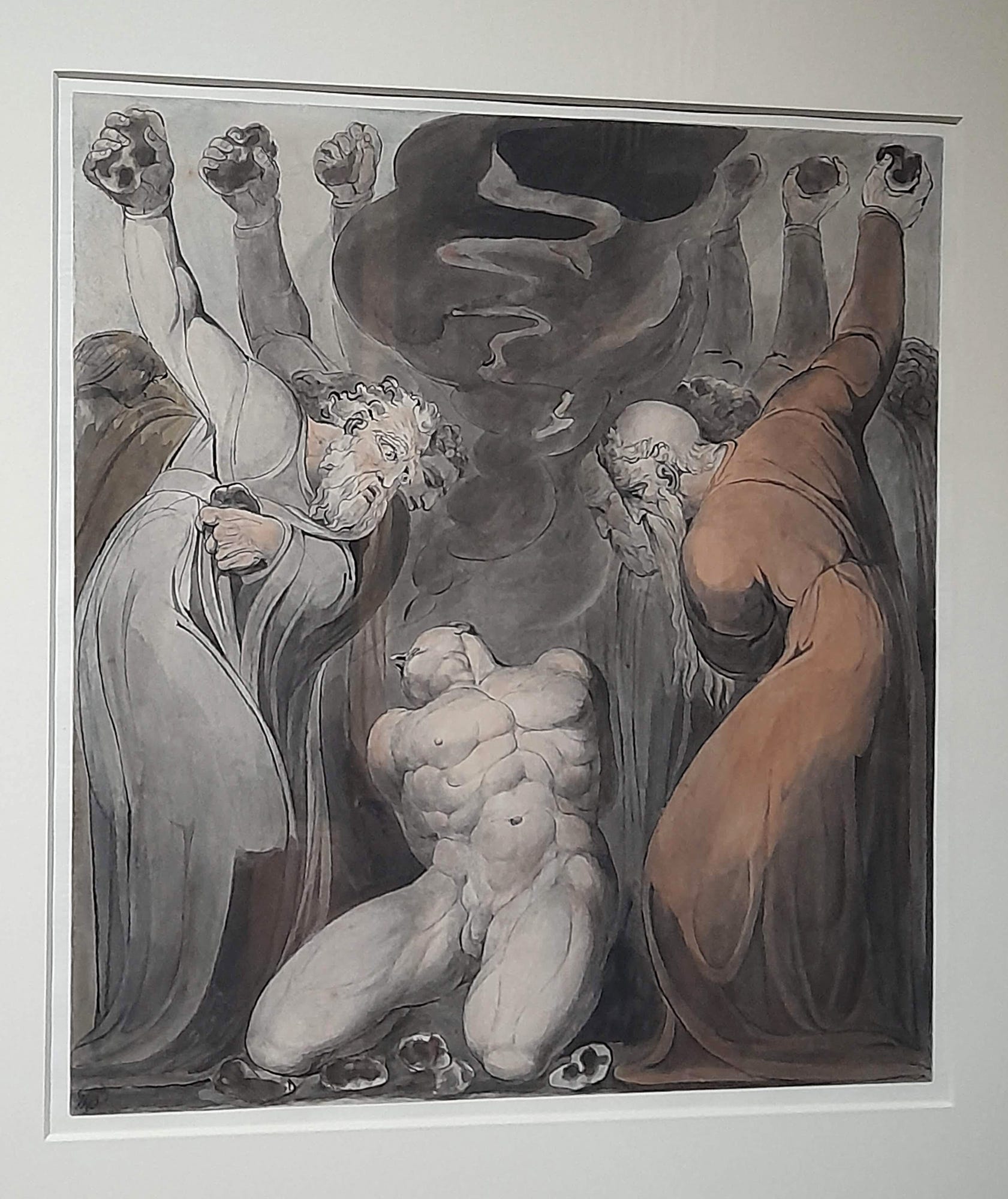
William Blake, The Blasphemer, c 1800
Blake’s style, of course, is unmistakable. Exagerrated and unmistakable anatomical forms and expressions leap from the page!
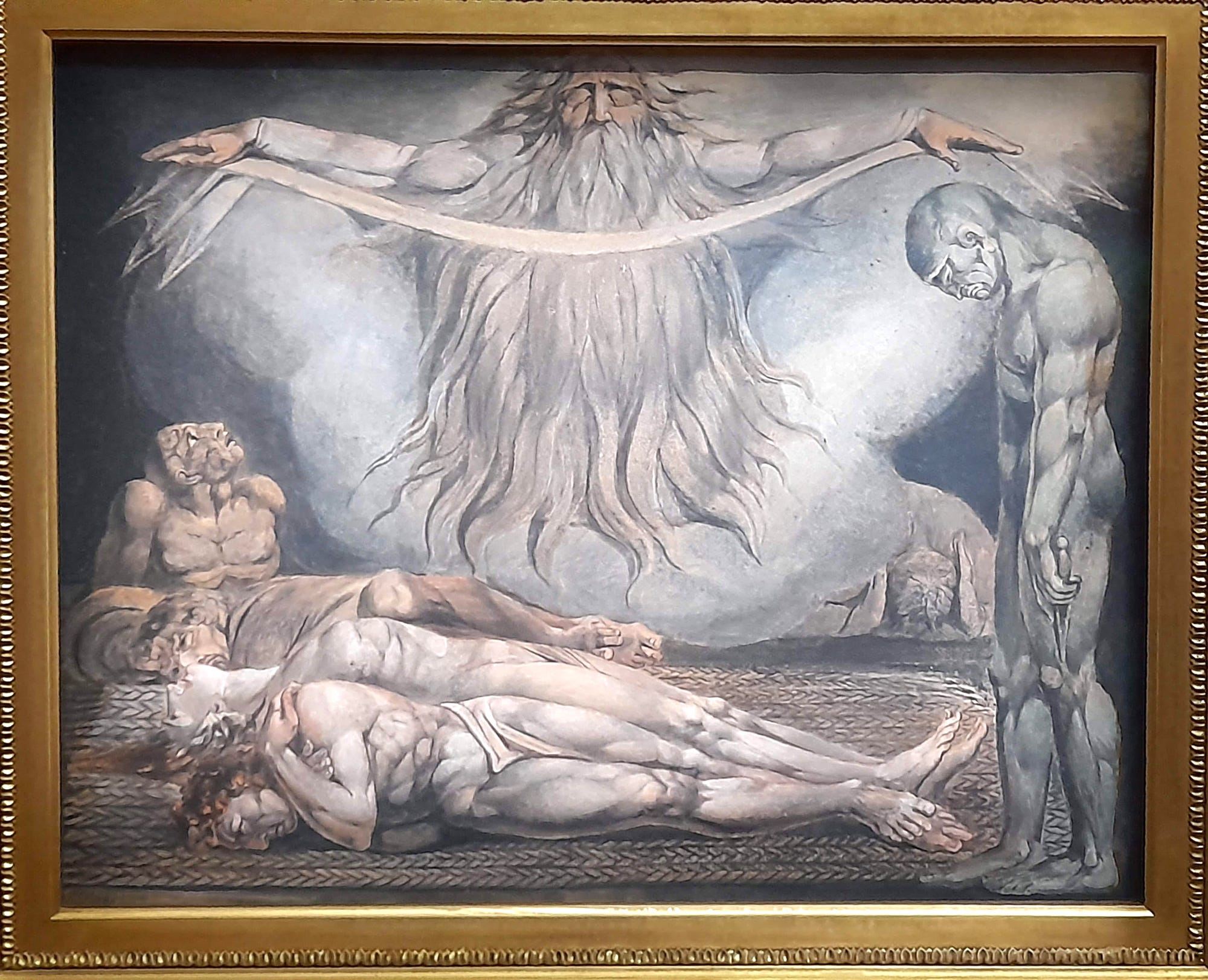
William Blake, The House of Death, c 1795-c1805
Blake was obviously interested in the supernatural, just as Fuseli was, but Blake was also a revolutionary calling for changes in the social system and in spirituality. Blake invented his own mysticism and stood by his personal vision as well as the personal visions of the spiritual world that were part of his life.
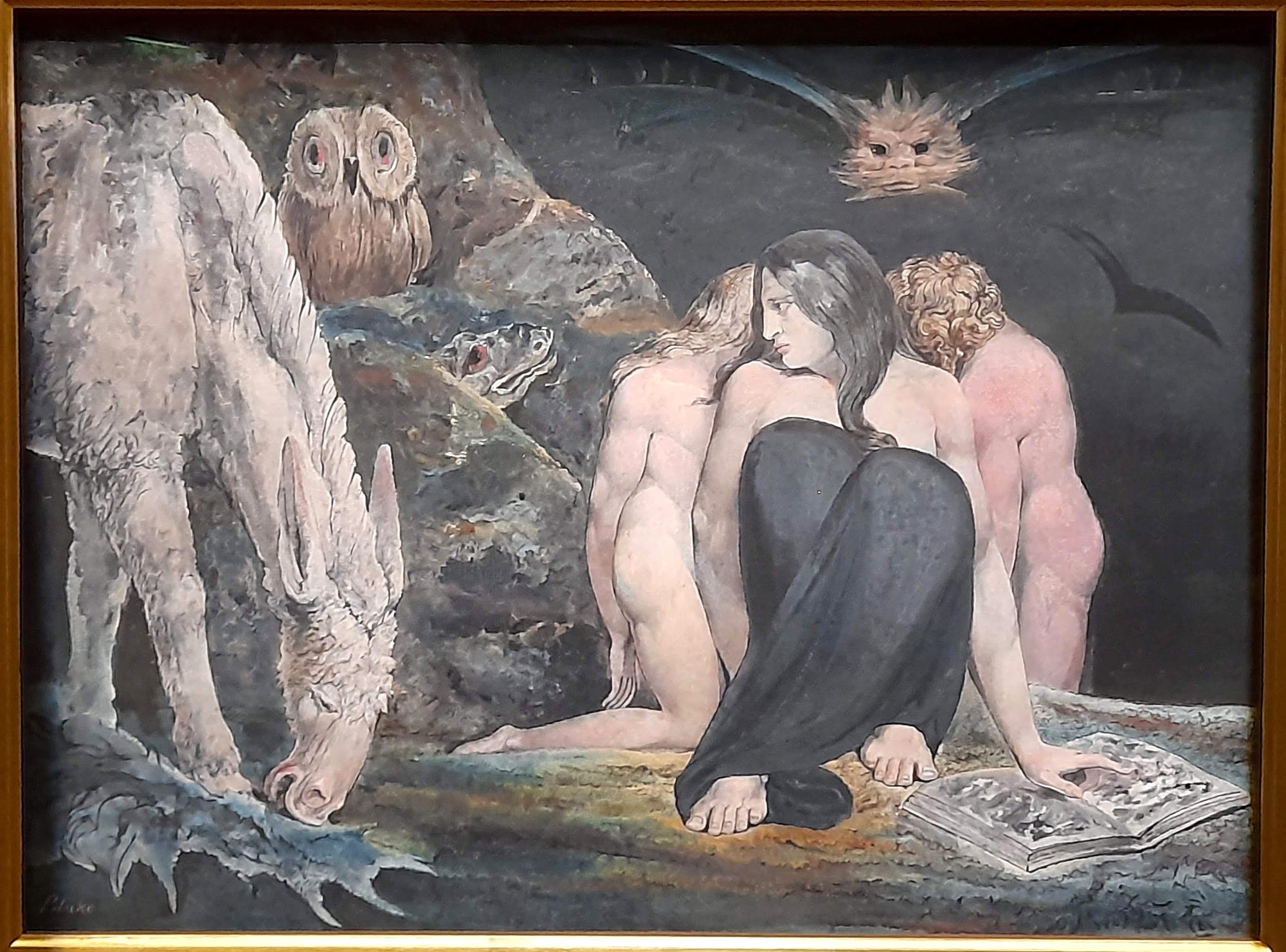
William Blake, The Night of Enitharmon’s Joy (formerly called “Hecate”), c 1795
In his work, Blake invented characters that represented different spiritual states. The former title of this work alludes to witchcraft.
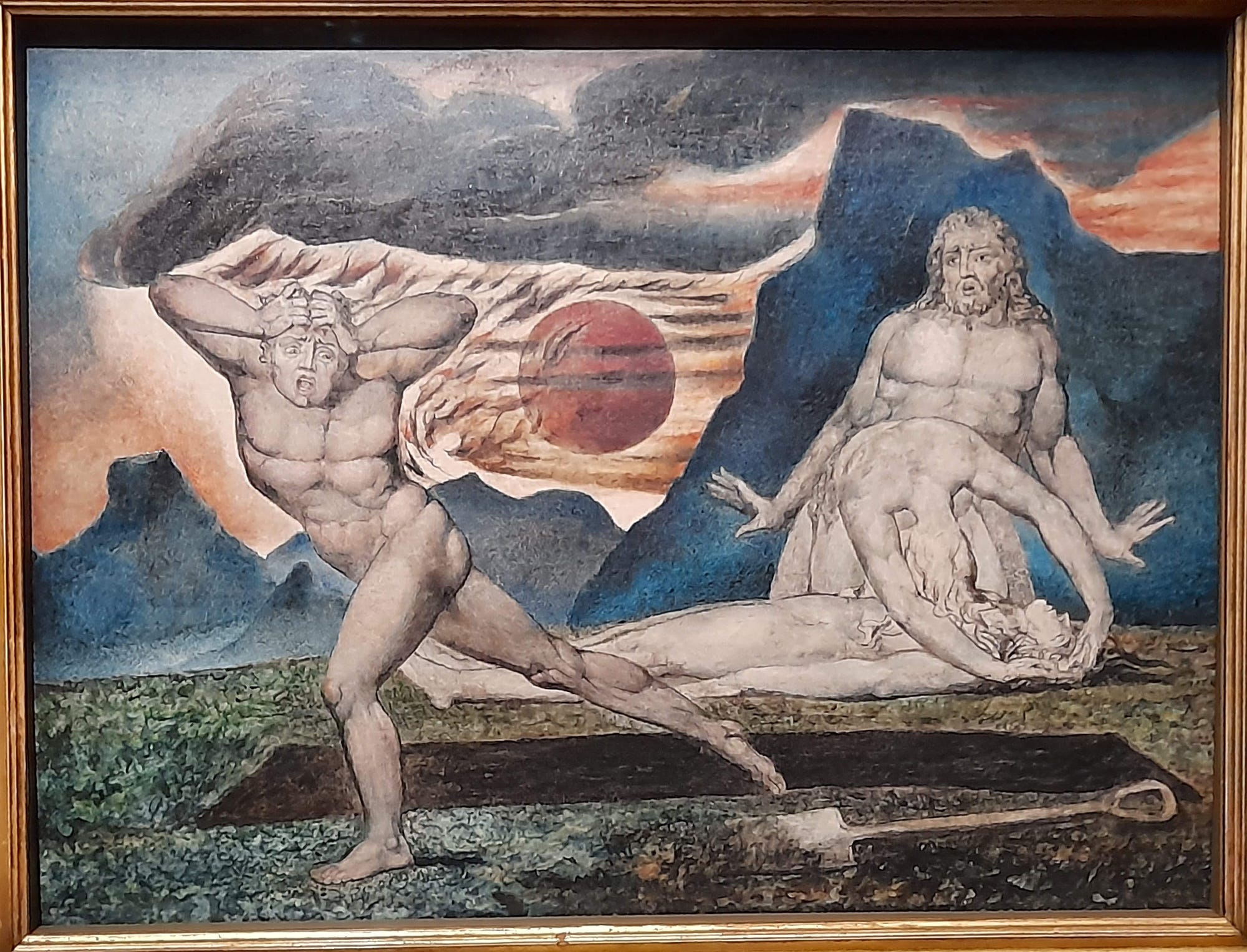
William Blake, The Body of Abel found by Adam and Eve, c 1826
William Blake also animated Biblical stories that would be familiar to his audience, yet they would be charged with his style.
This was a big exhibition, so I have divided my posts into three parts. Part 2 will continue next week.
Comments
Nothing yet. Say the first thing.
Sign in to join the conversation.