
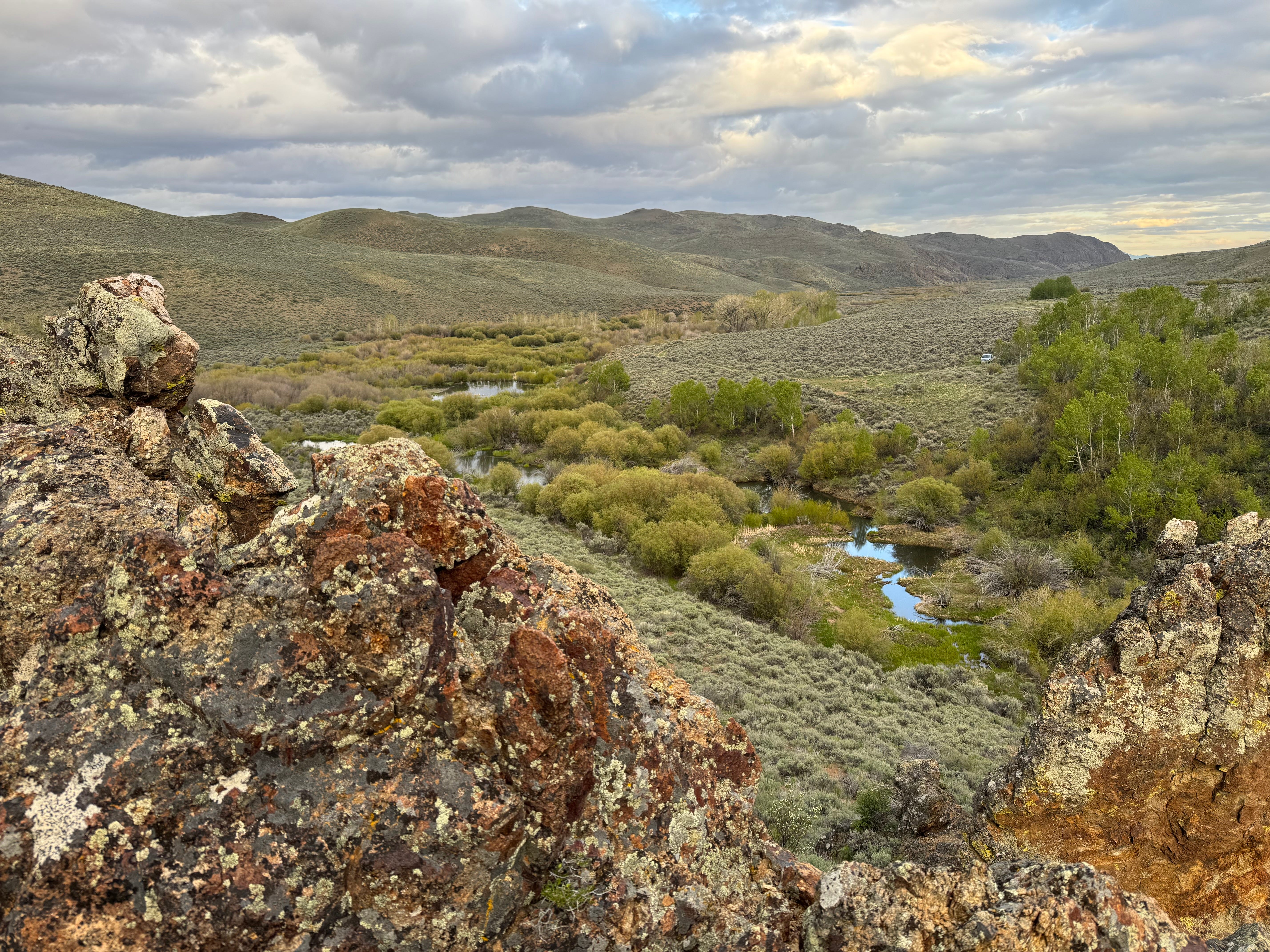
In 1991, the Bureau of Land Management (BLM) Elko District Office completed a land exchange that resulted in public acquisition of nearly 47,000 acres of private land within the Humboldt and Bruneau River watersheds in northern Nevada.
As part of the agreement, numerous livestock exclosures and riparian pastures were created on the new public lands, including roughly 25,000 acres along the Marys River and several tributaries. The largest of these areas, known as the Marys River Riparian Management Area (RMA), restricted cattle use along approximately 15 miles of the Marys River watershed downstream from the Humboldt-Toiyabe National Forest and Jarbidge Wilderness, and along an additional 12 miles of mainstem Marys River north of Interstate 80. While there has been occasional trespass livestock in the RMA, these areas have now been closed to authorized grazing for 35 years.
The result of livestock exclusion has been amazing. The aspen, willow, and cottonwood galleries regrowing along the expanding floodplain have allowed beavers to create lush wetlands and meadows that provide habitat for threatened Lahontan cutthroat trout, amphibians like Columbia spotted frog and northern leopard frog, small mammals like shrews, and diverse pollinators.
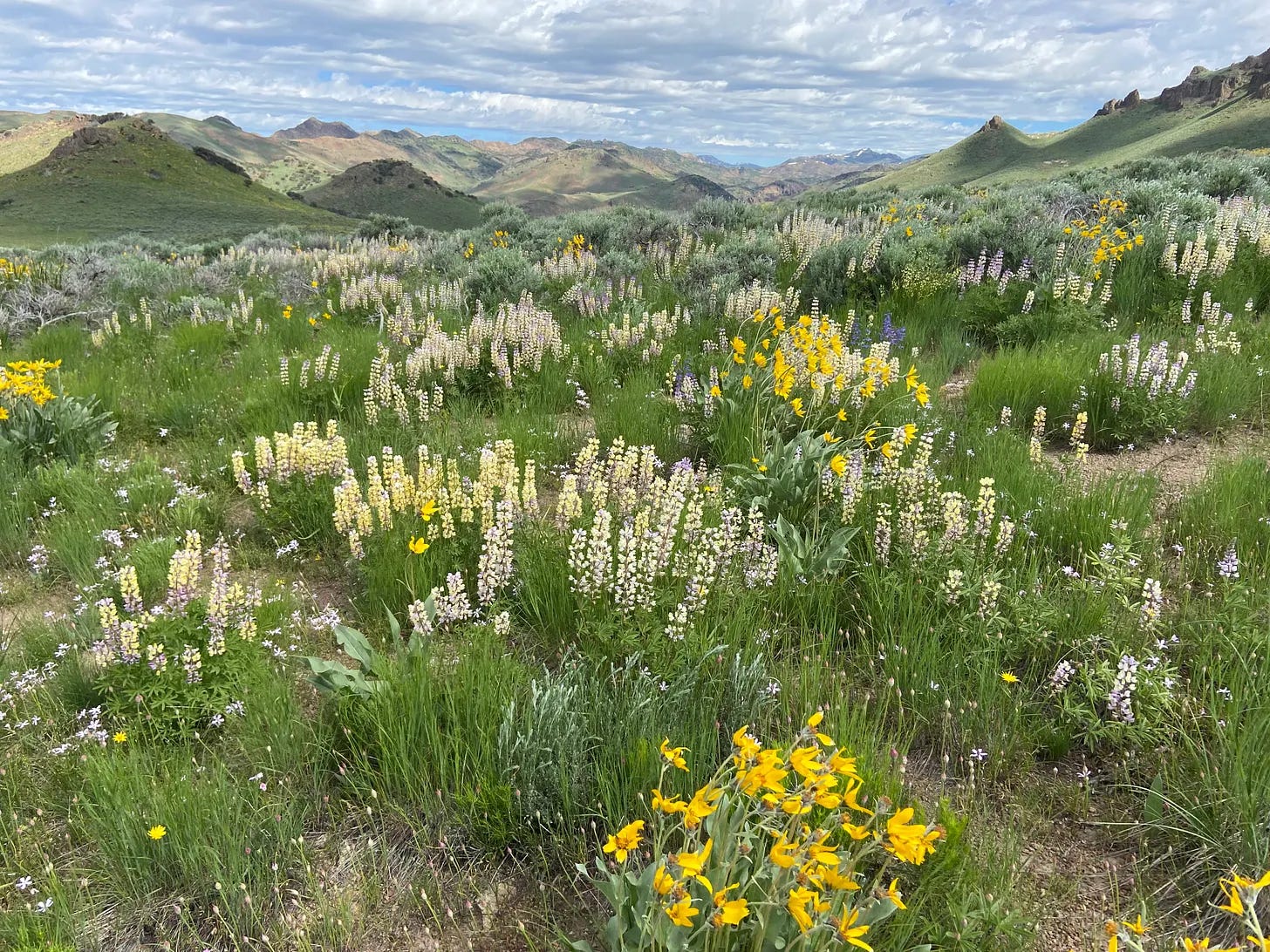
In 2025, Western Watersheds Project (WWP) Oregon Director, Adam Bronstein released a short film documenting this wildlife oasis in the high desert.
These river reaches are designated as an Important Bird Area for the many species of migratory birds that nest there, like warblers, flycatchers, Lewis’s woodpecker, and sandhill crane. River otter and native mussels are also found in the Marys River, and moose that have colonized northern Nevada in recent years find excellent habitat along the dense riparian corridors. Upland seeps and springs are important for sage-grouse, pronghorn, and mule deer.
These areas show us what is possible through passive restoration, even in arid Nevada.
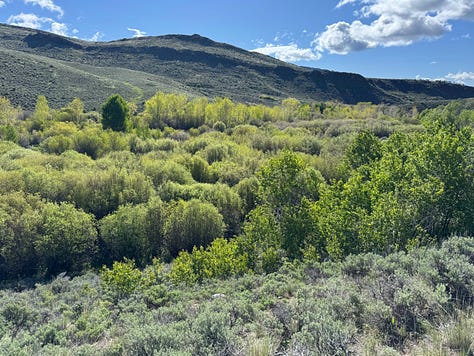
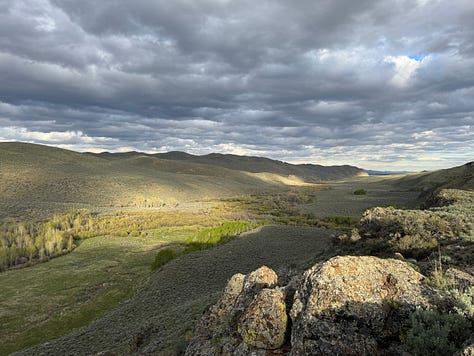
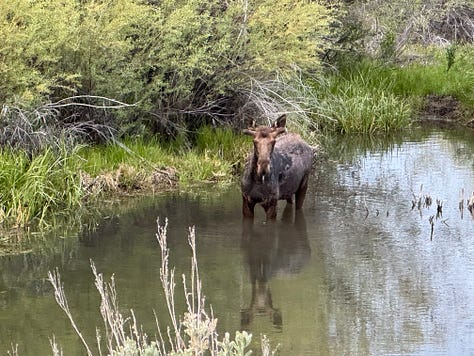
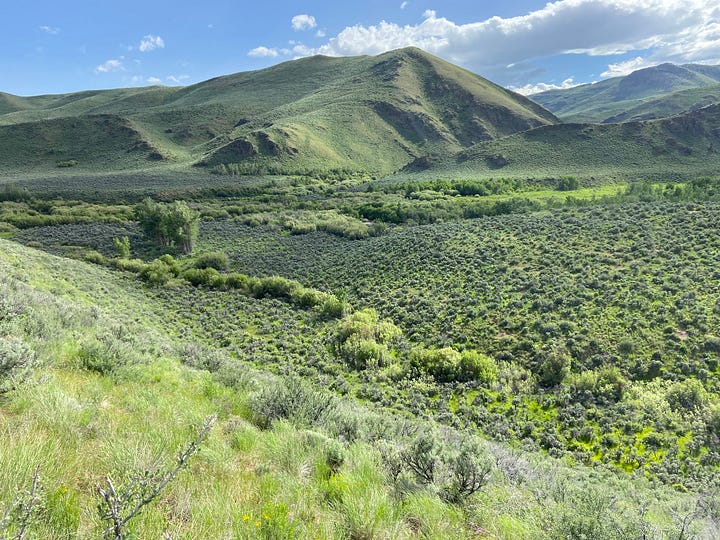
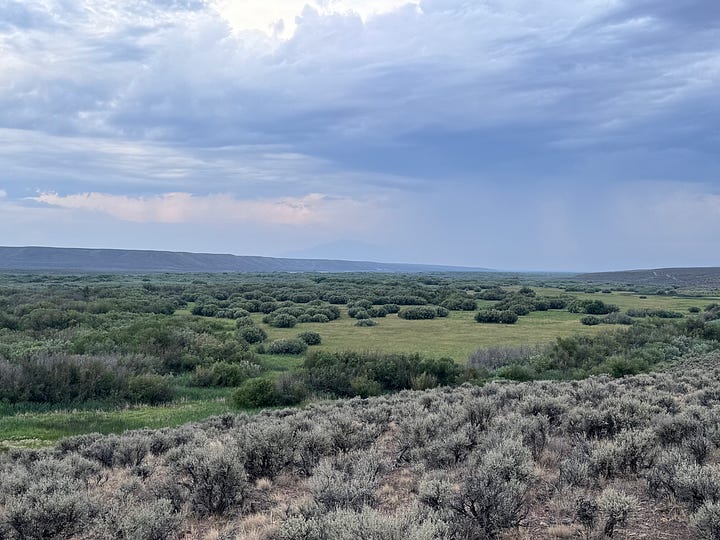
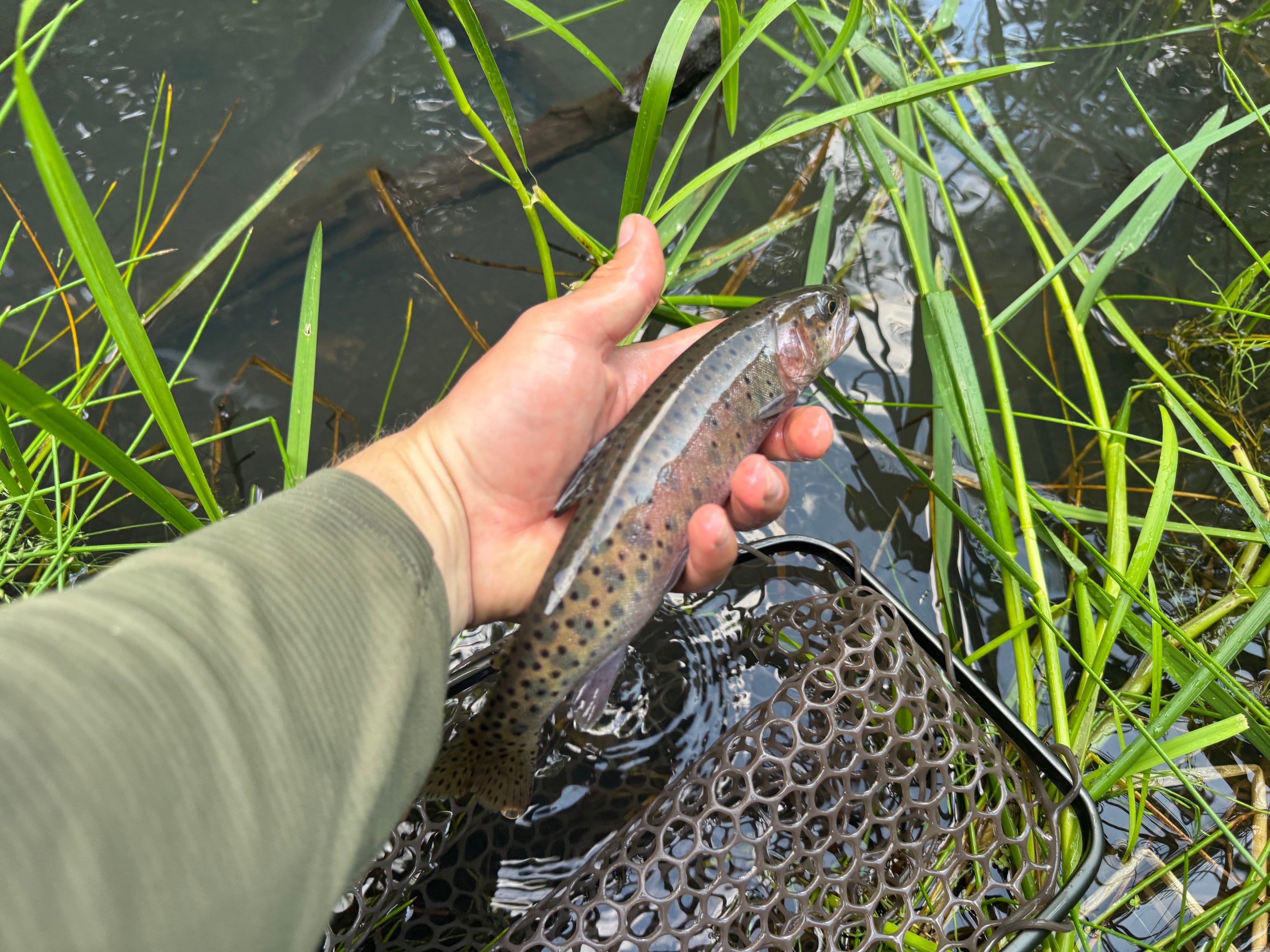
The watershed-scale ecological recovery along the Marys River is a roaring success—something BLM should be striving to replicate across the Great Basin.
Instead, BLM is apparently considering re-opening the Marys River to cows. While it has not yet released its analysis to the public, WWP expects the agency to propose the reauthorization of grazing in the Marys River RMA as part of its upcoming decision for the Deeth grazing allotment, managed by the Wells Field Office.
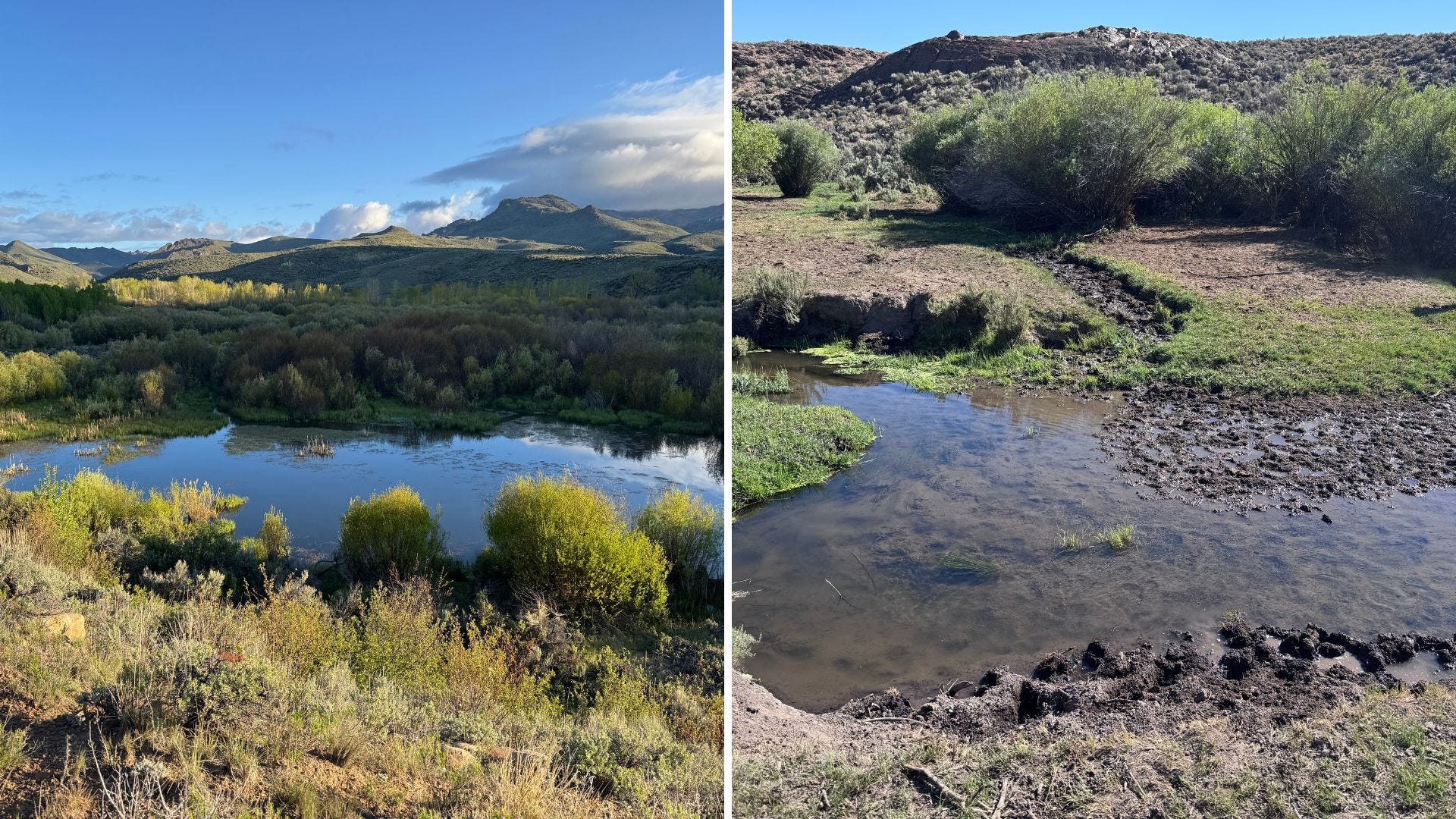
Depauperate streams on the Deeth allotment like Hanks Creek, a tributary of the Marys River which has high grazing pressure every year, provide a shocking contrast to the lush riparian habitat along the Marys River. Harm to Lahontan cutthroat trout from grazing in Hanks Creek has been reported since the 1970s, and the fish struggles to persist there.
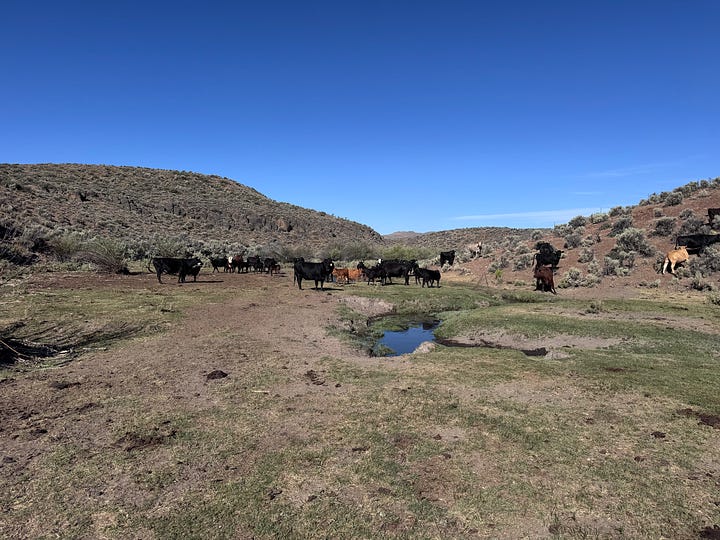
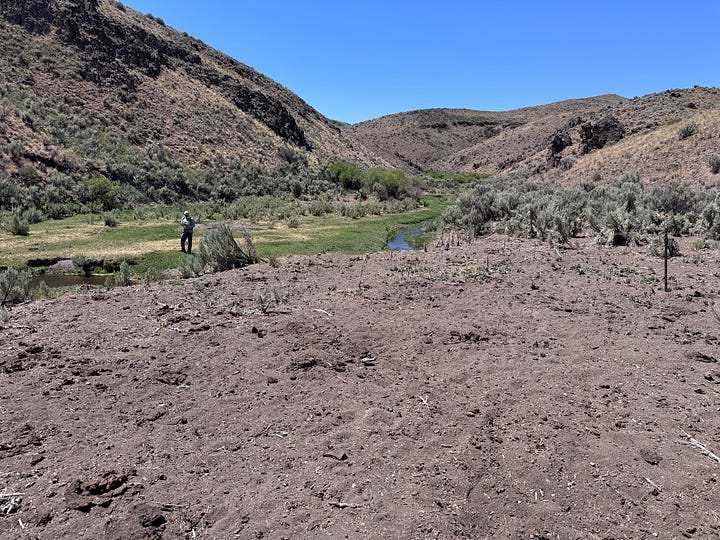
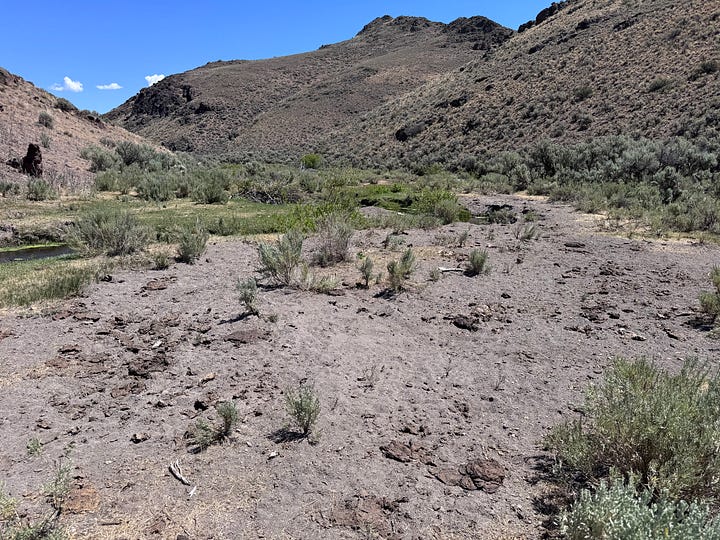
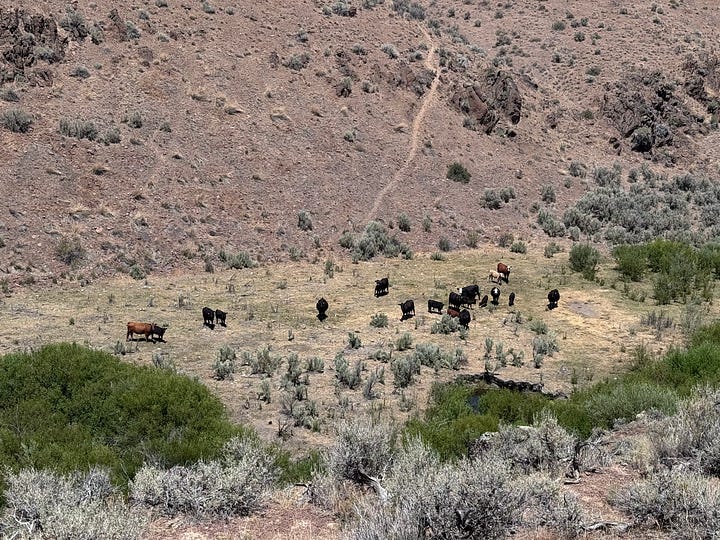
Instead of replicating Hanks Creek conditions along the Marys River, WWP asked BLM to close two pastures in the Deeth allotment to protect North and South Hanks Creek from livestock and replicate the Marys River model for riparian protection and recovery.
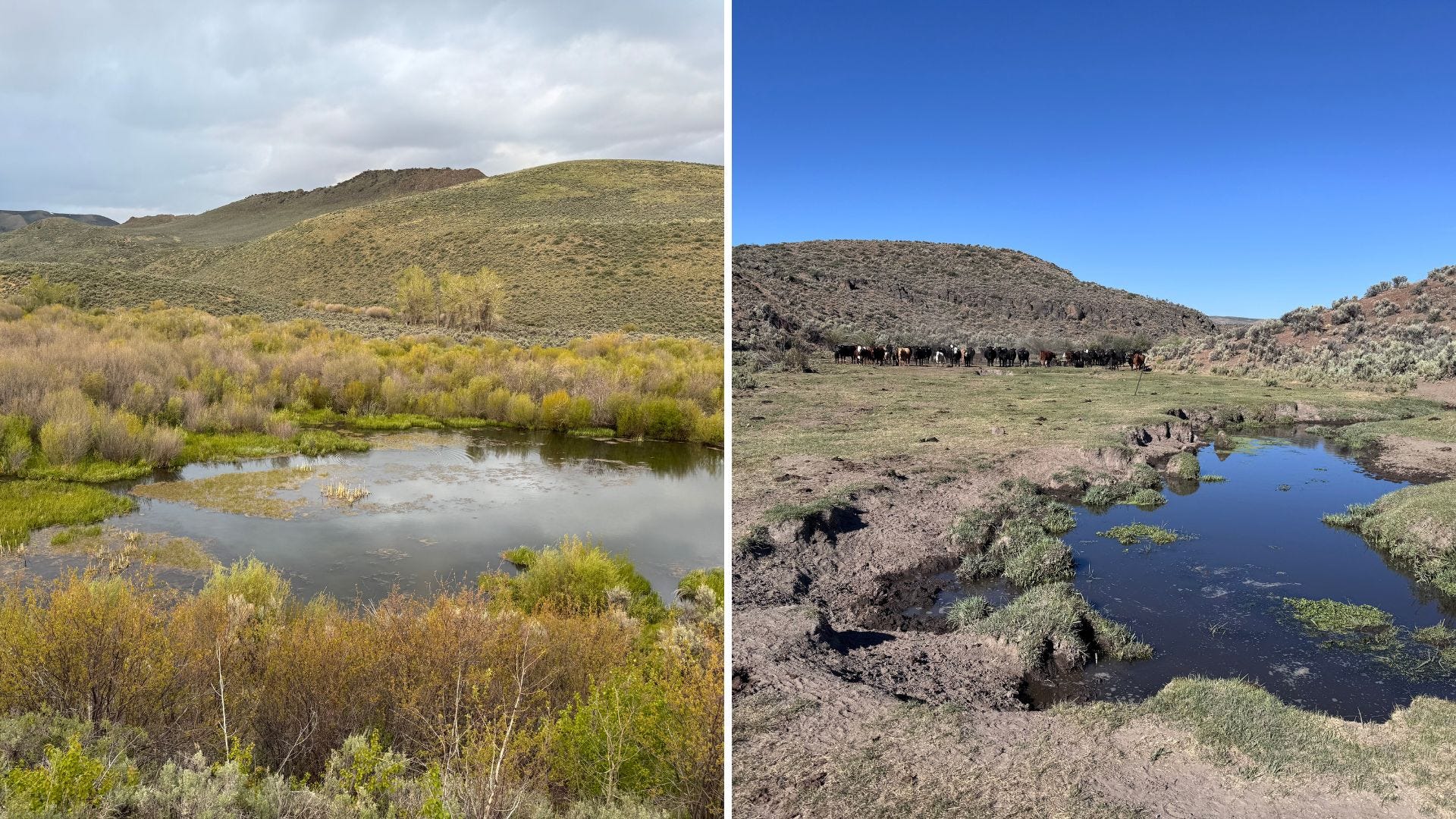
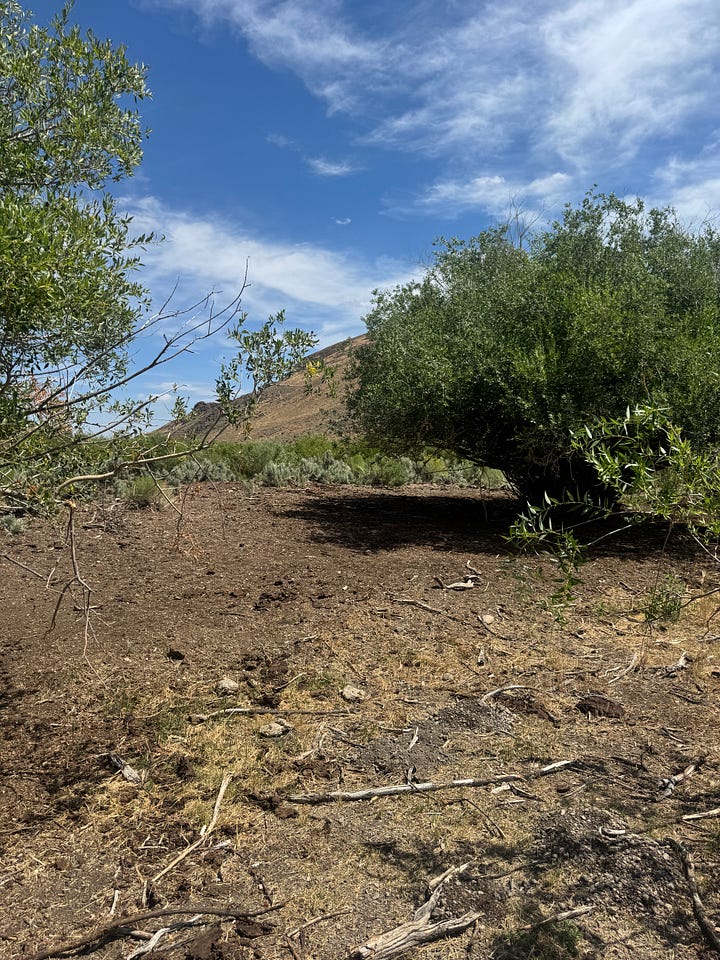
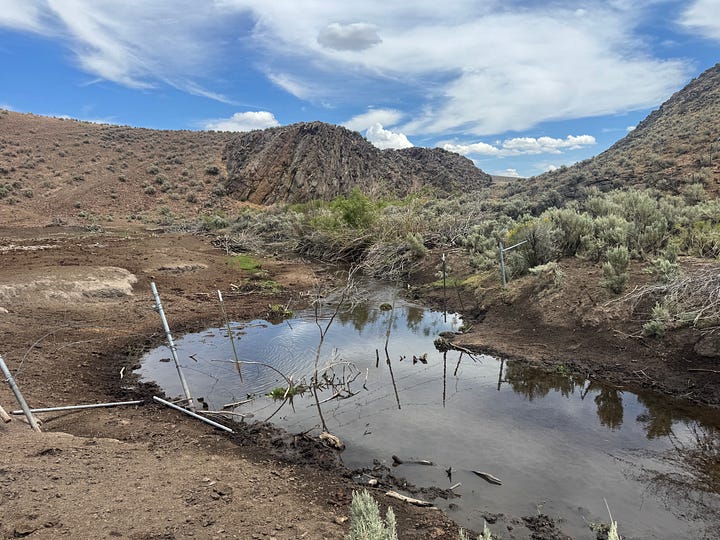
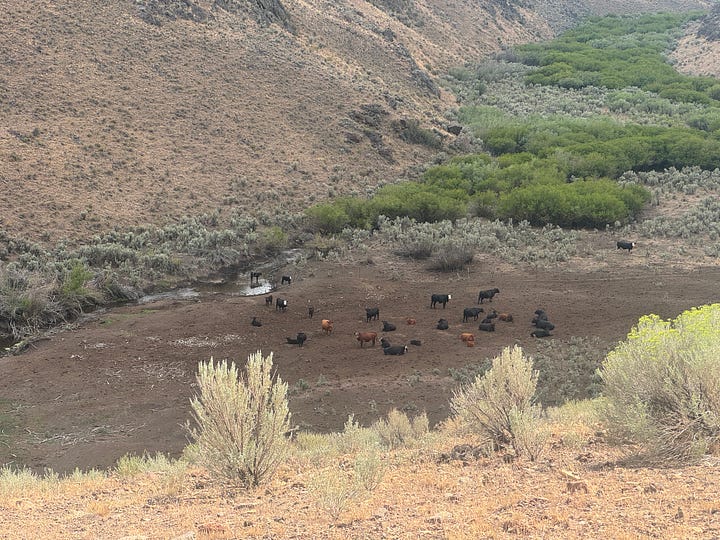

WWP expects BLM to release its Environmental Assessment and proposed grazing management decision for the Deeth grazing allotment in near future. For now, the Marys River RMA is beautiful, biologically important, and cow free. WWP intends to keep it that way.
Paul Ruprecht is the Nevada Director at Western Watersheds Project. He holds a J.D. from Lewis & Clark Law School and a master’s degree in Rangeland Ecology and Management from Colorado State University. He previously managed a 10,000-acre conservation preserve in northern Nevada, overseeing restoration and documenting ecological recovery following the removal of livestock.
No posts
Comments
Nothing yet. Say the first thing.
Sign in to join the conversation.