
Dear friends,
I had planned to share Step 3 of the book-making process this week, the part where we sequence the images we’ve selected. But in the spirit of making a book in public, I have to keep it real and tell you the selection is taking longer than planned. I’m currently in the south of France, continuing the process on this perfect desk.
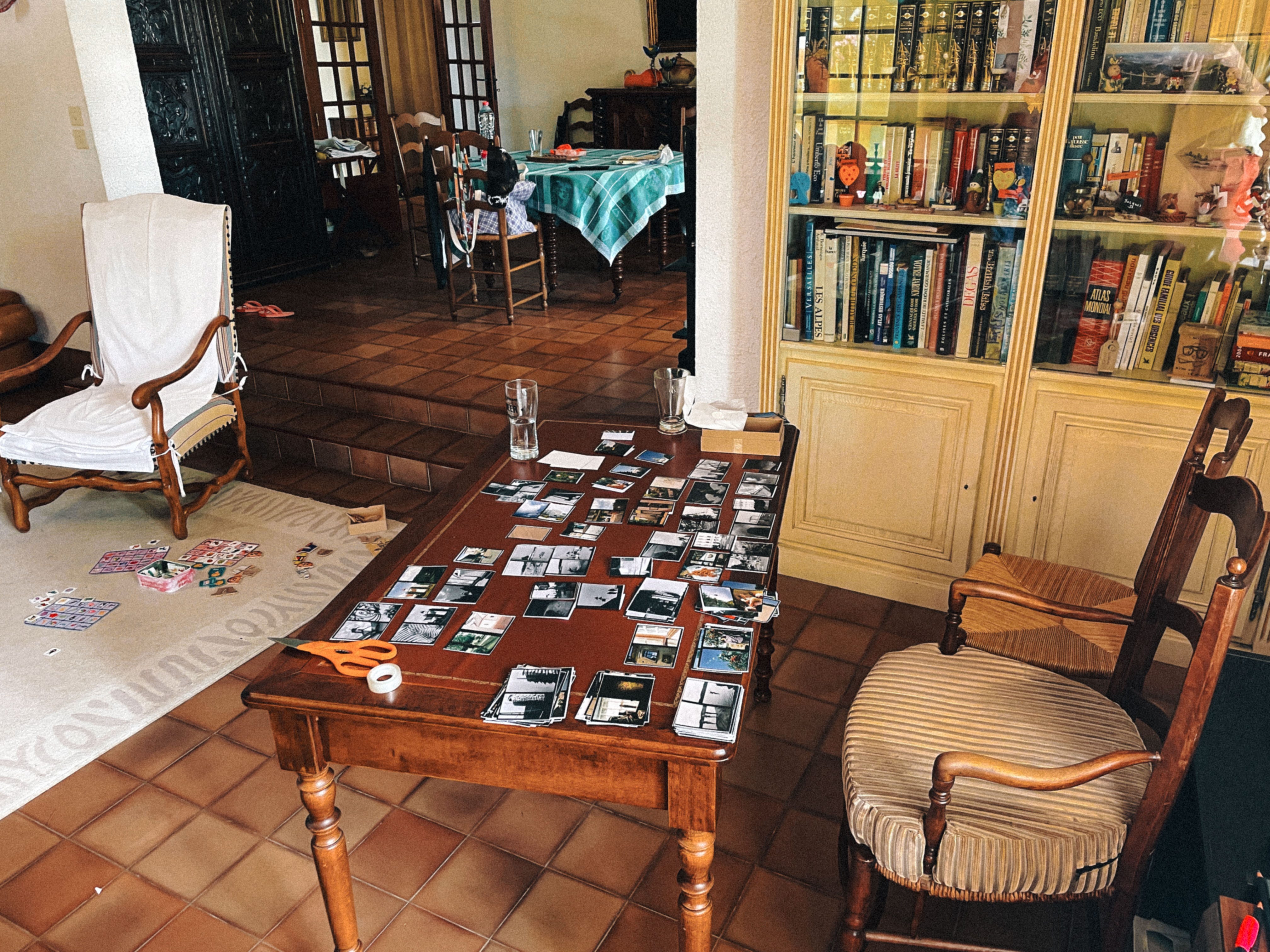
It taking longer is a good problem, and it’s two-fold. One, I have so many images I love from this body of work. And two, the topic is so sensitive and meaningful to me that I don’t want to rush it. I want to do right by the people who welcomed me. There’s a fear there, of course, that I’d somehow fall short of that.
So this week, I’ll talk about that.
Let me take you back to August of 2025. It’s late, close to 11pm, when we arrive in a village in the Ukrainian countryside, hours from any big city. There is joy and family and far too much food. A warmer welcome might not exist. I was there with my partner, on a very special trip to visit family.
A few days earlier, in the city of Lviv, I experienced my first air raid alarm, which ring out when drones or missiles are on their way. When I use the word “fear” earlier, I want to be careful with it. Because my fear and the fear of the people who live in Ukraine are not the same thing, and I don’t want to confuse the two.
Let me be clear about what I did and didn’t experience. During my two weeks in Ukraine, I was lucky. I saw no violence in person. I saw a lot of the aftermath of violence, which is its own heavy thing, but I was never in danger the way the people there have been for four years now.
So back to the morning of that first air raid alarm. My anxious and well-prepared mind did what I had mentally rehearsed many times over. Step into my ready-to-go pants, grab my go-bag with passport and other important things, and calmly go down five floors of stairs to find the shelter room. Once we got there and waited a minute or two and no one else showed up, I walked back up to the ground floor to look around and figure out how scared I should be.
Everyone else had just kept going with their day and were enjoying breakfast outside. We asked if that hadn’t been an air alarm, and it turned out that after four years of air alarms and terror, one does not react to each one the same way. Not all air alarms are equal.
So I learned the rule and the nuance, and after that first alarm, I let my reaction follow that of the people around me. The fear settled. The danger hadn’t gone anywhere. What changed was my understanding that it wasn’t mine to perform.
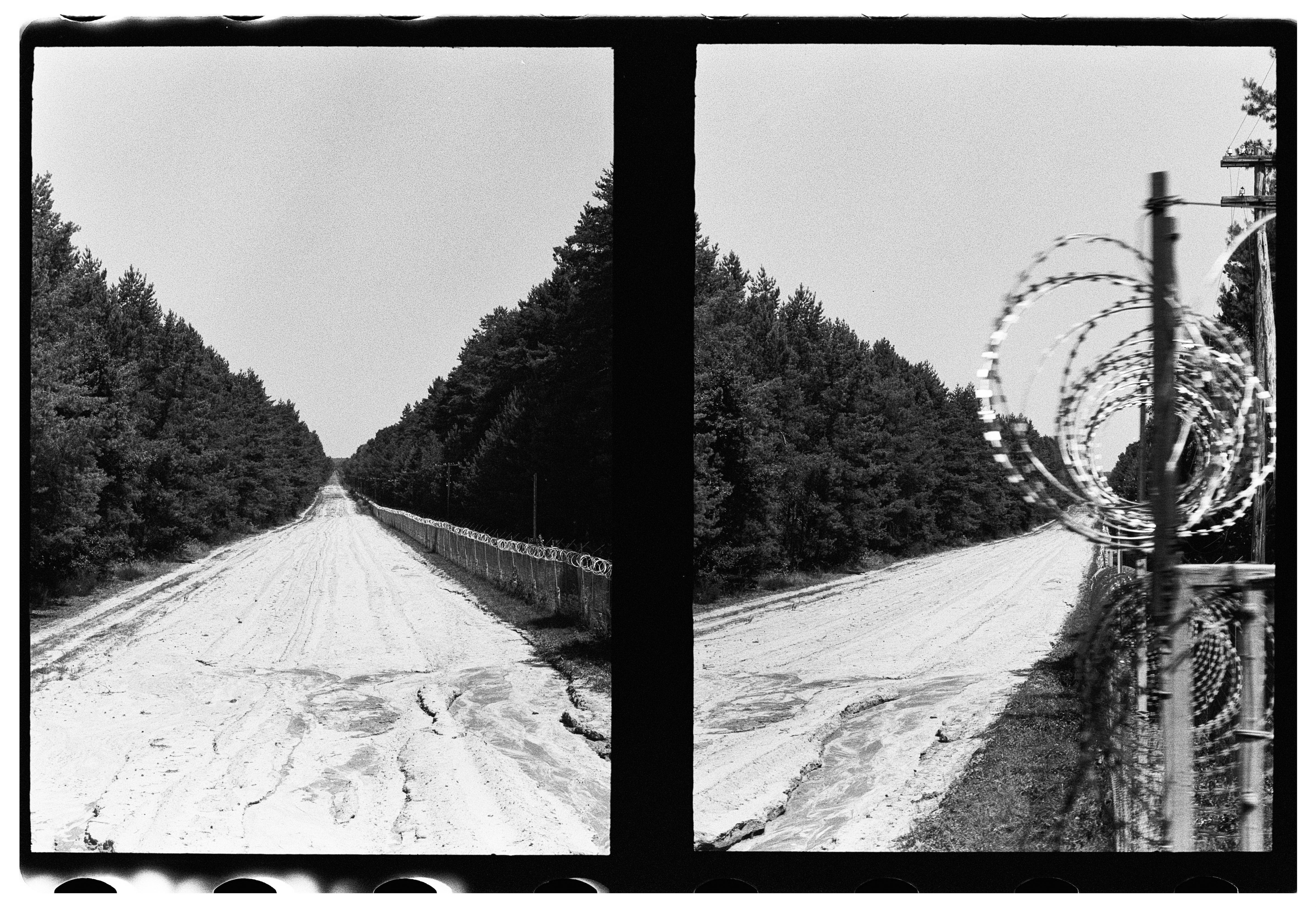
The days I spent in Lviv and Kyiv happened to land in a rare calm stretch. That’s luck, and only luck. Most days across this war have not been calm, and the people there carry that knowledge in their bodies all the time and still set the table, still go to work, still laugh. Their steadiness isn’t something I can claim. I’m someone who has only ever known relative safety. What I saw was courage and strength that runs far deeper than anything I was asked to summon as a visitor passing through.
So that’s the fear I want to set aside for a moment, because it’s not the fear I wanted to write about. The fear was related to the work I was to make.
You know by now the kind of pictures I make, and it isn’t the frontlines. I wasn’t going to photograph the war the way the real conflict photographers do. They take risks I’d rather avoid, and I have deep respect for them. My fear was quieter than that. I was afraid that my way of seeing, the small and ordinary things I’m drawn to, wasn’t enough to bring to something this serious.
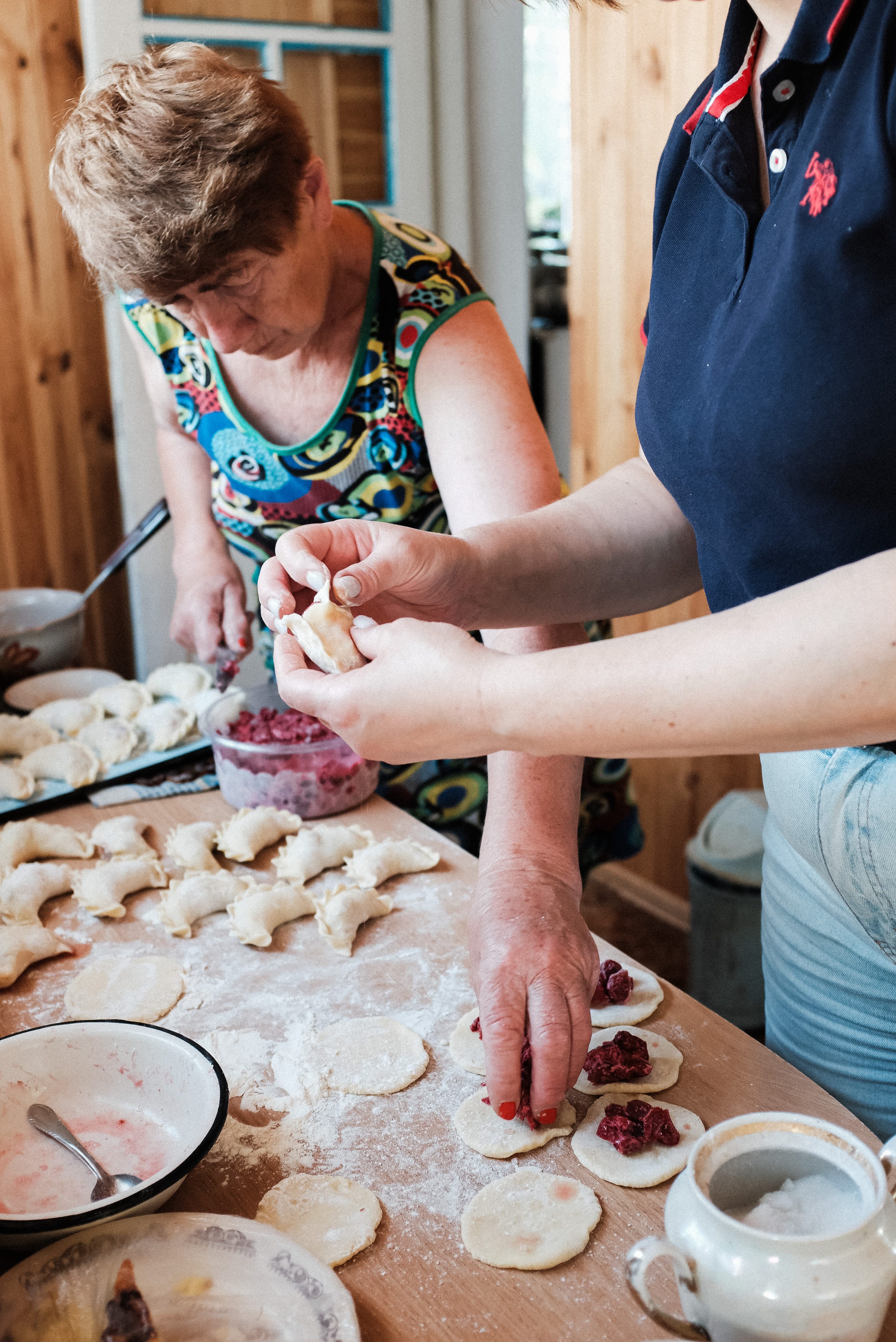
But I can only do what I do, so I photographed what I actually noticed. Cooking. Growing food. Walking the cow. Sharing old family photos. Far too much food on the table and far too much laughing around it. The ordinary things people over there refuse to give up, which over there are not ordinary at all. They’re a form of refusal.
Normal life, kept alive on purpose.
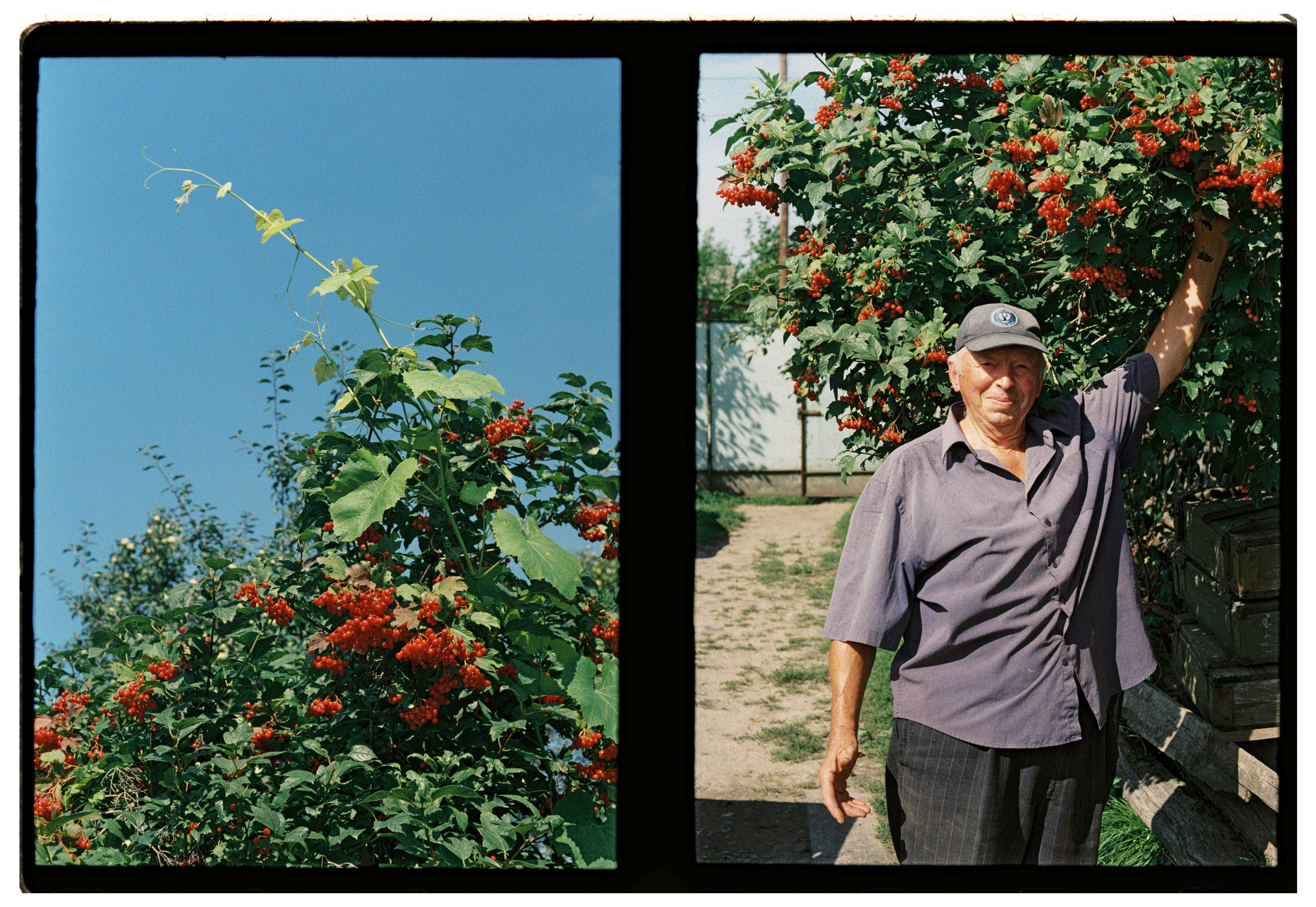
And I photographed the spaces between those moments, the small things caught my eye. Light through the curtains, the shadow of a tree, a stork that landed on its nest and told a story I wasn’t even aware of as I photographed it.
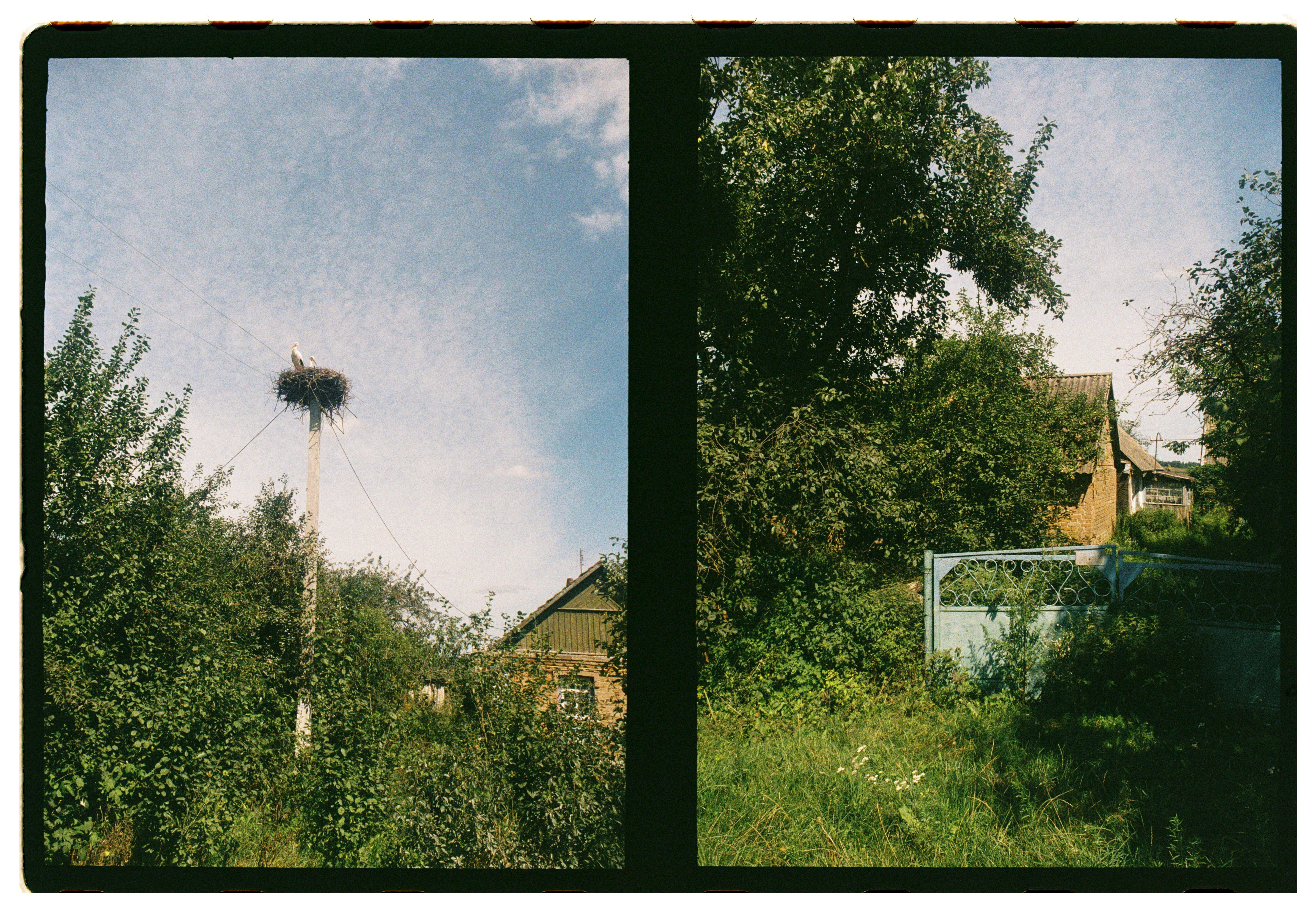
This was my fear. My very silly, non-serious creative fear. To walk toward those quiet things instead of toward the dramatic picture I thought a serious photographer was supposed to make. To trust that my way of seeing was worth bringing to something this serious.
Filmmaker Cord Jefferson said something that spoke to me1, when talking about directing his first film, American Fiction (highly recommended!). He made it at the age of 42 and almost passed out from nerves on day one. He talked about how the best things in his life have shown up on "the other side of that terror." He meant creative fear. The fear of doing the work that matters to you, in front of people, where you might fail. He's right that the good stuff tends to sit just past it.
Throughout my career, my pictures only started to feel true once I stopped making the photographs I thought were expected and made the ones I actually believed in. I’ve had to learn that lesson several times over. It’s an insecurity that comes creeping back.
It crept back in during the selection process, which is why this issue is about exactly that. I hope to finish selecting in the coming week, so the next issue can be about sequencing.
In case you missed it, here are the earlier steps in this book-making diary:
Share this issue with a friend who gets stuck and could get something out of reading it.
What’s a piece of work you’ve been afraid to make in your own way, because you thought you were supposed to make it some other way?
Tell me in the comments. I read every one and I know other readers would love to read them as well.
I will randomly select one of the comments as the winner of this week’s Process Giveaway and they will receive a package with some surprise goodies, including some film, a book from my collection, and more.
See you next Sunday.
Warmly,
Wesley
P.S. All my film is developed by Carmencita Film Lab. They’re the best and they clearly love what they do. Use code PROCESS for a free upgrade.
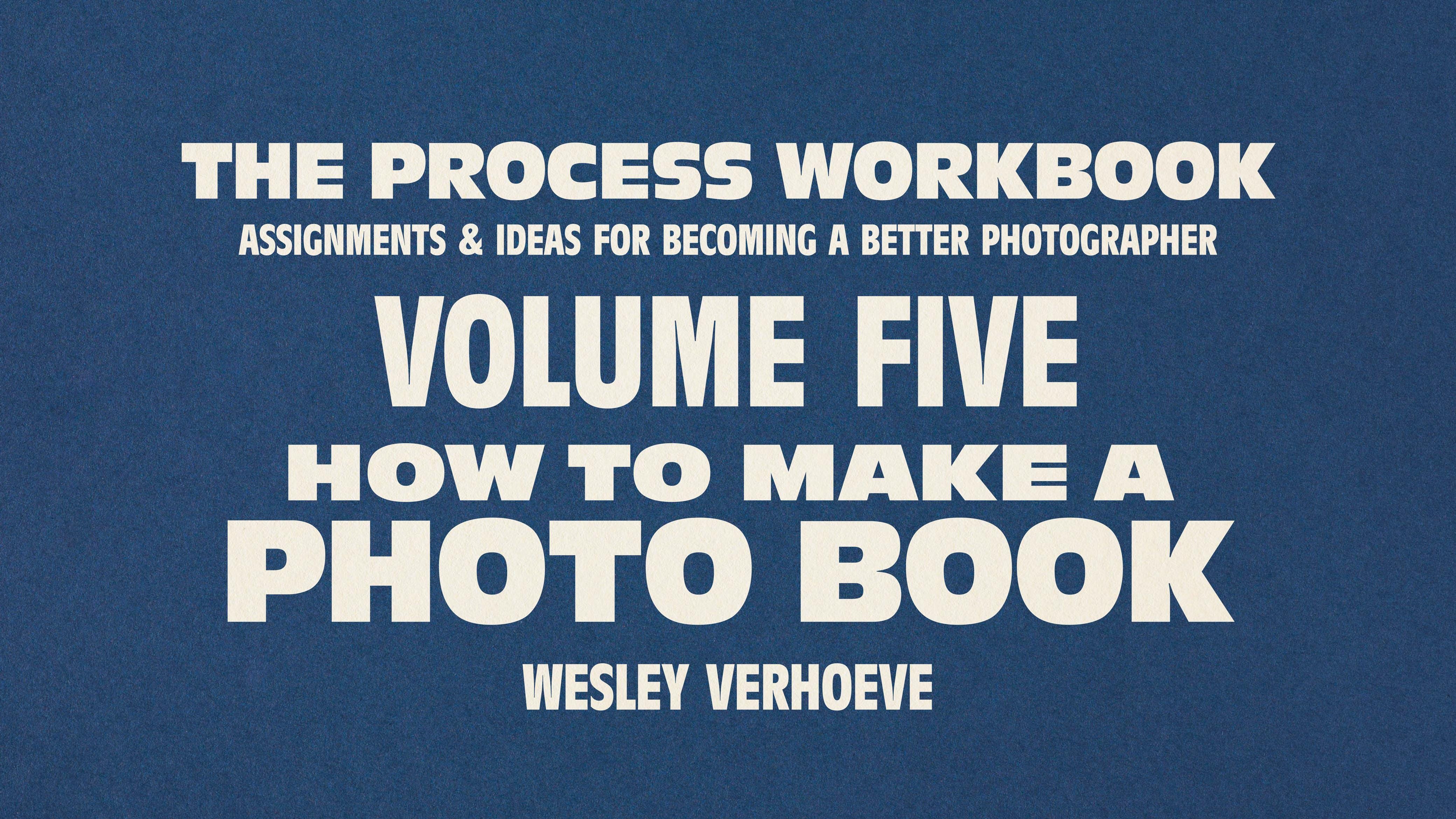
If Process adds something to your week, here’s how to help keep it going: grab a copy of my photo book NOTICE Journal Volume One or the Process Workbook series. Volume 5 just came out and is an 80-page step-by-step guide on how to make your own book or zine.
Process Photo Club members get 40% off NOTICE and 100% off all five Workbooks. Not a member yet? Join here.
Process Photo Club members get the PWB5 for free, plus all four previous workbooks (€60 in savings on day one), 40% off my photo books, 30% off workshops, and more.
Browse the Process Archive for more articles.
Comments
Nothing yet. Say the first thing.
Sign in to join the conversation.