Meta Repositions on Open AI Models as China’s 100,000-Card Cluster Goes Live
Meta cites Chinese model momentum in US policy debate, Anthropic’s Claude pushes Riemann hypothesis research, and China scales domestic AI infrastructure.

Understanding China’s technology and energy transformation through industrial logic.
Overdue Last read · last published · next check
Last read 1 day ago, longer than this feed's 12 hours schedule.
Meta cites Chinese model momentum in US policy debate, Anthropic’s Claude pushes Riemann hypothesis research, and China scales domestic AI infrastructure.
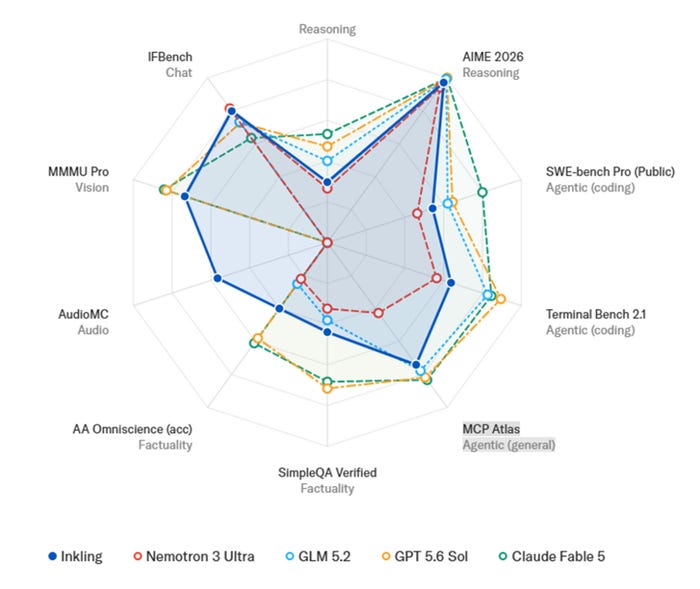
Built on lessons from DeepSeek and Kimi, Inkling seeks to match Chinese peers with a focus on factuality, safety, and customization.
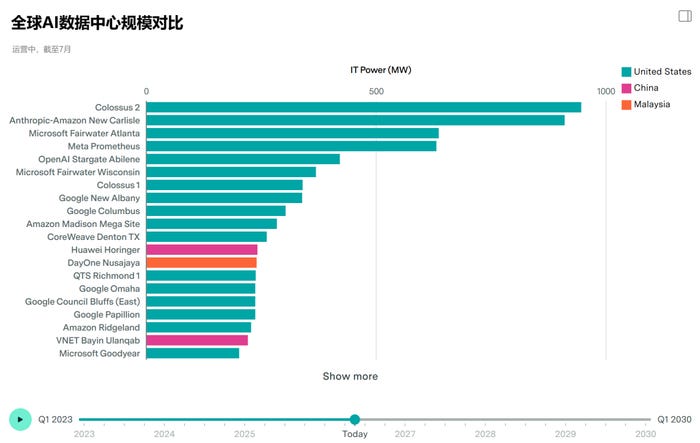
Chinese AI companies are scaling up both model size and compute infrastructure, shifting from chip-model optimization to system-level coordination.
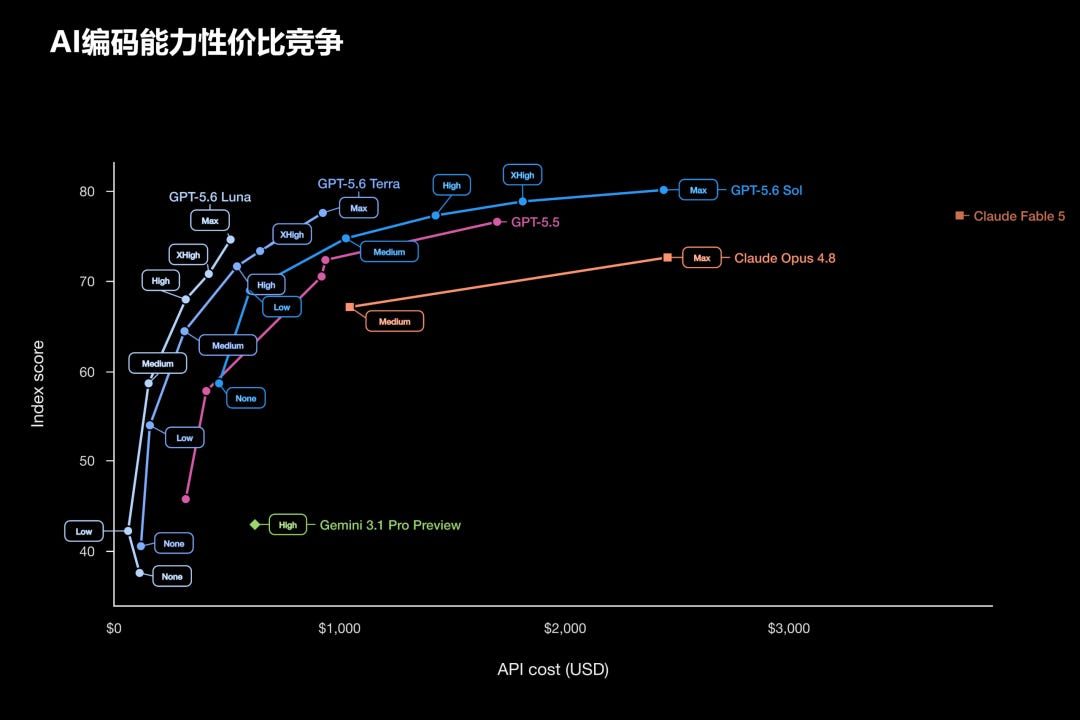
With technical gaps closing and deployment costs rising, model providers face shrinking windows for premium pricing and lasting user loyalty.
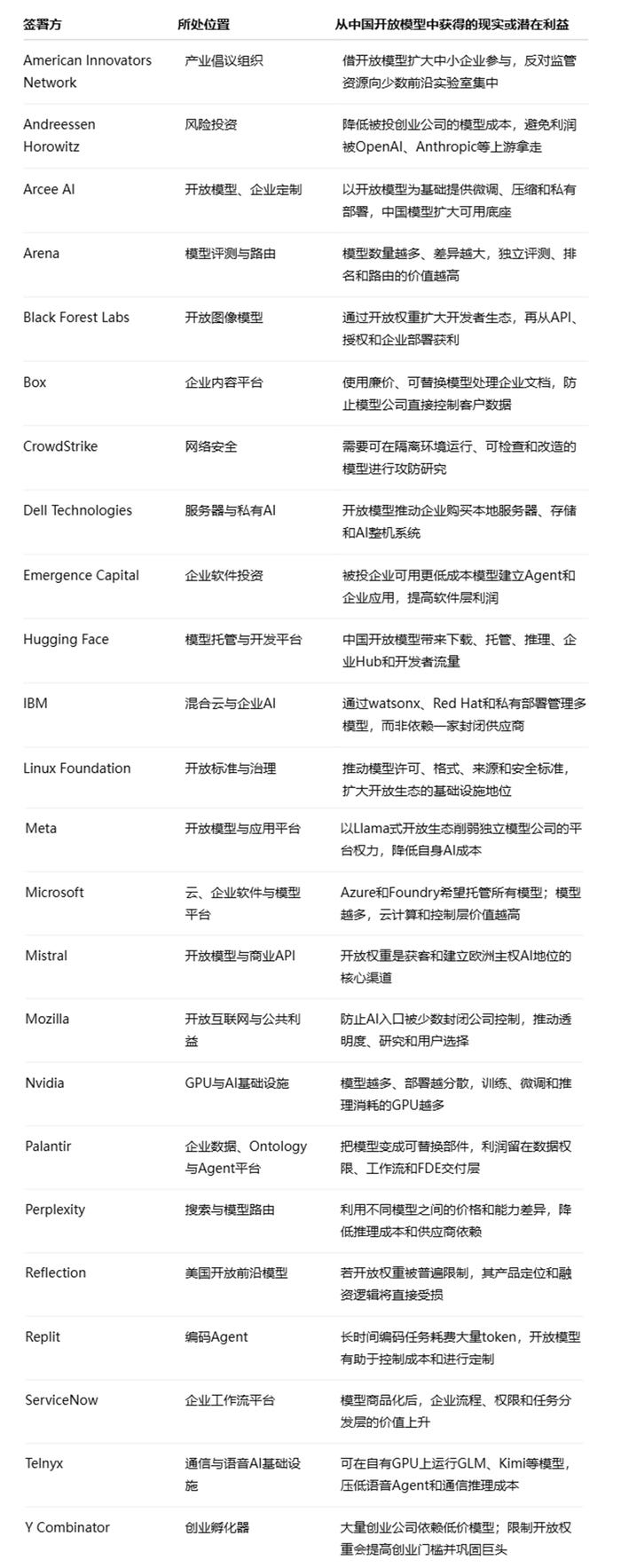
The release of a massive open model from China triggers infighting among US policymakers, tech giants, and startups over regulation and market control.
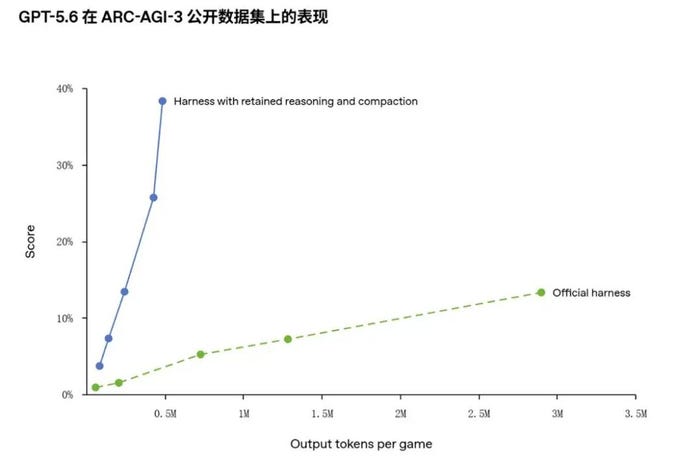
OpenAI and Anthropic are betting on harness engineering as the key to turning model intelligence into real-world productivity and recursive self-improvement.
DeepMind’s AlphaFold team is absorbed into broader AI for Science efforts, as major labs and tech firms vie for scientific talent and new research models.
A 24-year-old’s AGI prophecy turned into a $20 billion fund, then a cautionary tale as markets and leverage reversed.
As companies deploy large models, the key advantage shifts from access to algorithms to ownership of the feedback and knowledge loops that drive ongoing improvement.
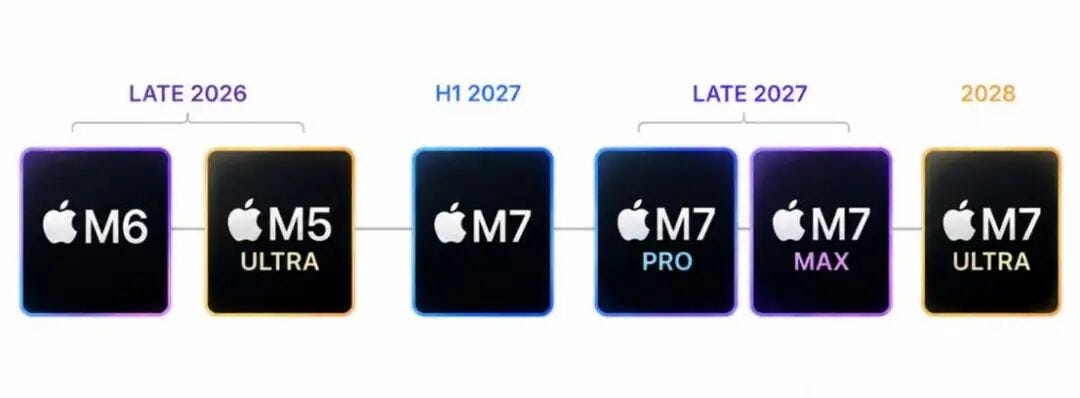
Skipping traditional chip cycles, Apple positions Apple Silicon as the backbone of its AI strategy, emphasizing hardware over model competition.