
We’ve all been there. You wake up after what seemed like a decent eight hours, but instead of feeling refreshed, you feel like you’re wearing a lead vest. You drag yourself through the day, running on caffeine and sheer willpower, hoping to collapse into bed by 9 PM.
If this sounds familiar, it’s just tiredness—a normal part of life. But for millions of people around the world, that exhaustion doesn’t go away with rest. It’s not “just in their head,” and it’s certainly not caused by sleeping too little.
It might be Chronic Fatigue. And understanding what it actually is could be the first step toward feeling like yourself again.
Not Just “Being Tired”
To understand chronic fatigue, we first have to distinguish it from ordinary tiredness.
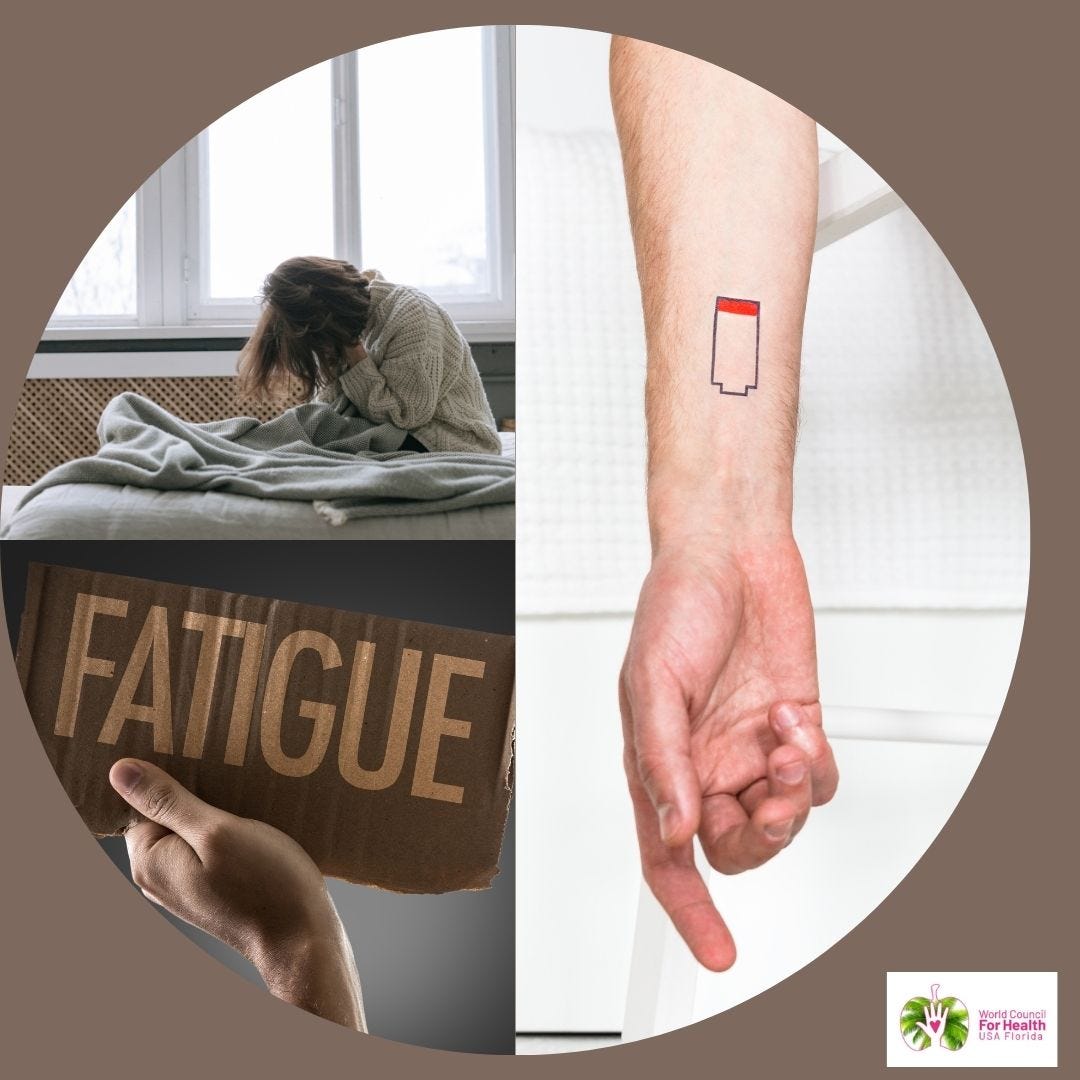
Think of ordinary fatigue like your phone battery hitting 1%. A good night’s charge (sleep) fixes it.
Chronic Fatigue Syndrome (CFIDS) is more like a phone that refuses to hold a charge, no matter how long it sits on the charger. Even after resting, patients often wake up feeling unrefreshed—a symptom doctors call ”unrefreshing sleep.” Other common symptoms include:
Post-Exertional Malaise (PEM): A severe worsening of symptoms after even minor physical or mental exertion.
Cognitive Impairment: Often referred to as “brain fog,” making it hard to concentrate or remember simple things.
Pain: Muscle pain, joint pain, or headaches become frequent companions.
Sleep Problems: Insomnia, waking up too early, or restless legs.
Because there is no blood test or scan that definitively diagnoses CFIDS, it is often called an “invisible illness.” Patients look fine on the outside, which can make the struggle inside even harder to explain.
Who Gets Chronic Fatigue?
CFIDS can affect anyone regardless of age, gender, or socioeconomic status. However, statistics show some patterns:
Gender: Women are diagnosed about four times more often than men, though researchers believe men may be underdiagnosed because they are less likely to seek help for fatigue.
Age: While it can begin at any age, the most common onset is between 40 and 50 years old. Adolescents can develop it, too.
Triggers: Many cases appear after a viral infection (like Covid, Epstein-Barr virus or flu), significant stress, or physical trauma. In some instances, there seems to be no clear trigger at all.
Treatment Options: Finding Relief
While there is currently no cure for Chronic Fatigue Syndrome, several treatment approaches can significantly improve quality of life and manage specific symptoms. Most experts agree that a combination of strategies works best.
Graded Exercise Therapy (GET)
This involves gradually increasing physical activity levels. The goal is to stretch your “energy envelope” slightly over time without triggering a crash.
Important: This must be done very slowly and under medical supervision. Pushing too hard too fast can worsen symptoms.
Cognitive Behavioral Therapy (CBT)
CBT does not suggest that the illness is imaginary. Instead, it helps patients develop coping strategies, manage the emotional impact of chronic illness, and establish healthy routines. Studies show CBT can help reduce the severity of fatigue and improve daily functioning.
Medication for Symptom Management
Doctors often prescribe medications to target specific symptoms rather than the syndrome itself:
For Pain: Over-the-counter anti-inflammatories or prescription pain relievers.
For Sleep: Low-dose sedatives or melatonin supplements to help regulate sleep cycles.
For Depression: Antidepressants may be used if mood disorders accompany the fatigue, helping to improve both mood and sleep.
Dietary Changes
Some patients find relief by adjusting their diet:
Anti-Inflammatory Diets: Reducing sugar and processed foods while increasing omega-3 fatty acids (found in fish and flaxseeds).
Hydration: Dehydration worsens fatigue, so maintaining fluid intake is critical.
Small, Frequent Meals: Eating smaller portions throughout the day can help stabilize energy levels compared to heavy meals that cause post-prandial somnolence (”food comas”).
Emerging Therapies
Research is ongoing. Some clinics are experimenting with:
Supplements: Coenzyme Q10, NADH, and magnesium have shown promise in small studies for boosting cellular energy.
Acupuncture: May help with pain management and relaxation.
Oxygen Therapy: Hyperbaric oxygen therapy is being studied, though results are mixed.
Note: Always consult your doctor before starting any new supplement or therapy, as interactions with existing medications can occur.
Breaking the Stigma
Perhaps the hardest part of living with chronic fatigue isn’t the physical exhaustion—it’s the lack of visibility. Because patients often “look fine,” they are frequently met with skepticism. ”But you’re so energetic!” or ”Have you tried drinking more water?”
These comments come from ignorance, not malice, but they can be deeply isolating.
As society becomes more aware of post-viral conditions (especially following recent global health events), understanding of CFIDS is growing. It is real, it is biological, and it deserves respect.
Moving Forward
There is no magic pill for Chronic Fatigue Syndrome yet. Research is ongoing, and science is slowly uncovering the complex immune and metabolic factors at play. But even without a cure, management strategies are improving.
If you suspect you or someone you love has CFIDS, the most important thing you can do is listen. Believe the fatigue. Seek medical advice early. And remember: while the road may be slower, it is still yours to travel.
Stay tuned for Part 2: Long Covid & Chronic Fatigue
***
Disclaimer: This article is for informational purposes only and does not constitute medical advice. If you are experiencing persistent symptoms, please consult a qualified healthcare provider.
If you liked this article, please consider sharing it and subscribing to our Substack. You may also want to be a member of the World Council for Health Florida.
No posts
Comments
Nothing yet. Say the first thing.
Sign in to join the conversation.