
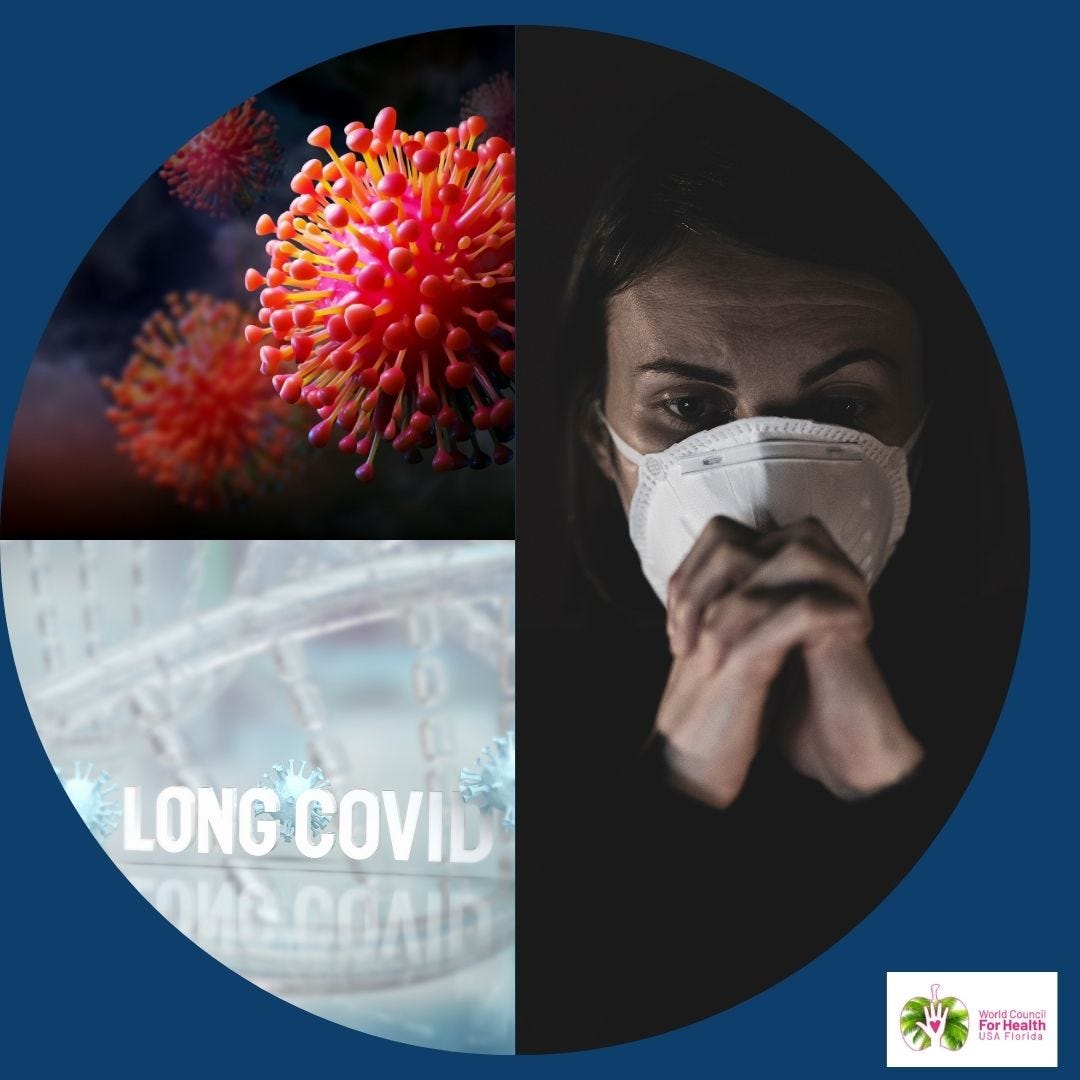
When the world first heard about “Long COVID,” it was largely as a buzzword in the news. Today, for millions of survivors, it is a daily reality. One of the most common—and debilitating—symptoms reported by those recovering from SARS-CoV-2 infection is severe, persistent fatigue that mirrors Chronic Fatigue Syndrome (CFIDS).
But why does a respiratory virus leave you unable to get out of bed weeks or even months later?
It’s Not Just Being Tired
For many, the transition from acute illness to Long COVID feels like swapping one problem for another. You survive the fever, the cough, and the hospital stay, only to realize your body hasn’t bounced back. Instead, you wake up exhausted, despite having slept for ten hours.
Medical researchers now recognize this as Post-Viral Fatigue. In fact, Long COVID is essentially a new subset or trigger of chronic fatigue disorders. Studies suggest that up to 50% of people who were hospitalized for COVID-19 develop long-term fatigue symptoms.
Why Does This Happen?
Scientists are still unraveling the exact mechanisms, but several theories explain how the virus lingers in our energy systems:
Cellular Energy Failure
Some research indicates that SARS-CoV-2 may damage mitochondria—the powerhouses of our cells. If mitochondria can’t produce enough ATP (cellular energy), the body physically lacks the fuel required for basic functions. It’s not that you won’t move; it’s that your cells literally don’t have the juice to make it happen.
The Immune System Won’t Stand Down
Even after the virus is cleared, the immune system may remain stuck in “attack mode.” This low-grade, systemic inflammation constantly drains resources. Think of it like a car engine left idling in neutral all day; eventually, the tank runs dry, leaving you with no miles to show for it.
Autonomic Nervous System Disruption
Many Long COVID patients experience dysautonomia, where the nervous system that controls heart rate, blood pressure, and digestion malfunctions. This often manifests as POTS (Postural Orthostatic Tachycardia Syndrome)—a spike in heart rate upon standing—which causes immediate, crushing exhaustion simply by trying to stand up.
Symptoms Specific to Post-COVID Fatigue
While similar to standard CFIDS, Long COVID-related fatigue often comes with unique twists:
Exercise Intolerance: Unlike general fatigue, physical activity triggers an immediate drop in oxygen levels or heart rate irregularities.
”Crashing” After Minimal Effort: Answering a phone call or cooking a simple meal can lead to a 24-to-48-hour recovery period.
Brain Fog Amplification: Memory lapses and difficulty processing language are often more pronounced than in non-viral chronic fatigue.
Sleep Disturbance: Waking up gasping, rapid eye movement disruptions, or waking up feeling more tired than when you went to bed.
Managing Recovery: Patience is Key
Recovery from post-viral fatigue is rarely linear. There will be good days and bad days, sometimes within the same 24 hours.
Tips for Long Haulers:
1. Pacing is Critical: Do not try to “push through” the fatigue. It will only extend the recovery timeline.
2. Monitor Heart Rate: Keeping your exercise below your anaerobic threshold (often advised by cardiac rehab specialists) can prevent symptom spikes.
3. Hydrate Aggressively: Dehydration worsens autonomic dysfunction. Electrolyte balance is essential.
4. Give Yourself Grace: Your body has fought a major battle. Healing takes time—sometimes longer than six months. Be kind to yourself during this process.
Looking Ahead
The intersection of Long COVID and Chronic Fatigue Syndrome is opening new doors in medical research. By studying how viruses can permanently alter energy metabolism, scientists hope to find treatments not just for COVID survivors, but for everyone suffering from invisible fatigue.
If you are struggling with post-viral exhaustion, know that you are not alone, and your symptoms are real. With proper management and support, many people do see gradual improvement over time.
Stay tuned for Part 3: Lifestyle Changes
***
Disclaimer: This article is for informational purposes only and does not constitute medical advice. If you are experiencing persistent symptoms after a viral infection, please consult a qualified healthcare provider.
If you liked this article, please consider sharing it and subscribing to our Substack. You may also want to be a member of the World Council for Health Florida.
No posts
Comments
Nothing yet. Say the first thing.
Sign in to join the conversation.