
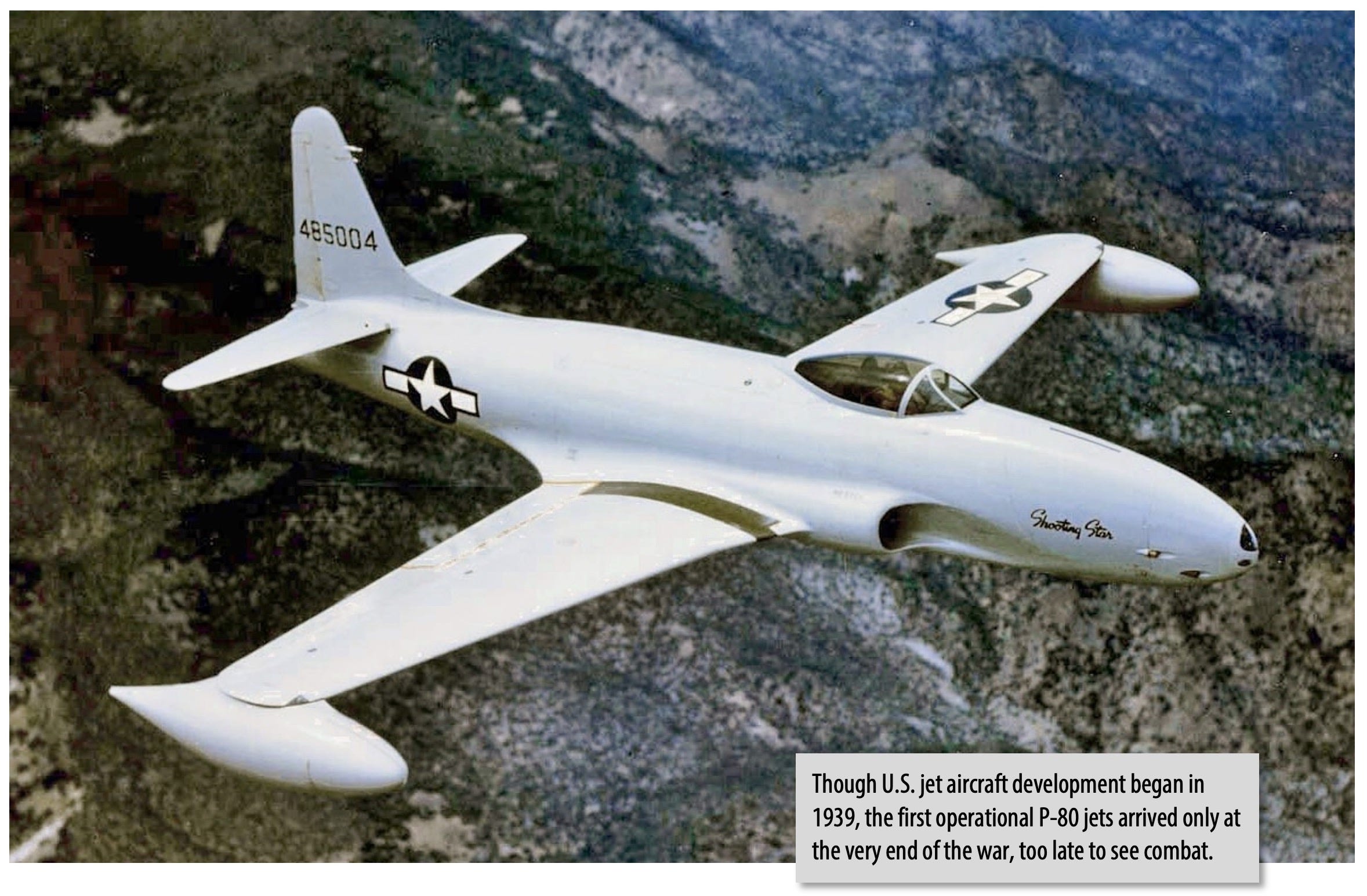
Technology is particularly important in air warfare since the performance of aircraft, sensors and weapons can completely change the course of a battle or campaign. One of the first concepts to consider when studying technology is the time that it takes for a technology to go from the conceptual stages to actual fielding in combat. These number can sometimes be difficult to define and many studies might focus only on the time it took to actually design and produce a technology. However, the more relevant timeline begins when someone identifies a need or makes a decision to design a new weapon or aircraft. How long does it take from that point until the aircraft is flying in combat?
The reason why it is important to start with the initial identification of need or the initial concept of a technology is because that is how decision-cycles work in warfare or any competitive endeavor. Decisions can only be based on analytical assessments of the current battlefield and estimates of what the future battlefield will look like. The accuracy of these assessments and estimates will set the tone for all subsequent efforts. Thus, perhaps the most critical period in the evolution of any weapon system or technology is the very earliest moments of its conception, when people set the initial course for future development. When forces end up fielding weapons that prove to be ineffective or ill-conceived, it is generally possible to trace the source of the error back to the very start of the development process.
Examining technology development timelines from this perspective, quickly reveals a disturbing but extremely important reality. Technology timelines in modern warfare are generally too long for the technology-development process to work like a standard action-reaction decision cycle. Consider that all of the major U.S. aircraft, both fighters and bombers, that saw combat in the European Theater were already in development before the United Stated entered the war. Thus, the United States did not decide to build the P-47 or P-51 based on real-time battlefield feedback. Rather, initial design decisions took place without the benefit of knowing what was to come.
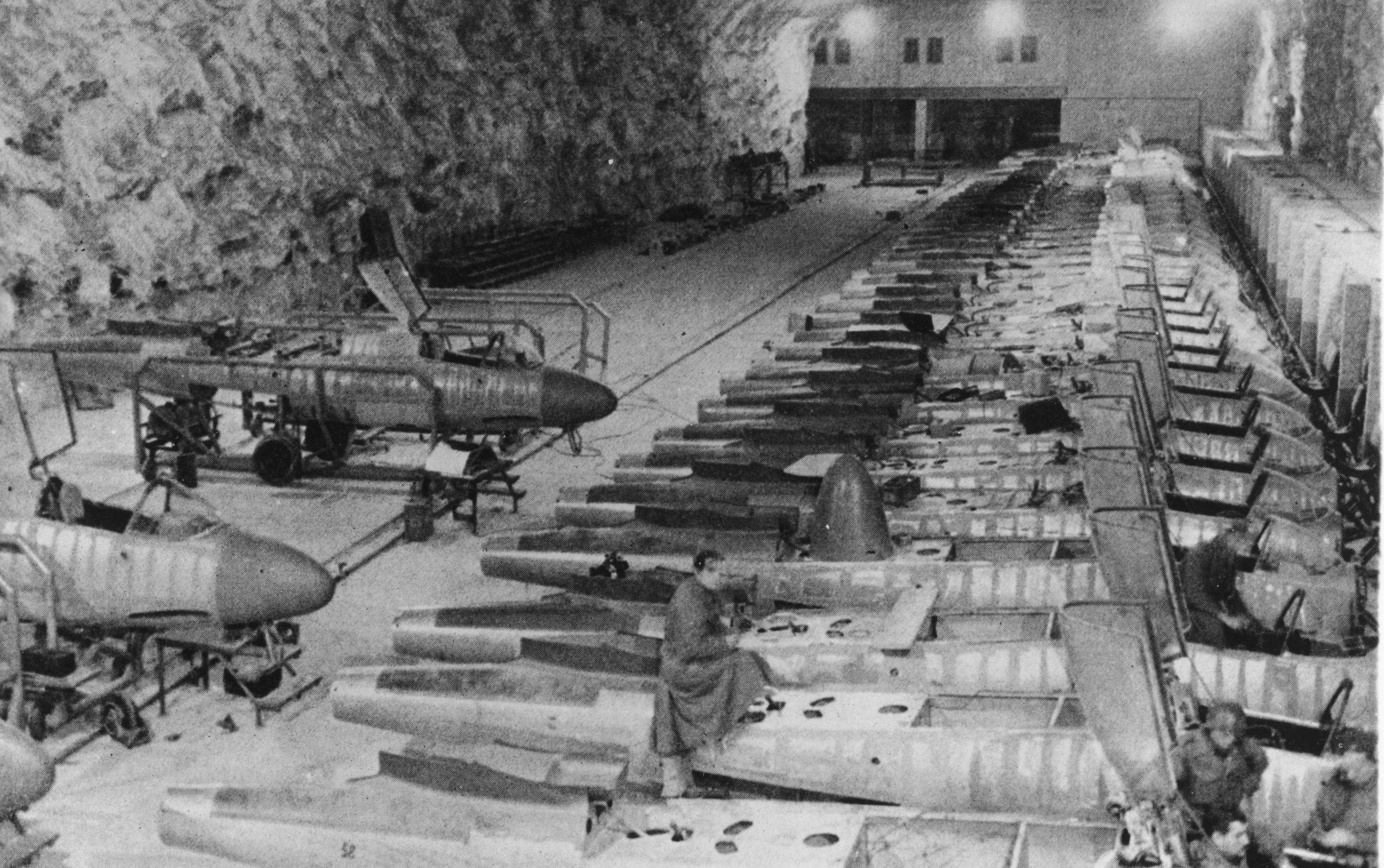
Looking back on the serious inter-war misconceptions about what air combat would look like in World War II makes it clear that whether you like it or not, when you develop future weapons you are often doing so in the blind. The idea that you can study battlefield patterns, come up with requirements and base your designs off of those requirements is unrealistic, unless you are able to greatly accelerate production timelines. In most cases, by the time a weapon becomes operational, the nature of the battlefield will already have evolved dramatically and look completely different from the expectations at the beginning of the design process.
Thus, if it is not possible to make predictions that are accurate enough to drive technology development decisions, what are we to do? As we have already discussed, the uncertainties associated with targeting mean that it is often to take a more generalized, diversified targeting approach. Likewise, in technology development, the designs that prove most effective are often not the most complex or specialized, but rather more well-rounded designs that can adapt to a wider range of roles and mission sets.
When it comes to aircraft, successful designs often share similar characteristics. They are often relatively simple and inexpensive compared to other designs. They are easy and safe to operate with minimal training. They are rugged, easy to maintain and tend to simplify the logistics process by making use of standardized and interchangeable spare parts when possible. In terms of performance, they tend to be well-rounded and have no glaring weaknesses in any category but frequently have above-average performance in certain key attributes such as range, speed, or maneuverability. Finally, their simple design and well-rounded nature makes them more versatile to accept various upgrades and field-modifications to adapt to the evolving demands of the battlefield.
The North American P-51 Mustang is a good example of this phenomenon. As was often the case with some of the best weapons of the war, the P-51 was not a high-profile, pet-project of the defense industry but rather came about almost by accident. The P-51 was not designed with a single, ultimate role in mind but rather evolved through a number of roles (including a dive-bomber variant known as the A-36) before finding its place in the war. It was the P-51’s simple and versatile design that allowed it to evolve into one of the best fighters of the war.
While some aircraft designs like the P-51 prove continually useful as warfare evolves, what happens when a design proves to be less useful than initially anticipated? In these cases, smart planners often found ways to repurpose such designs, sometimes in roles that the original designers never could have conceived. We explore this concept in the next installment.
Comments
Nothing yet. Say the first thing.
Sign in to join the conversation.