
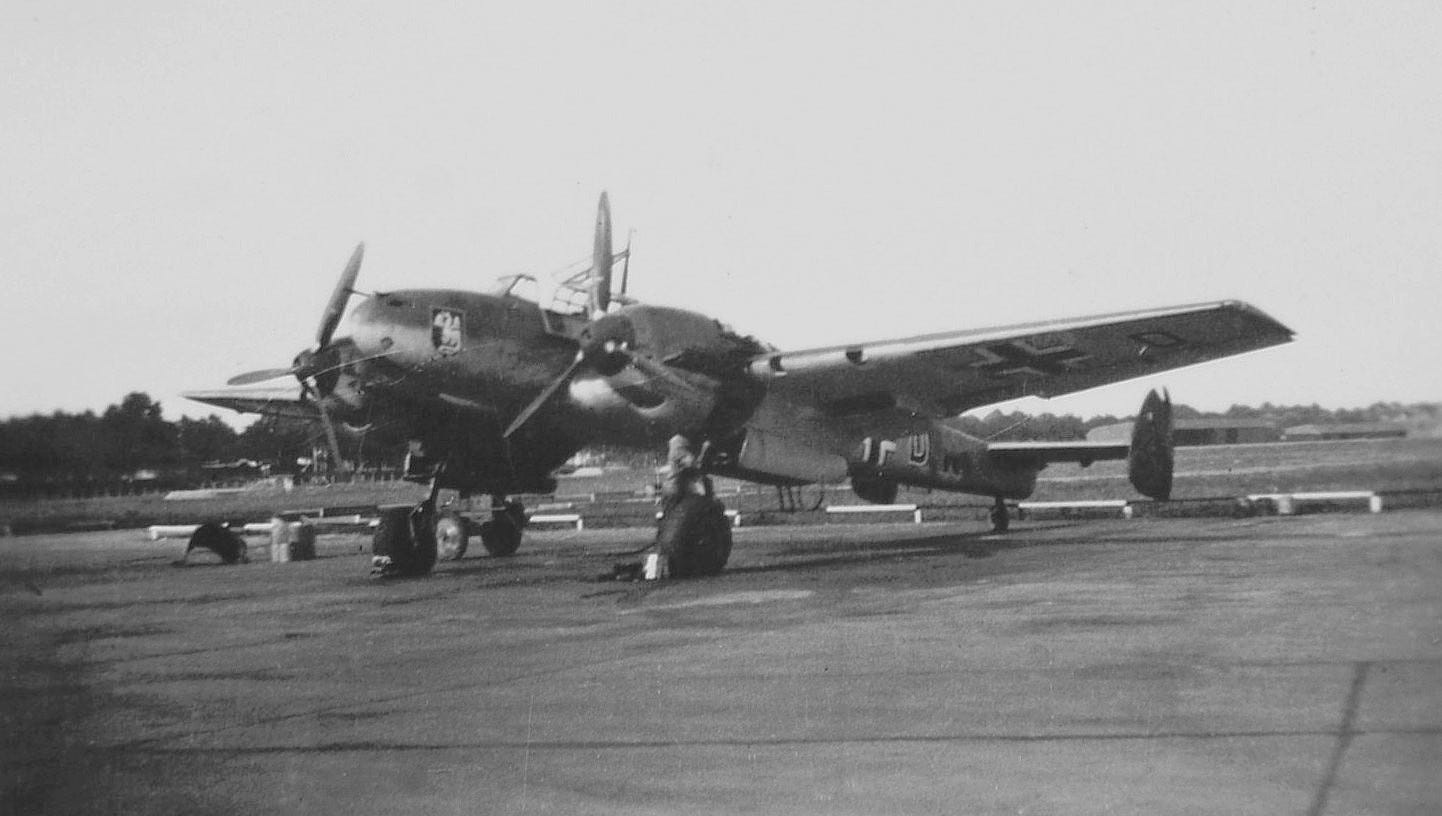
The above argument would suggest that the best approach to aircraft design and weapons procurement is to attempt to focus all attention on building well-rounded, versatile platforms like the P-51. While this is not necessarily bad advice, the Combine Bomber Offensive also offers examples where seemingly suboptimal designs ended up performing very well in roles they were never expected to perform. A good example of this was the German Messerschmitt Me-110.
The Me-110 was originally designed as “heavy fighter” or fighter-bomber at a time when many of the dynamics of air combat were not fully understood. While in some forms of combat it can be useful to have light and heavy variants of the same unit weapon system (such as heavy infantry and light infantry) that dichotomy ultimately did not prove as useful for fighter aircraft. The more heavily armed and longer range “heavy fighters” were too deficient in maneuverability to compete with more agile fighters and thus proved of little value in daylight combat.
When heavy fighters like the Me-110 were first conceptualized, the concept of a radar-equipped night-fighter was still impossible to fathom. Thus, heavy fighters were not designed with the intention that they might one day be well-suited to carrying specialized night-fighting sensors and equipment. However, as events turned out this is exactly what happened. Since they were not useful in their originally intended role, there was no reason not to repurpose heavy fighters to serve as night fighters.
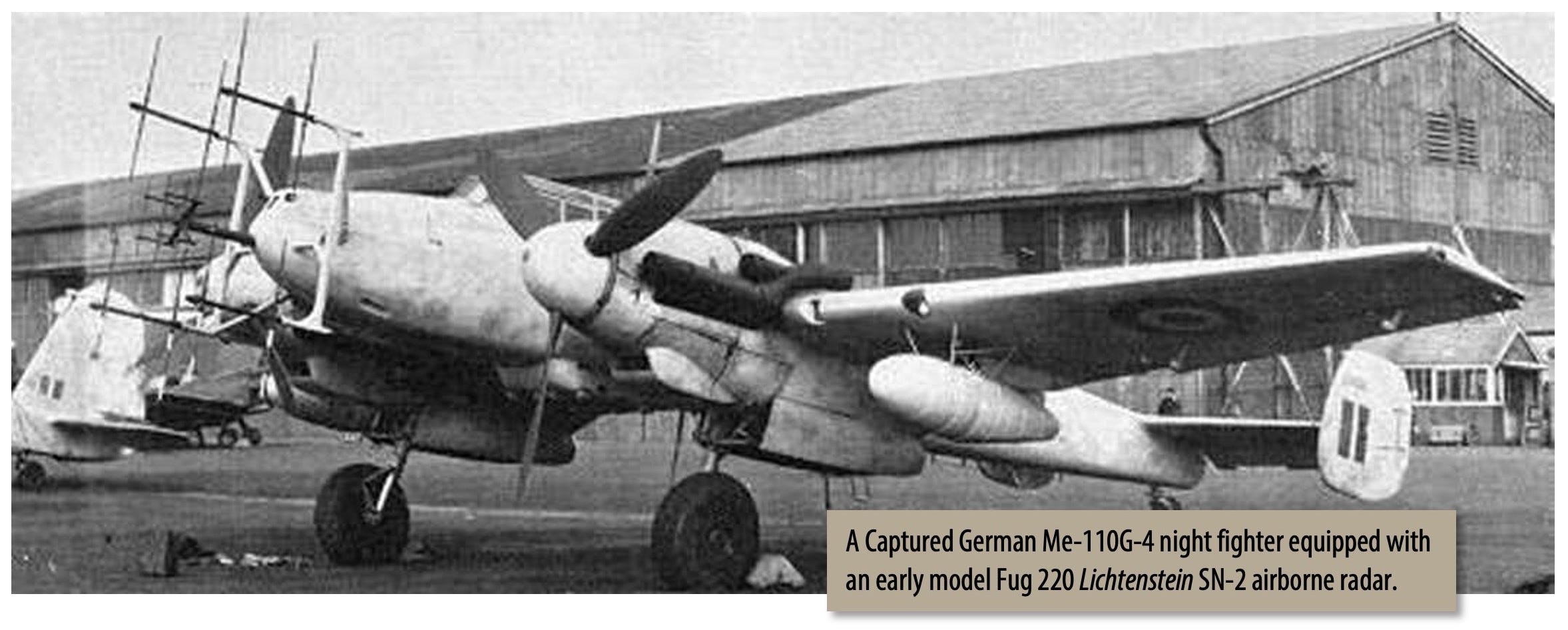
Since World War II fighters did not generally engage in traditional dogfights at night, lack of maneuverability was not a problem. However, the larger and more powerful heavy fighters could carry additional radar equipment, night sensors and additional crew members to operate them. Heavy weapons also increased lethality against bombers. The Me-110 possessed all of these advantages and thus proved much more effective in its unplanned role as a night fighter than it did in its originally intended role as a heavy fighter.
Had the Germans not made the “mistake” of developing the Me-110, their night fighter capability may not have proved as effective. Therefore, it is not clear that the best approach is aways to focus on the most simple, well-rounded, versatile designs like the P-51. Developing weapons with unique attributes and characteristics, as long as they are well-designed overall, can allow for unexpected opportunities as the battlefield changes and new requirements, roles and missions emerge.
This concludes the serialization of the main text of The Bomber Offensive. In the next and final installment we will offer some free study/research materials on the topic. For our paid subscribers we will also offer a complete, downloadable PDF e-book of The Bomber Offensive.
Comments
Nothing yet. Say the first thing.
Sign in to join the conversation.