

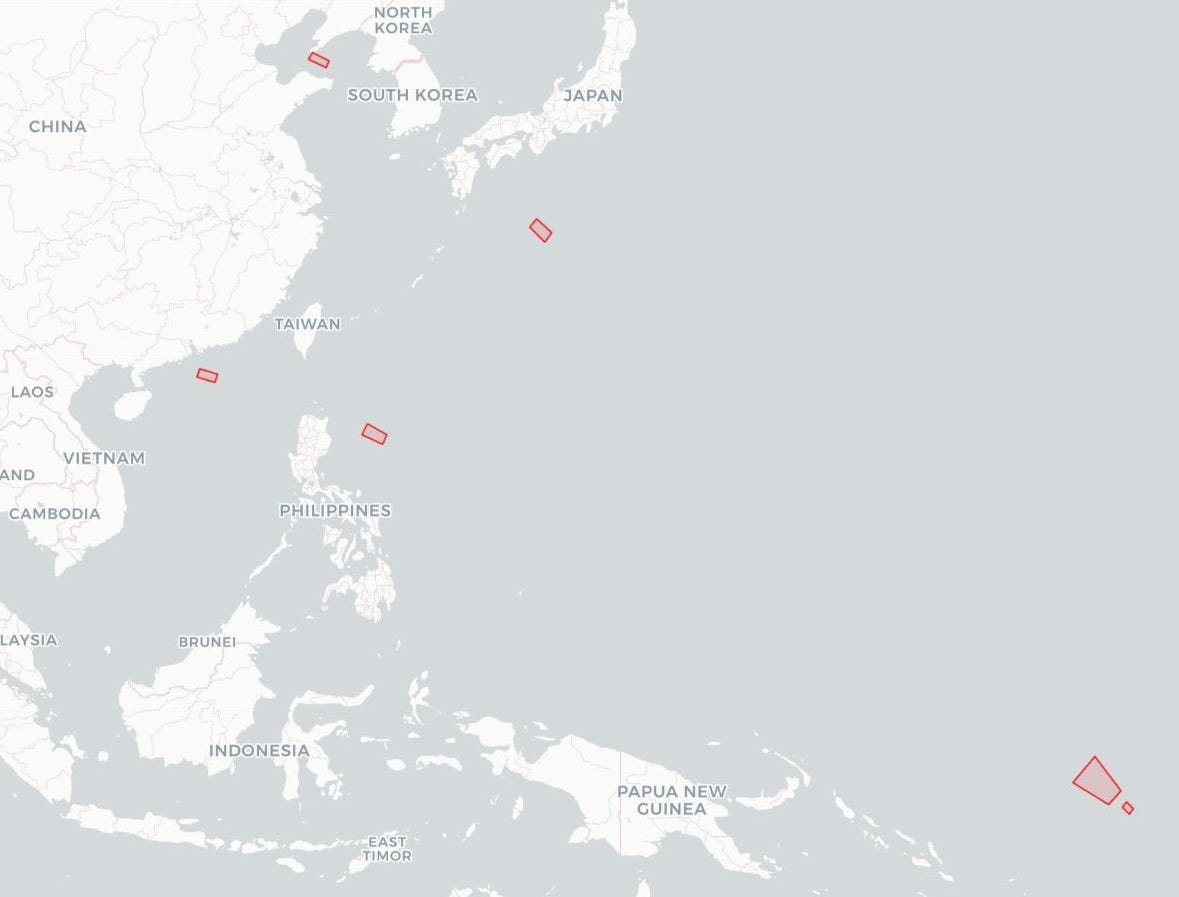
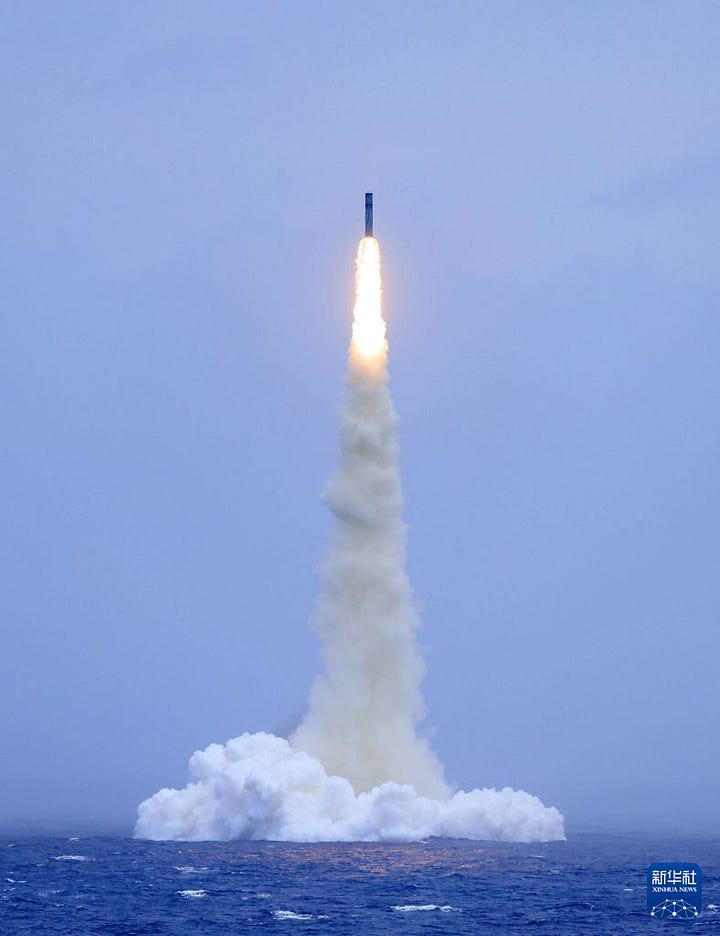
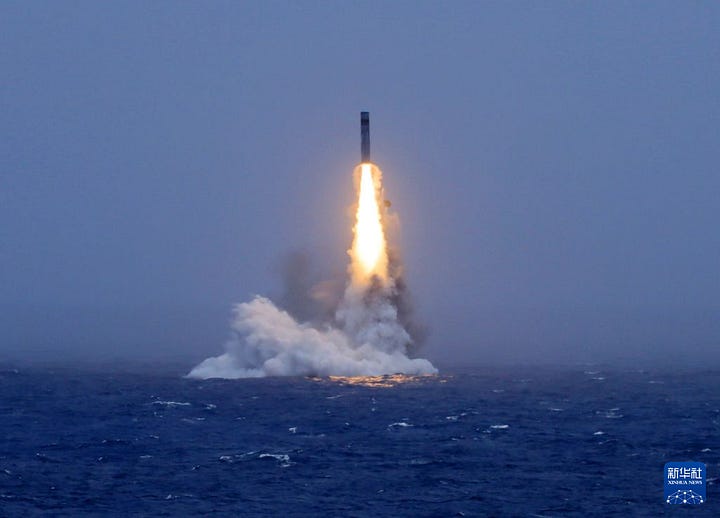
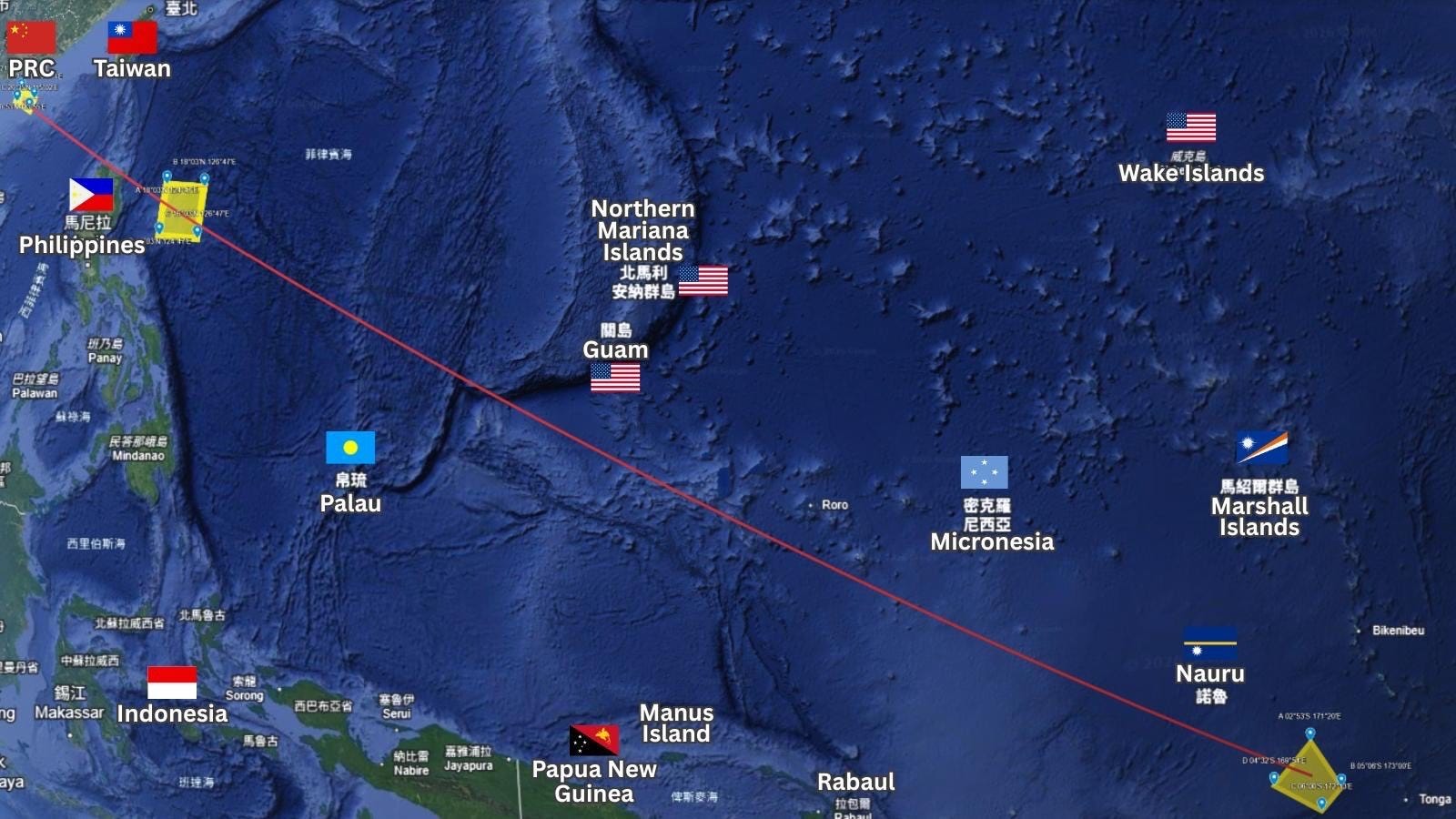
At 0401Z on 6 July 2026 China test-launched a submarine-launched ballistic missile (SLBM), likely a Julang-3 (NATO designation CSS-NX-20), from a 9IV/A SSBN (Type 094A) upgraded Jin-class nuclear-powered strategic submarine (SSBN). The missile travelled 7,500 kilometers with a dummy warhead landing in the east Pacific near Vanautu - marking the longest flight of a Chinese SLBM in history. It was likely part of a double-launch, one from the South China Sea south of Guangdong, and the other from Bohai. The window is open until…now (8 July), so we’ll see if the second launch was called off or failed or whatever…
The US monitored the launch with its COBRA BALL RC-135S aircraft, designed “to collect optical and electronic data on ballistic targets,” including collecting data on telemetry and other technical data on the Chinese missile.

Heo TaeJin@AIYeyENGDdJkjTr
July 6, 2026 #Joint Base Pearl Harbor-Hickam, Honolulu ==> #WISER39 #AE01D7 RC-135S Cobra Ball

4:00 AM · Jul 6, 2026 · 360 Views
1 Reply · 1 Repost · 2 Likes
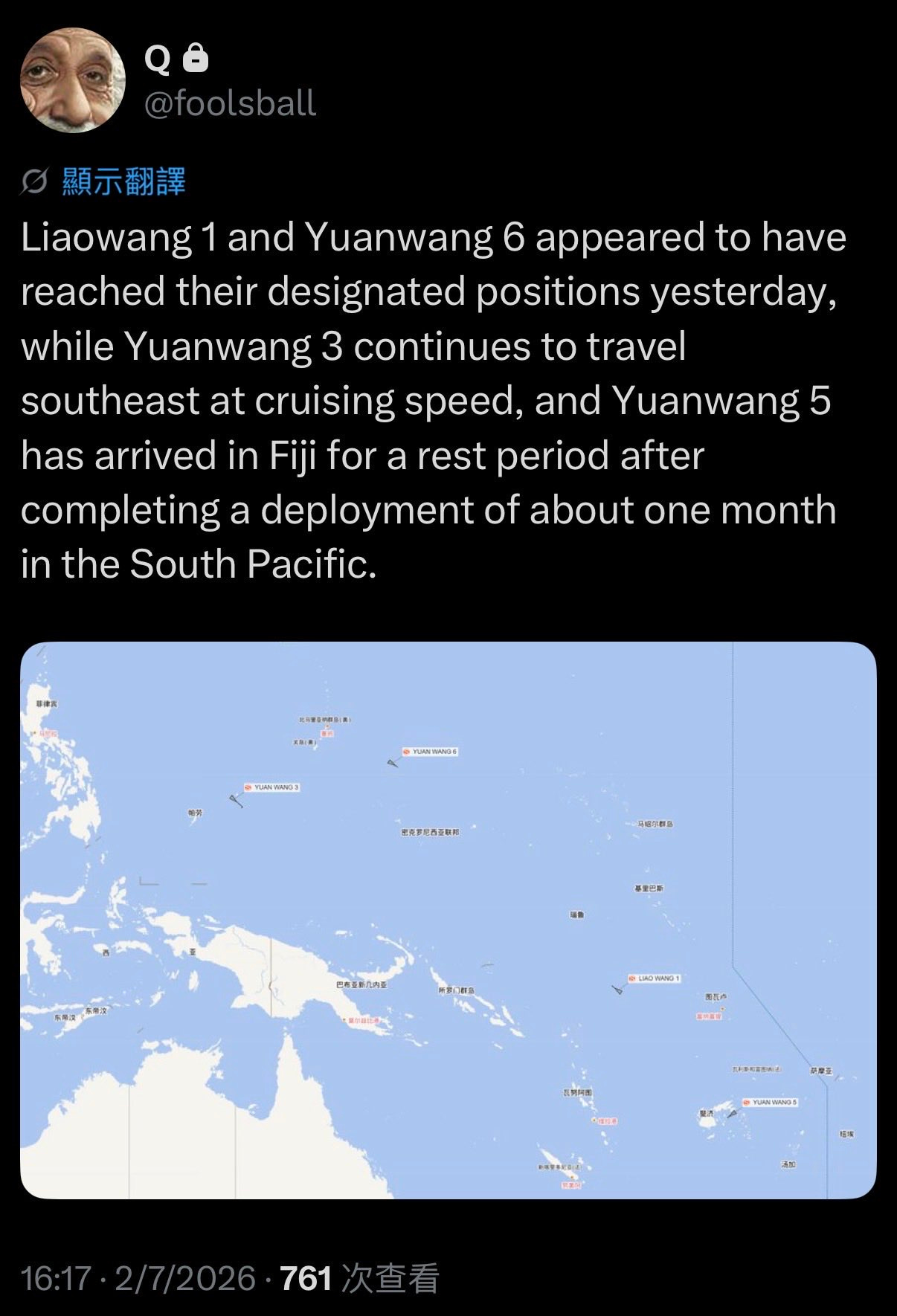
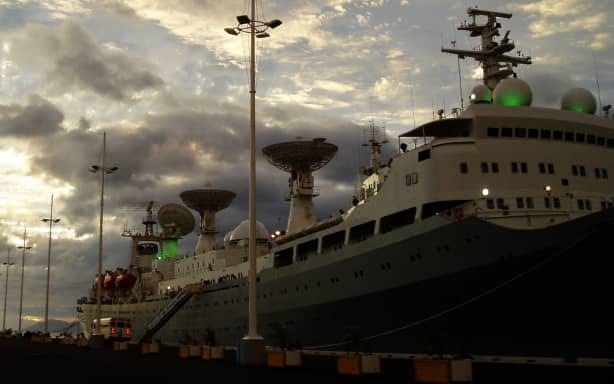
The Chinese Navy also was on site to observe the test, including the Yuanwang 3, Yuanwang 6, and Liaowang 1 (also known as Yuanwang 8) positioned along the route and Yuanwang 5 in Suva port, Fiji. The Yuanwang-class ships (远望, or “gazing into the distance”) are part of the Chinese People Liberation Army’s Strategic Support Force, designed to track space and missile launches as part of the China Maritime Satellite Telemetry and Control Department. The Liaowang 1 (瞭望 or “outlook from a high place”) is a similar but larger 30,000 ton ship that likely was in command of the task group.
The test was conducted the day before the Chinese-Russian naval exercise “Joint Sea 2026” in Qingdao (Tsingtao), with the Russian Pacific Fleet flagship, the cruiser Varyag, leading a strike/anti-submarine warfare/submarine rescue task force, and the Chinese task force led by the destroyer Kaifeng. The exercise, the twelth in the Joint Sea series, was not a part of the SLBM test.
This is the second test in two years that China launched eastward over the Pacific, with the previous Dong Feng (DF)-31 intercontinental ballistic missile (ICBM) launch on 25 Sept 2024, fired from Hainan Island travelling 11,700 kilometers to a splashdown near French Polynesia.
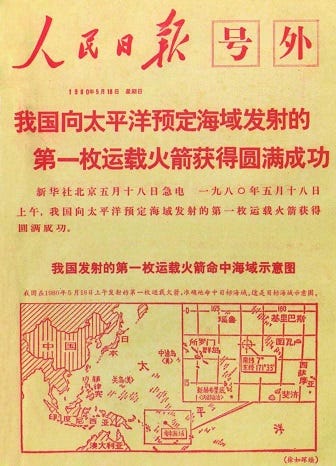
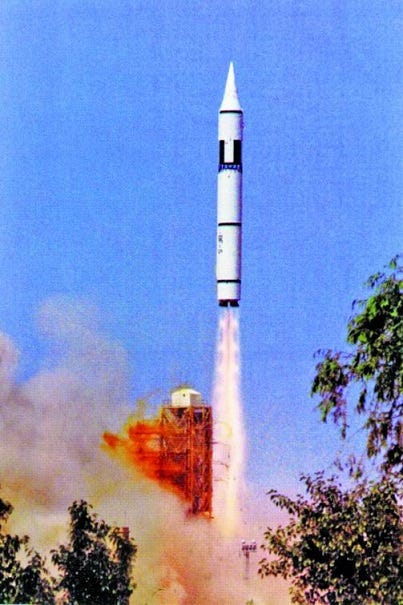
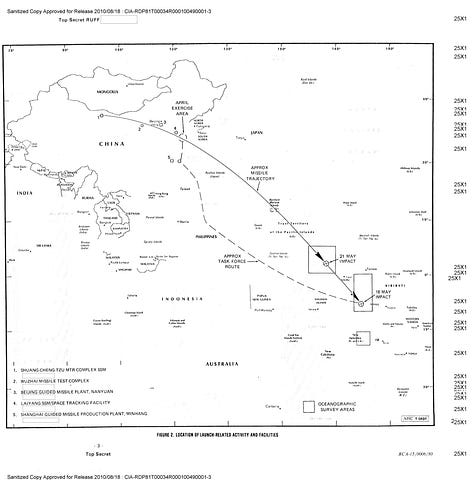
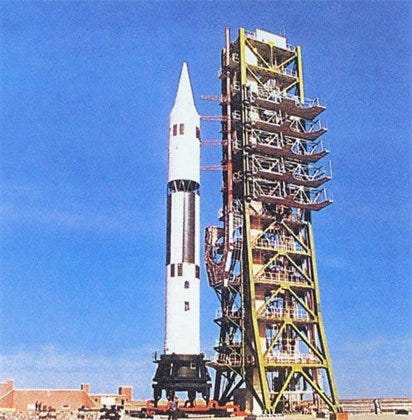
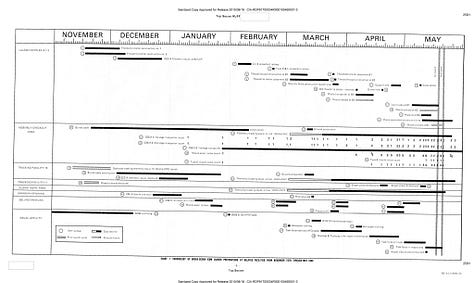
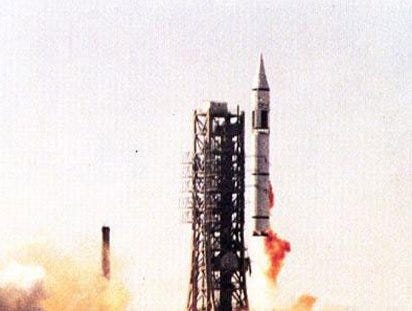
Before that, you have to go back to 18 May 1980 for the last time China fired a DF-5 ICBM missile over the Pacific, that time landing near the Solomon Islands. The 1980 test was designed to announce China's advances in its strategic force capabilities - primarily as a substantial improvement in Chinese deterrence against the USSR (but also the US West Coast).
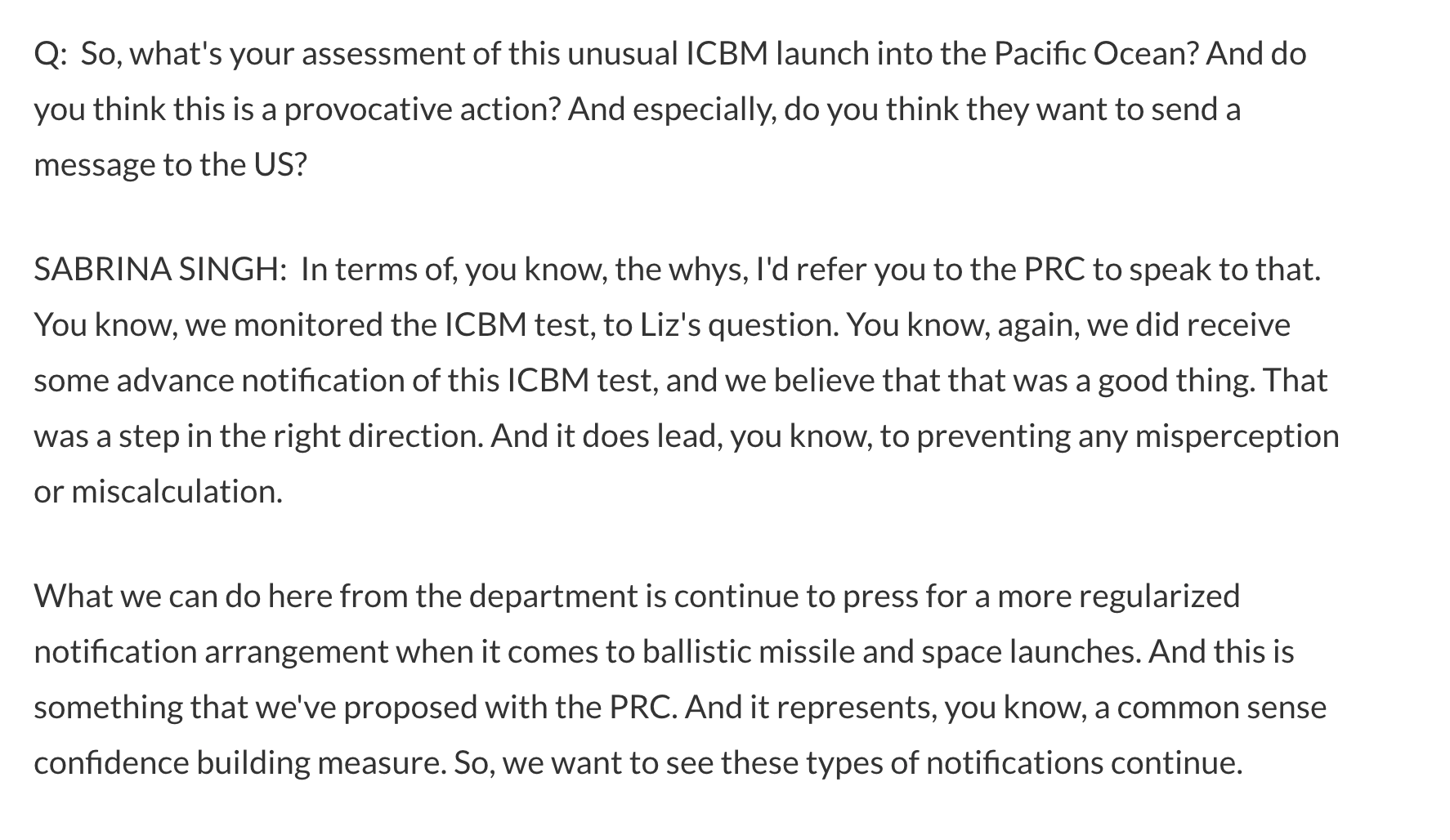
China is not a member of the Hague Code of Conduct, and thus did not notify the launch in 2024 or 2026, as the 145 HCoC subscribing states do - including "the generic class," "the planned launch notification window, the launch area and the planned direction," prior to launch.
China did on both the 2024 and 2026 launch send “ad hoc notifications” to several states. In 2024, China notified the US, Japan, Australia, France, and New Zealand, but not the smaller Pacific states near which the missile landed, including Micronesia and Kiribati. If China were in HCoC, both would have received the notification.
While there is a temptation to tie the test to events - whether it was the Australia-Fiji alliance signed earlier that day, or the massive US-led RIMPAC exercise which runs 24 June to 31 July, it is HIGHLY unlikely that the test was planned to coincide with this or retaliate to that. It is interesting, though, that the test also comes in the middle of Indian Prime Minister Narendra Modi’s visit to Australia and New Zealand from 6-11 July. I wonder what he’ll take away from this test?

While such tests can be moved slightly to improve signalling or amplify internal or external messaging, they are planned so far in advance that it is as likely to be chance or opportunism a planning. The lack of triumphalism from the Chinese suggests that this was a real operational test - meaning, testing capabilities, not signalling.

Tong ZHAO@zhaot2005
Many operational details of China's latest submarine missile test remain unconfirmed. With that in mind, I wanted to share a few preliminary observations in case they are helpful in informing our collective analysis. A short🧵:
10:42 PM · Jul 6, 2026 · 64.7K Views
7 Replies · 94 Reposts · 204 Likes
Note that China conducts a lot of missile tests (310 in 2024 alone!), but the overwhelming majority of them go towards the interior/Russia, and not to the East. This is partly why Russia and China have their own pre-launch notification agreement (signed in 2010, renewed through 2030) for missile launches in each others’ direction.
But China does not notify anyone else of these launches, even though, say, India might be concerned. This includes the December 2024 launch of several ICBMs in succession “indicating the ability to rapidly launch multiple silo-based ICBMs, as required for an EWCS operation” (EWCS: Early Warning Counterstrike operation”.

ben-reuter@benreuter_IMINT
seven (!) type 093 at Qingdao base
12:28 PM · Jul 6, 2026 · 5.19K Views
1 Reply · 12 Reposts · 89 Likes
By comparison, the US conducts 5-10 tests in the Pacific per year, split between Minuteman III test launches and Trident II test launches. So, China has conducted three in 32 years, the US 5-10 a year.
Most Russia SLBM launches occur from the Barents Sea area and fly towards eastern Russia, aimed at the Kura Test Range or from the Sea of Okhotsk landing in the Chiza range - but I don’t know of any Russian ICBMs or SLBMs that have flown over the Pacific. Russia also tests 5-10 missiles per year.
DoD tests out of Vanenburg (Minuteman III) and the Western Test Range off San Diego (Trident II D-5s).
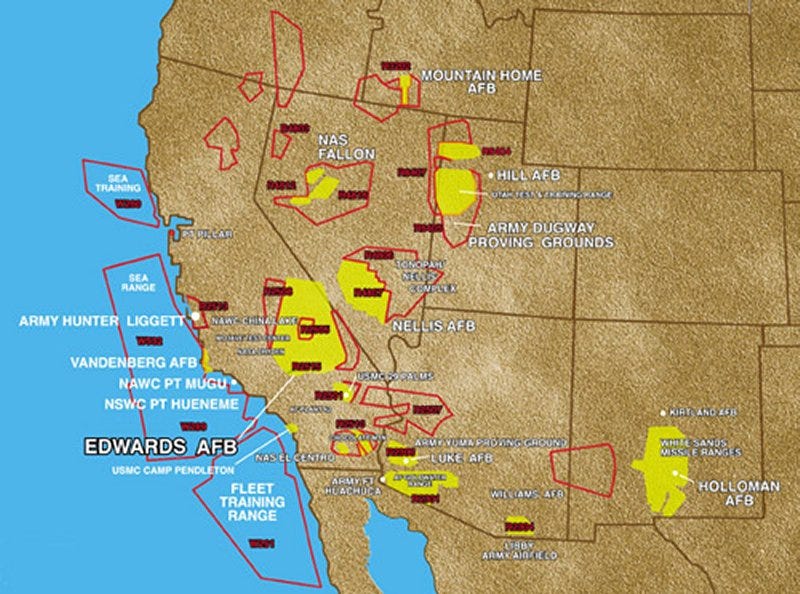
The Minuteman tests are known as the Glory Trip missile test series. The last Glory Trip test was on 20 May 2026 (GT-256), with another in March 2026, and three in 2025. The preious one was March, and three in 2025.
The Trident program launches about 4 missiles a year, usually doing 4 in the pacific and 4 in the Atlantic. The last test was on 20 September last year in the Atlantic. I expect the 2026 series of 4 will be soon and be in the Pacific.
There has been strong views online about whether this was a Julang (JL)-2 or a JL-3, but I think the context teaches us that it was a JL-3 test. This is the first test of an SLBM over the Pacific at this type of range, which suggests it was a test of a new system and not a demonstration of an older system. I agree with Tong and disagree with Etienne on this point.
Then again, as Etienne put it so elequently,
It is very difficult, if not impossible, to distinguish a JL-2 from a JL-3 in a photo, since the “JL-3” presented last September 3 during the parade for the 80th anniversary of the victory over Japan was in fact a JL-2 model on which the name had been erased and replaced with JL-3.

Etienne Marcuz@Etienne_Marcuz
Et voici ce qui semble être une photo du tir chinois de ce matin. Pour rappel il est très difficile, voire impossible, de différencier un JL-2 d'un JL-3 sur une photo, puisque le "JL-3" présenté le 3 septembre dernier lors du défilé des 80 ans de la victoire sur le Japon était


Etienne Marcuz @Etienne_Marcuz
🇨🇳🚀 Tir de missile depuis un SNLE chinois ☢️🇨🇳 La Chine a procédé tôt ce matin (06h01 heure de Paris) à un tir inédit de missile balistique depuis l'un de ses sous-marins nucléaires lanceurs d'engins (SLBM tiré par un SNLE). Si Pékin tire régulièrement ce type de missile d'Est https://t.co/mVg6sJMpMg
12:40 PM · Jul 6, 2026 · 22.8K Views
8 Replies · 28 Reposts · 176 Likes
Also, the Bohai test was supposed to go to 7,300 km, and the SCS test to 7,140 km. I doubt that they pushed the margins that hard on a test that the US would watch so intently. Far more likely that it was the JL-3, with a reported range of 10,000 kilometers, rather than a test pushing the JL-2 to its limits.
There is argument as to whether the missile overflew Japan or South Korea. Decker Eveleth in particular cast doubt on this, but we have seen so many potential tracks at this point, that I do not know what to believe. I’ll wait for Jonathan McDowell to do the math on this.

Jonathan McDowell@planet4589
Although my report used the warning areas issued by China, new reports indicate the launch may actually have used an alternate route launching from the South China Sea east of Hainan. I am seeking clarification.

Jonathan McDowell @planet4589
Suborbital launch at 0401 UTC Jul 6 of a Chinese JL-2 or JL-3 submarine missile from the Bohai Sea to the Pacific. From NOTAMs provided by @Hurin92 I fit an approx -3900 x 1050 km x 44 deg orbit with impact about 0428 UTC near 174E 6S
4:41 PM · Jul 6, 2026 · 11.9K Views
2 Replies · 13 Reposts · 97 Likes
Fortunately, Decker does break down what these tests mean for Chinese command and control and how they think about their nuclear deterrent in wartime.

Decker Eveleth@dex_eve
Is China's SLBM test a primarily a signaling exercise for other countries? Almost certainly not. A thread on the SLBM test, what China was probably attempting to achieve, and what it might mean: 🧵

4:16 PM · Jul 6, 2026 · 86.1K Views
9 Replies · 129 Reposts · 336 Likes
For the 6 July 2026 launch, the BBC said China notified Austalia, New Zealand, Japan and Papua New Guinea, but once again, not with the advance notice nor the kind of granular detail required by the HCoC and the US-Russia, China-Russia, and India-Pakistan Ballistic Missile Agreements. (France now says they too received notification of the launch.)
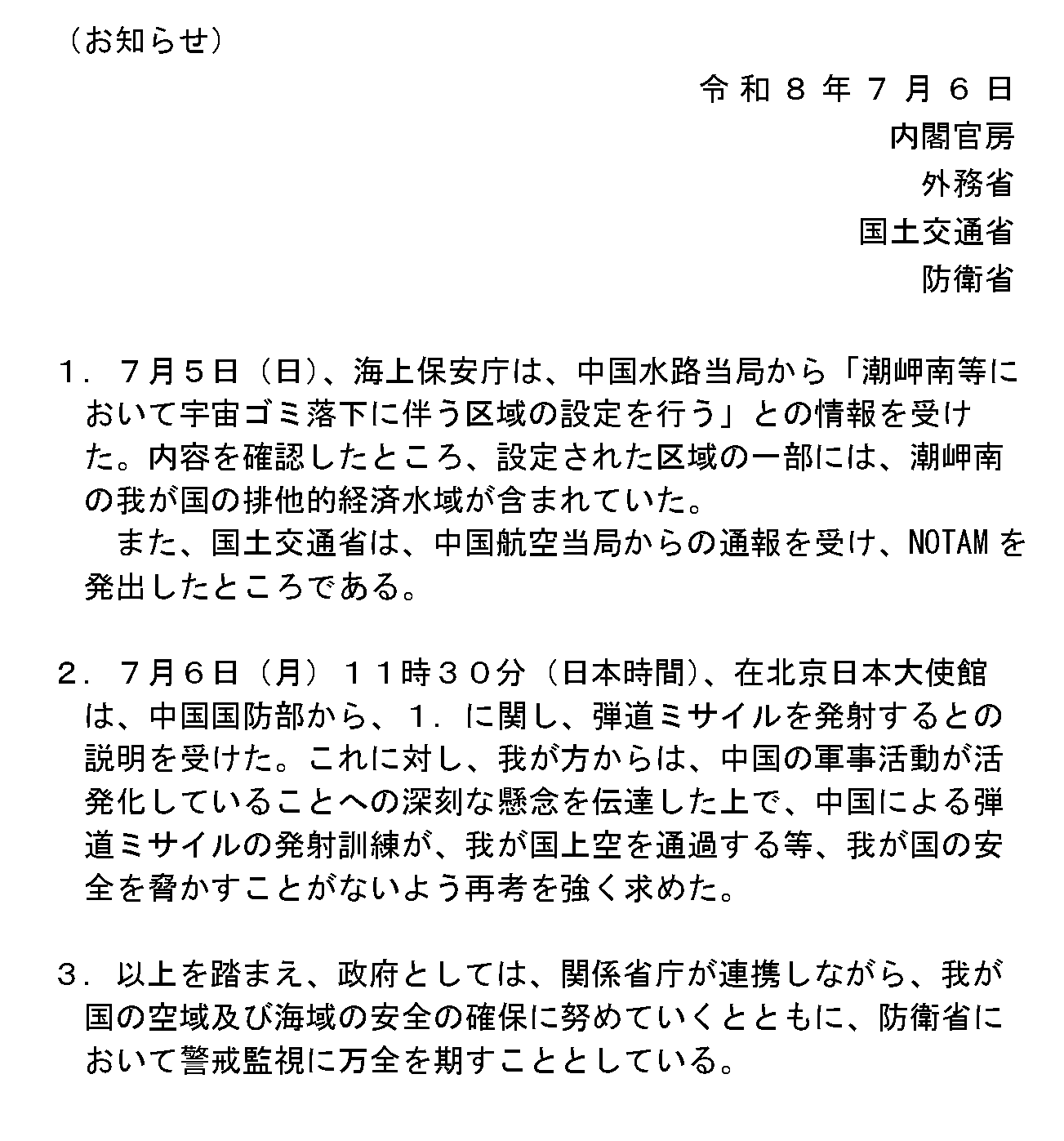
China informed Japan 30 minutes before launch (6 July 0330Z), prompting Japan to public quite publicly about how they were treated:
On July 5 (Sunday), the Japan Coast Guard received information from Chinese maritime authorities regarding the designation of an area for the falling of space debris associated with a rocket launch. Upon review of the details, it was found that a portion of the designated area lies within Japan’s Exclusive Economic Zone (EEZ). Additionally, the Ministry of Land, Infrastructure, Transport and Tourism received notification from Chinese aviation authorities and issued a NOTAM (Notice to Airmen) regarding the matter.
On July 6 (Monday) at 11:30 (Japan Standard Time), the Embassy of Japan in Beijing received an explanation from the Chinese Ministry of National Defense regarding the planned ballistic missile launch mentioned in point 1. In response, Japan expressed grave concern over China’s intensifying military activities and strongly urged China to reconsider the launch plan, particularly given the potential for the missile to pass through Japanese airspace and the resulting implications for Japan’s security.
In light of the above, the Japanese government, in close coordination among relevant ministries and agencies, is taking all necessary measures to ensure the safety of Japan’s airspace and waters. Implement security and safety measures; maintain vigilance and conduct surveillance to ensure comprehensive safety.

防衛省・自衛隊@ModJapan_jp
7月5日(日)、海上保安庁は、中国水路当局から「潮岬南等において宇宙ゴミ落下に伴う区域の設定を行う」との情報を受けた。内容を確認したところ、設定された区域の一部には、潮岬南の我が国の排他的経済水域が含まれていた。

首相官邸(災害・危機管理情報) @Kantei_Saigai
【中国弾道ミサイル関係】 中国から弾道ミサイルが発射される旨の通知があったことに係る関連情報を掲載しました。
5:00 AM · Jul 6, 2026 · 1.35M Views
156 Replies · 3.33K Reposts · 8.51K Likes
Here’s the 5 July notification from the Chinese Dalian Maritime Safety Agency:
Rocket Debris Drop – Liaoning Navigation Warning 289/26
Source: Dalian Maritime Safety Administration
Reference No.: Liaoning Navigation Warning 289/26
Issue Time: 2026-07-05 13:49
Rocket debris will fall in the area of the Bohai Strait and the northern Yellow Sea, within the polygon defined by the coordinates 38-47N 121-17E, 38-22N 122-22E, 38-00N 122-09E, and 38-25N 121-03E, from 08:00 on July 6 to 15:00 on July 8.
Entry into the area is prohibited.
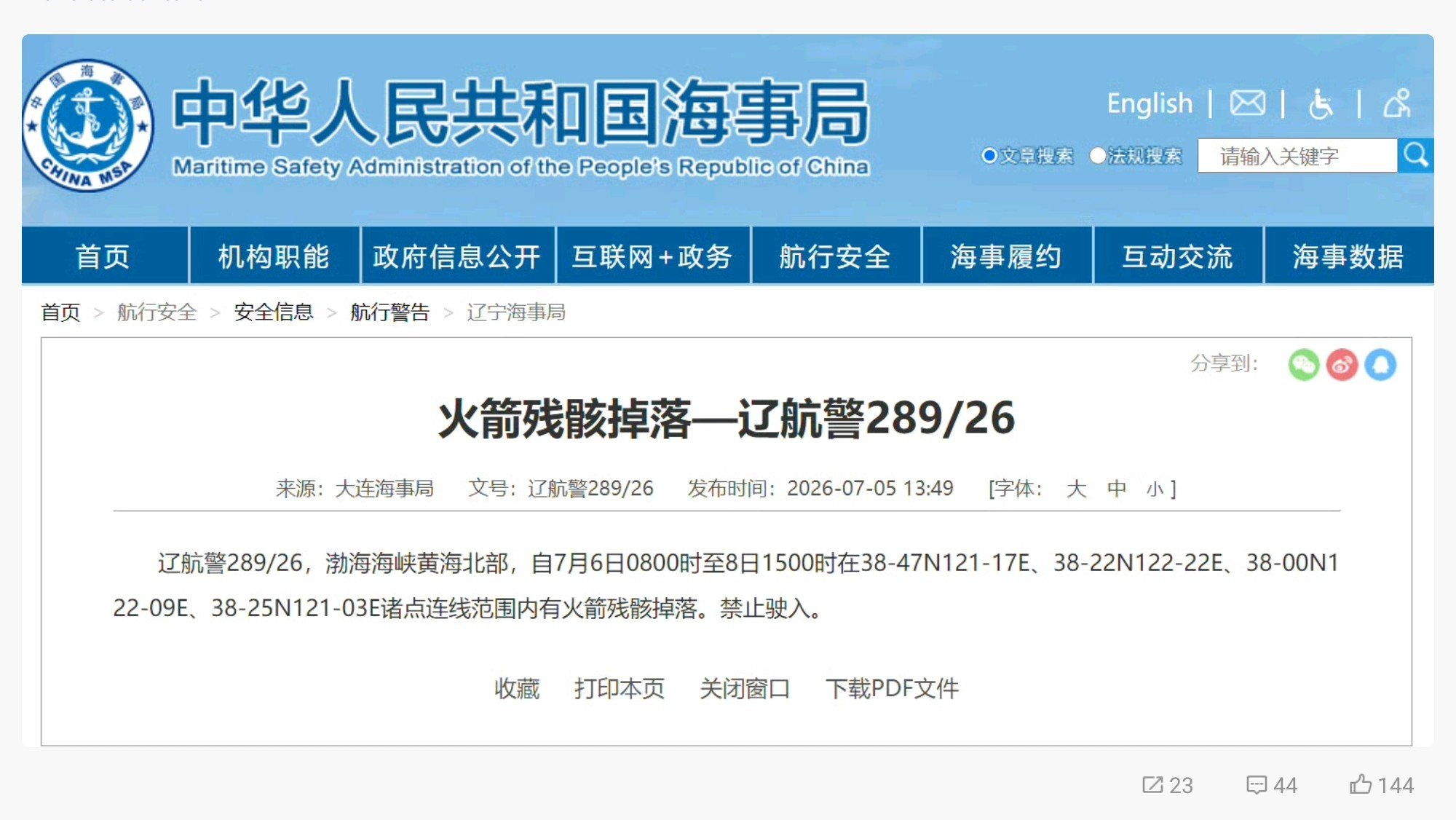
This is fascinating - did Japan’s complaints cancel the Bohai launch overflying Japan and South Korea? Was there a failure or aborted launch? Why go to all this fuss if they weren’t going to launch over this trajectory. Interesting!
Oh, ad here’s the press release from China’s MOD at 0511Z on 6 July, an hour after the launch:
At 12:01 PM on the 6th, a strategic nuclear submarine of the Chinese People's Liberation Army Navy successfully launched a submarine-launched strategic missile carrying a simulated training warhead into the relevant high seas of the Pacific Ocean. The missile accurately landed in the designated area. This missile test was a routine part of China's annual military training, and relevant countries had been notified in advance. It complied with international law and practice and was not directed against any specific country or target.
The 6 July test came up in the press briefing of Chinese Foreign Ministry Spokesperson Mao Ning. When asked about the complaints from Japan, Australia and New Zealand, she said not to overinterpret it, it was a normal test and safe":
“this is a routine arrangement in China's annual military training, in line with international law and international practices, and not targeted at any specific country or objective.”
“this was a routine military training activity, not targeted at any specific country or objective. Relevant countries were notified in advance, it is in line with international law and international practices, and the relevant launch activities have always adhered to safety standards and professional operations. We hope the relevant countries will not overinterpret this.”
Just chill, guys, it's just us lobbing an SLBM IVO Australia, nbd.

王局拍案@wangjupaian
外交部发言人毛宁7月6日主持例行记者会。有记者提问:针对周一中国向太平洋试射导弹一事,外交部能否解释一下此次试验的目的,并说明导弹的落点在哪里?

王局拍案 @wangjupaian
【日本政府:中国在本州以南海域发射弹道导弹,发射前1个半小时才通报日本?】根据新华社的部分消息,整合日本官方通报,中国发射弹道导弹的海域是日本本州以南的太平洋海域,部分是日本专属经济区,中方称给日本事先通报过,但日方称接到通报内容前后不一:先说在区域捡太空垃圾,后才通报是发射弹道 https://t.co/VIoD3zctQy
9:20 AM · Jul 6, 2026 · 3.87K Views
1 Reply · 4 Likes
Here’s the US State Department reaction on 6 July:
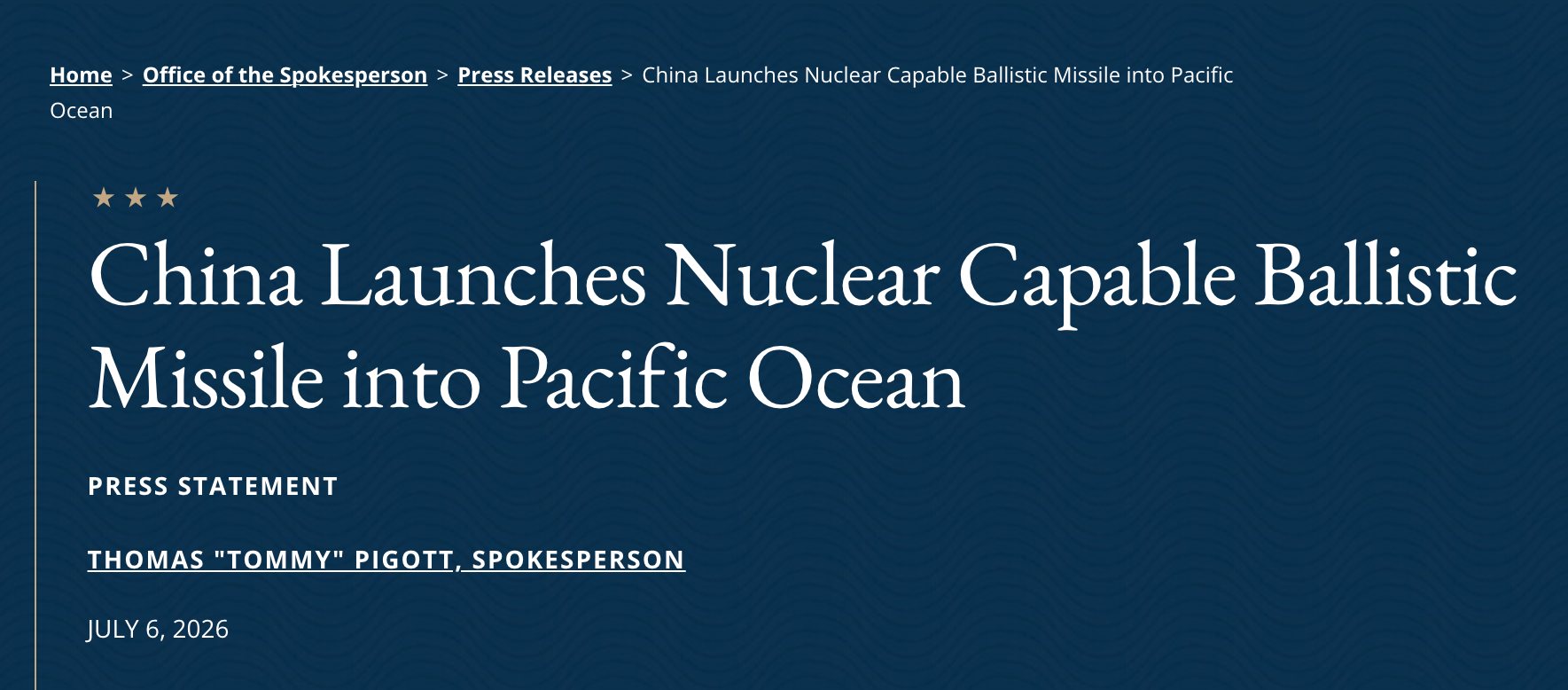
The United States monitored China’s test launch from a submarine of an unarmed intercontinental-range ballistic missile, which landed in the southern Pacific Ocean.
At a time when the United States is working harder than ever to prevent nuclear proliferation, China is doing the opposite. Beijing’s rapid and opaque nuclear weapons buildup is of great concern to the region and the world. We continue to urge China to engage in meaningful arms control discussions and commit to a regularized notification arrangement for all intercontinental-range ballistic missile and space launches consistent with commitments made by all other P5 members.
The United States remains steadfast in our defense commitments to our allies and partners.
And now we have Australia’s reaction as well from 7 July:
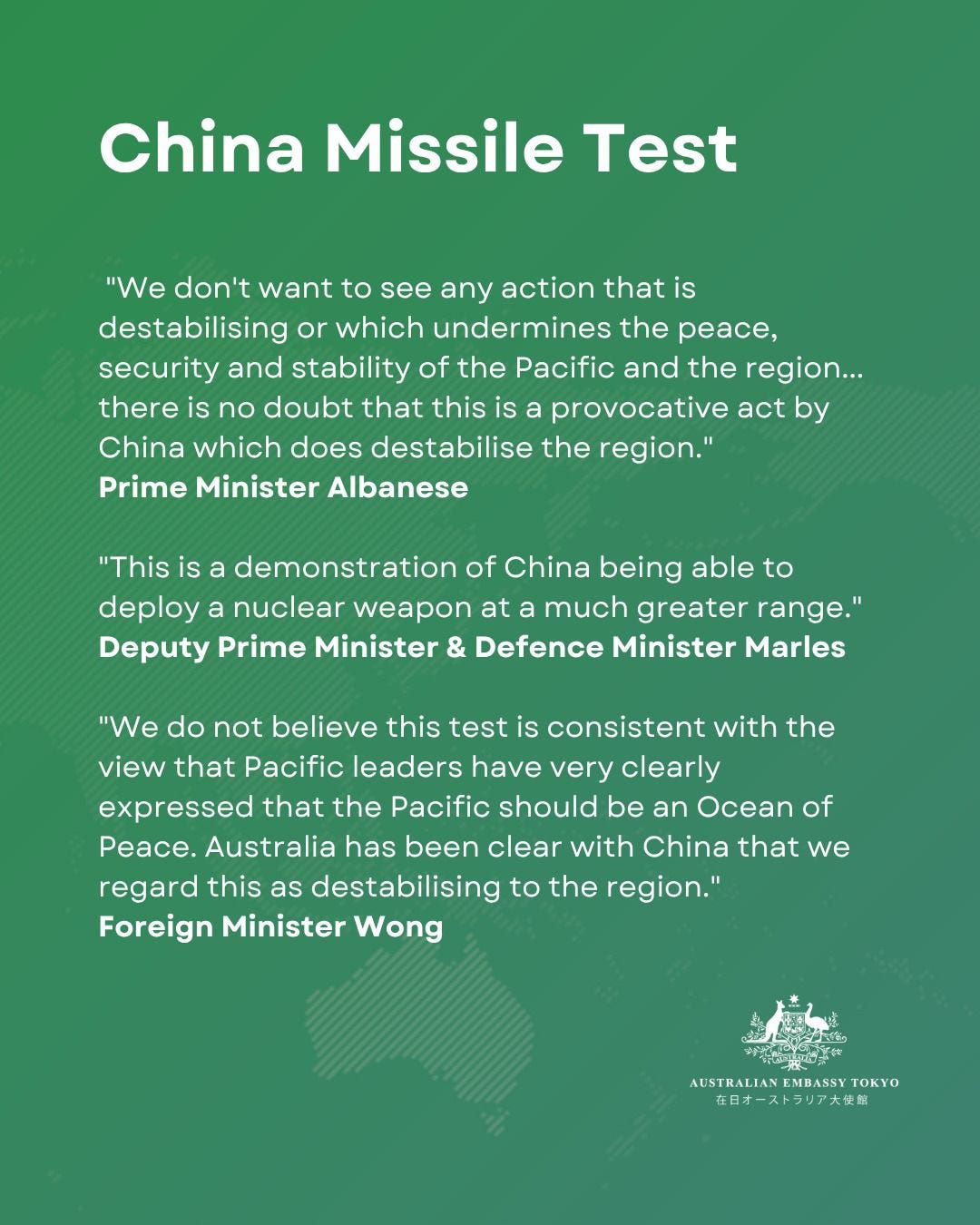
Foreign Minister Penny Wong first issued her statement on 6 July - before the test was conducted - indicating that Australia, too, was notified within hours of the test:
I can confirm that the Australian Government has been advised by the government of the People's Republic of China of their intent to conduct a sea-based missile test into the Pacific. Australia has been clear with China that we regard this as destabilising to the region. Australia has been clear that this proposal, this proposed test, is in the context of a rapid military build-up by China, which is lacking in the transparency and reassurance as to intent, that the region expects. I would make this point, the Pacific Islands Forum leaders have made clear that they want the Pacific to be an Ocean of Peace. We believe this test is inconsistent with that objective.
We also have reaction from New Zealand Minister of Foreign Affairs Winston Peters on 7 July 2026:
Earlier today, China informed us of its plans to launch a long-range ballistic missile into the South Pacific. It appears that, despite our long-standing concerns about this type of activity, China carried out the test within hours of informing us.
The Pacific is an Ocean of Peace and we are deeply concerned by China’s testing of nuclear-capable weapons into the South Pacific.
We, like our neighbours in other Pacific countries, have no interest in China using the South Pacific as a testing site for missile capability.
This missile was fired into the South Pacific Nuclear Free Zone established by the Treaty of Rarotonga. China’s action goes against the object and intent of that Treaty.
We will be talking with our Pacific partners about this development. Pacific leaders have been clear we do not want to see the region become a theatre for outside military competition. This launch is not consistent with regional stability, and peace in the South Pacific.
We are also concerned that this now seems to be a recurring pattern by China, following its test firing of an intercontinental ballistic missile into the South Pacific in 2024. We as a region should not sit by and allow such tests to become normalised or routine.
New Zealand will continue monitoring the situation in close coordination with regional partners.
The Taiwanese Director General of the National Security Council, Joseph Wu, weighed in on the debate:

Joseph Wu@josephwutw
The #PRC tested a JL2 #SLBM flying over the #Philippines moments ago. It’s a provocation that destabilizes the #IndoPacific. #China just proved itself again to be a bully on the block.

1:22 PM · Jul 6, 2026 · 109K Views
154 Replies · 319 Reposts · 1.04K Likes
Following up, on 8 July, Taiwanese Defense Minister Gu Li-hsiung and Deputy Minister of National Defense for Intelligence Xie Risheng testified before the legislature (the Foreign Affairs and Defense Committee) about the launch. They claimed it was a JL-2 but launched from the surface, causing all kinds of confusion. I assume he meas the submarine surfaced before firing?
If they are sharing information from the mixed-US-Taiwan-staffed PAVE PAWS radar at Leshan, that’s odd enough, but if they’re also sharing information corroborated from the COBRA BALL flight, that’s even worse. There’s just no reason that an intelligence professional would issue such a high confidence public assessment so soon after the launch, before all the data was in. Perhaps they want to underplay the JL-3’s readiness to ensure the US is not too deterred from defending Taiwan? We shall see.
This could have been managed better if China subscribed to the HCoC, and/or negotiated a bilateral pre-launch notification agreement with the US, or regionally with the countries that it is ALREADY NOTIFYING (but only on an ad hoc basis).
I strongly advise you read the report I worked on with my Pacific Forum colleagues to detail the history of pre-launch notification agreements and why China needs to sign up:
Thanks to the estimable Chris Buckley for making me think about all of this for the New York Times!
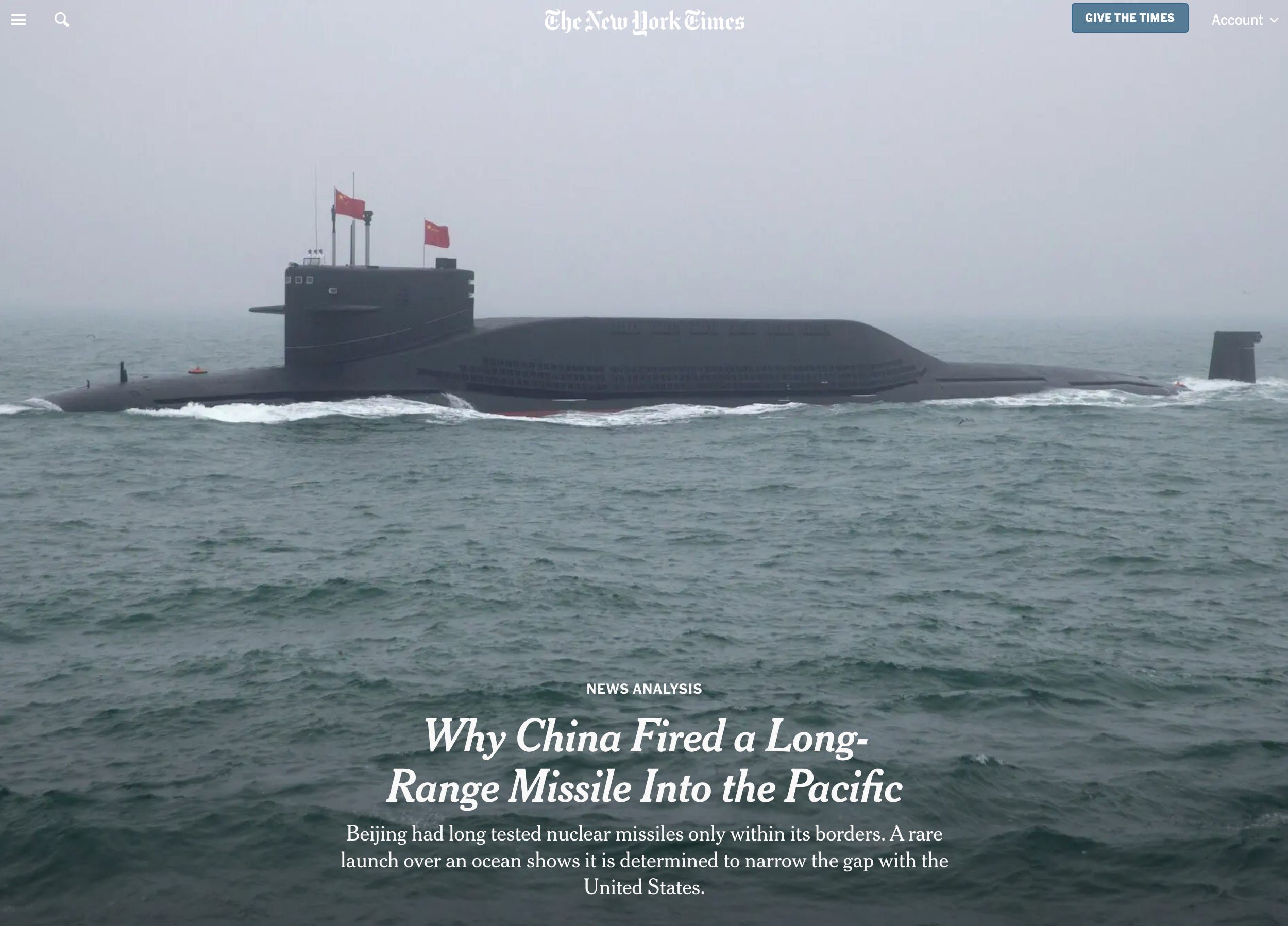
The Pacific Islands Forum (New Zealand, Australia, Fiji, Papua NewGuinea, the Solomon Islands, Tuvalu, Palau, Vanuatu and the Marshall Islands) have been unable to agree to a joint statement about the Chinese SLBM test ahead of the 22 July PIF Ministerial. More on this as it develops.
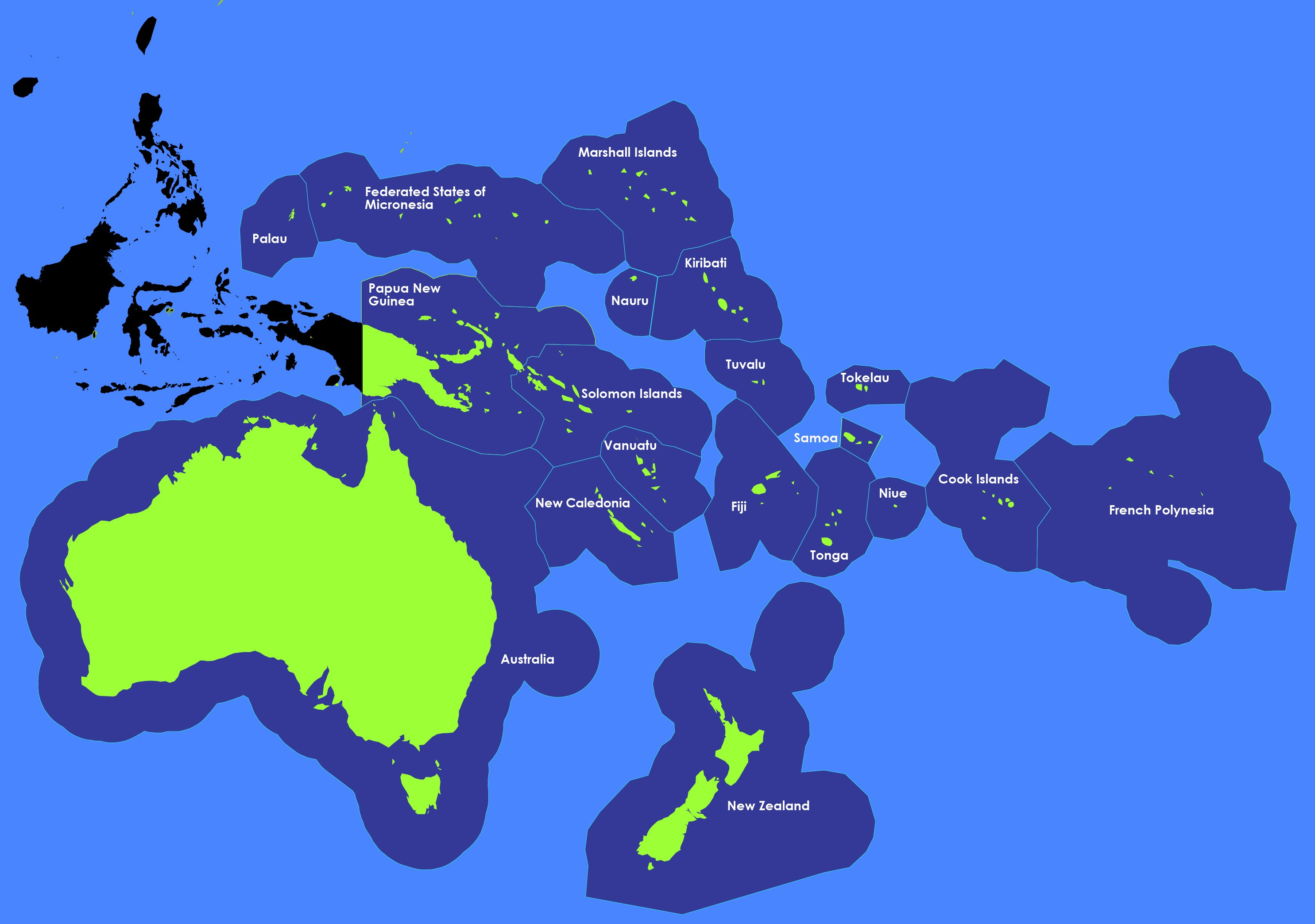
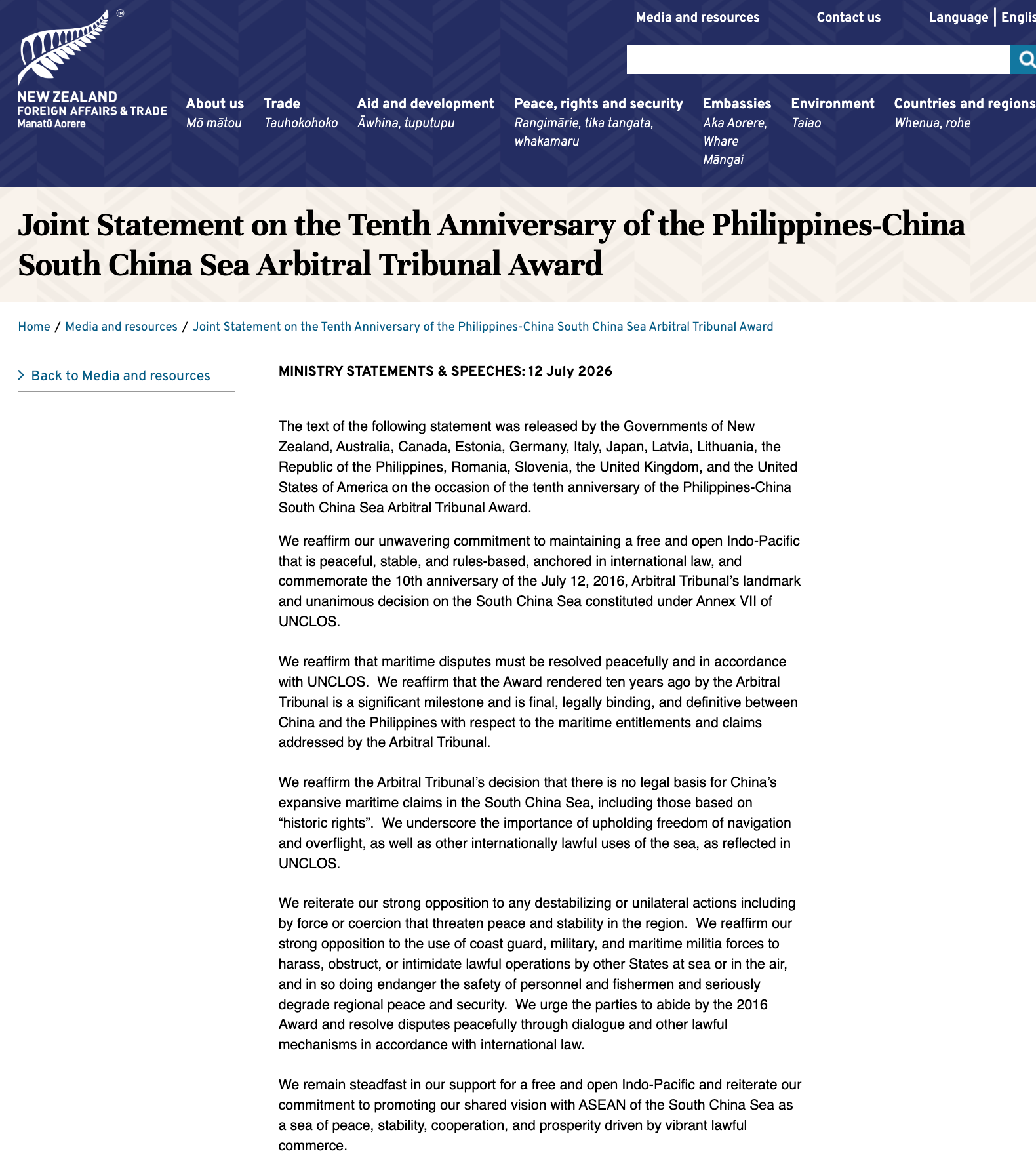
A group of allies issued a statement on the 10th anniversary of the Philippines-China South China Sea Arbitral Tribunal Award under the UN Convention of the Law of the Sea (UNCLOS).
The signatories are:
New Zealand, Australia, Canada, Estonia, Germany, Italy, Japan, Latvia, Lithuania, the Republic of the Philippines, Romania, Slovenia, the United Kingdom, and the United States of America
The statement reaffirms:
an unwavering commitment to maintaining a free and open Indo-Pacific
that maritime disputes must be resolved peacefully and in accordance with UNCLOS
the decision that there is no legal basis for China’s expansive maritime claims in the South China Sea
strong opposition to the use of coast guard, military, and maritime militia forces to harass, obstruct, or intimidate lawful operations by other States at sea or in the air, and in so doing endanger the safety of personnel and fishermen and seriously degrade regional peace and security.
Excellent.
No posts
Comments
Nothing yet. Say the first thing.
Sign in to join the conversation.