
“Finding the right portion is where everything comes together for your health.” — Dr Rob
Last week, I looked at the long hidden health benefits of aged cheeses. I discussed how aging, Vitamin K2, and calcium turn hard cheeses like Parmigiano-Reggiano and sharp cheddar into heart healthy foods.
Many of you raised an important question: What about fresh, soft cheeses like mozzarella, ricotta, and cottage cheese? Do these cheeses lack those protective benefits simply because they are not aged? The accepted answer of the past few decades would be: No! But just like last month, the answer may surprise you!
Cholesterol is on everyone’s mind. Cheese is not often thought of as part of a cholesterol lowering diet. Soft cheeses contain saturated fat and lack the dense calcium concentration of hard cheeses. This fact alone would lead you to assume they will drive up LDL cholesterol. But wait! The fat droplets in fresh cheese remain encased in a natural biological coating called the milk fat globule membrane. This membrane actively blocks cholesterol absorption in your digestive tract. I’m sure you have never heard of this.
Shocked? I don’t blame you. That is precisely why eating fresh mozzarella or cottage cheese keeps your total and LDL cholesterol levels flat. Butter is different. If you ate the same fat in butter your LDLs would spike. Cheesemaking preserves that protective membrane. Churning destroys it.
Unaged cheeses retain liquid whey during processing. This is how they derive a distinct nutritional edge. Whey protein is packed with essential amino acids, particularly leucine. Leucine plays a major role in preserving lean muscle mass as you age. Whey protein also triggers natural signals in your gut that promote fullness. It also helps stabilize your blood sugar after a meal. This gives soft cheeses a unique advantage for daily metabolic health.
Many of us have issues with digestion. Especially as we get older. Fresh cultured cheeses like cottage cheese, fresh goat cheese, and traditional feta deliver active, friendly bacteria directly to your digestive system. This nourishes your gut lining. Because soft cheeses retain more moisture, they are naturally lower in overall sodium and fat density per serving compared to hard aged options. This makes them an exceptionally gentle choice for maintaining healthy blood pressure while still enjoying real cheese.
Finding the right portion is where everything comes together for your health. Clinical studies show that the protective benefits of soft cheese peak at around one to one and a half ounces per day. That comes to about thirty to forty grams. This serving gives your body plenty of whey protein, bioactive peptides, and intact fat membranes.
All of this is done without overloading your daily energy needs or crowding out essential plant foods. It is easy to enjoy this target portion. You can whip a little ricotta into roasted vegetables. Add fresh mozzarella into a leafy green salad. Or pairing cottage cheese with seeds and fresh berries.
While authentic whole food cheeses support your health, ultra processed cheese products fail to deliver those same benefits. Products like plastic wrapped American singles, canned cheese dips, and shelf stable sauces are melted and stripped of their natural structure.
Manufacturers add vegetable oils, emulsifiers, and heavy sodium. These additives completely destroy the protective milk fat globule membrane. Without that natural matrix, these processed products trigger inflammation and elevate blood pressure. They offer no support for your bones, gut, or arteries. I can honestly say that I do not indulge in these processed products.
Soft cheeses protect your health just as effectively as hard aged chesses. But they do it through entirely different biological pathways.
Through my research into the health benefits of cheeses, I’ve allowed my self the opportunity to enjoy cheese in moderation. By doing so I have added a level of pleasure and satiety to my life.
Whether a cheese is aged for two years or made fresh today, the whole food matrix changes how your body handles its nutrients. Soft, cheeses are not a lesser choice. When enjoyed in moderation alongside a plant forward diet, they are profoundly satisfying. Their nutrient density fits beautifully into a long and healthy life.
Take advantage of what cheese has to offer.
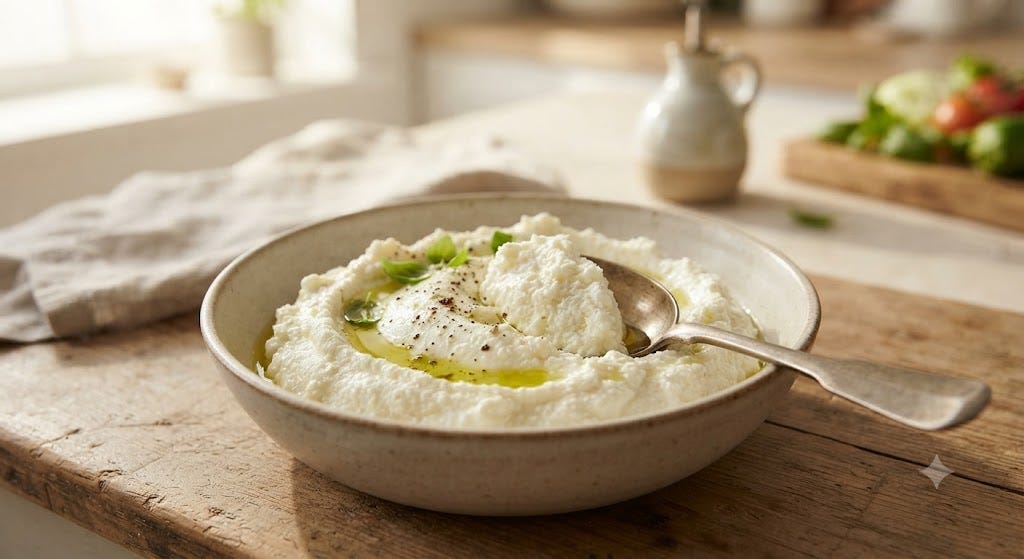
This dish takes full advantage of the high moisture and whey protein content in fresh ricotta. It whips it into a light, creamy base that pairs effortlessly with antioxidant rich vegetables and heart healthy extra virgin olive oil. I think you will really enjoy this bonus recipe.
One cup of whole milk fresh ricotta cheese
One tablespoon of extra virgin olive oil, plus a small drizzle for finishing
One teaspoon of grated lemon zest
One tablespoon of freshly squeezed lemon juice
Two cups of fresh baby spinach or roasted zucchini slices
A pinch of sea salt and freshly cracked black pepper
One tablespoon of chopped fresh basil or parsley
Place the fresh ricotta, one tablespoon of olive oil, lemon zest, and lemon juice into a food processor or blender. Blend for about one minute until the texture transforms into a light, velvety cream. Spoon the whipped ricotta onto a shallow serving dish. This creates a slight well in the center with the back of a spoon. Gently fold your fresh greens or warm roasted vegetables directly over or alongside the whipped cheese. Finish with a light drizzle of extra virgin olive oil, fresh herbs, a pinch of sea salt, and black pepper to taste.
References
1. Atherosclerosis (2025): The impact of sex and the cheese matrix on cholesterol metabolism in middle-aged adults.
2. Examine.com / American Journal of Clinical Nutrition (2024–2025 Review): Dairy fat and blood lipids: a journey into the food matrix.
3. Nutrients (2024): The Role of Whey Protein and Bioactive Peptides in Glycemic Control and Vascular Function.
4. Frontiers in Nutrition (2025): Cheese: mere indulgence or part of a healthy diet?
5. BMJ Open (2025): Ultra-processed food consumption and cardiovascular disease risk: a systematic review and meta-analysis.
Vitality Vibes is here to help you thrive for life through the transformative journey to mental and physical health.
Feel free to let me know your reactions or to ask any questions you may have.
Reminder: if you have any concerns about the your health, don’t hesitate to see your medical provider. None of the suggestions in this newsletter should supersede the advice of your physician. Vitality Vibes does not diagnose or treat any medical diseases or conditions.
If you like what you read, don’t forget to click the heart button and subscribe, as well as sharing on social media. It makes my work more visible.
Comments
Nothing yet. Say the first thing.
Sign in to join the conversation.