

“Being healthy shouldn’t feel like a second job, it should feel like a natural, supportive rhythm.” — Dr Rob
If you have medical concerns, please consult with your medical or health provider. The information contained in Vitality Vibes is for educational purposes only.
In our busy lives, it is incredibly easy to get swept up in the latest health trends. Every week, we are bombarded with new “must-do” exercises, strict diets, and complicated sleep hacks. It can feel overwhelming, and when we try to do it all at once, we often run out of steam.
I want to share a secret with you: staying healthy is not about having perfect willpower. It is about building a simple, reliable system that works for you, even on your busiest days.
This week, I’m going to help you design a personalized wellness plan that actually fits your real life. I’ll cover the following areas:
getting a clear picture of your starting baseline,
explore the four simple pillars of health tailored directly to your stage of life,
learn how to map them out into a fluid weekly routine so they run on autopilot.
As you read through the sections below, I invite you to keep a notebook or a piece of paper nearby. Don’t just read the words, write down one or two simple ideas that spark your interest for each section. When you write down your own creative ideas, you take ownership of your health. You are no longer just reading a guide; you are actively designing a system that belongs entirely to you.
Being healthy shouldn’t feel like a second job, it should feel like a natural, supportive rhythm.
And because a healthy system must also be a safe one, I have included a timely safety update on how to protect yourself and your family during the current fresh produce contamination alerts.
To create a comprehensive, long-term health plan, you need to focus on four core pillars: preventative medical care, consistent physical activity, balanced nutrition, and restorative sleep.
When we look at these four pillars not as separate chores, but as a connected system, healthy living suddenly becomes much easier. Furthermore, while the core architecture of these pillars remains identical for everyone, the way the system prioritizes its inputs changes as our bodies mature.
Here is how to build your personal plan, step-by-step, adjusted for your specific stage of life.
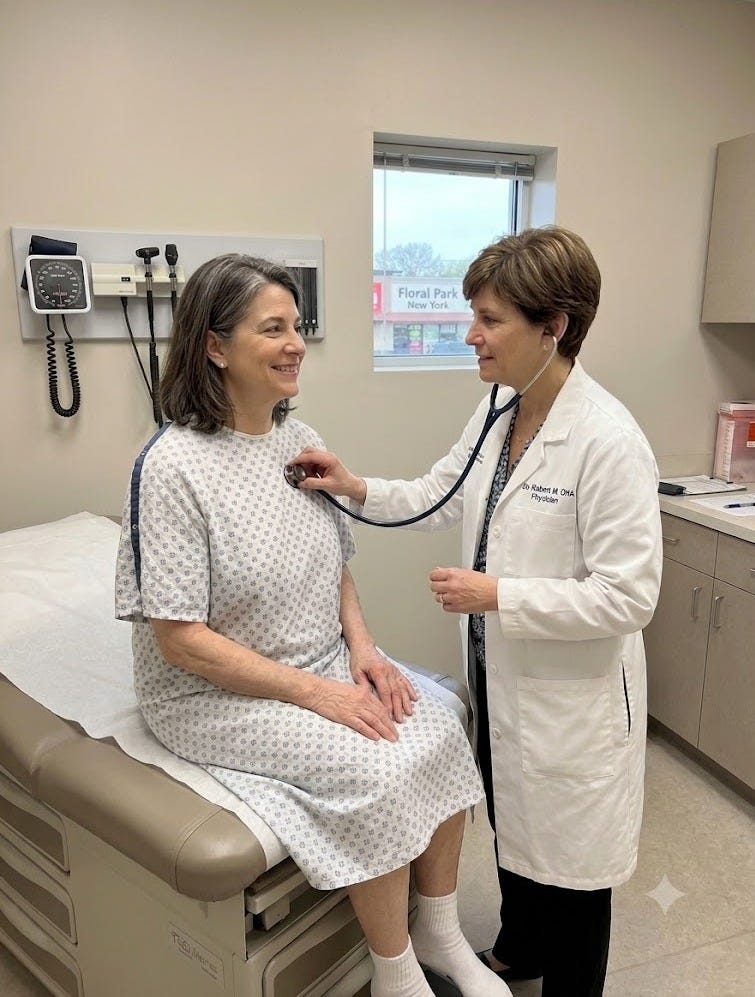
Before you change a single daily habit, you need to know exactly how your body is currently running. This means establishing a clear health baseline first through diagnostic tracking, screening, and understanding your family history.
20s–30s (Establishing the Baseline): Focus on mapping out your family health history, establishing baseline blood pressure and cholesterol numbers, and forming a stable relationship with a primary care provider.
40s–50s (System Maintenance): Introduce regular screenings for cardiovascular risk, blood sugar tracking (HbA1c), and cancer screenings. This is the time to catch and manage subtle metabolic shifts early.
60s–70s & Beyond (Longevity Partnership): Transition to close, active monitoring of heart, bone density, and urological or neurological health. Work as a collaborative team with your specialists to protect your daily functional independence.
Your System Note: What is one health baseline metric or family history detail you want to discuss at your next doctor’s visit? Write it down now.

You do not need an exhausting, hour-long workout to stay healthy. You just need regular, reliable movement that honors your structural frame, keeps your baseline strong, and anchors into your existing daily routines.
20s–30s (Building the Reserve): Focus on building peak bone density and cardiovascular stamina. This is the ideal window to build a diverse foundation of strength, agility, and dynamic endurance.
40s–50s (Preserving Muscle & Joints): Shift your focus toward preserving lean muscle mass and protecting joint longevity. Prioritize functional resistance training balanced with strategic recovery periods to manage tissue stress.
60s–70s & Beyond (Balance & Freedom): Prioritize compound, joint-sparing movements that emphasize balance, stability, and core strength. The primary goals here are fall prevention, autonomic regulation, and maintaining easy, daily mobility.
Your System Note: What is one tiny, 10-minute movement you enjoy that you can anchor to an existing daily habit (like stretching while your morning tea or coffee brews)? Write it down.
What you put into your body is the fuel that runs your entire physical system. However, to keep this system running smoothly, our food inputs must match our metabolic demands and remain entirely safe.
When there is an active warning about a food parasite like Cyclospora, we have to be exceptionally careful. Unlike typical bacteria, this microscopic parasite has a sticky outer shell and is highly resistant to chemical sanitizers and chlorine. This means simply washing raw fruits and vegetables at home is not enough to guarantee your safety.
To keep your nutritional system running safely without skipping a beat, use these protective adjustments:
Avoid high-risk raw produce entirely: During an active warning, completely skip raw herbs (like cilantro), pre-packaged salad mixes, berries, and raw snow peas, basil and lettuce. Because washing doesn’t reliably remove this parasite, avoiding these items raw is the smartest shield.
Cook your vegetables thoroughly: Heat is your ultimate defense. Thorough cooking completely destroys the parasite. Focus on warm, cooked dishes. Steaming, roasting, or sautéing your vegetables makes them perfectly safe to eat.
Rely on frozen and canned options: Frozen fruits and vegetables are washed and blanched before being frozen, and canned foods are fully cooked during the packaging process. Both are highly nutritious, sterile, and safe options to keep in your pantry.
Keep your kitchen spaces clean: Always wash your hands with warm water and soap for at least 20 seconds before and after preparing food. Clean your cutting boards, dry your utensils thoroughly, and prevent any cross-contamination.
Once your immediate food safety is secured, you can tailor your daily fuel to match your biological age:
20s–30s (Clean Energy): Focus on whole, nutrient-dense foods to fuel high metabolic demands. Establish clean eating habits centered around legumes, grains, and clean proteins to support an active lifestyle.
40s–50s (Anti-Inflammatory Focus): Adapt to changing metabolic and hormonal rates by emphasizing anti-inflammatory whole foods. Prioritize fiber, healthy fats, and targeted nutrients that aid cellular repair and weight management.
60s–70s & Beyond (Nutrient Density & Muscle Protection): Focus on highly digestible, protein-sufficient, and nutrient-dense options to prevent muscle wasting (sarcopenia). Rely on plant-based staples like lentils and tofu, alongside modest portions of fish or chicken, and ensure high-risk items are thoroughly cooked to protect a maturing immune system.
Your System Note: Given the current food safety warnings, what is one cooked or frozen alternative you can add to your grocery list this week? Write it down.
Share Vitality Vibes: Aligning the Systems of Life

Sleep is the ultimate maintenance cycle for your body. It is when your brain clears out metabolic waste, the autonomic nervous system regulates, and your tissues repair themselves.
20s–30s (Stress Recovery): Utilize consistent sleep hygiene as the primary antidote to high professional, social, and psychological stress, allowing the nervous system to fully reset after demanding days.
40s–50s (Hormonal Regulation): Optimize your sleep environment (cool, dark, and quiet) to safeguard deep sleep stages, which are crucial for regulating shifting hormones and supporting optimal tissue repair.
60s–70s & Beyond (Cognitive Clarity): Protect your sleep architecture to sustain daily energy levels and safeguard long-term cognitive health. Focus on consistent bedtimes and relaxing evening rituals—such as structured breathing exercises—to overcome age-related sleep fragmentation.
Your System Note: What is one small change you can make to your bedroom or your evening schedule tonight to protect your sleep? Write it down.
A health system only works if it fits into the natural rhythm of your week. You do not need to do everything every day. Instead, look at how a simple, balanced weekly routine can flow effortlessly:
Every Morning: Enjoy your morning nutrition, hydrate with room-temperature water, and do a quick 5-minute stretch while your breakfast or morning tea brews.
Every Evening: Protect your system reset by winding down at the same time, utilizing a calming breathing sequence, and keeping your bedroom cool and dark.
Monday (Movement Focus): Start the week with a brisk, intentional 10-minute walk outdoors or an indoor walk if the weather is poor.
Tuesday (Strength & Check-In): Dedicate 15 minutes to light resistance exercises or functional isometrics. Take 2 minutes afterward to check your healthcare portal or note any health metrics for your upcoming checkup.
Wednesday (Nutrition & Prep Focus): A mid-week pause to check the kitchen. Verify recent food safety alerts, chop some safe, cooked vegetables, or simmer a batch of nourishing bean stew for easy lunches.
Thursday (Movement Focus): Keep the momentum going with another dedicated 10-minute walk. Focus on your posture, stride, and a steady pace.
Friday (Strength & Flexibility): Complete your second light resistance session of the week, focusing on balance movements and yoga postures that keep your joints stable and strong.
Saturday (Community & Active Living): Combine your pillars. Enjoy a longer, relaxed walk with family or friends, or share a fully cooked, safe meal in nature with loved ones.
Sunday (System Rest & Planning): Keep activity completely leisurely. Take 10 minutes to plan your grocery list for the upcoming week (relying on safe, thoroughly cooked, or high-quality frozen staples) and set out your exercise bands for Monday.
A true health system is scalable. Whether you are taking your first steps toward wellness or optimizing an established routine, you can adjust the intensity of the four pillars to match your capacity:
Beginner (Establishing the Habit): Focus purely on consistency over intensity. Stick to the baseline 10-minute daily walks, light bodyweight or resistance band exercises twice a week, and basic sleep and nutrition tracking. Your primary goal is anchoring the routine into your week.
Intermediate (Building Capacity): Increase your movement volume and structural challenge. Expand daily walks to 20–30 minutes, integrate moderate weight training (2–3 times weekly) with progressive overload, and begin tracking specific dietary metrics like daily protein target intake (e.g., aiming for plant-based or lean protein at every meal).
Advanced (Optimizing Performance & Longevity): Refine the system for peak functional capacity and recovery. Incorporate zone 2 cardiovascular training alongside targeted high-intensity intervals, execute structured resistance programs focusing on balance, power, and joint mobility, and utilize advanced recovery protocols such as sleep architecture optimization, heart rate variability (HRV) monitoring, and tailored nutrient timing.
The real magic happens when you realize these four pillars do not exist in isolation. They are constantly talking to each other as a dynamic feedback loop.
When you prioritize preventative care, you get the diagnostic clarity you need to choose the right, age-appropriate physical activity.
When you engage in consistent movement, you naturally tire your body, which leads to deeper, restorative sleep.
When you wake up fully rested, you have the mental energy to make better choices around balanced nutrition and strict kitchen safety.
And when your body is properly fueled, you have the stamina to keep moving, which keeps your cardiovascular and metabolic markers healthy for your next medical checkup.
You do not have to make every pillar perfect today. Because they are all connected, improving just one pillar will naturally lift the others. Start small, focus on the system, and let the momentum build itself.
When you look at health as a collection of separate, overwhelming rules, it is easy to feel stuck. But when you look at it as a connected system, everything changes.
Protecting your body from an active food recall by choosing thoroughly cooked meals isn’t just about food safety, it keeps your digestion seamless so you have the energy to complete your weekly movement blueprint. Staying consistent with your short, daily walks clears your mind and stabilizes your blood sugar, ensuring you get the deep, restorative sleep your body needs to wake up refreshed for the next day.
By focusing on how these habits support one another, you remove the guesswork and the stress. You don’t need a massive lifestyle overhaul to achieve vibrant health. You simply need a reliable, safe system that protects your baseline and flows effortlessly with the natural rhythm of your life.
Dr Rob
If you like what you read, don’t forget to click the heart button and subscribe, as well as sharing on social media. It makes my work more visible.
Almeria, S., & Johnston, J. J. (2022). Cyclospora cayetanensis in Food and Water: A Review of Occurrence, Transmission, and Prevention. Journal of Food Protection, 85(5), 780-792.
American College of Sports Medicine. (2021). ACSM’s Guidelines for Exercise Testing and Prescription (11th ed.). Wolters Kluwer.
Baltes, P. B. (1987). Theoretical propositions of life-span developmental psychology: On the dynamics between growth and decline. Developmental Psychology, 23(5), 611-626.
Centers for Disease Control and Prevention. (2026). Cyclospora Outbreak Linked to Shredded Iceberg Lettuce Served at Taco Bell in 5 States. U.S. Department of Health and Human Services.
Chi, M. T., & Wylie, R. (2014). The ICAP framework: Linking cognitive engagement to active learning outcomes. Educational Psychologist, 49(4), 219-243.
Clear, J. (2018). Atomic Habits: An Easy & Proven Way to Build Good Habits & Break Bad Ones. Avery.
Lally, P., et al. (2010). How are habits formed: Modelling habit formation in the real world. European Journal of Social Psychology, 40(6), 998-1009.
Meadows, D. H. (2008). Thinking in Systems: A Primer. Chelsea Green Publishing.
Sallis, J. F., & Owen, N. (1998). Physical Activity and Behavioral Medicine. SAGE Publications.
Stone, J. H., & Sobel, D. S. (2015). The Healthy Mind, Healthy Body Handbook. Mind/Body Health Sciences.
U.S. Food and Drug Administration. (2026). Investigation of 5-State Outbreak of Cyclospora Illnesses: Iceberg Lettuce (July 2026).
If you have medical concerns, please consult with your medical or health provider. The information contained in Vitality Vibes is for educational purposes only.
Comments
Nothing yet. Say the first thing.
Sign in to join the conversation.