
Hi.
Quick note, I am almost finished consolidating my two publications. I’ve changed the pay structure and if you are a paid subscriber you should have received an email from me letting you know that I’m no longer offering “exclusive content.” Instead, all readers who want to and can are invited to support my work but all readers have access to the same content. This was always more of an open-to-all dive-disco than a velvet rope club. It just took me a minute to figure out how to do that on the back end.
Thank you as always for your support whether monetary or with your presence here. All subscriptions and sharing this publication with those you think might be interested helps.
xx,
e
I’ve been talking to Patrick Smith about his paintings, his practice, and a recent shift in his work. Our conversation has been sprawling, but this week we landed on the subject of subject.
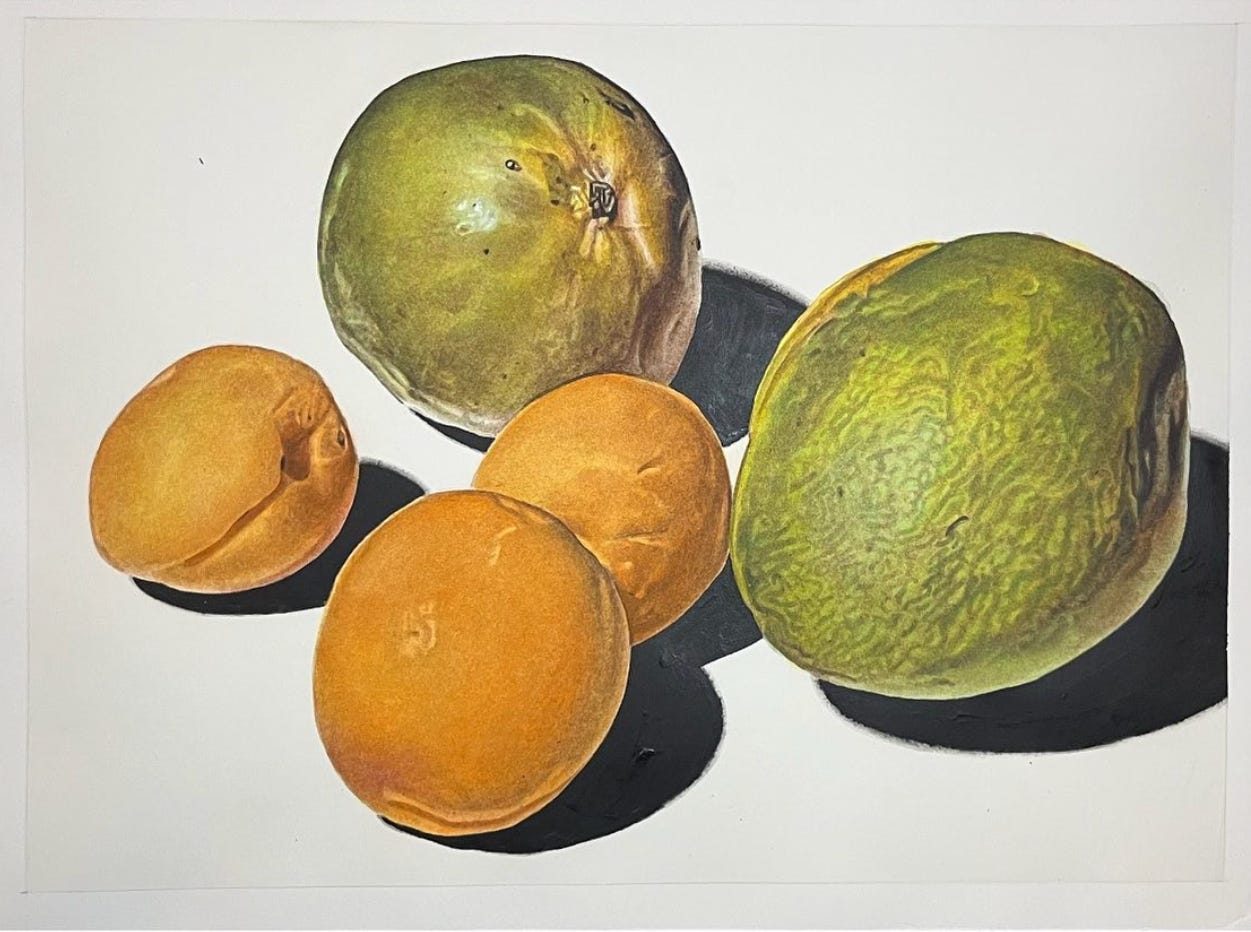
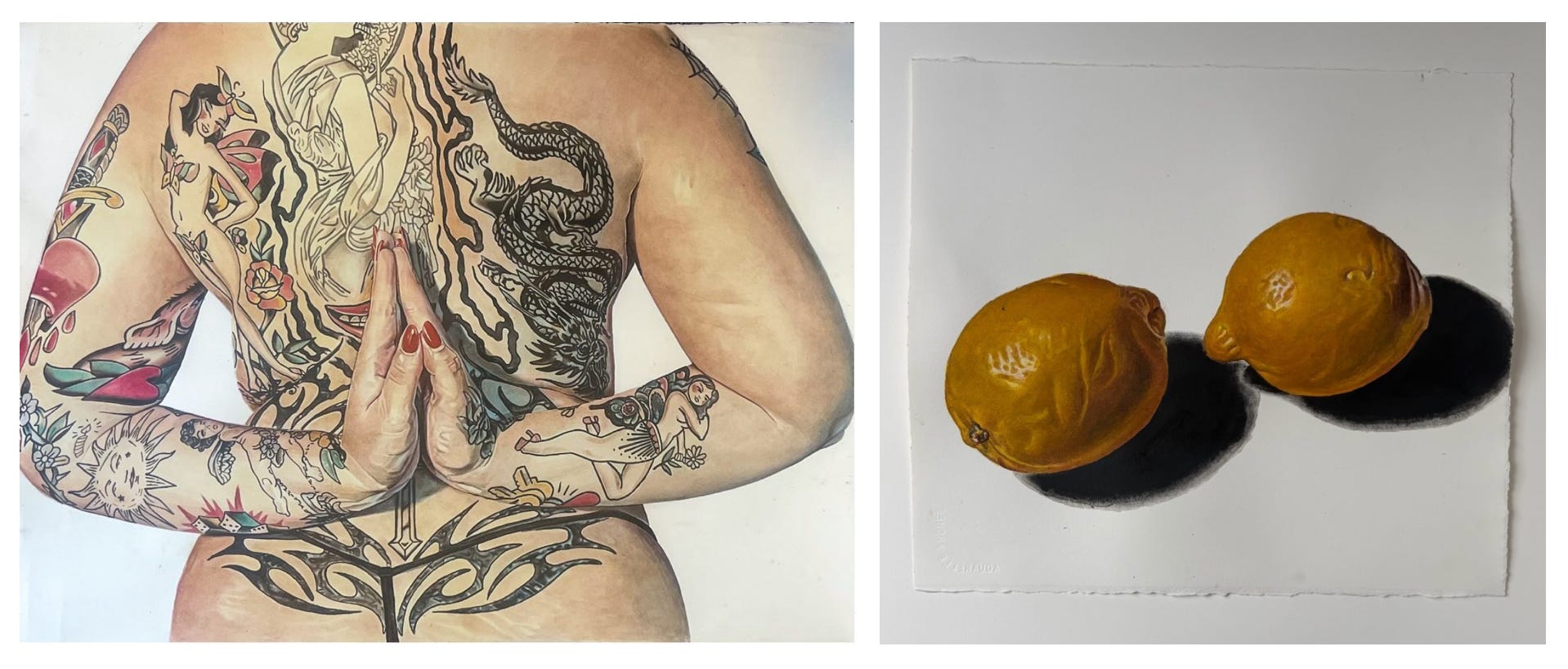
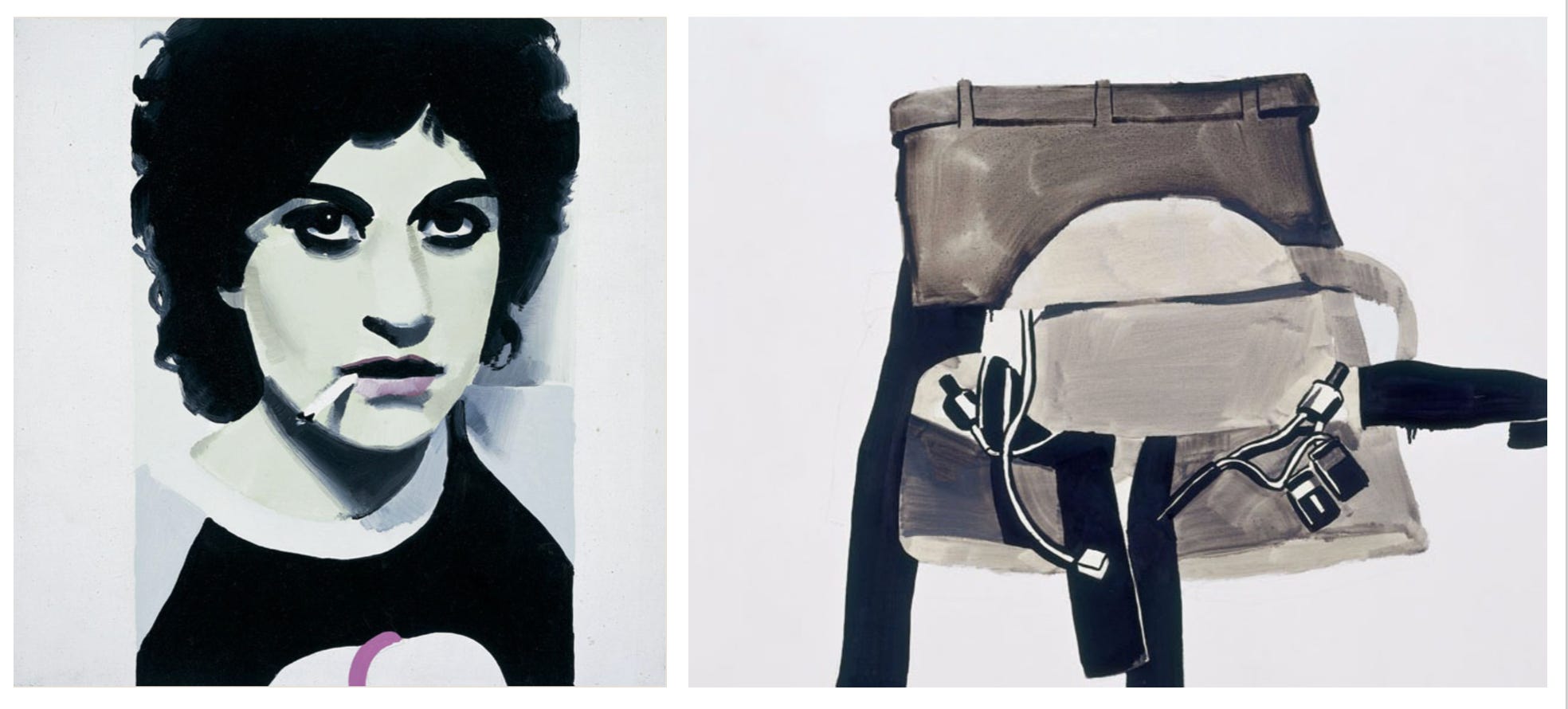
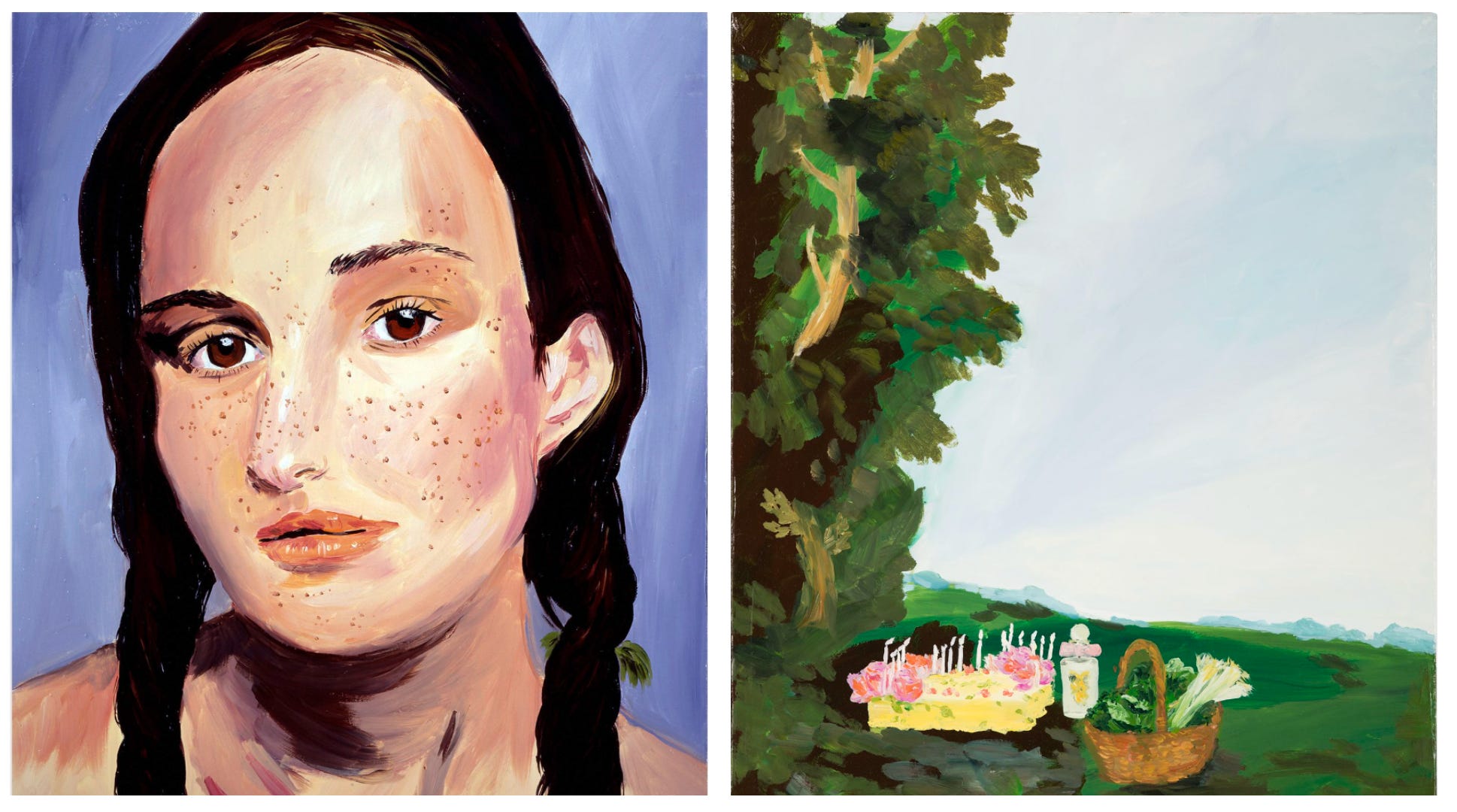
Patrick’s highly detailed acrylic paintings on paper lean into his subjects, moving the viewer – optically, physically – closer and closer until precision breaks into abstraction, squiggly marks made with a small brush. One must retreat for cohesion. His last show consisted exclusively of figures (single or multiple) on a black or white background. Most of the figures are covered in tattoos, but for me the tattoos are almost a screen for what I believe is the true subject of the paintings. But I’ll get to that in a bit. Shortly after the show ended or maybe a little before, Patrick started exclusively painting produce (that strange word for fruits and vegetables), straightforward paintings of an artichoke, lemons, grapefruits. He said he wouldn’t be painting figures again for a while.
I asked him,
“Does it feel different, painting still life?”
“Of course.”
“How is it different?”
Patrick’s response bypassed the “feel”part and he spoke first about set-up. With figurative work, he finds models – usually among his friends – schedules, and photographs them, negotiating social dynamics if there are multiple sitters.
I think a lot about labor, seen and unseen, mental and physical, that goes into making a thing. But I’ll admit, I haven’t thought much about the work of working with models the visible and psychological traces of this decision in the work. In light of this labor, his “of course it’s different” makes sense from the onset.
Posing and photographing models is very different than posing fruit, not only in the social interactions involved, but in the scale of it. Patrick told me, “[The models] are the same size as you so your perspective is basically eye to eye.”
Something else I had never thought about: the physical fact of a whole human in a studio space (as opposed to an apple or – a candid photograph). In this sentence about size and “eye-to-eye,” Patrick brought up scale (not within the picture, but painter to subject) and, maybe less intentionally, the weight of the gaze, which is a whole can of art worms. The gaze is not an issue when one is painting an orange.
Patrick thinks about genre, which invokes the weight of history. Genres (like street and vert in skateboarding) each invoke their own backstory, heroes, and vocabulary while sharing a common medium. Genre alludes to context, an ongoing conversation related to that subject. I tried to remember the last time I heard or read anyone discuss genre in contemporary art. Patrick taught himself to paint by studying paintings and skirted the MFA route and finds much of the current conversation around figurative work “stupid.” (I love this word.) Still life is a quieter subject with a quieter presence in art history. He said, “I do like how with still lifes no one’s really paying attention to them.”
Another difference between the two subjects is that figurative work, intentionally or not, suggests narrative. Stories are how we understand the human condition. We see a person (in life or in a painting) and (consciously or unconsciously) begin to make assumptions about them. You give that painted human a tattoo (tattoos are stories) and the most direct portrait will suggest backstory.
My conversations with Patrick mostly take place in texts and voice messages. By the time we were talking about narrative (related to the subject of changing subject) there were many cans of worms on the table, a case of worms. To summarize and organize:
For Patrick, the shift from portrait to subject changes the following:
Set-up (the labor)
Scale (subject to painter)
The gaze (social and conceptual weight)
Genre (history, current attitudes, and precedent)
Narrative (implications)
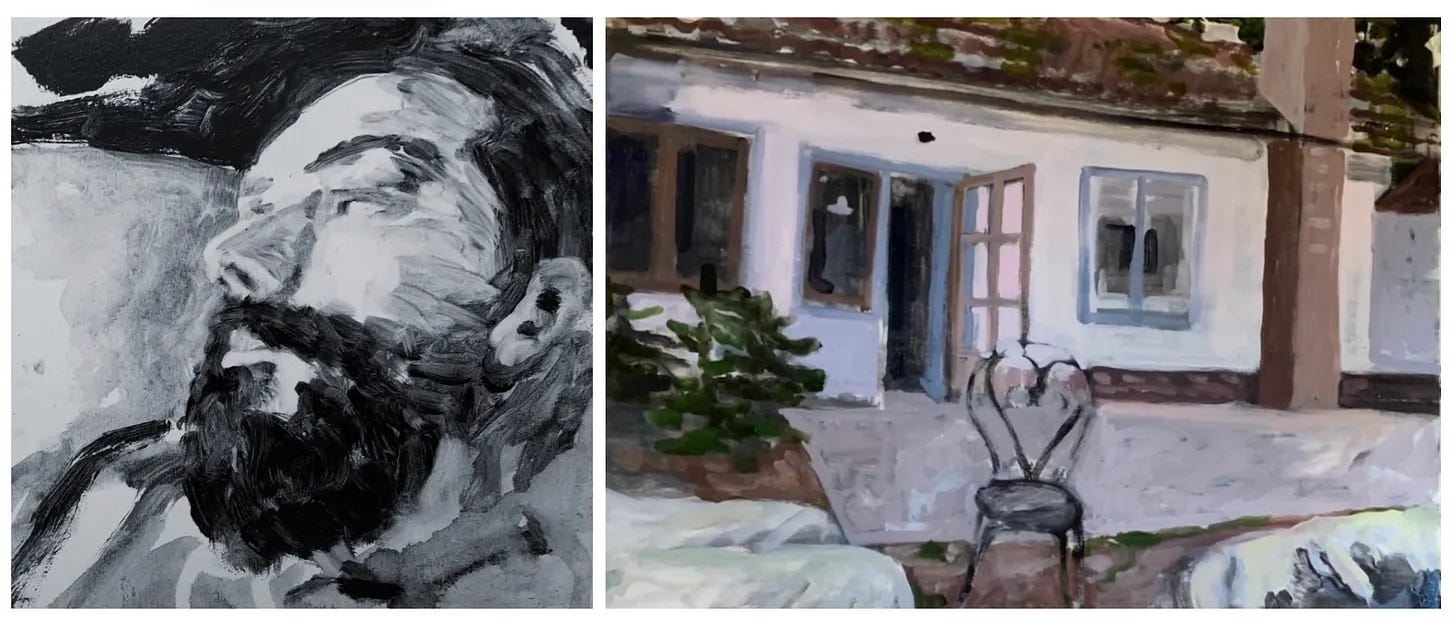
My own creative practice has moved from mostly painting to mostly writing, but in my studio, there has been no procedural difference between painting people or other subjects. Our conversation prompted me to interrogate my own process and paintings against the above list. This comparison clarifies why a change in subject changes little for me.
Set-up. Where Patrick’s acquisition of source material is well-considered and deliberate, I paint from photographs collected as impulsive souvenirs. As time passes, I better understand the meaning of a time, place, or person. Among the pictures I took are those that seem to contain some crucial element, some atmosphere or mystery. It’s a process of discernment but not of tactile or social labor.
Scale. (of subject to painter). Though I may paint a person or a place, I’m really painting an image, something small and two dimensional. By the time I consider painting the image/subject, I cannot change the light or composition in real space. So unlike Patrick engaging with human-sized humans or lemon-sized lemons, physical scale relative to me, never crosses my mind.
The gaze. In college I’d ask friends to come to my apartment so I could draw them. I remember the intensity of looking eye to eye for some duration. (Interestingly, the one I fell in love with was the only one who didn’t meet my gaze.) I remember feeling the weight of concern that I was inconveniencing my friends. I had learned to draw from live observation and it seemed for a while like it was a matter of ethics. Shortly after I began drawing and painting photographs I took at our familiar spots. These candid images seemed to get closer to what I wanted to paint.
Narrative. My paintings are autobiographical snapshots. There is always a story, a narrative element, but 99% of it stays out of the picture.
Genre. I don’t think about genre. Though now I’m thinking about it, seeing how there has been active steering away from it in my education and I think in the wider discourse. Certainly the professors, Modernist holdovers and Post-Modernist enthusiasts, were directly or indirectly pointing us away from genre. And yet, it occurs to me that there are new genres of our age (not-genre genres: the Seemingly Arbitrary Subject and Social Identity). My subjects are not arbitrary to me, but they exist in a post-Tuymans, post-Sasnal, world.
What this conversation (and list) reveals to me is that there may be (a theory) in all our work an underlying subject, a True Subject that exists beneath what we paint. Looking closely at what, if anything, shifts with a change in subject may reveal an artist’s profound intention or preoccupation.
Someone once told me all I paint is distance and this rings true. Spacial or temporal distance reveals itself in my process, subjects, and final paintings. I think Patrick is painting closeness, his curiosity, the gesture and willingness to lean in. I think he is painting the surface and skin of things to understand them more deeply.
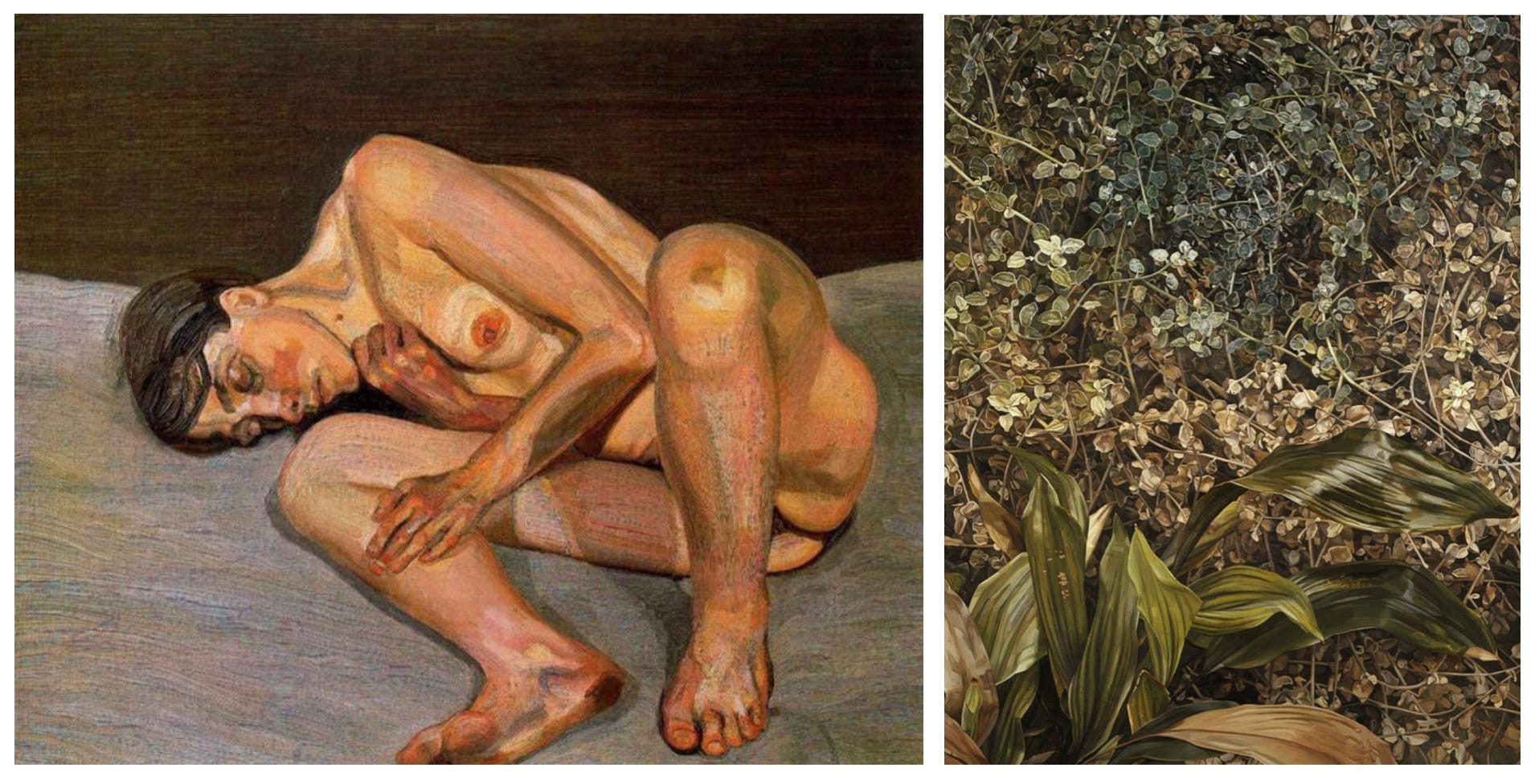
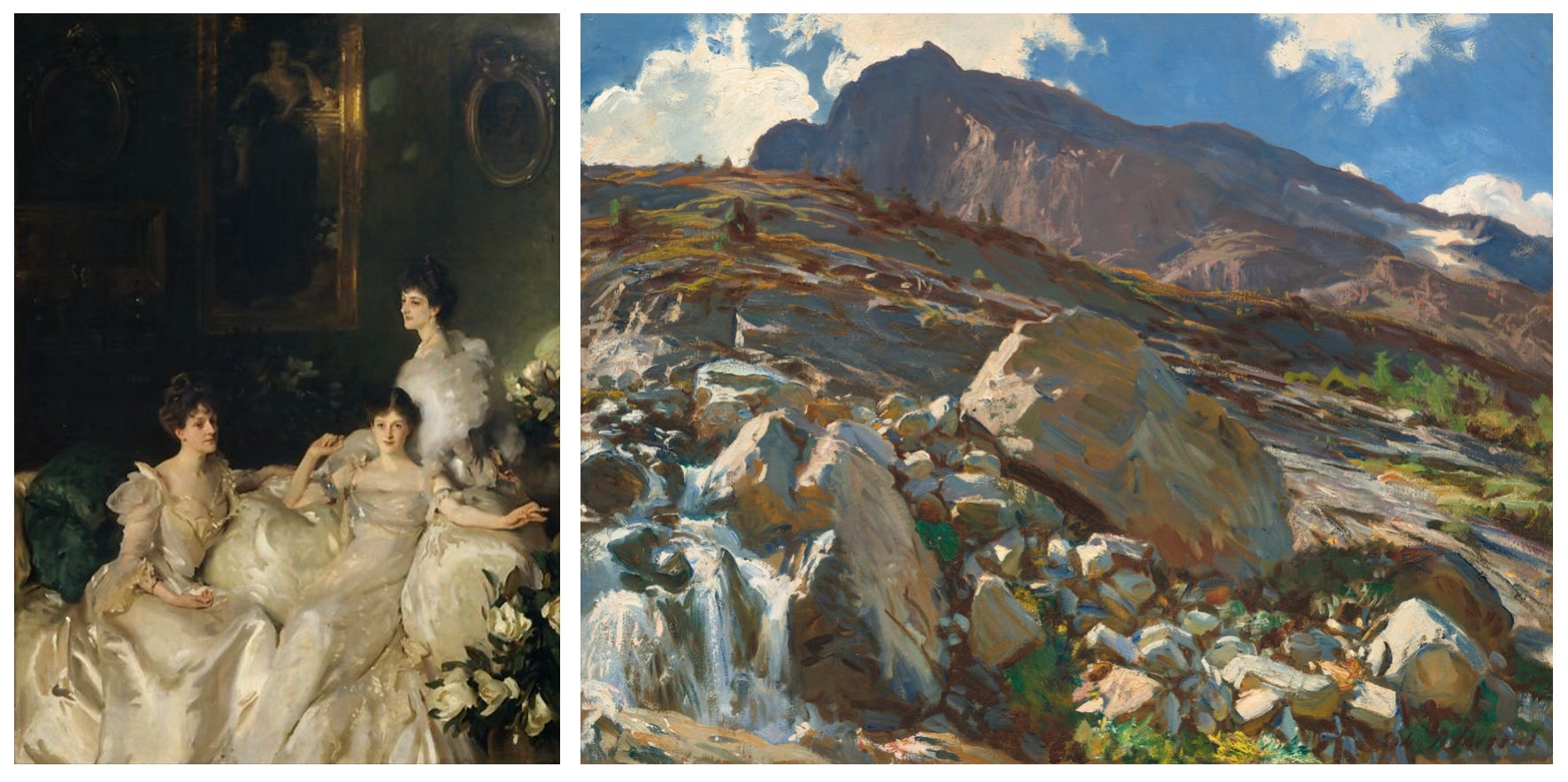
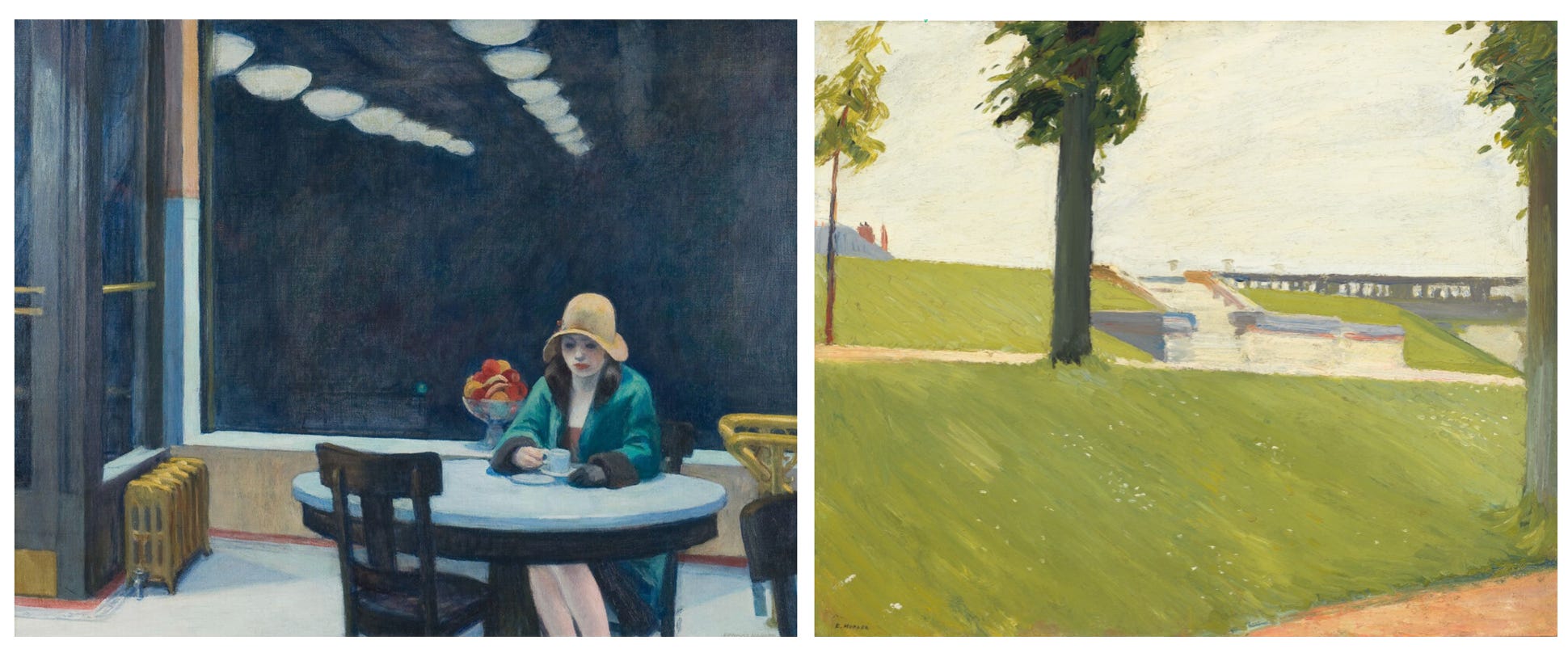
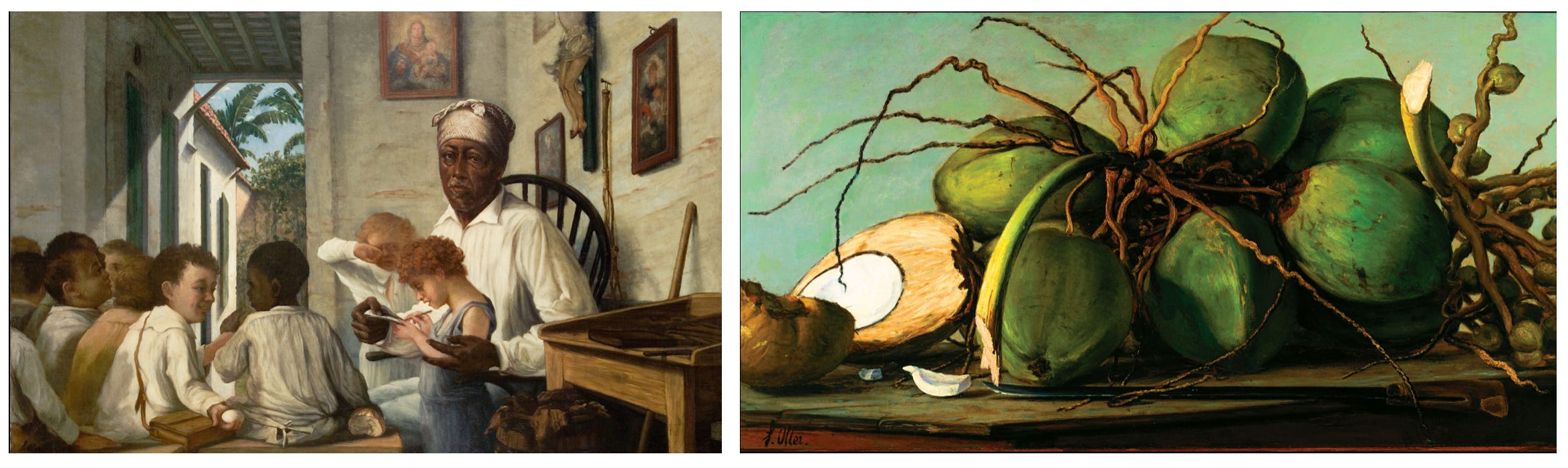
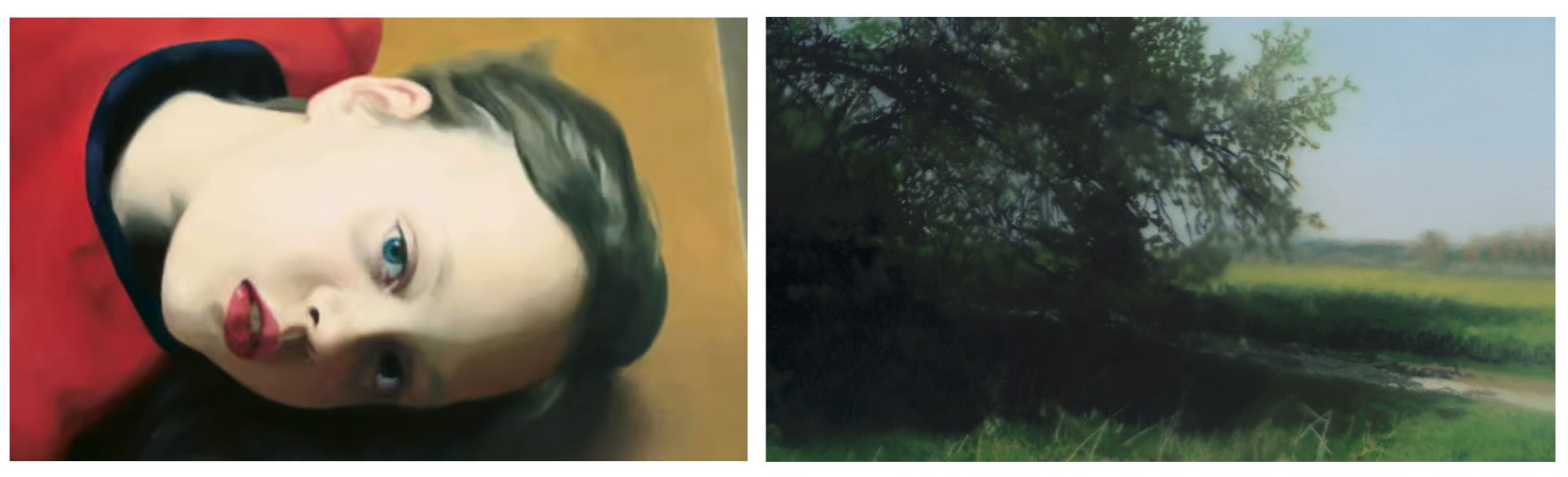
Closing out, I’m thinking about other painters and how they handle different subjects, what the similarities and differences reveal about what might be their True Subject.
PS
Thank you for reading and considering these things in your own practice of painting or art viewing. I would love to hear from you (comments, messages) and thank you for all your messages about the previous post.
Comments
Nothing yet. Say the first thing.
Sign in to join the conversation.