
⛔️Cosmic Disclosure Warning ⛔️

Who are you really? Do you have the courage to bee 🐝 who you really are?
How much of our behavior is performative and conformist?

You bee 🐝 you?
As the kids say today🤷🏽♂️…
I have observed a place where one group of people were the ultimate conformists. While right next door there were other people who encouraged completely free expression and diversity. What I have often witnessed was very interesting indeed… Extreme Conformity… side by side with Extreme Forms of Personal Self-Expression.

I often thought about how these two radically different communities could co-exist right next to each other. I often witnessed the rejects of the group that lived in extreme conformity feeding the neighboring community of extreme self-expression. But not as often as one would imagine, I would often witness how hard it was for people to leave the community of extreme conformity. The community isolated and ostracized individuals who made this difficult decision to reject a life of conformity. If you accepted this difficult, performative path of extreme conformity, you received numerous benefits.
The life of the conformist has a clear and certain path. You know just what to expect out of life if you perform well. A Predictable and well-worn life path, while the life path of the nonconformist is full of uncertainty.
I have also witnessed the diverse nonconformist trying hard to act non-conformist rather than being themselves. Nobody finds that more Ironic than I… 🙃😉😂
Like performing squared, maybe?
Could that be a thing?
I am not saying one is better than the other… I know which one Nietzsche would say took more courage to choose.
He also lived in a time of more conformity.
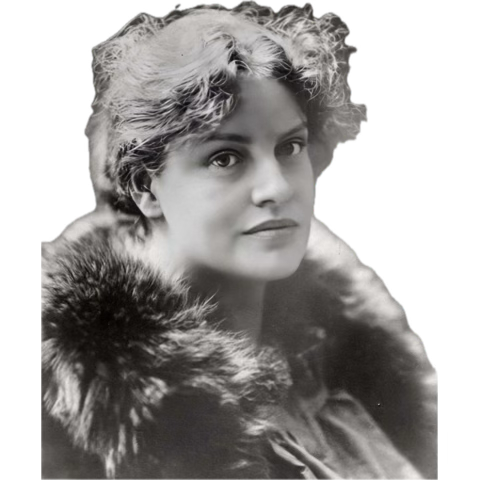
He didn’t get married, even though I believed he wanted to get married more than once. But he did not conform; he observed, he studied, and he wrote about it…
This is today’s adventure for the day…
“To conform or not to conform, that is the question of the day!”
“Is it better submit your will to the hive mind of sheepeople 🐑 or is it to brave the swings and arrows of mind of the mob, that my friend is the question!”
Bill Fakespeare
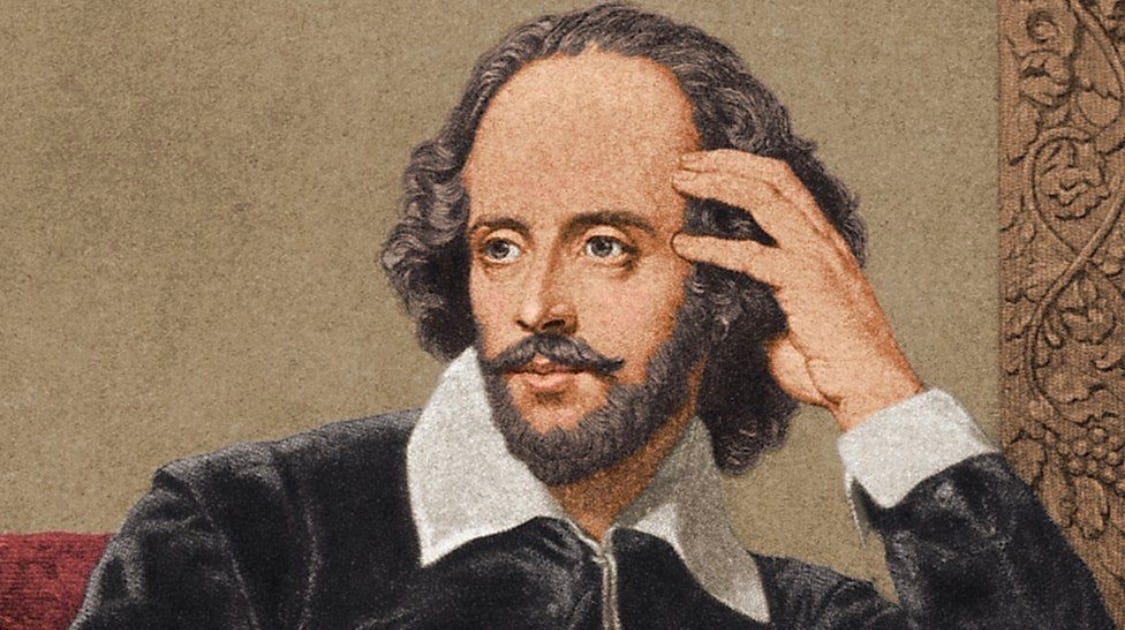
Bill Fakespeare is a fictional character invented by Nemo⚓️ the Nobody to represent the equally fictional character of William Shakespeare, who was functionally illiterate, as was most likely invented by British Intelligence to create a new Neo-pagan mythology for the British Empire. Thank you, Sir Francis Bacon, 🥓, John Dee, the real 007, and 100 pens 🖊️. All rights reserved by Nobody 2026.
Well, enough about all that; let’s begin…
Here's a question worth sitting with before we go any further: how much of your life has been designed, quietly, to keep people from disliking you?
Not loving you. Just... not disliking you.
The job you didn't take because your family raised an eyebrow. The opinion you softened before it left your mouth.
The dream you shrank down to something more "realistic," because someone you respected looked skeptical when you said it out loud.
Add it all up, and you might find that a great deal of what you call "your life" was actually built by a committee of people you were trying not to disappoint.
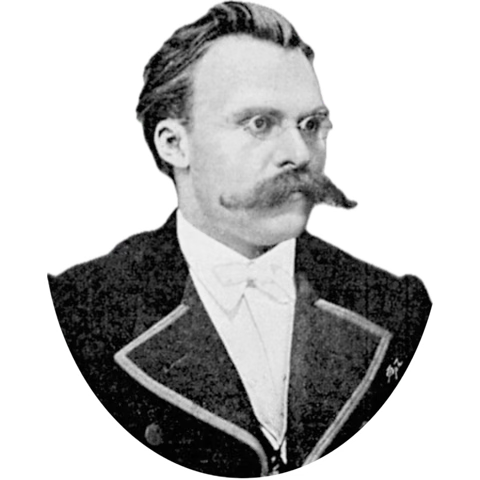
Friedrich Nietzsche looked at this exact pattern in human beings, over a century ago, and reached a conclusion most people still aren't ready to hear: the desire to be liked isn't harmless. It's one of the most efficient ways a person can destroy their own potential… quietly, politely, and with everyone's full approval.
Let's understand why this desire has such a grip on us, because it isn't a character flaw. Nietzsche didn't think you were weak for wanting to be liked. He thought you were human.
For most of our history, being disliked by the group wasn't an inconvenience… it was a death sentence. Exile from the tribe meant no protection, no food, no safety.
So evolution wired something deep and old into us: a reflex that treats disapproval like danger. That reflex hasn't gone anywhere. It still fires when someone frowns at your idea in a meeting, even though no one’s survival is actually at stake anymore. Your body doesn't know the difference between "this person seems unimpressed" and "this person could get me killed." It just floods you with the same old warning, and you flinch the same old way.
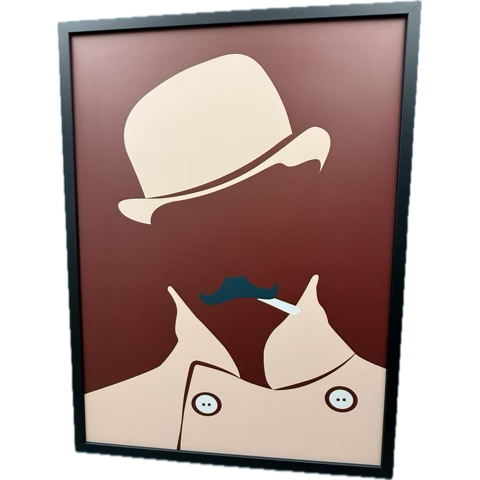
Extra - Fun - 🤩- Was Nietzsche trying to fit in or stand out with a mustache?
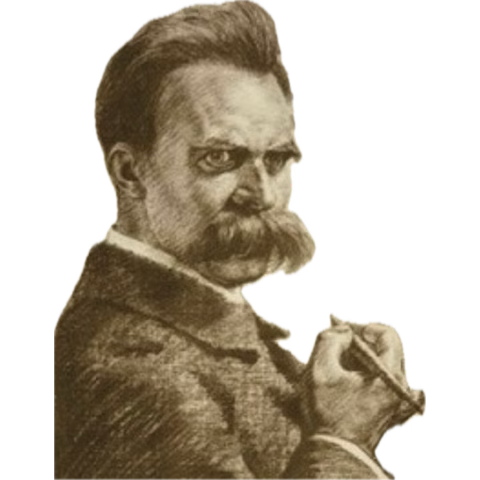
Nietzsche called the result of this reflex, scaled up across an entire society, "herd morality"… a system where the group decides what's good by deciding what keeps everyone comfortable and undisturbed.
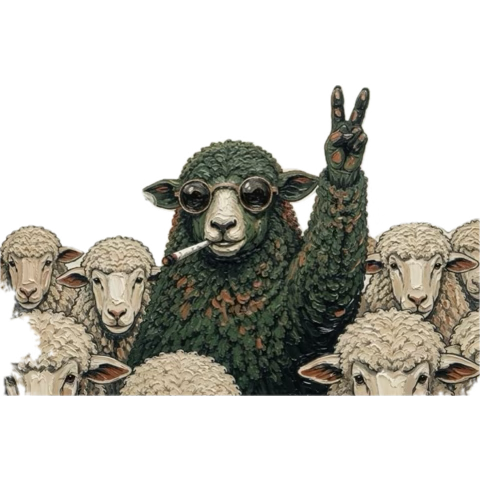
And here is the part that should genuinely unsettle you: a herd doesn't just fail to reward greatness. It actively suppresses it. Because greatness, by definition, stands out. And standing out is the one thing a herd cannot forgive.
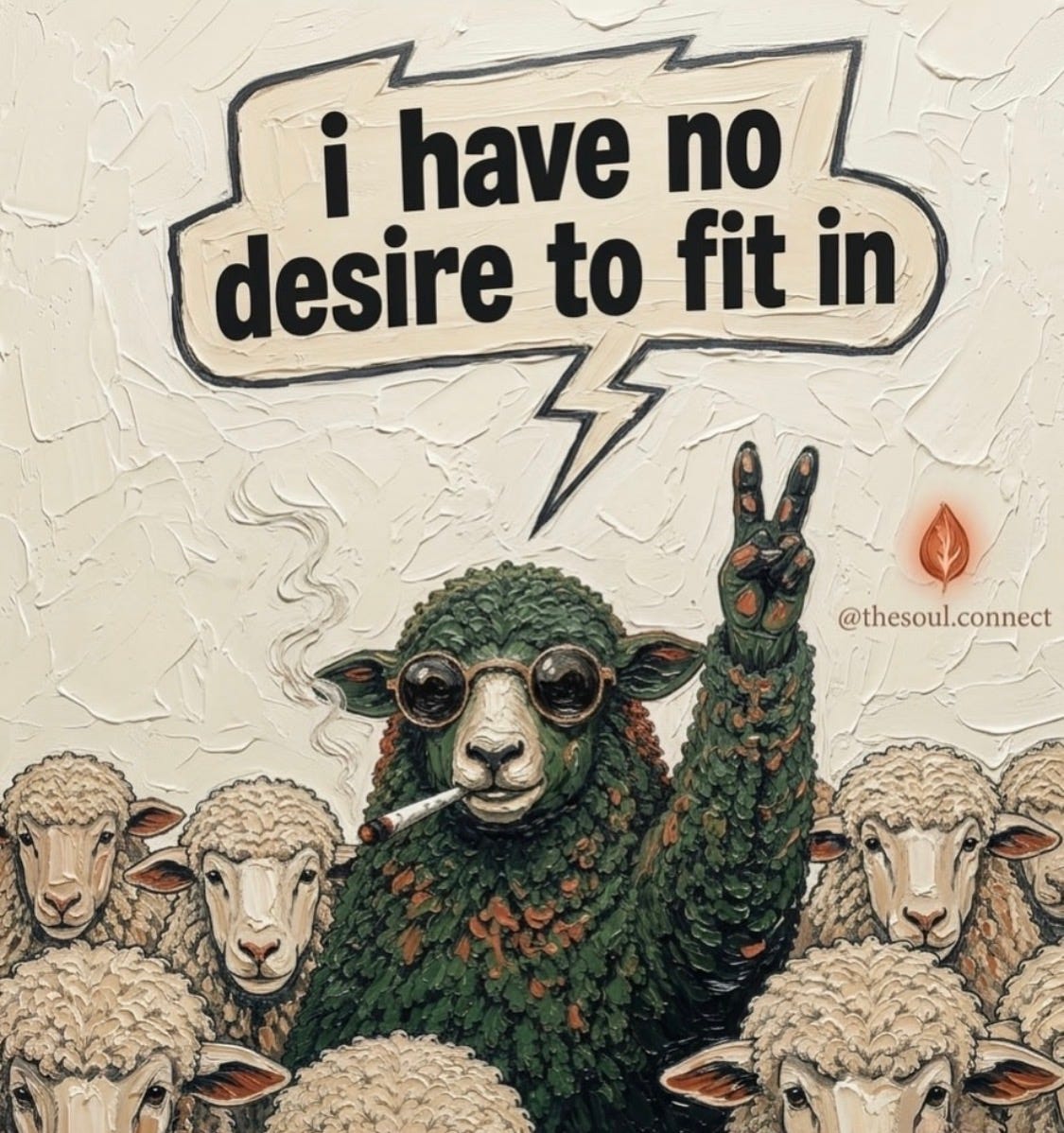
So what does this actually cost you? Let me give you three ways the desire to be liked quietly dismantles potential, one comfortable decision at a time.
The first is that it trains you to ask the wrong question.
Before a talented person acts, there are really only two questions available: Is this true to me? And will this be liked?
Nietzsche believed almost everyone, almost all the time, unconsciously answers the second question and calls it the first. You think you're asking "what do I actually want to do with my life?" But underneath, you're really asking "what version of a life will draw the fewest raised eyebrows?" The tragedy is that these two questions can produce completely different answers… and most people never even notice they answered the wrong one.
The second is that it makes you allergic to necessary conflict.
Every real achievement, every idea worth having, every version of yourself worth becoming, requires standing in a room where someone disagrees with you… and staying there anyway. Nietzsche pointed out that the desire to be liked doesn't just make conflict uncomfortable. It makes conflict feel like a moral failure, as though disagreement itself were evidence you'd done something wrong. So people quietly stop pursuing anything that requires friction. And nearly everything worth pursuing requires friction.
The third, and the cruelest, is that it convinces you the applause was ever really about you.
Here's the part that should sting 🐝a little. The version of you that people find easiest to like is very rarely your fullest version. It's usually your most diluted one… agreeable, predictable, careful not to take up too much room. So when people like that version, what exactly are they approving of? Not you. A smaller, safer edit of you, assembled specifically to be liked. Nietzsche would say: you didn't win their approval. You paid for it with the parts of yourself you cut away to get it.
Now, Nietzsche wasn't interested in telling people to become cruel, or cold, or deliberately unlikeable to prove a point. That's not strength… that's still living in reaction to the herd, just facing the opposite direction.
What he was interested in was something quieter and much harder: indifference to the outcome.
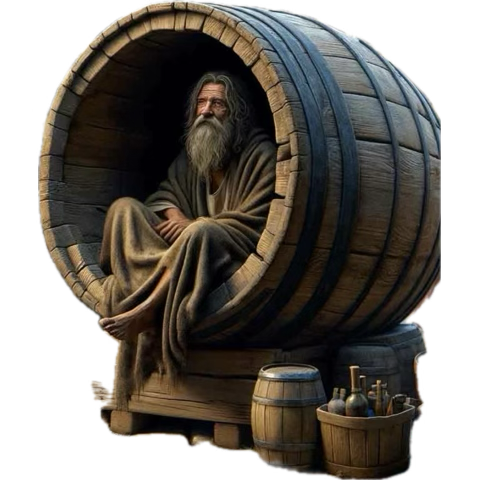
Not hostility toward being disliked. Simple, honest indifference to whether you are or not.
He believed the rare individuals who actually reach their potential share one trait above all others: they stopped consulting the crowd before deciding who to become. Not out of arrogance. Out of necessity. Because he understood something simple and a little brutal… You cannot simultaneously be fully yourself and be liked by everyone. Those two things compete for the same resource. Every time you sand yourself down to be more palatable, you have less of yourself left actually to build something with.
He had a phrase for the kind of person who breaks from this pattern: he called them a "free spirit"… someone who has stopped asking the herd for permission to exist as they actually are. Not reckless. Not cruel. Simply unwilling to keep paying their potential away, one polite compromise at a time, in exchange for a warmth that was never real to begin with.
Here's the reframe I want to leave you with, because I think it changes everything once you actually believe it: being disliked by some people isn't evidence that you've failed. Very often, it's the first evidence that you've actually started.
The moment you say the true thing instead of the comfortable one. The moment you take the strange path instead of the approved one. The moment you stop shrinking your ideas down until they fit inside the room… that is exactly the moment some people will stop liking you. And Nietzsche's insight is that this isn't a sign you went wrong. It's the toll booth on the only road that leads anywhere interesting.
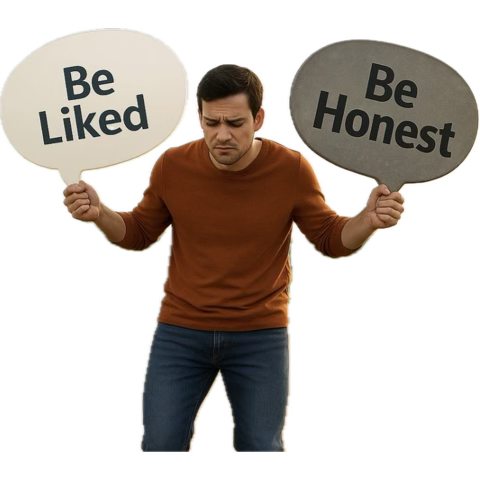
So ask yourself again, honestly this time: how much of your life was built to avoid disapproval rather than to pursue what you actually wanted?
You don't have to burn any of it down today. But you might start noticing, in small moments, when you're about to trade a piece of your potential for a little more warmth from people whose approval was never going to build your life for you.
Because in the end, no one remembers the person who was liked by everyone. They remember the ones who mattered… and mattering was never the same thing as being liked. It never was.
With love always 🙏🏼🕊️,
Nemo⚓️
Then Nobody
Comments
Nothing yet. Say the first thing.
Sign in to join the conversation.