
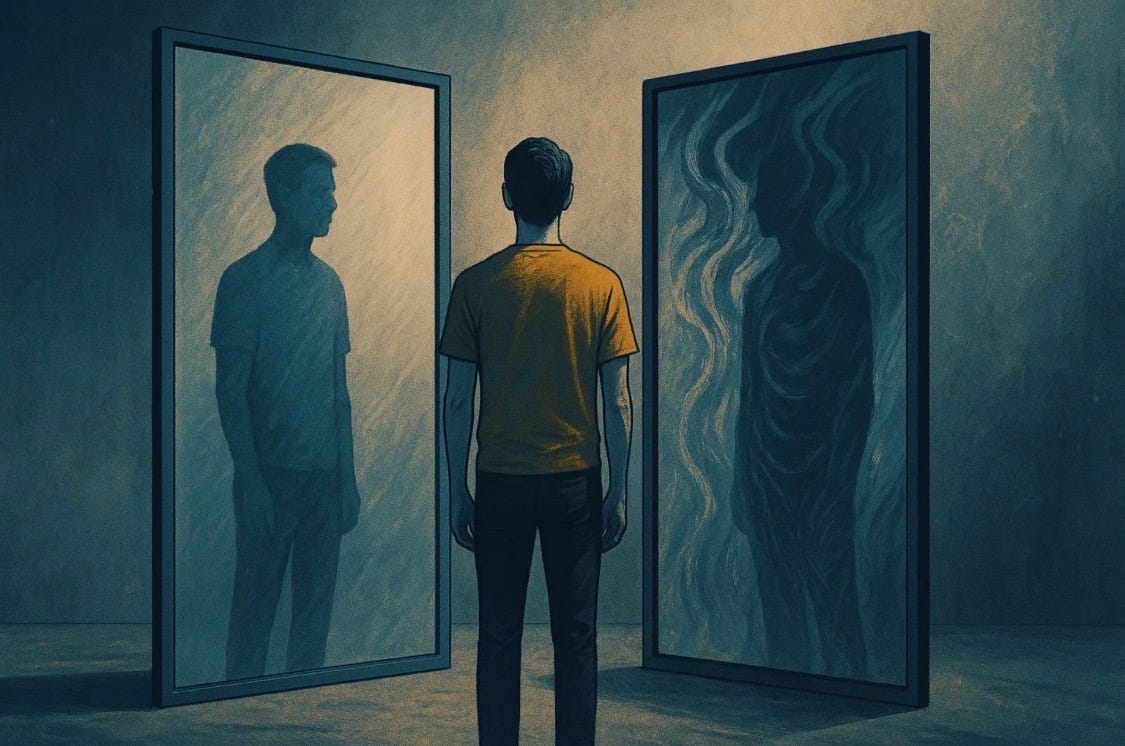
⛔Cosmic Disclosure Warning ⛔️
Writing is a funny thing… some days words come to me easily, and yet other days I struggle… on those other days I am unsure whether I should start this way or that… should I say what I truly believe or diminish myself because my audience is not ready to hear it yet? I obsess over an image or concept.
In honor of full disclosure… this article was one I really struggled with.
It is about authenticity, and I wanted to say more, but timing is important. Building towards something is also key.
So let’s start today’s adventure with a thought experiment.
Let’s imagine there is a heaven ☁️somewhere beyond this earthly life.
Where our consciousness exists for eternity.
Let’s imagine that you make it there at the end of your earthly life.
Now here is the hard part… would there be secrets in that heavenly ☁️place?
My guess would be no… There would not be secrets in Heaven… no agendas… no false pretexts… no deception… in Heaven, I would imagine we would all be our authentic Selves… With a capital S.
The hard part is that we are not there yet, and many of us don’t believe that place even exists.
The place we live in now is full of deception and intrigue.
Now here is the really difficult part…
How do we exist in a world that is full of secret agendas, false pretexts, and deception, and still strive to find and be our authentic selves and to be true?
When someone truly Authentic comes along, that person is immediately a threat to all the schemers and false operators.
True authenticity exposes the darkness that surrounds it.
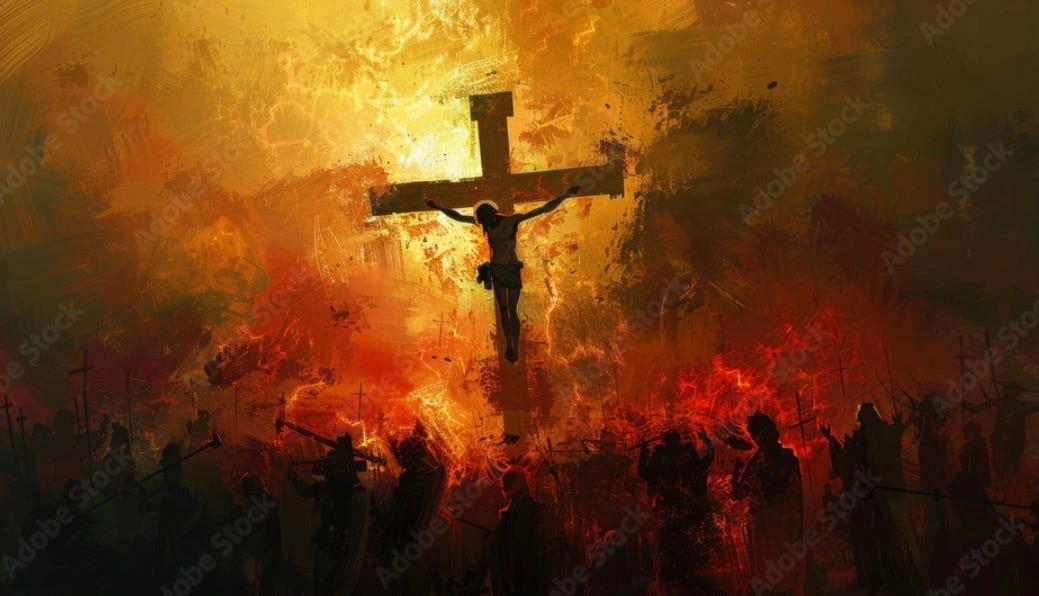
That is why true authenticity is feared… by most people… and sometimes we even reject our own authentic inclinations because we fear it even in ourselves.
When was the last time you did something, said something, wanted something, without first checking whether it was allowed?
Said something unfiltered… for polite society.
Sit with that for a second.
Not whether it was right.
Whether it was allowed.
Whether the people around you would nod or flinch.
Most of us can't remember because we haven't done it in years.
We tell ourselves a comforting story: that we are free, that we choose our lives, that the person looking back at us in the mirror is us, fully, honestly, without disguise.
But a philosopher who spent his whole life staring straight into the ugliest truths about human beings would tell you that story is mostly a lie we agree to believe together.
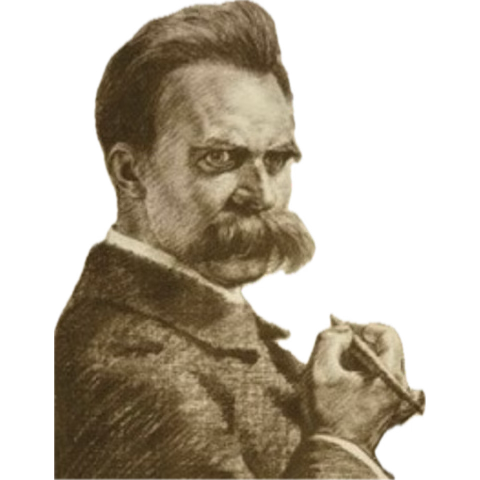
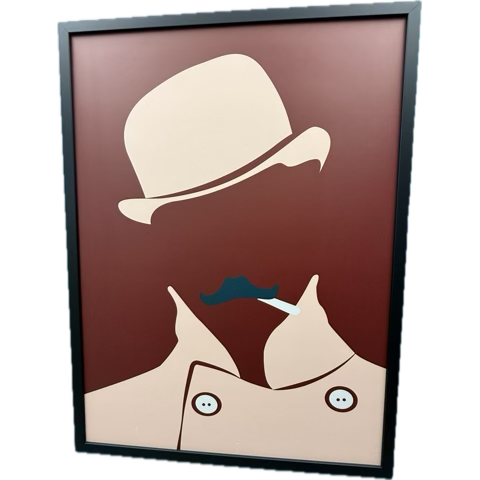
That mustache was his authentic 👀 look… it was Nietzsche Niche.
His name was Friedrich Nietzsche, and he asked a question that still unsettles people more than a century later:
What if you are not who you think you are… but only who you were trained to be?
Nietzsche looked at society and saw something most people prefer not to see: a herd.
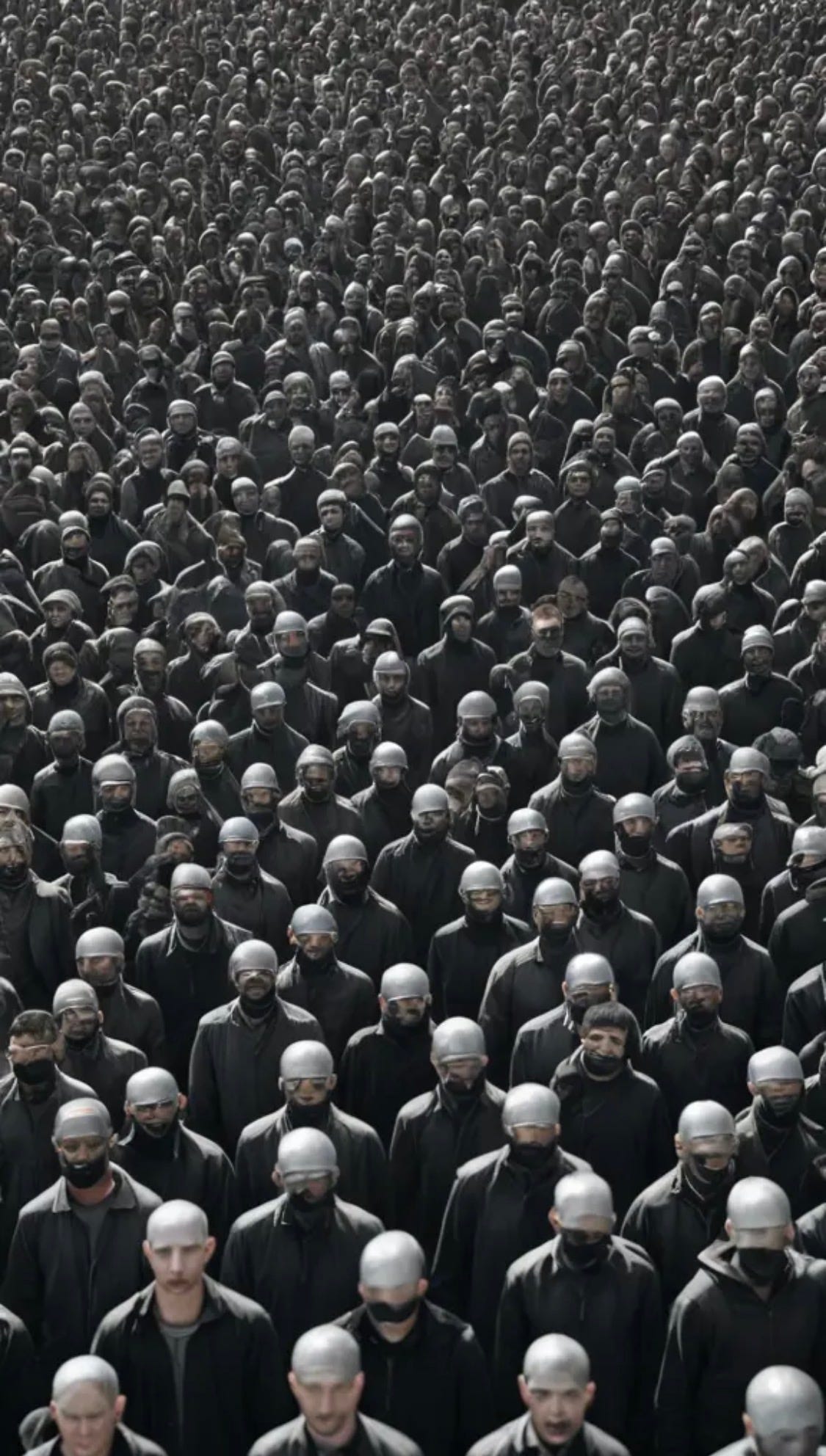
Not an insult… a description.
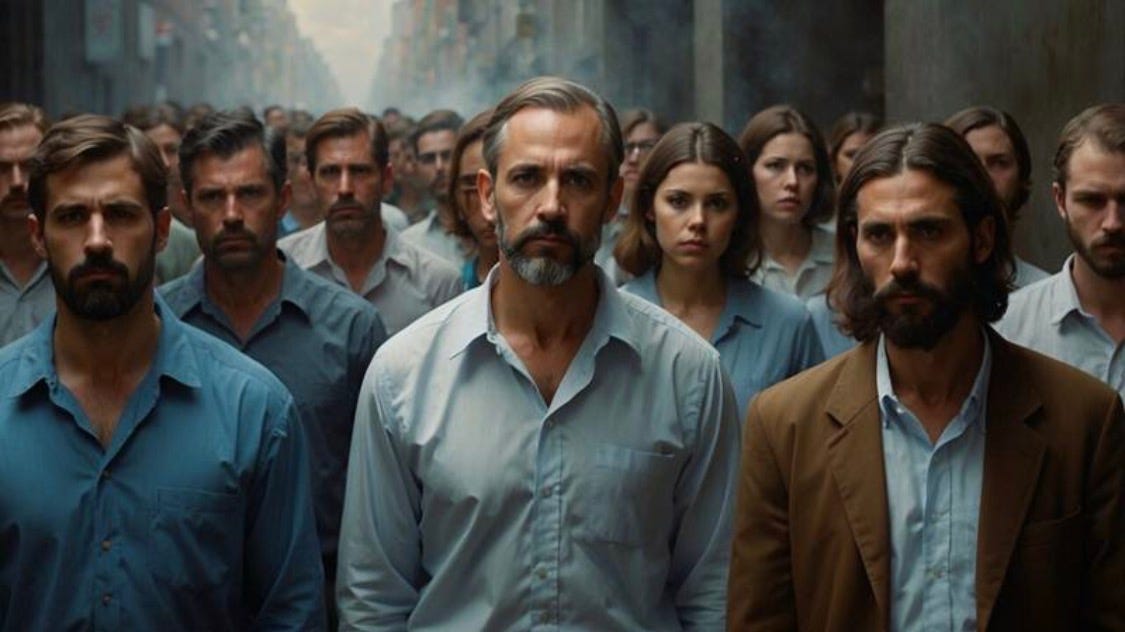
A herd survives by moving m together. It flees together, grazes together, watches together for the wolf.
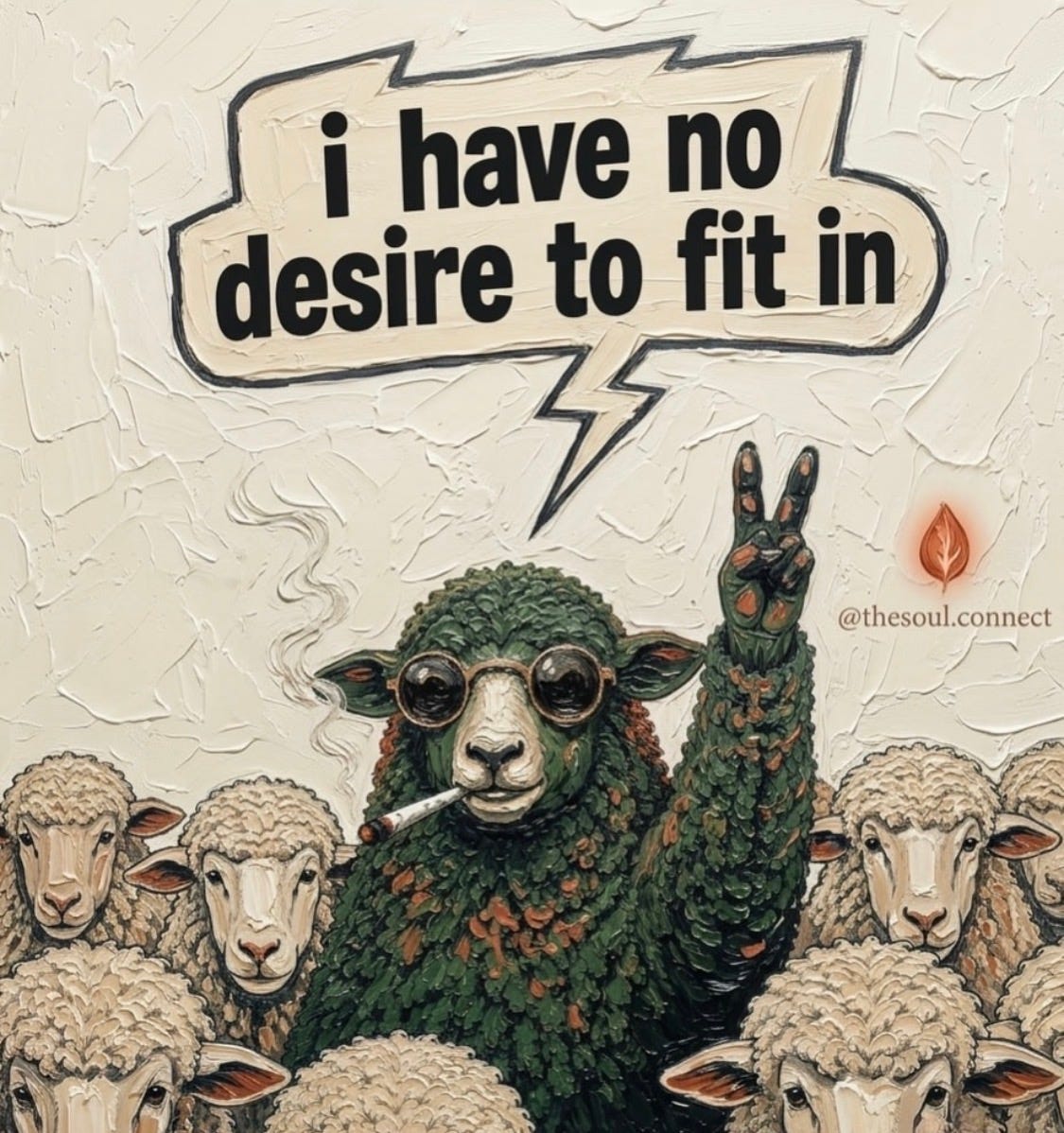
And a herd has one unforgivable sin: standing out.
Think about your own life for a moment. School taught you to raise your hand at the right time and lower your eyes at the right time. Work taught you which opinions get you promoted and which ones get you quietly excluded from the next meeting. Family taught you which feelings are acceptable at the dinner table and which ones you learn to swallow before you're old enough to know you're doing it.
None of this was cruel. Most of it came from people who loved you and wanted you to be safe. But safety and authenticity, Nietzsche warned, are not the same thing.
Somewhere along the way, most of us traded one for the other… and forgot we ever made the trade.
So why does authenticity terrify us so much? Let me offer you three reasons, and see if you recognize yourself in any of them.
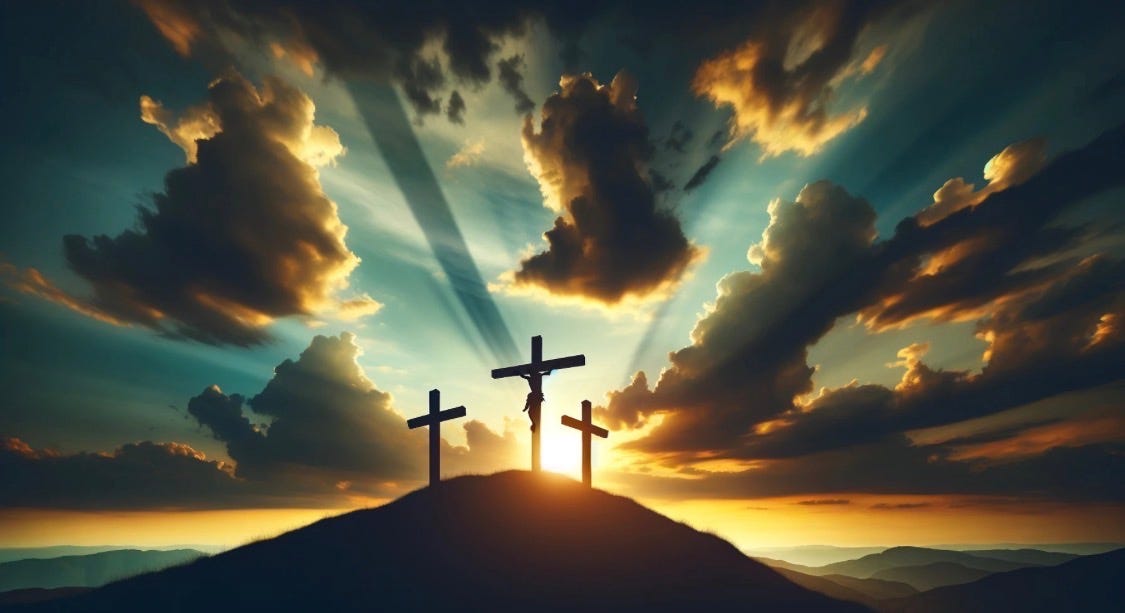
(Jesus was most certainly non-conformist, and his Crucifixion upon the cross was an extreme form of herd rejection and punishment. I found a funny meme to keep this light 💡 and not upset anyone, but that also illustrates this 🙃😉🤣)
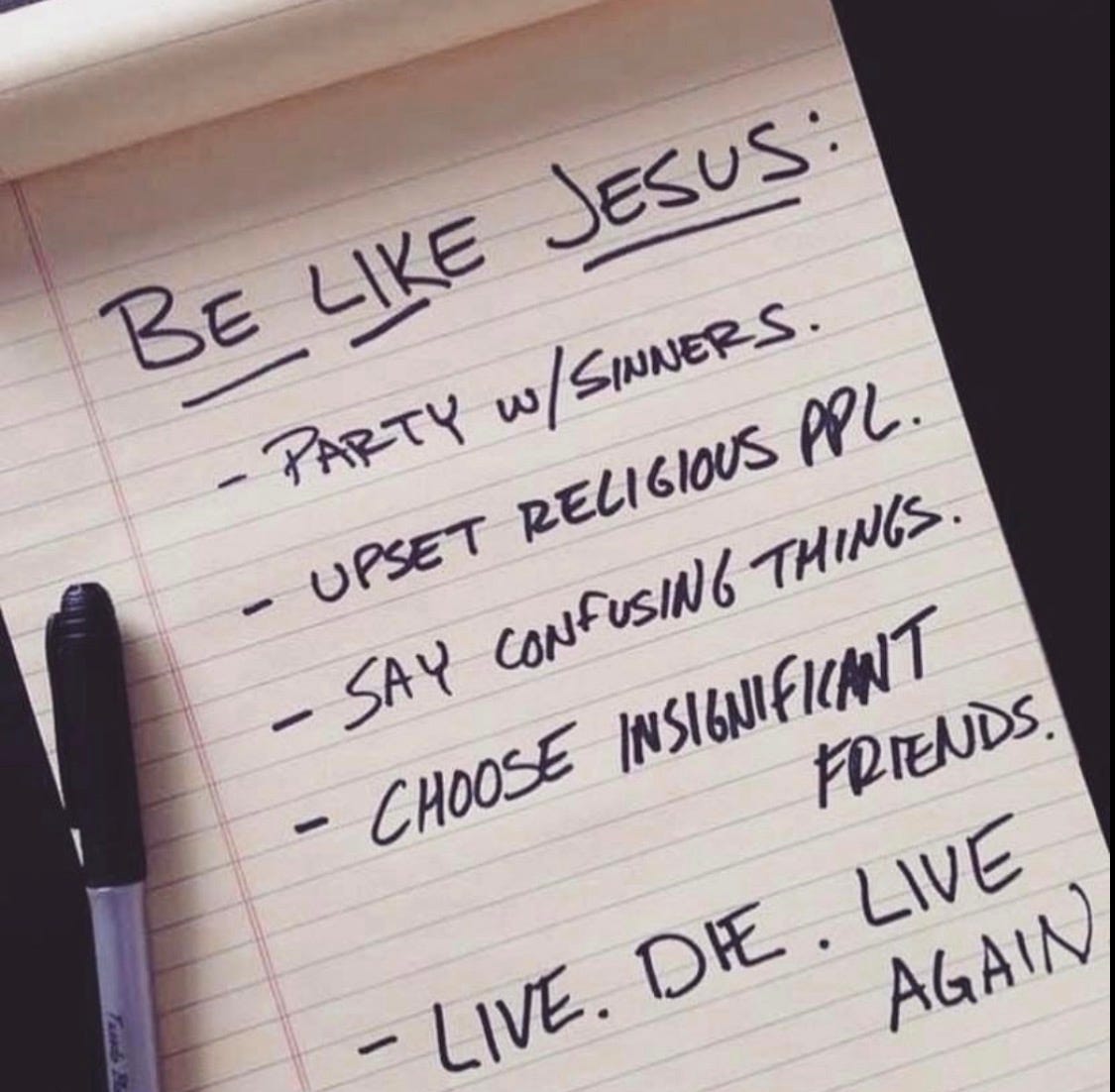
The first is the fear of the herd's punishment.
Nietzsche called it the "morality of the herd": the invisible agreement that whatever the group believes must be good, and whoever breaks from it must be dangerous, selfish, or sick. You've felt this. You've bitten your tongue in a room full of people nodding along to something you didn't believe. Not because you lacked the words. Because some old, animal part of you knows that the tribe once meant survival, and being cast out of it once meant death. That fear doesn't know the calendar has changed. It still reacts as if disagreeing with the group could get you left outside the fire at night.
The second is the fear of what you'll find.
This one is quieter, and in some ways crueler. Nietzsche believed most people don't actually know what they want… they only know what they're supposed to want.
Peel back the layers of should, and there's a real risk underneath: what if there's nothing there? What if you strip away the job title, the roles, the performances, and you find... silence? Emptiness? It is far easier to keep performing a self you half-believe in than to risk discovering there was less to you than you hoped.
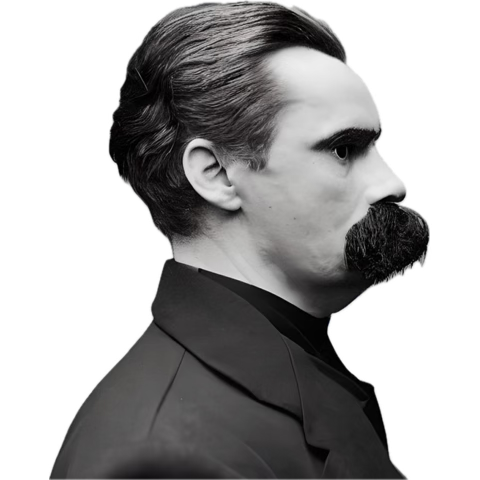
Nietzsche didn't think this emptiness was true. But he understood why people were terrified it might be.
The third is the heaviest: the fear of responsibility.
This is the one people talk about least, because it implicates us most. If you are following the rules (your parents' rules, your religion's rules, your culture's rules), then when your life doesn't work out, it isn't fully your fault.
You were doing what you were told.
But authenticity strips away that shelter.
If you choose your own values, you also own your own failures.
Nietzsche's whole philosophy rests on this trade: freedom is heavier than obedience, because freedom comes with no one else to blame.
Herd punishment.
The fear of emptiness.
The weight of responsibility.
Three fears, and together they explain why so many people would rather live a well-defended lie than an exposed truth.
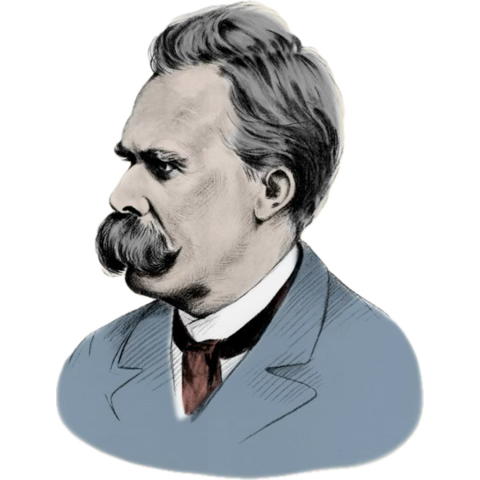
Here's where Nietzsche says something almost tender, buried inside all that famous fierceness. He didn't tell people to become authentic by rebelling loudly, by performing defiance for an audience, by becoming the opposite of the crowd to prove they could. That's not freedom… that's still being controlled by the herd, just from the other direction. Real authenticity, he said, is quieter than that. It has nothing to prove.
He had a phrase for it: become who you are.
Early form of “You bee 🐝 You”
Not who you were told to be. Not who you're rebelling against being. Who you actually are, underneath both the obedience and the rebellion.
He believed every person carries something singular inside them (a shape no one else has) and that most lives are spent running from that shape because it's inconvenient. After all, it invites conflict, because it can't be outsourced to a rulebook.
He also gave us an image that has outlived him by more than a century: the tightrope walker, suspended between the animal we came from and the fuller human being we could become.
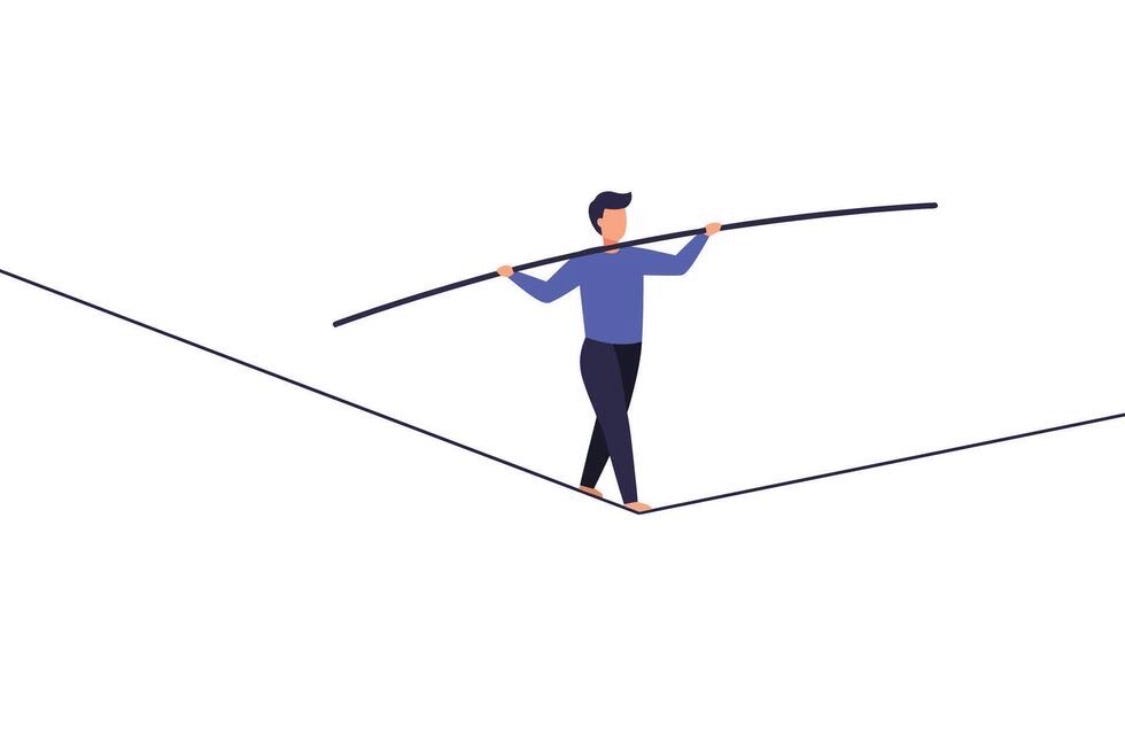
Not safe.
Not finished.
Walking, in the open air, without the crowd to catch him(or her)
That's what authenticity actually costs.
Not a personality.
Not an aesthetic.
A willingness to walk without a net, in full view of people who might not approve.
So let's come back to that first question. When was the last time you did something without checking if it was allowed?
Maybe it was small… telling someone the truth when a comfortable lie was sitting right there, ready to use.
Maybe it was larger… walking away from a path everyone expected you to walk, toward one that was only ever yours.
Whatever it was, notice how it felt.
Not comfortable. Comfortable is the herd's gift, and it always comes with a price tag. What you probably felt instead was something closer to alive.
Nietzsche never promised that authenticity would make you happy.
He wasn't in the business of comfort.
What he promised was something rarer: that it would make you yours.
Your fears, your convictions, your failures, your life… actually belonging to you, rather than being borrowed from everyone who came before and everyone standing around you now.
Most people fear authenticity because it costs them the herd, the illusion of an excuse, and the comfort of not looking too closely at themselves.
But maybe the real question isn't why we're afraid of it.
Maybe it's how much longer we're willing to keep paying rent on a life that was never fully ours.
With Love Always🙏🏼🕊️,
Nemo⚓️
The Nobody
Comments
Nothing yet. Say the first thing.
Sign in to join the conversation.