
Heads up: This one went more than a bit long…
⛔️Cosmic Disclosure Warning ⛔️
It’s not up to me to tell you what to think… 💭 I am Nobody after all.
So…
What is in a Name?
Well…
“There is a lot in a Name…”
Is the “Name” of today’s adventure into the philosophy of thought… Nemo⚓️, the Nobody, did name it that for No Reason… Nor did I choose the Name, Nemo⚓️ the Nobody; it chose me, in a sense.
Or rather, maybe I was called 📞 to use it. ☎️
I cannot be entirely certain… that would be presumptuous.
As Nemo⚓️The Nobody (“Nemo” just means Nobody in Latin”) I am not here to convince you of anything… well sorry a minor correction… I am trying to convince you to do one thing.
Can you guess what it is?
I would like you to think 🤔 💭.
For your Self…
Yes, with a Capital S.
Of course…
So my job is simple, in a way: to present you with information from my research and experience that I have thought about.
My hope is that it might provoke you to think about things more deeply and perhaps differently than we had been programmed to.
But let you come to your own conclusions.
Because Truth, in my humble opinion, tends to rise towards the top…
Which means that the Truth, even when hidden or suppressed, often eventually becomes apparent.
Like something lighter than water floating upward, truth has a tendency to “surface.”
Let’s Name this “The Alchemy of Truth”.
Truth with a capital T, meaning Objective Truth.
But first let’s review some concepts we take for granted… so they are often overlooked… or glossed over.
Truth = correspondence with reality.
Belief = what someone thinks is true.
Opinion = a judgment or preference that need not be objectively true.
Subjective truth = something that may be genuinely true for a person (e.g., “I feel afraid”).
Objective Truth = something whose truth does not depend on who believes it.
So I am here to share thought-provoking information with you as a Nobody. Zero Credentials, and let the words stand on their own.
And let the Logos shine through if they do…
If you think this is something that someone else might appreciate, please share it…

Nobody Would Appreciate it…

On that note 🎵 … let us begin…
There Is a Lot in a Name…
There is something wonderfully suspicious about a name.
We use names every day with such casual confidence that we scarcely notice the ancient magic hiding inside them. We name our children, our dogs, our boats, our businesses, our gods, our enemies. We name storms. We name diseases. We name stars. We name constellations. We name our fears, and sometimes (once we have named them) we discover that they are a little less frightening.
A name seems innocent enough. Just a sound. A convenient label.
And yet, throughout the biblical imagination and the wider ancient world, a name is rarely just a name.
To name something is, in some mysterious sense, to place it within the realm of the knowable. And what becomes knowable can become addressable. What can be addressed can, at least symbolically, be confronted. And what can be confronted begins to enter the sphere of human relationship… and therefore, potentially, human authority.
The old world understood something our modern world sometimes forgets:
To know the name of a thing is to know something about where it stands in the cosmos.

Perhaps that is why the Bible begins its story of human vocation with an act of naming.

Adam and the strange authority of the namer
In Genesis, God brings the animals to Adam “to see what he would call them” (Genesis 2:19). Adam names them, and the narrative immediately tells us that whatever the man called each living creature, that became its name.
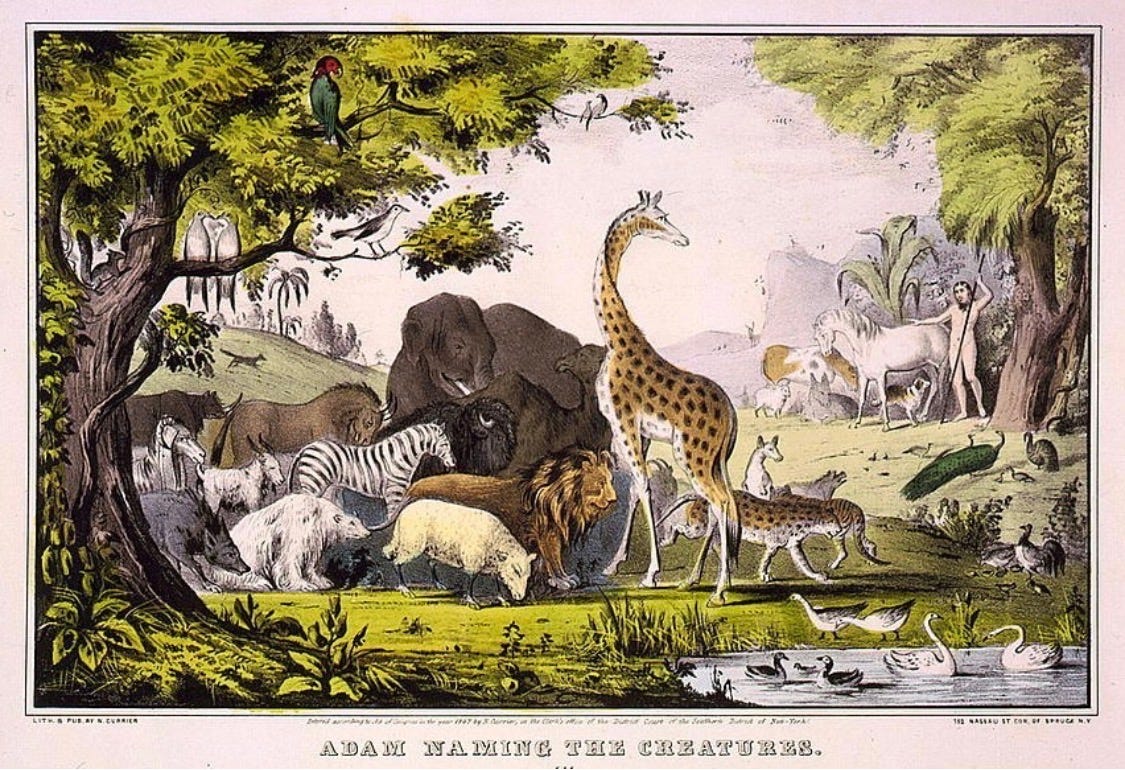
It is a charming scene if we read it as a kind of divine petting zoo.
But philosophically, something much more interesting is happening.
God creates.

Adam names.

The distinction matters.
Adam does not create the animals; he does something different. He identifies them, distinguishes them, classifies them, and gives them a place within the human symbolic world. Naming becomes one of the first expressions of humanity’s vocation within creation.
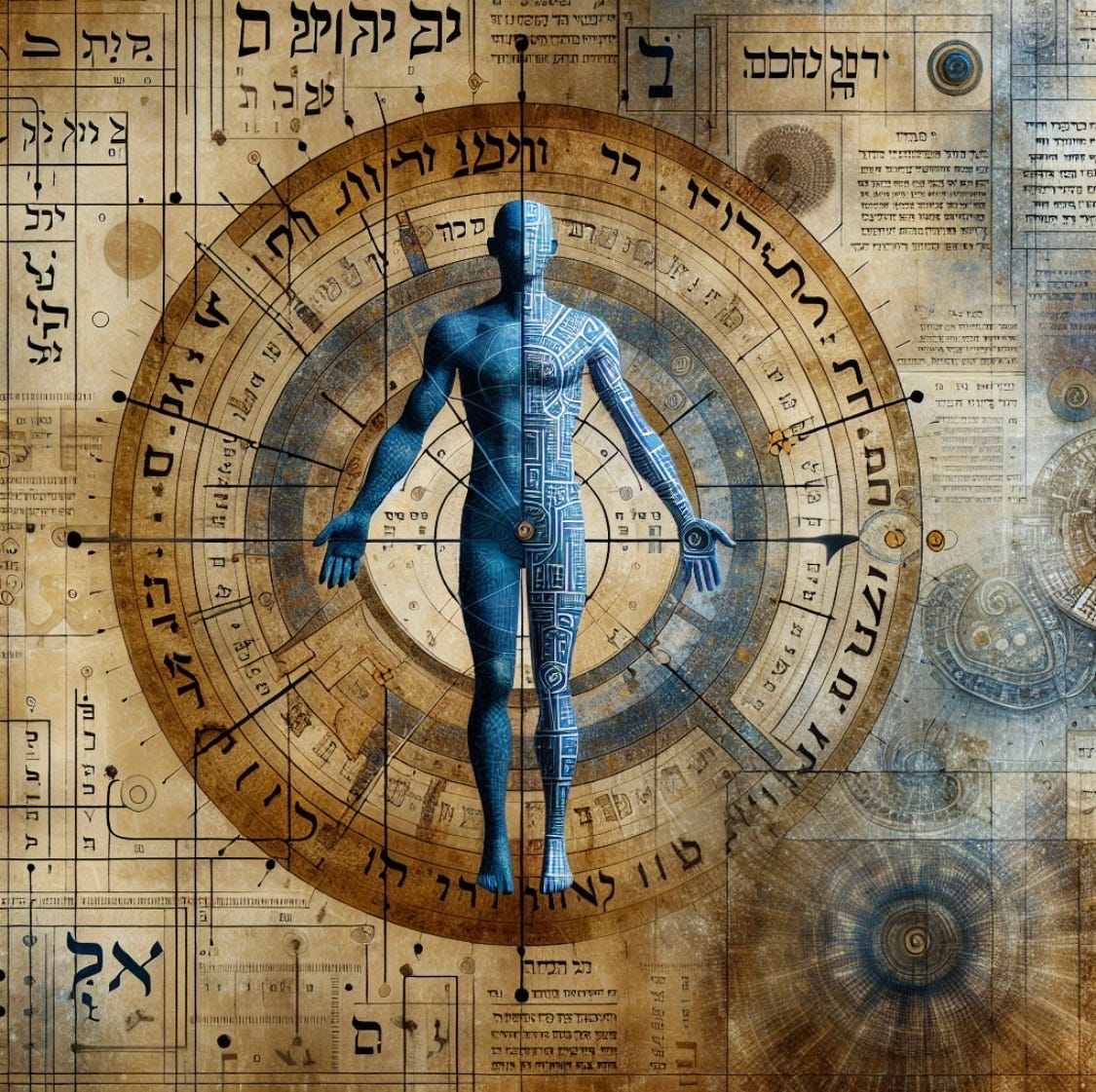
This is why the ancient biblical idea of “dominion” should not be reduced to crude ownership. Dominion is not merely having a large stick and telling the rhinoceros where to park.

It is the capacity to exercise authority, responsibility, discernment, and stewardship within an ordered world.
And naming participates in that ordering.
To name a thing is to draw a circle around it in the mind.
This is a lion.

This is a tree.

This is the sea.

This is good.
This is evil.
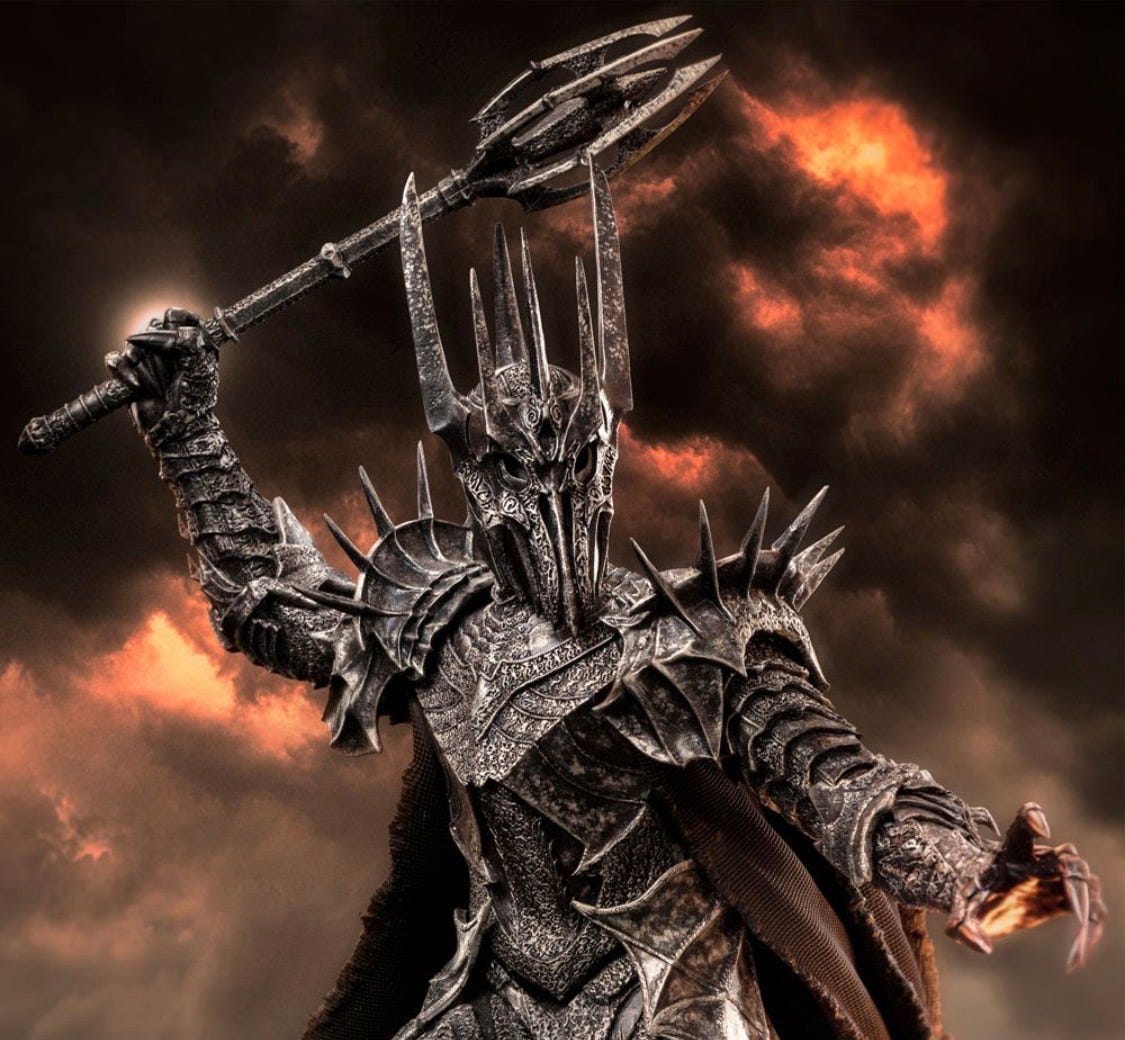
This is dangerous. ⛔️

This is mine.

The namer stands, in a peculiar sense, outside the named.
And perhaps this is why names have always carried such power.

The name as a doorway
The ancient Israelites were deeply attentive to the relationship between a person’s name and their identity.
Names in Scripture are constantly doing theological work.
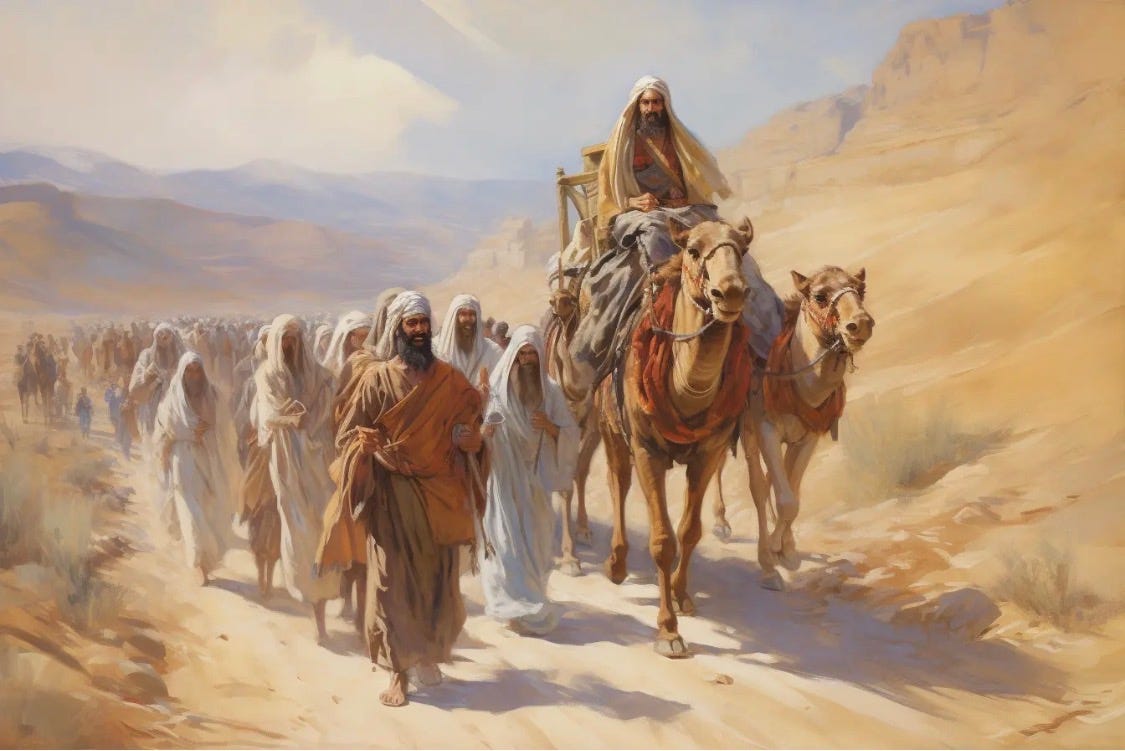
Abram becomes Abraham.
Sarai becomes Sarah.
Jacob becomes Israel.
Simon becomes Peter.
And these changes are not merely administrative updates, as though heaven had discovered a clerical error.
A new name signals a new identity, a new vocation, a new relationship with God, or a new destiny.
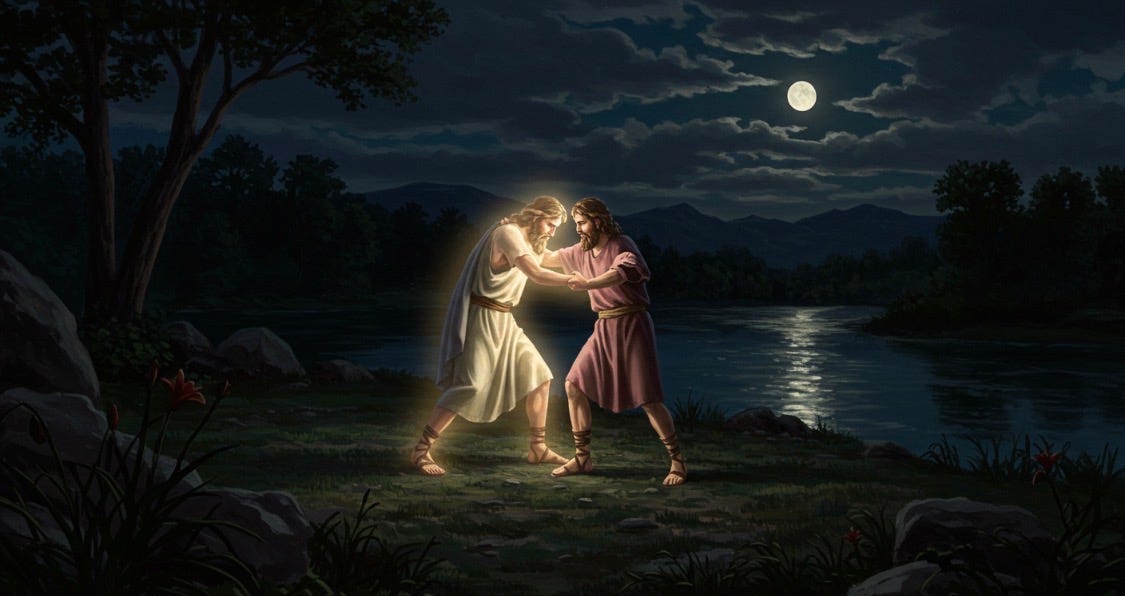
Jacob wrestles through the night and receives a new name: Israel.
It is almost as though God says, in effect, You have been living inside one story.
Now you will be called into another.
The name does not magically manufacture the transformation. Rather, the name announces it, embodies it, and continually recalls it.
This is one of the great biblical insights into language: Words do not merely describe reality. Sometimes they participate in creating the reality they describe.
God says, “Let there be light,” and there is light.
God calls.
God blesses.
God renames.
God summons people by name.
The biblical universe is, in a profound sense, a universe in which reality is responsive to speech.
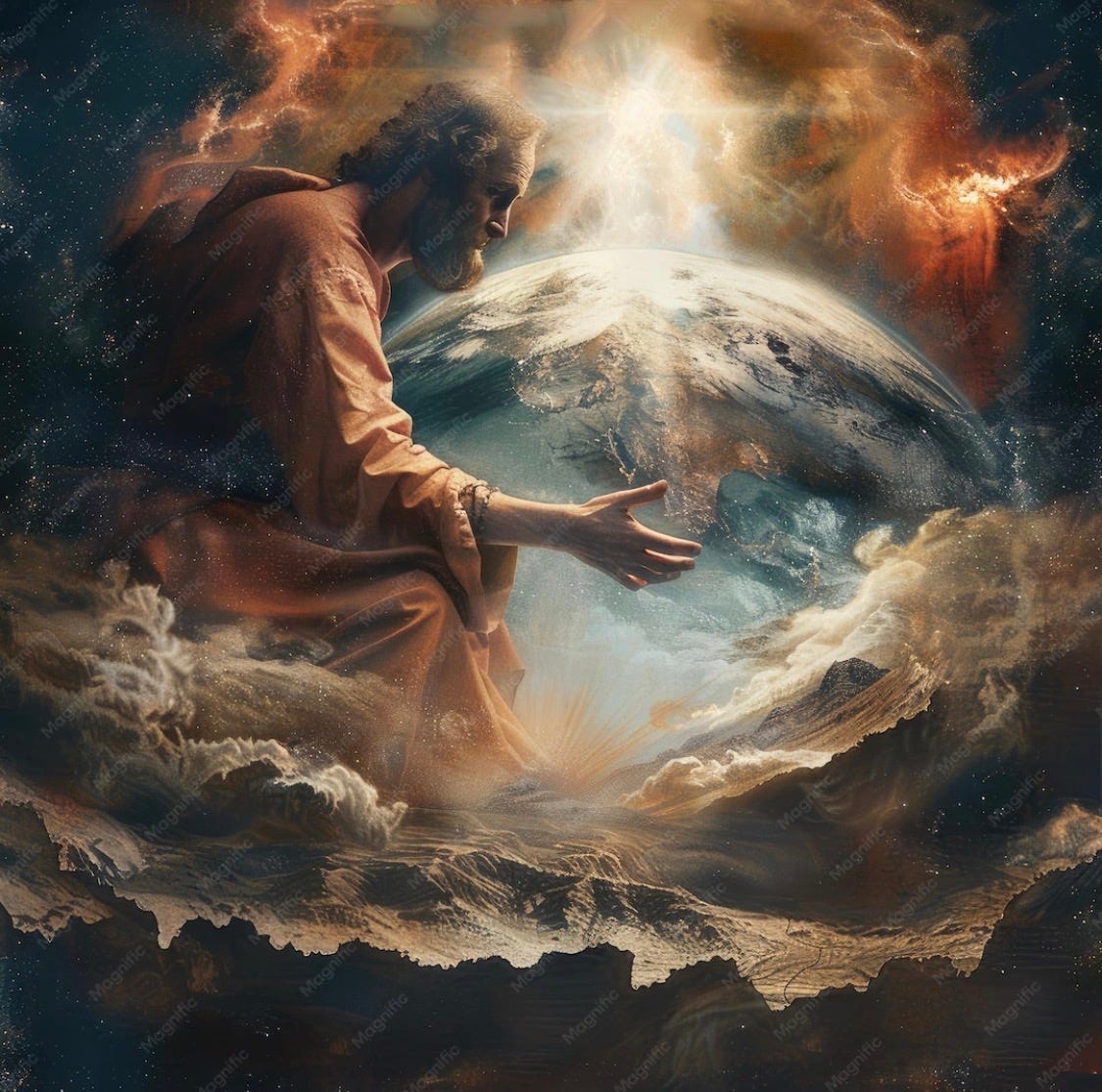
Which brings us rather naturally to magic.
When knowing the name becomes power
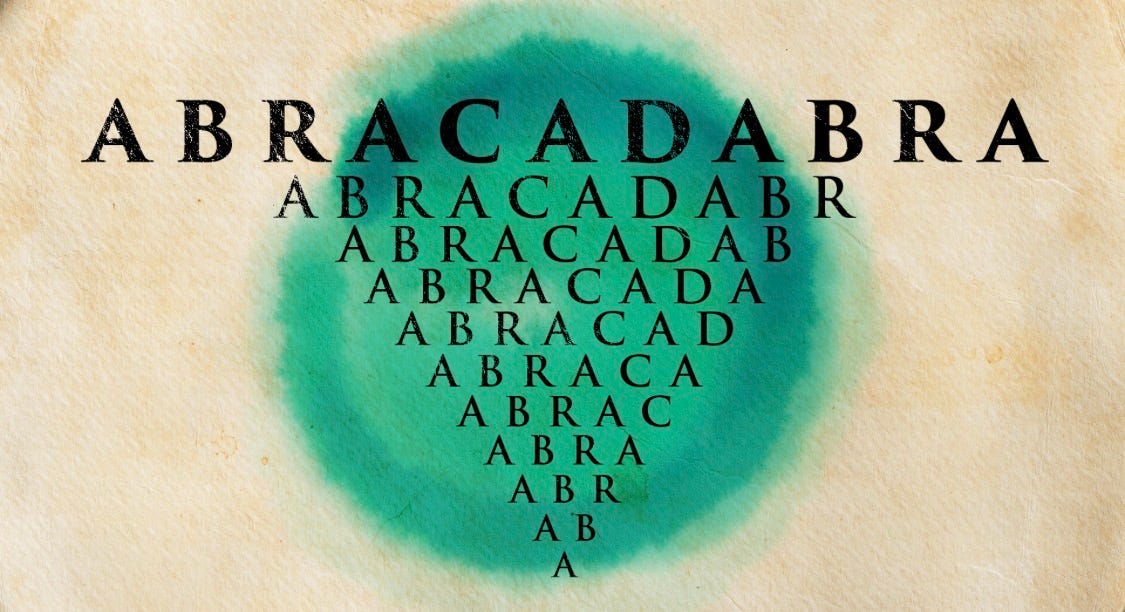
Abracadabra will be its own separate article…
In the ancient magical imagination, the secret name was particularly potent.
If you knew the true name of a deity, spirit, demon, or cosmic power, you possessed knowledge that others did not possess. And knowledge of the name could provide a means of invocation, adjuration, negotiation… or attempted control.
This is why ancient magical texts frequently contain elaborate divine names, secret names, strings of sacred syllables, and multilingual combinations.
The magician is not merely saying something; he is trying to gain access to the hidden architecture of reality.
The logic is wonderfully audacious: If I know what you are called, perhaps I can call you.
And if I can call you, perhaps you must answer.
This is where biblical theology and ancient magic meet… and then, importantly, part company.
The Bible does not simply endorse the idea that human beings can manipulate reality by collecting sufficiently impressive divine passwords. Indeed, biblical theology repeatedly insists that God is not a mechanism to be operated by clever incantation. (This will be discussed further when at some point when I write an article about Cabalistic Magic 🪄)
Yet Scripture remains fascinated by the power of the divine Name.
The name of G-d is holy.
The name of God can be invoked.
The Tetragrammaton (“four letters”) is not used commonly for this very reason. Hashem (הַשֵּׁם) literally means “the Name” in Hebrew. אֲדֹנָי, said Adonai = “My Lord,” usually said in prayer when reading the divine name.
The name of God can be profaned.
Special Note - Modern people don’t know what’s it means to profane something or someone. God’s name can be profaned… meaning it can be treated as common, dishonored, or brought into contempt.
For example, Leviticus 22:32 says:
“And ye shall not profane my holy name; but I will be hallowed among the children of Israel.”
This is where we get the word “profanity”.
The name of God can be trusted.
And in the New Testament, the “name” of Jesus becomes central to healing, exorcism, baptism, prayer, and proclamation.
Special Note - In the Modern world Jesus’s name is most certainly being profaned. Not casting Judgement just pointing out the obvious.
Why does this matter? To Christians, Jesus is God. To Profane his name profanes God as well as Christian belief is that Jesus Christ is God.
This is a “Profanity”
When people say “Jesus H. Christ,” they’re usually using it as an exclamation of surprise, frustration, or anger. The phrase isn’t a biblical title, and the “H” isn’t actually part of Jesus’ name.
An old abbreviation is IHS (the first three letters of Jesus’ name in Greek, transliterated into Latin letters).
Some English speakers mistakenly interpreted IHS as a first name, middle initial, and last name—making it seem like “Jesus H. Christ.”
By the 19th century, “Jesus H. Christ” had become a colloquial expression in American English, often used for emphasis rather than as a literal name.
“Christ” is not a surname either—it’s a title meaning “the Anointed One” (from the Greek Christos).

Jesus would most likely just turn the other cheek and say that Seth McFarland is receiving his treasures in this world? Giggity…

The crucial distinction is this: Biblical invocation is fundamentally relational; magic tends toward manipulation.
To invoke a name in biblical faith is not necessarily to possess the person behind the name. It is to call upon the authority represented by that name.
That distinction becomes particularly entertaining when demons enter the room.
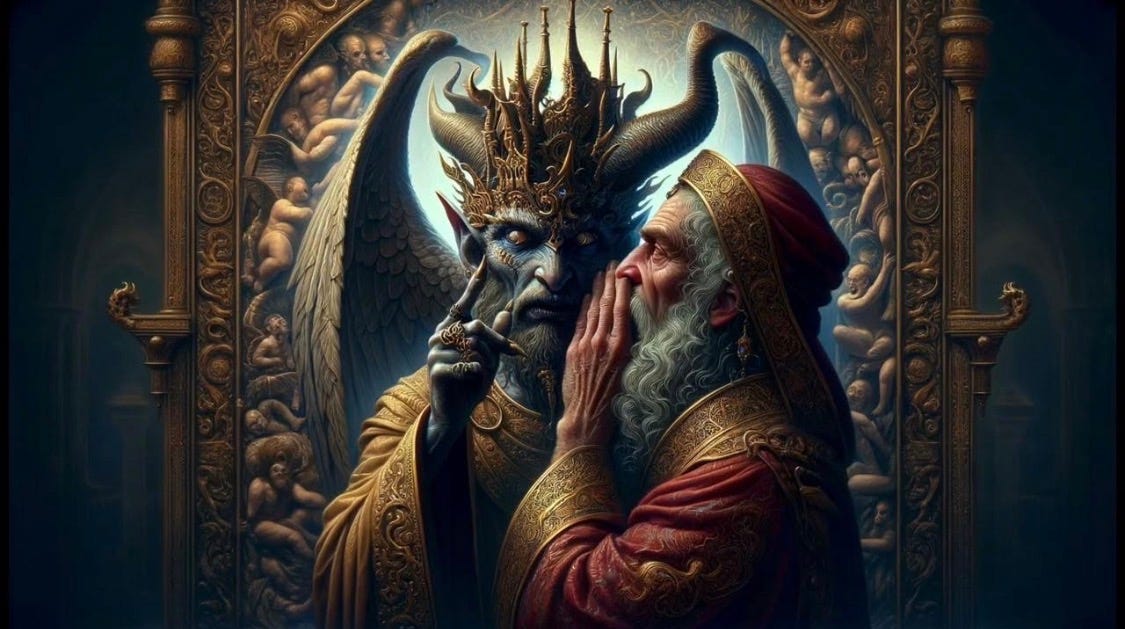
Solomon, the demons, and the divine filing cabinet
The biblical Solomon is famous for wisdom.
Later Jewish and Christian tradition, however, gave Solomon another rather extraordinary résumé: Solomon, wise king, temple builder, demonologist.
The most famous account appears not in the canonical Bible but in the Testament of Solomon, a fascinating late-antique work that presents Solomon as possessing extraordinary authority over demons. Yeah, is it an almost accurate story?

In the story, a demon afflicts one of the workers building the Temple. Solomon receives a ring bearing the divine seal, associated with God's power, and uses it to compel the demon to appear.
And then comes the wonderfully bureaucratic part. (Or disturbing part, depending on how you look at it)
Solomon interrogates the demons.
He asks their names.
He asks what they do.
He asks what stars or powers are associated with them.
He asks what makes them vulnerable.
The demons become, in effect, a supernatural directory.
It is one of the strangest images in ancient literature: the wise king sitting down with the invisible powers of chaos and asking them to fill out the paperwork.
Yet beneath the colorful story lies a serious ancient intuition.
To name the demon is to diminish its anonymity.
The nameless thing is terrifying because it is undefined. It lurks in the darkness as something. But once it has a name, it becomes something that can be addressed.
The monster becomes Mr. Monster.
And Mr. Monster, unfortunately for him, can now be questioned.
In the Testament of Solomon, Solomon’s authority over the demons ultimately derives not from his own cleverness but from God. The point is not that Solomon possesses a secret magical trick independent of God. His authority is delegated.
That distinction is enormously important.
The king does not become God.
He becomes an authorized representative.
And here the ancient story circles back to Genesis: authority over creation is exercised through language.
“Tell me your name.”
The impulse to name the darkness
The impulse to discover the name of a supernatural being is not confined to Solomon.
It appears throughout the ancient world.

In various magical and exorcistic traditions, practitioners sought the names of spirits because a known spirit could be addressed specifically rather than vaguely. A demon who is merely there is one thing. A demon whose name has been discovered is another.
This is why exorcism traditions sometimes involve interrogation.

Who are you?
What is your name?
What do you want?
How many of you are there?
By whose authority are you commanded?
The question “What is your name?” is therefore not small talk.
It is a theological probe.
It assumes that identity matters.
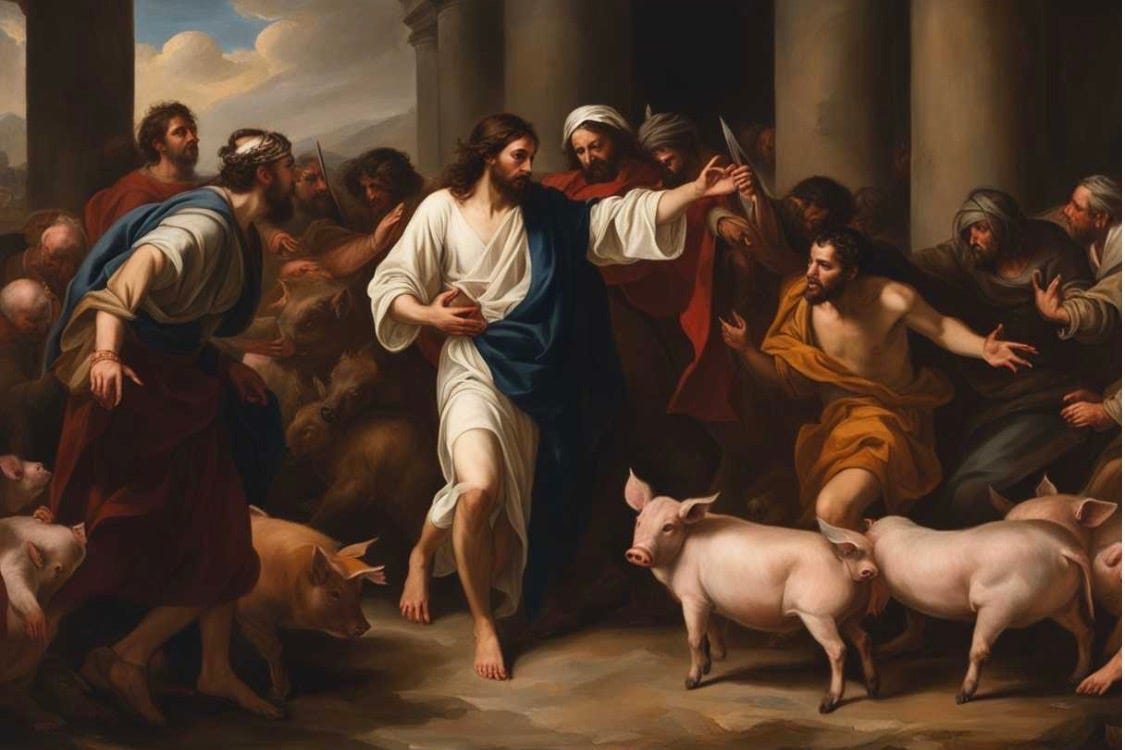
And perhaps that is why the Gospel stories of Jesus’ encounters with demons are so striking.
In Mark 5, Jesus encounters the demoniac living among the tombs and asks:
“What is your name?”
The answer is:
“Legion.”
It is a chillingly brilliant name.
Not merely Bill.

Meet… Bill Fakespeare A.K.A. William Shakespeare… created by British UnIntelligences or Disinformation Services to deceive you with a Neo Pagan Mythology. There is power in what
Not even Several Extremely Unpleasant Spirits.
Legion.
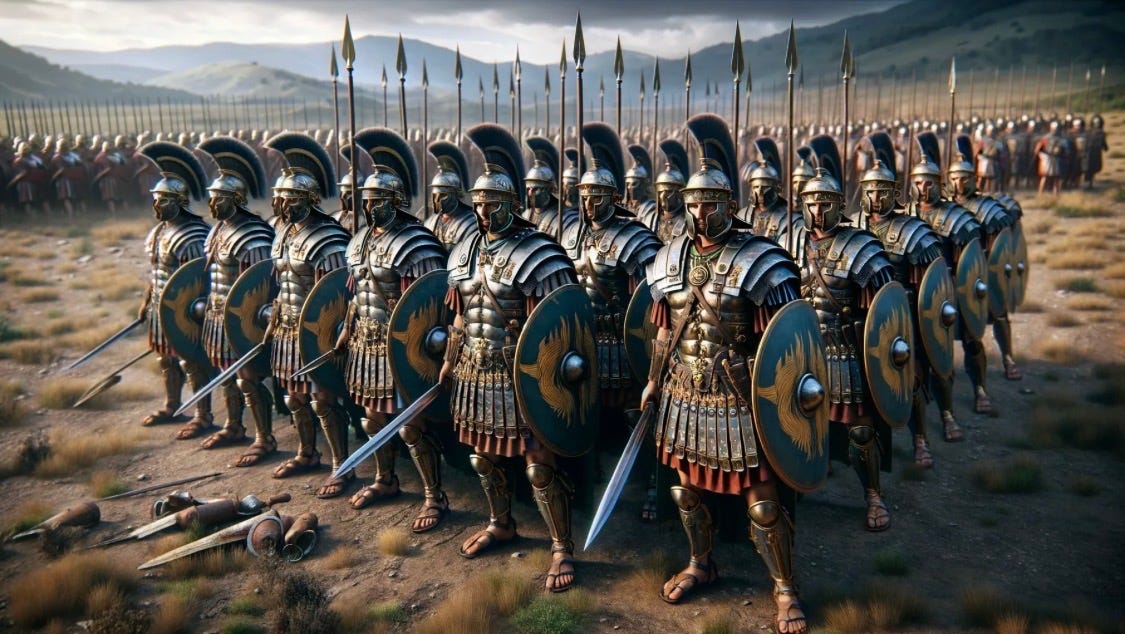
A Roman military term suggesting multitude, organization, occupation, overwhelming force.
(The image shows a cohort of a Legion; generally, there were 10 cohorts to a legion, with the 1st being the largest. 5000-5500 generally made up a Roman Legion)
The demon is saying, in effect: You are not dealing with one little problem here; you have a whole host of evil in your hands.
And yet the scene immediately reverses the expected power dynamic.
Jesus is not frightened by the name.
He doesn't need to discover some secret demonic password.
He does not need a handbook of infernal vulnerabilities.
He asks the question.
The demon answers.
And the demon is expelled.
The story presents Jesus as possessing authority not because he has mastered the magical vocabulary of the spiritual world, but because the spiritual world itself is subordinate to him.
That is a profoundly biblical transformation of the ancient naming motif.

The sons of Sceva learn an important lesson
Acts 19 gives us another, rather humorous, glimpse into this world.

A group of Jewish exorcists… the seven sons of Sceva… attempt to cast out an evil spirit by invoking the name of Jesus whom Paul preaches.

The demon responds:
“Jesus I know, and Paul I know, but who are you?”
And then things go spectacularly badly.

The possessed man attacks them, overpowers them, and sends them fleeing… famously, naked and wounded.
It is one of the Bible’s more entertaining reminders that spiritual authority is not acquired by overhearing someone else’s password.
The sons of Sceva knew the name of Jesus.
They did not possess the authority represented by that name.

And this is where biblical theology decisively complicates the magical idea of naming.
A name is powerful because it is attached to an identity, a person, a relationship, and an authority.
The name is not a vending-machine button.

Say the correct syllables, receive the supernatural service.
The sons of Sceva seem to have treated the name of Jesus as a spiritual technology.

The demon, rather rudely, informs them that this is not how it works.
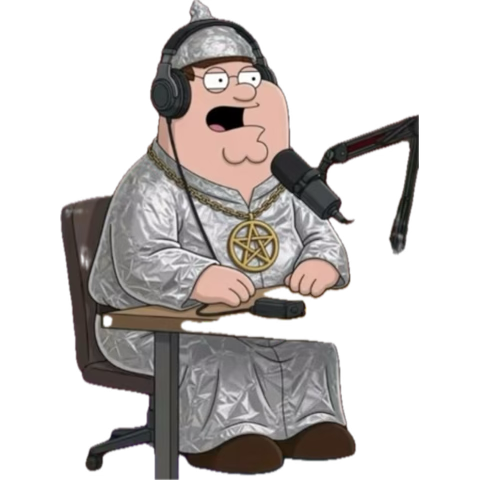
So this is where many modern self-proclaimed witches, warlocks, sorcerers, Freemasons, and Kabbalists get it wrong…
The “Madonna Louise Ciccone” type… You know what I mean.
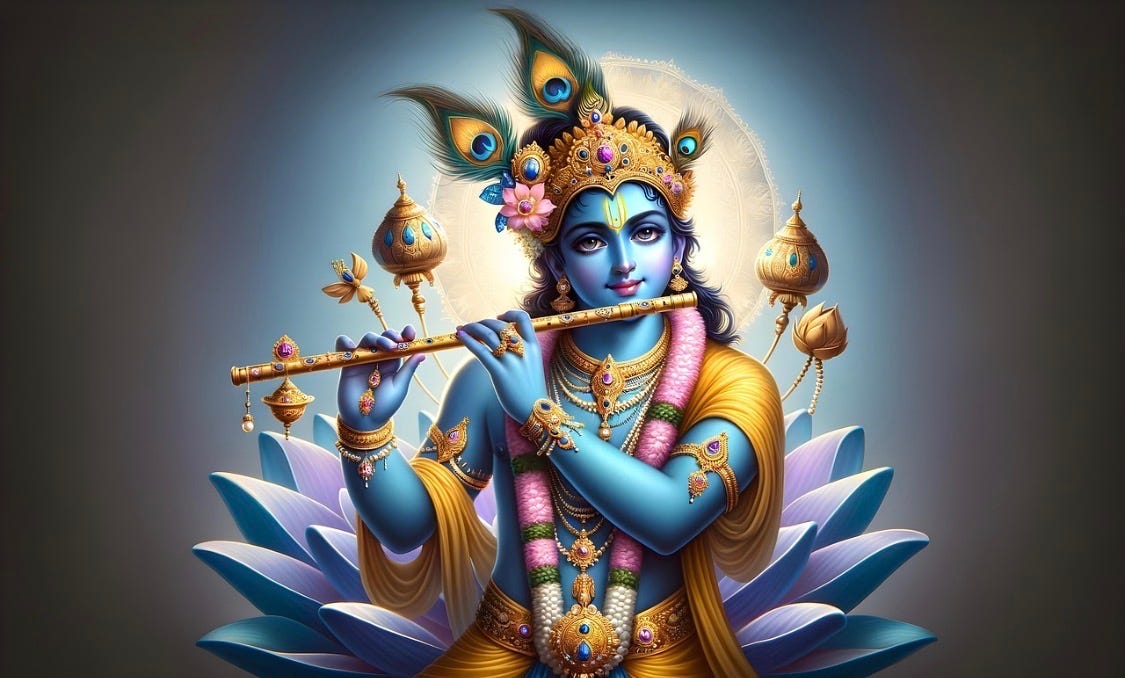
So not to always use Western references, today I will cite
Krishna and the Bhagavad Gita 7:20–23:
7:20 — “Those whose wisdom has been carried away by desires resort to other gods, following this or that rite, impelled by their own nature.”
7:21 — “Whatever form a devotee desires to worship with faith, I make that faith of his steady.”
7:22 — “Endowed with that faith, he worships that form and obtains from it the desires he has wished for. But in reality, I alone bestow those benefits.”
7:23 — “But the fruit obtained by those of little understanding is temporary. Those who worship the gods go to the gods; My devotees come to Me.”
So, to summarize Krishna’s point: people can receive what they ask for through these other forces or beings, but the ultimate source of the ability to grant those benefits is God.
I mean, why retail pay?

Nietzsche and the danger of the name
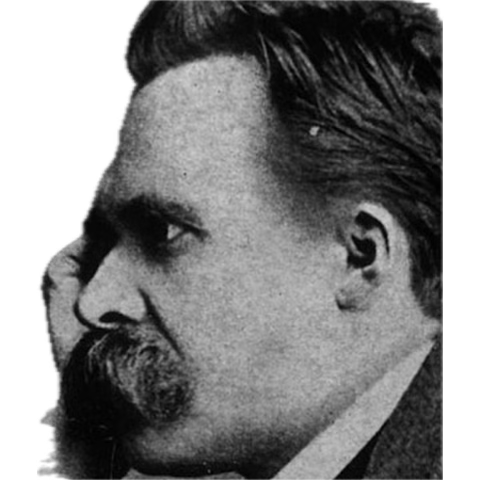
At this point, the ancient argument about names begins to collide with modern philosophy.
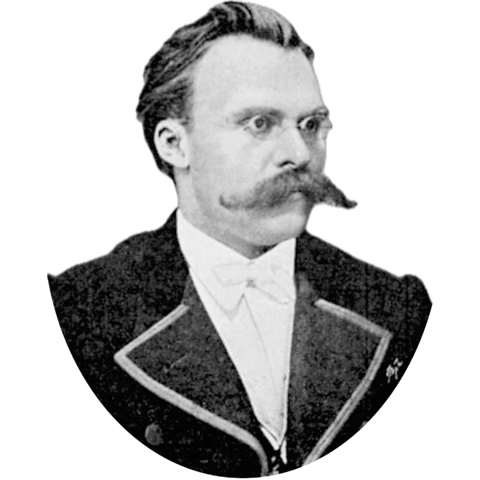
Friedrich Nietzsche understood, perhaps more sharply than almost anyone, that human beings do not merely discover meanings in the world.

Important Side Note - He was a Philologist and Philosopher what does that exactly…
Philologist: studies language and texts, especially their historical development and interpretation. Nietzsche was trained as a classical philologist, specializing in ancient Greek and Roman texts.
Philosopher: investigates fundamental questions about knowledge, morality, existence, truth, and values. Nietzsche is primarily remembered in this category.
Now back to Nietzsche and his Niche.
We impose meanings upon it.
For Nietzsche, language is never entirely innocent. Concepts allow us to organize the chaos of experience, but in organizing it we also simplify it. We take the endlessly complicated individual thing and place it under a word.

Tree.
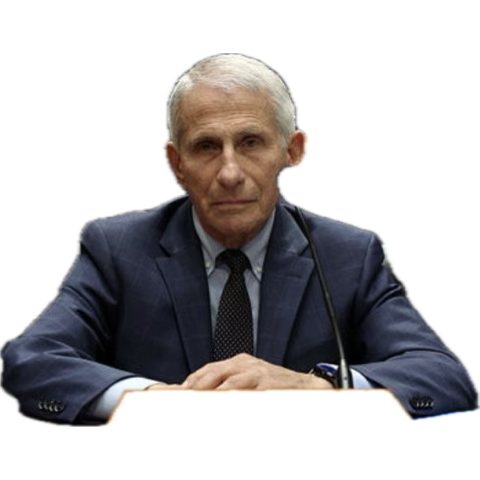
Criminal... Or is that a doctor?

Hero.

Madman

Or is that a tech billionaire

Genius.

Good.

Evil.
The word gives us something useful: a handle.

But a handle is not the whole object.
Nietzsche’s suspicion is therefore extremely relevant to the philosophy of naming. The moment we give something a name, we gain a certain power over it… but we may also lose something.
The living thing becomes a category.
A commodity.
The unique person becomes a type.
The mystery becomes a definition.
And once the definition is in place, we can begin to imagine that we have finished thinking.
This is one of the great dangers hidden inside the innocent phrase, I know what that is.
Do we?
Or do we merely know what we have decided to call it?
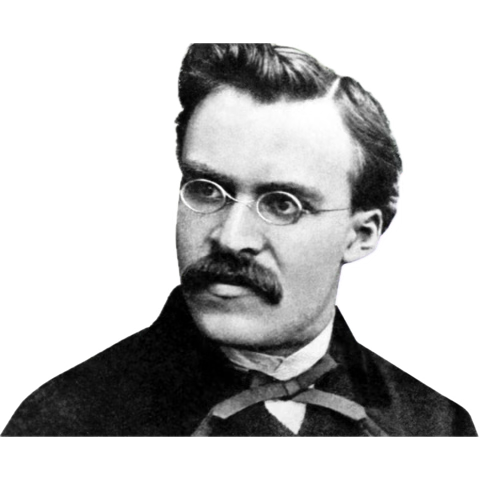
Nietzsche repeatedly challenged the human tendency to turn fluid realities into fixed concepts. His famous genealogical method was, among other things, an attempt to ask where our supposedly self-evident names and moral categories came from.
Who named this “good”?
Who decided what counts as “normal”?
Who benefits when a person is called weak, sinful, civilized, primitive, rational, irrational, respectable, dangerous?
Naming can reveal reality.
But naming can also become an instrument of power.
An instrument of manipulation… here are some recent examples
Social Media is not Social… if anything, it is definitely Anti-Social. Young people seem to be lacking in social skills thanks to the so-called “social media”.
According to our constitution and the Declaration of Independence, we are endowed with certain inalienable rights as human beings, so a human being cannot be illegal. Nor are we aliens 👽, and that can also mean many things. But certain rights are in Alien 👾 able. Right?
Military Intelligence tends to create disinformation, and war is the opposite of intelligent action. Intelligence people try to resolve problems peacefully, with conscious or compromised action, not war, military action, or deception.
Antisemitic - what is a Semite? A language family, not a race or a single people. It includes Hebrew, Arabic, Aramaic, Amharic, and others. So can Arabs be antisemitic if they too are Semites? What if Jews hate Arabs; are they too Antisemitic? As they a both technically semites. What is meant is anti-Jewish, so why is this inaccurate misnomer used?
Maybe it is all semantics?
Nietzsche would say that all these and much, much more reveal an agenda, or rather agendas, buried in the words themselves.
And suddenly the biblical story of naming acquires a darker philosophical companion.
Adam names the animals.
But human beings also name one another.
And the second act can be considerably more dangerous.
It is one thing to say, “This is a lion.”
It is another to say, “This is what you are.”
The first may be an act of recognition.
The second can become a sentence.
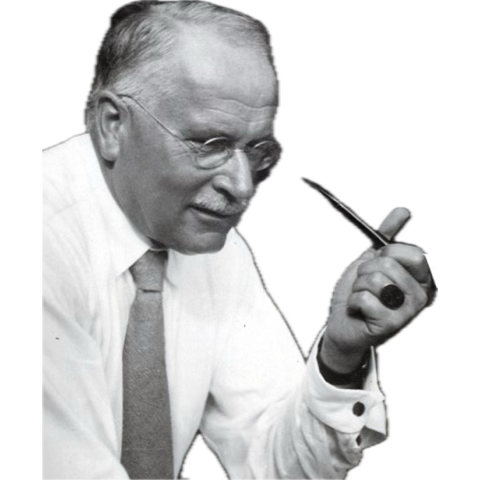
Jung and the names beneath our names
Carl Jung approaches the mystery from another direction.
For Jung, names and symbols matter because the human psyche is not merely a collection of rational thoughts. Beneath conscious awareness lie patterns, images, memories, fears, desires, and symbolic structures that can shape us long before we have consciously chosen them.

Jung gave particular attention to what he called the shadow: those aspects of ourselves that consciousness refuses, neglects, or does not yet recognize as belonging to us.
And here the ancient question returns with remarkable force:
What is your name?
A person may say, “I am not an angry person.”
But perhaps anger keeps appearing.
“I am not jealous.”
Yet jealousy quietly directs the relationships.
“I am not afraid.”
Yet fear makes the decisions.
“I would never do such a thing.”
And then, one day, the supposedly impossible thing happens.
Jung’s great psychological insight is that what remains unnamed does not necessarily disappear.
Sometimes it goes underground.
The thing we refuse to name may acquire power precisely because we refuse to acknowledge it.
In that sense, the psychological value of naming resembles the ancient logic of confronting the demon.
Not because every psychological problem is a demon (far from it) but because human beings have long recognized that the unidentified thing can become larger in the imagination than the identified thing.
A vague darkness can fill the entire room.
A named darkness occupies a particular corner.
This is why psychological language can sometimes be liberating.
“This is grief.”
“This is shame.”
“This is resentment.”
“This is envy.”
“This is the part of me that is terrified of being rejected.”
The naming does not make the problem disappear.
But it changes our relationship to it.
We are no longer merely inside the experience.
We can begin to look at it.
And that distinction matters.

Jung would also remind us that the symbols we encounter in dreams, myths, religions, and stories often speak in a language deeper than straightforward definition. A symbol cannot always be reduced to a dictionary entry. It points beyond itself.
That is important because it prevents us from making the opposite mistake.
If Nietzsche warns us that names can imprison reality, Jung warns us that symbols can contain more reality than our definitions can exhaust.
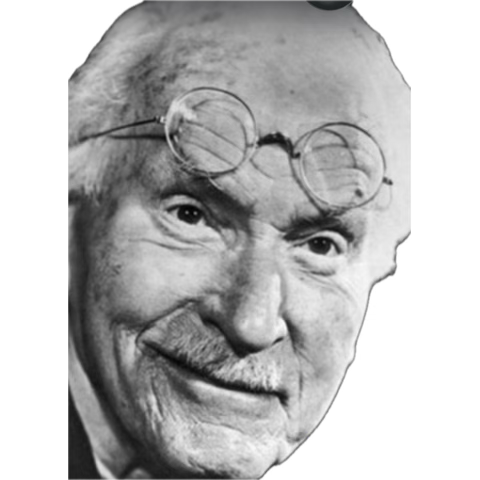
The word is not always a cage.
Sometimes it is a doorway.
And perhaps that is the best way to understand the ancient obsession with names.
The philosophical magic of naming
Nietzsche and Jung, despite their enormous differences, help illuminate something the ancient world already suspected.
Naming gives us power… but not necessarily the kind of power we first imagine.

Nietzsche reminds us that naming can become an act of conceptual domination.
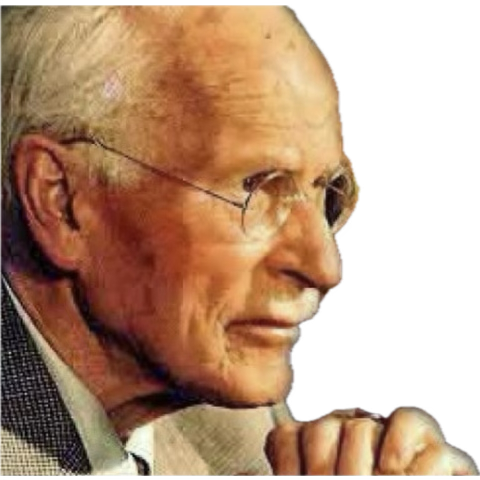
Jung reminds us that naming can become an act of psychological recognition.
The biblical tradition adds another possibility:
Naming can become an act of vocation.
Adam names the animals.
God names Abraham.
Jacob becomes Israel.
Simon becomes Peter.
The prophets are called.
The disciples are called.
And throughout Scripture, the deepest question is often not merely What are you?
It is:
Who are you?
That is a more dangerous question.
“What are you?” invites classification.
“Who are you?” invites relationship.
A thing can be categorized.
A person must be encountered.
This may be one reason names carry such extraordinary emotional force. To hear your own name spoken by someone who knows you is different from hearing a category applied to you.

“Hey, you.”
“Customer.”
“Employee.”
“Patient.”
“Criminal.”
“Number.”
“Case.”
These are designations.
But then someone says your name.
And suddenly you are not merely an instance of a category.
You are somebody.
So says Nobody.🙃😉🤣
Naming and the modern world
And perhaps this is where the ancient fascination with names becomes surprisingly relevant to modern life.
We may no longer interrogate demons for their astrological weaknesses, but we still experience the power of naming.
A child is born, and we give the child a name.
A scientist discovers a species and names it.
A doctor identifies a disease.
A psychologist gives language to a pattern of behavior.
A philosopher names a problem.
A poet names a feeling we could never articulate.
A person finally says, “This is what happened to me.”
And suddenly the unnamed thing has entered consciousness.
There is liberation in that.
To name something is not necessarily to control it. But it can be the beginning of refusing to be controlled by its mystery.
Fear thrives in vagueness.
Language brings contours.
What we cannot name can become a shapeless monster.

What we can name can be examined.
And what can be examined can sometimes be understood.
This is why naming is simultaneously an intellectual act, a psychological act, a social act, and… in the biblical imagination… a theological act.
But there is a warning here too.
We should not confuse naming with owning.
Modernity has its own version of the ancient magician’s temptation: the belief that if we can classify something completely, we have mastered it completely.
We name the universe and imagine we possess it.
We diagnose a person and imagine we have explained them.
We categorize a culture and imagine we understand it.
We label another human being and then quietly stop seeing the person behind the label.
This is the shadow side of naming.
The name can illuminate.

The name can also imprison.
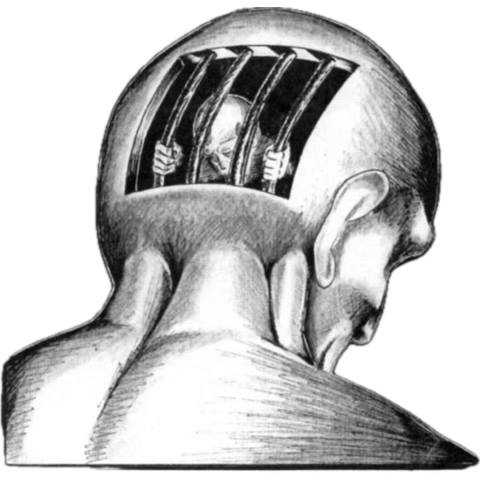
Nietzsche would have us suspicious of the prison.
Jung would have us curious about what is locked inside it.
And Scripture asks us to remember that neither the name nor the category is the final word.
The name that calls us
Perhaps the deepest biblical mystery is that the power of naming eventually turns back upon us.
We spend our lives naming things.
But Scripture repeatedly portrays God as the One who names us.
Adam is named.
Israel is named.
Prophets are called.
The disciples are called.
And in Revelation, there is the strange promise of a “new name” known to the one who receives it.
The final mystery, then, is not that we possess the names of everything.
It is that we are ourselves known by Name.
That changes the entire philosophy.
The ancient magician says:
Give me the name, and I will have power over you.
Nietzsche whispers a warning:
Be careful what your names conceal.
Jung asks us to turn inward:
What have you refused to name within yourself?
And the biblical God says, in effect: I know your name, and therefore I can call you.
Those are very different kinds of knowledge.
One seeks domination.
Another seeks interpretation.
Another seeks integration.
And another summons relationship.
And perhaps this is why names have always felt sacred.
A name is the bridge between anonymity and relationship.
To name something is to say:
I see you.👀
I distinguish you.
I recognize that you are there.
I can call you.
And in the biblical imagination, to be called is to be invited into a story.
The final mystery
So yes, there is a lot in a name.
There is identity.
There is memory.
There is authority.
There is vulnerability.
There is relationship.
There is, sometimes, a little magic 🪄.
But there is also something more profound than magic.
Because the great biblical drama is not ultimately about discovering the secret names of demons so that we might control the universe.
It is about discovering that beneath all the noise of the cosmos, God knows our name.
And perhaps Nietzsche helps us see why our names can become prisons.
Jung helps us see why the things we refuse to name can haunt us.
The ancient magician reminds us of our desire to possess the hidden name.
And the Bible turns the whole thing upside down.
We want to know the Name so that we can exercise power.
But the biblical God knows our name.
We want to stand outside reality and name it.
But perhaps we are also creatures standing inside a reality that has already named us.
We want to define.
We want to classify.
We want to understand.
We want to master.
And yet, beneath all of that, there is the strange possibility that the deepest form of knowledge is not mastery at all.
It is being known.
Not merely labeled.
Not merely categorized.
Not merely explained.
Known.
Called.
Loved
Remembered.
And perhaps that is the most astonishing form of dominion of all:
Not that we have learned how to name everything,
but that we have been named,
known,
and called.
With Love Always🙏🏼🕊️
Nemo⚓️
The Nobody
Comments
Nothing yet. Say the first thing.
Sign in to join the conversation.