
It’s hard to believe, but not everyone is a fan of science-fiction and fantasy.
I know! But it’s true. Movies and television figured this out. Publishing figured this out. But, almost across the board, when people think about interactive adventures, they usually picture fantasy worlds.
Dragons. Castles. Wizards. Maybe a spaceship hurtling toward an alien planet. It’s every SFF-loving kid’s dream come true. They get to be a part of these amazing adventures.
Looking at my shelves, the vast majority of my interactive adventure collection is filled with space vampires, sword fights, and time travel. Fantasy and science fiction have always been a natural fit for stories where every choice can change the outcome.
But as I collected more and more interactive adventures, here’s something that surprised me. Publishers quickly realized they didn’t have to sell interactive adventures only to fantasy fans. There was a whole bunch of other kids out there that wanted nothing to do with mazes and monsters. So publishers took the natural step.
They started trying to convince every kid that making choices in a story was fun.
As I started digging through my shelves for this article, I found interactive books about soccer, baseball, history, geography, mysteries, natural disasters, and just about everything in between.
Apparently, if there was a hobby or interest, someone thought, “Let’s make an interactive adventure out of it.”
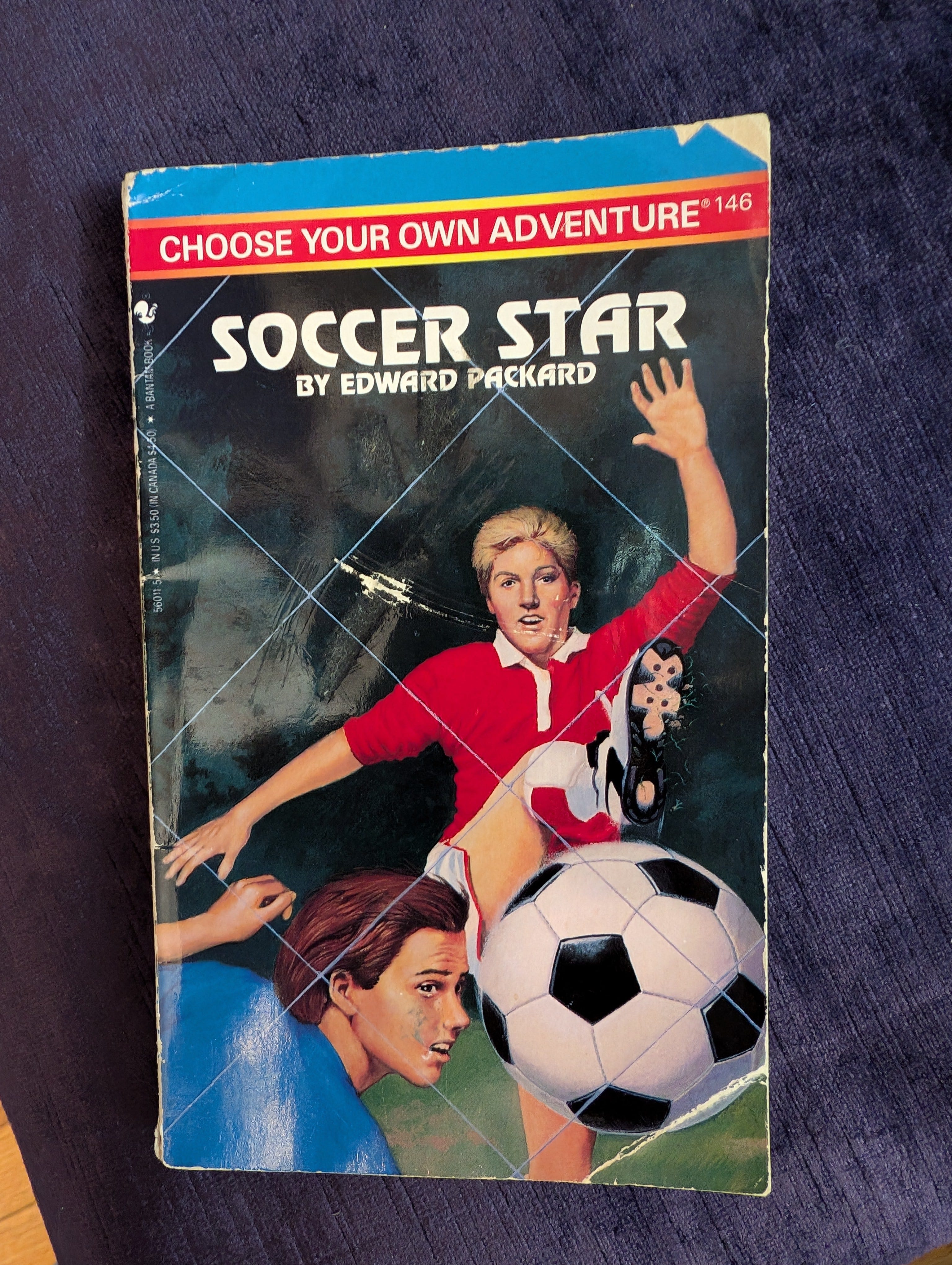
Take Choose Your Own Adventure #146: Soccer Star, for example.
Instead of battling dragons, you’re trying to make the winning play in the biggest game of your season. At the climax of the book, you have the ball with time running out. Do you dribble past the defenders yourself? Or do you trust a teammate with a difficult pass? The excitement doesn’t come from magic. It comes from making the same split-second decisions real athletes face (I suspect plenty a kid—and plenty an adult, for that matter—imagined themselves scoring the winning goal in the World Cup.)
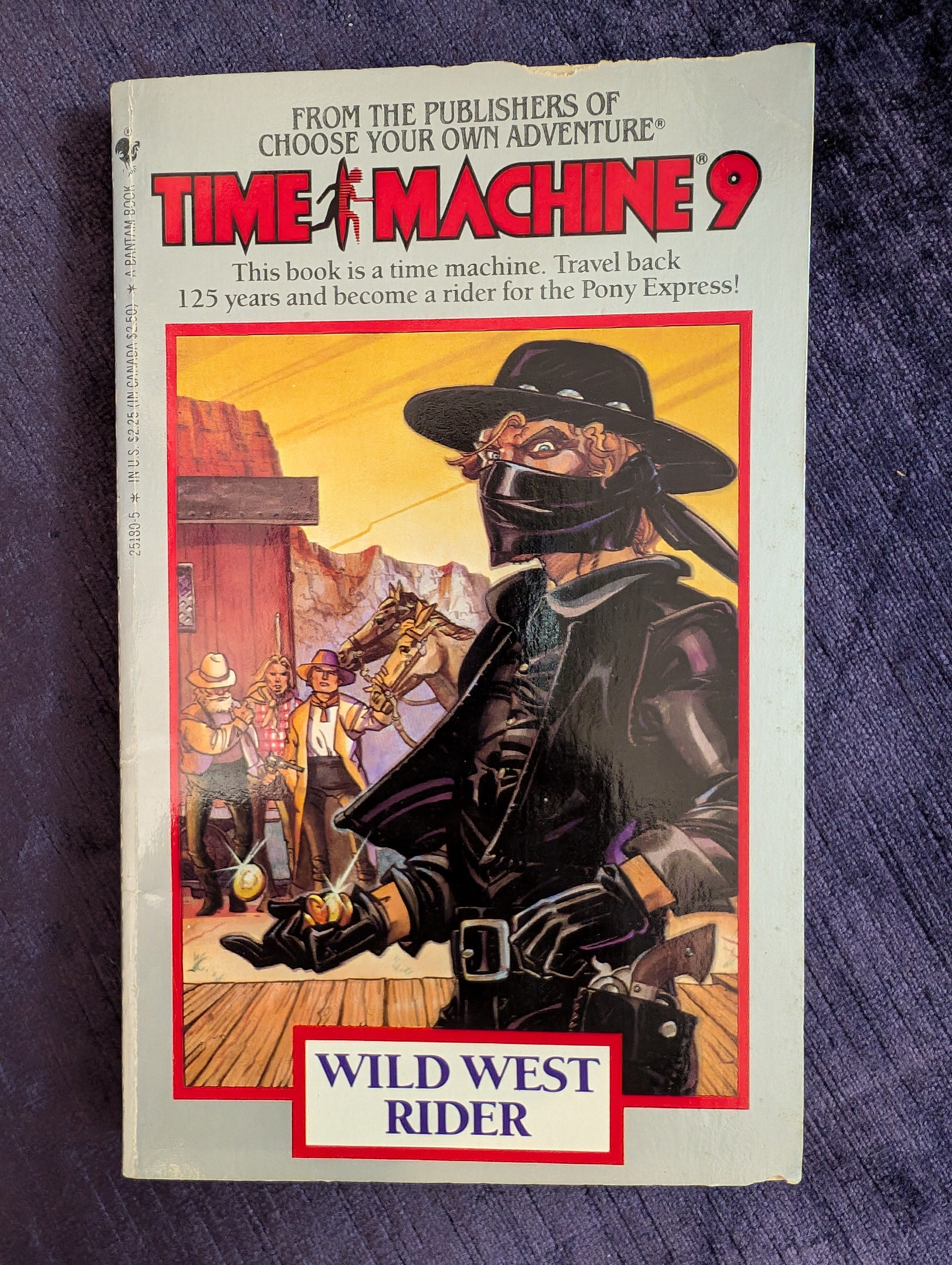
Then there’s Time Machine #9: Wild West Rider, which drops you into 1862 during the construction of the transcontinental railroad. You aren’t saving a fantasy kingdom. You’re navigating life in the American West, deciding whether to join outlaws or stay on the train, all while trying not to become permanently stranded in history. I have to admit, I gave this one some thought. Life as a Wild West outlaw has a certain glamour. I bet a lot of kids turned to that page.
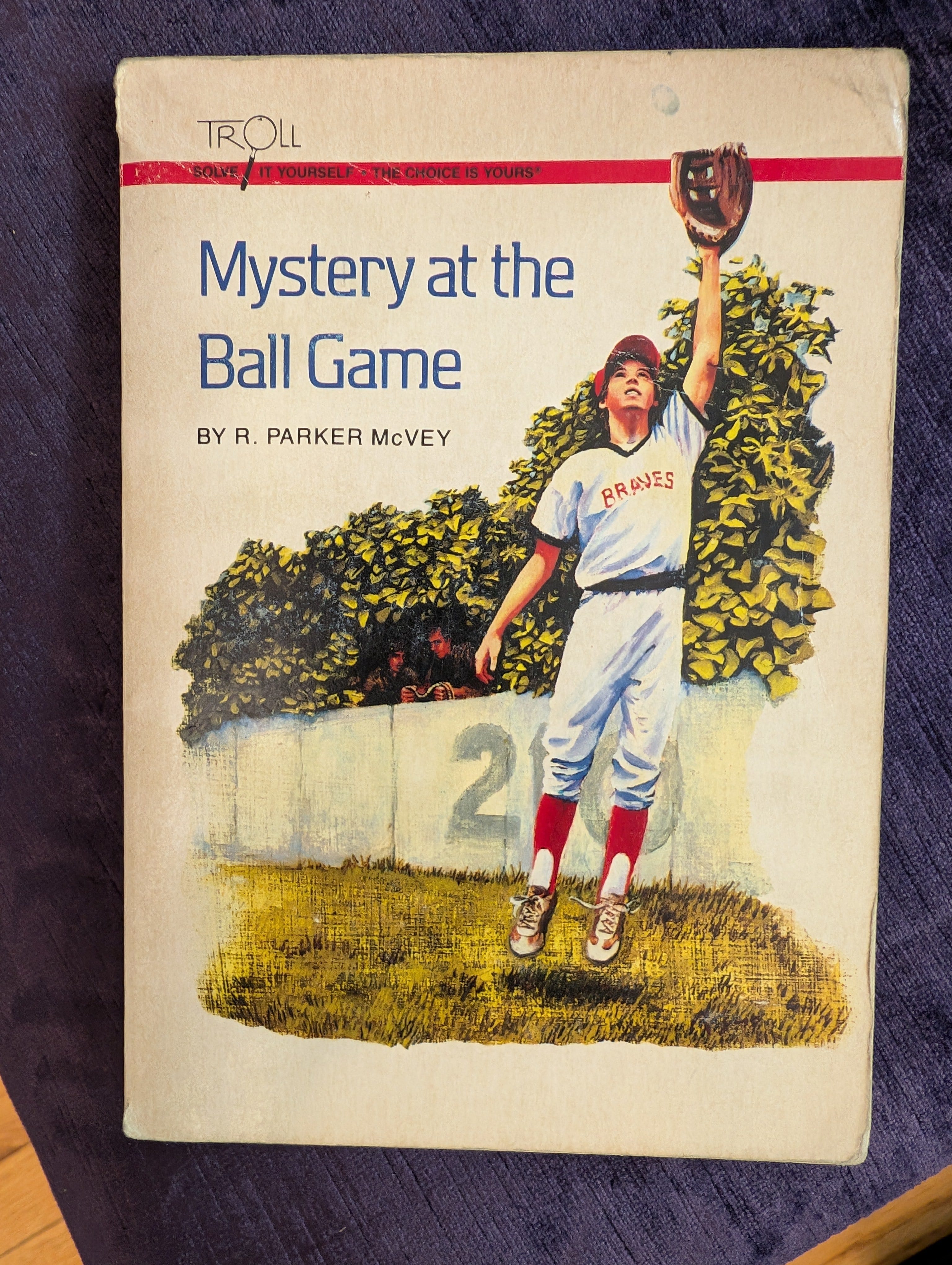
For mystery fans, there was Solve it Yourself: Mystery at the Ball Game. You overhear a kidnapping plot targeting the star outfielder of your local baseball team. Do you call the police? Investigate on your own? Wait to see what happens at tomorrow night’s game? It’s less Dungeons & Dragons and more Hardy Boys—and you’re the detective.
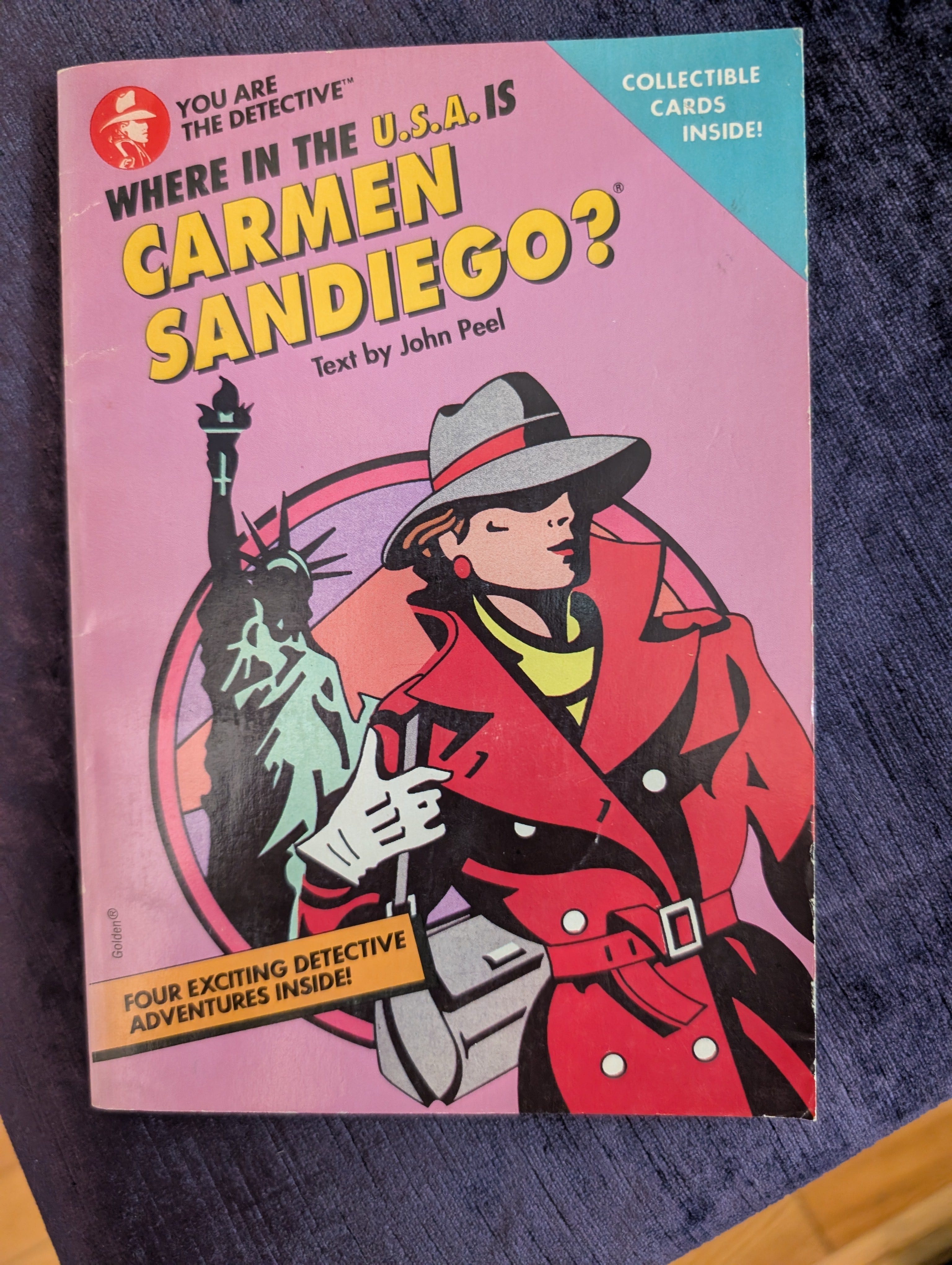
Educational brands joined in, too. You Are The Detective: Where in the U.S.A. Is Carmen Sandiego? transformed the popular computer game into an interactive mystery, letting readers chase Carmen’s gang across the country while learning geography along the way. Instead of memorizing geography facts, you were making decisions and solving cases.
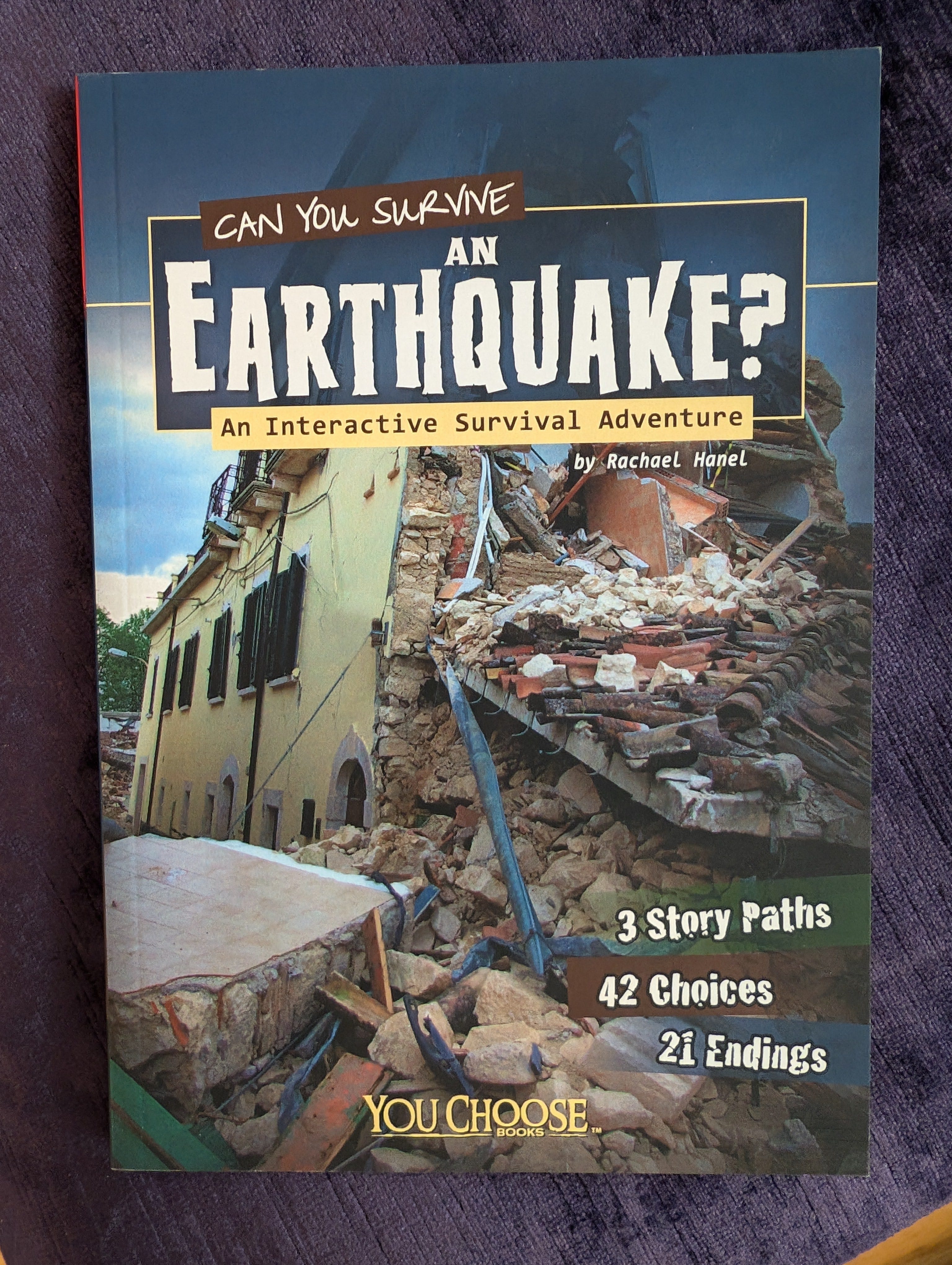
And then there are books like You Choose Books: Can You Survive an Earthquake? These are almost the opposite of fantasy. They’re interactive survival stories grounded in real-world disasters, asking readers to make difficult decisions in situations that could actually happen. So many interactive adventures are all about survival, so this series seems a natural fit.
On a side note, after writing this article, I feel like I need to think about this for my next Pick You Own Quest® interactive adventure. I could make it about cheerleading. Or engineering. Or a DIY home improvement quest. (Honestly, I’d read that. Do you fix the leaking toilet or build some shelves?)
Looking across these non-SFF interactive adventure books, I can almost imagine the brainstorming sessions.
“We’ve already got dragons covered.”
“How do we reach the sports kids?”
“What about mystery readers?”
“Can we make history interactive?”
“Could we teach geography this way?”
“What if the reader just wants to survive an earthquake?”
Publishers weren’t just looking for new story ideas. They were going with the tried-and-true knowledge that the format itself was the attraction. The choices. The branching paths.
The feeling that you were part of the story.
That’s the real magic. The setting almost doesn’t matter.
Whether you’re scoring the winning goal, chasing Carmen Sandiego, riding with the Pony Express, stopping a kidnapping at a baseball game, or surviving an earthquake, that feeling is exactly the same.
You’re not watching someone else’s adventure. You are living your own.
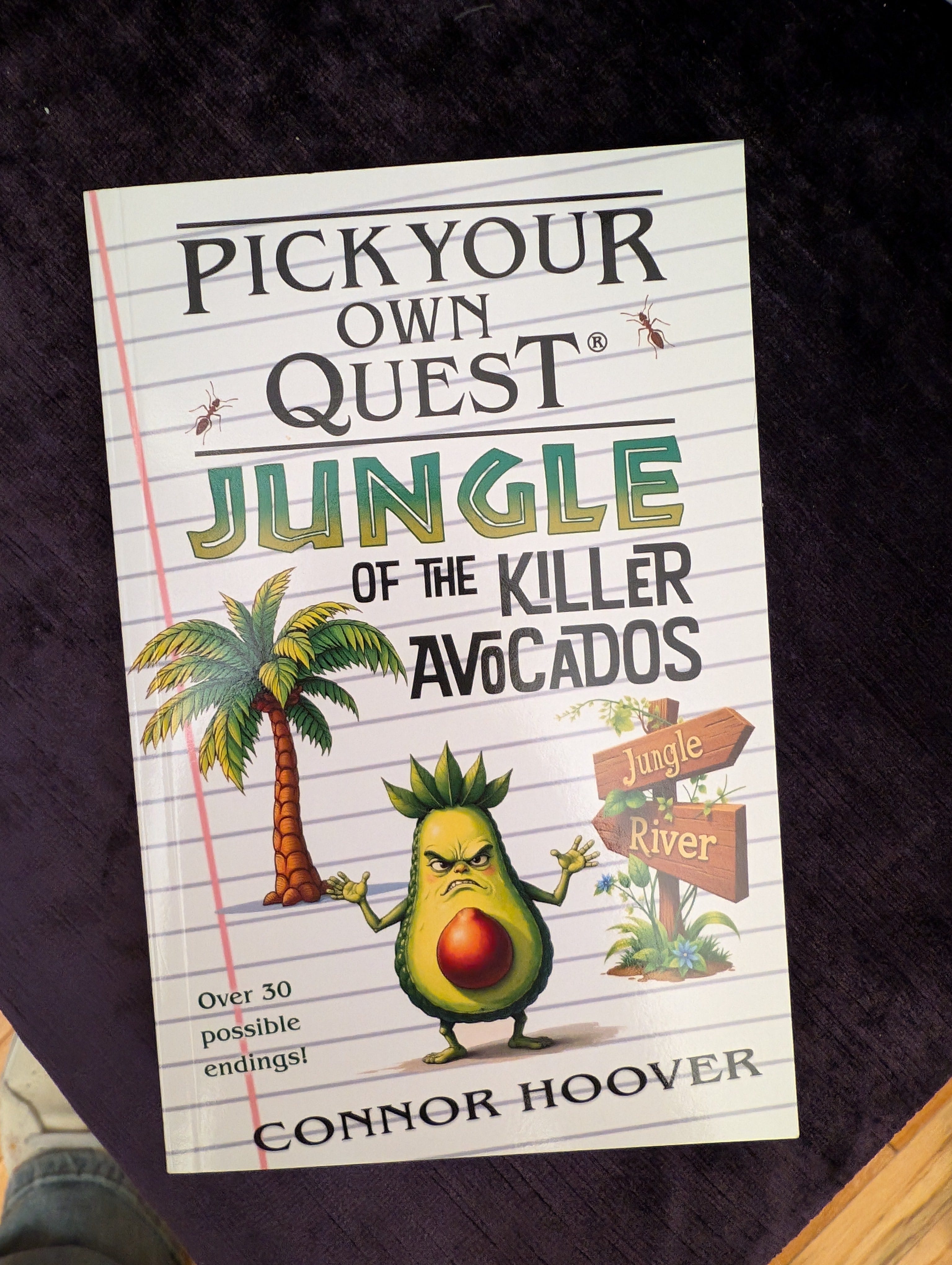
This past weekend I had a booth at Bell County Comic Con in Belton. TX. When a kid comes by and I can tell that they aren’t into dragons and wizards, my biggest goal is to help them find their story. It’s all about getting kids reading. My normal go-to is Pick Your Own Quest #20: Jungle of the Killer Avocados. I mean, what’s not to love about killer avocados? And I adore that when I mention it, it generally gets them to giggle and very often leads to them wanting the book.
One of the reasons interactive adventures have endured for so many decades is that they were never just a fantasy genre. They were a storytelling format. They were about participation. Whether the adventure involved dragons, soccer, geography, mysteries, or natural disasters, readers weren’t simply watching the story unfold.
They were making it happen.
Comments
Nothing yet. Say the first thing.
Sign in to join the conversation.