
For much of the past three decades, discussions about technology in East Asia have followed a familiar script. America designed the most valuable chips. Taiwan manufactured them. South Korea supplied memory. Japan, once the dominant force in semiconductors, appeared to have been relegated to the less glamorous reaches of the supply chain.
Artificial intelligence is changing that picture.
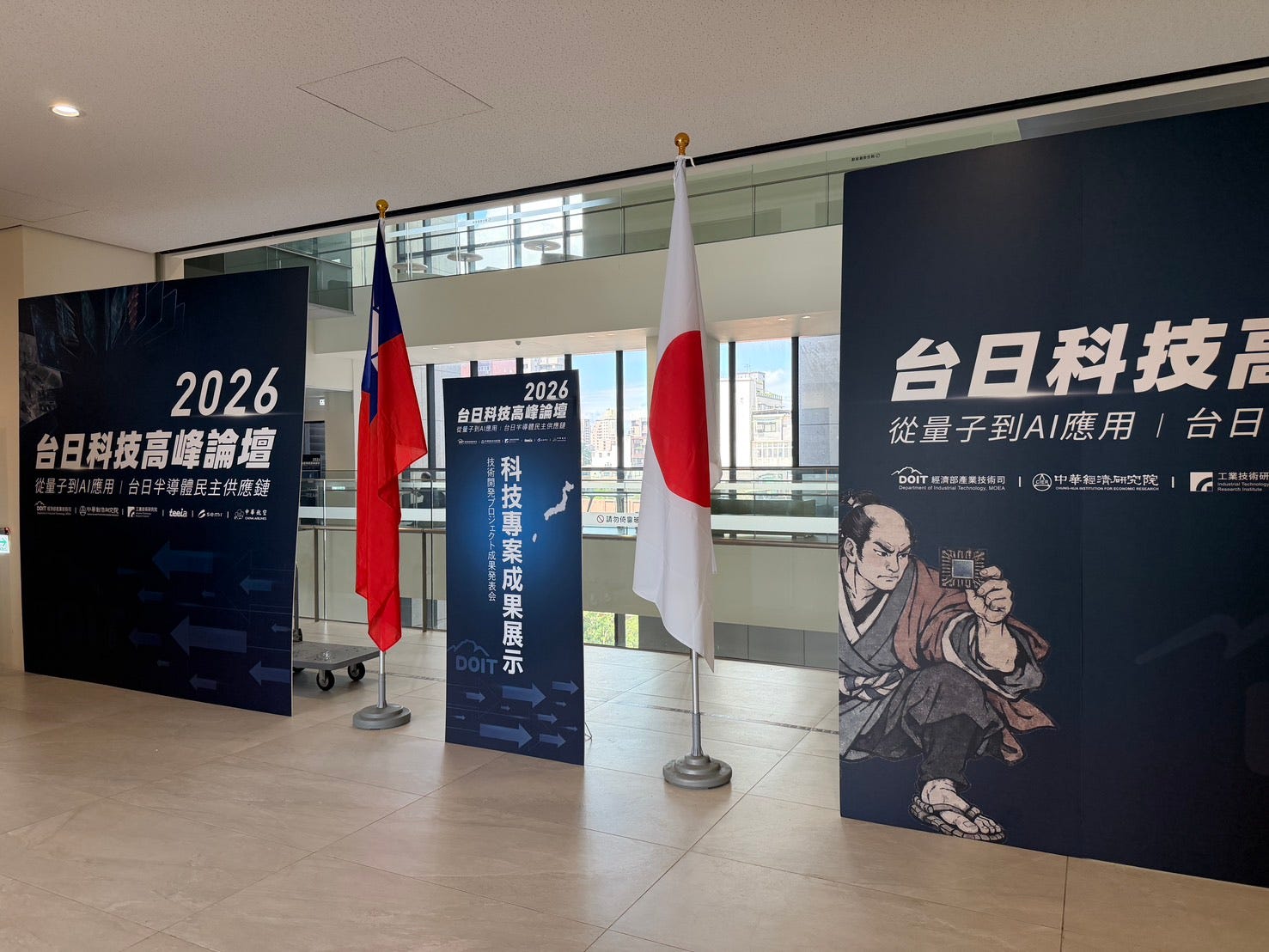
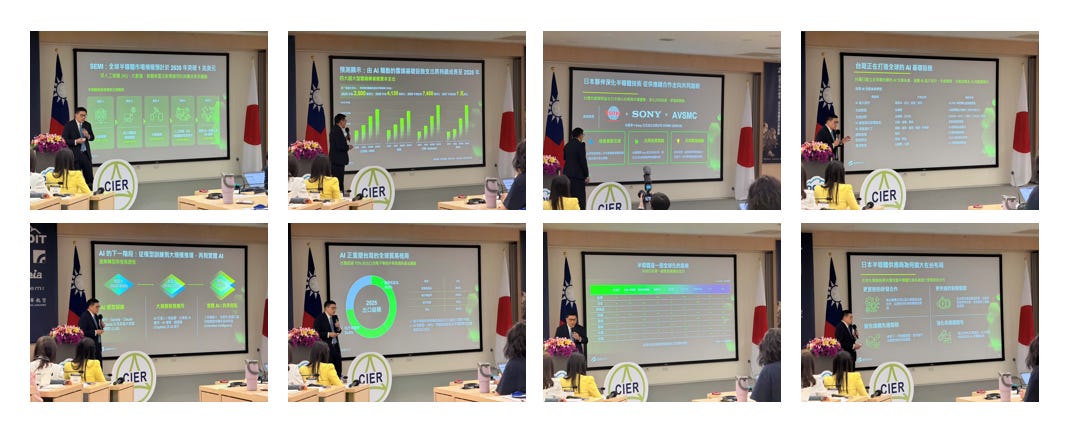
At the 2026 Taiwan-Japan Technology Summit, the discussion ranged from quantum technology and semiconductors to AI infrastructure and industrial collaboration. But the most important message was simpler: the AI boom is reshaping the division of labour between Taiwan and Japan—and making their industrial strengths more complementary than they have been for decades.
Taiwan has become indispensable to advanced semiconductor manufacturing, packaging, printed circuit boards and AI servers. Japan, meanwhile, retains commanding positions in semiconductor materials, production equipment, precision components, optical products and specialty chemicals.
Neither country controls the entire AI hardware stack. Together, they control an unusually large part of it.
That matters because the next phase of AI will be less about training ever-larger models and more about building the physical infrastructure required to deploy intelligence everywhere.
Below we will share:
From models to machines
Japan’s invisible empire
Taiwan builds the machine
Why Japanese suppliers are moving closer to Taiwan
The Asian hardware axis
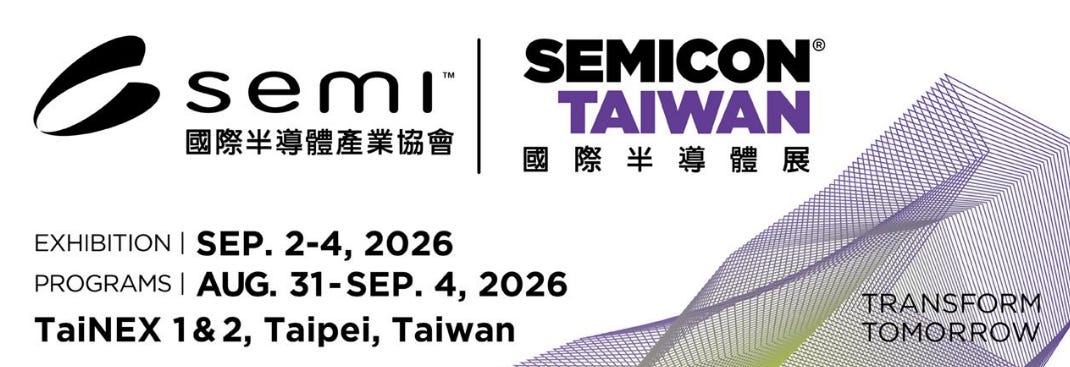
SEMICON Taiwan is not just a platform that connects Taiwan and global microelectronics ecosystems but also a bridge that facilitates smooth collaboration between the industry, the government, academia, and research institutions. Witnessing enormous business collaboration.
SEMICON Taiwan still stays true to its missions― Leading Technology Trends, Driving Technology Innovation, and Facilitating Collaboration and continues providing various channels and activities that meet the companies' marketing and promotion needs.
Comments
Nothing yet. Say the first thing.
Sign in to join the conversation.