
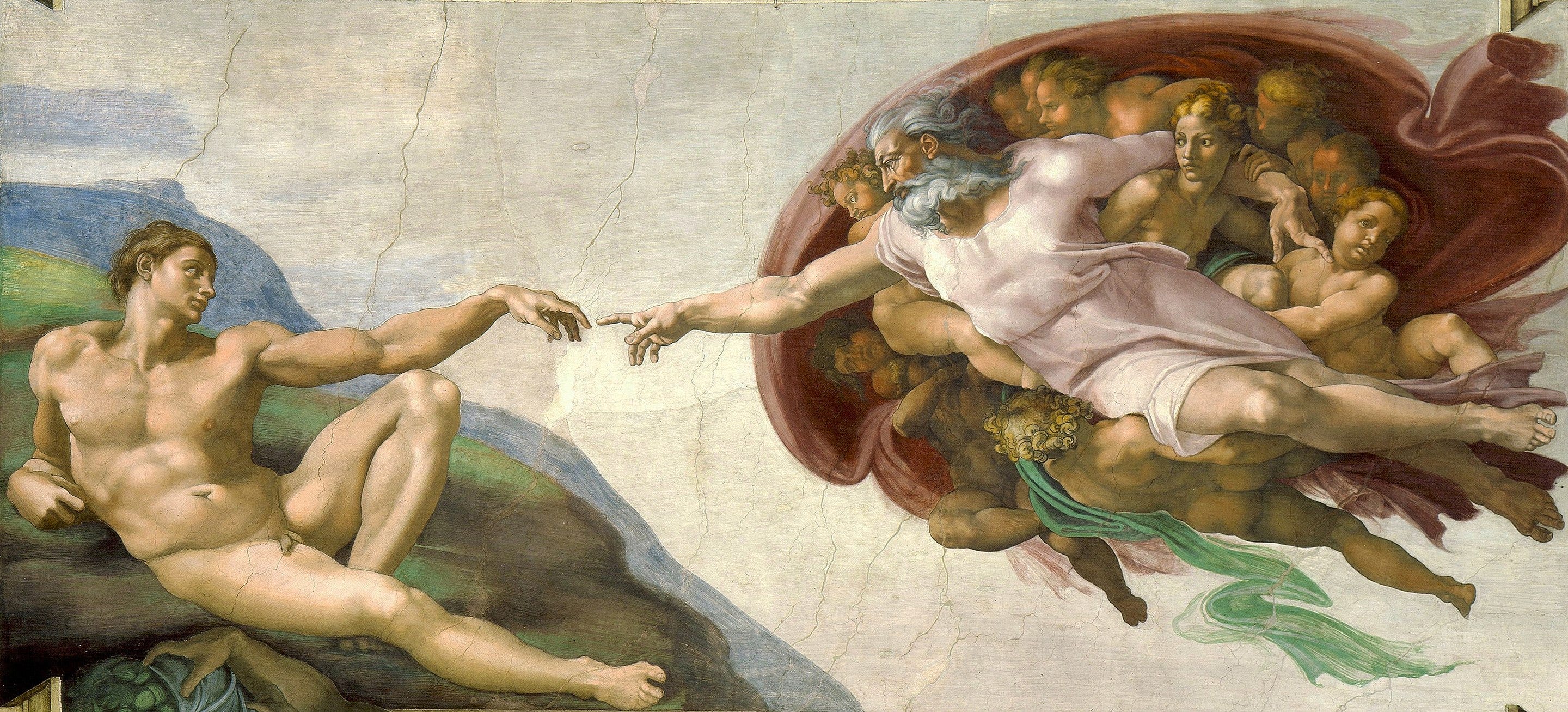
The Book of Genesis, especially its initial chapters, forms the cornerstone of the biblical worldview, not simply by narrating the mechanics of creation but by laying a theological foundation for understanding what the world is. This also provides crucial context for the foundation of the word, God’s law, teachings and Jesus’ ministry and life. Genesis isn’t just about how the world was formed; it’s about what the world means and what role humanity plays within it. Through its narratives, Genesis sets the stage for the way the Israelites understood existence, the nature of God, humanity, and the moral structure of the universe.
In the first chapters of Genesis, the world is depicted as created by the command of God, with each element of creation being imbued with meaning and purpose. The ordering of chaos into a structured cosmos reflects not just a divine creative act but a cosmic blueprint. The world is not a random assemblage of materials; it is a crafted reality with intention, where every creature has a role to play. For the Israelites, the idea of a God who speaks and creates implies that the world is both rational and purposeful, qualities that reflect the mind and will of a divine Creator.
This view contrasts with other ancient Near Eastern mythologies that often depict creation as the outcome of conflict among gods. In the Israelite worldview, Genesis presents creation as the product of God's will and wisdom, establishing not only the physical world but also moral order and relational structures that would define human interaction with the divine and with each other.
One of the most significant moments in Genesis is when God declares, "Let us make man in our image, after our likeness" (Genesis 1:26). This phrase has sparked much debate and reflection, particularly around the use of the plural "our." Several theories have been proposed to explain this plural reference. Some scholars suggest it could be a reflection of a heavenly council, where God speaks to angelic beings, while others see it as a reference to the later Christian doctrine of the Trinity, though such interpretations would be retroactive readings into the Hebrew Bible. Still, another plausible interpretation is that this plural denotes the majesty or fullness of God's being, a plural of deliberation, where God is speaking as a sovereign figure.
But beyond the theological nuances of the plural, the statement itself is twofold—one substantive and one functional.
The substantive thought is that humans are made in the "image" and "likeness" of God, and this refers to the qualities that make humans reflect God in a deep and personal way. These qualities include reason, an immortal soul, free will, and a sense of morality, all traits that distinguish humanity from the rest of creation. This statement is not merely about physical resemblance; rather, it speaks to the human capacity for intellect and spiritual depth, echoing God's attributes in a finite way.
There is also the functional statement. God grants humans dominion over the earth and its creatures, reflecting God's own dominion over all creation. In this sense, being made in God's image also implies a functional responsibility—humanity is entrusted with the care and stewardship of the world, called to reflect God's sovereignty through governance and ethical responsibility.
The Hebrew words used for "image" and "likeness" in Genesis—"selim" (צֶלֶם) and "demut" (דְּמוּת)—provide crucial context for understanding this foundational concept.
Demut, often translated as "likeness," carries the connotation of a shadow or reflection. Humanity, then, can be seen as a shadow of God, a reflective being that mirrors God’s nature in a limited way. This means that humans are not identical to God but reflect His attributes in a finite manner.
Selim, translated as "image," is a word also used to describe idols in the ancient world. This suggests that humans are more than just reflections of God; they are loci of divine presence. Just as an idol in ancient times was seen as a place where a god could be encountered, humanity itself is presented in Genesis as a place where one can experience and encounter God. This also ties into the idea that humans, by their very existence, carry a sacred responsibility to embody God's presence on earth.
This theological foundation is later expanded in the ministry of Jesus, who emphasizes the sacredness of humanity through his teaching that what one does to another person, one does to God (Matthew 25:40). Jesus’ message builds upon the idea that every human being is a reflection of the divine and thus deserving of care, respect, and dignity. In this way, Genesis not only informs the creation narrative but also sets a moral framework that would deeply influence both Jewish and Christian thought.
The prohibition against idols in the Ten Commandments is also informed by this understanding of "selim." If humanity is already the image of God, then creating physical idols as objects of worship diminishes the role of humans as the true vessels through which God is made known. Unlike many ancient cultures that reserved divine representation for kings or heroes, the Israelite tradition democratizes this divine image, applying it to all human beings, from rulers to the lowest members of society, including women and slaves. This egalitarian view of divine representation was unique to Israel, marking a profound theological departure from surrounding cultures.
Finally, the creation narrative closes with the seventh day, where God rests. However, this rest does not mark an end to God's activity. God did not work on the sixth day and take the seventh day off. He performed a creative act on the seventh day and then rested. This wording is confusing and has sparked debate and even textual “corrections” over time. According to the Pulpit Commentary compiled by Rev. Joseph S. Exell and Henry Donald Maurice Spence-Jones over a thirty year period between 1880 and the early 1900s:
“To avert the possibility of imagining that any portion of the seventh day was consumed in working, which the English version seems to favor, the LXX., the Samaritan, and Syriac versions insert the sixth day in the text instead of the seventh.”
In short, the cessation of creation and entering into rest is an act in its own right.
Furthermore on this day, God declares the day itself as holy. This is significant because, unlike the previous days of creation, where God declares His works "good" or "very good," the seventh day is declared holy. This implies that God's final act of creation was not a physical entity but a time itself—specifically, the creation of a holy time, the Sabbath. God’s creation is both spatial and temporal.
The Sabbath is not simply a day to refrain from work but a sacred dimension of time that humans enter into to experience God’s rest. It’s a period marked by holiness, suggesting that the Sabbath is not a destination but a state of being. By sanctifying this unit of time, God invites humanity into a rhythm of work and rest that reflects the divine order of creation. One should not always work nor should one always rest. But also a thing is complete when the Creator ceases the work.
From Keil and Delitzsch’s mid-19th century “Biblical Commentary on the Old Testament”:
“This rest of the Creator was indeed "the consequence of His self-satisfaction in the now united and harmonious, though manifold whole;" but this self-satisfaction of God in His creation, which we call His pleasure in His work, was also a spiritual power, which streamed forth as a blessing upon the creation itself, bringing it into the blessedness of the rest of God and filling it with His peace. This constitutes the positive element in the completion which God gave to the work of creation, by blessing and sanctifying the seventh day, because on it He found rest from the work which He by making had created.”
In sum, the opening chapters of Genesis are not just an account of how the world was formed but a deep theological meditation on what the world is and the role of humanity within it. The concept of being made in God's image encompasses both our substantive nature, with qualities reflecting God's essence, and our functional role as stewards of creation. The Hebrew terms "demut" and "selim" further enrich this understanding, presenting humanity as both a reflection and a locus of divine presence. The foundation laid in Genesis reaches forward into the ministry of Jesus and the moral imperatives of the biblical tradition, providing a vision of humanity that is both unique and universal. Lastly, the Sabbath completes the creation story by sanctifying time itself, inviting humanity into a holy rhythm of life and rest, a final act that reinforces the relational dynamic between the Creator and His creation.
Thanks for reading Traditional Rogue ! This post is public so feel free to share it.
No posts
Comments
Nothing yet. Say the first thing.
Sign in to join the conversation.