
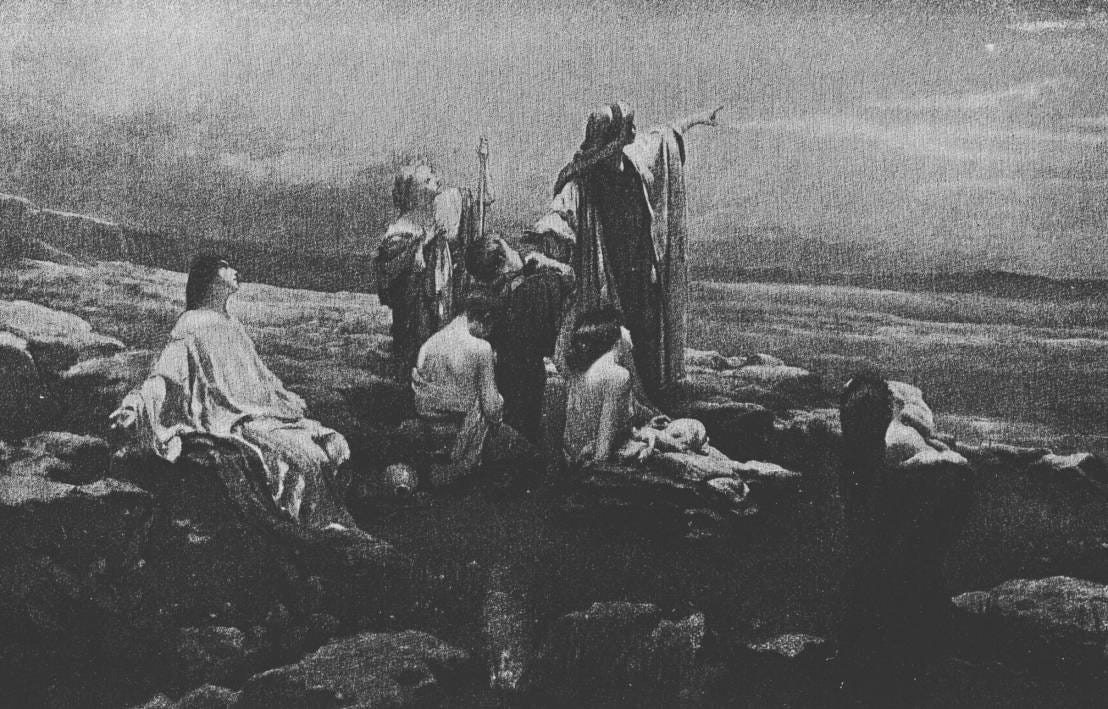
The Book of Malachi, the final book in the Old Testament, is a piece of prophetic literature that, like most of the books of the minor prophets, addresses the spiritual and social issues of the Jewish people in the post-exilic period. Malachi, whose name means "my messenger," is believed to have been written in the 5th century BCE, shortly after the return of the Jews from Babylonian exile. This period marked a time of rebuilding both the temple and the community; however, spiritual apathy and disillusionment soon set in. Scholars generally date the book to around 450-430 BCE, during the governorship of Nehemiah, making it one of the last prophetic writings in the Old Testament (disputed between Ezra, Nehemiah, Malachi, and Esther).
Malachi is unique among the minor prophets for its singular authorship. Unlike other prophetic books that may have multiple contributors or a broad context, Malachi is generally believed to be a direct address from a single prophet to the people of Israel. His warnings resonate within the social and spiritual landscape of a community that had begun to turn away from God after experiencing restoration.
Malachi reflects the challenges faced by the Jewish people as they navigated their renewed identity in the promised land. For example, Malachi emphasizes the importance of maintaining faithfulness to the covenant between God and Israel. The people’s laxity in worship and offerings reflects a deeper spiritual malaise.
The book opens with a declaration of God’s love for Israel, juxtaposed with a stern reminder of the consequences of turning away from Him. Malachi 3:6 serves as a stark reminder of what had just happened to the Israelites and what power the Lord always has. “I the Lord do not change. So you, the descendants of Jacob, are not destroyed.” God punished the Israelites. He did not destroy them.
Still, God is direct about His displeasure with the lax return to Israel's spiritual apathy.
In Malachi 1:10:
“Oh, that one of you would shut the temple doors, so that you would not light useless fires on my altar! I am not pleased with you...”
In Malachi 2:2:
"If you do not listen, and if you do not resolve to honor my name, says the Lord Almighty, I will send a curse on you...”
And in Malachi 3:5:
“So I will come to put you on trial. I will be quick to testify against sorcerers, adulterers, and perjurers...”
The prophet calls the people to examine their hearts, urging them to return to God with genuine worship and obedience.
“Ever since the time of your ancestors you have turned away from my decrees and have not kept them. Return to me, and I will return to you,” says the Lord Almighty. “But you ask, ‘How are we to return?’"
Malachi highlights the need for social justice and moral integrity, denouncing corruption among the priests and injustices in society.
The prophecy concludes with the promise of a future messenger who will prepare the way for the Lord, a theme that foreshadows the New Testament events that, to the reader, are a few paragraphs away. Yet, for the Israelites of the 400s B.C., this prophecy is still centuries away.
This reality combined with its dating sees Malachi placed at the end of the Old Testament, acting as a bridge to the New Testament. It encapsulates the prophets’ call for repentance and sets the stage for the coming Messiah. The themes of expectation and divine justice resonate throughout the New Testament, as Jesus and the apostles refer back to Malachi to underscore the continuity of God's plan. Despite its brevity, Malachi is frequently referenced in the New Testament:
For example, Malachi 3:1, which speaks of a messenger preparing the way, is cited in the context of John the Baptist’s role (Matthew 11:10).
This is the one about whom it is written:
“‘I will send my messenger ahead of you,
who will prepare your way before you.’
Jesus quotes Malachi 1:11 in Matthew 21:13, emphasizing true worship and the holiness of God’s name.
“It is written,” he said to them, “‘My house will be called a house of prayer,’ but you are making it ‘a den of robbers.’
The apostles, particularly in the letters of Paul and Peter, echo Malachi’s themes of judgment and the call to holy living (see 2 Corinthians 5:10 and 1 Peter 1:16).
Finally, the Book of Revelation often reflects the judgment theme in Malachi, linking the prophecy of the coming Day of the Lord to the eschatological promise of Christ’s return.
The Book of Malachi serves as a crucial reminder of God’s enduring love, the call to repentance, and the expectation of future restoration. Its placement at the end of the Old Testament prepares readers for the imminent message of the New Testament. By looking at the challenges faced by the post-exilic community, especially within the context of spiritual apathy immediately following Heavenly restoration, we gain insight into our own spiritual journeys and the timeless call to faithfulness in a world that often strays from its Creator.
No posts
Comments
Nothing yet. Say the first thing.
Sign in to join the conversation.