
March 16, 2026
In the past few months, the aunts who had been so kind to us passed away one after another. They were my mother’s older sisters — she had five sisters and one brother. Their deaths were not, in any sense, tragic. My mother is the youngest of six children, and she herself has already turned eighty. The aunts who passed were eighty-six and ninety, respectively. Rather than tragedy, these deaths might be seen as a kind of happiness — the finish line for those who had lived their lives through to the end. When I find myself thinking of my aunt’s passing, I feel the urge to look at the photos of her saved on my computer. The last time we met was more than ten years ago. Someone already gone from this world appears on my screen with a slightly shy smile. And from there, the happy memories she gave me begin to surface, little by little, in my mind. When I was a child, I was almost never able to make joyful memories in the town where I was born and raised. Yet my aunt always treated us with warmth. I feel nothing but aversion toward the place I grew up, but the deep mountain valley where my aunt lived is something I still recall with fondness. Whatever the complications of adult life, it is the duty of adults to give children happy memories — that is what I learned from my aunts. If we can leave behind good memories, we can carry them in our hearts and walk forward even through the dim and uncertain world ahead. In that sense, my aunts brought me those memories and pushed me out into the wider world.
And yet, the memories that replay inside my mind are always somehow vague. Certainly, a few of them carry the sharp imprint of vivid recollection. The taste of the cheap instant noodles my aunt made for me. The packaging — a thin plastic bag in bright orange and white. The texture of that bag itself. Every time I touched it, the cheap plastic crinkled dryly against my hand. And behind that memory, my aunt moves — far younger than she would become — but her figure remains only a blur, as though seen through distant fog. Her voice, too, is not clearly audible; something pre-verbal echoes in a sound resembling her voice. And when something like a voice does emerge from that resonance, it has already been replaced by her voice as an old woman. The kitchen where she must have stood is likely arranged the same as ever, but I cannot find the image of her standing there in my memory. Something is certainly stored in my mind. And yet the memory itself holds no concrete detail — it drifts through my head like cotton that has been pulled apart and scattered, beyond all gathering. Even if I were to collect those fibers of memory, no clear image would emerge from them. A moment ago I wrote that, given memories, a person can move forward into the future. But when I faithfully write out what actually remains inside my head, I am struck with dismay at its unreliability. Can it be that the memories which once lit up my dark life are really this fragile, this vague?
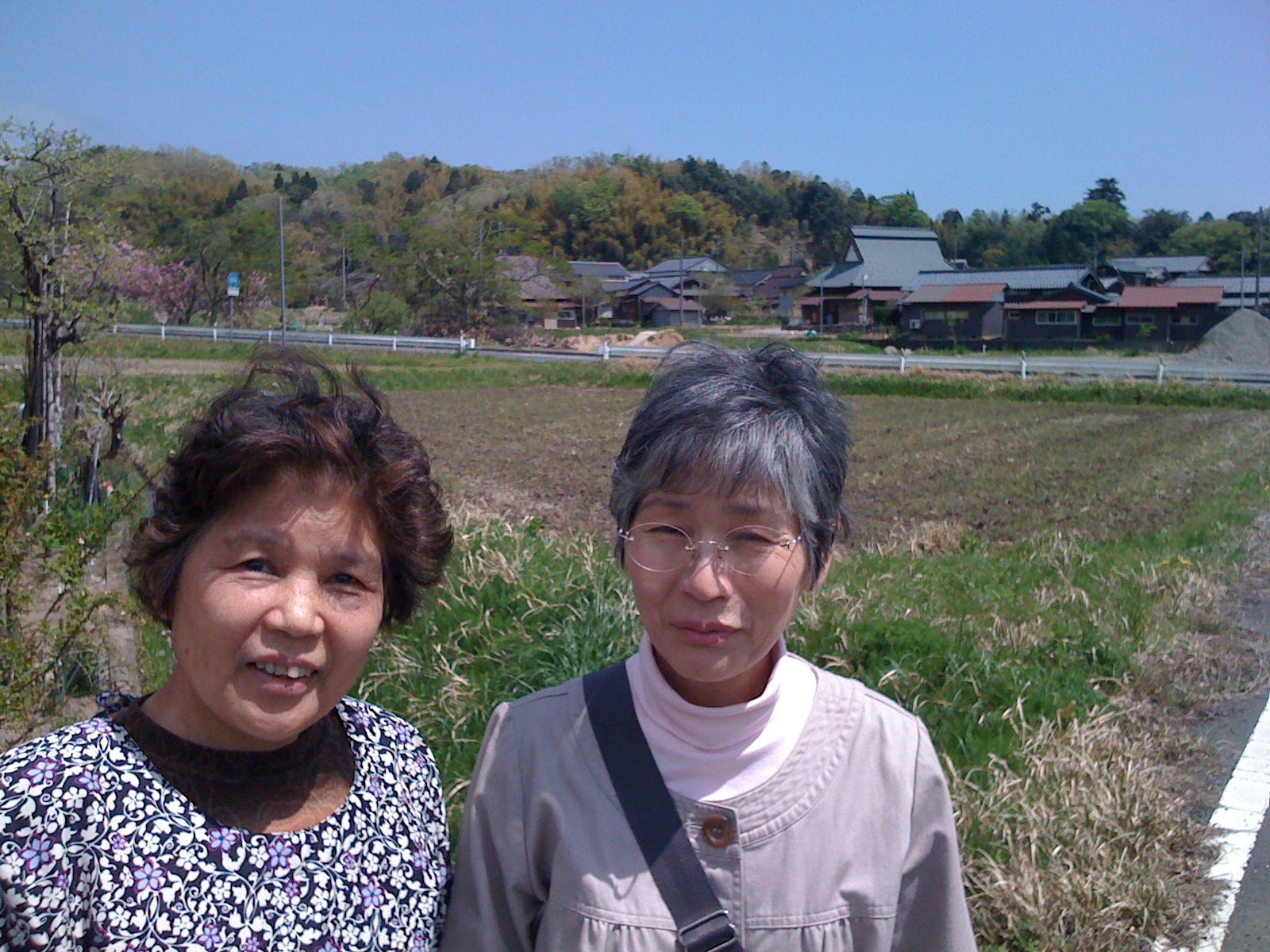
And so I look again at the photograph of my aunt. The visual stimulus from the photograph instantly gathers these fibers of memory and forms them into a single thread. This thread is also a timeline, shaping the scattered images that exist within my memory into a single narrative. The apron she is wearing in this photo — I believe my mother gave it to her as a gift. At this time my father was still well enough to drive us to her house. I had already left Japan, but I think this must have been taken during a visit home, when I spent a night and went to see her. The hotel that time was quite run-down. In a few years, my father would lose himself to dementia and stop driving altogether. One thread begins to cross other threads of memory, and slowly a tapestry of recollection is woven.
Observing the process by which my own memories are formed, it becomes clear that photographs are not taken because they are beautiful. Rather, a photograph is determined by the photographer’s attitude toward memory. It is perhaps a well-worn way of putting it, but the shutter button might be called the first step in turning the fibers of human memory into thread — and eventually into tapestry. With a photograph, we can gather the scattered memories within our minds and give them meaning and breadth. The fabric of memory produced through the act of photography is likely finer in weave, smoother to the touch, than the fabric produced through writing. A video or film recording might produce an even finer cloth — though perhaps, precisely because of that smoothness, any tear in the fabric of memory would also become more visible.
If we think of photography as one of the universal acts generated by modern society, it is surely true that the photograph’s function of evoking memory is more important than whatever intrinsic value the photograph itself may hold. Otherwise we cannot explain the fact that we go on photographing everything with multiple lenses mounted on our phones. We are not taking beautiful photographs — we are taking photographs to prove that our lives are beautiful. And this fact is deeply inconvenient for those who believe that beauty resides in photographs. Because photography as fine art must abandon what is perhaps the most powerful and beautiful function a photograph possesses: the evocation of memory. Even a photograph considered a masterpiece and hung in a museum — if there is no shared memory contained within it, then in terms of photography’s original function, that photograph is already, in effect, dead.
In fact — and this is a remarkably harsh truth — the true richness of a photograph exists only inside the mind of the person who took it. Whether it is beautiful, whether it has value: the judgment of a third party is nothing more than a secondary assessment, made after the photograph has already lost its true richness. A photograph is undeniably an externalization of our vision. But the genuinely rich meaning held within a photograph is something produced only within the intensely private relationship between the photograph and the person who made it — a relationship no one else can enter. And it is a relationship destined, without exception, to be lost. Because we all, without exception, die.
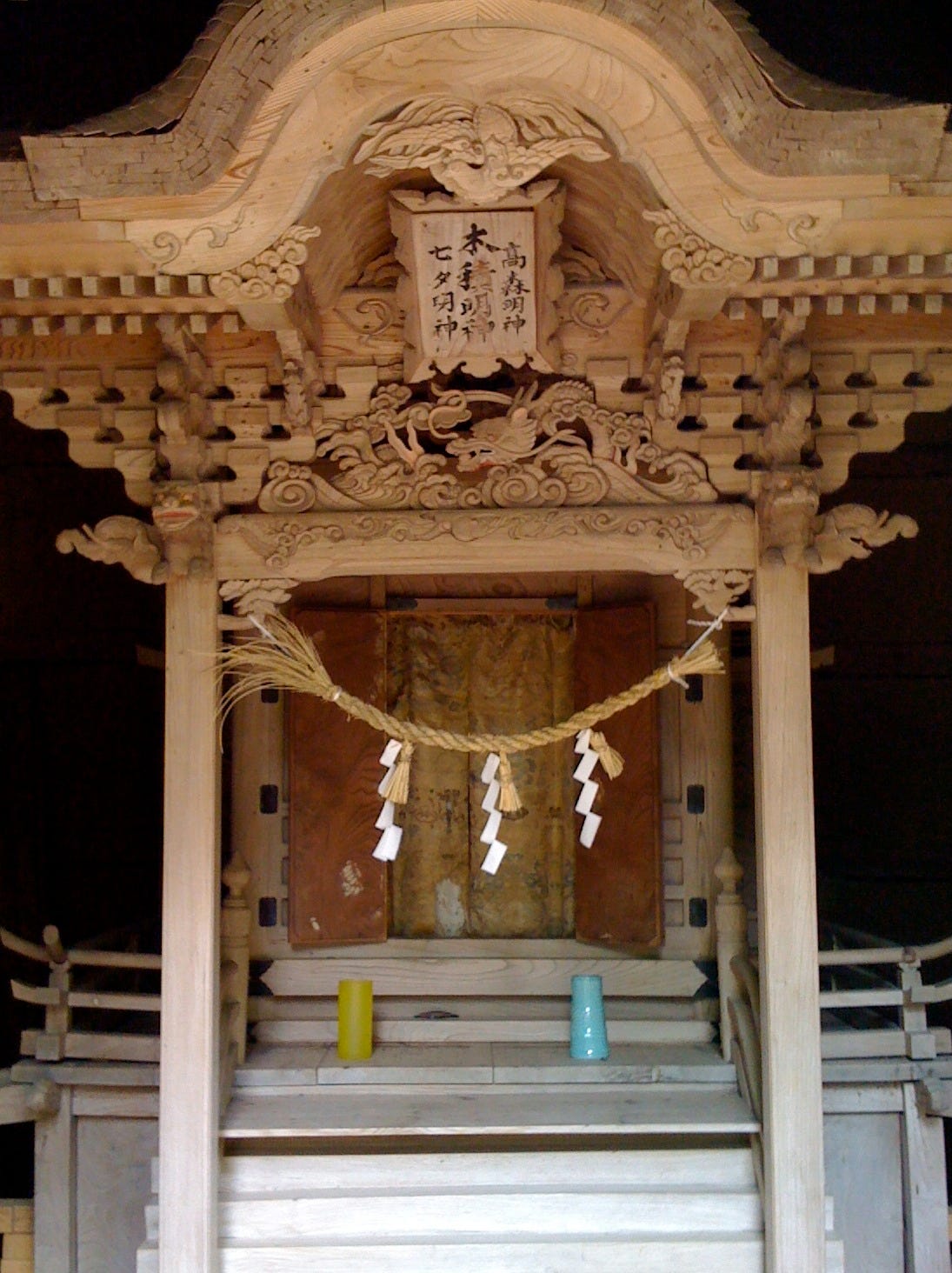
The memory of each moment I pressed the shutter over these several decades enriches the relationship between me and my photographs. Every time I press the shutter, a piece of that happy relationship is inscribed between me and the image. This happiness is like a love perfectly fulfilled — one that need not be measured against the standard of “beauty” at all. Because the true beauty in photography does not lie on the surface of the print; it lies within the tapestry of the photographer’s memory. But this also means that the beauty woven into my memory will disappear at the moment my life ends. I cannot look at my own photographs the way others look at them. The beauty I have found through photography, and whatever beauty others might find in my photographs — if such beauty exists for them at all — travel entirely separate paths, neither ever aware of the other’s existence. And even if, by some chance, someone other than me finds beauty in my photographs, that has little to do with me. The relationship between me and my photographs is something no one else can ever know. I cannot enter the stories or the value that others might find in them. It is, simply, no more than that.
2026年3月16日
この数ヶ月で、私たちに良くしてくれた叔母たちが次々とこの世を去った。叔母たちは母の年上の姉たちで、母には四人の姉と一人の兄がいた。叔母たちがこの世を去ったのは、決して悲劇的なものではない。母は6人の子供の中で1番の年下で、その母が既に80歳を迎えた。亡くなった叔母たちも、一人は86歳、もう一人は90歳だった。これは悲劇というよりは、むしろ人生を生き抜いた人のゴールとして、むしろ幸福なものであっただろう。私は、叔母が亡くなった事を思い出すと、ふと私のpcの中に保存されている、叔母の写真を見たくなった。最後に会ったのはもう10年以上前のことだ。既にこの世を去った人が、私のPCの画面に少しはにかんだ笑顔で現れる。そしてそこから、私の頭の中では、この叔母から与えてもらった、楽しかった記憶が、少しづつ蘇ってくる。私が幼い頃、私は自分が生まれ育った街ではほとんど楽しい思い出を作ることができなかった。そんな私たちに、叔母はいつも優しく接してくれていた。私は自分の生まれ育った街には嫌悪感以外の何の感情も持っていないが、叔母の住んでいた山深い谷間は、今でも懐かしく思い出される。大人の事情はどうであれ、幼い子供たちには、楽しかった記憶を与えるのが大人としての責務である、ということを、私は叔母たちから学んだ。良い思い出を残すことができれば、私たちはその思い出を心に抱いて、薄暗い未来の世界を歩いてゆくことすらできるのだから。その意味において、叔母たちは私にその思い出をもたらし、私を広い世界に押し出してくれたのだ。
しかし、私の頭の中で再生される記憶は、常にどこか漠然としている。確かに、私が覚えている記憶の中の、いくつかのものは、そこに鮮明な記憶の刻印が刻まれている。叔母が作ってくれた、安いインスタントラーメンの味。そのパッケージが、鮮やかなオレンジ色と白の、薄いプラスチックの袋に入っていたこと。そしてその袋の感触。安いプラスチックの袋は、私が触れるたびに乾いた音を私の手の中に響かせる。そして、その記憶の背後で、今よりもずっと若いはずの叔母が動いているが、その姿はまるで霧の彼方にいるような、ぼんやりとした姿しか残っていない。その声も、何かはっきりと聞こえるわけでもなく、言葉以前の音が、彼女の声に似た音で響く。そして、その響きから、声のようなものが聞こえる時には、それは既に年老いた彼女の声に置き換えられている。彼女が立っているはずの台所は、今でも同じ配置のはずだが、私の記憶には彼女がそこに立っていたという姿が見つからない。私の脳内には、確かに何かが記憶されている。しかし、その記憶自体は、一切の具体性を持たないまま、まるで解されてばらばらになってしまった綿花のように、私の頭の中を漂っている。そして、その記憶の繊維を集めたところで、そこに鮮明な像が生まれることもない。私はさっき、人間は思い出があれば未来に進んでいける、と書いた。しかし、こうして私の頭の中に残っているものを忠実に書き出して見ると、その記憶の不確かさに愕然としてしまう。あれほどまでに、私の暗い人生を照らしてくれたはずの記憶というものが、こんなにも頼りのない、漠然としたものなのだろうか?
そして改めて、私は叔母の写真を眺める。そうすると、写真から得られる視覚的な刺激が、これらの記憶の繊維を瞬時に束ねて、一本の糸に形成する。この一本の糸は、同時に時間軸でもあり、私の記憶の中に存在する、分散化されたイメージを、一つの物語に形成してゆく。この時叔母が来ているエプロンは、確か母が叔母にプレゼントしたものだった。この時はまだ父が元気で、車で叔母の家にまで行くことが出来た。私は既に日本を去っていたが、確かこの時は一時帰国の時に一泊して叔母のところに行った時のものだったはずだ。あの時のホテルは随分と古ぼけていた。これから数年すると、父は認知症で車も運転できなくなるのだなあ。一本の糸は、他の記憶の糸と交差し始め、ゆっくりと記憶のタペストリーが作られてゆく。
私の自らの記憶の生成過程を観察してみると、写真というのは、それが美しいから撮られるのではないのは明らかだ。むしろ写真は、撮影者の記憶に対する態度によって決定されている。やや言い古された表現ではあるが、シャッターのボタンは、人間の記憶の繊維を、糸にして、やがてそれをタペストリーにするための、最初の過程であると言って良い。この写真さえあれば、私たちは、自分の頭の中にある、分散した記憶を束ね、そこに意味と広がりを与えることができる。恐らくこの写真を撮るという行為を通じて生み出される記憶の織物は、文章を通じて生み出される記憶の織物よりも、目が細かく、より滑らかな肌触りを持っているはずだ。もしかするとビデオや動画による記録であれば、その記録の織物は、さらに上質になるだろう。ただ、逆にその滑らかさゆえに、記憶の織物にある傷も見えやすくなってしまうかもしれないが。
写真を撮る、ということを近代の社会が生み出した、普遍的な行為の一つとして考えれば、写真の、記憶を喚起する機能の方が、写真そのものが持つ価値よりも重要であるのは事実だろう。そうでなければ、私たちは携帯に複数のレンズをつけてまで写真を撮り続けているのか、というこの事実を説明することができない。私たちは美しい写真を撮っているのではなく、自分の人生が美しいことを証明するために写真を撮っているのだ。そしてこの事実は、写真に美が宿ると信じる人たちには非常に不都合な事実だろう。なぜなら、美術としての写真は、記憶の喚起、という、写真の持つ最も力強く、美しい機能を放棄せざるを得ないからだ。たとえ美術館に飾られた、名作と呼ばれる写真であっても、そこに共有できる記憶が存在しないのであれば、写真本来の機能においては、その写真は既に死んでいるのと同じ、ということになる。
実際、極めて辛辣な現実ではあるが、写真の真の豊かさは、撮影した人の頭の中にしか存在していないのだ。それが美しいかどうか、価値があるかどうか、それを第三者が判断する、というのは、写真が真の豊かさを失った後の、副次的な判断にしか過ぎない。写真は、確かに私たちの視覚を外部に移し替えたものであるのは間違いない。しかし、その写真に含まれている、本当の豊かな意味は、写真と、それを撮影した人間にだけしか知ることのできない、極めて私的な関係の中で生み出されるものなのだろう。そしてそれは、必ず失われる運命にある。私たちは必ず死を迎えるからだ。
私が数十年の間にシャッターを押した瞬間の記憶が、私と写真の関係を豊かなものにしてくれている。私がシャッターを押せば、そこには常に私と写真の幸福な関係が刻み込まれてゆく。この幸福な関係は、完璧に成就した恋愛のようなもので、本来「美」という基準に当てはめる必要すらない。写真における本当の美は、写真のプリントの上にあるのではなく、撮影者の記憶の織物の中にあるのだから。しかしそれは同時に、私の記憶の織物にある美は、私の人生の終了と同時に消えてゆく、ということも意味している。私は、私以外の人が私の写真を見るのと同じように、私の写真を眺めることはできない。私が写真を通じて得た美と、私以外の人たちが私の写真に見出す美ーもしそれがあれば、の話だがーは、お互いにその存在を知ることもなく、別々の道を歩んでいく。そして万が一、私以外の誰かが私の写真に美を見出したところで、それは私にはそれほど関係があるわけでもない。私と写真との関係は、私以外には誰も知ることが出来ないのだから。私は他者が私の写真から見出す物語や価値には、関わることができない。ただそれだけのことなのだ。
No posts
Comments
Nothing yet. Say the first thing.
Sign in to join the conversation.