
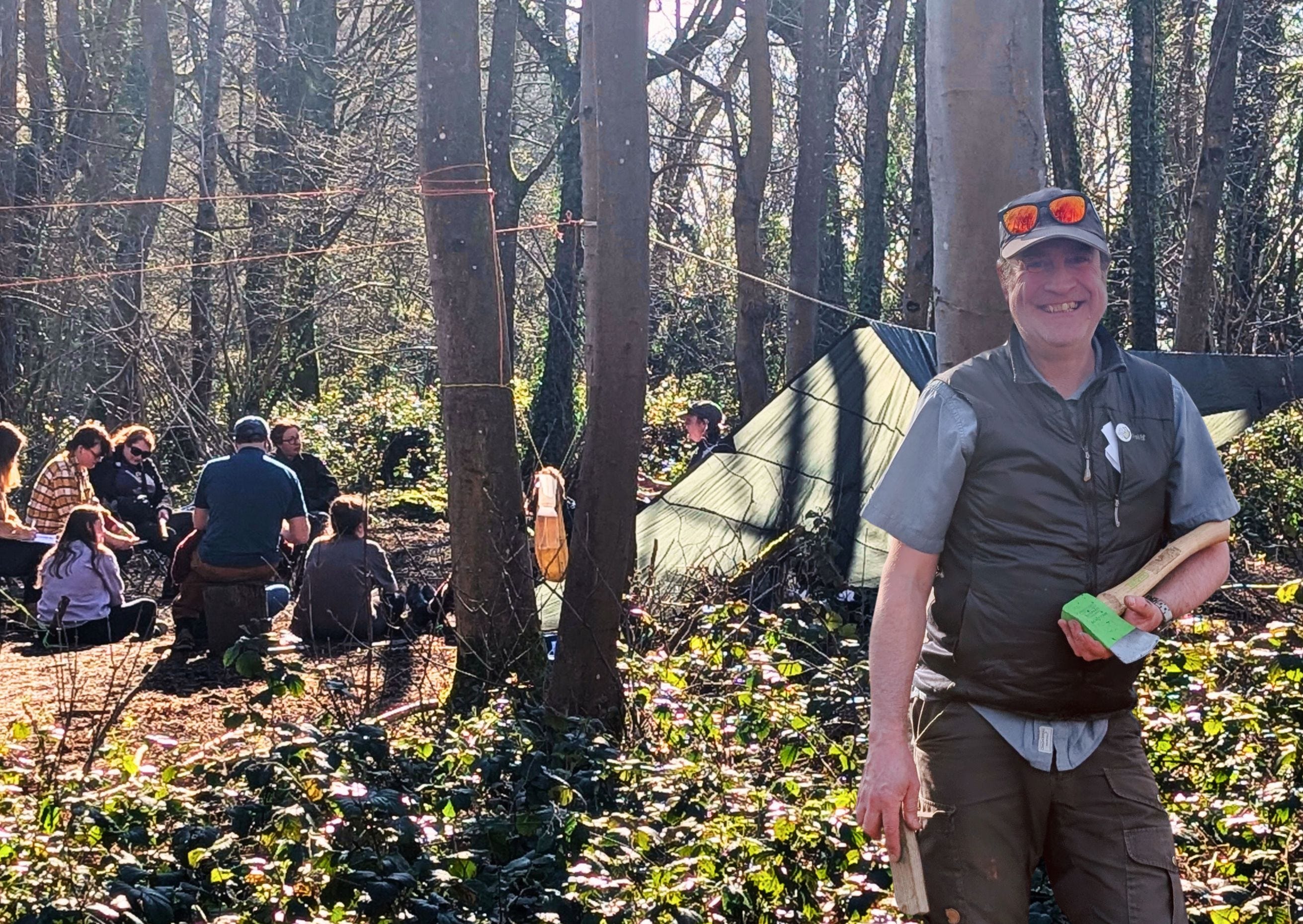
There’s something quietly powerful about learning beneath a canopy of trees.
Away from screens, timetables and four walls, Forest School offers a different way of learning - one that values curiosity, confidence, resilience and connection with the natural world. For many educators, youth workers and outdoor practitioners, becoming a Forest School Leader isn’t simply a professional development step. It’s often the beginning of a deeper journey into how people learn, grow and thrive.
That’s exactly the ethos behind the Forest School Leader (Level 3) Training offered at the Sustainability Centre in Hampshire.
Set within 55 acres of beautiful woodland in the South Downs, the course gives participants the skills, knowledge and confidence needed to establish and lead their own Forest School programmes. But what stands out is that the training itself follows the Forest School philosophy. Rather than being delivered as an intensive, fast-paced qualification, the course unfolds over several months, allowing learners time to absorb new ideas, practise skills, reflect on their experiences and develop their own approach.
0:00
-1:24
For those new to the concept, Forest School is a long-term educational approach rooted in child-led learning and regular experiences in natural environments. Originating from Scandinavian educational traditions, it focuses on holistic development, encouraging learners to build independence, confidence and practical skills through hands-on experiences outdoors.
It’s not simply outdoor education. It’s about creating opportunities for people to explore, take appropriate risks, solve problems, work collaboratively and develop a lasting relationship with nature.
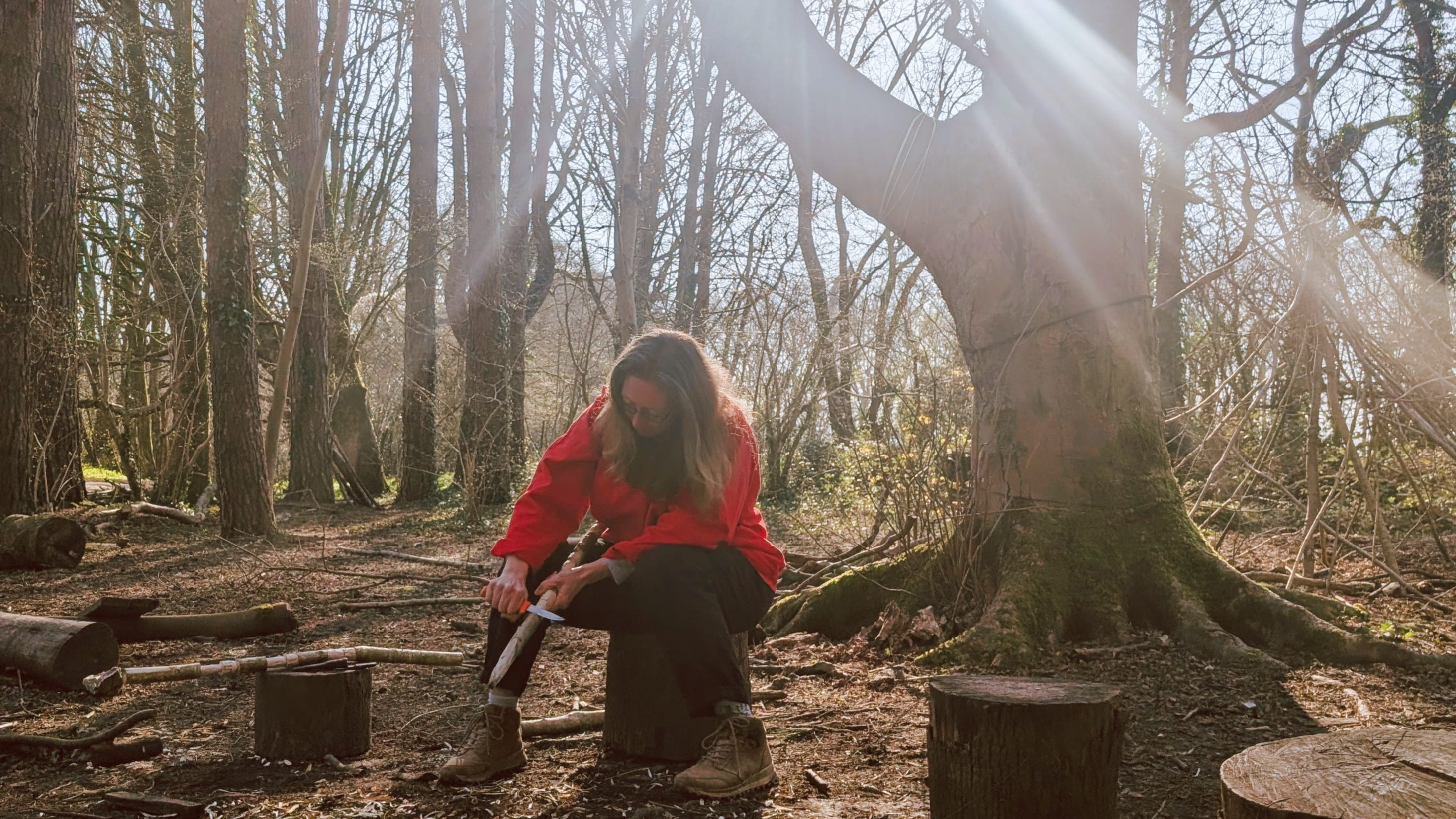
The Level 3 qualification combines both practical and theoretical elements. Participants learn woodland skills such as tool use, fire lighting, campfire cooking, knot tying and working with natural materials. Alongside this, they explore learning theories, child development, play, self-esteem and the principles that underpin the Forest School approach.
Importantly, the course goes beyond individual skills. It also covers programme planning, risk management, sustainable woodland use and the practical realities of establishing a Forest School within a school, nursery, community setting or organisation.

One of the most appealing aspects of the training is the emphasis on personal support. Cohorts are intentionally kept small, helping participants build strong relationships with fellow learners while receiving individual guidance from experienced trainer Adrian Goodhand, who has worked in environmental education and Forest School training for many years.
The programme includes portfolio support, ongoing access to tutor guidance and a site visit during participants’ own Forest School practice, offering valuable feedback and encouragement along the way.
That support matters. Anyone who has completed a significant professional qualification knows that confidence often grows through reflection, conversation and practical experience rather than through coursework alone.
Perhaps the most striking thing about Forest School Leader training is the impact it often has beyond professional development.
Past participants have described the experience as transformative, helping them develop not only as educators but also as individuals. The combination of nature connection, reflective practice and practical learning creates space for personal growth that many traditional training programmes rarely offer.
In an age when many children and adults spend increasing amounts of time indoors, there is growing recognition of the benefits that outdoor learning can bring to wellbeing, confidence and emotional resilience.
Across schools, early years settings and community organisations, demand for skilled Forest School leaders continues to grow as more people recognise the value of learning through nature.
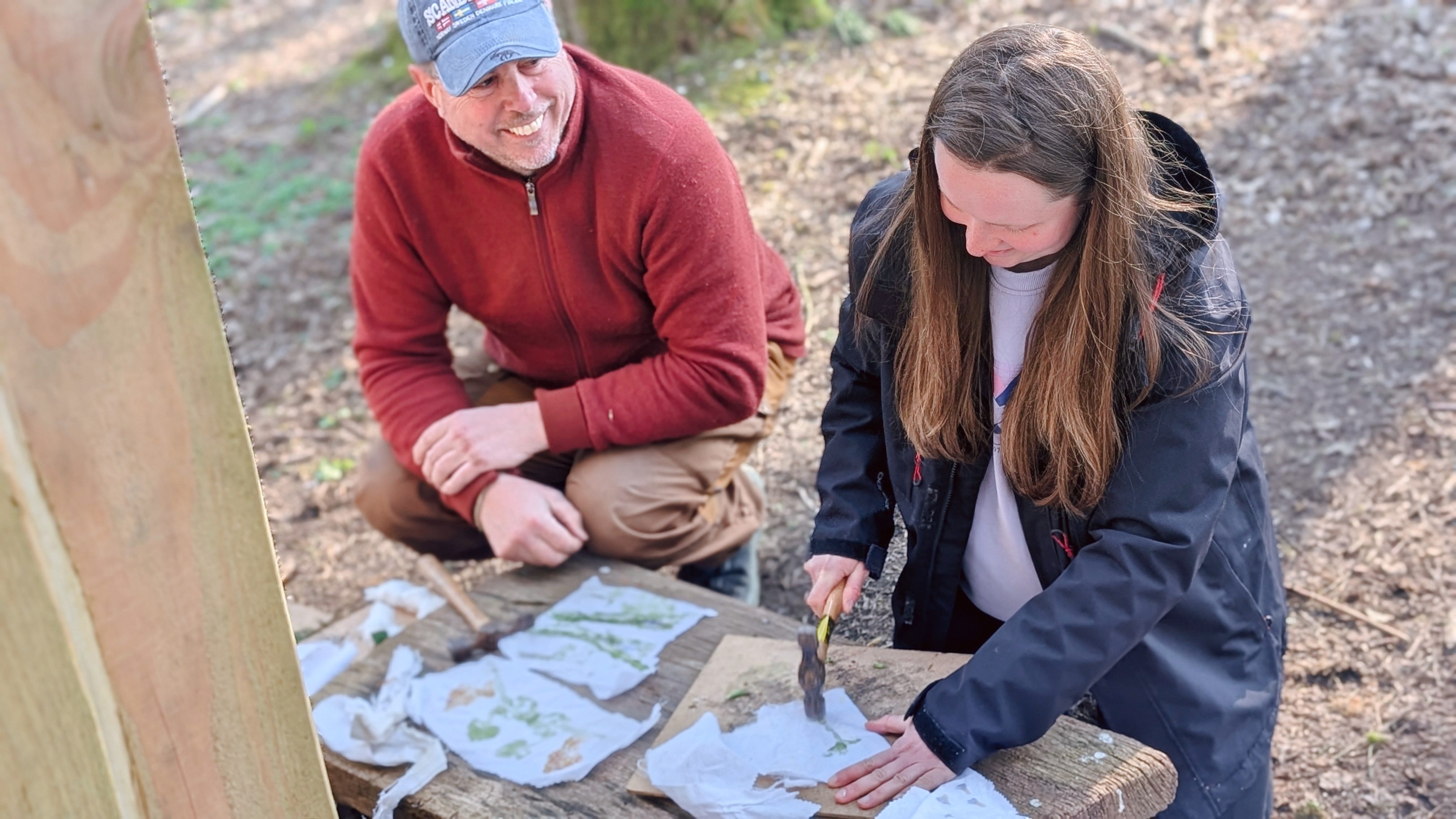
Whether you’re a teacher looking to enrich your practice, a youth worker seeking new ways to engage young people, or simply someone passionate about outdoor learning, Forest School Leader training offers something unique.
It’s an opportunity to gain a respected qualification, certainly. But it’s also an invitation to slow down, reconnect with the natural world and rediscover the value of learning through curiosity, play and exploration.
Participants must attend four modules, 11 training days in total, between October 2026 and May 2027.
2026 - 2027 Cohort training dates:
Wed 21st – Fri 23rd Oct 2026
Thur 4th - Sat 6th Feb 2027
Wed 17th - Fri 19th Mar 2027
Sat 8th & Sun 9th May 2027
Times: 9am - 5pm
Sometimes the most meaningful classrooms don’t have walls at all.
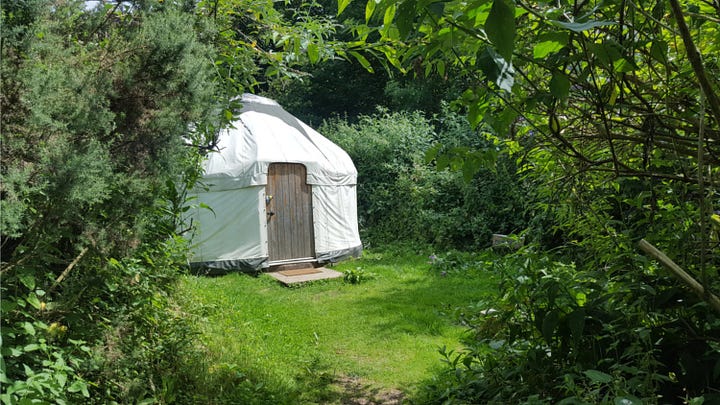
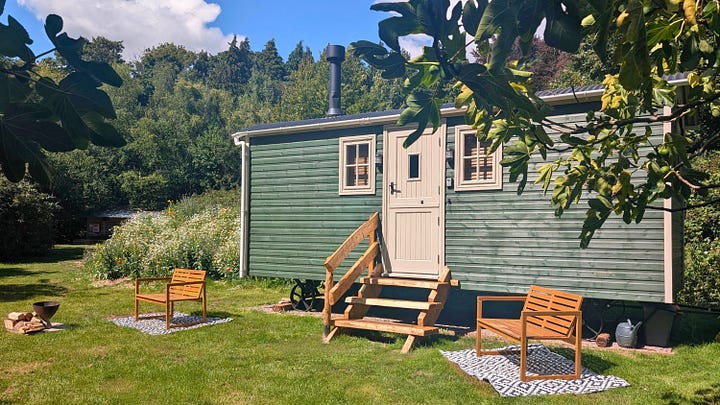
If you’ve been considering Forest School Leader training but live a little further afield, there’s good news. The Sustainability Centre offers a range of on-site accommodation options, allowing you to fully immerse yourself in the woodland setting throughout your training. Whether you prefer a comfortable en-suite room, a self-catering eco hostel, a cosy yurt, a delightful Shepherd’s Hut or even camping under the stars, there are options to suit different budgets and preferences.
Participants attending courses can also benefit from an accommodation discount during their stay. To find out more about accommodation options, availability and discounts for your chosen course, simply email the team and they’ll be happy to help.



Comments
Nothing yet. Say the first thing.
Sign in to join the conversation.