
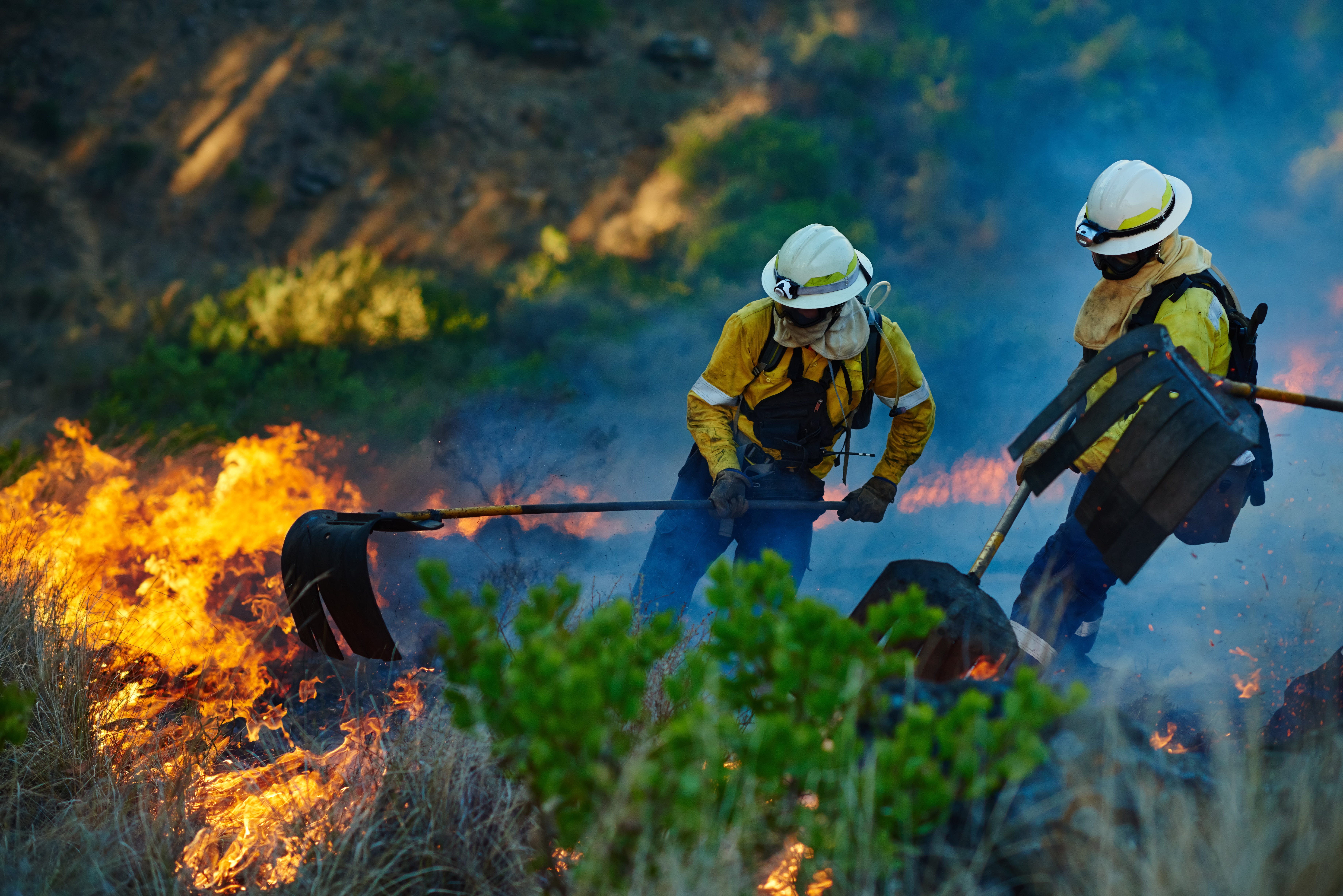
Los Angeles is currently battling one of the most devastating wildfires in U.S. history, a tragady that has forced thousands to flee, destroyed property, claimed lives, and overwhelmed local emergency systems. To compound matters, media reports indicate that the water supply for critical fire hydrants has been significantly depleted, leaving several key areas without the necessary water pressure to combat the blaze. In the midst of this tragedy, another alarming fact has emerged: the City of Los Angeles cut the fire department’s budget by over $17.5 million from the 2023–2024 fiscal year to the 2024–2025 fiscal year—a decision that has triggered a firestorm of criticism online and among the public at large.
The Real-World Consequences of Budget Cuts
Under normal circumstances, even minimal cuts to first responder agencies—whether police, fire, or emergency medical services—can lead to noticeable gaps in service. But when a disaster of this scale occurs, every shortfall in resources, staffing, and infrastructure is magnified exponentially.
Ill-prepared Critical Infrastructure
The most visible effect of underfunding and lack of strategic planning is unfolding in real-time: fire hydrants running dry. A well-resourced fire department and municipal water system should be prepared for contingencies that require large volumes of water over extended periods. When budgets are slashed significantly in a single cycle, it often results in deferred maintenance, equipment upgrades, and strategic planning for worst-case scenarios—precisely the kind of planning that could have helped preserve water supply lines when they’re needed most.Strained Personnel
Firefighters, paramedics, and dispatchers are working around the clock, often with fewer staff than needed. The lack of sufficient personnel leads to dangerously high stress and fatigue levels among first responders, increasing the risk of injury and operational mistakes. Meanwhile, the social media backlash has been fierce, with many pointing to the City’s budgetary choices as a key factor in the inadequate emergency response.Overloaded 911 System
Citizens are reporting prolonged wait times when calling 911, with many calls going unanswered because the system is overwhelmed. It’s a stark reminder that having enough trained dispatchers and robust communication infrastructure is just as critical as having sufficient boots on the ground. Unfortunately, emergency communications centers often see their budgets trimmed first when austerity measures take hold.
The Long-Term Value of Public Safety Funding
The current crisis underscores a fundamental truth about government budgets: public safety funding is not merely an expense—it is an investment. While police officers may not be visibly needed on every block at every moment, and fire hydrants may appear quietly unessential when the skies are clear, neglecting these services invites catastrophe when emergencies inevitably arise. Government budgets can be notoriously challenging to navigate, and administrators must carefully weigh how each year’s additions or subtractions will ripple through both immediate and longer-term outcomes. By taking a strategic approach and steering clear of abrupt, large-scale cuts, governments can plan budget adjustments gradually to achieve more effective and sustainable results.

Operational Continuity
Emergencies like wildfires, earthquakes, floods, or large-scale criminal incidents require seamless service from well-trained professionals. A sudden slash in funding compromises the ability to maintain trained staff and up-to-date equipment.
Public Perception and Trust
Elected officials and city administrators risk significant public backlash when severe crises reveal how budget cuts hamstring emergency response efforts. One only has to look at today’s events in Los Angeles—or recall the public outcry during the “Defund the Police” debates in cities like Chicago and Minneapolis in 2020—to see how defunding or underfunding can become a significant liability for political leaders.
Measured, Long-Term Approaches
If shifting priorities demand changes to police or fire budgets, these reallocations should be made strategically over multiple budget cycles. This approach ensures that frontline services remain operationally sound and that reductions do not lead to critical shortages in life-saving infrastructure.
The Human and Economic Toll
Beyond the tragic loss of life, the financial toll of these wildfires is set to break records, with some analysts projecting that Los Angeles’ latest blaze could become the most expensive in U.S. history. The upfront “savings” realized by cutting a fire department’s budget pale in comparison to the skyrocketing costs of disaster response and recovery: property damage, healthcare for the injured, infrastructure repair, and long-term environmental harm.
Then there is the, the indirect economic impact—business closures, lost tourism, displaced families—all extending the cost of underinvestment far into the future. It is a pointed reminder that the strategic value of properly funding public safety cannot be overstated; it is the kind of investment that pays dividends both when emergencies strike and when they don’t.
Fight the Fire Before Ignition
The unimaginable destruction in Los Angeles serves as a real-time cautionary tale for municipalities everywhere.
Public safety budgets must be treated as essential investments—not discretionary line items to be culled during budgetary shortfalls.
Prioritizing infrastructure upgrades, training, and adequate staffing ensures that critical resources like water lines, 911 dispatch systems, and frontline emergency workers can meet the demand in extreme circumstances.
Long-term planning and gradual budget reallocation (when priorities shift) are far more responsible and less disruptive than large, sudden cuts that undermine emergency response.
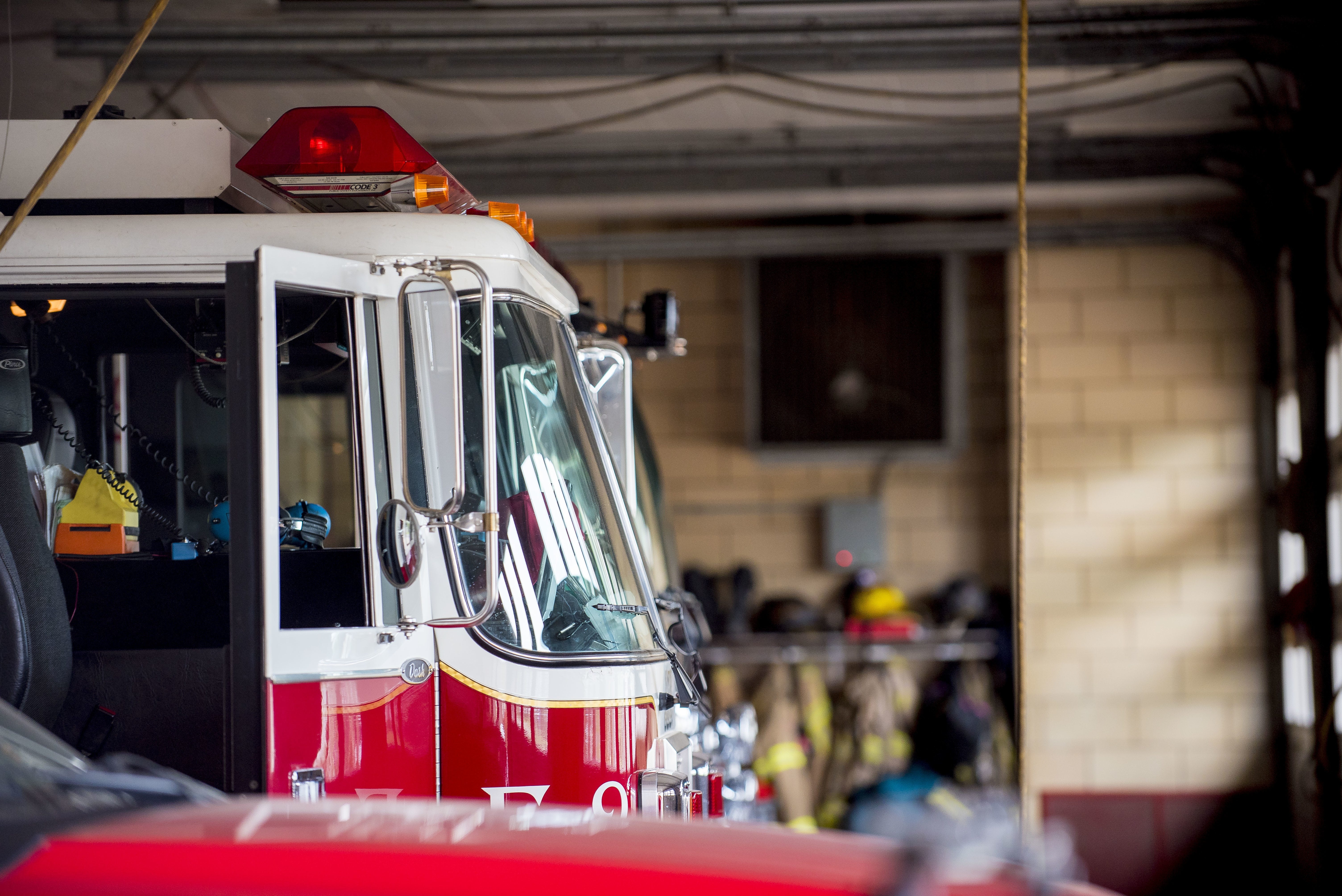
This tragedy in Los Angeles is a harrowing reminder that catastrophic events can strike at any moment, and communities deserve a robust and prepared emergency response. Fire hydrants, emergency dispatchers, and first responders are not frivolous luxuries—they’re life-or-death necessities. When the 911 call is placed, the public expects and deserves the call to be answered.
Thanks for reading The Science Detective! This post is public so feel free to share it.
Select Source Material
https://nypost.com/2025/01/08/us-news/la-mayor-karen-bass-cut-fire-department-funding-by-17-6m/
https://www.newsweek.com/fact-check-did-los-angeles-cut-fire-department-funding-2011568
No posts
Comments
Nothing yet. Say the first thing.
Sign in to join the conversation.