
In a historic act of our Constitutional Republic at work, President Donald J. Trump was sworn into office for a second term this week, promptly signing a record number of executive orders and actions within his first 24 hours. While these steps have sparked both support and controversy, they undeniably signal his administration’s focus on law enforcement, national security, and criminal justice. Today, we examine several key initiatives—declaring drug cartels as foreign terrorist organizations, sweeping pardons by both the incoming and outgoing administrations, declaring a state of emergency at the border, and announcing potential overhauls of the FBI and intelligence communities. In the following sections, I will offer a balanced, evidence-driven examination of these actions—enriched by the perspective of a veteran police officer—grounded firmly in statistics and documented facts.
Declaring Drug Cartels as Foreign Terrorist Organizations
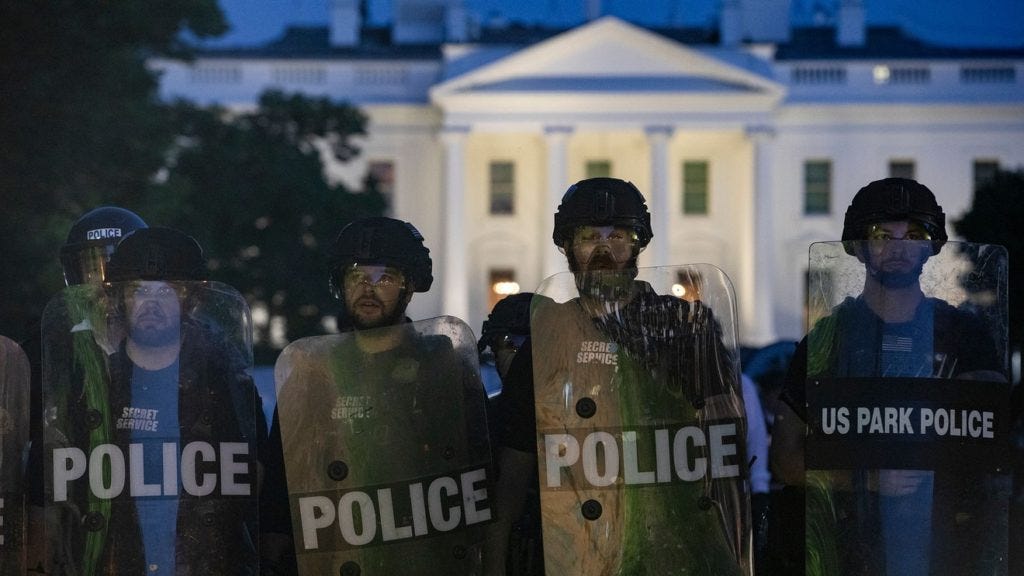
One of President Trump’s earliest moves has been to classify illegal drug cartels operating across borders as foreign terrorist organizations. This designation typically means that U.S. agencies can harness additional legal and financial tools to disrupt cartel operations, seize assets, and impose travel or financial sanctions on affiliates and supporters.
The Scope of the Problem: Overdose Deaths
Over 107,000 overdose deaths in 2021: According to the U.S. Centers for Disease Control and Prevention (CDC), there were an estimated 107,622 drug overdose deaths in the United States in 2021, with synthetic opioids such as fentanyl implicated in nearly two-thirds of these fatalities (Source: CDC, 2022).
Emergence of Xylazine: Also known as “tranq,” xylazine is a powerful veterinary sedative increasingly found in illegal drug supplies, compounding the risk of fatal overdose (Source: DEA Brief, 2022).

The Cartel Connection
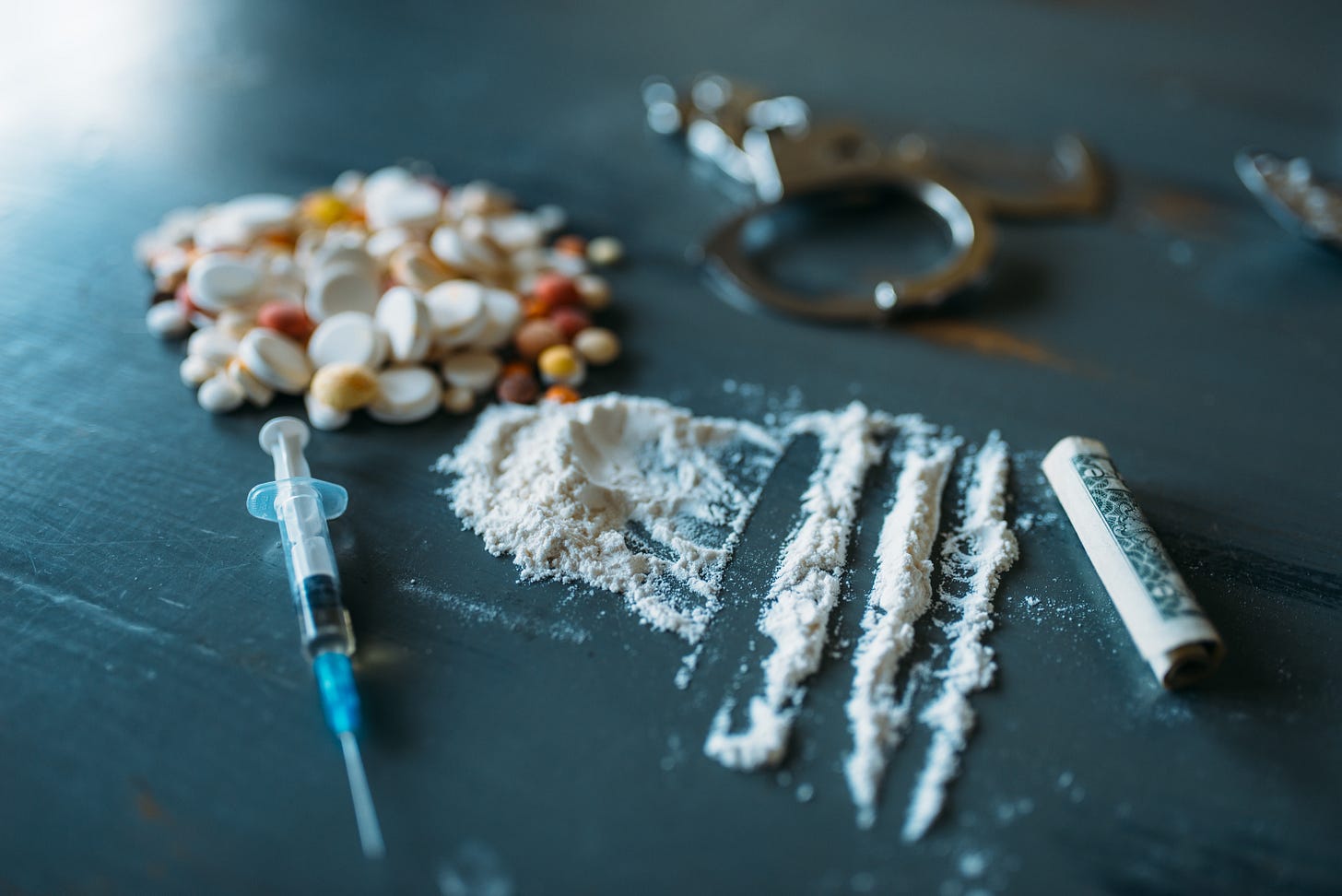
Many law enforcement agencies, including the Drug Enforcement Administration (DEA), attribute the trafficking of fentanyl, methamphetamine, and other dangerous substances to transnational criminal organizations—often referred to as “cartels.” In addition to drug trafficking, these groups have been linked to human trafficking (smuggling for migrants, kidnapping for sexual servitude and forced labor) and to violence and homicide, as rivalries between cartels often lead to high levels of violence, including the murder of civilians and local officials in both the United States and abroad.
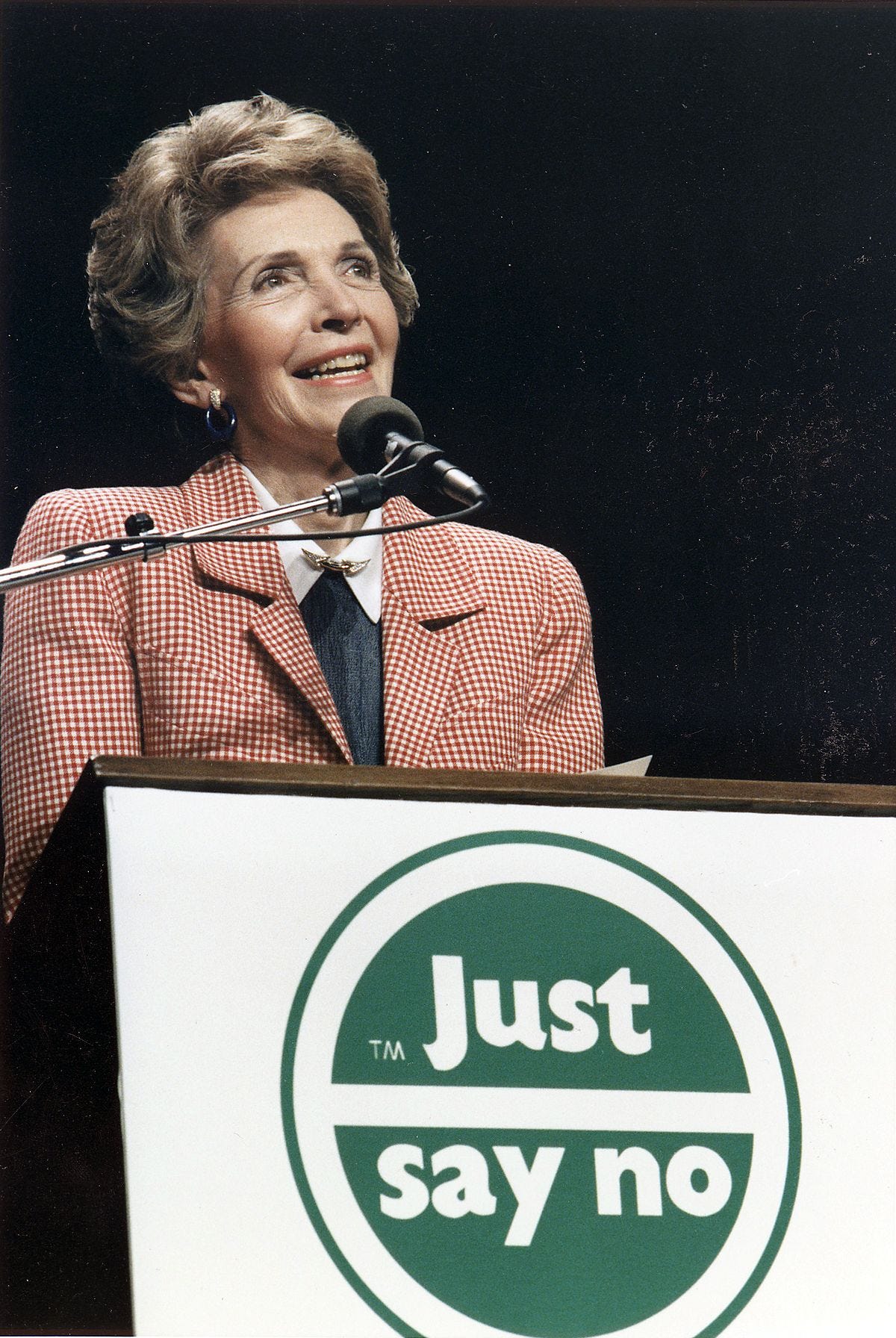
From a public safety standpoint, recognizing cartels as terrorist organizations may bolster enforcement efforts. However, critics argue that it risks framing a public health crisis—drug addiction and overdose—as primarily a law-and-order problem, diverting resources away from treatment and prevention. The answer is both are correct; the drug problem in the US has only grown more fatal over the past 40 years – Nancy would be very disappointed in our ability to say “No.” This is a multifaceted problem that must be addressed from multiple positions of tactical advantage, from going after the money of these criminal organizations to ensuring that medical programs are mandated for criminal substance abusers. Nonetheless, given the staggering toll of drug overdoses and the cartels’ violent operations, many view this classification as a necessary escalation in the fight against these groups. On June 17, 1971, during a press conference, President Richard Nixon officially launched the war on drugs, referring to drug abuse as “public enemy number one” and insisting on a new, determined offensive to counter it. Unfortunately, just as with the evolution of war from Vietnam to Iraq, the enemy evolved, and we fight a more modern war of direct terrorism.
Presidential Pardons and Their Controversies
Trump’s Sweeping Pardons for January 6 Defendants
President Trump also used his first day back in office to pardon or dismiss the cases of over 1,500 individuals charged in connection with the January 6, 2021, events at the U.S. Capitol. This includes people convicted of assaulting police officers during the riot. Skeptics and critics note that granting such blanket pardons—especially for those who committed violent acts—may undermine accountability and the broader criminal justice process.
Supporters of the pardons contend that a significant majority of the charges stemming from January 6 were for non-violent offenses (such as trespassing or unlawful entry) and that those individuals should not have faced overly harsh penalties. Still, the pardons for violent offenders, critics say, diminish the gravity of attacking law enforcement officers and devalue the sacrifices of the men and women who serve.
Biden’s Controversial Clemency
Just before leaving office, President Joe Biden issued several last-minute pardons and commutations. Notably, one sparked outcry from the Federal Bureau of Investigation (FBI) and the a broad spectrum of Law Enforcement: the decision to grant clemency to an individual convicted of killing FBI agents—Leonard Peltier. FBI Director Christopher Wray decried the move as “wholly unjustified”. Leonard Peltier has applied for executive clemency under multiple administrations without success. Formally, at least six U.S. Presidents—Ronald Reagan, George H. W. Bush, Bill Clinton, George W. Bush, Barack Obama, and Donald Trump—each declined to grant him a pardon or commutation for the murders of two FBI agents. Jimmy Carter, who served from 1977 to 1981 (the period immediately following Peltier’s conviction), never granted him clemency either, though there is no public record of a formal denial under Carter. Quite simply, President Biden’s final actions are despicable and a sad end note to whatever legacy he leaves behind at the White House.
Law Enforcement’s Viewpoint
In a joint statement, the International Association of Chiefs of Police (IACP) and the Fraternal Order of Police (FOP) expressed deep concern over the recent presidential pardons and commutations granted to individuals convicted of killing or assaulting law enforcement officers (IACP Statement). They view such crimes not only as attacks on individual officers but also as direct assaults on the rule of law and public safety. By allowing those convicted of these offenses to be released early or receive reduced sentences, the IACP-FOP argue that accountability is undermined, and the sacrifices of law enforcement personnel are devalued. They call on policymakers and judicial authorities to ensure full sentences for crimes involving violence against officers, emphasizing that fully enforced penalties reaffirm a collective commitment to the rule of law, public safety, and the protection of those who risk their lives to serve communities.
The IACP-FOP’s stance highlights a fundamental principle of law enforcement: crimes of violence against officers warrant strict accountability, both to honor the risks police take and to deter future violence. Their statement underscores the broader societal implications when the judicial system appears to lessen the gravity of these acts through pardons, commutations, or even weak sentencing. While executive clemency has its place for exceptional circumstances, using it to shorten sentences for violent offenses against law enforcement runs the risk of diminishing trust in both the system and executive authority. Ultimately, the IACP-FOP’s message serves as a reminder that maintaining robust legal consequences is essential for preserving public confidence in law enforcement and ensuring the safety of officers and citizens alike. Presidential pardon power is meant to remedy cases of excessive punishment or injustice—such judgments should be made carefully and transparently; anything less cheapens the Office of the Presidency.
State of Emergency at the Border
President Trump has also declared a state of emergency at the U.S. border, citing the need to curtail illegal immigration and bolster national security. As part of this executive action:
Increased Military Presence: Plans include deploying additional National Guard or active-duty military units to assist the U.S. Border Patrol.
Streamlined Barriers and Technology: Enhanced physical barriers (where feasible) and advanced surveillance technology, such as drones and motion detectors, are expected to play a central role in Trump’s strategy.
Importance of Border Security
Strong border security aims to prevent not only illegal immigration but also the entry of criminals and contraband (including drugs, weapons, and trafficked individuals). Proponents argue:
Protecting Public Safety: Preventing known criminals or cartel affiliates from entering the country can reduce incidents of gang-related violence or drug trafficking activities.
Maintaining Immigration Integrity: A robust system, supporters maintain, preserves resources for legal pathways to immigration while ensuring the rule of law.
Critics caution that a purely enforcement-focused approach to immigration may overlook humanitarian aspects of migration and the need for comprehensive immigration reform. They also point to potential logistical and financial costs associated with militarizing the border. Nonetheless, most experts agree on the importance of measured border security as one component of a broader immigration policy.

The Laken Riley Act passed Congress this week and will soon await the President's signature, representing a major step in U.S. immigration policy. Named after a Georgia nursing student tragically killed by an undocumented immigrant, the act expands detention criteria to include undocumented individuals accused of minor offenses. Proponents argue it strengthens public safety and immigration integrity, while critics warn it could lead to racial profiling, strain local law enforcement, and overlook humanitarian aspects of migration. However, aspects of this process is nothing new; when I started my LE career 16 years ago as a jail Detention Officer, we were required to notify ICE on every undocumented arrestee, so that it could be determined if an ICE detainer would be placed.
This Act not only emphasizes the importance of strong border management for national security and economic prosperity but also empowers state governments to sue the federal government if they believe immigration laws are inadequately enforced. As such, it could heighten tensions between state and federal authorities, complicating local policing efforts. While the act represents a significant legislative step toward stricter immigration control, it raises critical questions about balancing enforcement with humanitarian considerations in U.S. immigration policy, especially as its impact on local communities may directly affect policing practices.
Overhauling the FBI and Intelligence Communities
President Trump's proposed reorganization of key federal law enforcement and intelligence agencies, particularly the FBI, reflects a growing recognition of the need to streamline bureaucratic processes and refocus on core missions. This initiative aims to enhance these agencies' effectiveness in combating crime, terrorism, and foreign threats through strategic reforms. The proposed overhaul would likely involve significant efforts to slim down institutional bureaucracy within these agencies. This could include:
Streamlining decision-making processes to reduce red tape and improve response times to emerging threats.
Eliminating redundant departments or roles to create a more agile organizational structure. There is something to be said for the concept of small team tactics and efficiency.
Implementing performance-based metrics to ensure accountability and efficiency.
Reaffirming the clear focus on combating crime and national threats would be central to this reorganization. This would likely involve reallocating resources to prioritize high-impact areas like domestic extremism, cartel activity, and cybersecurity threats. Additionally, the overhaul would aim to enhance inter-agency cooperation, improving information sharing, and enhance agent training. Critics argue that such sweeping changes could potentially undermine the agencies' institutional independence and effectiveness. However, proponents maintain that these reforms are necessary to adapt to the rapidly changing landscape of national security threats.
As these potential reforms take shape, it will be crucial to strike a balance between improving operational efficiency and maintaining the integrity and independence of these vital institutions. The Federal agencies have become bloated with bureaucracy that suffocates the efficacy of the Frontline special agents and investigators quite simply. This is a leadership issue, and there is clear evidence that significant reform is needed to remove the bureaucracy from our Federal law enforcement and intelligence communities.
A New Sheriff in Town
President Trump’s initial slate of actions—his sweeping use of pardons, his designation of foreign cartels as terrorists, his state of emergency at the border, and his commitment to reorganizing key law enforcement bodies—underscore a robust, enforcement-first approach to public safety. While his tone and tactics can be polarizing, there is little doubt that the administration’s policies reflect a strong emphasis on law and order. Time will tell how effectively these measures address the dual challenges of violent crime and escalating drug overdose death rates.
Meanwhile, the criticism by organizations such as the IACP of high-profile pardons reminds us that due diligence in the use of executive orders and actions remains crucial to maintaining public trust. As the nation watches these developments unfold, the key question will be whether the administration can balance aggressive enforcement with transparency, fairness, and respect for civil liberties.
For many in law enforcement, President Trump’s second term brings hope for renewed support, funding, and reform aimed at cracking down on crime and bolstering national security. Even so, any optimism is tempered by the knowledge that durable solutions require thoughtful policy, cross-agency collaboration, and a willingness to adapt to complex and evolving threats. Only time—and clear, measurable results—will reveal the long-term success of these bold initial steps.
Sources
**References**
Centers for Disease Control and Prevention (CDC). (2022). *Drug overdose deaths in the U.S. top 100,000 for the first time.* Retrieved from https://www.cdc.gov/nchs/pressroom/nchs_press_releases/2022/20220511.htm
Federal Bureau of Investigation (FBI). (2022). *Statements from Director Christopher Wray* (Various briefings).
International Association of Chiefs of Police (IACP). (2023). *Joint IACP-FOP statement on the recent presidential pardons.*
CBS News. (2025, January 22). *House approves Laken Riley Act, sending first bill to Trump's desk.* Retrieved from https://www.cbsnews.com/news/laken-riley-act-house-sends-bill-trump/
American Civil Liberties Union (ACLU). (2025, January 22). *ACLU statement on Senate advancing Laken Riley Act to final vote.* Retrieved from https://www.aclu.org/press-releases/aclu-statement-on-senate-advancing-laken-riley-act-to-final-vote
NPR. (2025, January 22). *Congress clears GOP-led immigration enforcement bill, with Democrats on board.* Retrieved from https://www.npr.org/2025/01/22/nx-s1-5253926/congress-laken-riley-act
Yahoo News. (2024, November 21). *Trump's FBI overhaul puts 'untouchable' feds on notice: Former agent.* Retrieved from https://www.yahoo.com/news/trumps-fbi-overhaul-begins-acting-090013831.html
CNN. (2024, November 21). *Inside Trump's dramatic potential plan to shake up the FBI.* Retrieved from https://www.cnn.com/2024/11/21/politics/trump-potential-plan-fbi-shakeup/index.html
The New York Times. (2025, January 20). *Trump jolts FBI by installing new acting leader, Brian Driscoll.* Retrieved from https://www.nytimes.com/2025/01/20/us/politics/paul-abbate-fbi-director.html
Congress.gov. (2025). *S.5 - Laken Riley Act 119th Congress (2025-2026).* Retrieved from https://www.congress.gov/bill/119th-congress/senate-bill/5
The Science Detective is committed to providing fact-based, neutral, and in-depth coverage on developments impacting public safety, forensic science, and criminal justice.
No posts
Comments
Nothing yet. Say the first thing.
Sign in to join the conversation.