
The last week has been a busy one for TLP.
My most recent video looked at fighter pay in the UFC and the business model that has helped Dana White build one of the most profitable organisations in sport. It’s one of those topics that seems to have struck a nerve.
The comments section has been lively, my inbox has been busy and I’ve had plenty of messages from people on both sides of the debate.
To everyone who watched, commented, shared the video or replied, thank you. These are exactly the kinds of conversations I hoped The Long Play would create.
On a separate note, after what can only be described as a nightmare involving ownership of my RSS feed, my interview with Rio Ferdinand is finally available on both Spotify and Apple Podcasts.
If you’re a Spotify listener, you can watch and listen here
If you’re an Apple Podcasts listener, you can find it here
Thank you to everyone who has already watched the episode. The response has been incredibly encouraging and there are some exciting guests coming over the next few months.
Now, onto this week’s story.
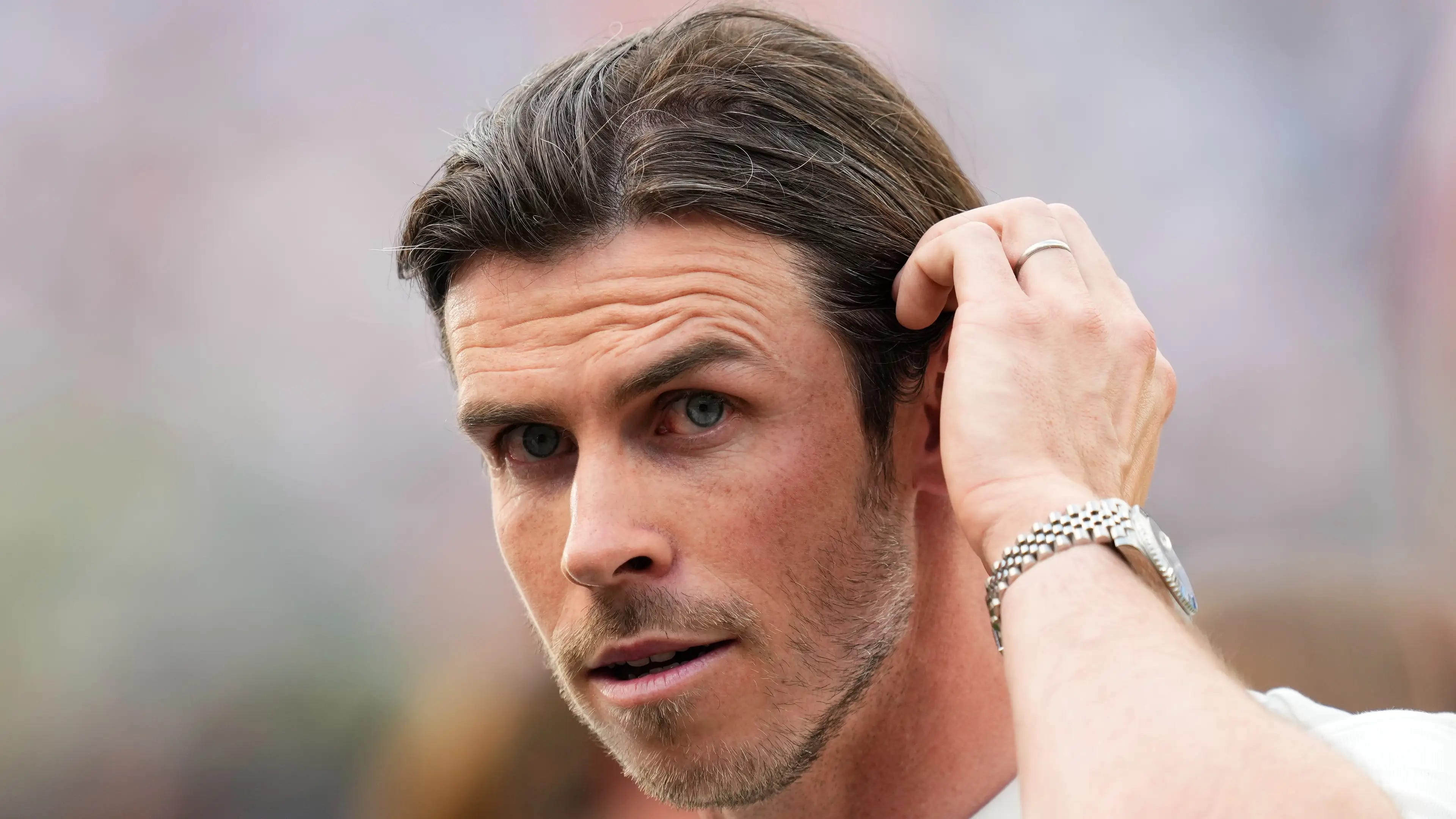
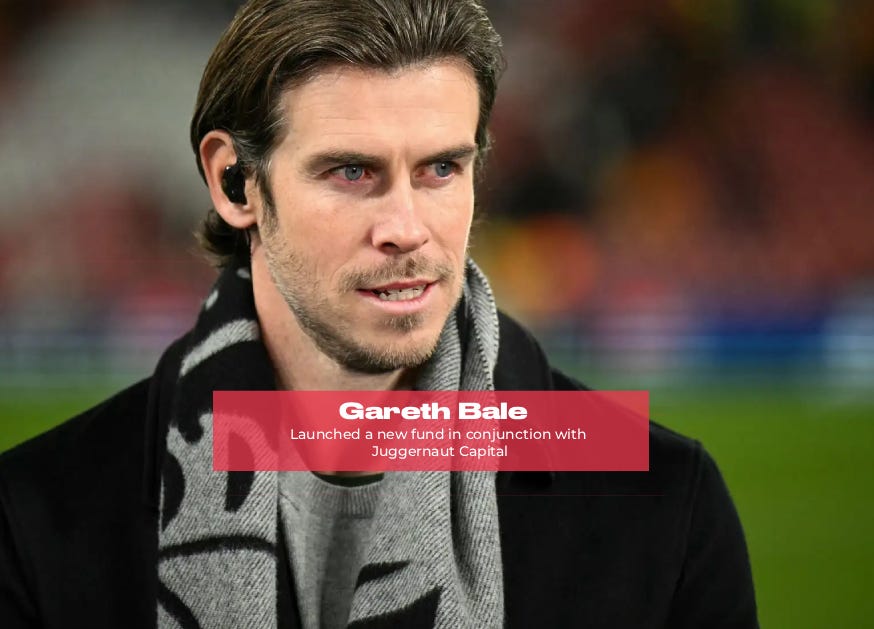
Last week, Gareth Bale announced that he had partnered with private equity firm Juggernaut Capital to launch a sports investment fund.
Athletes investing their own money is hardly news anymore. Especially if you’ve been a member of this platform you’d know how often I speak about athletes and their investment journeys.
What matters here though, is what this partnership means.
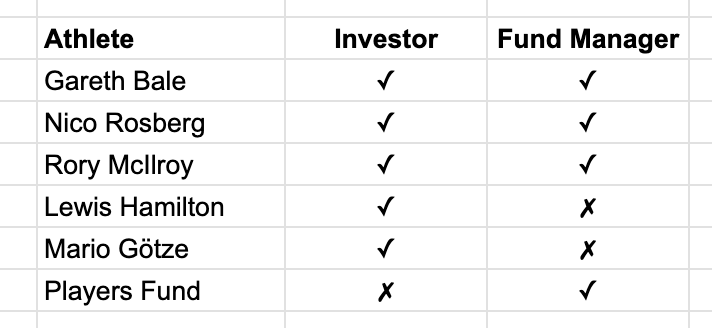
Gareth Bale, Nico Rosberg and a small handful of other operations are doing something different.
They are moving beyond investing and into capital allocation.
Most athletes spent their careers inside some of the biggest businesses in the world.
They have worked with global brands, technology companies and broadcasters.
Not to mention, they have watched their own teams and other rival sports “franchises” become billion-dollar assets and seen firsthand how wealth is created away from the playing field.
As a result, investing has become part of the modern athlete blueprint.
Lewis Hamilton, Mario Götze, Gerard Piqué, of course Rio Ferdinand. Across Europe, athletes are investing in businesses at a rate that would have been almost unimaginable twenty years ago.
But there is an important distinction.
All of these athletes are investing their own money.
Those guys decide where to allocate their own wealth. If an investment succeeds, they benefit. If it fails, they eat the loss.
A fund manager operates slightly differently. They raise capital from wealthy individuals, family offices, institutions and other investors before deciding where that money should be deployed.
It’s a small distinction, but an important one.
Europe has produced plenty of athlete investors, it is only now starting to produce athlete fund managers. And Bale is stepping into this world.
This table gives a sample of some athletes and how they go about their investing empires:
Take Nico Rosberg.
Through Rosberg Ventures, he has evolved from startup investor into fund manager, raising capital and providing investors with access to some of the world’s leading venture capital firms.
Gareth Bale's move is newer, but it follows a similar path.
The exact size and success of that vehicle remains to be seen, but the direction of travel is clear.
Then there is The Players Fund.
I’ve written about this many times before but the Players Fund pooled together funds from Jos Buttler, Stuart Broad, KL Rahul, Chris Smalling, Serge Gnabry, Héctor Bellerín and many more. Giving them access to venture opportunities that would traditionally have been reserved for institutions and Silicon Valley insiders.
The obvious question is, why are we only starting to see this now?
Money helps.
But money alone doesn’t explain everything.
The biggest athletes on the planet command audiences that most businesses could only dream of.
Lewis Hamilton reaches tens of millions of people every week. Cristiano Ronaldo reaches hundreds of millions.
Even athletes operating below that level often have direct relationships with audiences larger than those of many publicly listed companies.
They can help businesses acquire customers.
In some cases, they can generate growth faster than the money itself.
That helps explain why venture capital firms and private equity investors have become increasingly interested in bringing athletes into deals.
Gareth Bale, Nico Rosberg and The Players Fund all point to the same conclusion.
Europe has produced plenty of athlete investors.
It is only now starting to produce athlete fund managers.
But compared to the United States, it is still playing catch-up.
For the last decade, America’s athletes have been surrounded by venture capital firms, private equity funds, family offices and technology entrepreneurs. The infrastructure already existed. The networks already existed. The opportunities already existed.
An athlete in Los Angeles or San Francisco could find themselves sitting next to a founder, investor or venture capitalist on any given day.
The same wasn’t true for most European athletes. But now the game is changing.
I am fascinated to see where Bale starts to deploy capital, and I’m desperately wanting to speak to Nico and Mario about their venture investments.
This week’s newsletter is sponsored by XTB.
We’ve spent today’s newsletter talking about athletes investing and managing capital.
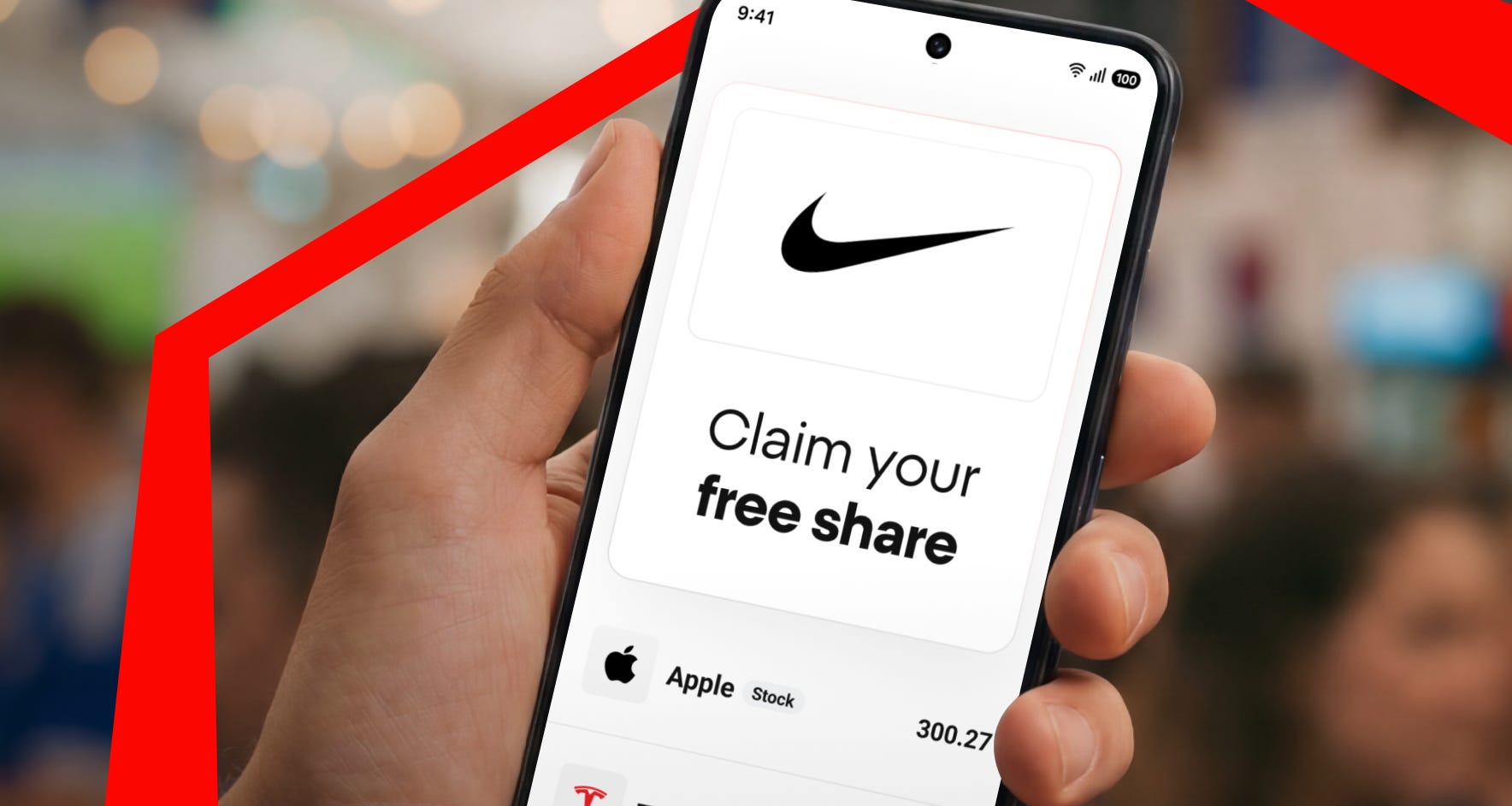
If you’d like to start your own investing journey, XTB is currently offering new customers a free share in Nike.
To take part, use code THELONGPLAY on onboarding and fund an account with more than £50 in the first seven days to benefit.
It’s a great offer and you can learn more here: https://invest.xtb.com/thelongplay
Capital at risk. The value of investments can go down as well as up and you may get back less than you invest. Terms and conditions apply. The Nike share promotion is subject to eligibility criteria and may be withdrawn or amended by XTB.
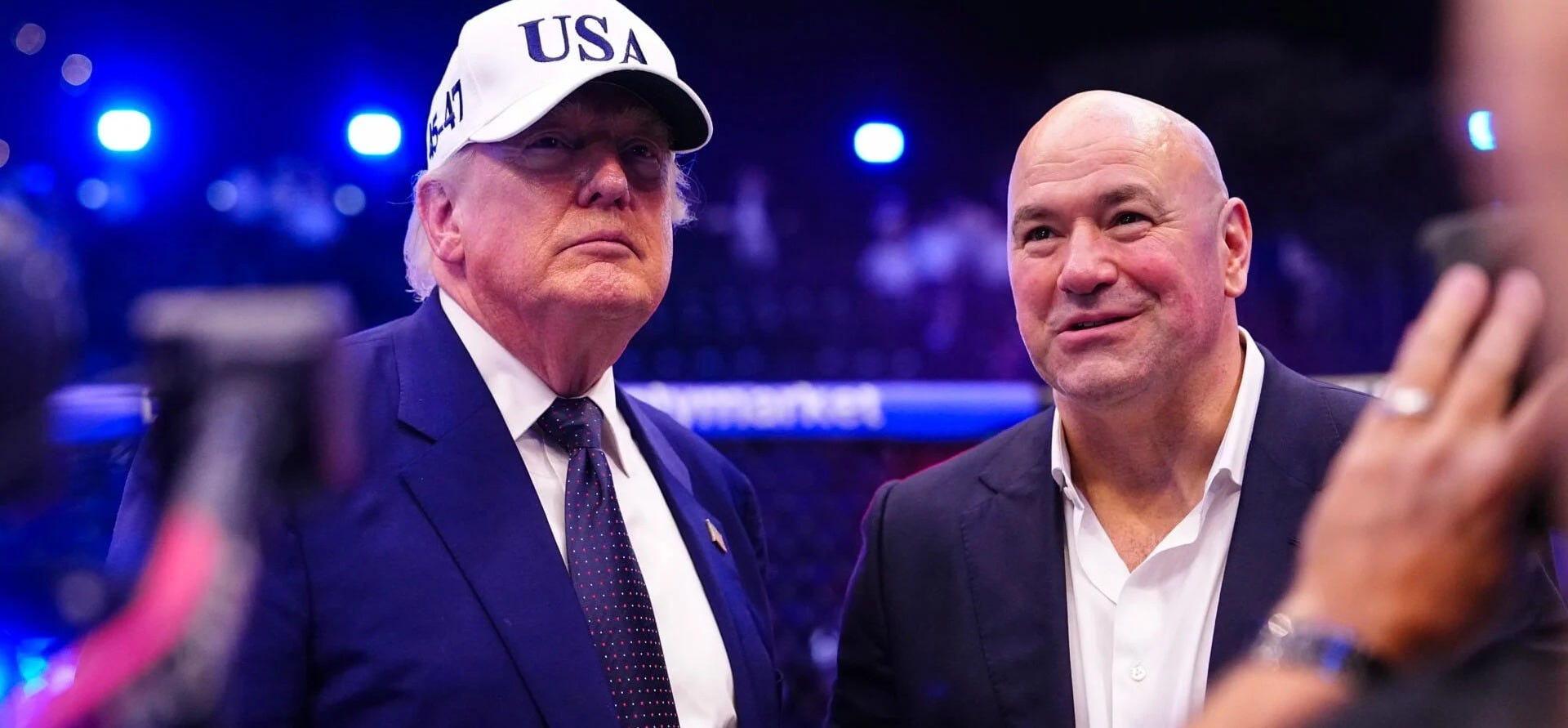
Finally, an interesting week in the world of combat sports.
I spent a lot of time recently discussing fighter pay.
That video happened to come out around the biggest UFC event of 2026, the Freedom 250 Card. In true form, that even became the most-watched live event in Paramount+ history.
Official numbers suggest the event reached 17m viewers.
Interestingly, here is the list of viewers across recent Netflix and Paramount+ combat sports events:
108m viewers - Jake Paul vs Mike Tyson
33m viewers - Jake Paul vs Anthony Joshua
17m viewers - UFC Freedom 250
12.4m viewers - Ronda Rousey vs Gina Carano
8.7m viewers - Tyson Fury vs Makhmudov
Three of the five largest streaming combat sports audiences on this list involve either Jake Paul directly or a Jake Paul-promoted event.
Whatever you think about him as a boxer, he has become one of the most valuable audience generators in combat sports.
Paramount+, meanwhile, is playing a different game.
The UFC’s 17 million viewers are impressive, but the real objective is not a single night’s audience. It’s driving subscriptions and engagement across an entire streaming platform.
Very different objectives.
What makes from this list are numbers from DAZN.
DAZN are the most fascinating company in all of sport. Unlike Netflix and Paramount+, DAZN operate a different model. Many of their biggest events sit behind a combination of subscriptions and PPV purchases, which means audience figures are rarely disclosed in the same way.
I’d genuinely love to see those numbers.
Those numbers would help answer a fascinating question, is it better to have a smaller audience that pays directly for your content, or a much larger audience that watches as part of a subscription they were already paying for?
That’s a debate that will likely shape the future of combat sports over the next decade.
And with that, I’ll leave you until next week.
Remember, use code THELONGPLAY when signing up to XTB for a free share of Nike!
Learn more here: https://invest.xtb.com/thelongplay
Comments
Nothing yet. Say the first thing.
Sign in to join the conversation.