
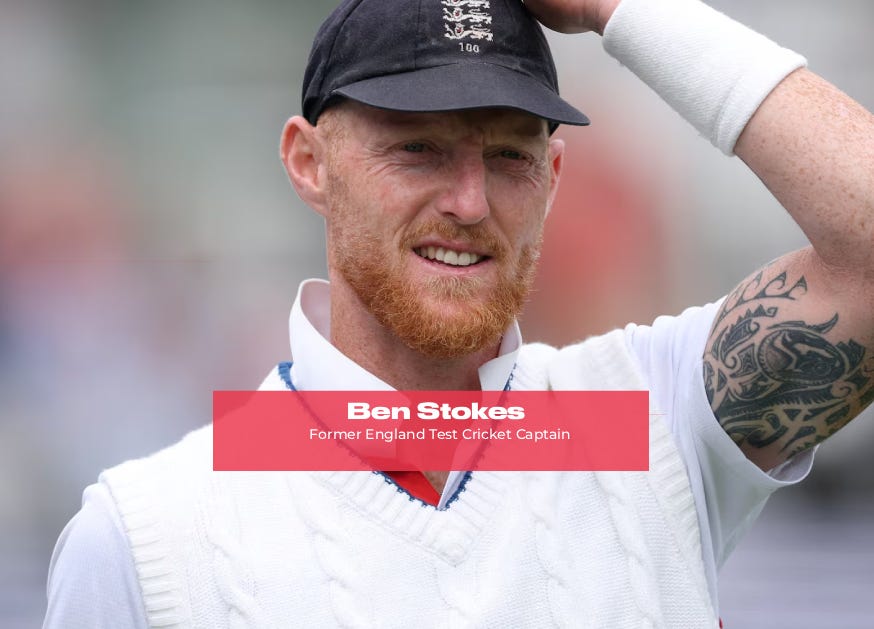
The past year has been a nightmare for English Cricket.
England’s performances have dipped, Ben Stokes himself has battled injuries and his final Test yesterday at Trent Bridge felt strangely symbolic. Announcing his retirement during the match before promoting himself to open the batting for a chaotic 30 off 20 balls wasn’t the ending I expected.
Whether you saw it as sporting theatre, sporting defiance or simply Ben Stokes being Ben Stokes, it felt like the closing chapter of an era that had most certainly run its course.
But for Ben… now comes the lucrative part.
At 35, Stokes still has plenty of cricket left in him.
For years he turned down lucrative franchise opportunities because England came first. Now those restrictions disappear. The IPL, Big Bash, SA20 and other franchise leagues can all become realistic options again.
We’ve seen what the market is willing to pay. Here’s a timeline of Ben Stokes IPL history:
2017: Rising Pune Supergiant - ₹14.5 crore (£1.7m)
2018: Rajasthan Royals - ₹12.5 crore (£1.4m)
2019: Rajasthan Royals - ₹12.5 crore (£1.4m)
2020: Rajasthan Royals - ₹12.5 crore (£1.4m)
2021: Rajasthan Royals - ₹12.5 crore (£1.4m) ⚠️ Played just one match before withdrawing because of a finger injury.
2022: ❌ Did not enter the auction. After becoming England’s Test captain, he prioritised international cricket and skipped the IPL entirely
2023: Chennai Super Kings – ₹16.25 crore (£1.6m) Played two matches before a knee injury ruled him out
2024: ❌ Withdrew before the season to manage his fitness
2025: ❌ Did not enter the auction, saying he wanted to prolong his England career
Now that England is no longer his priority, the franchise circuit suddenly becomes his biggest commercial opportunity. If his body holds up, another three or four seasons earning seven figures each year is entirely plausible.
For one of England’s greatest match winners, retirement from international cricket may mark the end of one chapter but financially, it could be the most rewarding moment of his career.
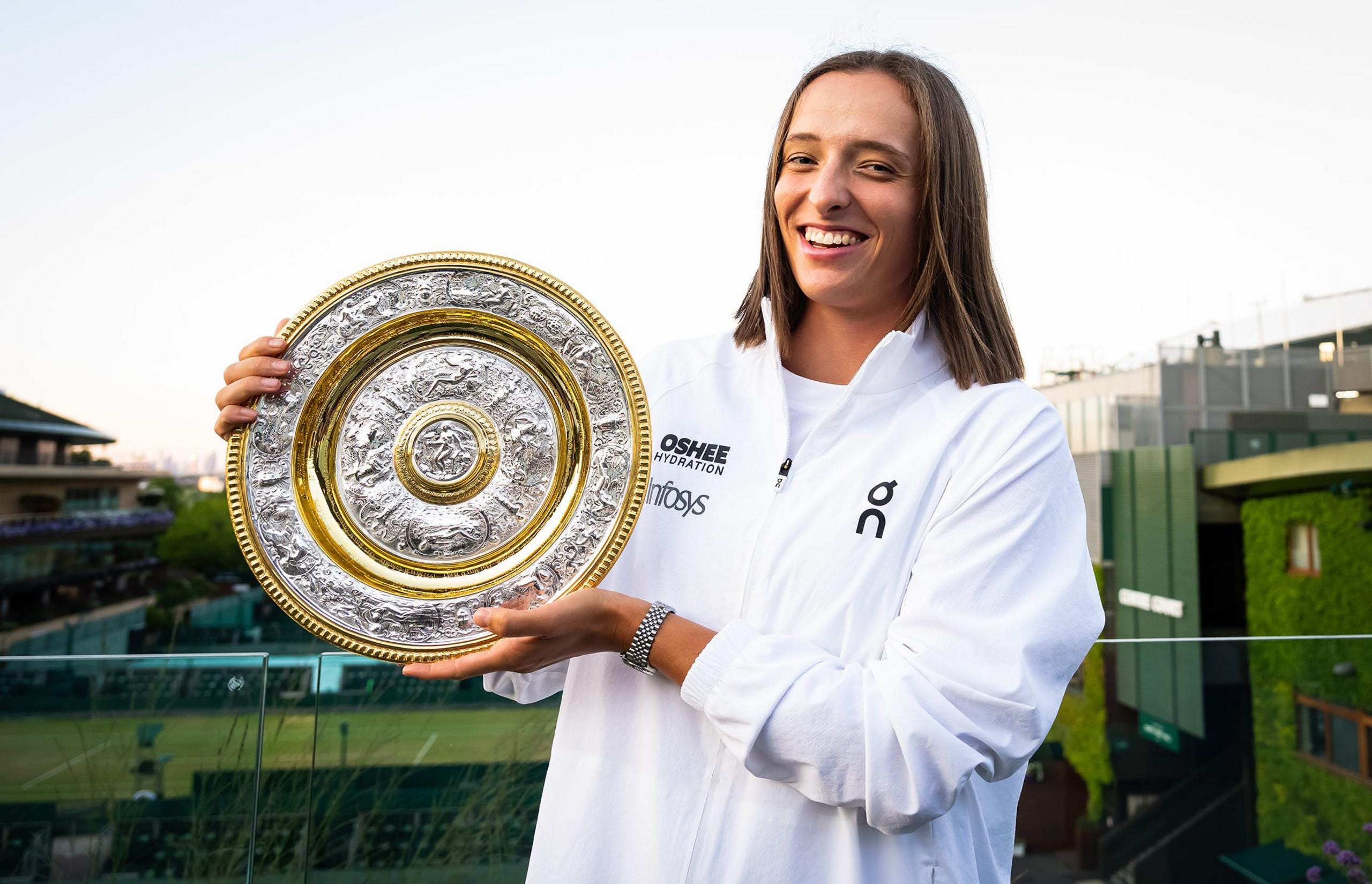
Wimbledon starts today.
So in true TLP Fashion, here are three things you may not know about the business behind the annual tennis Championships.
Last week, the AELTC extended its broadcast partnership with the BBC until 2033. I looked high-and-low for the annual value but specifics were unfortunately not disclosed. Many reporters suggest the new deal is worth £60m per year, an increase on the previous agreement.
The thing I found most interesting however, were the public conditions that came with it.
According to Debbie Jevans Chair of the All England Club, the BBC won the deal by committing to “improve” its coverage. New presenters, better storytelling, more digital content and improved technology.
Wimbledon publicly praised the BBC’s “continued ambition to enhance the audience experience”, while reports made it clear that modernising the broadcast was an important part of the negotiations.
I find it fascinating that Wimbledon chose to make this public. They didn’t have to.
It tells me that in today’s world, simply paying the rights fee is no longer enough. Broadcasters are now expected to improve the product as well.
Let’s see if there are any notable differences in coverage over the next fortnight.
Almost every major sporting event has spent the last decade squeezing every possible penny out of sponsors.
Wimbledon has done the opposite.
There are no naming rights for Centre Court. The tournament has just a handful of commercial partners. Branding inside the grounds is minimal compared to almost every other major sporting event.
The same philosophy applies to broadcasting. Despite the growth of subscription television, Wimbledon has chosen to remain free-to-air in the UK because the All England Club believes reaching millions more people is more valuable than maximising its media rights income.
Wimbledon, like the Masters has built one of the prestigious brands in sport by deciding that not everything should have a price.
A study I read suggested Wimbledon could make an extra £25m a year “if they wanted to”.
Here’s one that surprised me.
In 2025, Wimbledon generated £423.6m in revenue.
Under the Club’s agreement with the Lawn Tennis Association, 90% of its profits are distributed to the LTA. In 2025, that contribution totalled £48.1m.
That money is used to literally grow tennis across Britain. It helps fund grassroots participation programmes, it provides money for maintenance and development of public tennis facilities, it funds the education for tennis coaches and creates junior performance pathways and support for the next generation of professional players in this country.
In other words, buying a ticket to Wimbledon is also helping fund the future of British tennis!
This relationship is also why there’s so much conjecture about tennis player prize money. If the players get more, it means the LTA gets less!

Finally, one thing I’ll be watching with interest over the next fortnight is Serena Williams.
At 44 years old she’s returning to play at Wimbledon. Serena, or anyone for that matter playing at 44 is an incredible sporting story. But I can’t help but wonder if there’s a business story underneath this too.
This is purely my theory, but I think this is about more than tennis.
Last year, Serena became an ambassador for Ro, an American telehealth company whose GLP-1 weight-loss business is growing rapidly. The company has raised around $1bn and is reportedly valued at around $7bn already.
They generated an estimated $598m in revenue last year with GLP-1 treatments becoming their fastest-growing business unit.
Serena’s husband, Alexis Ohanian, is an investor and also sits on the board
If Serena can still compete at Wimbledon at 44 and maybe get through a couple of rounds, what better advert could there be for the next generation of health and longevity technology?
Yes, she may be returning because she simply loves competing. Or maybe she’s returning because she’s actually showing millions of people what’s technically possible with Ro.
This will all flame out if she gets dumped out in the round 1, but if she makes it into the second week or near the second week, it might become one of the smartest pieces of marketing in sport.
Later this week, you’ll get another newsletter with extra members’ content about tennis players and their fight for pay.
Next week, we review the first half of 2026.
See you then.
Comments
Nothing yet. Say the first thing.
Sign in to join the conversation.