The Longevity Vault by Kat Fu — the platform that guides you to build your personalized roadmap, based on your risk factors & data, so you can age slower, think better & extend your prime. Its flagship, Sleep OS, helps you reduce 3 a.m wakeups.
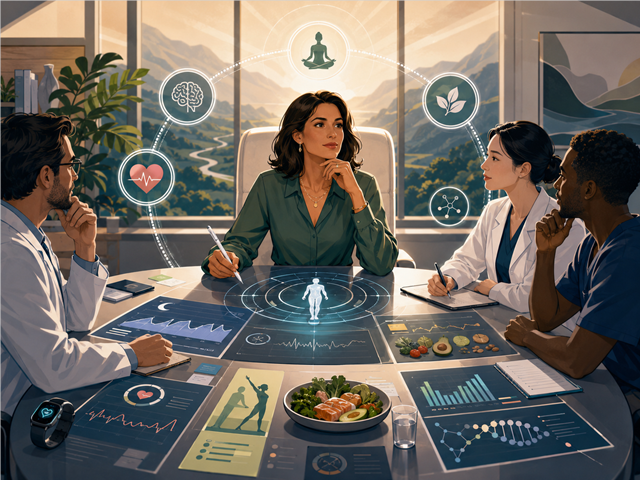
You're the best judge - Have you ever noticed that you are often the first person to spot subtle changes in your well-being? Before a doctor's appointment or an annual lab snapshot reveals a trend, you may feel the change first. Your energy changes. Your sleep patterns shift. A meal sits differently in your stomach, or daily stress lands heavier than it used to. It's time to step up - While modern…
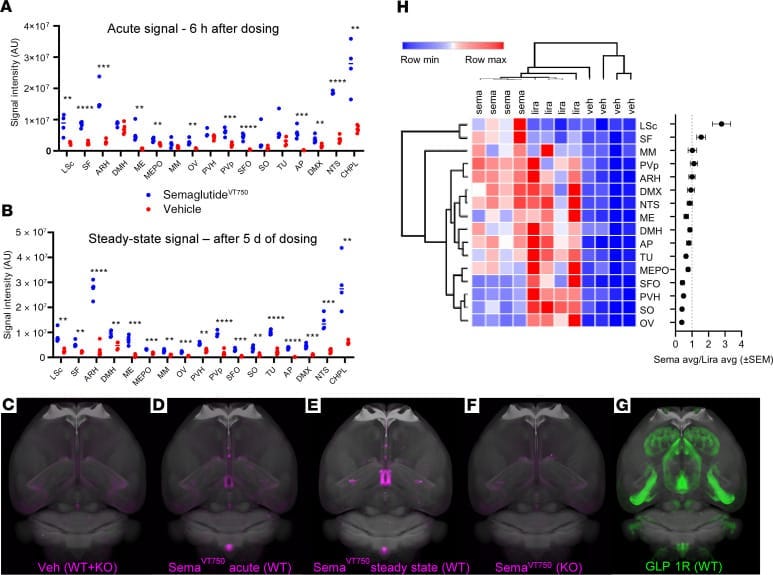
If you take Ozempic or Wegovy, you may already know this feeling without needing it described. During the day your body is worn out - heavy limbs, no appetite, no energy for anything. But at night, when you finally lie down, your mind will not settle. You are exhausted and alert at the same time, and neither one cancels the other out. This is one of the more commonly described sleep complaints…
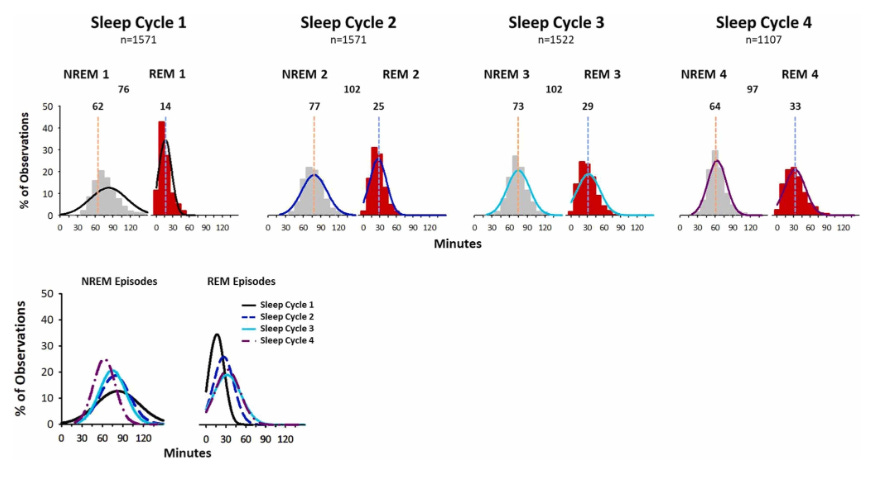
The science behind difficulty falling asleep vs. trouble staying During sleep, your brain cycles through 80- to 120-minute ultradian cycles. At the end of each cycle—and during transitions between sleep stages—the brain has brief arousals on the order of seconds to minutes. Many of these aren’t remembered. It is during these moments that you become vulnerable to triggers that can turn a brief,…
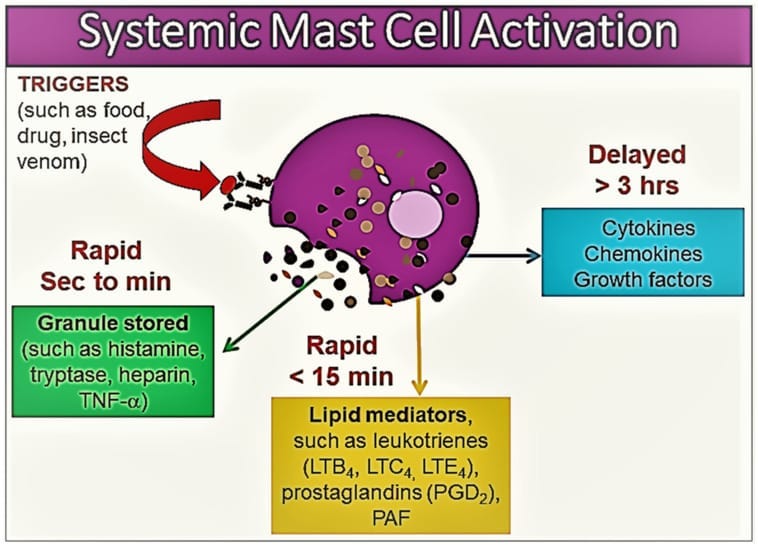
And why antihistamines only get you part of the way there. If you have MCAS, you know the pattern before I finish describing it. You wake somewhere between 2 and 4am. Not groggy - alert. Heart going. Skin flushed, or itching, or just a whole-body sense of alarm with nothing to attach it to. You were asleep, and then you were completely awake, and there was no in-between. Almost everything written…
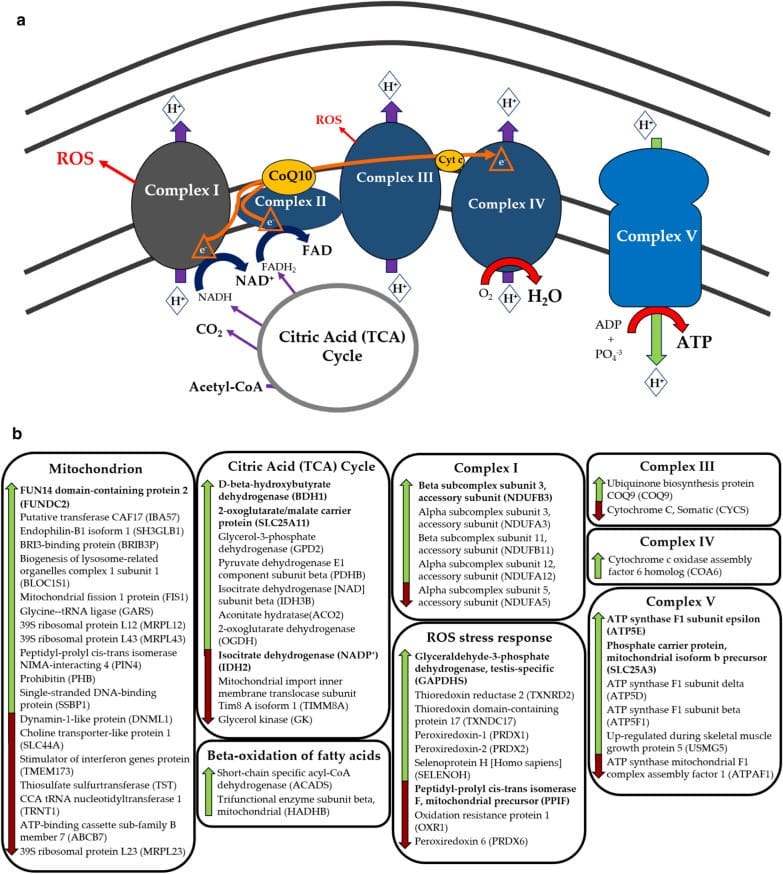
When mitochondria cannot produce enough adenosine triphosphate, every cell in your body registers an energy deficit - yet the molecular stress that deficit generates actively prevents restorative sleep. Stressd mitochondria release ROS and trigger stress-response proteins like WASF3, which block oxidative phosphorylation and change cells toward inefficient glycolysis. The result is a…
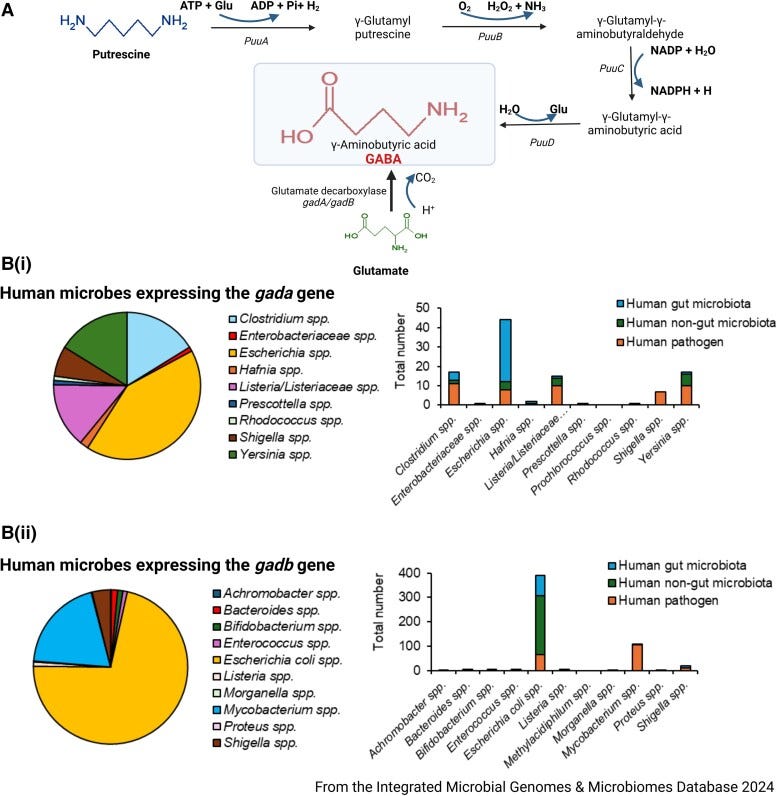
Research supports four evidence-based approaches to raising GABA activity naturally. Exercise - particularly high-intensity interval training - increases cortical GABA by approximately 20%. Yoga showed a trend toward elevated thalamic GABA and correlated with mood improvements in ways that matched-calorie walking did not. Certain gut bacteria (Lactobacillus and Bacteroides species) produce GABA…
I’ve been writing online for 3 years now. Over those three years, one idea has become more important to me: You are the person who lives in your body every day. You often notice day-to-day changes before they show up in a single appointment or lab snapshot. Your energy changes. Your sleep changes. A meal sits differently. Stress lands differently than it used to. A short appointment may not…
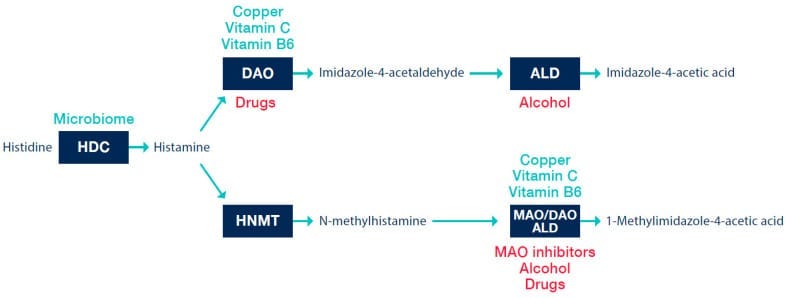
When the body cannot break down histamine efficiently, histamine-related arousal pathways may stay more active during the sleep period - and standard sleep supplements that interact with mast cell pathways may be insufficient when histamine load or mast cell activation is part of the sleep problem. Addressing histamine clearance may improve sleep quality, daytime energy, and cognitive function…
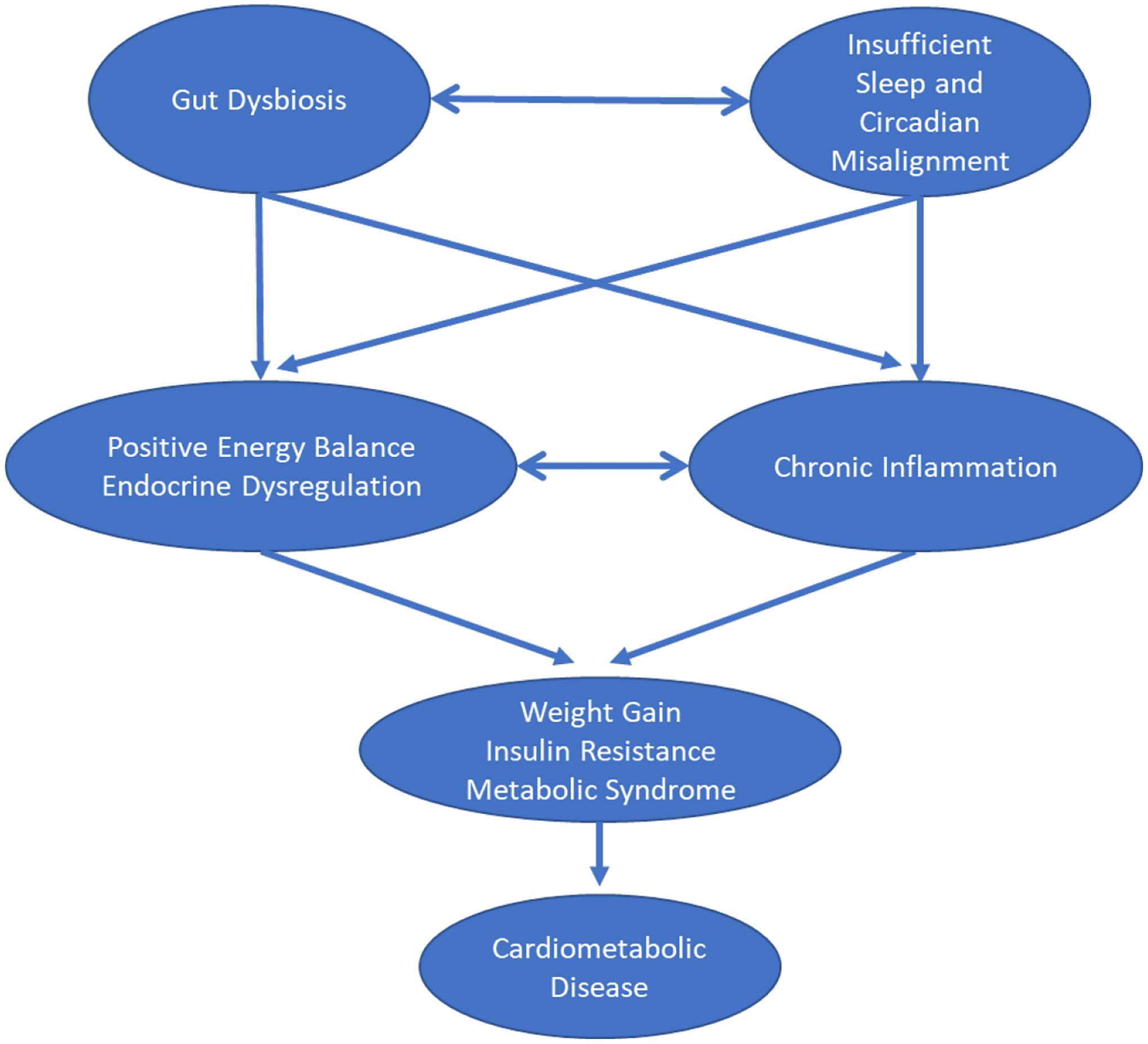
Research connecting gut health to sleep has expanded over the past five years, but coverage typically conflates two distinct mechanisms. This article focuses on the metabolic pathway: specific gut bacteria regulate blood sugar stability, and when those bacteria are depleted or imbalanced, the downstream effect is nocturnal glycemic instability. A 2022 study of 550 adults found that gut microbiome…
More people are starting to see it: The most powerful evolution in longevity won’t come from AI alone, or from new reimbursement models alone. It will come from a change in mindset. Patients are stepping into the role of CEO of their own health. The driver isn’t distrust. It’s recognition. We’re the ones living in our bodies every day. We notice the patterns no one else sees — when energy dips,…