
On one of my short drives to the train last week, the morning talk radio hosts were debating whether they’d changed since high school… and how.
The timing was almost suspicious. I was 48 hours away from my 30th high school reunion.
It was the culmination of a long week of late nights, including another Springsteen show, an F1 race, a Battle of the Bands, and three separate moments where I caught myself asking the same question.
Who was that guy? And who am I now?
Four essays, four answers. Four Ps.
I was the kid who chased the loudest rooms. The kid who memorized box scores. The kid who jumped on every new platform first. The kid who never got the chicken pox and figured the government had it covered.
All four of them grew up. Some of them I miss. Some of them I don’t.
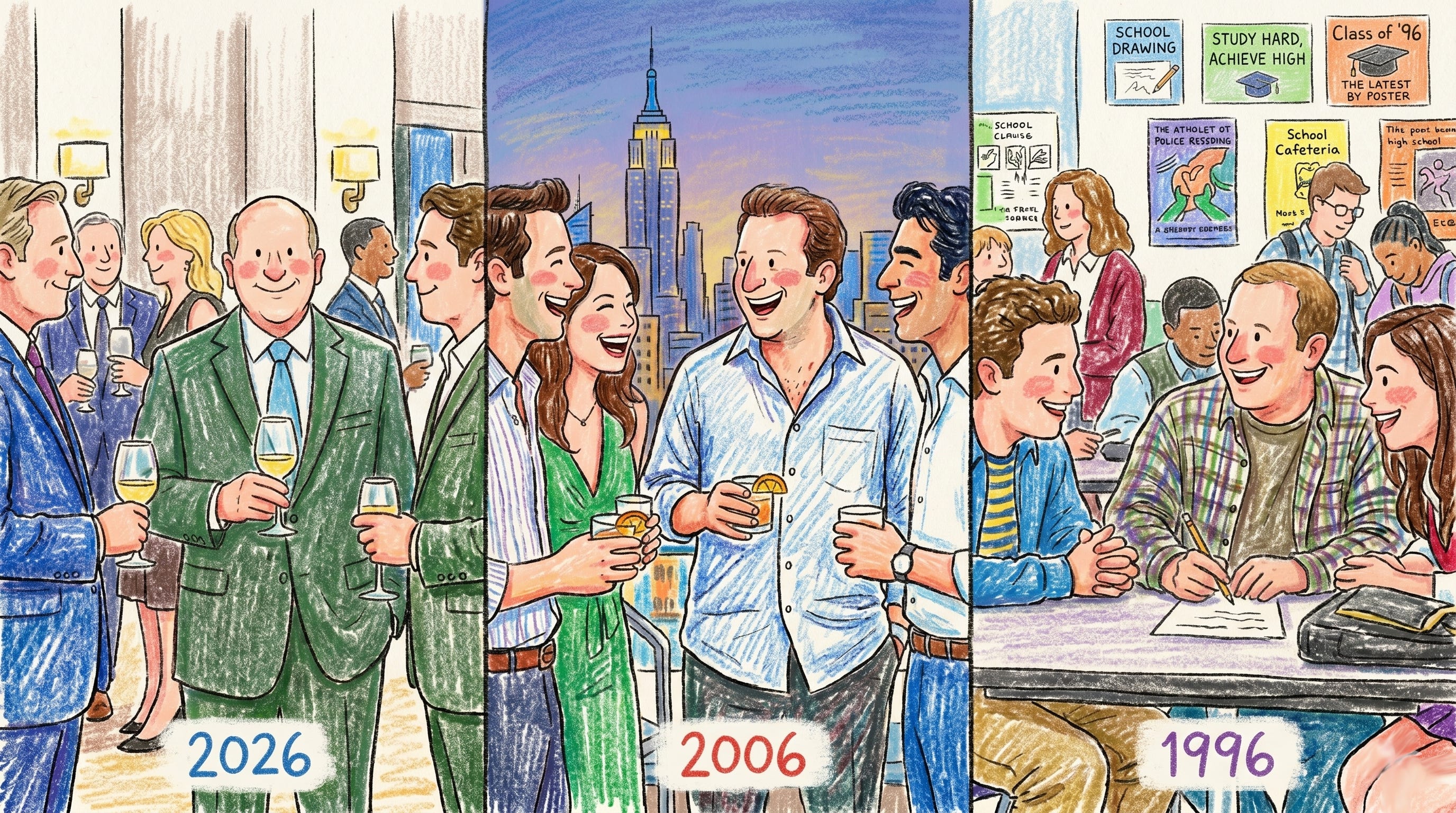
30 years since high school. Yikes, that math is rude.
Of course, I’ve kept the closest friends close. A few others stay in light rotation. But high school wasn’t really about the friendships I curated... it was about the cauldron. Eight hours a day, more if you counted sports and extracurriculars and whatever else I’d talked my way into.
More time than I spent with my own family. The closest modern equivalent is your work family, which doesn’t quite hit the same anymore in a hybrid world. Back then, you couldn’t Slack-react to someone. You had to actually deal with them.
Back then, I loved being a creator, or at least a fast chaser, of the excitement. First, best, different. Pick a lane, I’d take all three.
This past Saturday night, back in our hometown with a few hundred older, more experienced, even grayer and balder versions of those same characters we’d roam the halls with... it felt both familiar and surreal in equal measure. Old conversations slipped back on like a varsity jacket.
So did some of the old personas, which was less flattering. People had matured in expected and unexpected ways. Some turned out exactly as you’d have bet. Some didn’t. A few surprises in both directions.
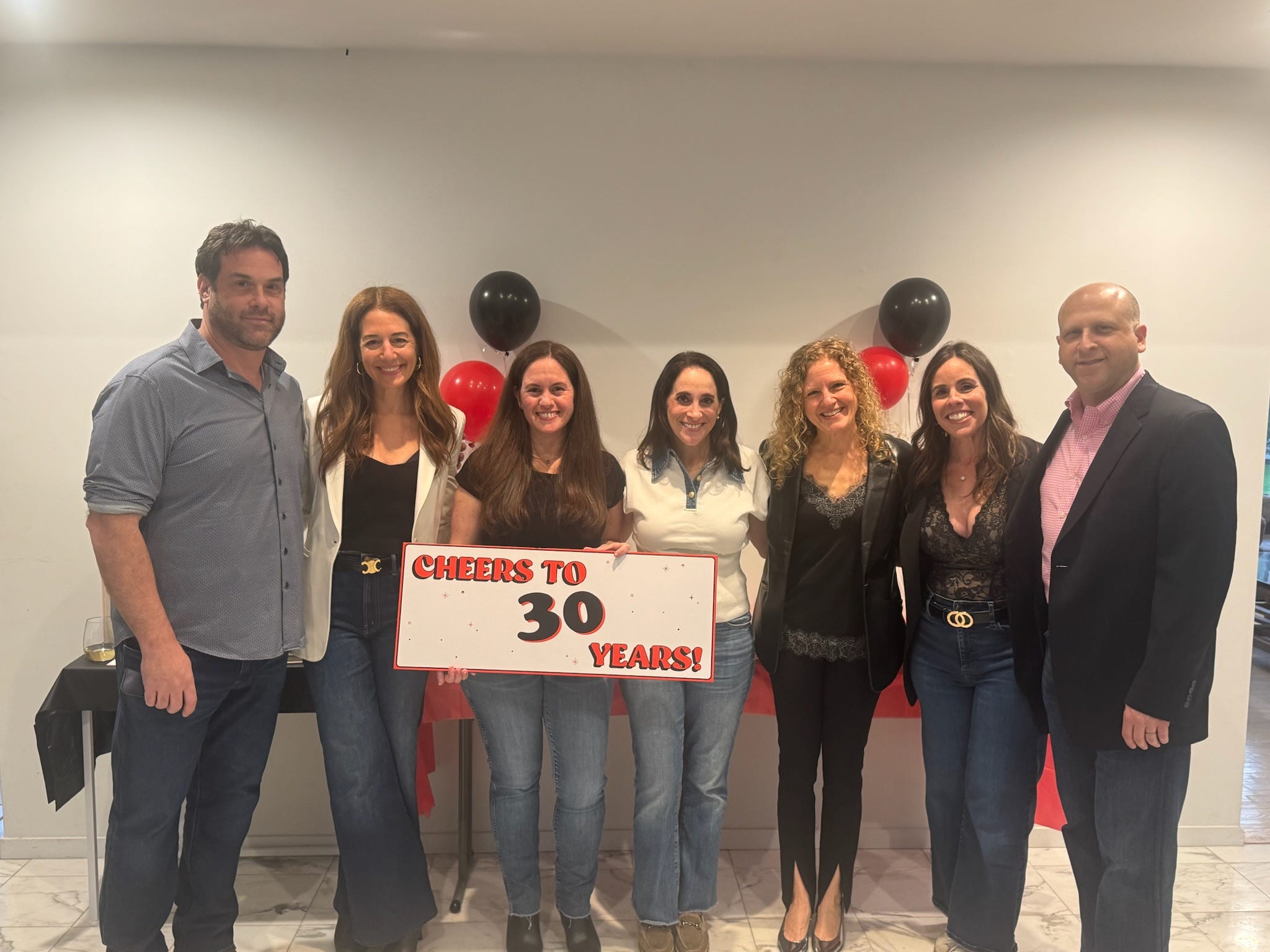
But I wasn’t really thinking about them on the drive home. I was thinking about me.
I’m still an overachiever. Still hard-working. Still juggling more than is reasonable. But I have less time for bullshit, less interest in impressing the room, and a much more honest definition of what success and happiness actually are. Heavier than I expected. Also reassuring. I made good decisions then. I think I’m making good ones now. That’s what the cauldron really taught me. Not facts. Judgment.
The version of me that came out of that building wanted to be everywhere at once, and for a long stretch, he was. Post-college in New York, I was out five, sometimes six nights a week. Friends, dates, coworkers, sporting events, bars, concerts. Around 9/11, I went to roughly 40 Springsteen shows, which is how Bruce became permanent firmware in my operating system. Then bachelor parties, weddings, kids, jobs became careers, homes became hubs.
So that guy from 30 years ago doesn’t really exist anymore. We’re older. Calmer. Busier. Work takes more. Family takes more. Years now stretch between Springsteen shows where weeks used to.
Except this past week.
This past week was a flashback to a tempo I haven’t kept in years. The reunion. Another Bruce show on Long Island. F1 and work events in Miami. Then back home and a late night out in NYC to support my sister’s annual Battle of the Bands benefit, where the same musicians she’s been playing with for 35 years still absolutely bring it. Old friends, family friends, the whole soundtrack. It felt great. It also occasionally felt like a lot.
Which brings me to the part I usually don’t lead with.
One year ago this week, I was diagnosed with Sudden Onset Hearing Loss. Not gradual. Not genetic. It happened in real time, at an event, from high-decibel exposure. Steroids, inner ear injections, a window of hope. What I have now is partial hearing in my right ear, an unreliable sense of balance, and a new set of small choreographies. Seat yourself on the correct side of the conversation. Read the room before the room gets loud.
It’s why I had earplugs with me all week long… and everywhere I’ve been since last May.
No, I’m definitely not that same kid anymore. He didn’t care about hearing loss and thought he was invincible. And then the kid who chased the loudest rooms in the building got exactly what he wanted, and then some.
So when I ask what’s changed since high school, that’s the real answer. The ambition is the same. The judgment is sharper. The hearing is worse. I still want to be in the room. I just sit on a different side of it now.
I used to scan the box scores at every meal. Every league, every stat line, didn’t matter if I had a stake in the team. Information was the entertainment. The newspaper sports section was a meditation practice with better fonts.
I still stay up for the Knicks and Mets. Sometimes. But the obsessive ingestion of every data point? Gone. The kid who used to memorize batting averages now squints at standings once a week and calls it a day.
Same with gadgets. I still love them. I still get excited by genuinely new things. But the pull of “newest” for its own sake has faded. What gets my attention now has shifted in a direction I would not have predicted at 17, or 27, or honestly even 37.
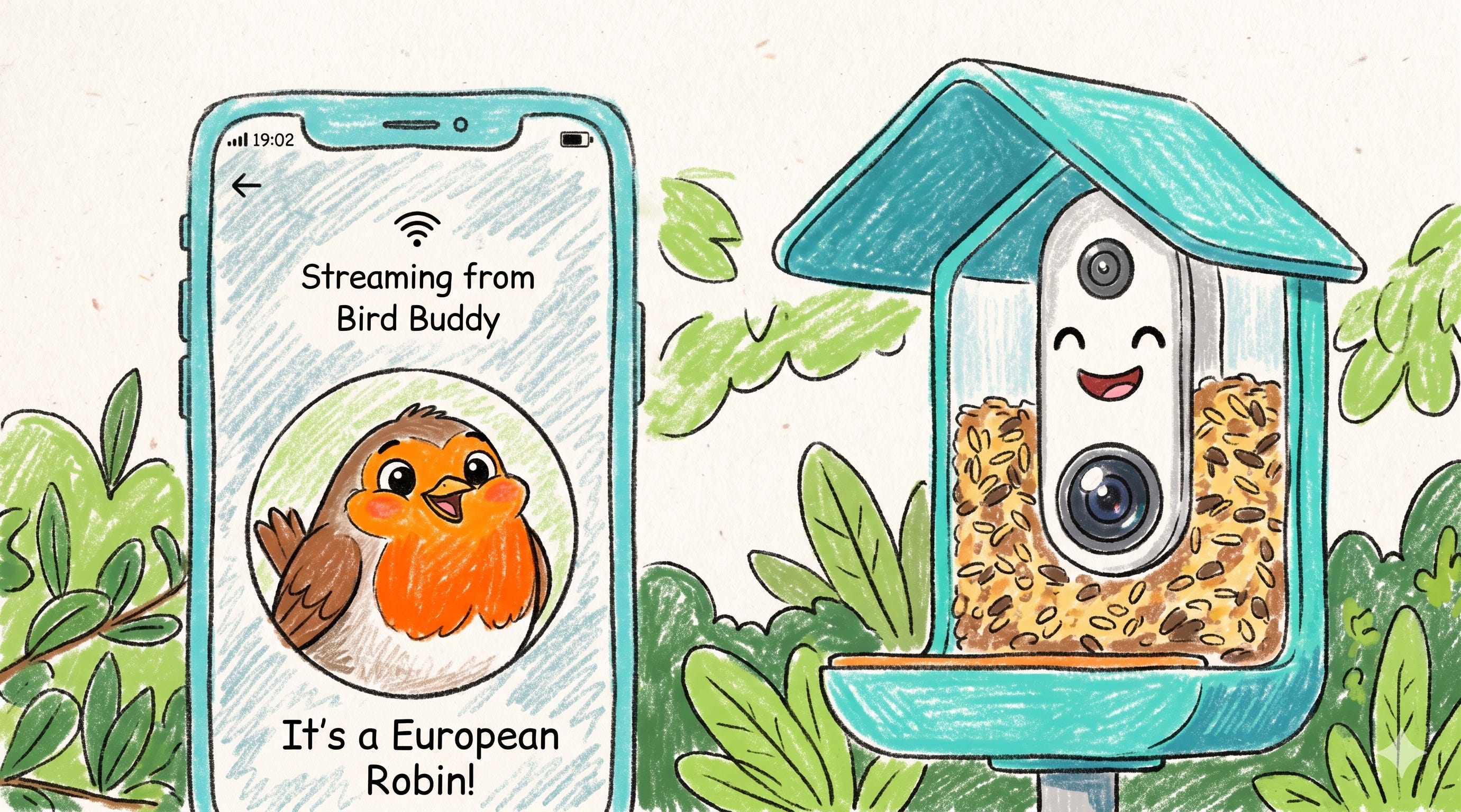
Reader, I am being slowly converted into a bird guy.
A few weeks ago in Miami, working from a balcony, I had two small, quiet, beautiful coworkers. I don’t know what kind of birds they were. I do know they were patient, well-mannered, and clearly there for the toast crumbs. We had an understanding.
This is becoming a pattern.
Ever since Father’s Day last year, and then my birthday, I’ve been getting absolutely worked over by the Bird Buddy ad targeting team. Bird Buddy is a smart bird feeder with an AI camera that identifies not just species but individual birds. You can name them. Track when they come back. I find this completely fascinating, which is itself new information about me.
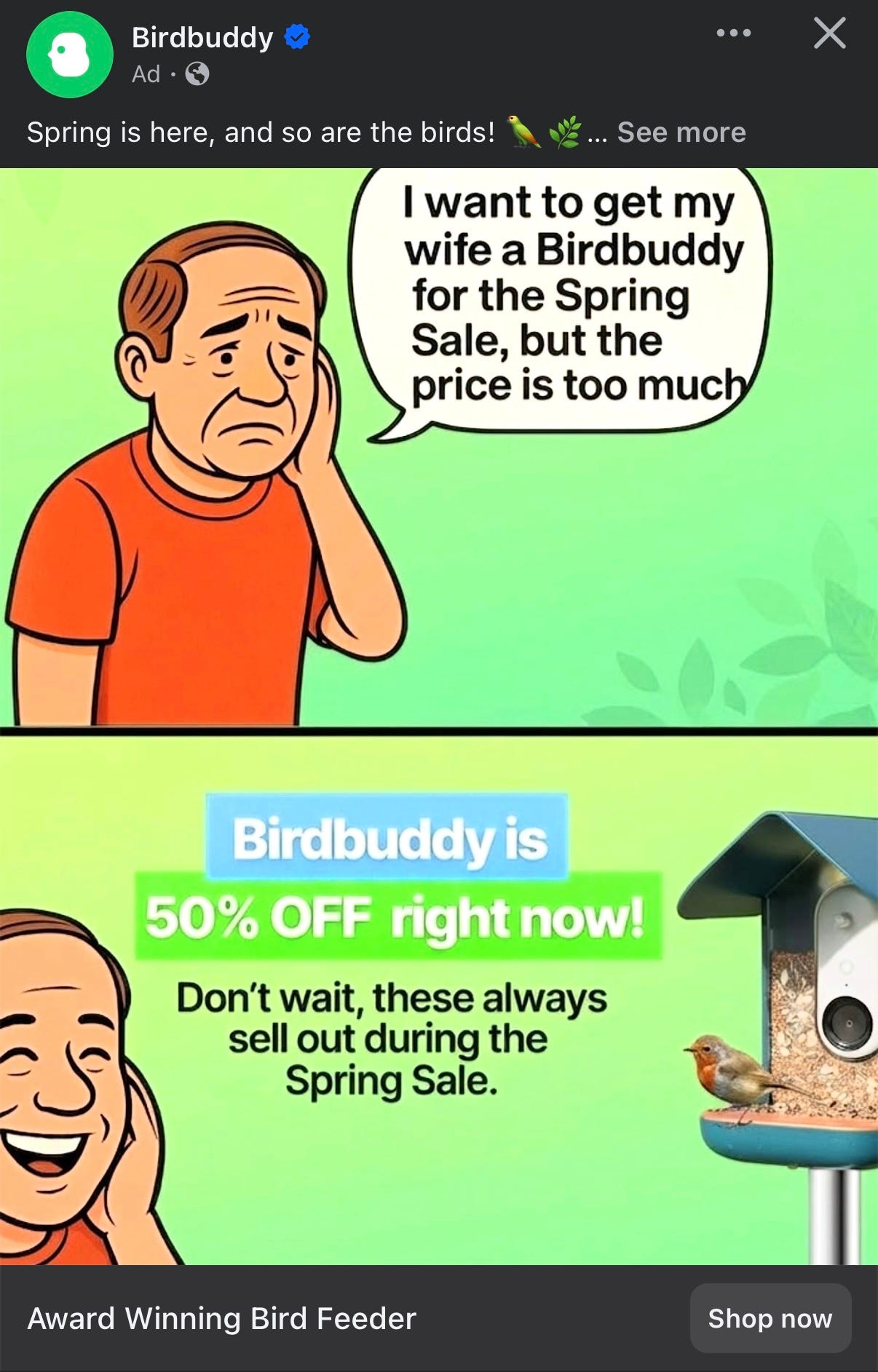
I want one. I have a price in my head. I am holding the line. They keep sending discounts. We are in a slow-motion negotiation where they don’t know they’re negotiating.
Apparently I’m not alone. Birdwatching is having a moment among young people as an antidote to screen fatigue, aided by apps like Merlin Bird ID. Google Trends shows “birdwatching” searches climbing for five straight years. A TikTok captioned “so cooked I started birdwatching in my 20s” pulled over 60,000 views. One singer-songwriter quoted in the piece said birding “rescued” her. Another creator said it “regulates my nervous system in a way nothing else can.”
So it’s not just me. There’s a whole generation arriving early to a club I didn’t know I was already standing in line for.
Have I become boring? Or just easily persuadable? Or did the things that used to spike my attention finally stop landing... and something quieter took their place?
I’m pretty sure the birds know.
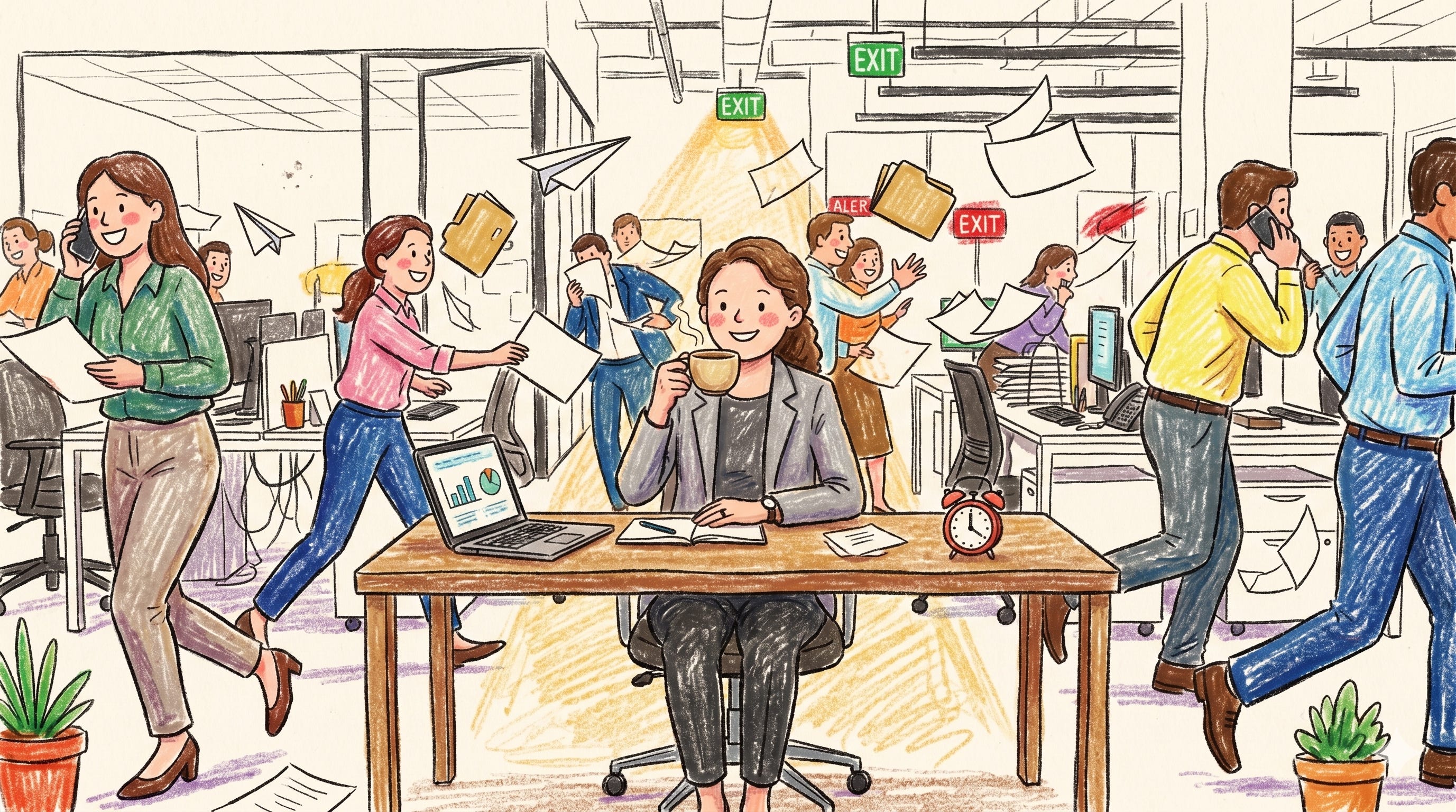
I used to be the guy who jumped on every new platform the day it dropped. From Twitter to Foursquare, TripIt to Snapchat. First. Loudly.
Sometimes I’d just sign up, poke around, break it, write up what I learned, move on. No questions. No hesitation. The cost of being wrong about a new tool was a wasted afternoon. The cost of being late was looking like everyone else.
Occasionally I’d get hooked, and stick with it. And that instinct served me well for a long time. But, in case you haven’t noticed, times have changed.
Now the wisdom-based part of my brain kicks in before the curiosity-based part does. Not because I’m less curious. Because the stakes have moved.
AI is the most transformative technology movement of our century. Industrial revolution and electricity, rolled into one, on fast-forward.
But the part that gets lost in the breathless coverage is that electricity, by itself was just a hum in a wire. It needed appliances. It needed a kitchen, a factory, a record player. The miracle wasn’t the current. It was what we plugged into it.
We’re at the “lots of current, not enough appliances” stage with AI right now. Which is exciting, and also why so many seasoned operators are quietly losing their minds.
A new global study from Harris Poll and Dataiku surveyed 900 CEOs. The findings are something.
81% fear a botched AI deployment could cost them their job this year.
62% say their boards are actively pressuring them to deliver measurable AI-driven outcomes.
75% believe a fellow CEO will get ousted over a bungled rollout.
56% admit their competitors have stronger AI strategies than they do.
And 79% are worried about the legal risk of actually using the stuff.
You can see what’s happening here. Executives with proven playbooks and Jack Welch biographies stacked behind their desks have been turned into stammering, stumbling puddles. The thing they were trained to do, which is project certainty, no longer maps to the thing they’re being asked to do, which is bet the company on a technology that ships breaking changes faster than they can update the slide deck.
The phrase doing the heavy lifting here is “capability overhang.” The models can do incredible things. Deploying them inside a real business with real customers and real legal exposure is a completely different sport.
Dataiku’s CEO calls it the cognitive dissonance happening in the C-suite right now, which is a generous way of saying everyone is trying to look composed in a meeting they don’t fully understand.
I’d add a quieter version of the same problem: the pace doesn’t just rattle CEOs. It rattles anyone whose professional identity was built on knowing things. The old playbook rewarded being first. The new playbook rewards being right about what to be first about. Those are different muscles.
One CEO at the HumanX event put it as well as anyone: slow down to speed up.
The kid who jumped on every platform first would have rolled his eyes at that. The grown-up version is starting to think it might be the whole job.
The risk of getting it wrong: brand irrelevance.
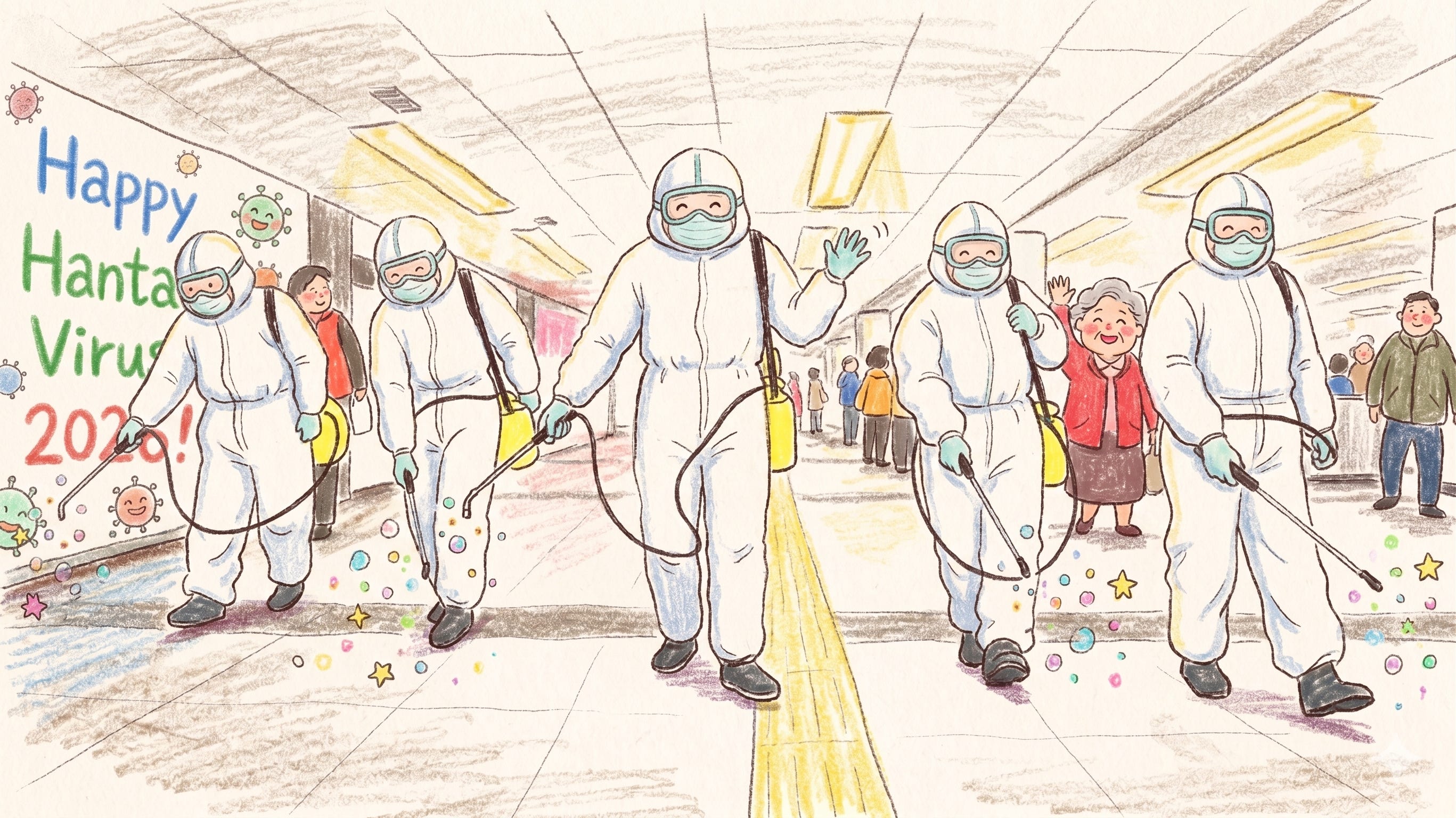
I was never a germophobe growing up. My invincibility shield was thick, physical and mental. Heck, I was the only kid I knew who never even got the chicken pox. Whatever was going around, I assumed it wasn’t going around me.
Two things changed that. I married a doctor. And then COVID happened.
The doctor part rewires you slowly. You start hearing the casual professional vocabulary at the dinner table. You learn what gets washed, what gets thrown out, what you should actually be worried about and what’s just vibes. The germophobe in me was a slow build, which made it feel reasonable.
COVID was the other kind of rewiring. The fast kind.
I don’t blame the Trump 45 administration for the virus, itself. Viruses don’t care about elections. But the response... the wishful timelines, the bleach moment, the daily contradictions from a podium that used to be a place where adults said calm and useful things... that’s the part that shifted something in me that hasn’t really shifted back.
It wasn’t just COVID. It was watching the institutions I had quietly assumed would handle it not actually handle it. The unflappable faith I had in “the government will figure this out” turned out to be a vibe of my own.
So I read the headline this week with a particular kind of dread.
Hantavirus on a cruise ship. Several dead. The Andes strain, which is the only hantavirus that transmits human-to-human and kills 30-40% of the people it infects. Confirmed cases tracked into California, Georgia, Arizona, Virginia, Texas. Passengers scattered before quarantine. A coordinated whole-of-government response, per the CDC’s website, which would be more reassuring if “whole-of-government” still meant what it used to mean.
Maybe it’s nothing. Hopefully it’s nothing. The experts in the piece are clear that hantavirus is unlikely to be the next pandemic. It doesn’t spread like COVID or flu. A bad American outbreak would mean dozens of deaths, not millions.
But that’s not actually what’s scaring me. What’s keeping me up is the infrastructure around the next one.
The CDC has been without a Senate-confirmed head for eight months.
Testing for dozens of pathogens has been paused.
The moronic HHS Secretary spent weeks during a measles outbreak recommending cod liver oil before he could bring himself to endorse the vaccine.
Oh, and the World Cup is this summer.
The kid who never got the chicken pox would tell me to relax.
I don’t think I’m going to.
*AI Disclosure: 100% of this was written by me, a human with only light edits and typo corrections from Grammarly. The images are mostly AI-generated using Nano Banana.
Comments
Nothing yet. Say the first thing.
Sign in to join the conversation.