
Taste cannot be delegated by Aurélie Radom
The death of design by committee in the age of AI
AI will not replace taste. It will reveal where taste was missing.
AI systems will continue to improve at predicting what people prefer. Organizations will continue to improve at collecting opinions.
Both are valuable. Neither creates judgment.
Judgment is not the result of combining enough signals. It emerges when someone understands the context, accepts the trade offs, and takes responsibility for deciding what deserves to exist.
The future of design will not belong to the people who can generate the most options. That will soon describe almost everyone. It will belong to the people who can recognize the one worth pursuing. That requires taste.
Not taste as an aesthetic preference. Not taste as a collection of visual references. Taste as the ability to recognize quality. Judgment as the willingness to choose a direction. Leadership as the responsibility to stand behind that choice. Those three qualities have always been connected.
AI changes how we create. It does not change who is accountable for deciding what deserves to exist. Because taste can be assisted. It can be challenged. It can be refined. But it cannot be delegated.

How AI Is Rewriting Human Nature [via Noema]
Might the arrival of a radical break in the historical continuum — artificial intelligence — accelerate the collapse of procreation?
Why, at a moment when emergent AI appears poised to open pathways toward personal and collective immortality, did the developed world — and specifically, the typically secular, highly urbanized places that are furthest ahead in advanced technologies — lose its imperative to reproduce?
Shanghai, San Francisco, New York, Seoul, Singapore — what these cities have in common is an extremely low birthrate. And, as a consequence, a certain political tremor. Systems based on elevating the median man, like the American democratic order, are in big trouble. Hierarchical systems, like China’s, appear externally more stable, but the population at the bottom of the pyramid seems uninterested in staying there, and isn’t procreating at a sustainable rate.
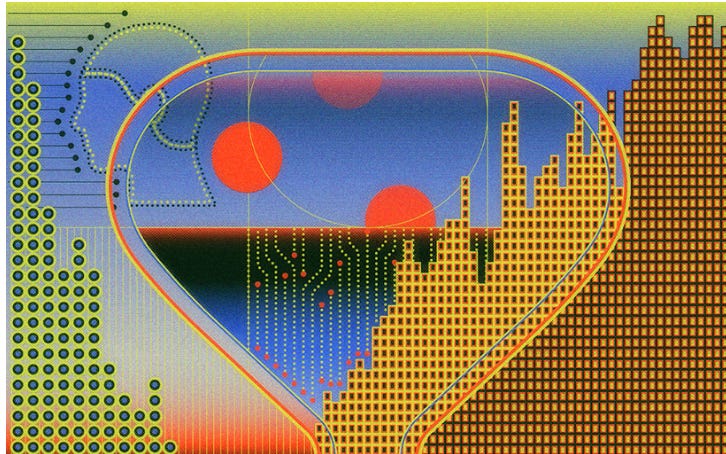
“People will always need to trust the human behind any decision-making”
When your manager is paying more attention to AI than your creative role, what can you do? Kat Wong, founder of career change platform Oh Yeah, has her say.
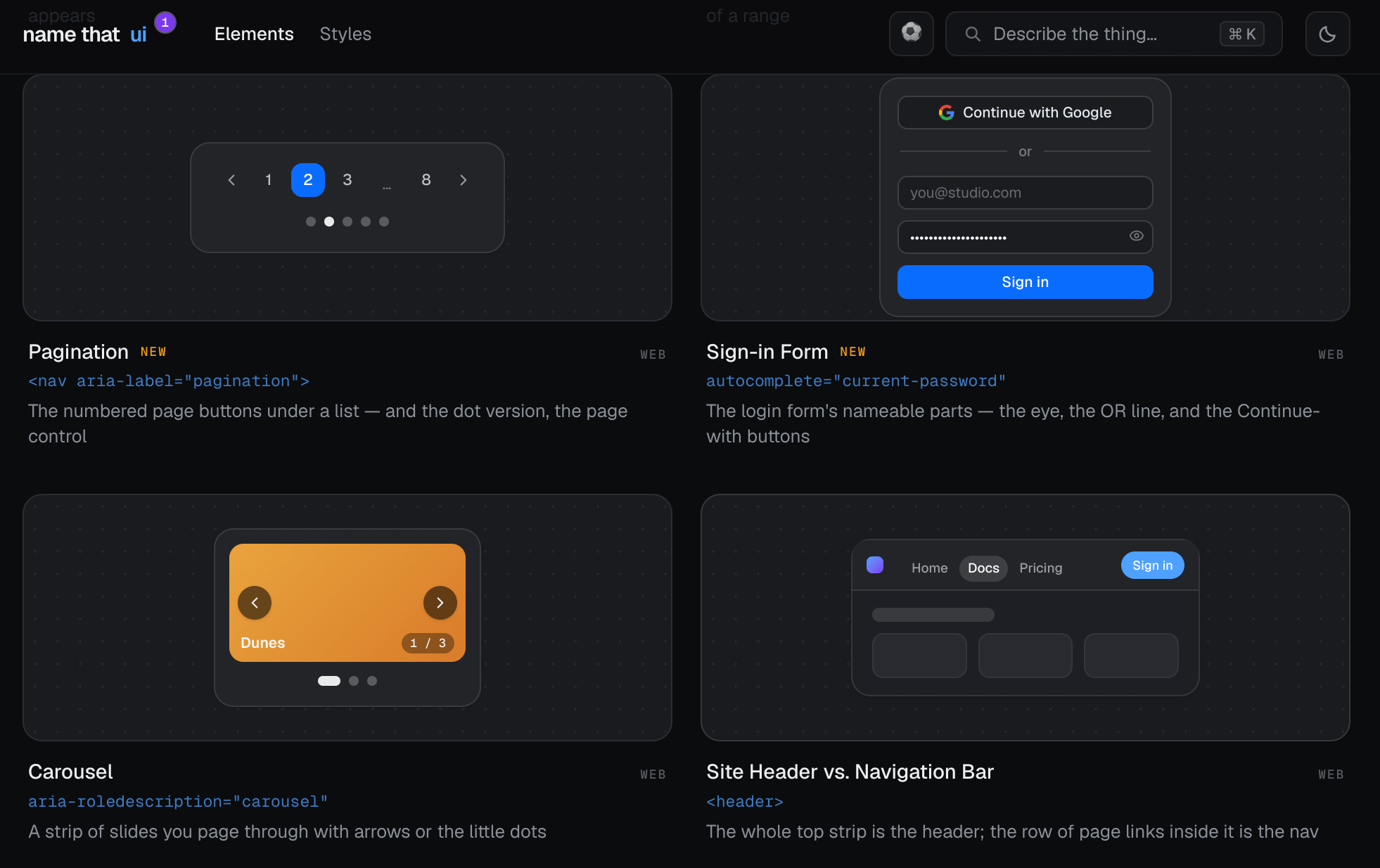
What’s this UI element called?
The visual dictionary of UI. Describe the thing in your own sloppy words; you get the real name, the API symbol, and a paste-ready prompt for your coding agent.
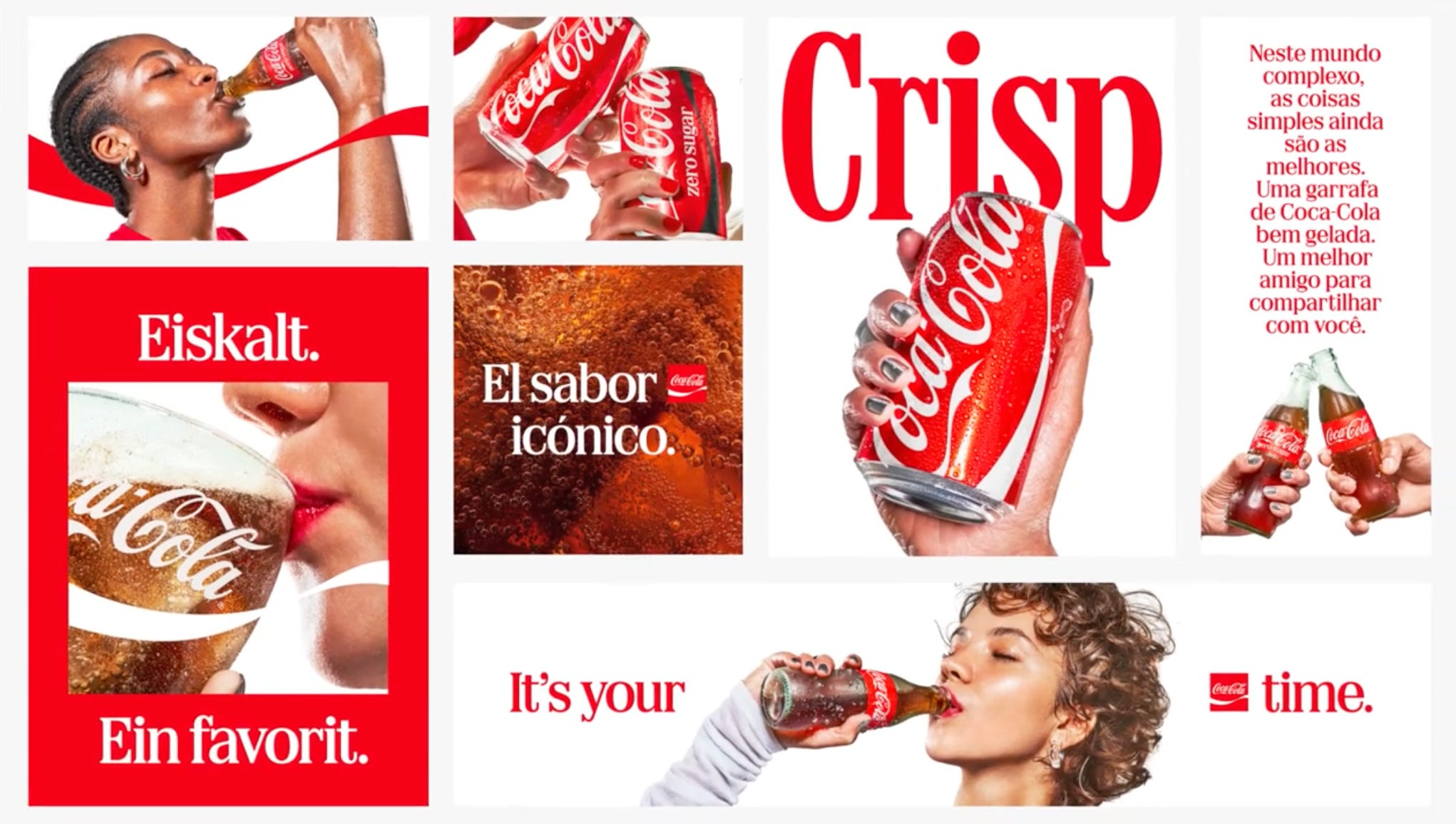
Coca-Cola Unveils a New Global Brand Identity led by JKR
Moving in a more retro aesthetic…with shades of Marlboro cigarettes.
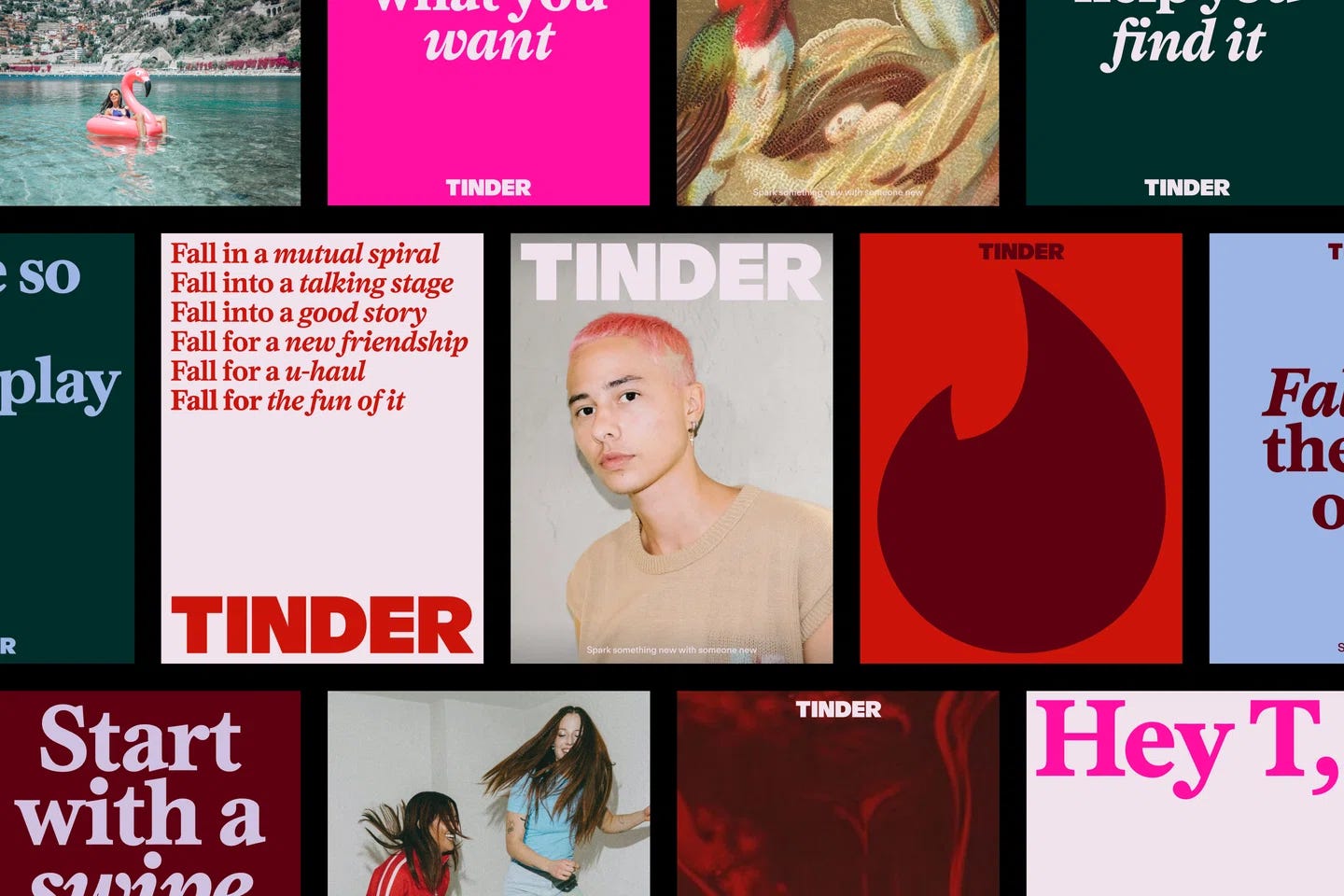
Tinder’s first rebrand in nearly a decade channels the voice of a dating columnist [via itsnicethat]
“I couldn’t help but wonder… can a dating app have a point of view?” Elizabeth Goodspeed speaks with the Porto Rocha team behind Tinder’s rebrand about designing for contradiction and giving an app a voice.
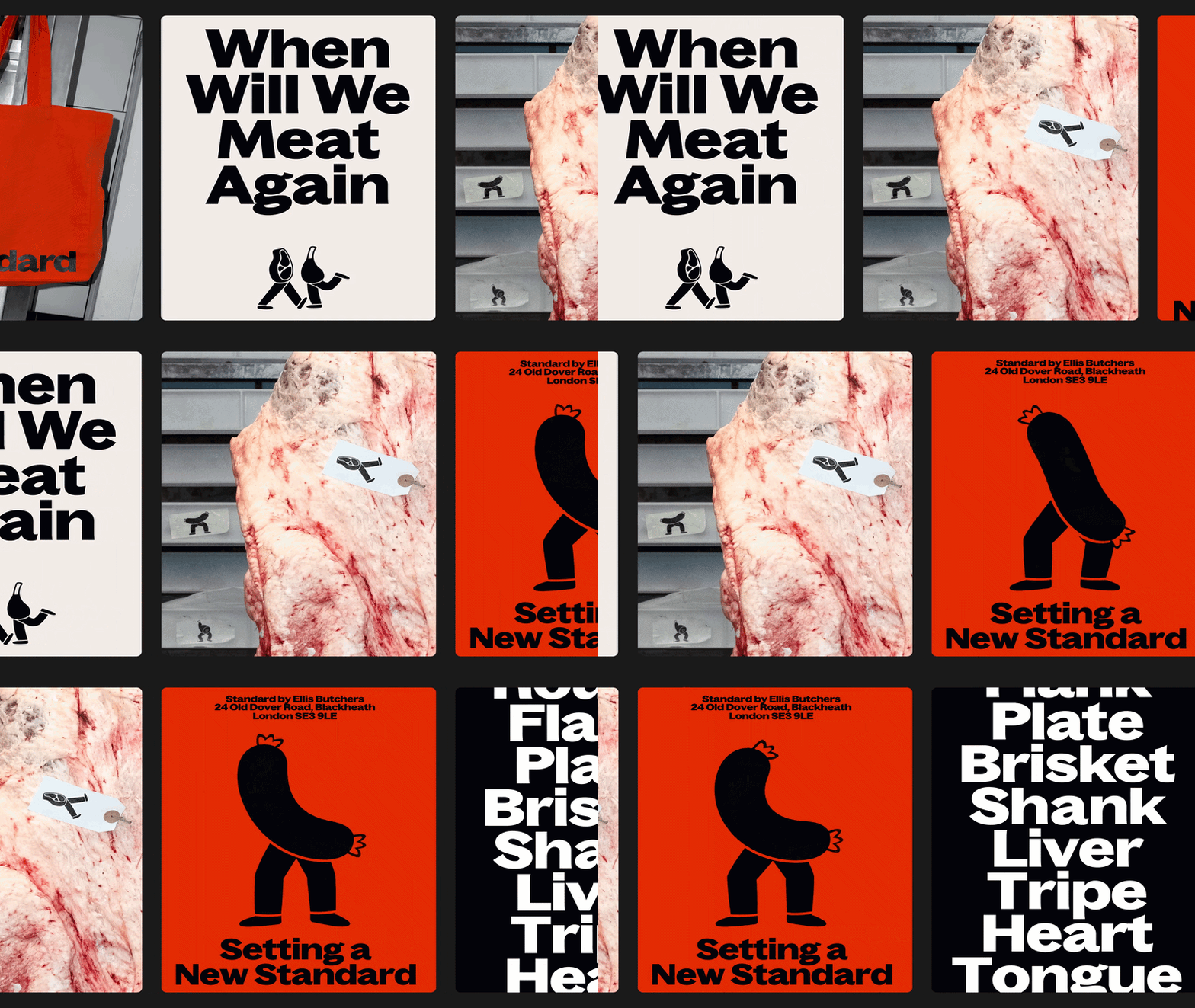
How Kiln used procedural physics to unify the BAFTA identity

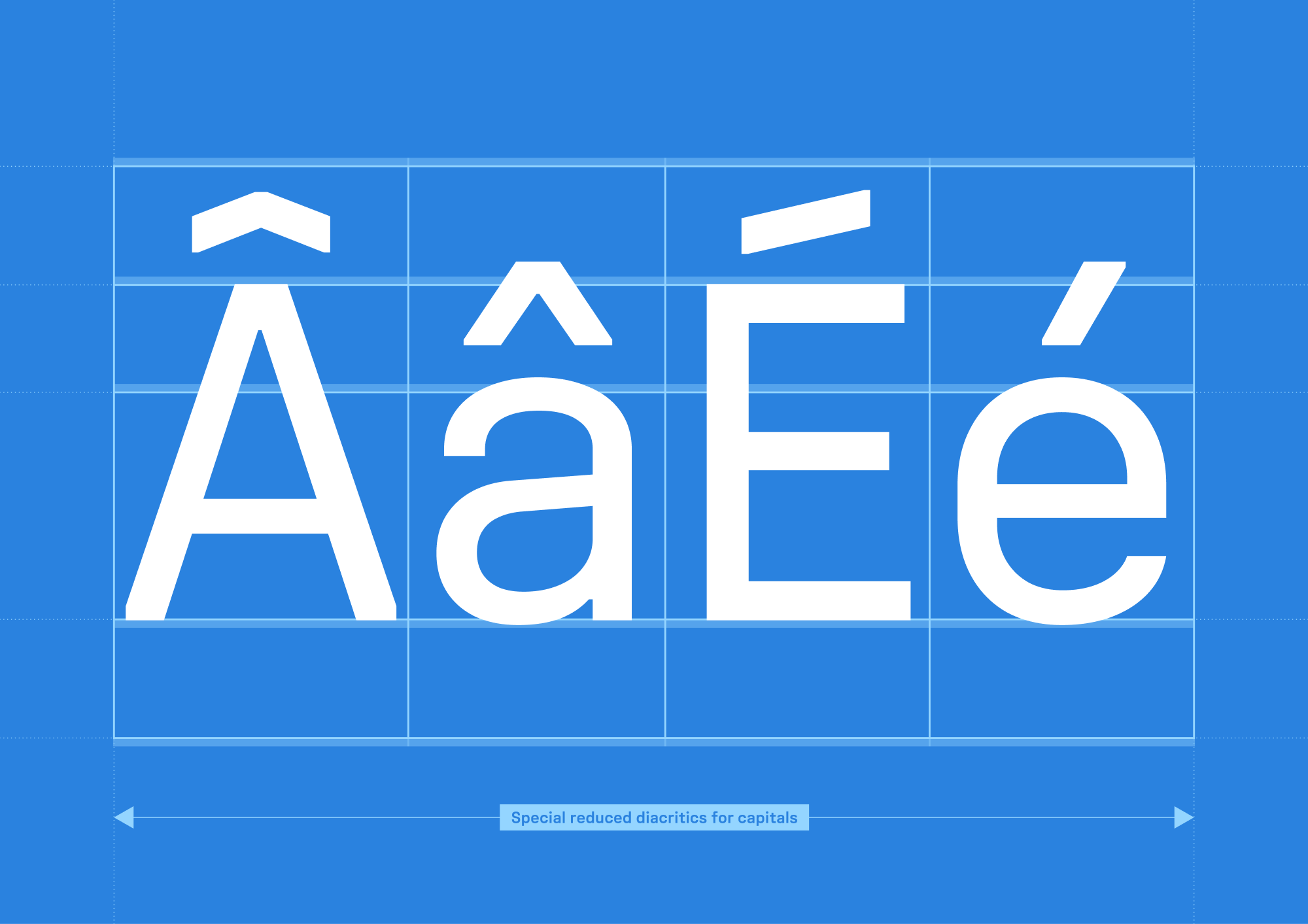
Unifora by Yep! Type Foundry
Unifora, the second release from Yep! Type Foundry is a 135-style sans-serif family built on uniwidth design, with an extended slant axis (italics and retalics, 36° total), 3 stylistic sets (including a high-legibility set), and 11 character variants. Calibrated vertical metrics, pixel-grid alignment, and punctuation that centers itself optically against figures.
No posts
Comments
Nothing yet. Say the first thing.
Sign in to join the conversation.