
What is product craft in the age of AI and design systems? by Ben Callahan
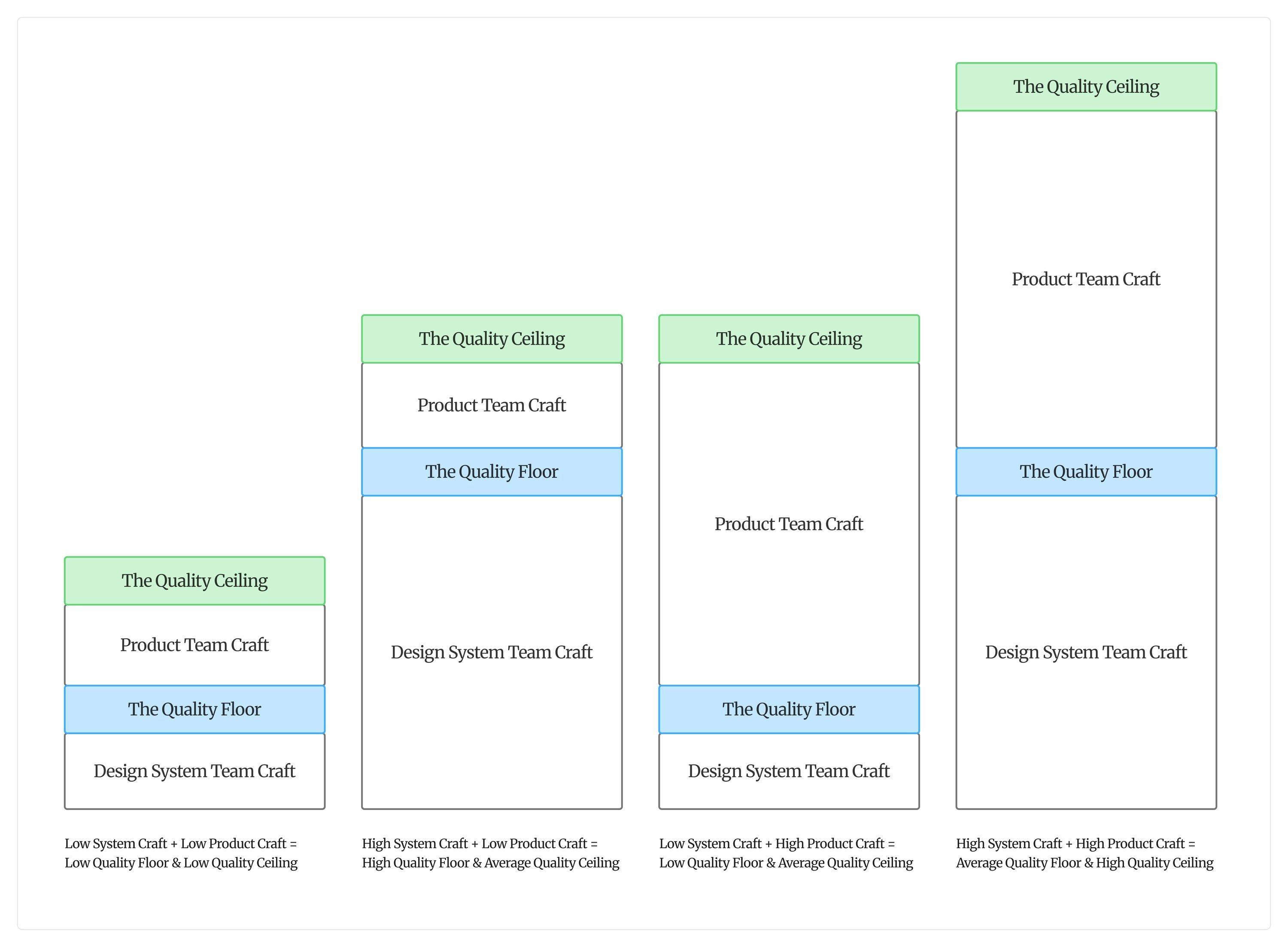
By co-defining what quality is for our context, both system and product teams can shape their work to hit that target. This gives us the most likelihood of identifying things to bake back into the system, raising the quality floor, which allows product teams to raise the quality ceiling. Repeat. (I told you it was beautiful!)
And, of course, this loop just continues to run. Over time, the quality floor and the quality ceiling are raised.
The most important step here isn’t the shipping of a new component. It’s the time in conversation that results in alignment on a definition of quality.
Your system sets the floor. The way your system is used sets the ceiling. If you’ve poured everything into the first and bowed out of the second, it’s time to step back into ring.
My article from last December ‘The algorithmic atelier – Generative AI and the long history of artistic automation’ has been republished by DOC
Take a read if you didn’t catch it here the first time around
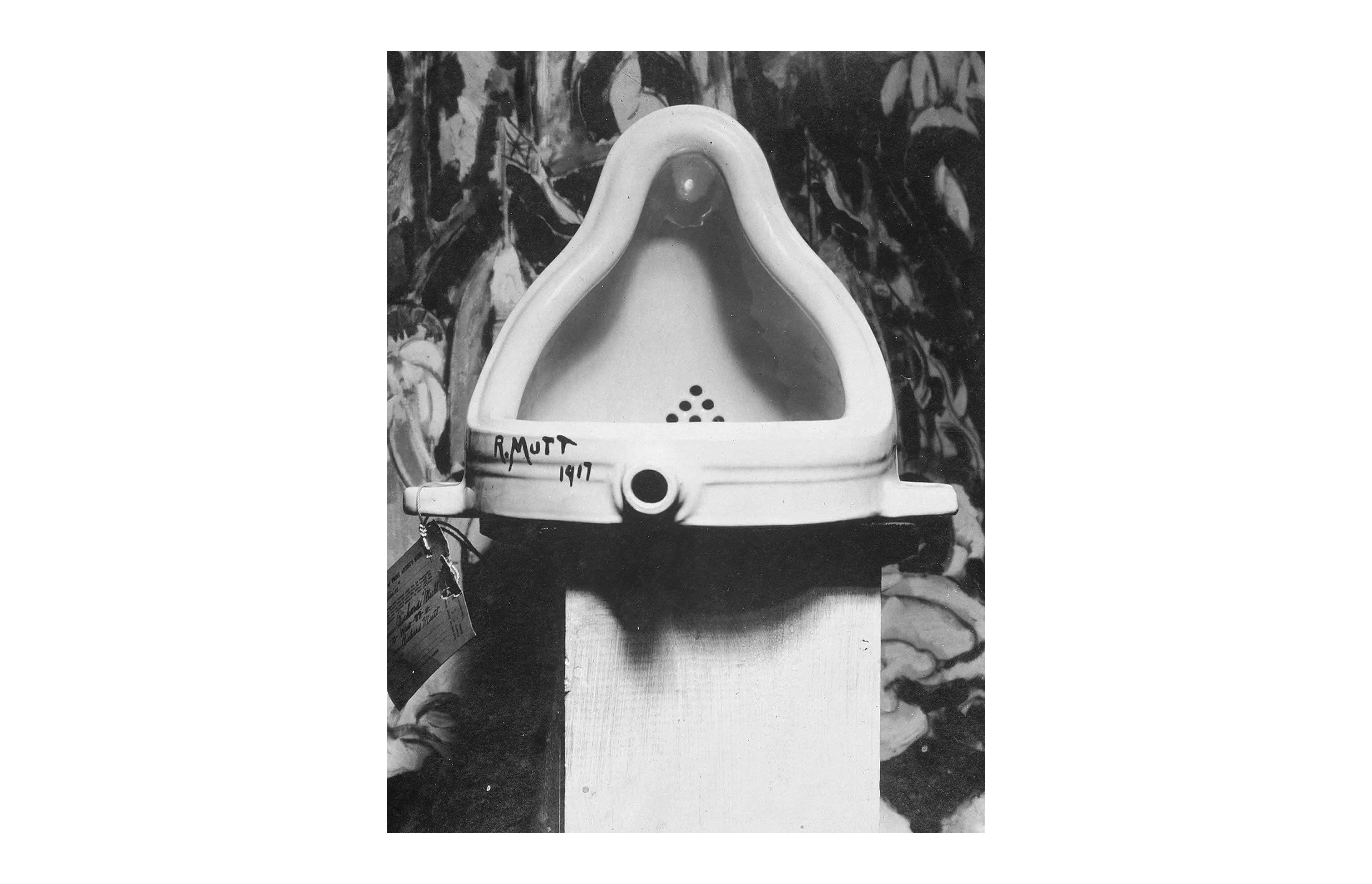
The systematically refutable arguments against generative AI in the arts are almost entirely rooted in a misunderstanding of both art history and cognitive bias. When we peel back the layers of Romantic mythology, we find that the history of art is a history of technological integration. Perhaps Vermeer’s genius was his mastery of the camera obscura; Raphael’s genius: his management of a human algorithm; Duchamp’s genius: the conceptual choice that liberated art from the hand.
Generative AI does not represent a break from this tradition, but its most democratic evolution. By acting as a digital atelier, a conceptual machine, and an intertextual loom, AI allows for an ‘operational elevation’ where humans can focus more on the ‘what’ and the ‘why’ of creation, rather than the ‘how’. Physical craft will not disappear, it may even be elevated in value within this new creative context.
The Rise of the “As Seen on TikTok” Sticker [via The New Yorker]
A promotional sticker used to mean that a book had been discovered. Now it means that a book was designed to be.

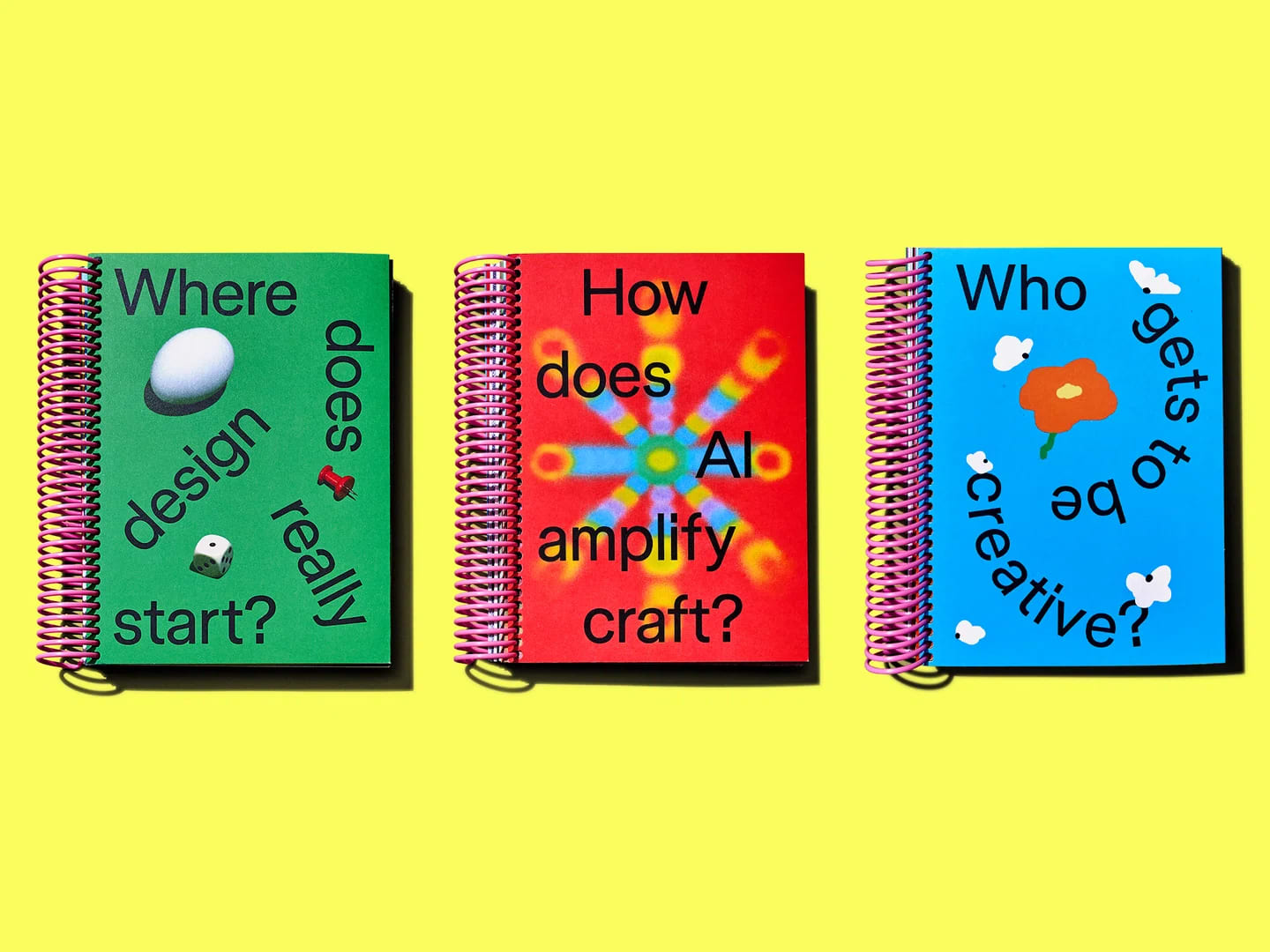
Figma’s Loredana Crisan talks taste, last-minute decisions and the art of prioritisation (via itsnicethat)
“Here is a new craft developing around these non-deterministic systems that I truly want to invite designers into, because this is what will create the experiences of the future.”
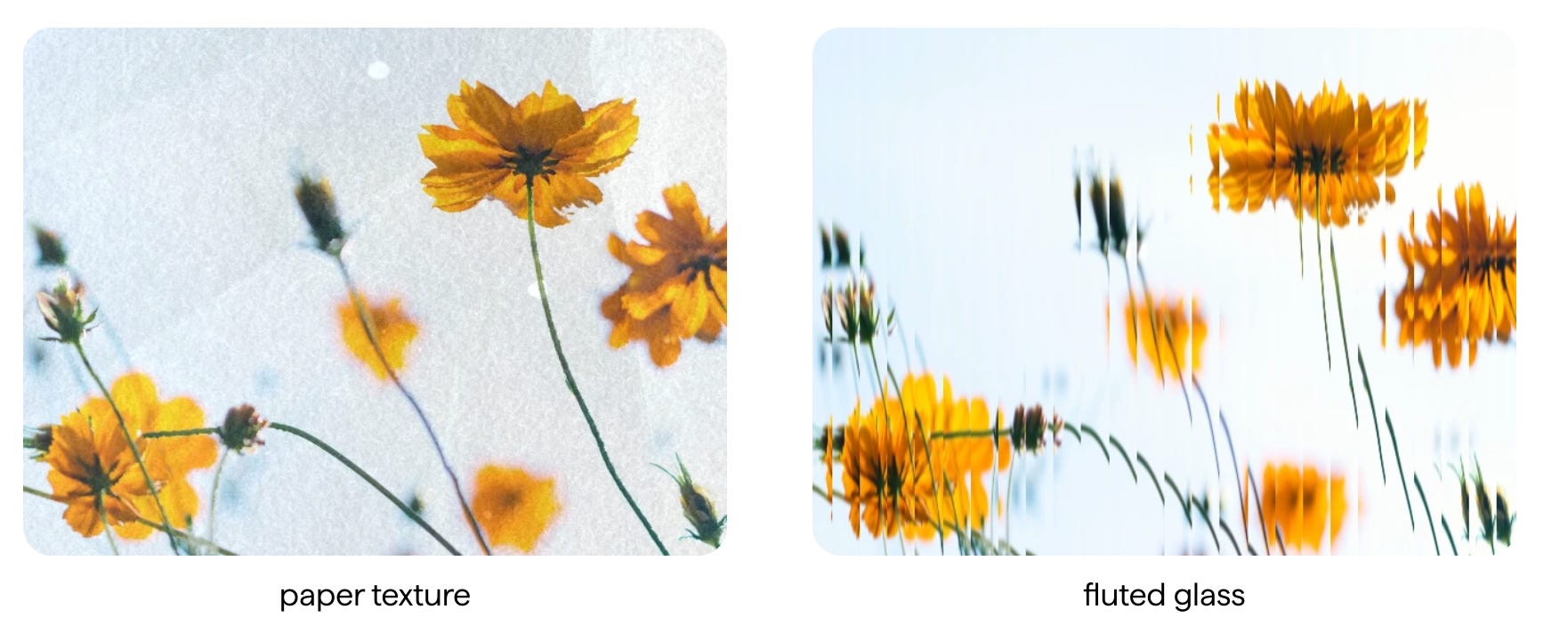
Paper shaders
Some lovely, ultra fast zero-dependency shaders for your designs
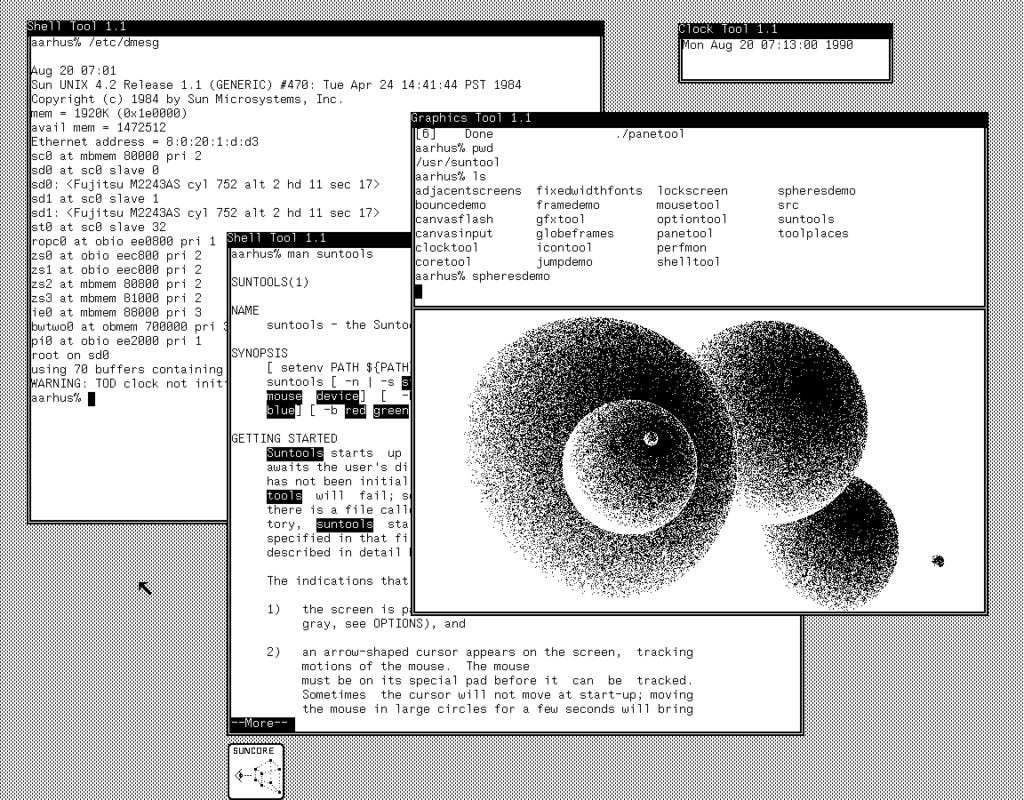
A collection of vintage user interfaces [via Typewritten.org]
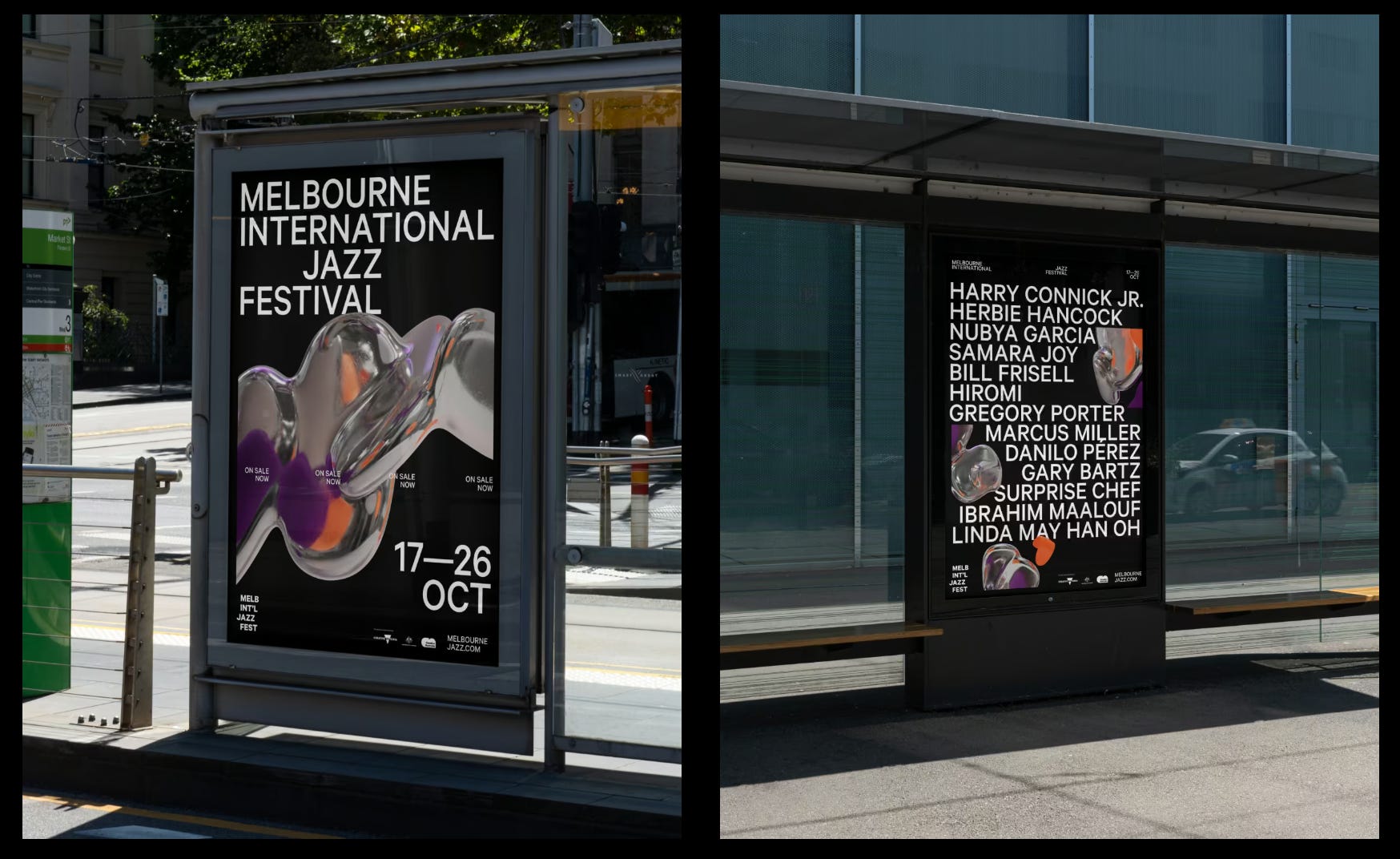
Melbourne International Jazz Festival by Motherbird
Australia’s largest festival of its kind, the Melbourne International Jazz Festival brings 10 days of world-class performances to the city each year, 130+ shows, 550 artists, and 60,000 people filling concert halls and spilling into the streets.
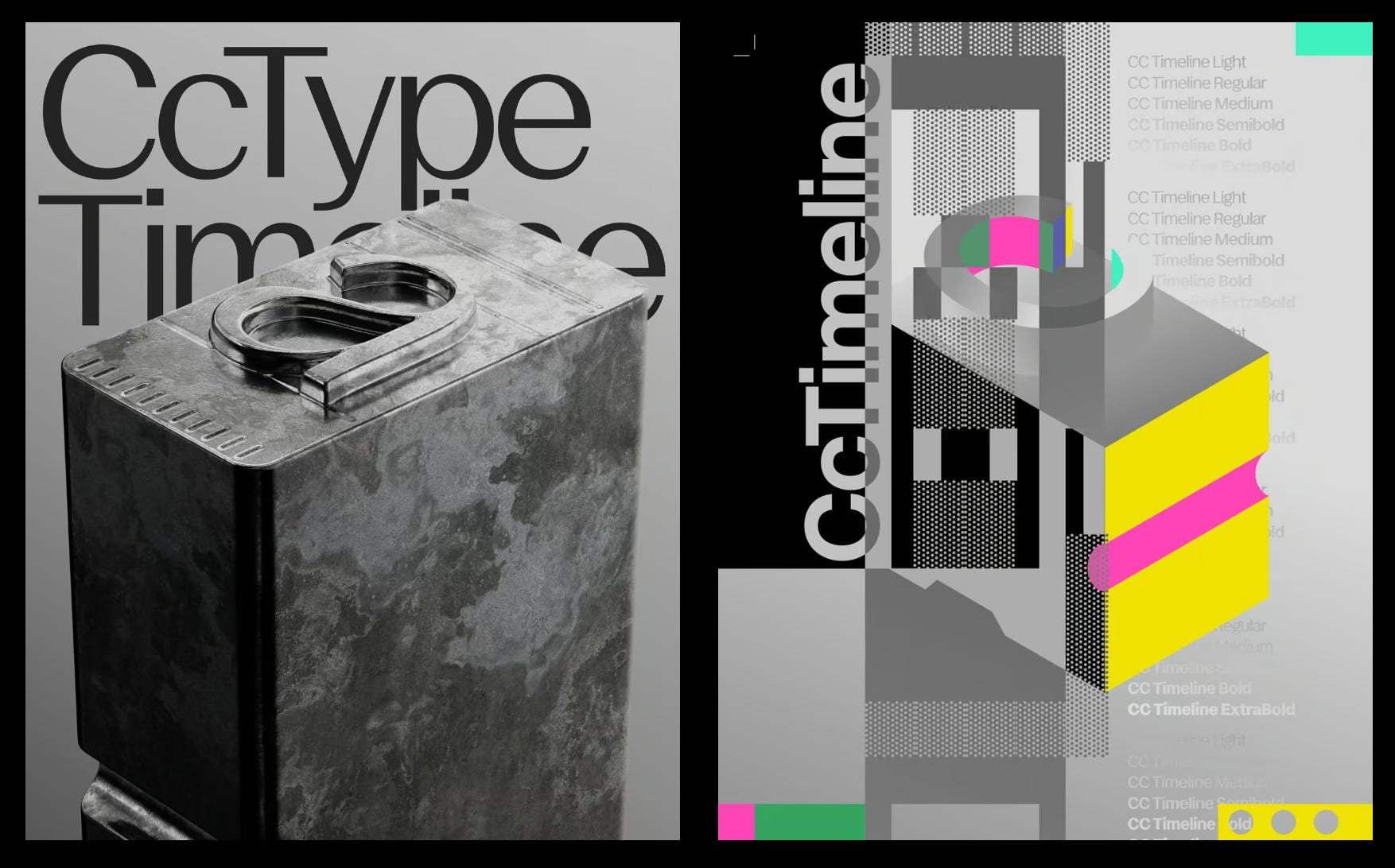
CcTimeline by Koto
Koto has launched CCType, a new type foundry born from years of creating bespoke type systems for some of the world’s most ambitious brands. Developed to meet the demands of modern branding, CCType focuses on typefaces that perform consistently across brand identities, digital products and broadcast environments.
No posts
Comments
Nothing yet. Say the first thing.
Sign in to join the conversation.