
What Humanity Needs To Flourish In The Next Decade [via Noema]
We are headed toward a world of productivity without prosperity, execution without verification and capacity without constraint. But this outcome is not inevitable.
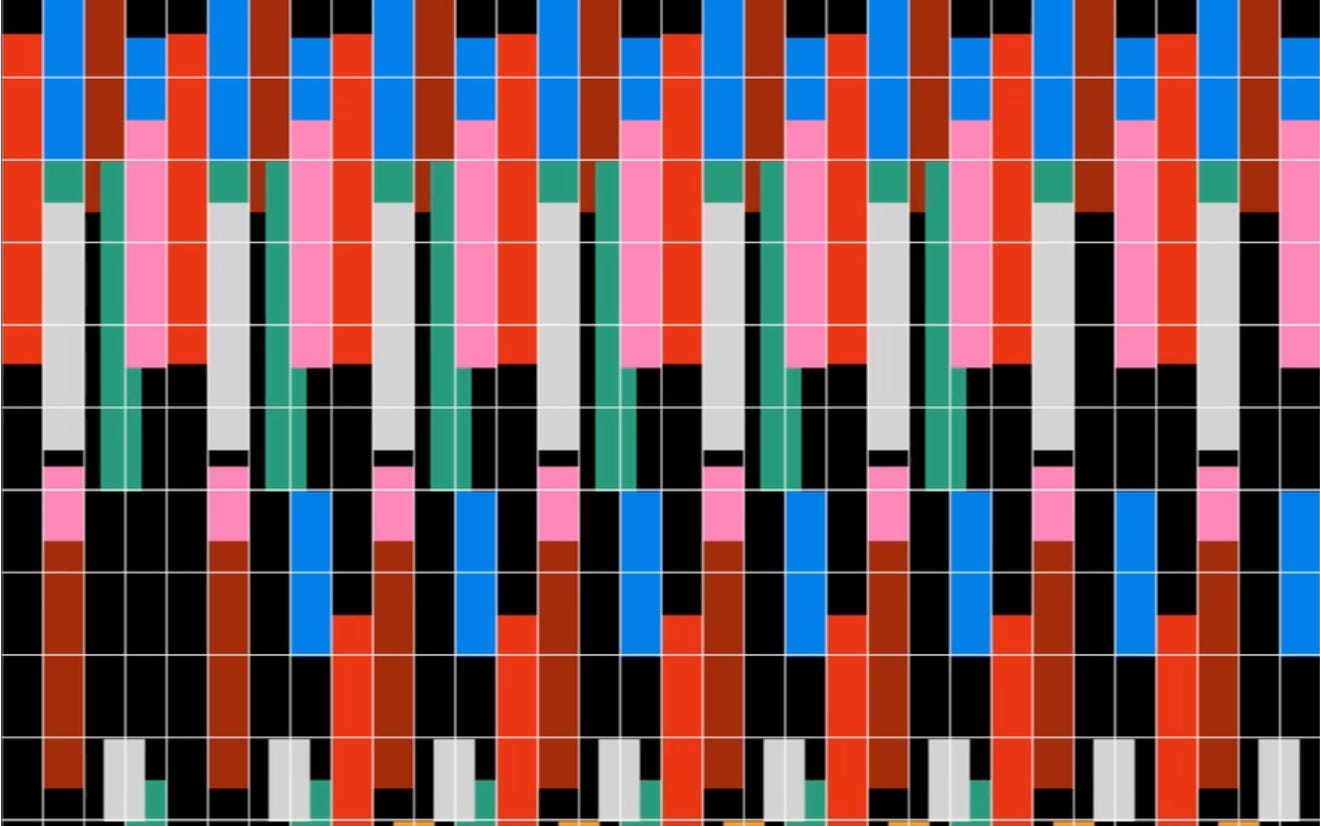
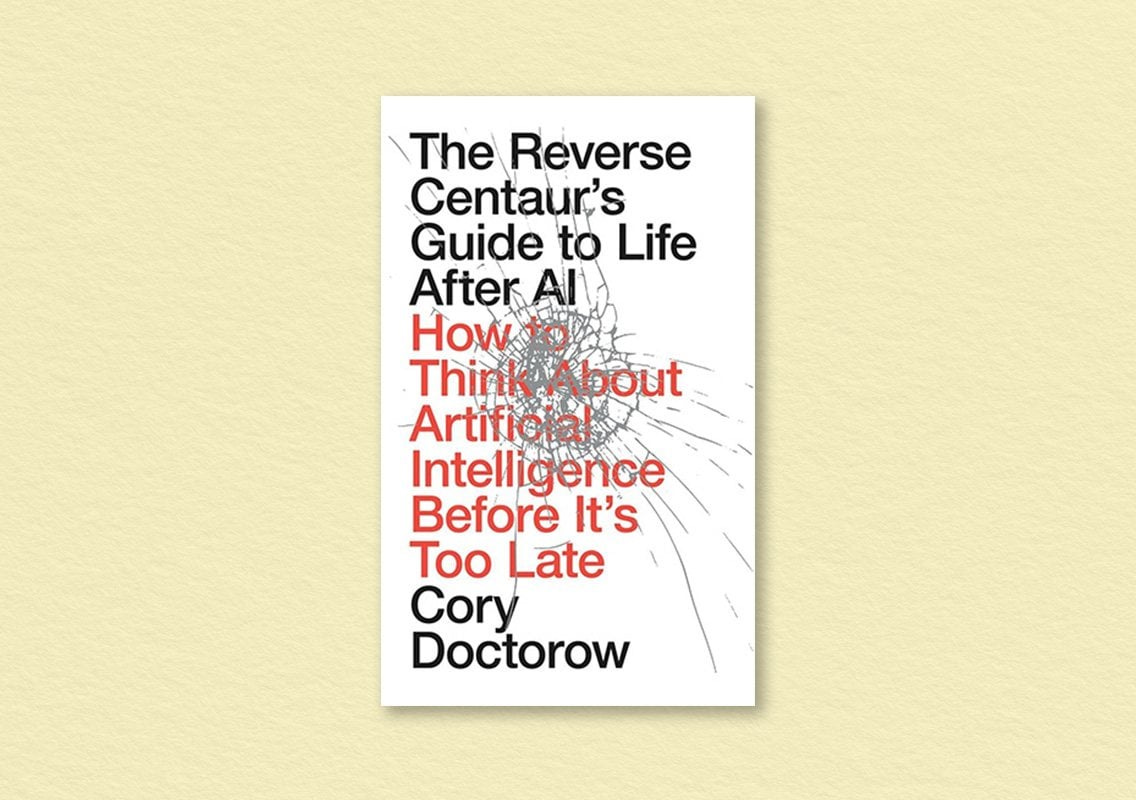
The Reverse Centaur’s Guide to Life After AI by Cory Doctorow
This week I read Cory Doctorow’s new book (he coined the phrase ‘Enshittification’). It’s a quick read and it plainly discussing the coming divide between tools that augment humans, and those that diminish our agency. Its main thesis is the need for us to gain a better understanding of who AI is it’s doing it for and who it’s doing it to.
AI Mania Is Eviscerating Global Decision-Making
“The reality is thus: the people in charge either have no plan, or see no path forwards other than keeping their heads down. Not at banks, not at hospitals, not in our government institutions. The world’s organisations have been captured by people in the throes of frothing excitement, and saner people who now live in a state of constant commingled fear and frustration.”
See also: Against bigness by Vaughan Tan
Organisations say they want innovation but keep killing it. The problem is that the organisational decision-making machinery assumes you already know enough to justify a big bet, and genuinely new things never cross that bar. Big visible bets also trigger a predictable organisational immune response that neutralises, ejects, or quarantines anything new and unfamiliar. The way through is to make new things small, boring, and apparently routine, so they don’t set off the immune system in the first place.
Earning taste and judgment by Addy Osmani
Capital is abundant. Time is abundant. Real relationships, and especially a track record of doing good work, are still scarce: I can raise money in a couple of weeks, but I can’t raise a reputation. When vibe-coding makes earning a quick buck trivial, that quick buck is worth very little; the scarce move is choosing something worth shipping. With that lens, four principles.
Finish the last mile. Automation covers the easy 80-90% of software engineering. The last mile - edge cases, architecture, taste - is the whole game. As first drafts become free, the finish is the product, and it’s where people distinguish themselves.
Solve the hard version. Richard Sutton’s famed bitter lesson of the last three decades is not just career advice: The easy version is already solved; durable value comes from solving the hard one.
Build in public near hard problems. The same constraint that drove junior developers to abandon open source - a well-conceived project takes one person a year, easy to space-out or clone in bits - is less important than the scarcity of an open-source track record of really good work. Think of it like expected goals in soccer: your reputation and public work decide how many chances you get in front of goal, and judgment is whether you convert them. You can’t script which chances arrive, only whether you’re standing where they land; almost every real opportunity I’ve had came from work I did in public, never from a job I applied for. So get a foot in the door wherever there is a hard problem you want to solve. That means taking an internship at a small or midsize company, getting on a software engineering track somewhere, or building side projects that matter with production code. Those who try to cut corners will find that it’s really hard.
Be a T-shaped generalist. Developers with the deepest knowledge in one or two areas while maintaining broad literacy tend to deliver the best results. A good dose of AI assistance means developers will be able to accomplish more as single contributors working on fewer different areas than they could before. Teams that lean into small cross-functional teams and end-to-end engineers will thrive.
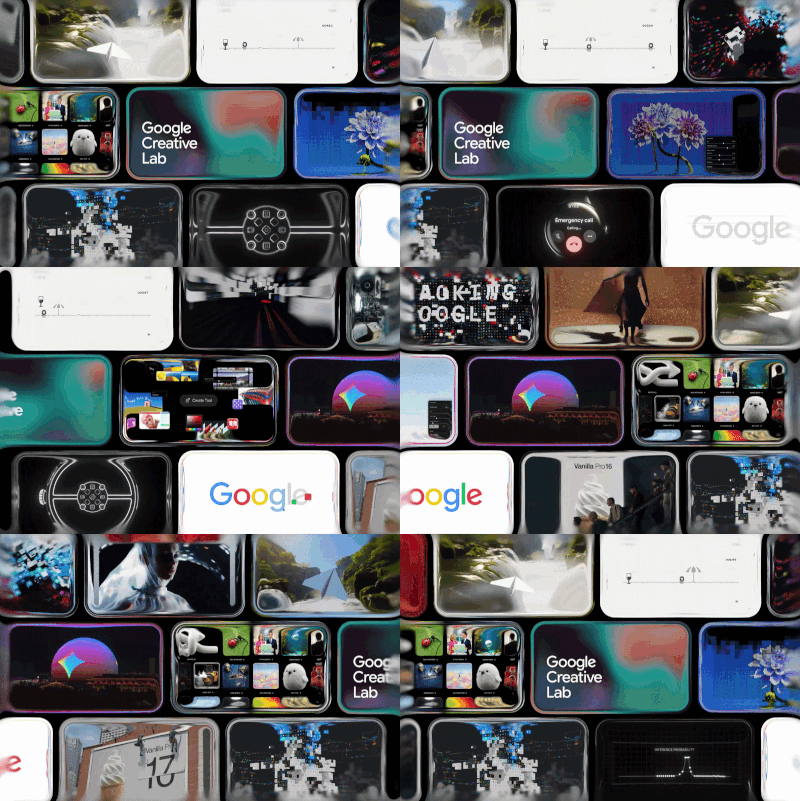
Inside Google Creative Lab: how a small team helps to invent the future
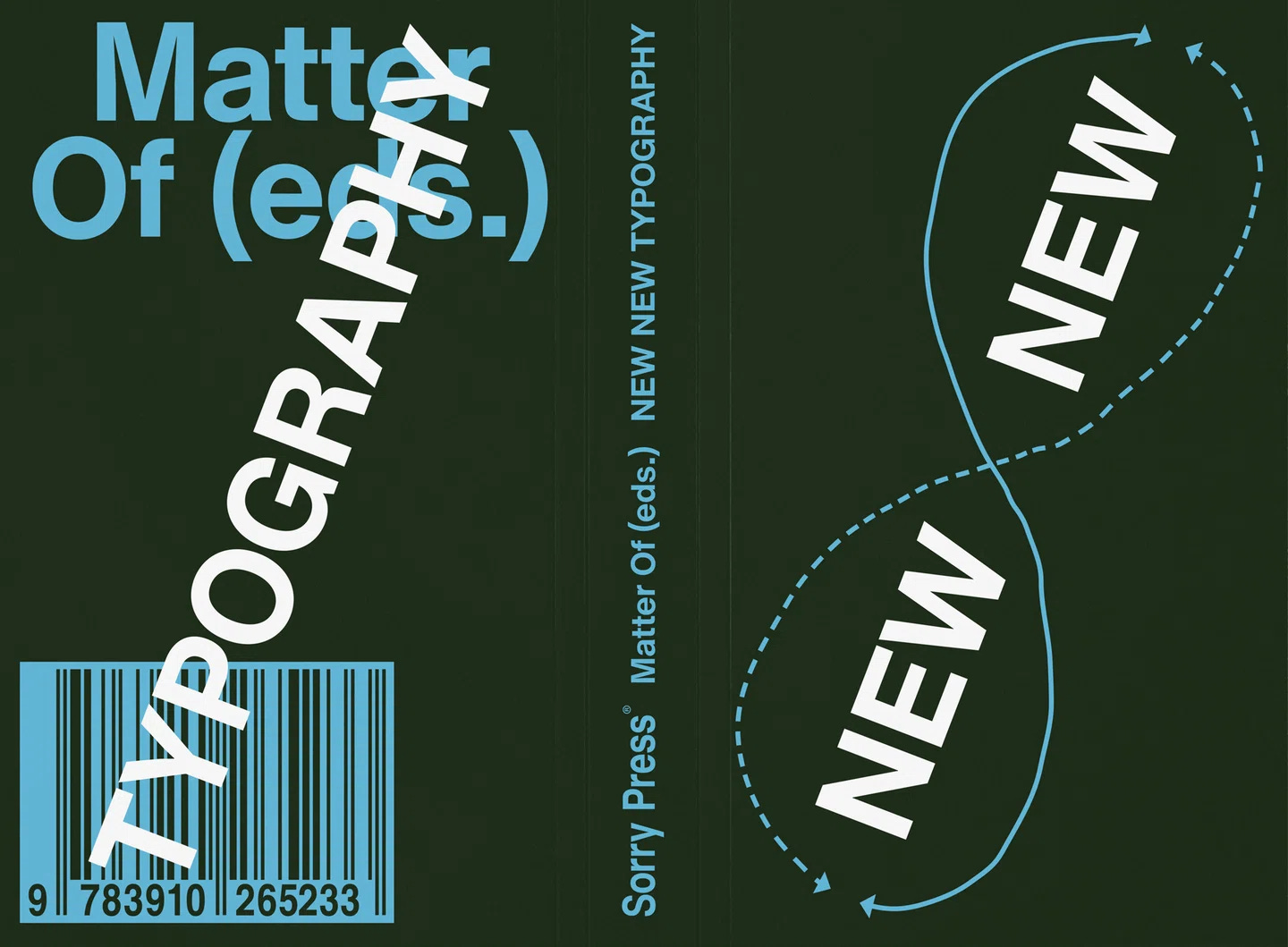
Are we stuck in the typographic principles of the 20th century? Matter Of’s new anti-design manual investigates
With essays, images and typography from a giant pool of collaborators, Matter Of’s book New New Typography is a cornucopia of ideas. It’s also a manual for the most unstable art: type design.
Setting type like a printed page
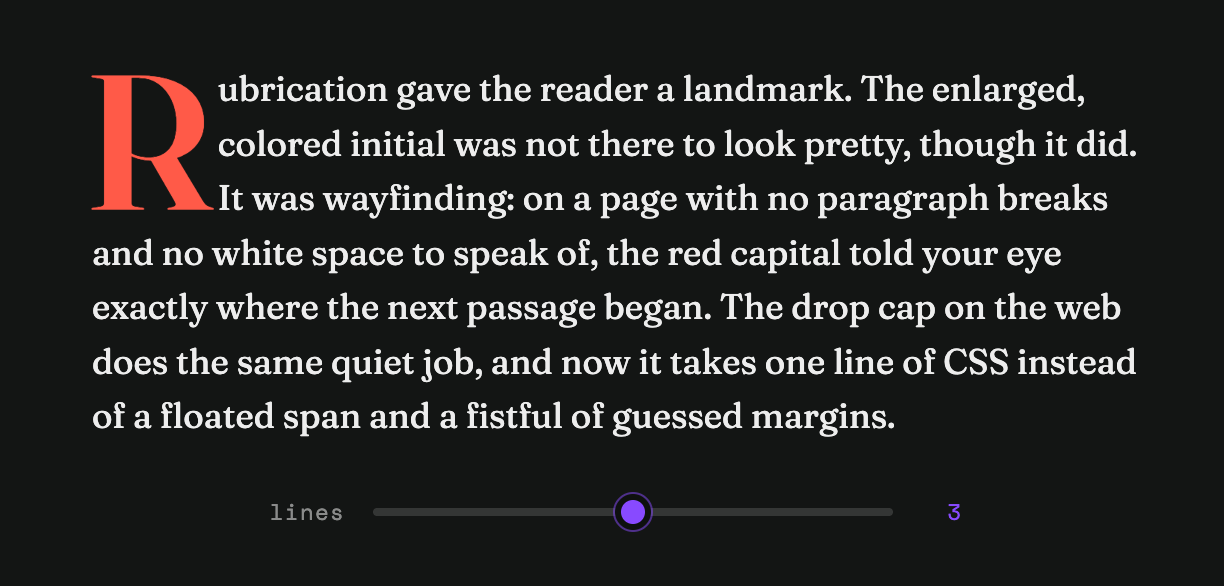
Fluid scales, balanced headings, drop caps, optical sizing, hanging punctuation. The browser now ships most of a typesetter’s toolkit in pure CSS, switched off by default until you ask for it.
No posts
Comments
Nothing yet. Say the first thing.
Sign in to join the conversation.