
The A.I.-Design Aesthetic That’s Taking Over the Internet [via The New Yorker]
How Anthropic’s new tool, Claude Design, is creating overnight web-design clichés.
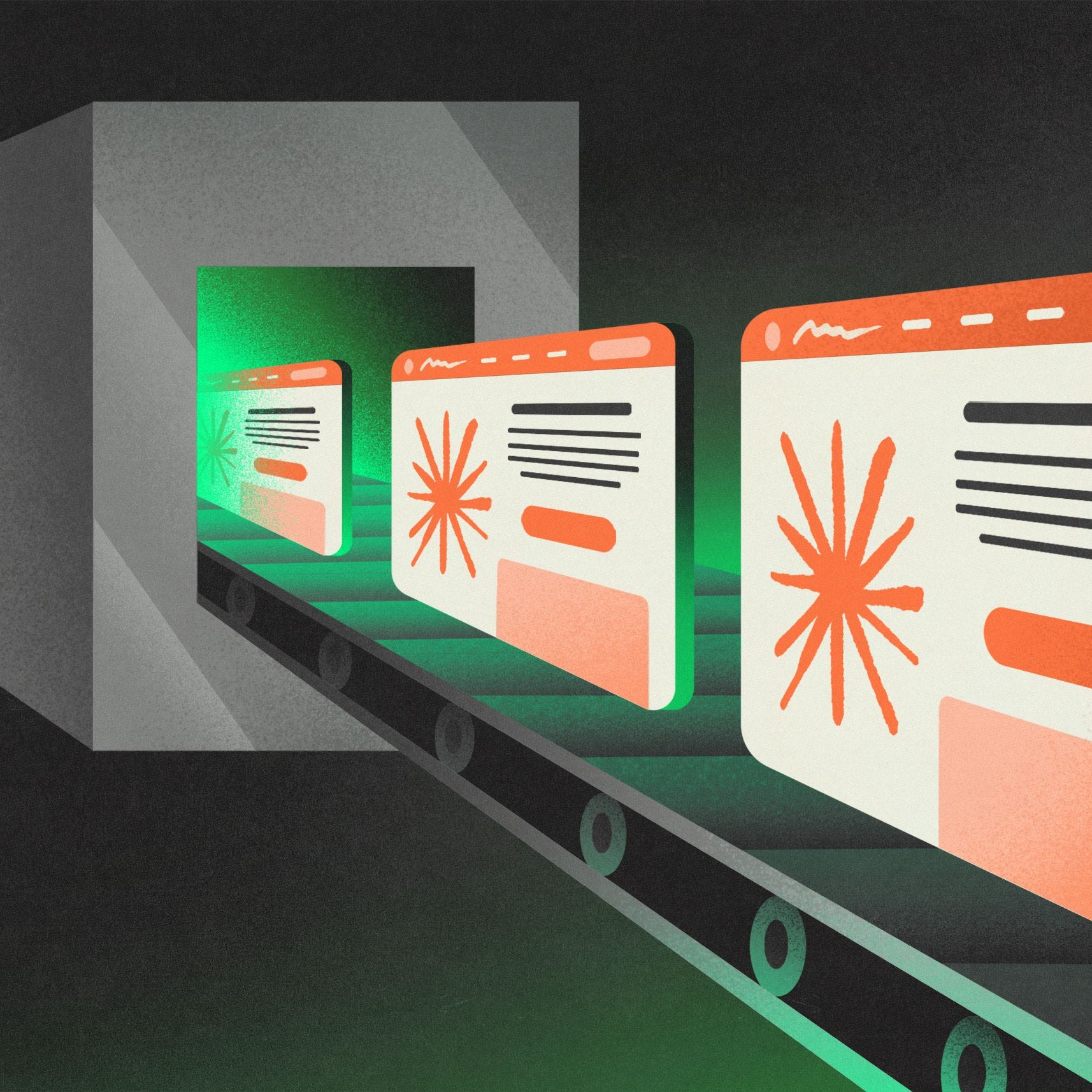
Matt Ström-Awn, an independent designer, works mostly with startups in their early stages. Recently, two different clients proudly showed him sales decks that they had produced to court customers. Both decks had a bright-colored first slide with a mission statement, written in three declarative bullet points. Both had second slides featuring four rectangles laying out “the playing field”—the market in which the startup was operating—and both had third slides with a centered line of text reading “our move” and describing the startup’s disruptive tactic. “They actually look like they were generated by the same company,” Ström-Awn told me. “The logo is different, but the design is the same.” The decks looked the same because both were made using Claude Design, an A.I. tool that Anthropic launched in April. The new technology, Ström-Awn said, “defaults to the same aesthetic for every single person that’s using it.”
How AI Will Change Us [via Noema]
When the most patient, well-read, emotionally responsive conversationalist in the world is always available, what will we still need from one another?
If AI can instantly produce a life plan whenever I feel lost, a ritual whenever I feel grief and a companion whenever I feel alone, then meaning risks becoming another consumer service. Personalized, adaptive, endlessly available. The product would be seductive because it would meet us exactly where we are. It would know the metaphors that move us, the childhood wounds that still govern us and the fears we disguise as cynicism. It could generate a myth of the self that is more compelling than anything we could write alone. It could tell us that our suffering fits a pattern, our choices form a journey or that our pain is not wasted. In some cases, this will be healing, but in others, constantly giving us what we need without asking us to change will become toxic.
The Layers of AI experience by Emily Campbell
The expectation going forward should not be that every designer works across every layer. Full-stack AI designers need to have a general fluency across all inputs into the experience, so they can influence, mitigate, or receive the impacts that upstream work has on the end experience.
In his 2017 Design in Tech Report, John Maeda caught onto the trend of designers becoming more technical, but at the same time, he captured the value of traditional design. These roles are complementary, not competitive.
Technical designers are more likely to focus on the Model, Harness, and Context levels, and the role is more than just “design engineer”. Other designers may focus further down the stack, as we might see design-specific titles pop up in policy making and emergent research (these roles exist today, under titles like “business designer”, but have not reached critical mass within the industry). And of course, classical design will remain, but its workflows, tools, and outputs will evolve.
AI Economics for dummies [via McSweeney’s]
Hilarious summary of the AI bubble economics at play.
Benjamin owns a farm. He employs 100 workers plowing his fields. His total payroll is $10 million/year. One day, he buys a mule, which provides the worker who uses it with a modest 10 percent productivity gain. Benjamin fires 99 of his workers and purchases 99 mules, expecting a 1,000 percent productivity gain. The driverless mules cause plow damage to his property in excess of $50 million. Benjamin loses another $5 million due to the loss of productivity from his one remaining employee, who no longer guides a plow but instead spends 100 percent of his time shoveling mule shit. Goldman Sachs builds an altar to Benjamin in their lobby and cuts out the heart of a junior analyst on it every Friday. They call it “Blood Sacrifice Friday.” The name isn’t catchy, but the event becomes a management favorite nonetheless.
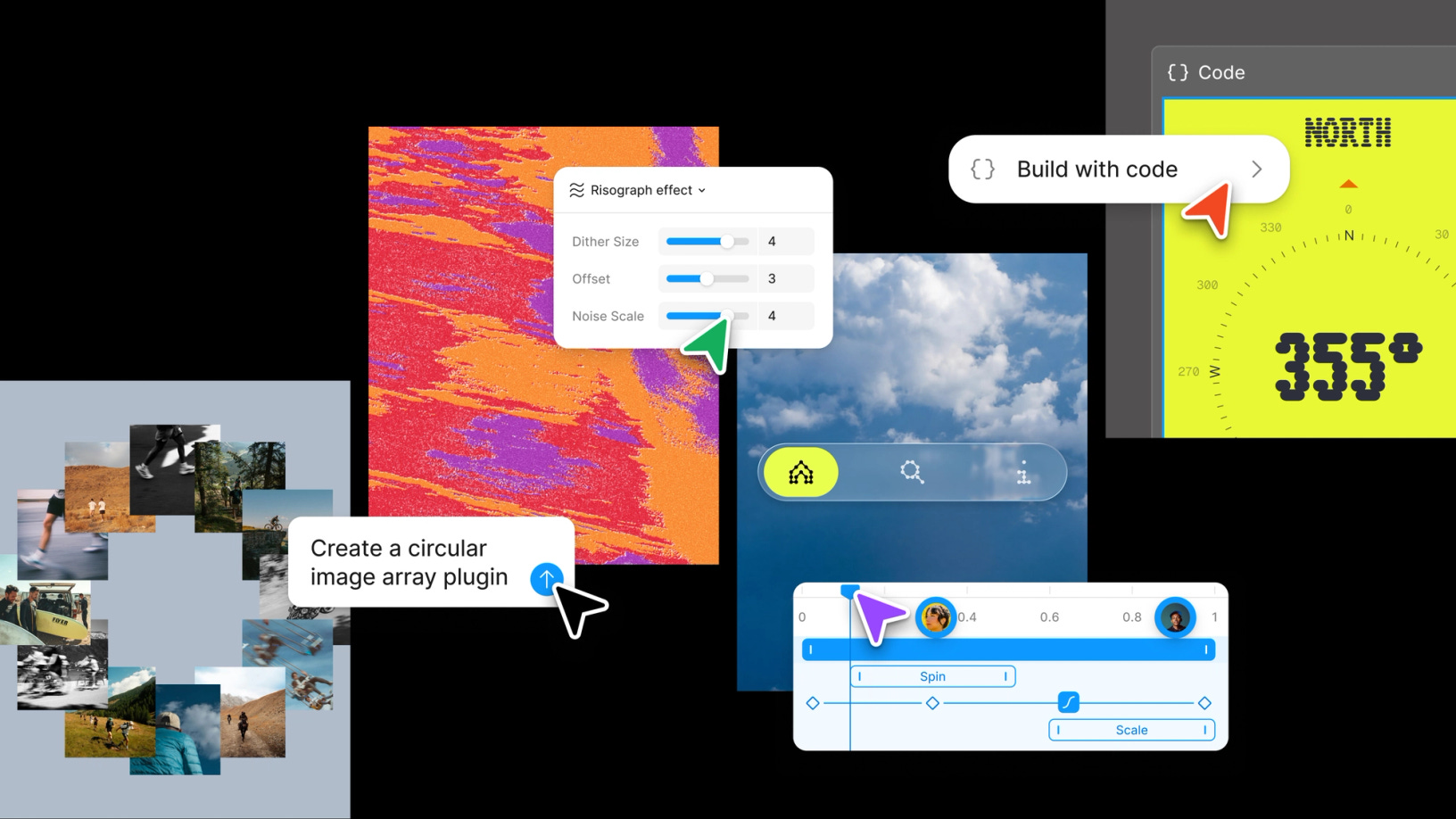
Figma Config 2026: New materials, new tools and a more expressive canvas
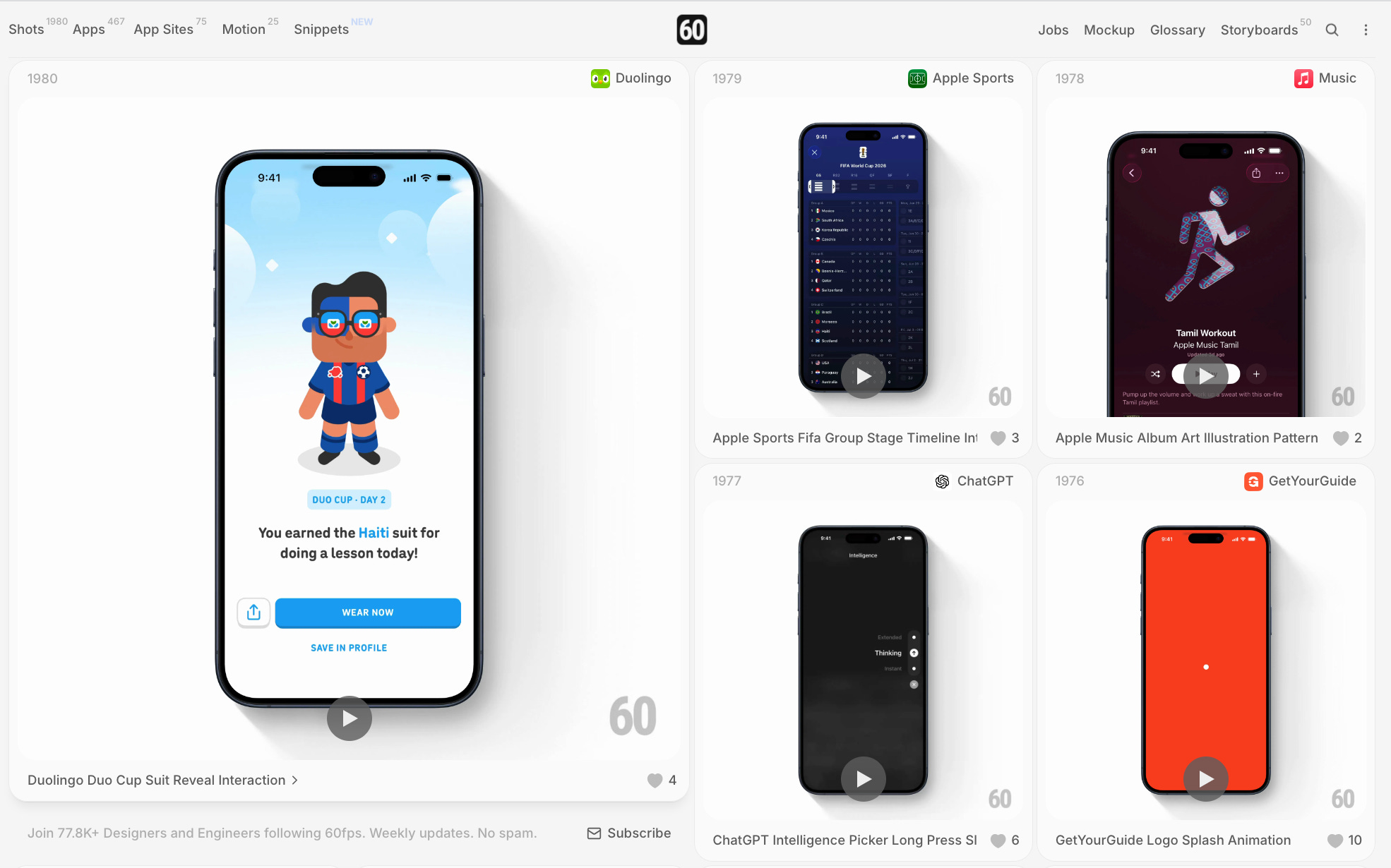
60fps.design
60fps is a curated collection of UI animation design details from the world’s best iOS and web apps, filtered by interaction category and motion pattern.
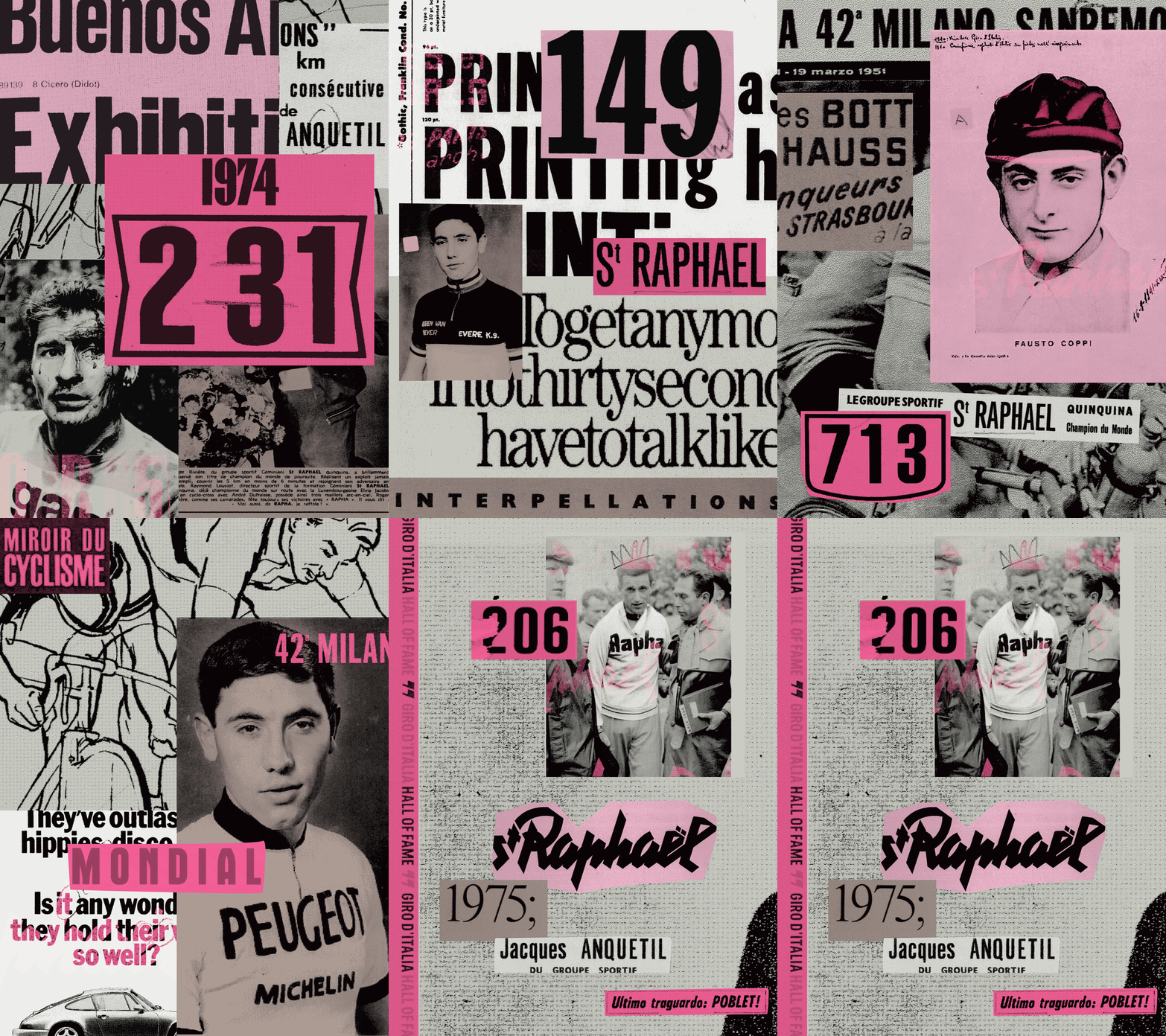
Rapha’s brand identity is rebooted with six bespoke typefaces inspired by vintage cycling ephemera
Built by Six agency and Frost type foundry, the typefaces draw on vintage cycling magazines, race handouts, event graphics, race jerseys and technical manuals dug up from the brands archive.
Unifora Typeface: A Study in Modern Typography Design
Unifora is a superfamily by Yep! Type Foundry that takes DIN’s constructed logic and refines it for modern screen and typography design.
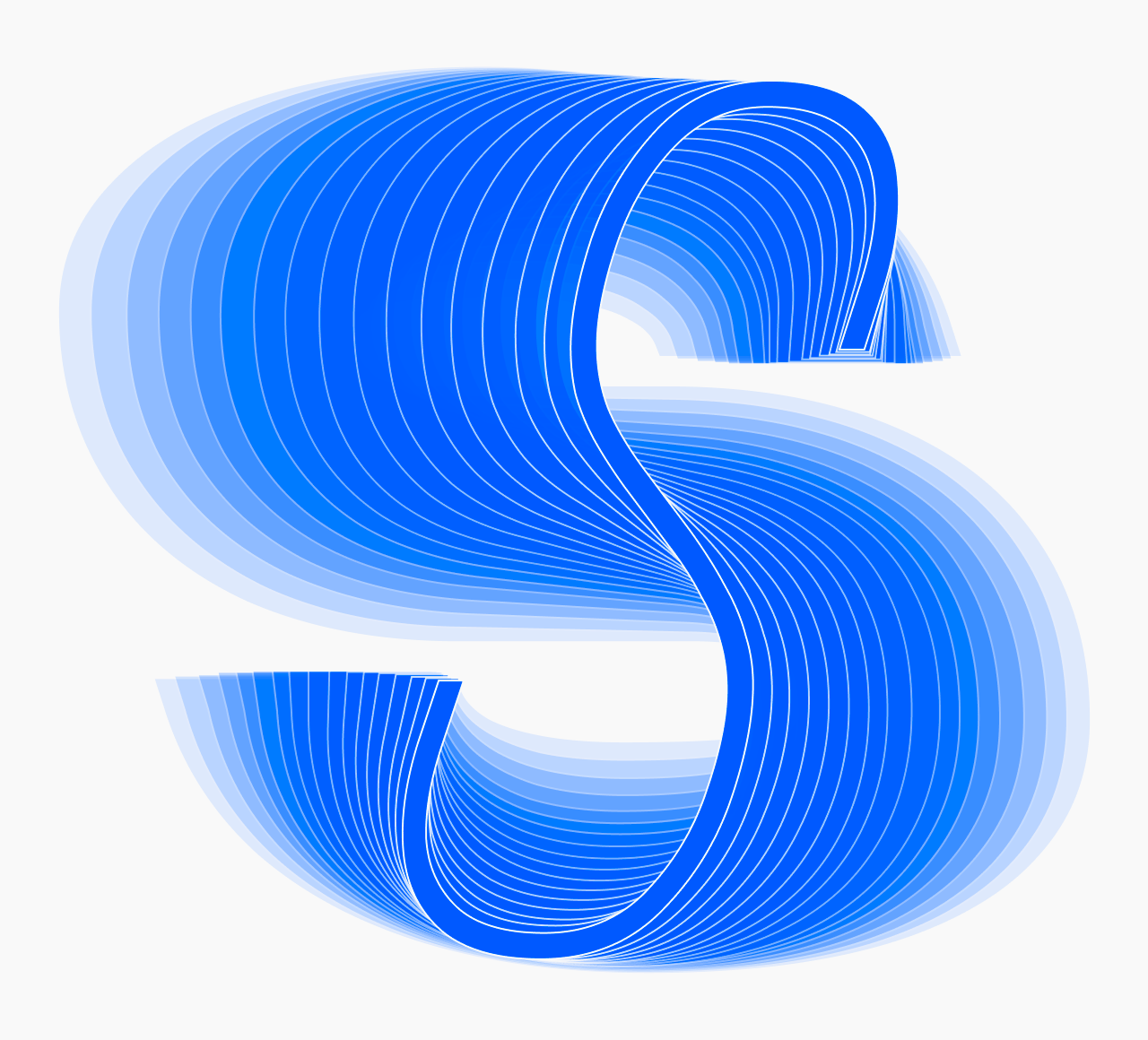
font-variation-settings. Custom slant angles as static fonts can be generated on request.Calenza, a typeface born from Valencian streets
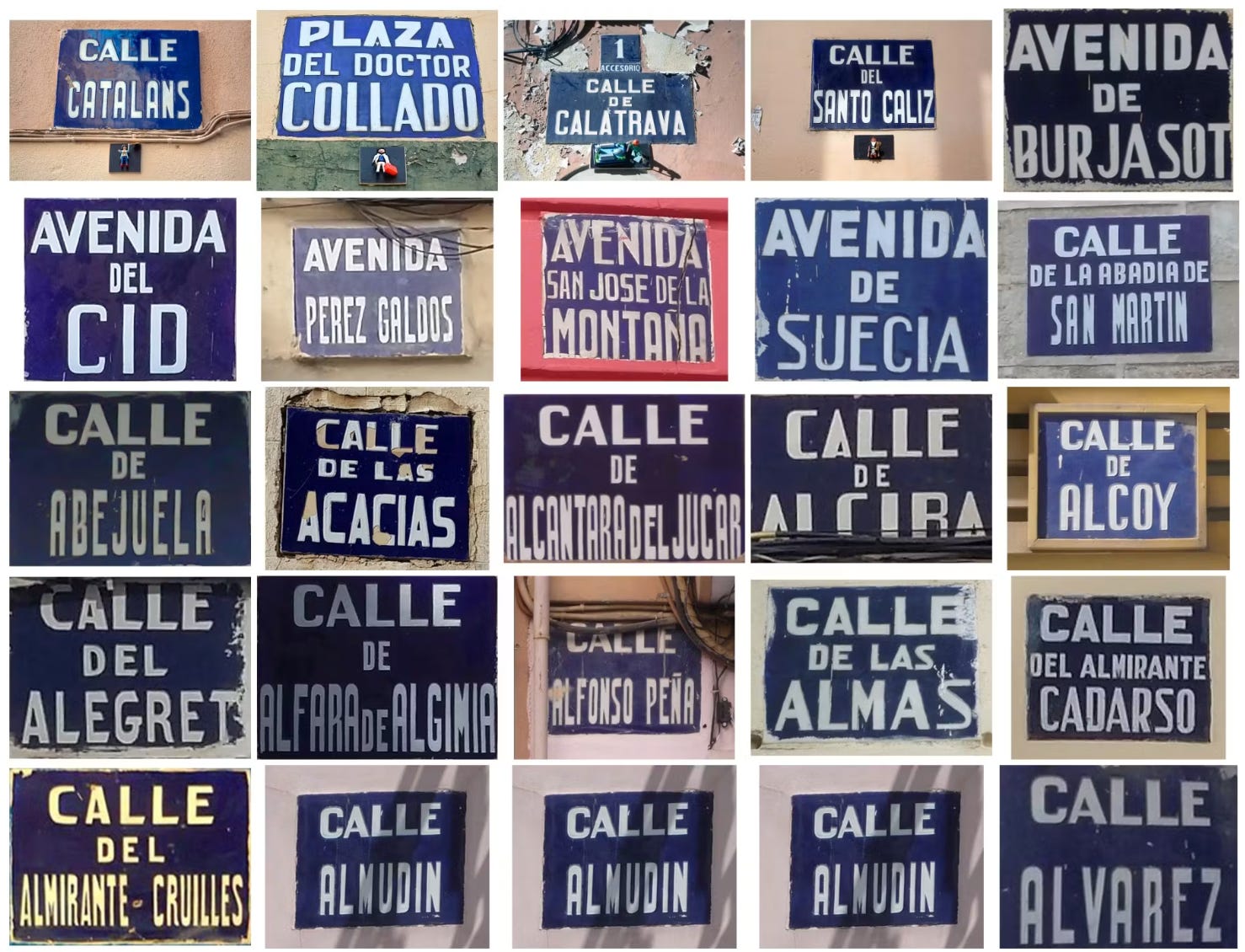
Mostardesign Type Foundry has published Calenza, a contemporary typeface family heavily informed by the historic ceramic street signage found throughout Valencia. The project moved from a casual stroll photographing the city’s signature blue ceramic plaques into a rigorous typographic reinterpretation.
No posts
Comments
Nothing yet. Say the first thing.
Sign in to join the conversation.