Has Tech Robbed Us of Our Sensory Lives? [via The New Yorker] Ian Bogost’s new book, “The Small Stuff,” argues that reclaiming the tiny, mundane pleasures of the physical world can help us offset the encroachment of screens.
Bogost argues that phones, apps, and other forms of digital mediation have removed us from the world of sensory delights that surrounds us, whether it’s the chunky mechanism of a car’s shift knob (which has been replaced by a Tesla-style touch screen) or the wet, sticky smoosh of masonry paint (which we might hire a TaskRabbit worker to apply to our walls instead of doing it ourselves). The author recommends the aforementioned masonry paint to a friend, and lavishes poetic description on it in order to pinpoint the gratification it offers: “The sonic delight of that squelchy sound, the tactile charm of feeling the brush produce it, the visual appeal of watching the red-brown bricks turn to snowy white.” Bogost’s joy is infectious. As I was reading his slim, efficient book, I was newly attuned to the sensory experiences in my own life, from the flicky, card-like thinness of tickets to a baseball game to the productive clatter of my refrigerator’s ice machine. The thrust of “The Small Stuff” is that, by focussing on these tiny, mundane pleasures, we can resist the encroachment of what Bogost calls “dematerialization”—the shallowness of automated interaction.
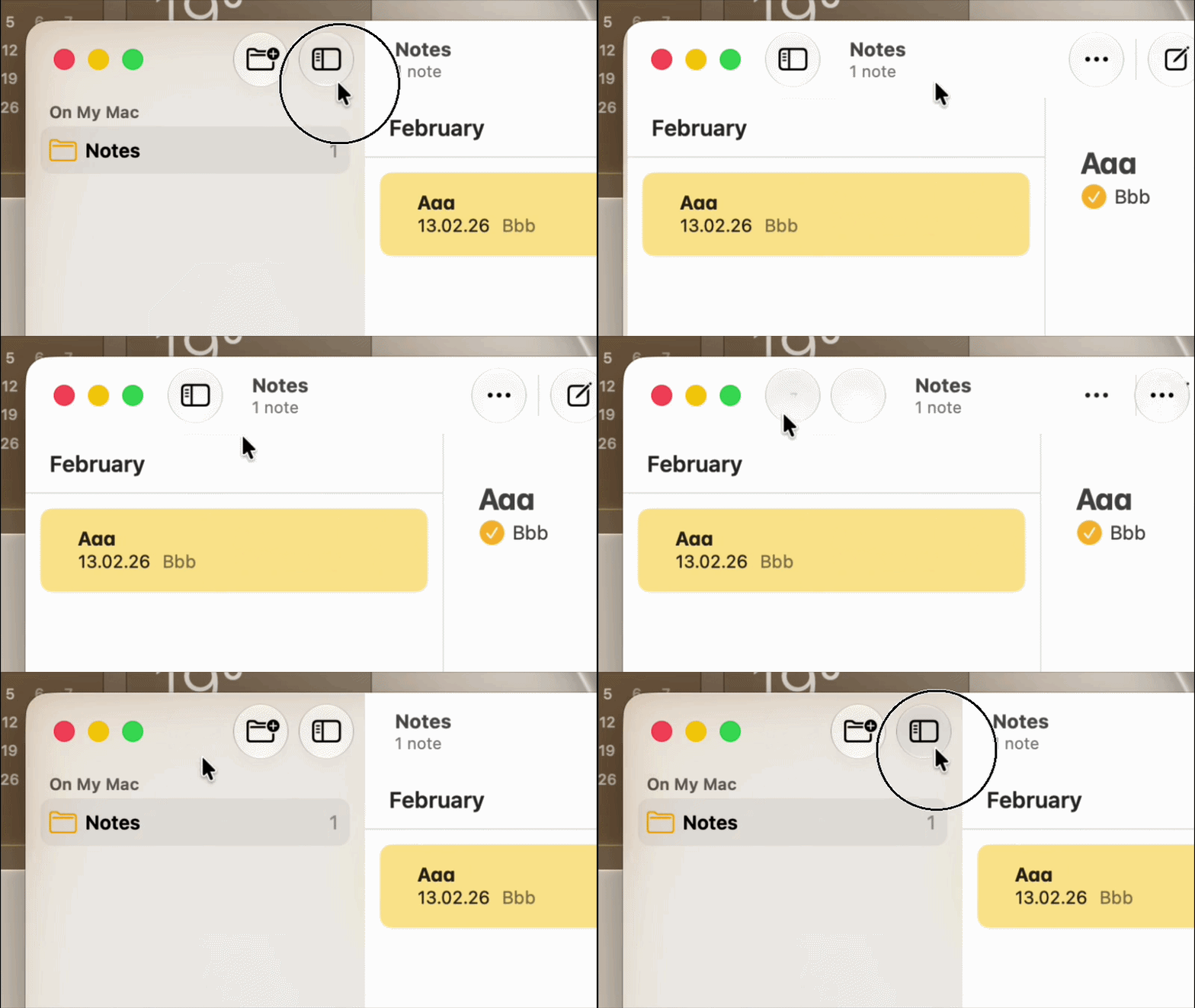
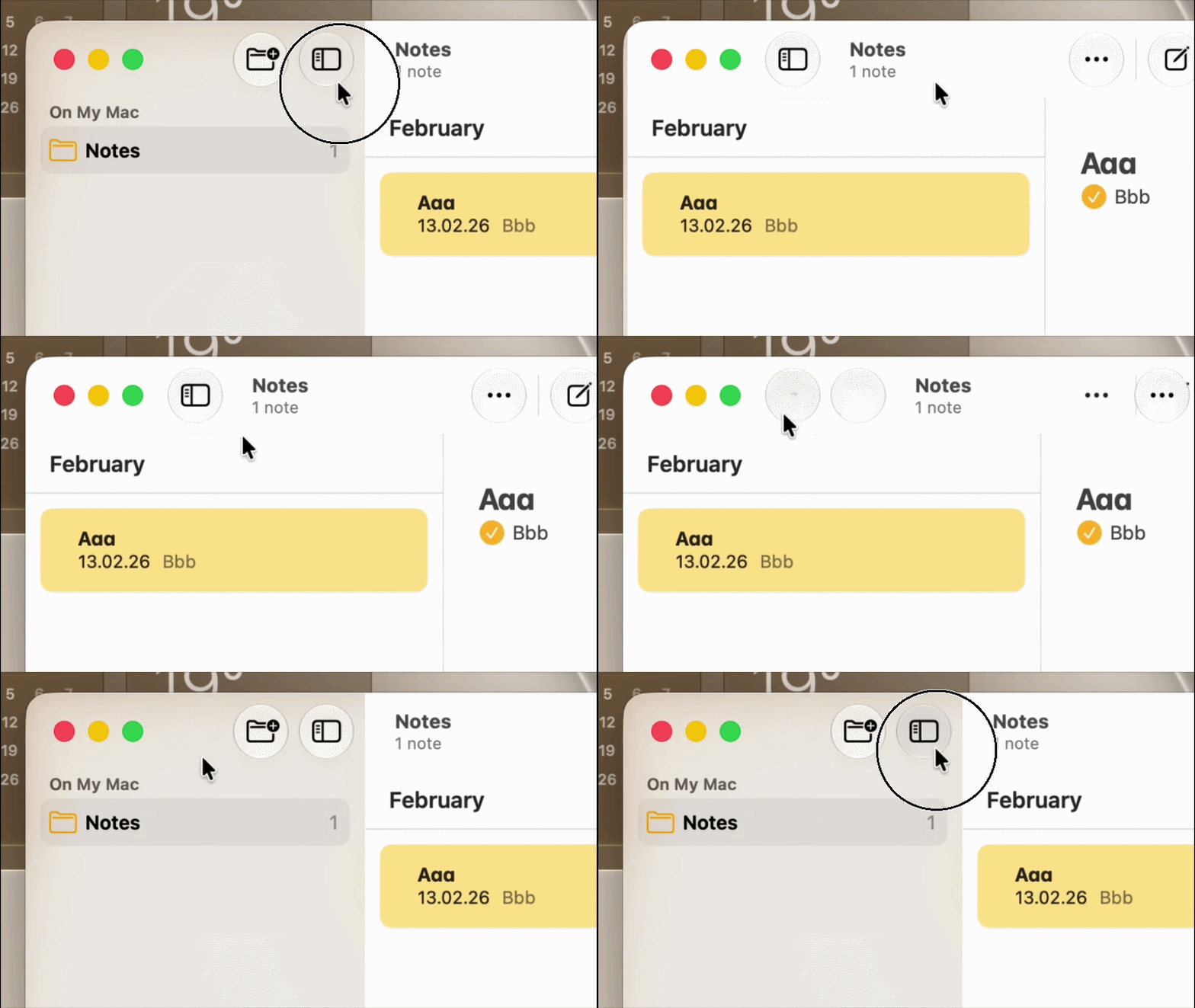
Proposed UI rule of thumb: “If I take a screenshot of your app at any moment, it must make sense.” Animations often end up being forgotten. A UI might look great in both start and end states but very janky in between. Like this:
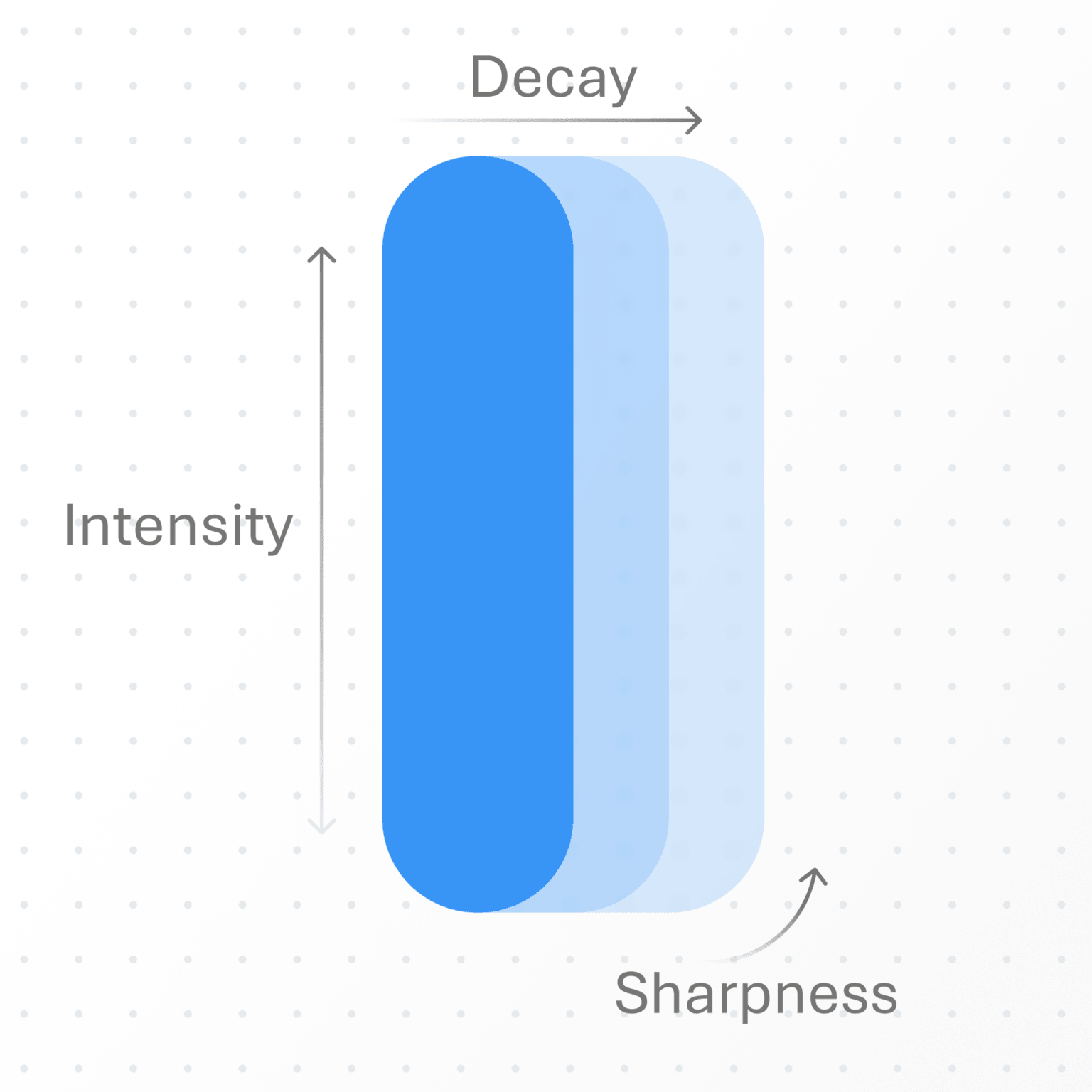
Haptics design and implementation [via Microsoft design] Guidance for adding haptic feedback to improve clarity, support inclusion, and create more intuitive experiences.
Programming, writing, designing, and composing all share a hidden cognitive property: they require loading a complex mental model into working memory before any productive work can happen. A developer needs one to two hours of uninterrupted reading and analysis to reconstruct how a program fits together. Paul Graham described this years ago in his essay on maker and manager schedules, noting that a programmer forced to work in hour increments must restart that state-loading process every single time.
Michael Seibel put it in terms his non-technical co-founder could understand: imagine being interrupted in the middle of solving a ridiculously complicated word problem. The visible activity, typing, looks resume-able. The invisible activity, maintaining a complete mental model of the problem space, is not.
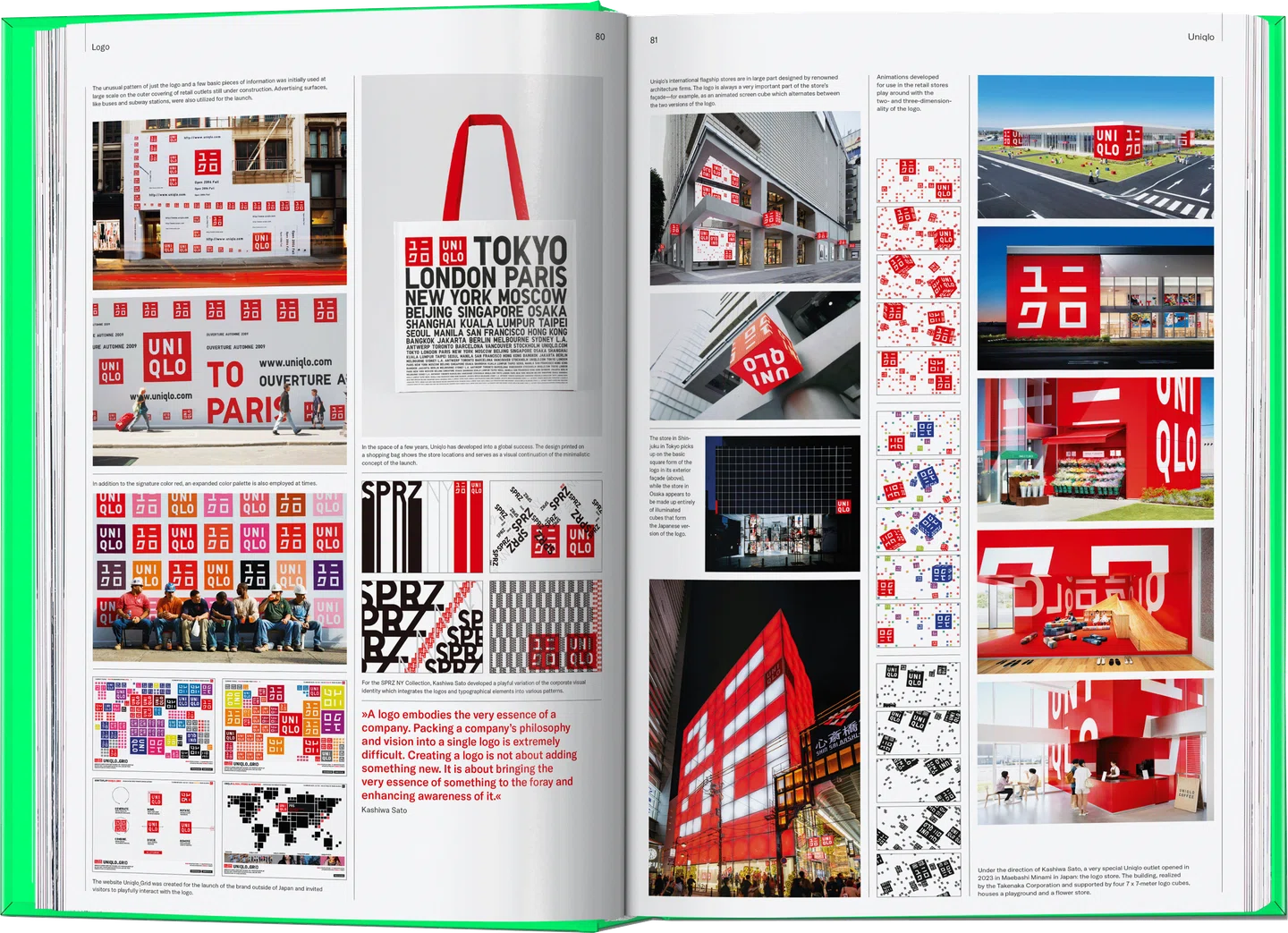
From Olivetti to Instagram: a short history of modern brand design via itsnicethat In an excerpt from Taschen’s The Elements of Brand Design, Katharina Sussek and Jens Müller chart the genesis and evolution of modern branding and visual identities, from the 19th century to how we experience them today.


Comments
Nothing yet. Say the first thing.
Sign in to join the conversation.