Insurers’ double standard: Higher rates for you, total immunity for Big Oil
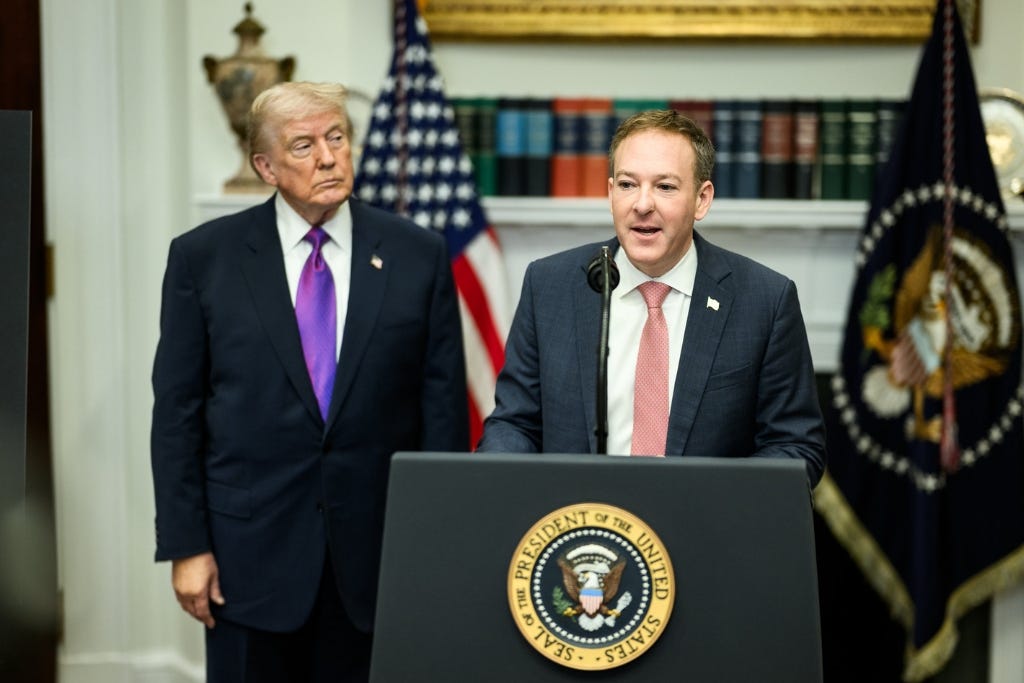
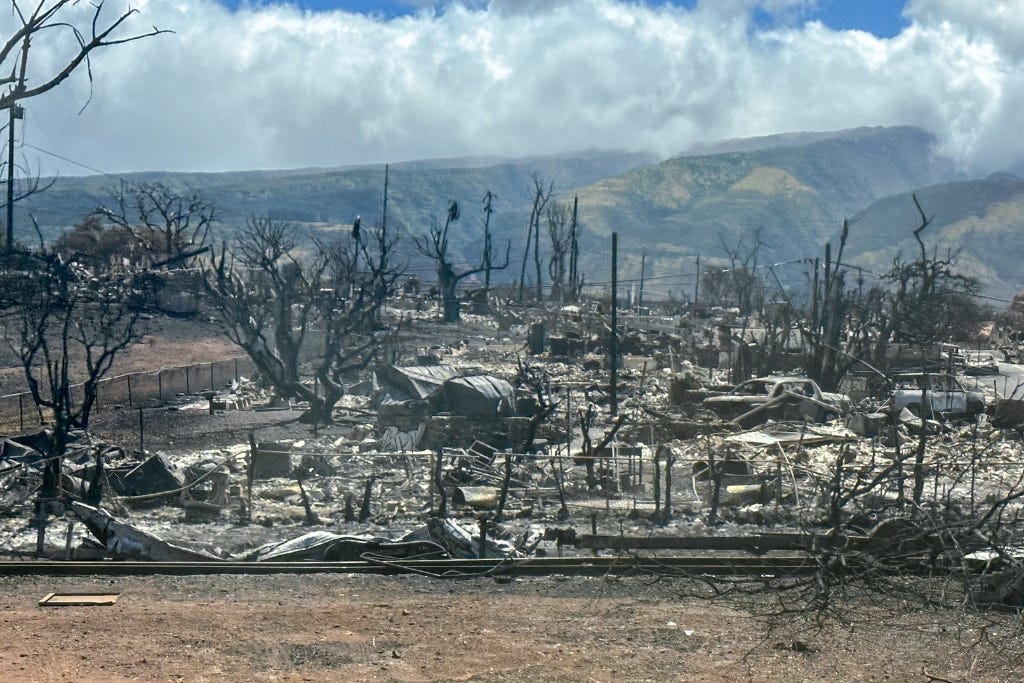
The very companies refusing to insure your home against wildfires and floods are asking the Supreme Court to protect the fossil fuel giants causing them.

Every major climate court battle tells a bigger story about our world. The Climate Record exists to bring these stories to life.
Subscribe:.rss.atom.json.md.m3u.pls
Live Last read · last published · next check
Saves to your Listen queue, to pick up on another day or another device.
The very companies refusing to insure your home against wildfires and floods are asking the Supreme Court to protect the fossil fuel giants causing them.
A DC court just dealt a major blow to the EPA's clean energy grant freeze. But a thickening web of litigation threatens to stall the transition anyway.
A number of US states are working on legislation to grant fossil fuel giants immunity for their climate impacts – just as the science that demonstrates their liability takes hold.
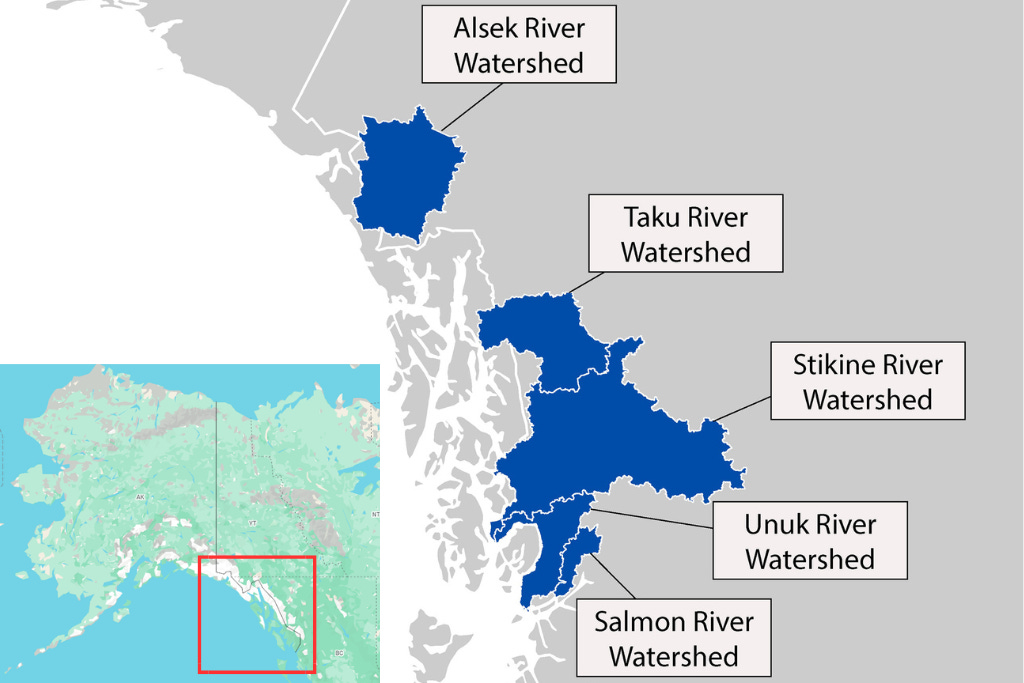
Downstream from Canadian mines, Alaska tribes fight a legal battle for survival, sovereignty, and the last wild salmon rivers.
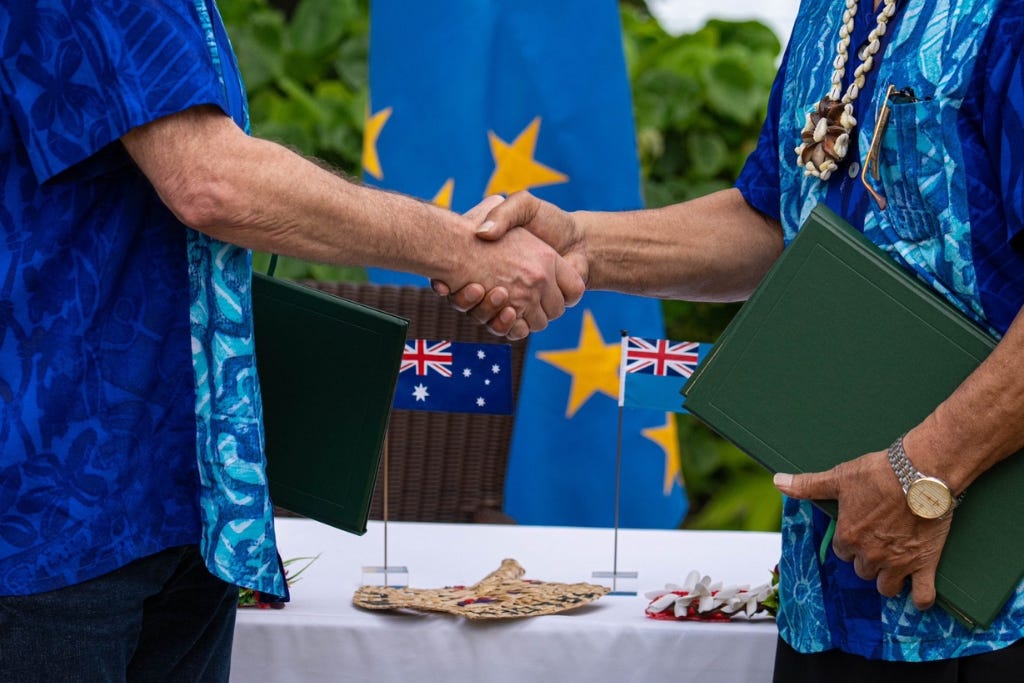
Within this century, the world will have sovereign countries that exist on paper, in cloud servers, and in international law, with no physical land to stand on.
Every major climate court battle tells a bigger story about our world. The Climate Record is here to uncover those stories.
This month, a French court will deliver a historic verdict on the nation’s first climate lawsuit aimed at holding a multinational oil giant legally accountable for its role in global warming.
For nearly two decades, the Endangerment Finding served as the legal bedrock of American climate policy, compelling the EPA to treat carbon pollution as a threat to human survival.
Over the past decade, climate litigation has evolved into a powerful global accountability system with over 3,000 cases filed worldwide.
In 2016, an association of over 2,000 senior Swiss women launched a legal challenge against their government, alleging that inadequate climate policies violated their fundamenal human rights.